
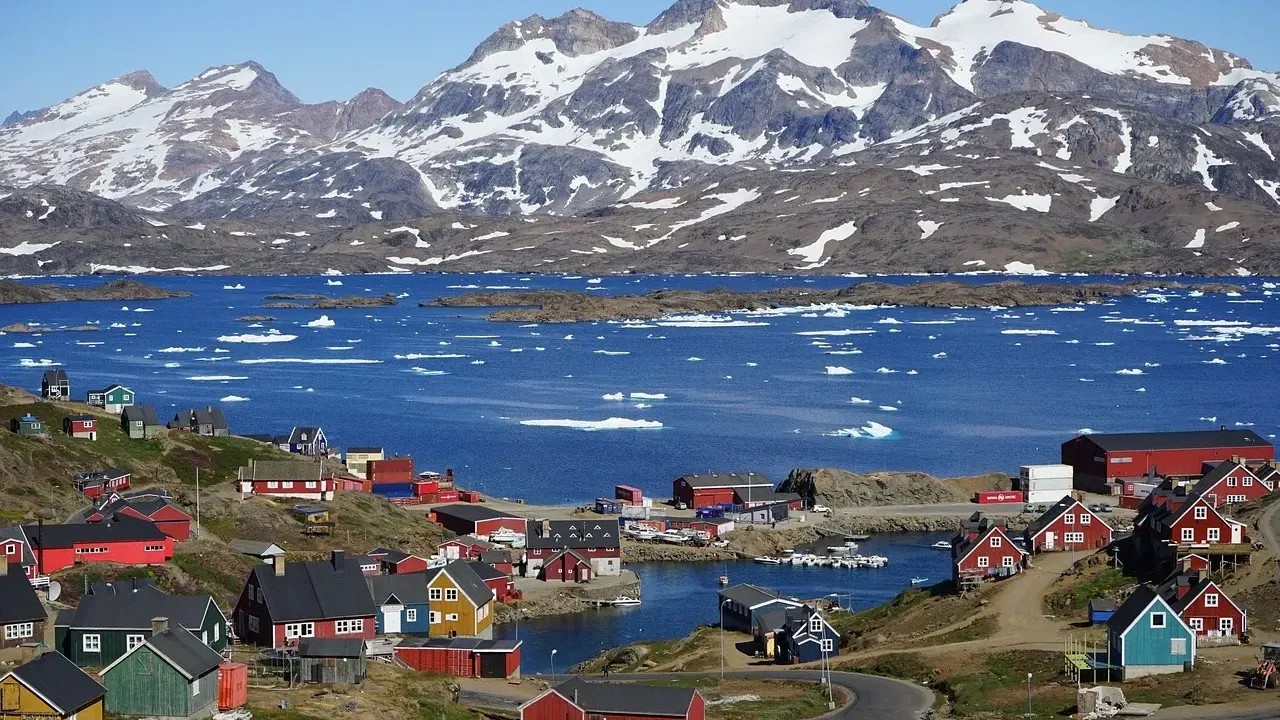
The Earth is older than imagination can truly grasp, and it keeps secrets that our most advanced instruments can barely begin to decode. Strange booms, craters that appear overnight, invisible magnetic holes growing quietly beneath our satellites – these are not science fiction. They are real, documented, and deeply unsettling to the researchers who study them.
What makes these events so fascinating, honestly, is not just their strangeness. It is the fact that we live on a planet we still do not fully understand. Each of the events below has alarmed scientists for different reasons, and several of them are still generating new data and fresh debate right now, in 2026. Let’s dive in.
1. The Yellowstone Hydrothermal Explosions of 2024
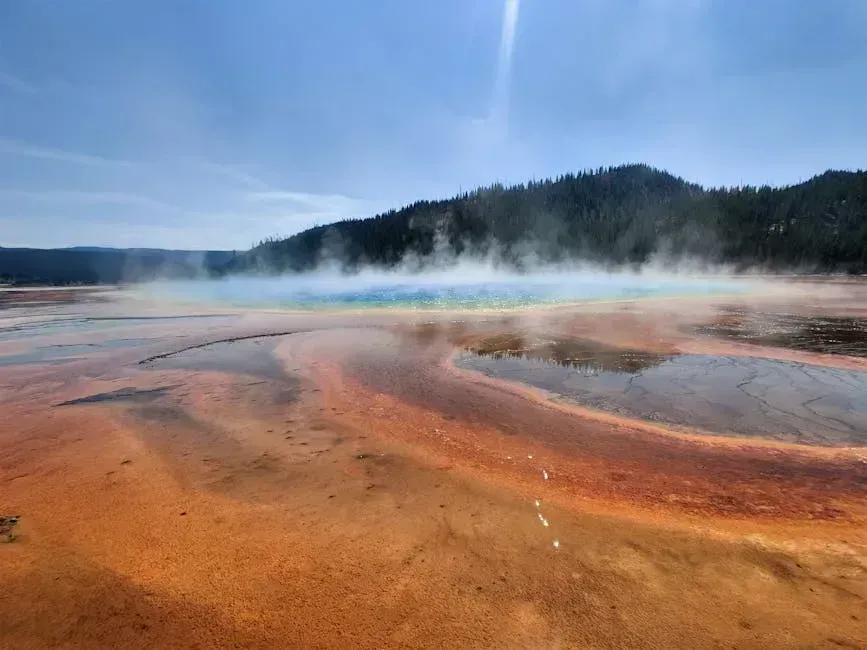
In Yellowstone, 2024 was probably remembered as the year of the hydrothermal explosion. There were two noteworthy such events, each important for different reasons. These were not volcanic eruptions in the conventional sense, but something in many ways more unpredictable. Hydrothermal explosions happen without the lead time that volcanic tremors typically provide, making them nearly impossible to forecast.
The larger of the two events occurred just before 10 AM local time, on a bright, sunny day, when dozens of people were in the area. They had to run for safety as an unheralded explosion hurled rocks, mud, liquid water, and steam hundreds of feet into the air. Fortunately, there were no injuries, even though geologists later mapped over 1,400 rocks with a long dimension greater than a foot that were ejected by the event.
Adding to the unease, a new thermal pool formed in the Porcelain Basin area of Norris Geyser Basin between late December 2024 and early February 2025, likely in a series of mildly explosive events. The rocks and white silica mud surrounding the pool were probably ejected as the feature formed. The pool is about 4 meters across. The fact that entirely new geological features keep forming at Yellowstone without warning tells scientists this system is far from sleeping.
As of early 2026, Yellowstone Caldera activity continues at background levels, with 74 earthquakes located in February alone, and deformation measurements indicate a pause in the uplift that had been occurring along the north caldera rim since July 2025. In Norris Geyser Basin, Echinus Geyser erupted roughly 40 times during February – the first eruptions of the geyser since 2020. A system that can reawaken dormant features without notice is, by any measure, still full of surprises.
2. The Greenland Landslide That “Rang” the Earth for Nine Days
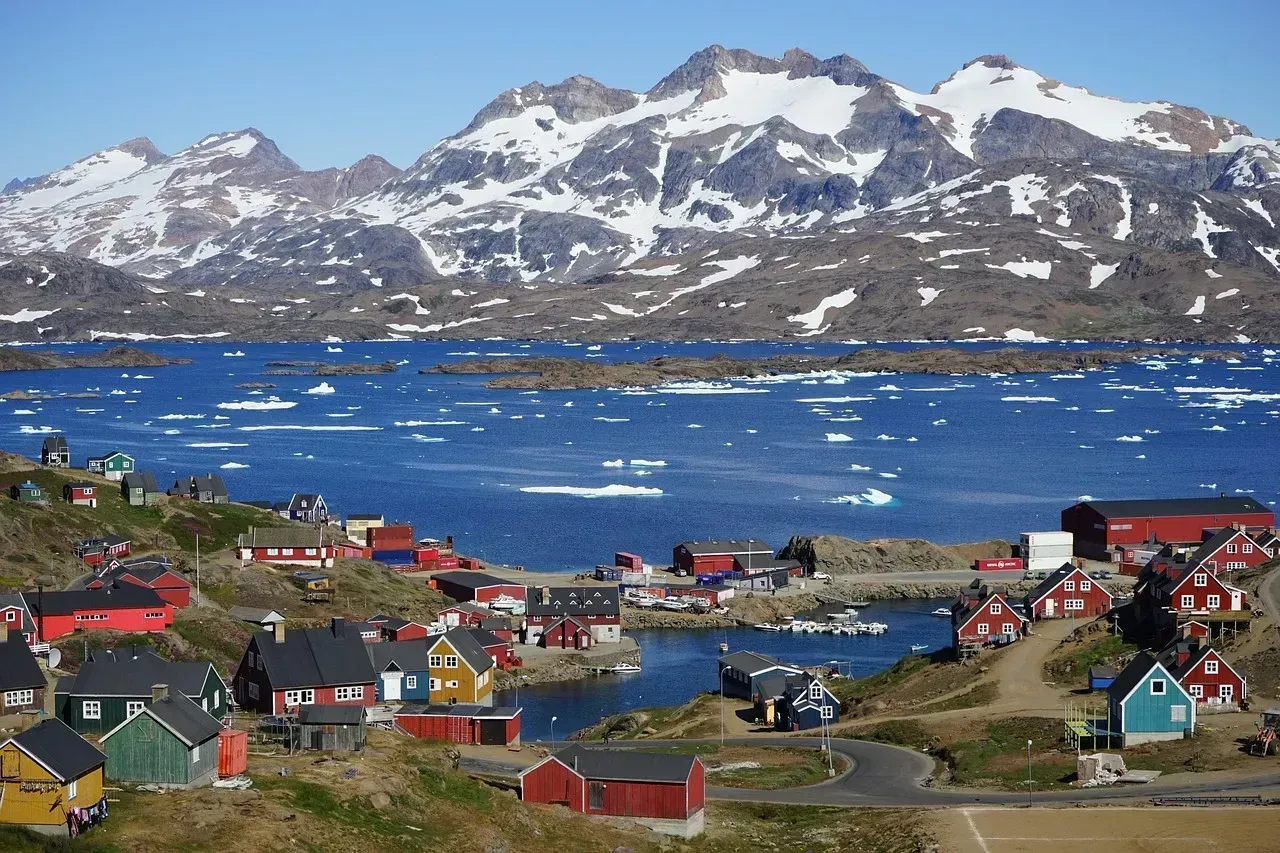
Here’s the thing about this event – it wasn’t just a landslide. It was something scientists had never recorded before, a geological phenomenon so unusual that it took 68 researchers from 15 countries to figure out what actually happened. One thing was certain from the start: it was not caused by an earthquake.
The signal was traced to a massive avalanche along the Dickson Fjord in eastern Greenland, triggered by glacial melting due to climate change. Some 1.2 kilometers above the remote fjord, a mountaintop collapsed, driving more than 25 million cubic meters of rock and ice into the water – enough to fill roughly 10,000 Olympic-sized swimming pools.
The tsunami that resulted was towering, reaching 200 meters in height. Because the wave’s energy was trapped in a rocky fjord, the water sloshed back and forth in a phenomenon called a seiche, and scientists traced the seismic signal – detected on sensors from the Arctic to Antarctica – to that pattern. Think of it like a bathtub being shaken: the water keeps sloshing back and forth long after the initial impact.
Scientists warn that similar cascading events may happen in the future, and they expect the frequency of landslides and tsunamis to increase in the Arctic as a result of global warming. As one researcher noted, “climate change is causing new natural phenomena we could not even dream of just a year ago.”
3. The South Atlantic Anomaly: Earth’s Magnetic Shield Is Breaking Down
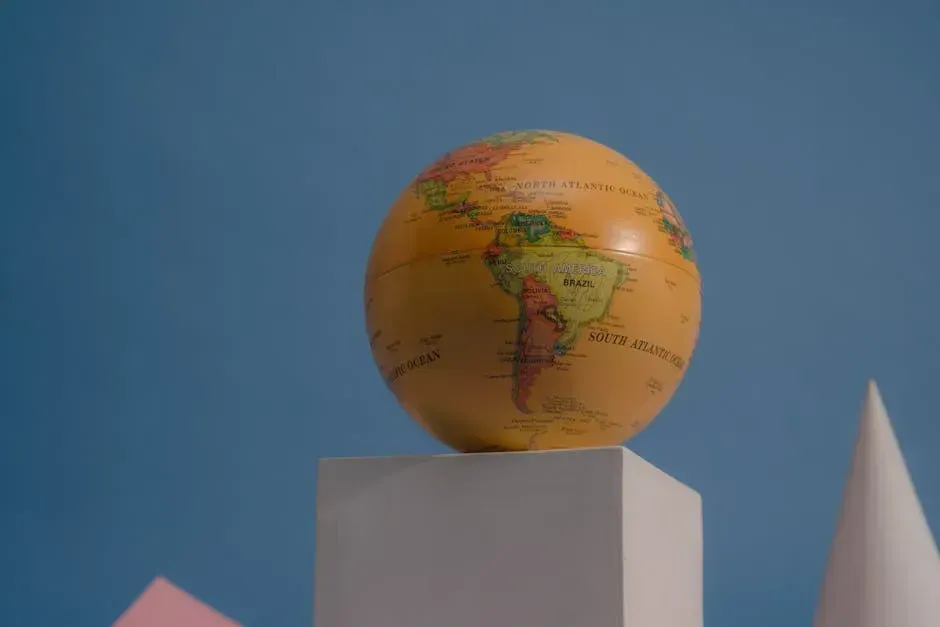
If you had to pick the most alarming ongoing geological event on this list, this might be it. The South Atlantic Anomaly, a growing weak spot in Earth’s magnetic shield, has expanded by nearly half the size of continental Europe since 2014, with especially intense weakening now occurring near Africa. At the same time, magnetic strength is rising over Siberia and fading over Canada, reflecting powerful changes unfolding deep inside Earth’s core.
Using 11 years of magnetic field measurements from the European Space Agency’s Swarm satellite constellation, scientists discovered that the weak region in Earth’s magnetic field over the South Atlantic has expanded by an area nearly half the size of continental Europe since 2014. Furthermore, a region of the Atlantic Ocean southwest of Africa has experienced an even faster weakening of Earth’s magnetic field since 2020.
Satellites passing through this region are exposed to elevated levels of radiation, increasing the risk of technical malfunctions, hardware damage, and even temporary outages. People in orbit also face higher risks from radiation, including a greater chance of DNA damage and of suffering cancer during their lifetimes. The International Space Station itself passes through this anomaly regularly.
The anomaly originates from complex dynamics within Earth’s molten core, particularly the uneven distribution of molten iron flows. Scientists have identified a massive structure beneath the African continent, known as the African Large Low Shear Velocity Province, as a key disruptor. This dense reservoir interferes with the generation of the magnetic field, creating the localized weakening seen in the anomaly region. What we cannot yet say for certain is whether this is a temporary fluctuation or the beginning of something far more significant.
4. Siberia’s Exploding Permafrost Craters
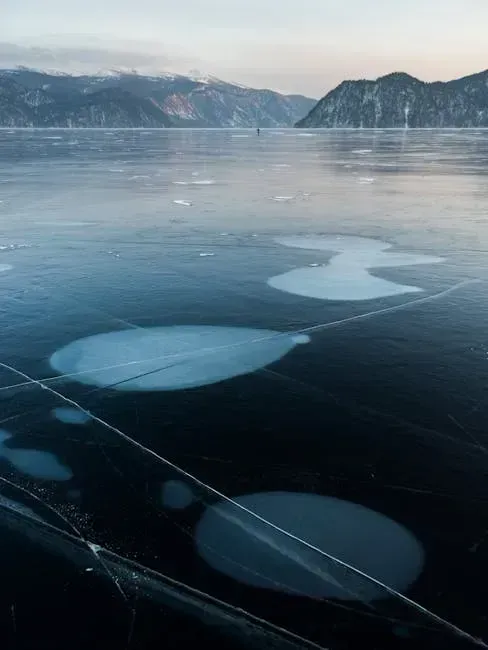
A decade ago, a mysterious crater appeared in the Russian Arctic, forming a huge jagged hole hundreds of feet wide, plunging down into an inky abyss. It was surrounded by enormous chunks of soil and ice, testament to the violent forces that created it. Since 2014, more than 20 such craters have exploded, pockmarking the remote landscape of northwestern Siberia’s Yamal and Gydan Peninsulas.
In western Siberia, a rare kind of gas explosion is carving deep, near-vertical craters in the tundra. Some of these massive craters exceed 150 feet in depth, as documented in peer-reviewed research. A new study argues that specific geology, underground gas, and regional Arctic warming caused by climate change all work together to create the “perfect storm” for this new type of natural disaster.
Not only are the craters affected by climate change, they also contribute to it. Each explosion belches out methane that was previously locked away deep in the Earth, a gas up to 80 times more effective at trapping heat in the atmosphere than carbon dioxide in the short term. This is what researchers call a feedback loop, and it is deeply worrying.
These gas emission craters are rocky cylinders plunging as deep as 164 meters and stretching up to 30 meters in width, with steep walls lined with layers of permafrost. So far, only a handful of craters have been documented since 2014, but each one has stunned scientists and locals with its scale and geological drama. The real alarm? Scientists believe the actual number of such events may be far higher than what has been detected.
5. The Eye of the Sahara: A Structure No One Can Fully Explain
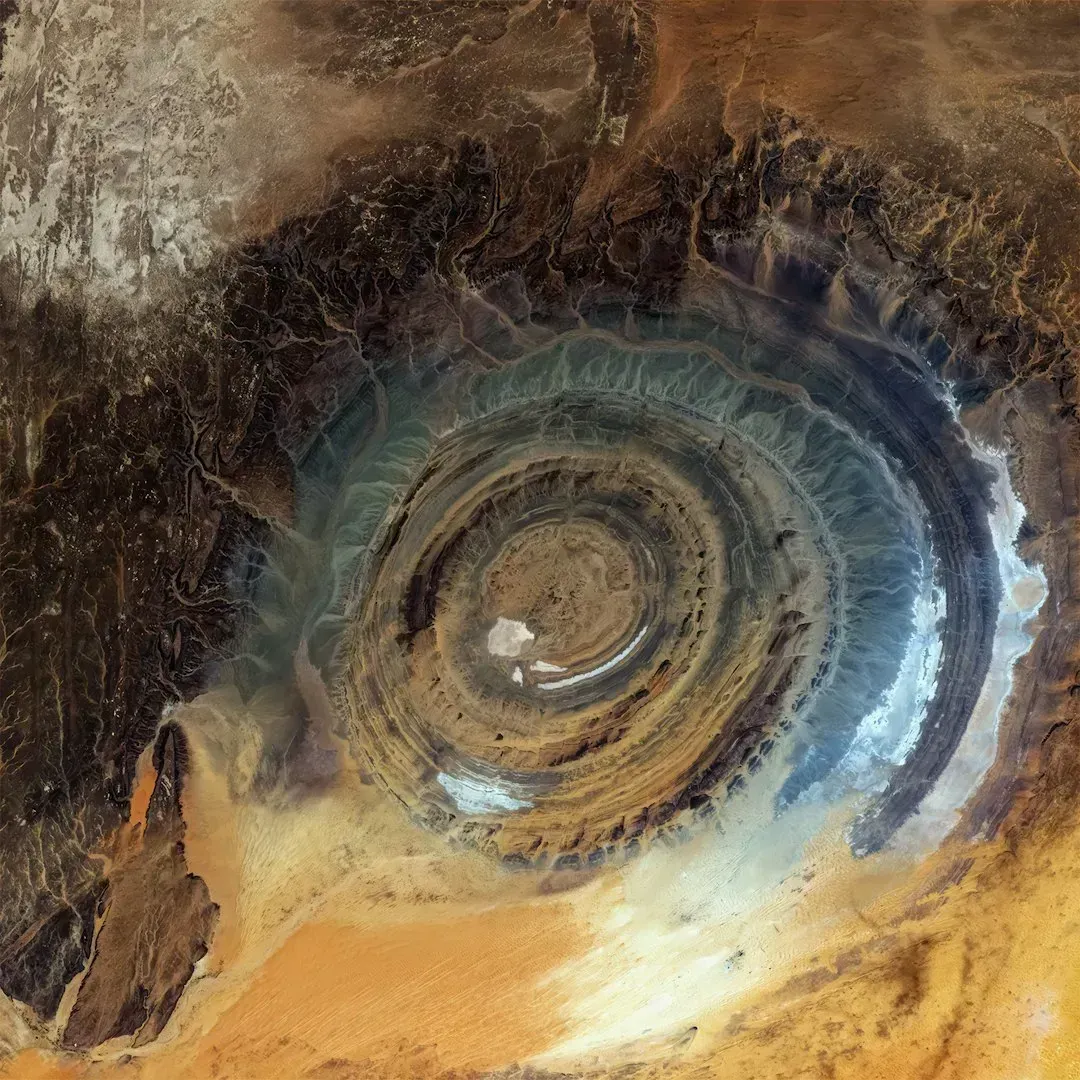
The Eye of the Sahara, also known as the Richat Structure, is a 28-mile-wide site of huge concentric circles found in the western African nation of Mauritania. From the ground, it looks like an ordinary eroded landscape. From space, it looks like a giant bullseye drawn by something far larger than humanity. Astronauts have used it as a navigation landmark.
Geologists initially thought the site was created by an asteroid impact, but there isn’t enough melted rock among the rings to support this theory. Similarly, there’s no evidence to suggest a volcanic eruption. Both of the most intuitive explanations simply don’t hold up under scrutiny, which is precisely what makes this place so scientifically frustrating.
More recently, geologists have proposed that the Eye of the Sahara could be an eroded, collapsed geological dome, formed some 100 million years ago when the supercontinent Pangea broke up. Bolstering this theory are ancient rocks found on the surface, which originated as much as 125 miles beneath the Earth’s crust and before life existed on Earth.
I think what makes the Richat Structure so captivating is how large it is combined with how little we understand it. Structures this dramatic should, in theory, have left more obvious clues. The fact that it still resists clean explanation after decades of study is, honestly, remarkable – and a reminder that size alone does not guarantee answers.
6. The Great Unconformity: A Missing Billion Years of Rock
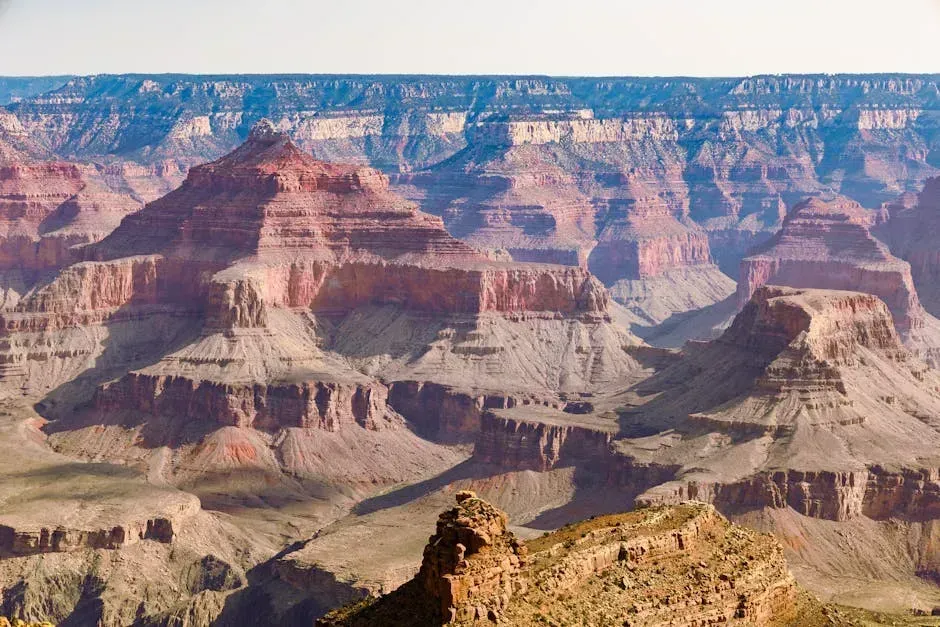
The Great Unconformity is a huge gap in the geological record: layers of rock dating from about 1.2 billion to 250 million years ago are completely missing from certain areas around the globe. This enormous chunk of lost time can be seen clearly in the stratigraphy of the Grand Canyon in Arizona. Geologists studying the anomaly have noted that there is plenty of rock, full of fossils, from the Cambrian period – around 540 million years ago – but the layer beneath it is basement rock formed roughly 1 billion years ago and empty of fossils.
Think of it like opening a history book and finding that nearly half the chapters have been ripped out. Not pages – entire centuries. An emerging theory called “Snowball Earth” may explain where the rock disappeared. Around 700 million years ago, Earth may have been encased in snow and ice. Moving glaciers peeled off the planet’s crust with the help of lubricating sediments, pushing it into oceans where it was reabsorbed by subducting tectonic plates.
The mystery is not fully resolved, however. The Snowball Earth hypothesis is still contested, and multiple competing explanations coexist in the scientific literature. Scientists are essentially arguing over an enormous geological event for which the physical evidence has largely been destroyed – which is itself a mind-bending concept.
7. “Impossible” Earthquakes in Stable Regions
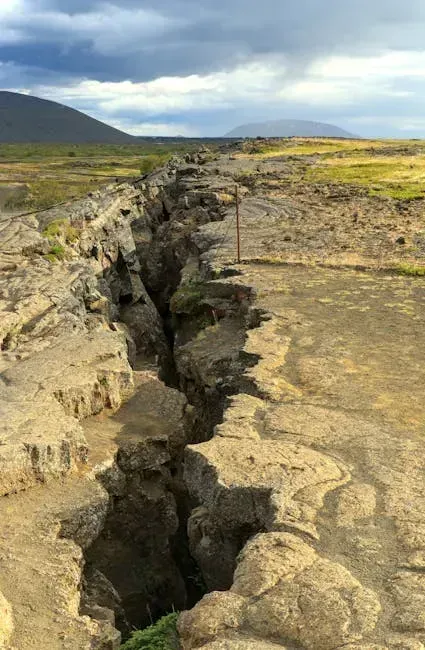
Once considered geologically impossible, earthquakes in stable regions like Utah and Groningen can actually occur due to long-inactive faults that slowly “heal” and strengthen over millions of years. This finding, published in late 2025, overturned longstanding assumptions about what parts of the Earth’s crust were actually capable of seismic activity.
Part of the reason predicting earthquakes is so difficult comes from the fact that we don’t fully understand the process that causes them: plate tectonics. Earth’s crust is composed of several shifting tectonic plates, but scientists can only speculate about when and how the process began. Part of the reason it is so difficult to unearth the mysteries behind these plates is because there is virtually no geological evidence remaining from such a long time ago.
The idea that a fault can go dormant for millions of years, essentially “heal” itself, and then become dangerous again is alarming from an infrastructure planning standpoint. Cities, pipelines, and nuclear facilities are often built with the assumption that ancient, quiet faults will stay quiet. Most natural mysteries are partially understood rather than completely unknown. Scientists usually know the underlying processes but lack enough data to predict outcomes accurately. Rare events, hidden underground systems, and complex interactions between Earth’s systems make full explanations difficult.
8. The Greenland Ice Sheet’s Hidden Swirling Plumes
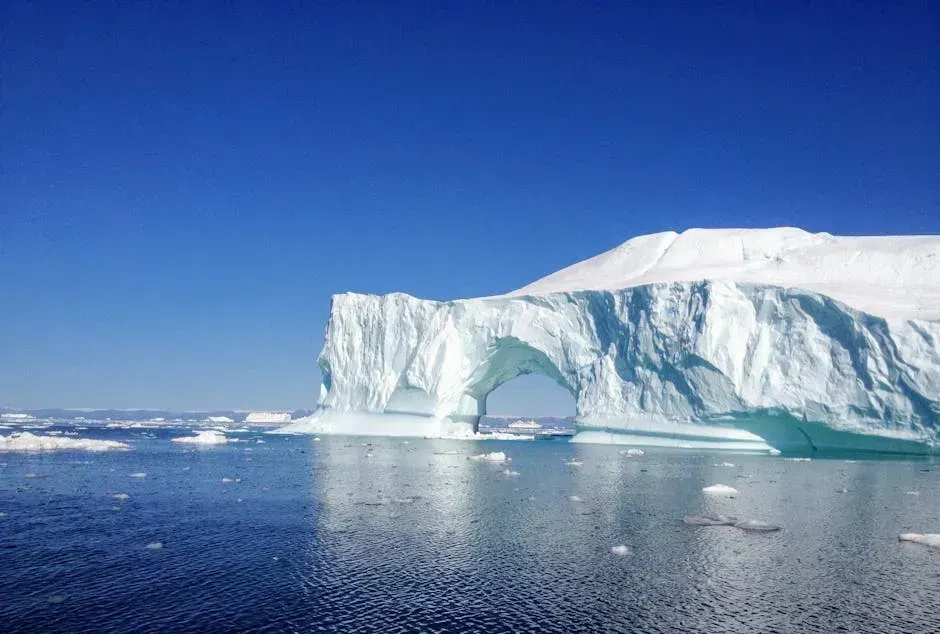
Scientists may have finally solved the mystery of strange plume-like structures hidden deep inside the Greenland ice sheet, with new research suggesting a possible explanation published in early 2026. These formations had baffled glaciologists for years, appearing as massive rotating columns of ice within the sheet itself, behaving in ways that simple gravity and pressure models could not account for.
Massive hidden waves are rapidly melting Greenland’s glaciers, according to recent research, and the interaction between these waves, the plumes, and the broader ice dynamics has become one of glaciology’s most pressing puzzles. It is hard to say for sure, but scientists increasingly believe these structures may be accelerating ice loss beyond current projections.
What makes this particularly alarming is the feedback potential. If the Greenland ice sheet melts faster than models predict, sea levels could rise more quickly than coastal adaptation plans currently account for. Sea levels are already rising faster than at any time in 4,000 years, with China’s major coastal cities at particular risk. The hidden dynamics inside Greenland’s ice may be part of what’s driving that acceleration.
9. Earth’s Inner Core: A New State of Matter Nobody Predicted
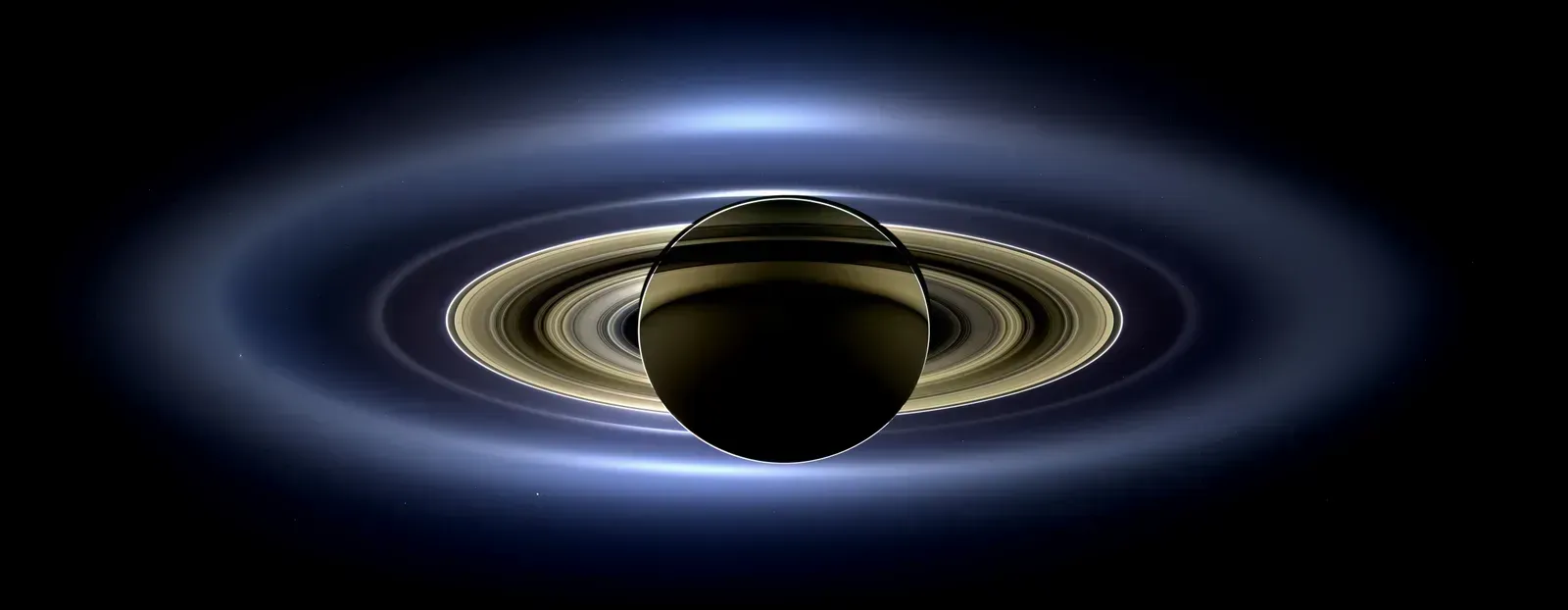
New research reveals that Earth’s solid inner core is actually in a superionic state, where carbon atoms flow freely through a solid iron lattice. This unusual behavior makes the core surprisingly soft. Published in late 2025, this discovery fundamentally changes how geophysicists model the planet’s deep interior, and it raises new questions about processes that ultimately influence everything from heat flow to magnetic field generation.
Earth’s magnetic field is largely generated by a global ocean of molten, swirling liquid iron that makes up the outer core, around 3,000 km beneath our feet. Acting like a spinning conductor in a bicycle dynamo, it creates electrical currents which in turn generate our continuously changing electromagnetic field – but in reality the processes that generate the field are far more complex.
The discovery of a superionic state at the core means scientists must now revisit and revise decades of modelling. It is, in a sense, like discovering that the engine inside a car you thought you understood runs on different physics than the manual describes. Each unexplained phenomenon pushes researchers to improve models, build better instruments, and ask deeper questions. What feels mysterious today often becomes tomorrow’s understood science, but new mysteries always emerge. Earth continues to surprise us because it is not static – it is living geology.
Conclusion
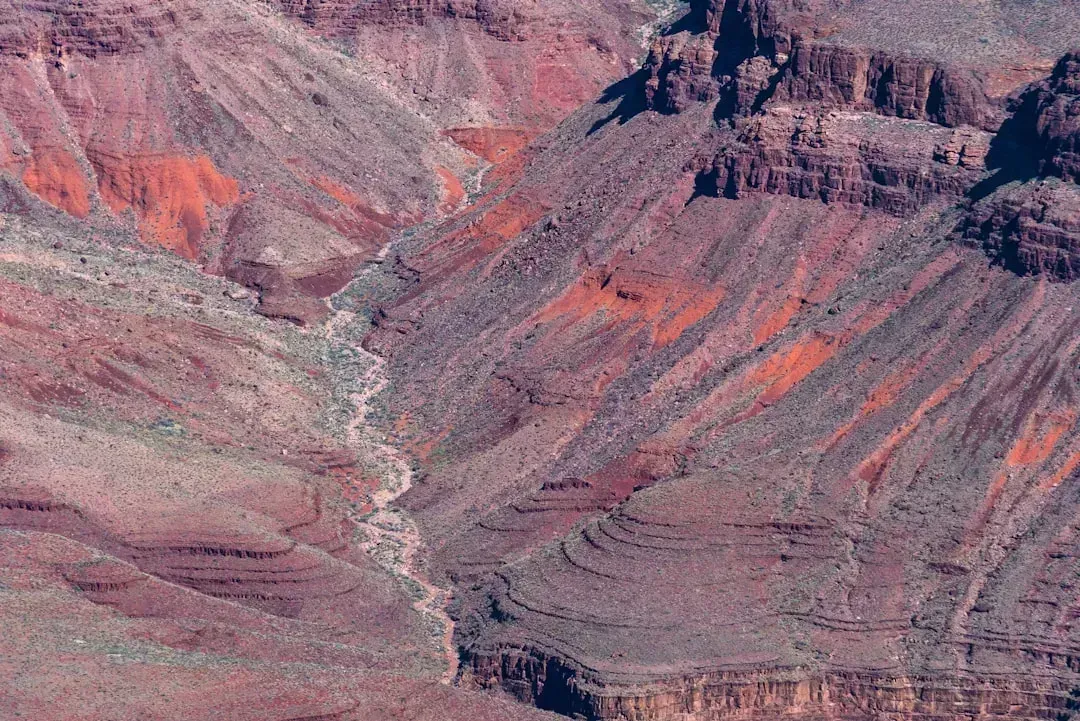
From the Greenland fjords to the depths of Siberian tundra, from Earth’s cracking magnetic shield to its mysterious superionic core, our planet is a system that stubbornly refuses to be fully mapped, fully modeled, or fully tamed. The events above are not historical curiosities. Several of them are unfolding right now, being monitored by satellites, seismometers, and field teams working in some of the most extreme environments on Earth.
What I find genuinely humbling about all of this is not the scale of the unknowns – it’s the speed at which new unknowns keep appearing. Just when researchers close in on an explanation for one phenomenon, the planet reveals another layer of complexity. Extreme and catastrophic geological events in 2024 have been particularly frequent and severe, raising serious concerns about whether the unpredictability of geological disasters is increasing.
We live on a breathing, shifting, occasionally exploding planet that operates on timescales our minds struggle to hold. The only thing more alarming than these events themselves is the thought that Earth has far more surprises still waiting beneath our feet. Which of these findings surprised you the most? Share your thoughts in the comments.

