
Something shifted in the last few years. Scientists are no longer talking about climate change as some distant, abstract threat. They are now pointing at specific places on the map, one by one, saying, “This one. This region. This is where things are breaking down.” And what’s striking is how fast the alarm bells are ringing, how suddenly locations that once seemed stable are now flagging red on every research dashboard.
Researchers at the Royal Netherlands Meteorological Institute have warned that the continuous rise in greenhouse gas emissions has pushed our climate into a new, more extreme state, where even small increases in global temperatures now trigger disproportionately severe impacts. That’s the world we’re now living in. These are the nine locations that experts are watching most closely right now.
1. The Amazon Rainforest, South America
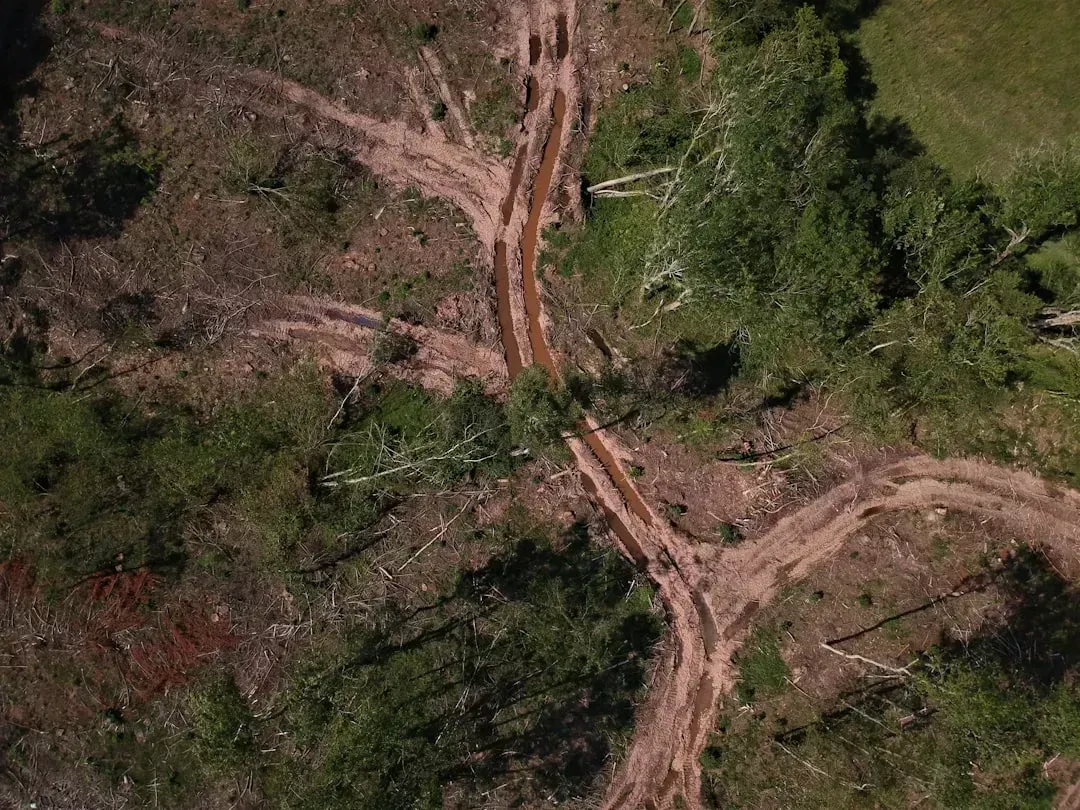
Let’s be real: the Amazon has been in trouble for a while. But scientists are now saying the situation has reached an entirely new level of urgency. The Amazon rainforest is losing the rainfall that sustains it, pushing the world’s largest tropical ecosystem closer to a potential tipping point. A study published in Nature Communications found that deforestation is driving a sharp fall in rainfall during the Amazon’s dry season and intensifying heat across the region.
In May 2025 alone, the Amazon lost 960 square kilometers of forest cover, an area larger than New York City. This represents a 92 percent increase in deforestation compared to May 2024. That number should make anyone pause.
Research published in the Proceedings of the National Academy of Sciences found that up to 38 percent of the forest area that existed in 1950 could be lost by the end of this century, which would take the Amazon past the threshold of 20 to 25 percent forest loss that earlier studies warned was the tipping point. If that tipping point is reached, scientists estimate it could release more than 200 billion tons of carbon dioxide into the atmosphere, making it almost impossible to keep global warming down.
2. West Antarctica
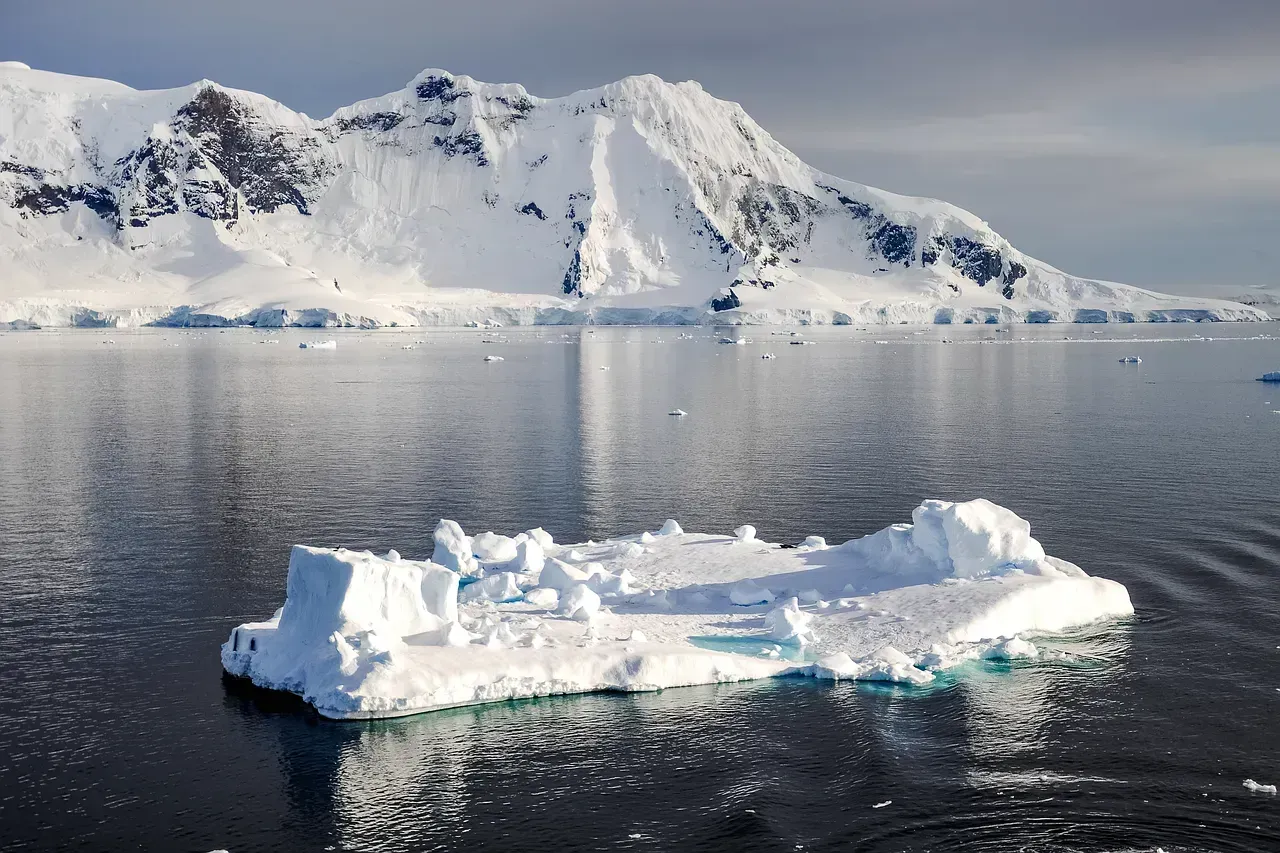
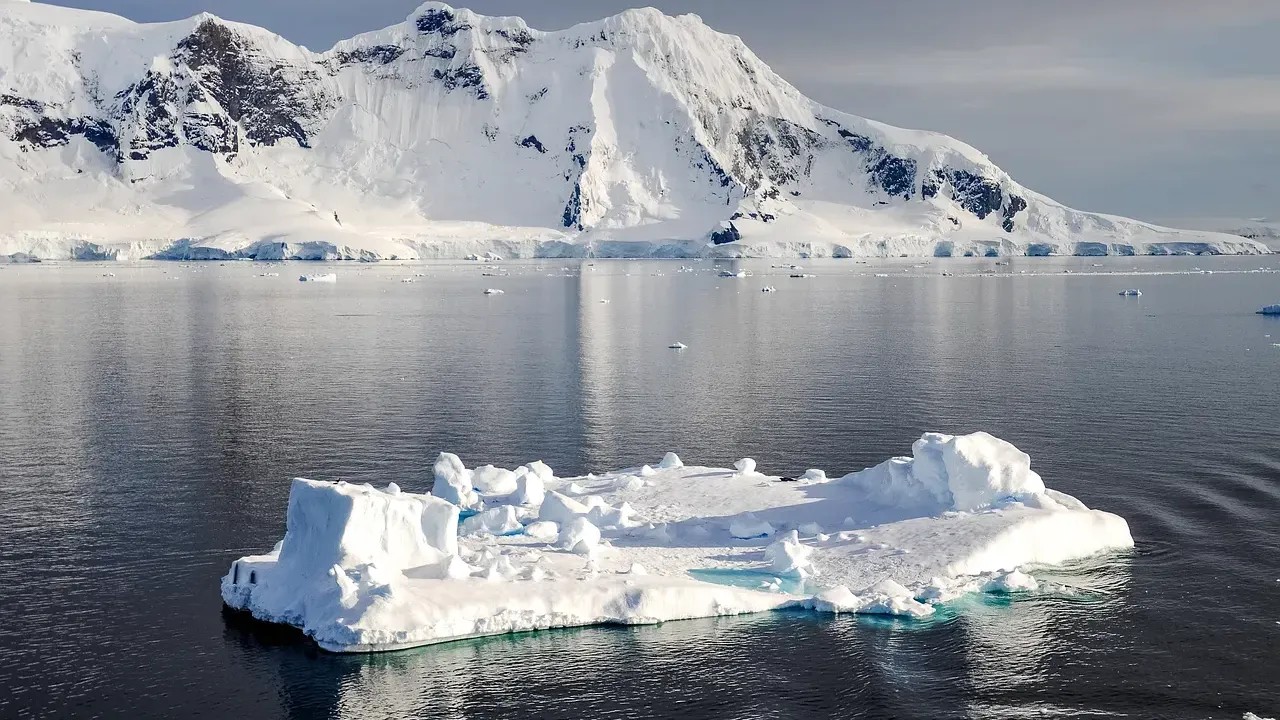
Antarctica feels distant. It always has. But that sense of safe distance is becoming dangerously misleading. Researchers warn that Antarctica is undergoing abrupt changes that could trigger global consequences, with melting ice, collapsing ice shelves, and disrupted ocean circulation threatening sea levels, ecosystems, and climate stability.
A study co-authored by the Potsdam Institute for Climate Impact Research found that collapse of the West Antarctic Ice Sheet could be triggered with very little ocean warming above present-day levels, leading to a devastating four meters of global sea level rise to play out over hundreds of years.
Once tipping has been triggered, it is described as self-sustaining and seems very unlikely to be stopped before contributing to roughly four meters of sea level rise, which would be practically irreversible. As one of the co-authors noted, it takes tens of thousands of years for an ice sheet to grow but just decades to destabilize it by burning fossil fuels, and there is now only a narrow window to act.
3. Los Angeles, California, USA
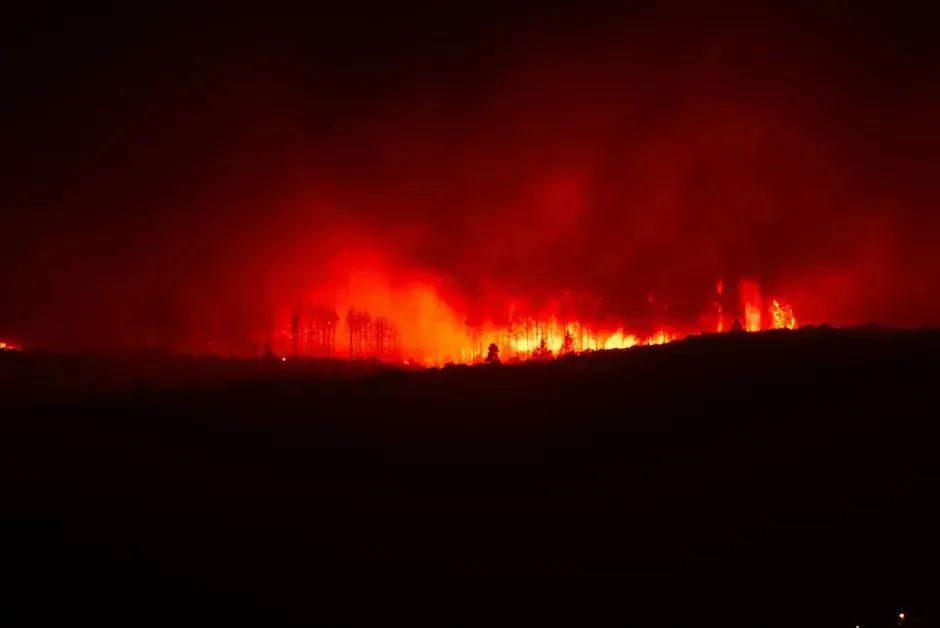
Honestly, few people expected Los Angeles to become a symbol of climate catastrophe in early 2025. California’s wildfires were already a recurring nightmare, but what happened at the start of last year crossed into historic territory. Carbon pollution helped fuel the Los Angeles fires of January 2025, the costliest wildfires on record, partly by making fire weather conditions at the time more likely and intense.
Without a change of course, the country is likely to experience more of the extreme heat, wildfires, flash floods, and damaging hurricanes that marked 2025. The fires around LA were not a fluke. They were a preview.
Because of human-caused warming, record highs are outpacing record lows across the United States, and 2025 saw over four times more record highs than record lows across 247 major U.S. cities. With 14 billion-dollar disasters through June alone, 2025 was well above the long-term annual average of nine such events per year. The built environment around Los Angeles continues to expand into fire-prone terrain, and climate scientists say the two things together form a dangerous equation.
4. South Sudan
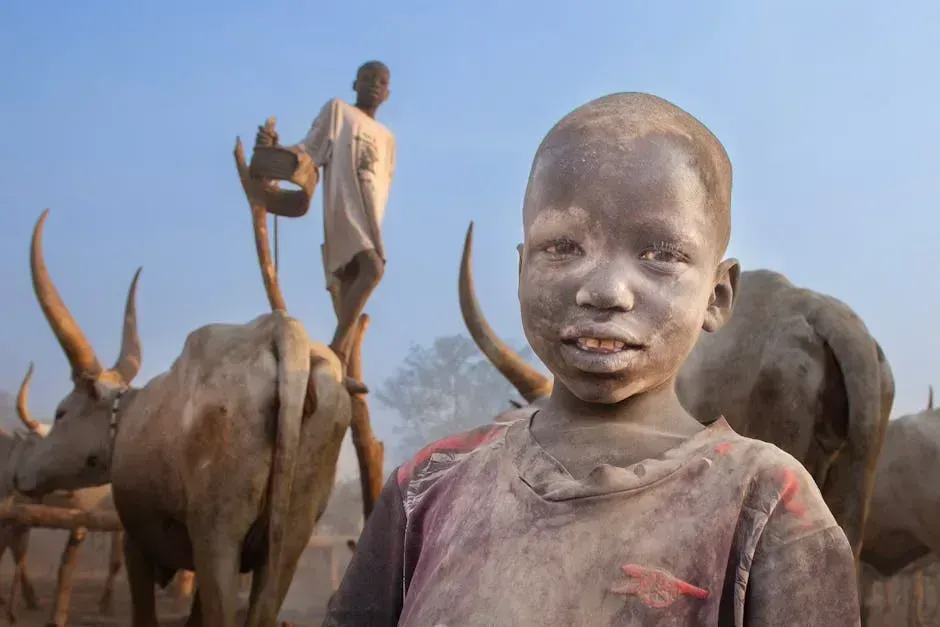
It’s hard to say for sure what extreme heat feels like until you hear what happened in South Sudan in early 2025. Extreme heat forced schools to close for two weeks in February 2025 after dozens of children collapsed with heatstroke. Human-made climate change made that heatwave 4 degrees Celsius hotter and transformed an exceptionally rare event into a common one, now expected to happen every other year in South Sudan, according to a World Weather Attribution assessment.
While heatwaves don’t leave a visible trail of destruction and often go underreported, the World Weather Attribution research group found they were the deadliest extreme weather event of 2025. That’s a devastating fact that barely made front pages in the Western world.
Berkeley Earth calculated that 770 million people, roughly one out of every twelve people on the planet, experienced record annual heat in recent years, with other record-hot spots including much of Australia, northern Africa, the Arabian peninsula, and Antarctica. South Sudan sits at the center of a region that has almost no capacity to adapt to what is coming.
5. Jamaica and the Caribbean
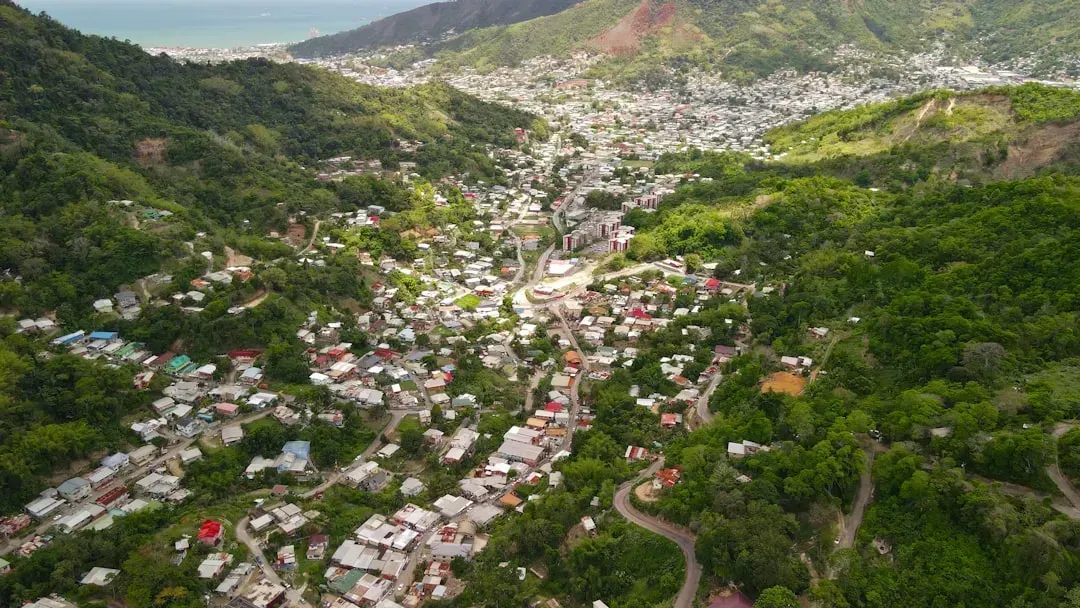
Think about what it means for a hurricane to wipe out nearly half of a country’s annual economic output in one landfall. That is exactly what happened to Jamaica in 2025. Hurricane Melissa caused an estimated 8.8 billion dollars in physical damage in Jamaica, equal to 41 percent of the country’s 2024 GDP, with only a small share of the losses expected to be covered by insurance.
Hurricane Melissa, the strongest Atlantic hurricane of the year, devastated Jamaica after making landfall as a Category 5 storm, and carbon pollution boosted the storm’s peak wind speed, making it even more dangerous. This is what a warming ocean does: it powers storms into monsters.
The scientific consensus is that a lack of action would have catastrophic consequences, not least for the so-called “frontline states,” such as developing island nations which could disappear under the ocean as sea levels rise. The Caribbean is at the front of that line, and Jamaica’s 2025 disaster is, in the eyes of climate scientists, a warning that will repeat itself with increasing frequency.
6. Pakistan, Sri Lanka, and Southeast Asia
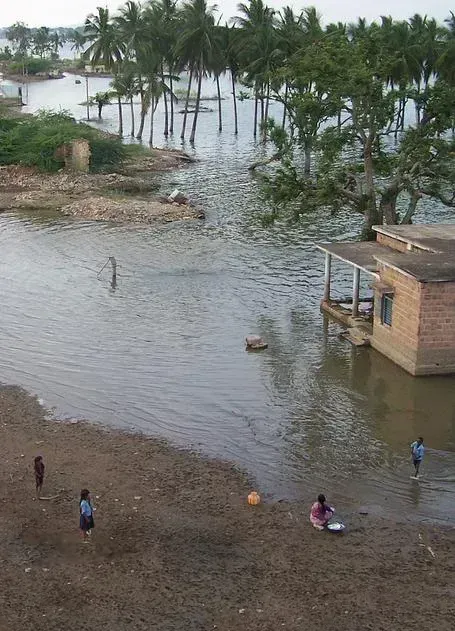
A region already battered by extreme weather events found itself in the crosshairs once again in 2025. Floods were the disasters most studied by the World Weather Attribution team in 2025, with devastating downpours made worse by climate change hitting Pakistan, Sri Lanka, and Indonesia, as well as the Mississippi River Valley in the United States and Botswana.
Large parts of Asia were also hit by a series of storms resulting in heavy downpours and flash flooding. This is not a new story for South Asia. What is new is the acceleration. Floods that once came every few decades now arrive within the same year.
New research synthesized in a major climate report reveals how rising temperatures are lowering groundwater levels, vital in many regions for agriculture. Land-based carbon sinks are reaching critical limits, heat stress is driving a sharp decline in labor productivity, and rising temperatures are worsening outbreaks of mosquito-borne diseases. For Southeast Asia, each of these problems compounds the others in a vicious spiral that stretches across millions of lives.
7. East and Central Africa: Kenya, Tanzania, and Botswana
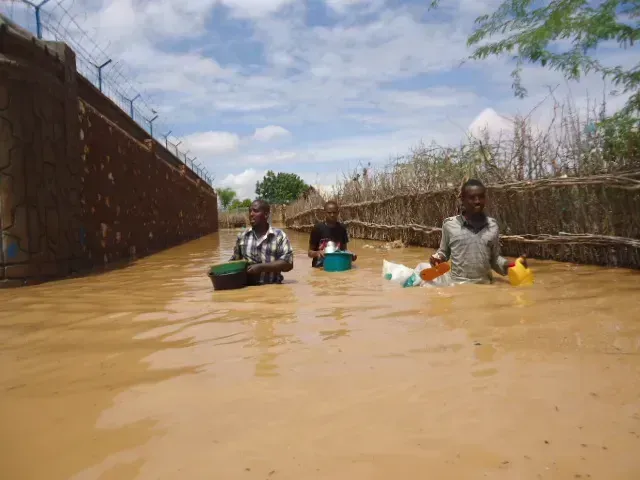
The flooding that hit East Africa in 2024 was staggering in its scale. Unprecedented global flooding in Kenya, Tanzania, and Burundi affected over 700,000 people and caused hundreds of deaths. These are not small numbers. That is nearly the population of a mid-sized European city displaced or destroyed by a single wave of extreme rainfall.
In Botswana, spells of extreme rainfall are becoming more frequent within a single year, while the rapid expansion of urban centers without adequate infrastructure upgrades makes them more susceptible to severe flooding, according to World Weather Attribution researchers.
Here is the thing: Africa contributes the least to global emissions yet absorbs some of the heaviest consequences. Rising temperatures are creating more favorable conditions for the mosquitoes that spread dengue fever, driving the disease’s geographical spread and intensity across the region. The combination of floods, disease spread, and agricultural disruption creates a crisis that goes far deeper than weather statistics suggest.
8. The Atlantic Ocean and Northern Europe
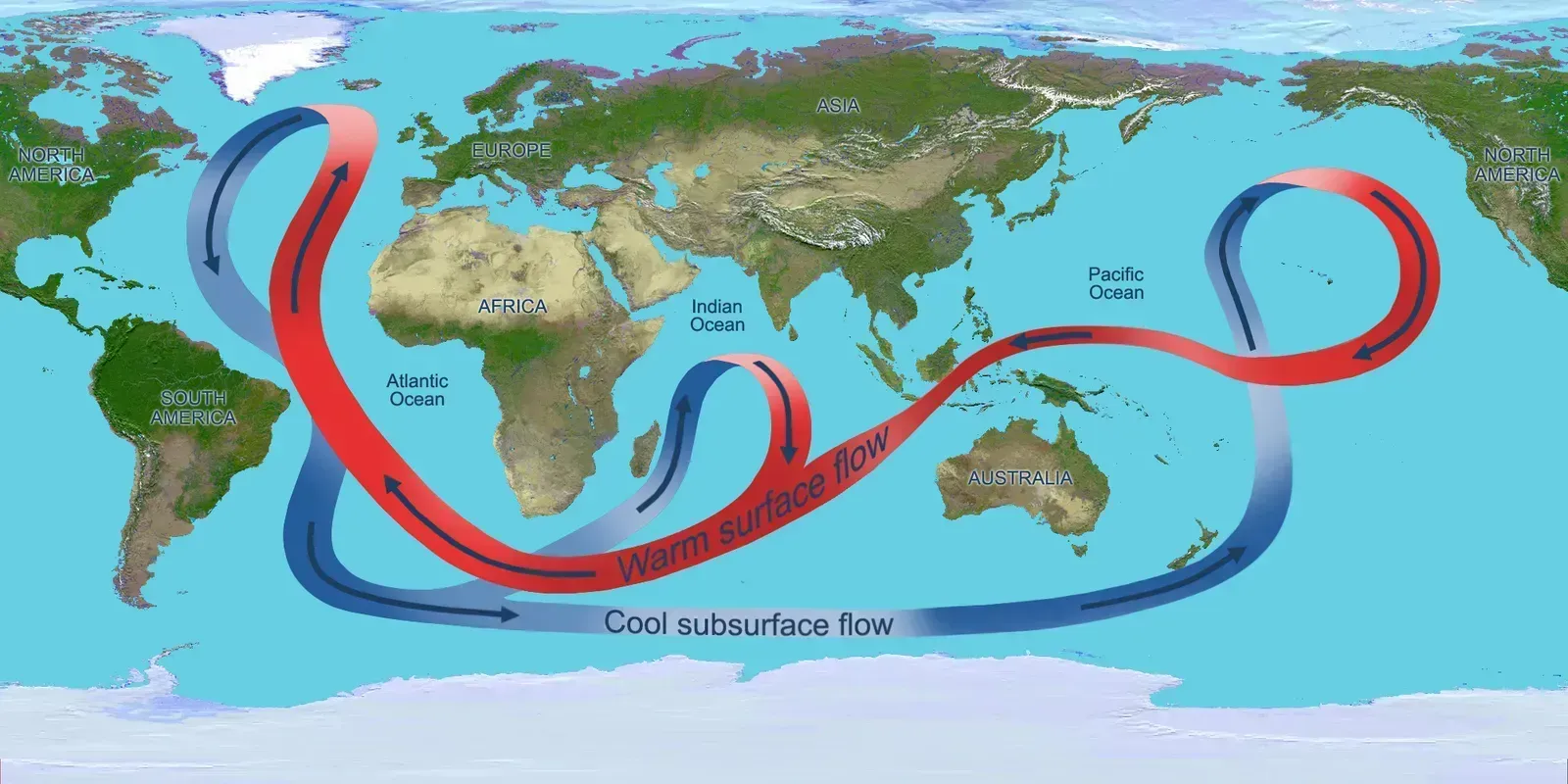
This one might surprise people. The Atlantic Ocean is not a location most would associate with sudden climate alarm. Yet what is happening beneath its surface is keeping some of the world’s most respected oceanographers up at night. Climate experts repeatedly warned that key Atlantic Ocean currents could collapse by the end of this century, throwing the Northern Hemisphere, the Amazon rainforest, and tropical monsoon regions into climate chaos. Several studies published in 2024 showed that a collapse would have catastrophic, long-lasting, and potentially irreversible impacts.
The currents in question are those that form the Atlantic Meridional Overturning Circulation, a giant ocean conveyor belt that loops around the Atlantic Ocean and includes the Gulf Stream. The AMOC transports heat to the Northern Hemisphere and pumps oxygen into the deep sea, maintaining the temperate climate in Europe and supporting vital ecosystems and fisheries across the Atlantic.
Think of it like a central heating system for an entire continent. If it breaks down, Europe gets cold, wet, and wild in ways it has not experienced for thousands of years. Even the ocean, a vital sink for carbon and heat, is soaking up less carbon dioxide, while more frequent and intense marine heatwaves ravage ecosystems. The signals coming out of the Atlantic right now are ones that experts take very seriously.
9. Texas and the U.S. Gulf Coast
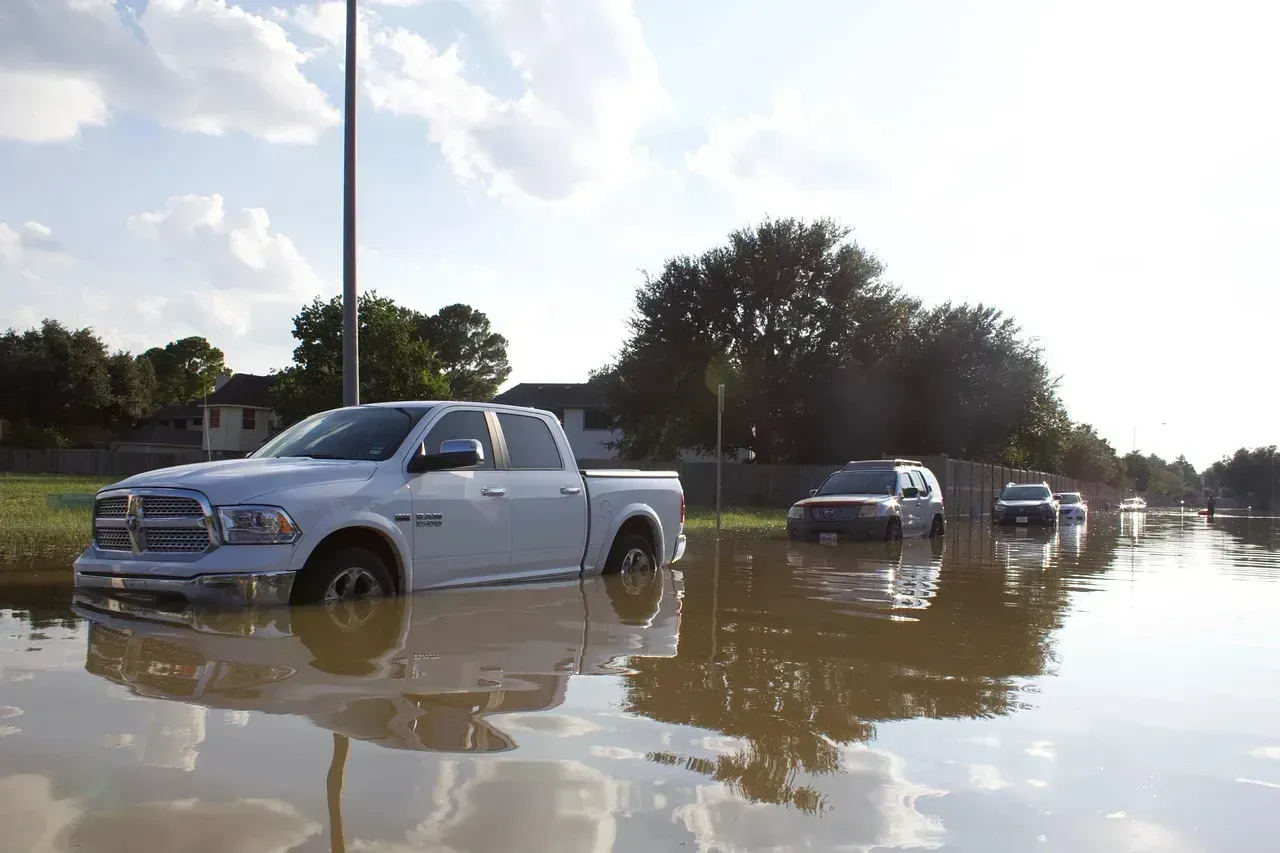
Texas has experienced its share of weather disasters over the years, from the catastrophic winter freeze of 2021 to record droughts. What 2025 added to that list was equally alarming. The United States saw a record number of flash floods in 2025, which included the deadly July floods in Texas.
There were 1,611 total daily temperature records set in 2025 across 247 major U.S. weather stations through November, and of those, the vast majority, over 1,300, were record highs compared to fewer than 300 record lows. That imbalance is a textbook fingerprint of a warming climate.
The latest World Meteorological Organization climate update projects that each year from 2025 to 2029 will likely be between 1.2 and 1.9 degrees Celsius warmer than the 1850 to 1900 average, and that every fraction of a degree of additional warming intensifies heatwaves, extreme rainfall, droughts, ice loss, ocean heating, and sea level rise, compounding harm for people and ecosystems worldwide. For the Gulf Coast, that means stronger storms, higher surges, and deeper floods arriving on a region with already stretched infrastructure.
The Bigger Picture: A Planet in a New Era
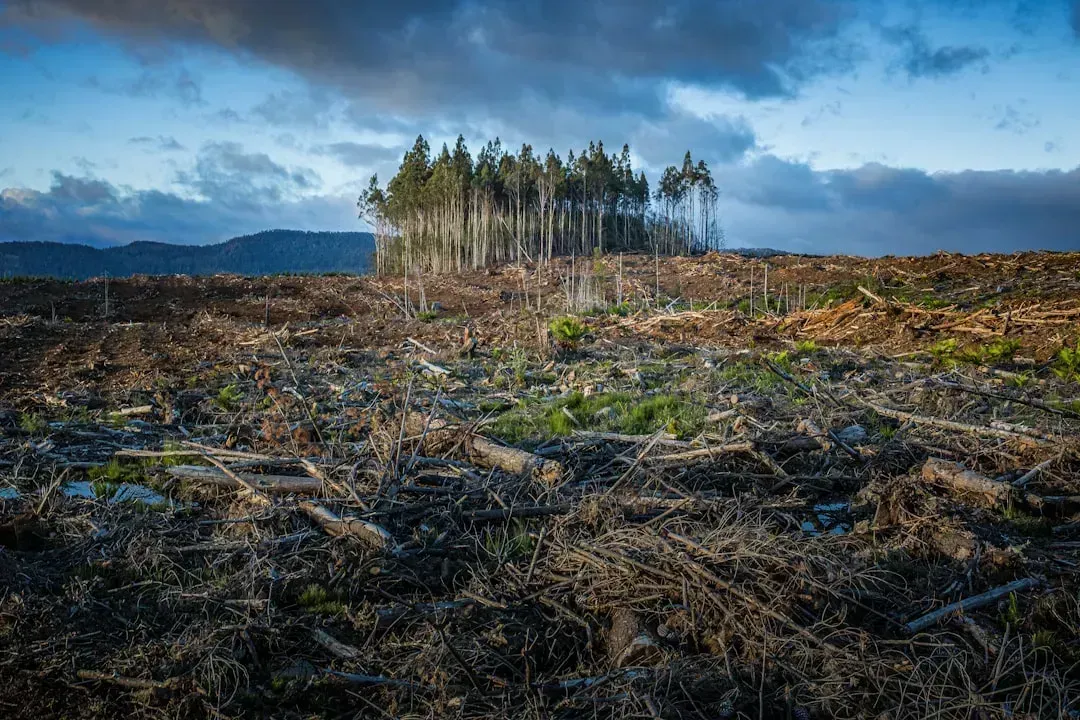
Taken individually, each of these locations tells a troubling story. Taken together, they describe a planet that has crossed into genuinely new territory. The last 11 years have been the hottest on record, and the last three years in particular indicate an acceleration in warming that is not consistent with the linear trend observed over the 50 years before that, according to Robert Rohde, chief scientist at the Berkeley Earth monitoring group.
Several climate monitoring groups predicted that 2026 would be about as hot as 2025. That means no recovery, no pause. Just more of the same, or worse.
Ultimately, the latest 10 New Insights in Climate Science report shows that nearly every major climate risk stems from one root cause: the failure to cut emissions at the speed and scale required. That is not a political statement. That is the scientific consensus, backed by dozens of institutions and hundreds of researchers across dozens of countries. Whether policymakers will act on it with matching urgency is a question that the data alone cannot answer.
What would it take for the world to truly listen? The locations on this list are already answering that question in ways that words struggle to capture.

