

- Florida Facing One of Its Driest Periods in Decades as Drought Intensifies - March 30, 2026
- A Meteorologist Reveals 8 Warning Signs of Severe Weather Ahead - March 30, 2026
- 10 Things You’ll Notice About Regions Already Affected by Climate Change - March 30, 2026
Florida is practically synonymous with water. Oceans on three sides, swamps in the south, springs bubbling up from the ground. It’s the kind of place that makes you forget drought is even a real concept. Yet right now, in early 2026, the Sunshine State is locked in a water crisis so severe it hasn’t been seen in a quarter century.
The numbers are startling, the landscapes tell an even grimmer story, and millions of residents are being asked to change their daily habits just to keep the taps running. This is not a distant climate warning. It is happening today, county by county, well by well. Let’s dive in.
A Drought of Historic Proportions
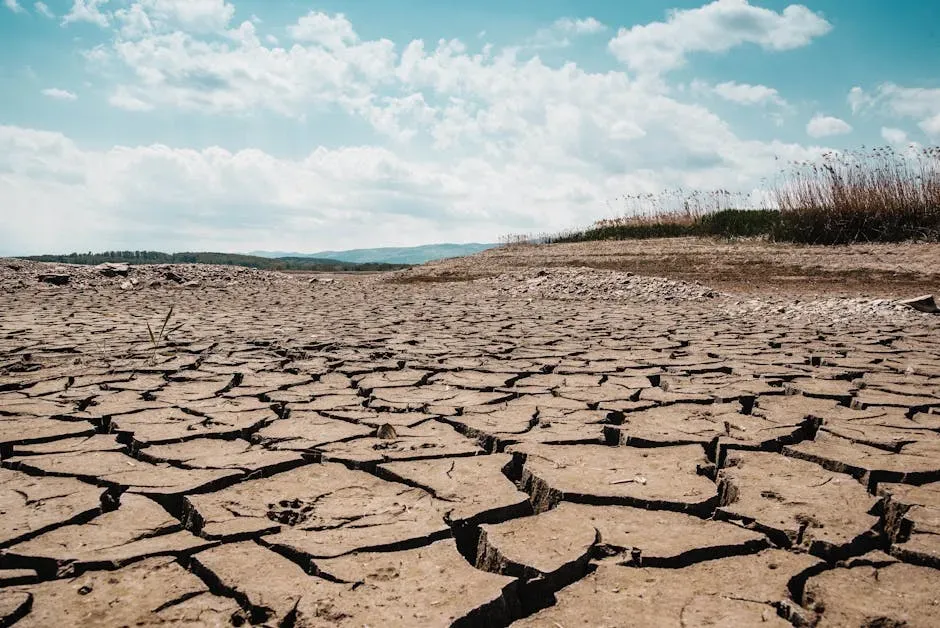
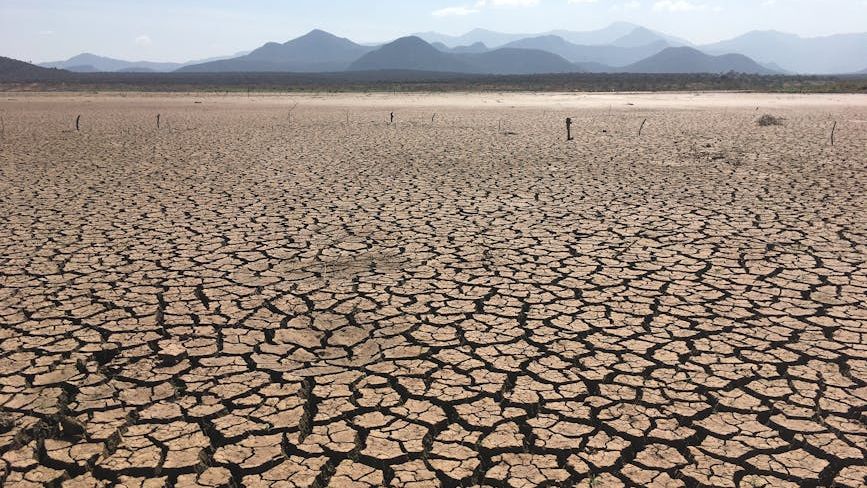
Florida is in the midst of its worst drought in 25 years, according to new information released this year. That alone should stop you in your tracks. Think about what a quarter century means in lived experience. That’s older than most college students in the state right now. According to WGCU, this is the worst drought Florida has experienced since records began in 2000.
According to the U.S. Drought Monitor, nearly all of the state is experiencing some level of drought, with roughly 85 percent experiencing severe drought, the most since March 2001. For context, Florida also experienced a prolonged statewide drought from 1949 to 1957, showing just how rare these extreme dry periods are. The state faces one of its driest periods in decades, with severe drought gripping most of the region, fueling wildfires and raising concerns as rainfall remains limited heading into the early stages of the wet season.
Rainfall Deficits That Defy Belief
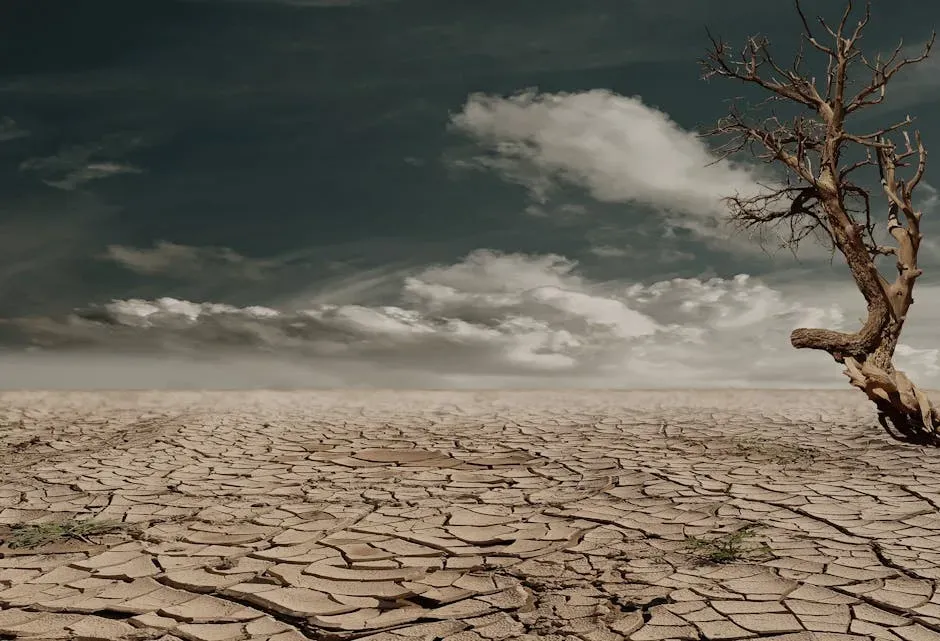
Since the start of the year, Orlando has received about 31 percent of its typical rainfall, just over 2 inches. Let that sink in. Nearly seven out of every ten drops of rain that should have fallen simply never did. Gainesville has recorded only 30 percent of its average rainfall and Jacksonville just 39 percent.
This past October, Orlando received just 0.07 of an inch of rain, against an already low historical average for that month. Jacksonville and Tallahassee have seen their rainfall deficits swell to more than 13 inches below average since last August. That is not a rainfall shortfall. That is nearly a full year’s worth of rain simply missing from the ground. Many regions across the state have been running rainfall deficits of over a foot since late last year.
The Drought Spreads and Deepens Across the State
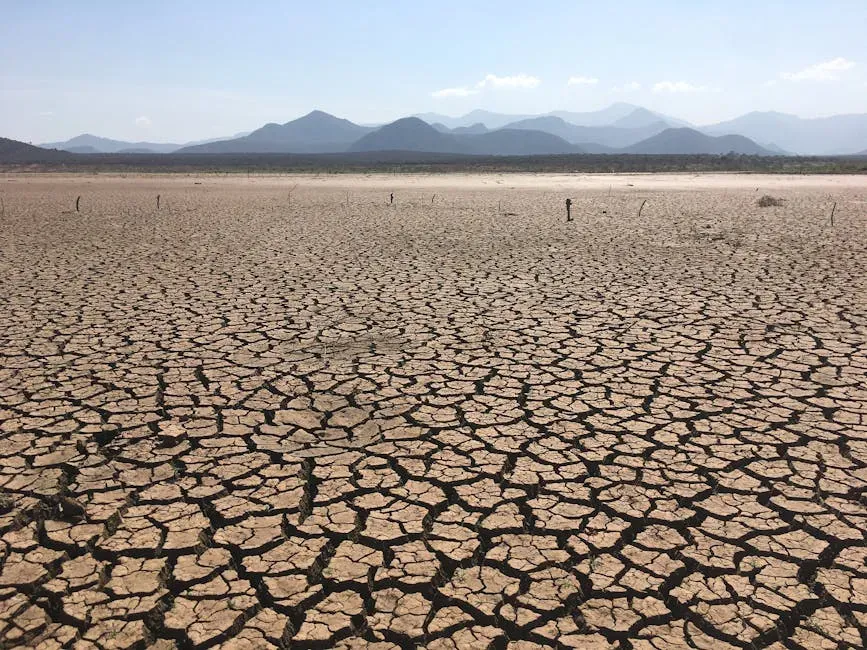
More than 72 percent of Florida is experiencing Level 3 or Level 4 drought, the two most severe categories, according to the United States Drought Monitor. Those are not minor dry spells. Those are the categories associated with crop failure, water emergencies, and ecosystem stress. Over the past two weeks, conditions across Florida, especially North Florida, have worsened significantly, with an expansion of exceptional Level 4 drought along a large portion of the I-10 corridor.
In the latest drought report released on March 26, 2026, the drought has expanded from Alachua County westward to Calhoun County, west of Marianna. That is a sweeping geographic push. Exceptional drought conditions exist along the Interstate 10 corridor, with less extreme conditions found in the far western Panhandle and along the coast in southeast Florida. Honestly, looking at the map, there are very few places left untouched. As of early March 2026, approximately 79 percent of Florida, covering over 56,000 square miles, was under drought conditions.
Wildfires Rip Through Bone-Dry Landscapes
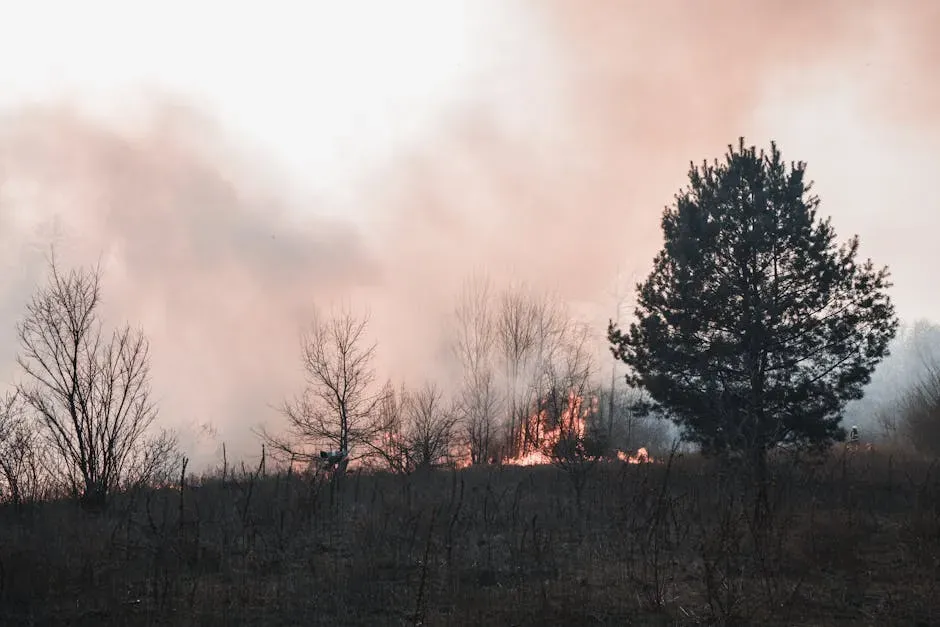
These conditions have left vegetation across the peninsula bone-dry and ready to ignite. This is where a drought stops being an abstract weather story and becomes something immediate and terrifying. Dry vegetation has fueled more than 1,400 wildfires that burned over 86,000 acres from January 1 through March 22, according to the Florida Department of Agriculture and Consumer Services.
Emergency burn bans are in effect across 34 of the state’s 67 counties. Under these active bans, residents are strictly prohibited from starting campfires, bonfires, fire pits, or burning yard waste and trash. Florida Governor Ron DeSantis put into effect a State of Emergency in February to address the impact of the drought. Wildfires are more likely, their growth faster and larger, there may be more of them, and the blazes could be harder to put out. That kind of warning from meteorologists and fire officials does not leave a lot of room for optimism.
Lake Okeechobee and the Everglades Feel the Strain
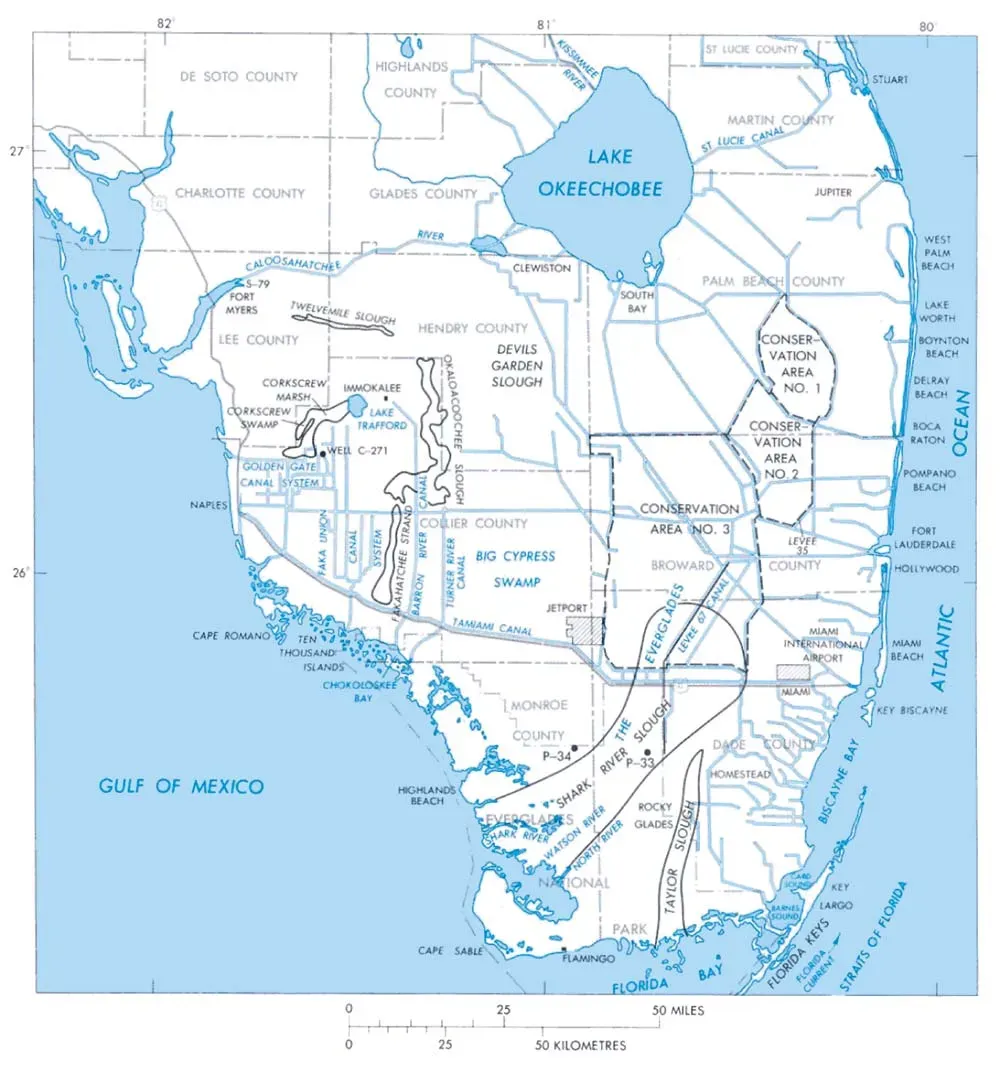
In February, Lake Okeechobee dropped to its lowest level since 2011, reaching just 11.19 feet. The lake is essentially Florida’s liquid heartbeat, feeding water to millions of residents, farms, and ecosystems in the south. Multiple navigation locks on the north shore of Lake Okeechobee could soon close if water levels continue to drop.
Water levels in Everglades National Park are more than 6 inches lower than last year and over a foot lower than the year before that, according to the Everglades Foundation. The Everglades, one of the most ecologically irreplaceable places on Earth, is drying out. Meanwhile, new data shows sugar cane fields in the Everglades Agricultural Area are receiving as much as 379 million gallons of water a day, according to the latest maps from the Army Corps of Engineers. That tension between environmental need and agricultural demand is unlikely to resolve quietly.
Water Restrictions and Community Impact
On February 5, 2026, the South Florida Water Management District issued a Water Shortage Warning for Collier, Glades, Highlands, Lee, Miami-Dade, and Monroe counties amid continuing dry conditions and increasing water supply concerns. Warnings like these are not routine cautionary statements. They signal that the system is under genuine stress. Central and South Florida are under a mix of mandatory and voluntary irrigation and water-use restrictions. The Southwest Florida Water Management District declared a “Modified Phase II Severe Water Shortage” in January.
In areas experiencing the most severe drought conditions, crop losses are likely, and water restrictions have already been implemented in some communities, including Northeast Florida. According to staff with the National Drought Mitigation Center, if the dry weather persists long enough, water reservoirs and wells can run dry, potentially leading to water emergencies. The ongoing lack of rain will keep water costs elevated for homeowners, businesses, and agriculture in the weeks ahead. That hits everyone. Not just farmers. Not just businesses. Every household.
What Caused It and What Comes Next
A lack of landfalling tropical cyclones in the 2025 Atlantic hurricane season contributed to one of the worst droughts in decades across the region, with nearly all of the state being in drought and roughly 85 percent in severe drought or worse by mid-February 2026. It is a strange irony: years of worrying about hurricanes, and it turns out their absence can cause just as much devastation. Frequent sunshine and dry winter air have left soil moisture very low, while sandy soils dry out quickly, worsening drought conditions.
Unlike surface waters, which swell hours or weeks after a good storm, aquifer levels depend on about two years’ worth of rain. One wet weekend cannot fully restore the Floridan Aquifer’s flow, especially as an ever-growing number of wells competes for its water. Historically, Central and South Florida typically receive nearly 70 percent of their annual rainfall from May through October. Relief is possible, but it is months away at minimum. Drought recovery is a marathon, not a sprint, and Florida, right now, is still at the starting line.
Florida’s drought crisis is a real-time reminder that water security is never guaranteed, even in a state surrounded by it. What would you do if your county’s well ran dry tomorrow?
