
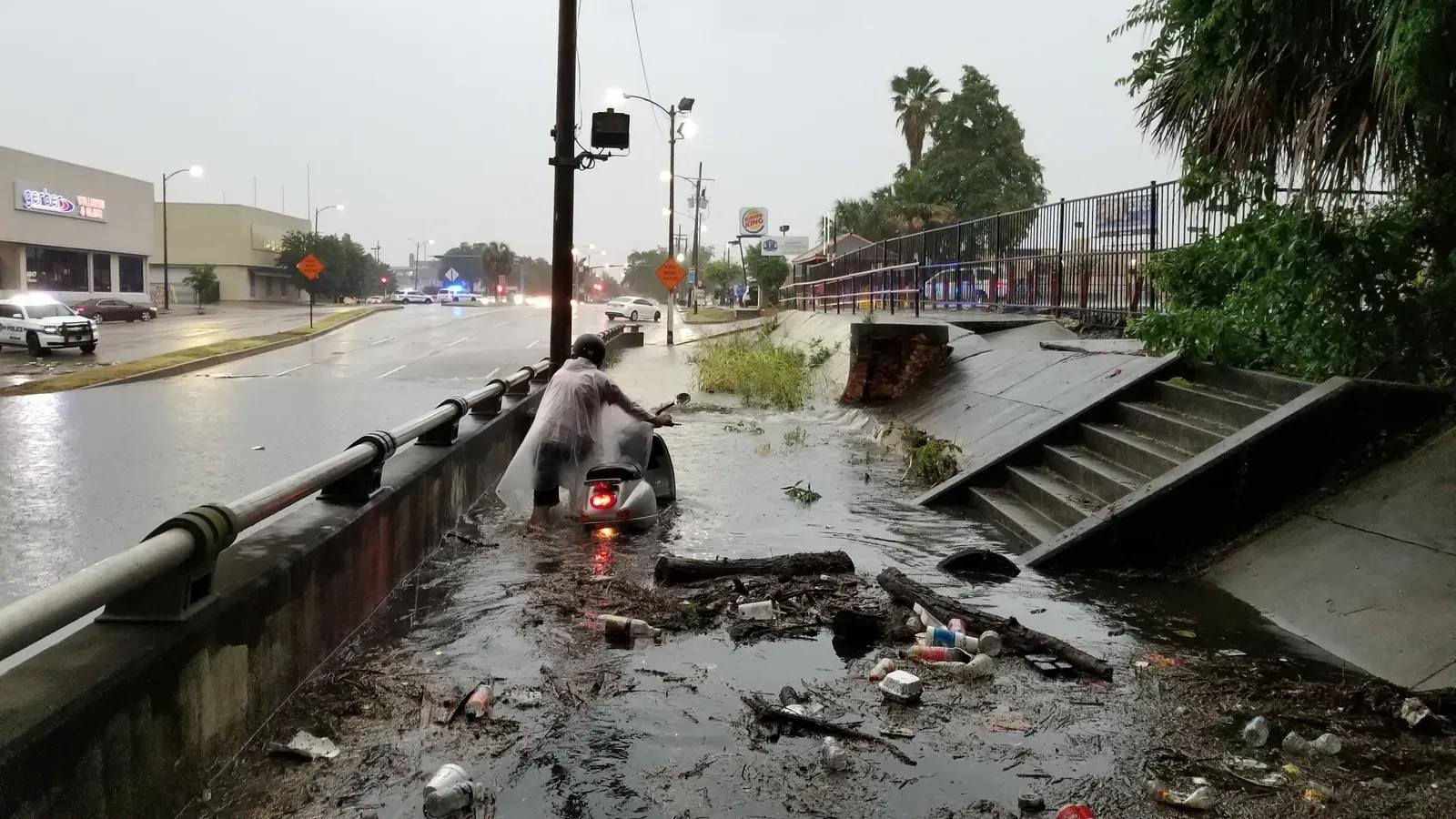
It started as a simple experiment. I fed verified climate data into an AI tool and asked one direct question: which coastal cities face the most severe flooding risks by 2070? What came back was not a vague projection or a distant hypothetical. It was a specific, city-by-city breakdown that felt genuinely unsettling once you started reading the numbers.
The population of low-lying coastal cities has already grown from roughly 360 million in 1990 to about 500 million in 2015, and a 2021 study found that between 197 and 347 million people now live in coastal areas less than 2 metres above sea level. These are not remote fishing villages. These are global megacities – financial capitals, cultural landmarks, and economic engines. Let’s dive in.
1. Bangkok, Thailand – The World’s Most Vulnerable Capital
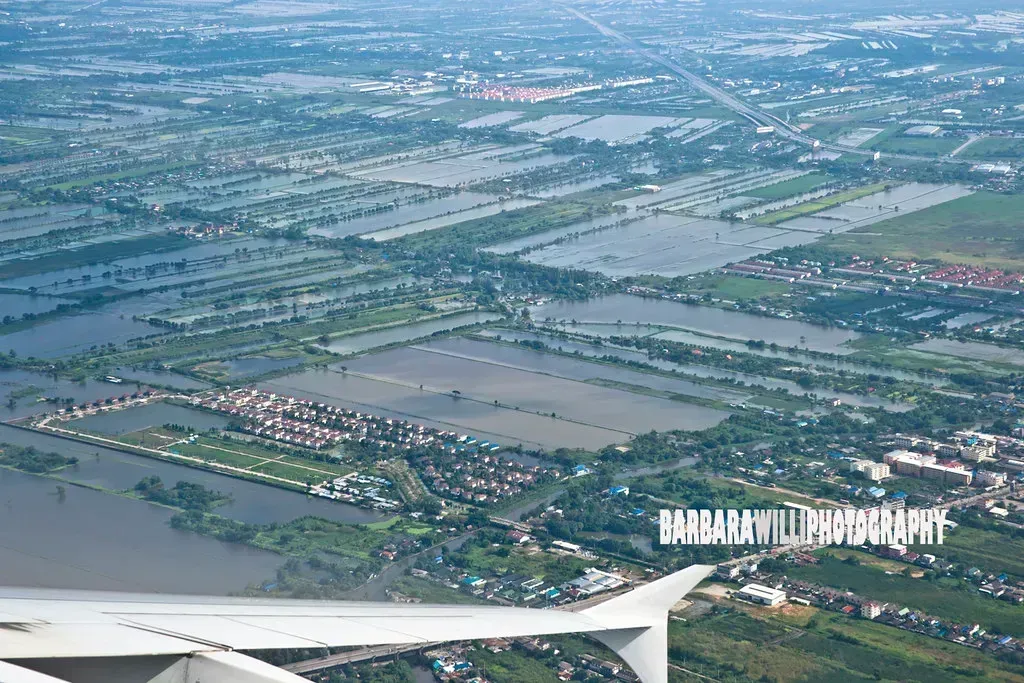
Honestly, the numbers for Bangkok are the ones that stopped me cold. Sea level rise projections put Thailand’s capital as the world’s most vulnerable city, and the low-lying metropolis has an average elevation of just 1.5 metres above sea level. Think of it this way: that’s barely taller than a kitchen countertop, and an entire megacity of millions is sitting on top of it.
According to the OECD, roughly half of the 10.7 million people living in Bangkok could be exposed to flood risk by 2070, and the government’s continued inaction is slowly turning this scenario into reality. Subsidence, the sinking of land due to groundwater extraction or soil compaction, has dramatically worsened the effects of sea level rise in Bangkok.
To mitigate flooding in Bangkok, measures such as construction of dams and reservoirs, installation of pumps and discharge canals, upgrading existing drainage systems, and restoring mangroves have been implemented. Still, with millions of residents and a metropolitan economy deeply tied to its coastal geography, Bangkok remains one of the most exposed megacities on the planet.
2. Jakarta, Indonesia – An Entire Capital Abandoned to the Sea

As of late 2025, sea levels at North Jakarta’s coast stood higher than the surrounding land, and Jakarta’s coastline is visibly sinking below sea level. Let that sink in for a moment. The ocean is literally looking down at the city. It is perhaps the most dramatic urban flooding crisis on Earth right now.
Jakarta is sinking faster than most cities worldwide, and researchers predict that roughly nineteen out of twenty parts of North Jakarta will be submerged by 2050. The digging of illegal wells is deflating the city from below, while the crushing weight of urban sprawl adds additional pressure, causing land to sink by 20 to 25 centimetres a year in certain areas in North Jakarta.
A quarter of the city could be underwater by 2050, and the Indonesian government is now bidding farewell to Jakarta entirely, planning to relocate to a new capital called Nusantara, a purpose-built city more than 1,000 kilometres away on the island of Borneo. An entire national capital, abandoned because the sea won.
3. Miami, USA – Trillions of Dollars on Sinking Ground
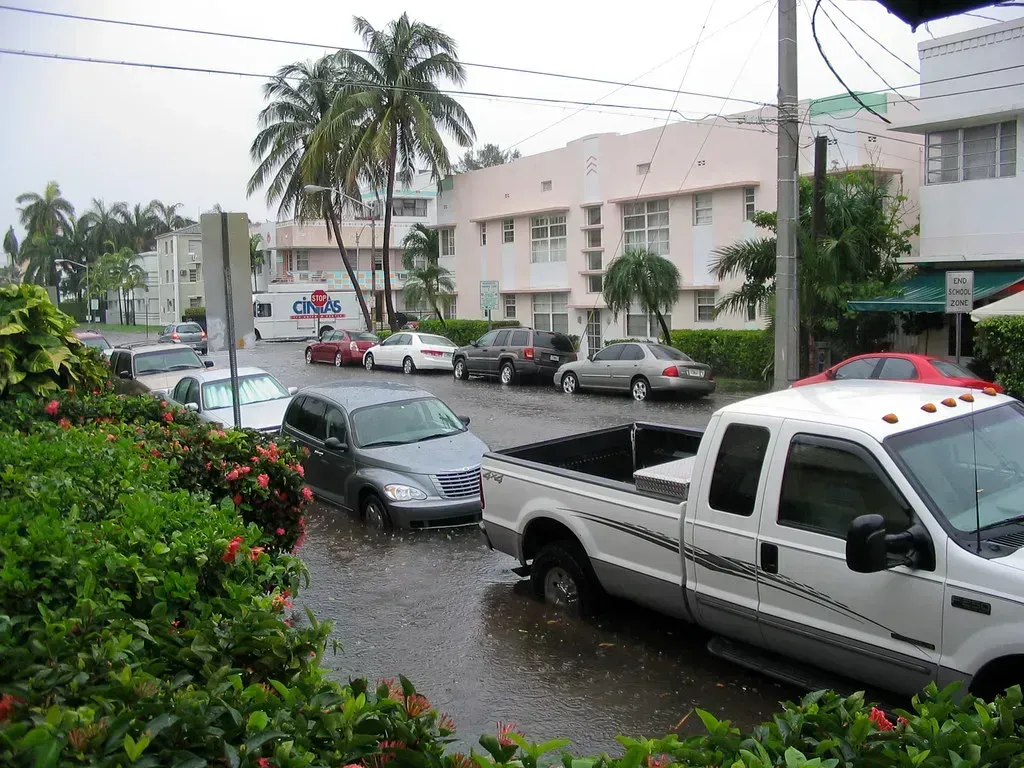
According to a 2016 Christian Aid report, Miami is one of the top three cities in the world in terms of the value of assets exposed to coastal flooding between 2010 and 2070, with exposure of between 2 and 3.5 trillion dollars. Trillions of dollars sitting on land that is slowly being swallowed – and the city keeps building.
Miami’s average elevation is just six feet, which happens to be the same amount of sea-level rise expected in Southeast Florida by the end of the century. The ocean has already risen by about six inches since 2000. The city is simultaneously sinking. The frequency of flooding from high tides – known as “sunny day” flooding – is up over 400% in Miami Beach since 2006.
A study that examines both the physical and socioeconomic effects of sea-level rise on Florida’s Miami-Dade County area finds that in coming decades, four out of five residents may face disruption or displacement, whether they live in flood zones or not. Sea level rise near Miami Beach is estimated to reach between 21 and 54 inches by 2070.
4. New York City, USA – The Weight of a Million Buildings
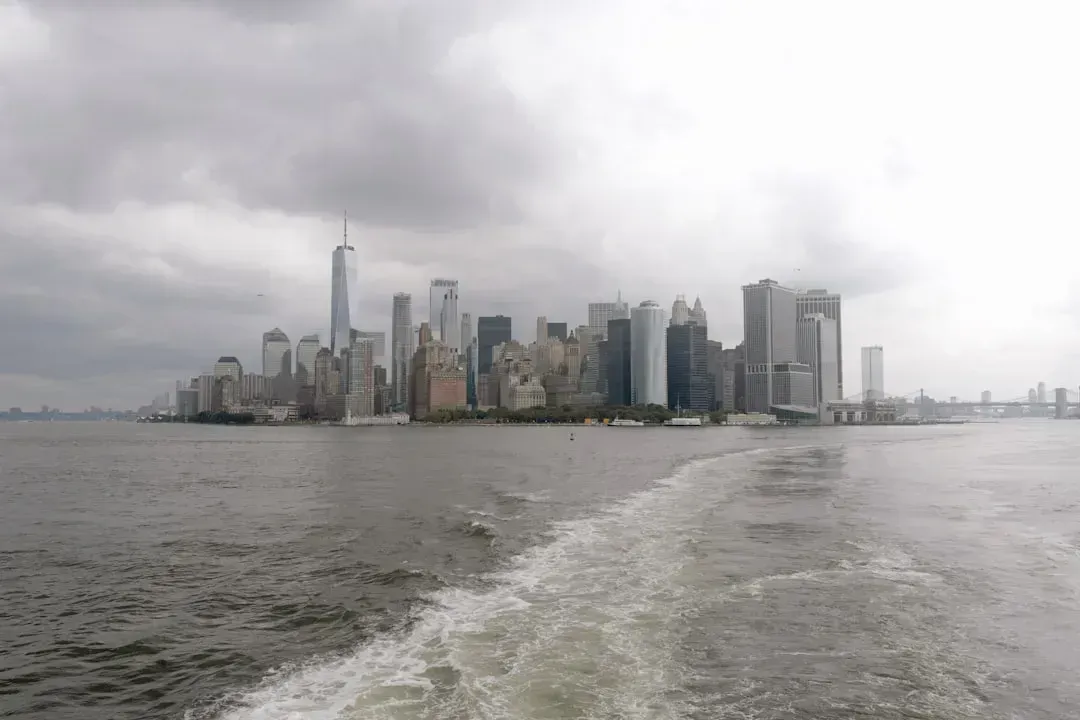
Research from the University of Rhode Island, conducted with the U.S. Geological Survey, found that most of New York City is sinking between 1 to 4 millimetres per year due to a combination of glacial rebound and the weight of its more than 1 million buildings. In a city where sea level is projected to rise between 8 and 30 inches by 2050, subsidence further increases its vulnerability to coastal storms.
Sea levels along U.S. coastlines are projected to rise by between 0.25 and 0.3 metres by 2050, and these impacts may be significantly exacerbated by coastal subsidence, a factor often underrepresented in coastal management policies. Studies have shown that analyses failing to integrate subsidence alongside sea level rise assessments for New York City may yield inaccurate conclusions and potentially underestimate future flood risks. In short, the official projections may actually be too optimistic.
Without major adaptation measures, the value of New York’s buildings, transportation, and utilities currently at risk from storm surges and flooding – an estimated 320 billion dollars – will be worth 2 trillion dollars by 2070, according to the OECD. By then, the OECD says, the metropolitan area will rank behind only Miami and Guangzhou at the head of the list of the world’s megacities with the most flood-vulnerable assets.
5. Shanghai, China – A Skyscraper City Built on Sinking Sand
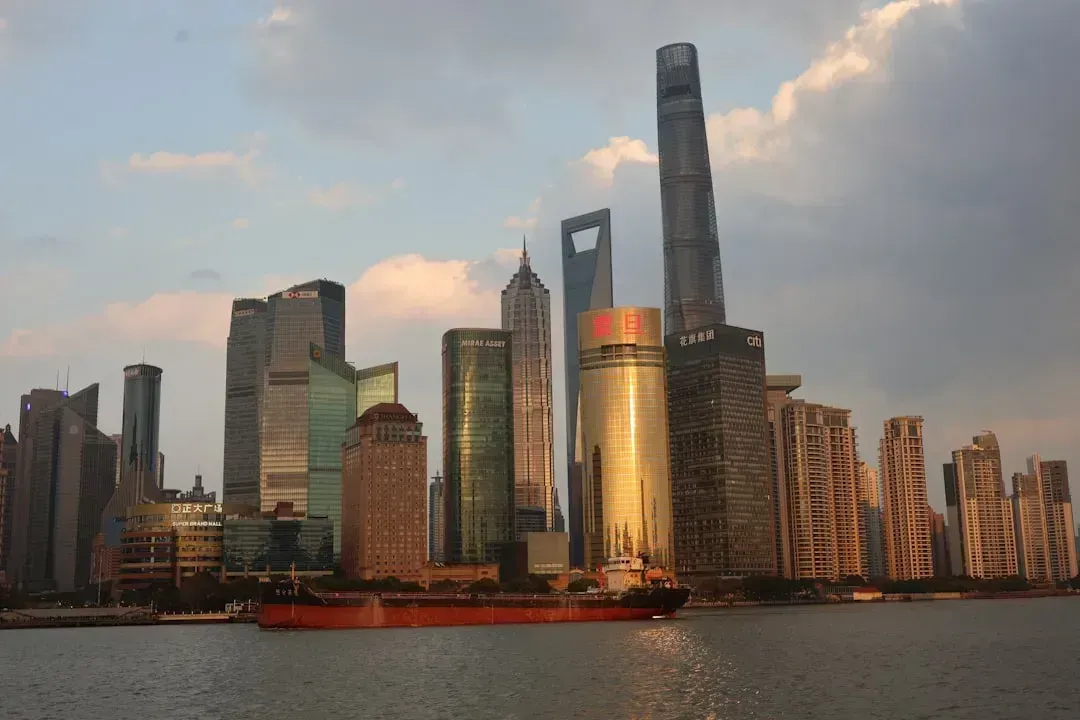
Shanghai, one of the most populous cities on Earth, sits on the Yangtze River estuary on low-lying, soft, sandy soil. It’s the kind of geological foundation that should make any urban planner nervous – and yet the skyline just keeps climbing. Here’s the thing: what goes up on unstable ground doesn’t always stay up.
As a result of mass urban migration, soft soil and global warming, Shanghai has sunk more than 1.8 metres since 1921. As sleek financial skyscrapers and luxurious residential towers continue to rise from Shanghai’s unstable foundation, scientists warn of dire repercussions if the government fails to enforce stricter urban planning and carbon emission regulations.
Decision-making for flood adaptation in Shanghai is complicated by deep uncertainty about sea level rise, subsidence, and socioeconomic trends. Research published in 2025 used Shanghai as a major case study applying dynamic adaptive policy pathways to demonstrate robust decision-making under uncertainty. Without adaptation, annual damages and annual casualties could increase by between 86 and 167 percent by the year 2100.
6. Mumbai, India – Millions at Risk in India’s Financial Capital
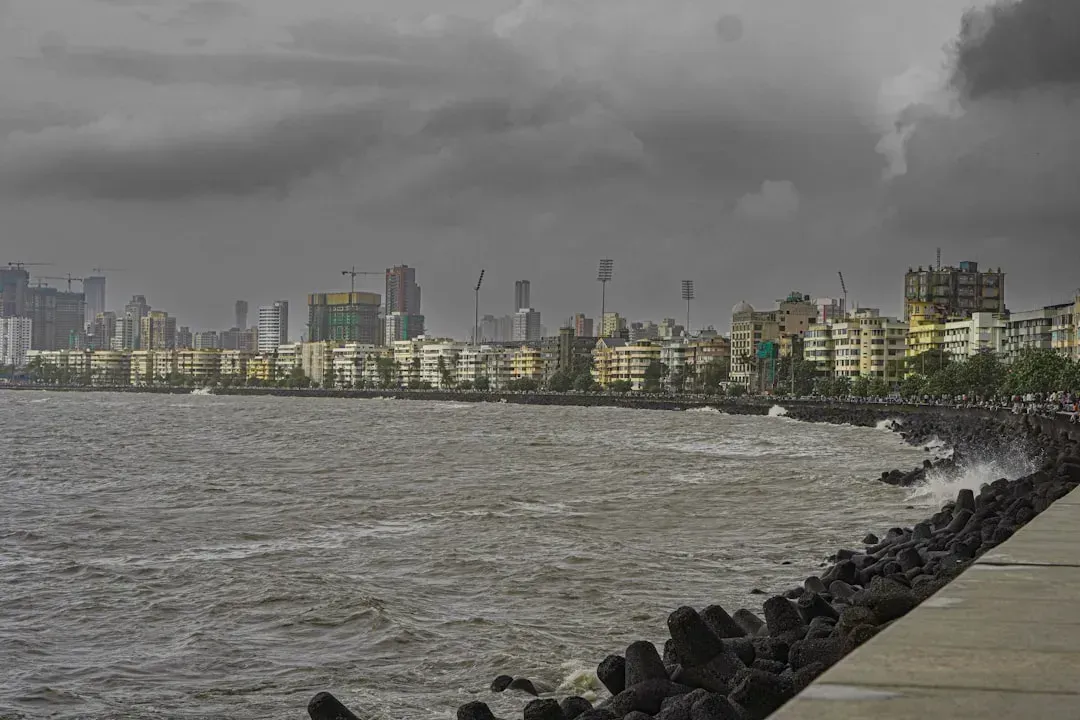
Mumbai is the financial heartbeat of India. It is also, geologically speaking, one of the most vulnerable cities on Earth. By 2070, Mumbai is projected to be home to over 11 million people in areas susceptible to rising sea levels and heightened flooding.
Kolkata, Mumbai and Dhaka together have the highest number of people at risk from coastal inundation, with between 11 and 14 million people exposed in each city. Those are not statistics you can easily digest. That’s the population of entire countries, facing displacement within a single generation.
Among the hardest hit globally will be tropical and subtropical river deltas, broad fans of sediment and waterways where rivers meet the sea. Because such deltas are often the sites of port cities, large human populations will be exposed to significantly higher risk. Mumbai, sitting right at the edge of this category, checks every box.
7. New Orleans, USA – A City That Already Knows What Drowning Looks Like
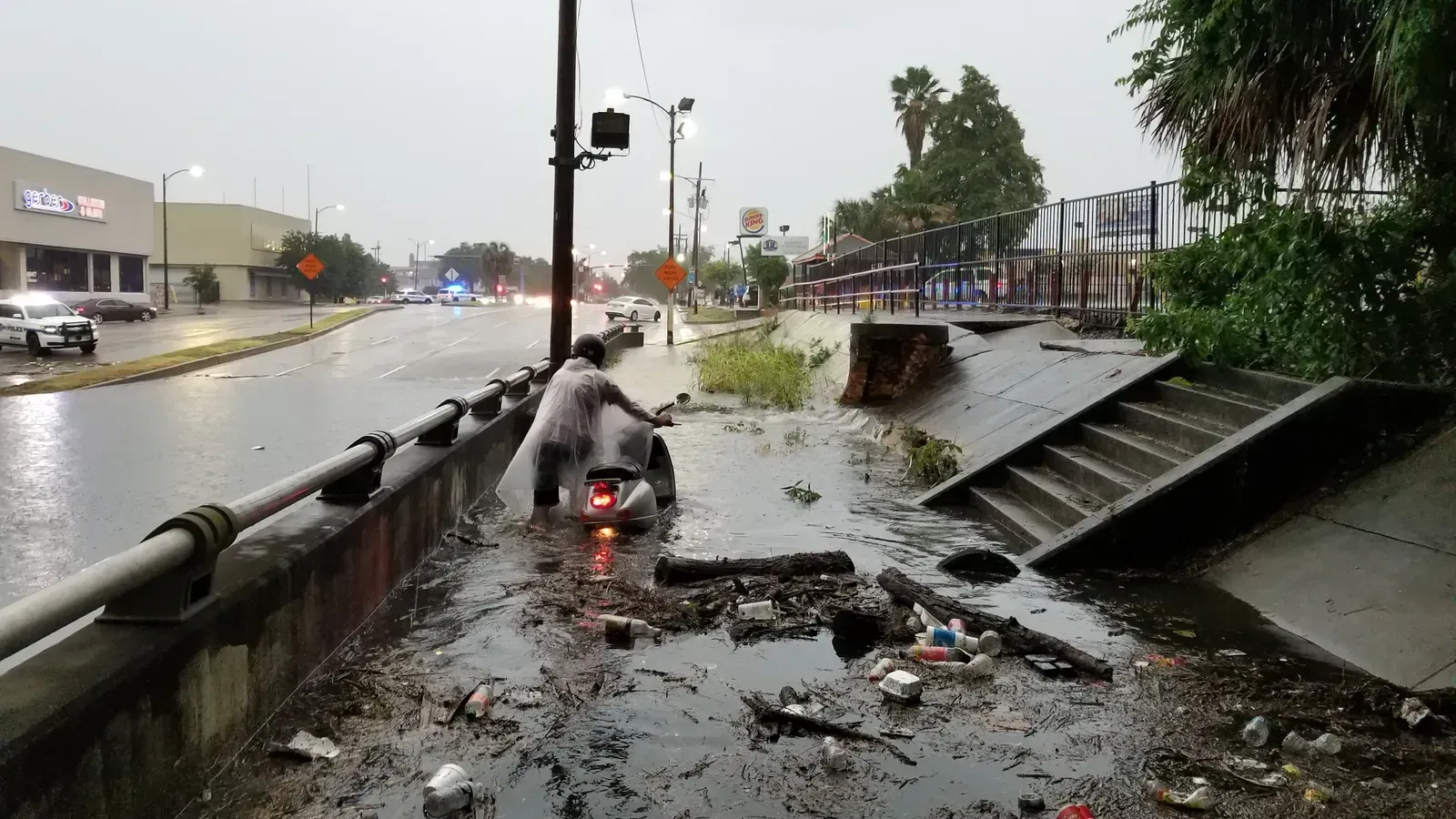
New Orleans is not a hypothetical. It’s a warning that already came true once. The devastating impacts of extreme weather events on the low-lying coastal city were clearly demonstrated when Hurricane Katrina triggered deadly floods in 2005. On that occasion, half of New Orleans dropped below sea level, resulting in over 1,800 fatalities and 150 billion dollars in damage.
According to a recent report, sea levels in Louisiana could rise by about one foot by 2050 and up to two feet by the end of the century. Under a more extreme scenario – accounting for other weather events likely to worsen due to climate change – sea level rise could see the vast majority of the population in New Orleans displaced, making it by far the state’s most affected area.
It’s hard to say for sure what the tipping point will be, but the trajectory is undeniable. The city sits in a bowl below sea level and is surrounded by water on three sides. Nature doesn’t have to try very hard here. It just has to wait.
8. London, UK – The Thames Barrier’s Ticking Clock
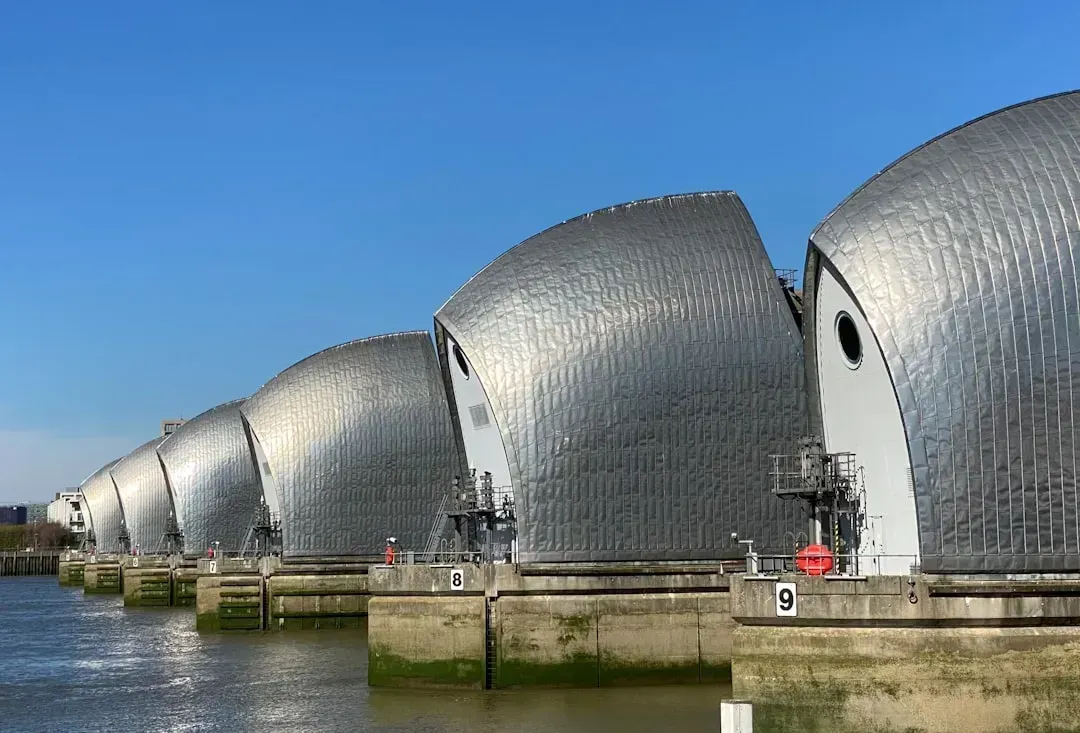
London built an intricate flood defence system completed in 1982, spanning 520 metres and lifting 10 steel gates to shut off the Thames’ flow, but experts warn that these barriers will not save the city from potential flooding past 2070, given the current pace of sea level rise. That deadline is now fewer than 45 years away.
Earth.Org found that, in the absence of new barriers and other preventive measures, nearly a quarter of London’s population – equivalent to almost 2 million people – will be displaced. Under current projections, a new barrier will be required before 2070, at an estimated cost of around 9 billion dollars.
Cities on the U.S. east coast are witnessing sea level rise that is two to three times faster than the global average. London faces its own version of this acceleration, and officials know the current barrier was simply not designed for what is coming. The clock really is ticking.
9. Alexandria, Egypt – An Ancient City at the Mercy of Modern Seas
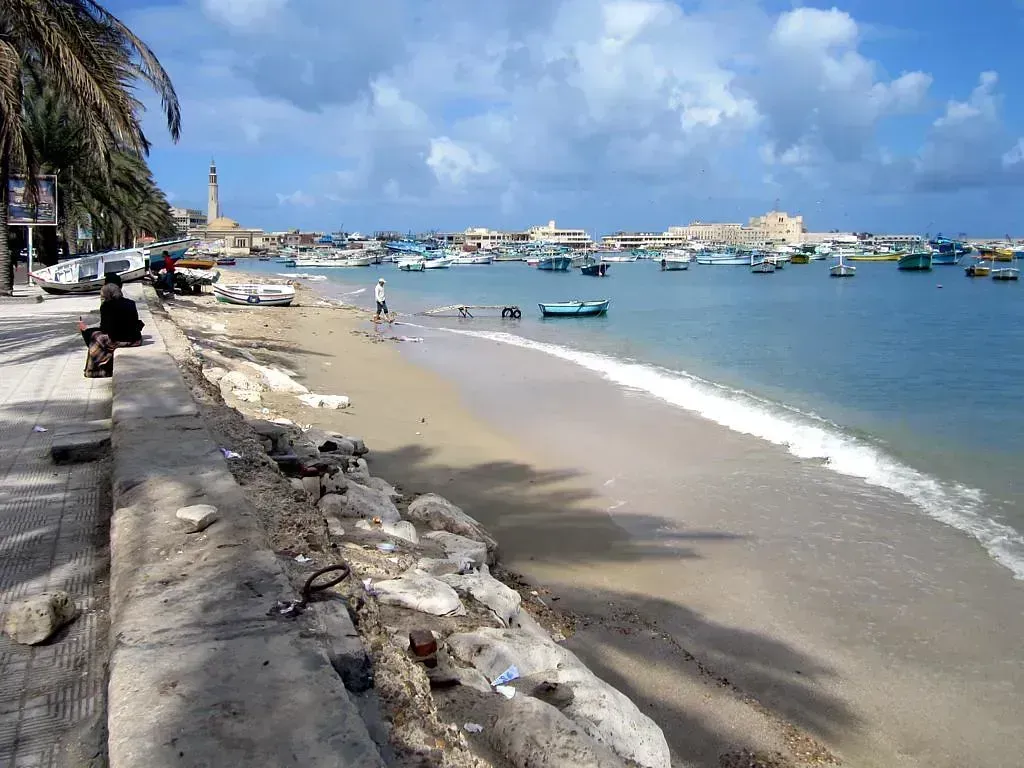
Alexandria is one of those cities where history and catastrophe have always lived next door to each other. Founded more than two thousand years ago, it has survived empires, earthquakes, and wars. Whether it can survive rising seas is a very different question. With a population of more than 5 million, Alexandria faces a grim reality: according to the IPCC, its beaches would be submerged even with just a half-metre sea-level rise.
Around 8 million people would be displaced by flooding in Alexandria and the Nile Delta – a major agricultural centre – if no protective measures are taken. The Nile Delta is also one of the most agriculturally productive regions in all of Africa, which means this isn’t just an urban crisis. It’s a food security crisis too.
For present-day conditions, the top ten cities in terms of exposed population already include Alexandria, alongside Mumbai, Guangzhou, Shanghai, Miami, Ho Chi Minh City, Kolkata, Greater New York, Osaka-Kobe and New Orleans. Alexandria has been on this list for years. The difference now is that the timeline is getting shorter.
10. Ho Chi Minh City, Vietnam – Seven Million People in the Crosshairs
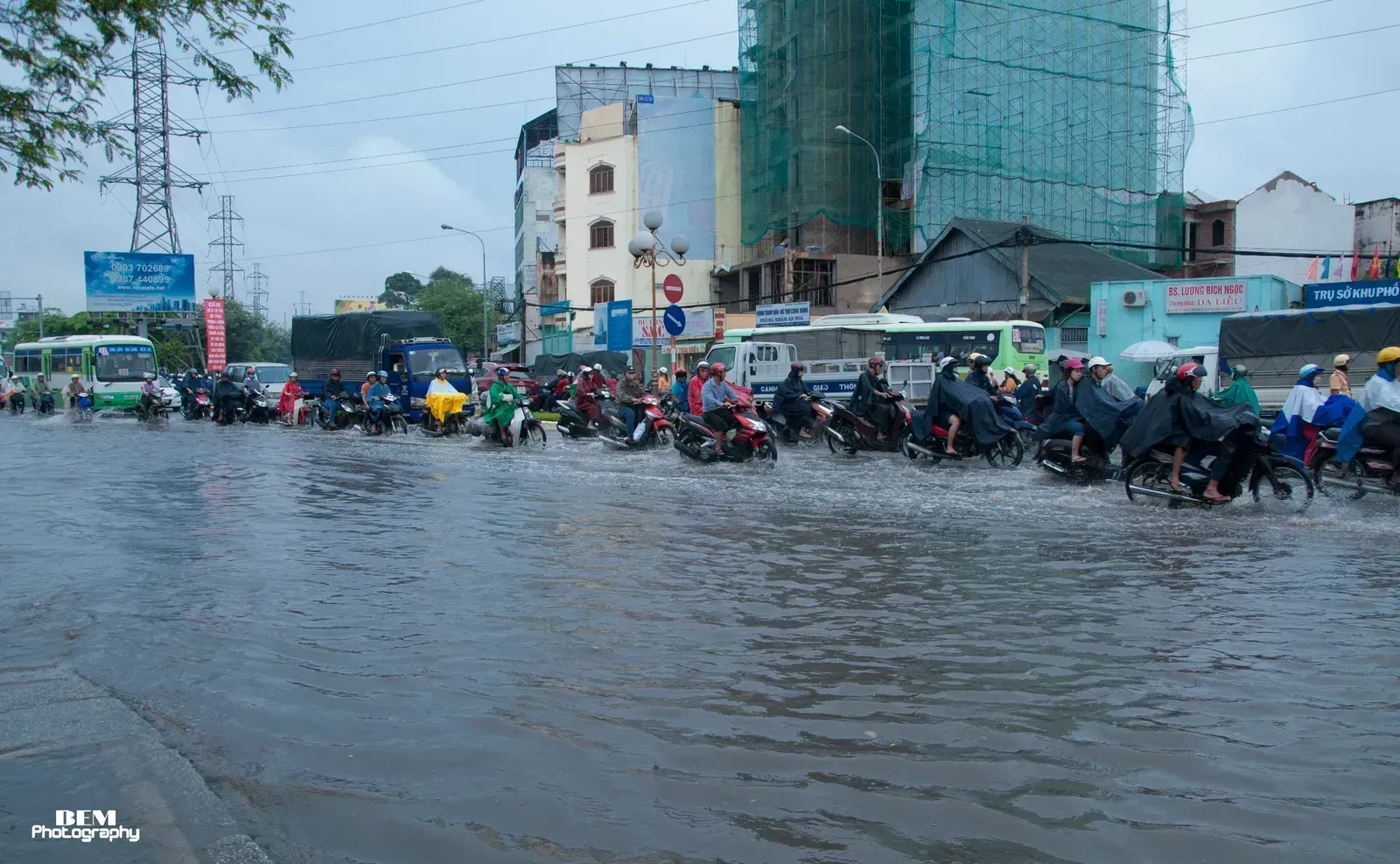
As global temperatures rise, sea levels are estimated to rise by more than a metre, and nearly a fifth of Ho Chi Minh City’s area will be flooded by 2100. According to Earth.Org’s sea level rise projections, this would result in the displacement of nearly 7 million people, a majority of whom live in the Can Gio coastal district.
Some of the fastest-growing coastal cities in the world that currently have relatively smaller at-risk assets – including Ho Chi Minh City – will, over the next 50 years, surpass many developed-world cities in terms of flood-vulnerable infrastructure and population exposure. Rapid urbanisation combined with a low-lying delta geography is a dangerous combination.
The bigger picture is staggering. In 2024, a NASA-led analysis found an unexpectedly fast rise in global sea levels. Scientists had anticipated a rise of 0.43 centimetres, but instead recorded a rate of 0.59 centimetres. That may sound small, but at the scale of entire oceans covering millions of square kilometres, the consequences are enormous. Ho Chi Minh City, built on a river delta barely above sea level, will feel every fraction of that rise.
The Bigger Picture – What This Means for Our World
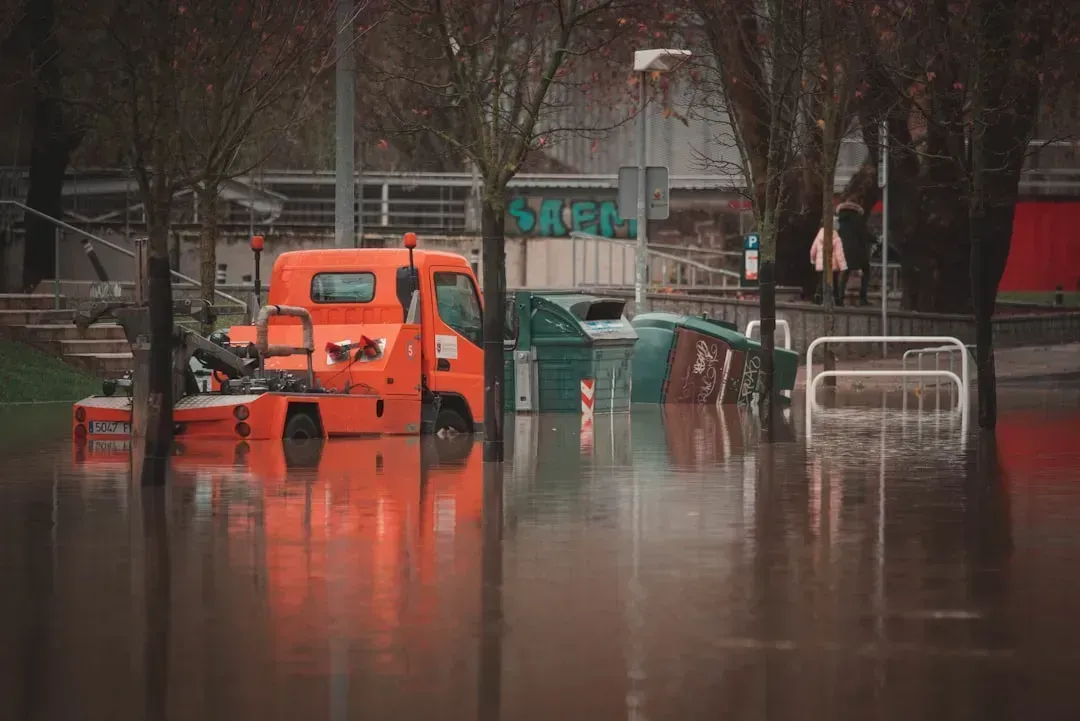
The broader experience of sea level rise and flooding under business-as-usual climate scenarios will be shared by over 570 cities throughout the world. Research shows that unabated climate change will expose 800 million people and trillions of dollars in assets to ever harsher and more frequent climate hazards. That is not a distant science fiction scenario. That is the current trajectory.
Estimates suggest the global economic costs to cities from rising seas and inland flooding could amount to 1 trillion dollars by mid-century. The OECD projects that some 35 trillion dollars of the world’s assets will be at stake in coastal cities by 2070. No insurance policy in the world is designed to handle that.
Rising sea levels pose multiple risks beyond just flooding of coastal towns, including damage to sites that store certain hazards and possible contamination of drinking water sources. A recent survey found there are 5,500 sites that store, emit or handle sewage, trash, oil, gas and other hazards that could face coastal flooding by 2100. Researchers also found that more than half these sites are projected to face flood risk much sooner – as soon as 2050 – and low-income communities and communities of color are the most at risk.
Let’s be real: the cities on this list are not obscure. They are home to hundreds of millions of people, to the world’s financial markets, to irreplaceable human heritage. The uncomfortable truth is that adaptation alone – seawalls, pumps, elevated roads – can only buy time. The deeper solution lies in reducing the emissions that are warming the oceans in the first place. What would you do if your city was on this list? Tell us in the comments.

- I Asked AI Which Coastal Cities Could Be Underwater by 2070 – The Results Are Chilling - March 24, 2026
- 8 Warning Signs in Local Weather Experts Say You Should Never Ignore - March 24, 2026
- I Asked ChatGPT Which American Regions Could Become Climate Safe Havens – The Results Surprised Me - March 23, 2026
