
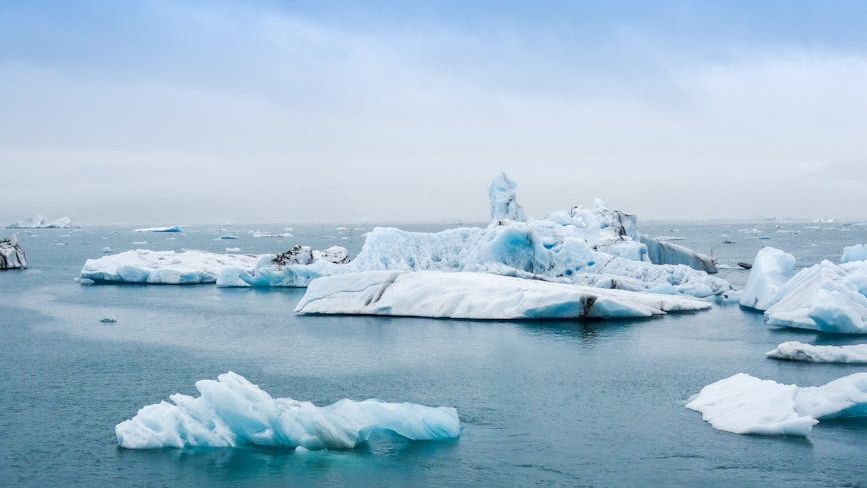

The numbers are genuinely staggering. The past three years rank highest for the annual number of billion-dollar disasters: 2023 with 28 events, 2024 with 27 events, and 2025 with 23 events. Something is clearly and measurably shifting. When I put the question to AI – why is extreme weather getting worse so consistently and so quickly? – the answers it pointed me toward were grounded in real, well-documented science. Here are the six key reasons that keep coming up.
1. Record-Breaking Global Temperatures Are Supercharging the Atmosphere
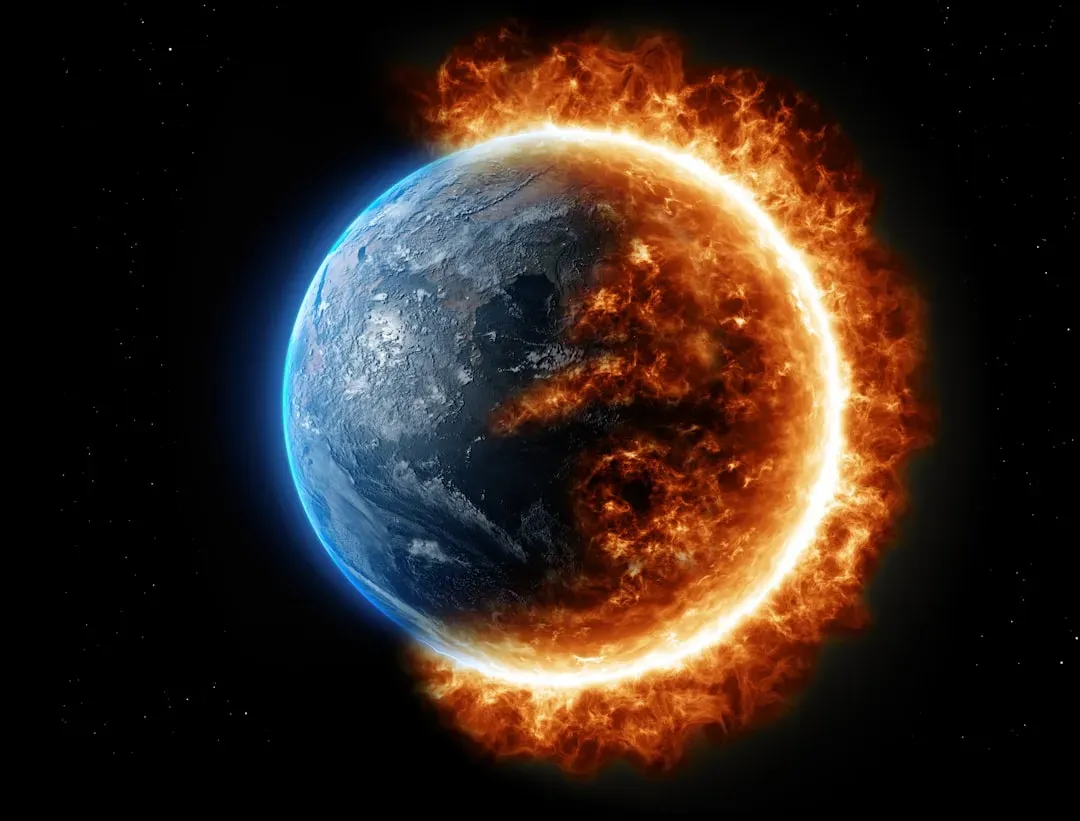
In 2024 alone, the world witnessed record-breaking temperatures, with the World Meteorological Organization confirming it as the hottest year on record. That kind of sustained heat doesn’t just feel uncomfortable – it physically alters the behavior of the entire atmosphere, loading it with more energy and more moisture than at any point in recent human history. This exceptional year of extreme weather shows how dangerous life has already become with 1.3°C of human-induced warming, and highlights the urgency of moving away from planet-heating fossil fuels as quickly as possible.
In 2025, global mean temperature was about 1.43°C above the 1850–1900 pre-industrial baseline. Between 2015 and 2025, humanity experienced the hottest 11 years on record, corroborated by nine different datasets. That is not a statistical blip – it is a clear and accelerating trend. Record-breaking heat waves on land and in the ocean, drenching rains, severe floods, years-long droughts, extreme wildfires, and widespread flooding during hurricanes are all becoming more frequent and more intense.
2. Fossil Fuel Emissions Are Trapping More Heat Than Ever Before
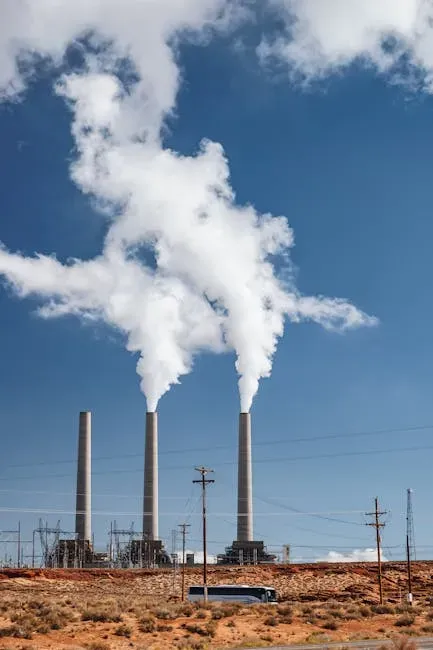
Human actions since the Industrial Revolution, primarily the burning of fossil fuels, have caused greenhouse gases to rapidly rise in the atmosphere. As carbon dioxide, methane, and other gases increase, they act as a blanket, trapping heat and warming the planet. In response, Earth’s air and ocean temperatures warm, which affects the water cycle, shifts weather patterns, and melts land ice – all impacts that can make extreme weather worse. The mechanism is well understood and has been confirmed by climate scientists for decades. What’s changed is the sheer scale of its effects.
Concentrations of three key greenhouse gases – carbon dioxide, methane and nitrous oxide – reached record levels in 2024, which is the last year for which consolidated global numbers are available, according to WMO scientist John Kennedy. The year 2024 also showed the single biggest one-year increase on record, with data from individual sites around the world indicating that levels of these greenhouse gases continued to increase in 2025. The atmosphere is, in effect, becoming an increasingly hostile environment with each passing year of continued emissions.
3. Warmer Oceans Are Fueling Stronger and More Destructive Storms
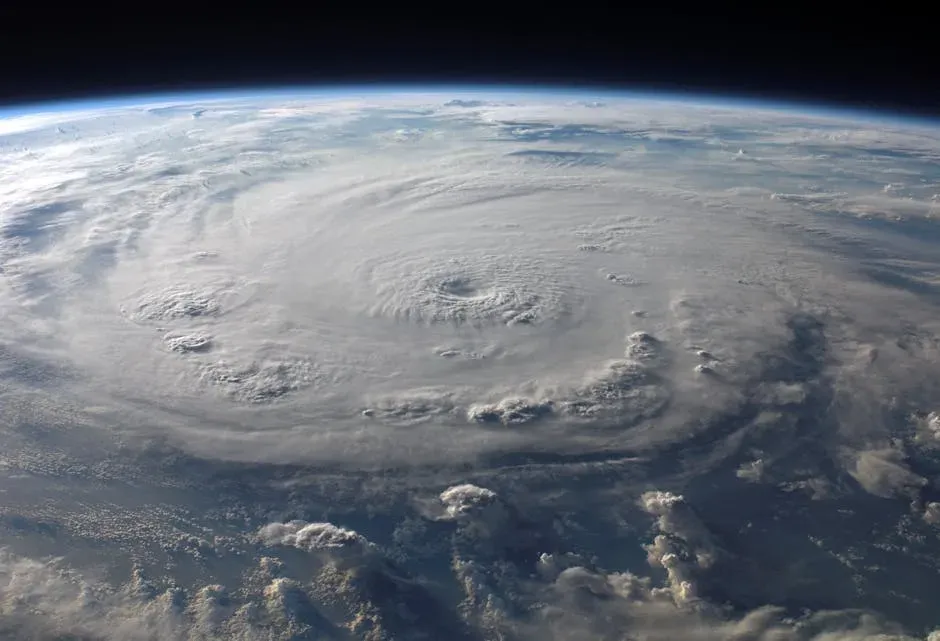
Maximum wind speeds for all eleven hurricanes in 2024 were increased by 3 to 14 miles per hour because of elevated sea surface temperatures caused by climate change. That might sound modest, but even small wind speed increases translate into dramatically larger damage potential. In 2023 and 2024, the tropical North Atlantic experienced unusually warm ocean temperatures, more than 0.5°C above normal, and these warm waters helped 2024 hurricanes become stronger before hitting land.
The ocean is a major heat sink for the planet, absorbing over 90% of the excess heat trapped by greenhouse gases in Earth’s atmosphere over the past few decades. Global sea surface temperatures have increased approximately 2.8°F since the beginning of the 20th century, and ocean heatwaves are much more common and widespread. A hotter ocean means there is more energy available to fuel tropical storms, ultimately making it a more destructive event when it hits land. Findings from the Climate Central study show it is unlikely that Hurricanes Beryl and Milton in 2024 would have developed into Category 5 hurricanes without the influence of climate change.
4. A Warmer Atmosphere Holds More Moisture, Intensifying Floods
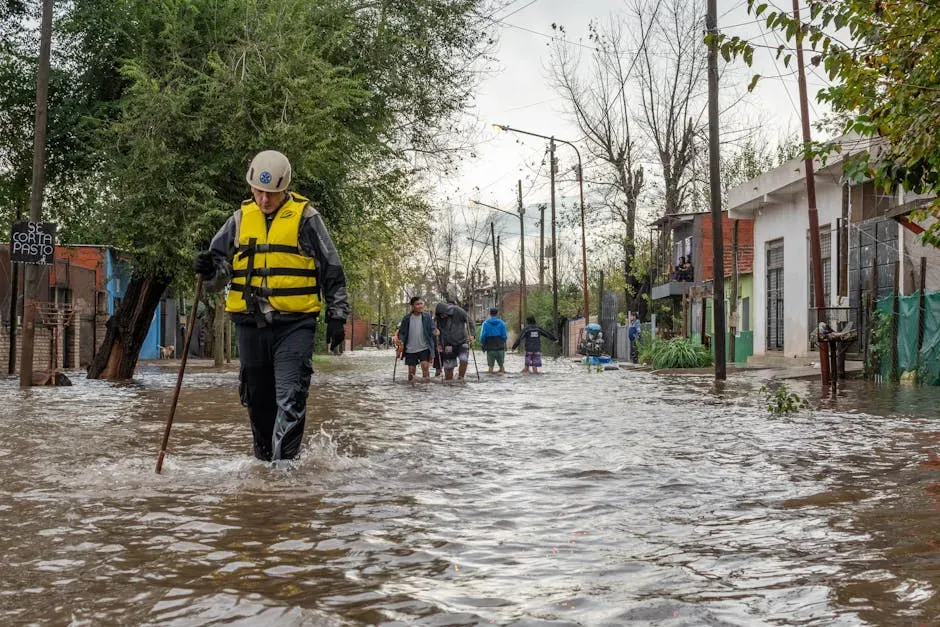
Record-breaking global temperatures in 2024 translated to record-breaking downpours. From Kathmandu to Dubai to Rio Grande do Sul to the Southern Appalachians, the last 12 months were marked by a large number of devastating floods. Of the 16 floods studied, 15 were driven by climate change-amplified rainfall – reflecting the basic physics of climate change, as a warmer atmosphere tends to hold more moisture, leading to heavier downpours. This is one of the most direct physical links in all of climate science.
Climate change is supercharging the water cycle, bringing heavier rainfall extremes and higher inland flood risks across the U.S. For every 1°F of warming, the air can hold 4% more moisture, increasing the chances of heavier downpours that can result in flooding. According to studies on extreme event attribution, it is clear that human-induced climate change, occurring since the pre-industrial era, has exacerbated extreme rainfall, tropical cyclones, and droughts, thereby amplifying their socioeconomic impacts. The floods in Spain, Central Asia, and the U.S. in 2024 and 2025 are stark real-world examples of this physics in action.
5. Arctic Amplification Is Destabilizing the Polar Vortex and Jet Stream

Known as Arctic amplification, the Arctic is warming about three to four times faster than the rest of the globe, according to Frank Nocera, a meteorologist with NOAA. This uneven warming is causing serious knock-on effects for weather patterns far outside the polar region. A 2024 report from the Arctic Council states that a “wavier” polar jet stream is linked to more persistent weather extremes in the Northern Hemisphere.
Researchers have provided evidence suggesting that Arctic changes associated with global warming have increased the likelihood of polar vortex disruptions. The effects of the enhanced high-latitude warming known as Arctic amplification on regional snow cover and sea ice may enhance the weather patterns that, in turn, result in a stretched polar vortex. Although sudden stratospheric warming occurs high in the atmosphere, such disruptions can sometimes propagate downward and influence surface weather patterns over the following one to three weeks, increasing the likelihood of a more amplified jet stream and episodic cold air outbreaks across parts of North America, Europe, and Asia.
6. The Economic and Human Toll Is Accelerating Alongside the Frequency
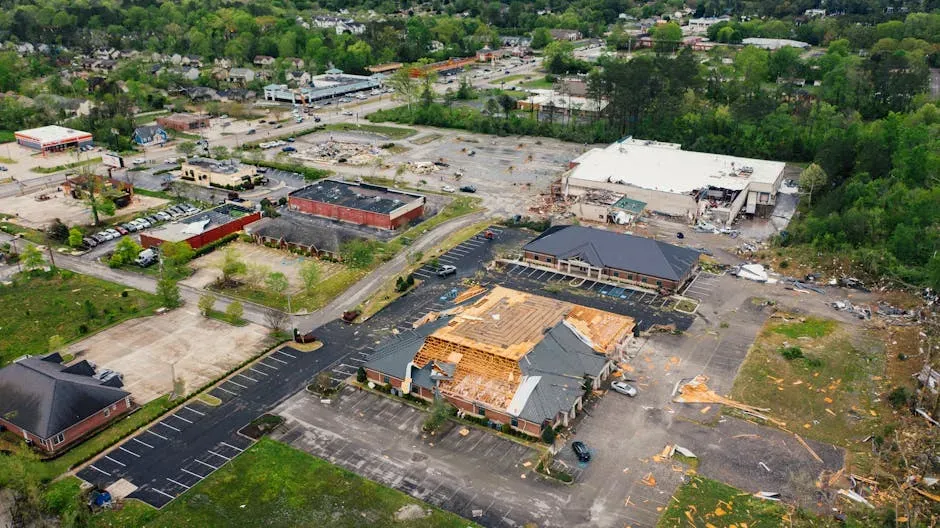
The average number of billion-dollar disasters per year has grown from about three events annually during the 1980s to 19 events annually during the last 10 years. The last two years, 2023 and 2024, shattered previous records with 28 and 27 billion-dollar disasters, respectively. The time between these catastrophic events is shrinking at an alarming pace. As the frequency of billion-dollar disasters rises, the average length of time between them has fallen – from 82 days during the 1980s to 16 days during the last 10 years. The average time between billion-dollar disasters in 2025 was just 10 days.
According to Munich Re, the total economic losses from natural disasters in 2024 exceeded $320 billion globally, nearly 40% higher than the decade-long annual average. Beyond the financial figures, the human reality is just as sobering. Climate change contributed to the deaths of at least 3,700 people and the displacement of millions in just 26 weather events studied in 2024 – a small fraction of the 219 events that met research trigger criteria. It is likely the total number of people killed in extreme weather events intensified by climate change that year is in the tens or hundreds of thousands. The number of days with extreme heat is now at least double what it would have been without climate change in 195 countries and territories. Climate change added at least an extra month of extreme heat in the past year for roughly 4 billion people – about half the world’s population.
