

- I Studied Climate Migration Trends – Here Are 10 Reasons People Are Relocating - March 31, 2026
- 7 Climate Myths That Scientists Say Need to Be Retired - March 31, 2026
- Florida Facing One of Its Driest Periods in Decades as Drought Intensifies - March 30, 2026
Something extraordinary is happening right now, and it is unfolding quietly across coastlines, farmlands, desert edges, and island nations. Millions of people are picking up everything they own and leaving. Not because of war. Not because of a job offer somewhere sunnier. They are leaving because the planet itself is making their homes unlivable.
Climate migration has moved from academic theory to raw, documented reality. The numbers are staggering, the causes are layered, and the human stories behind the data are even more compelling. Whether you live near the coast, in fire country, or somewhere that floods every few years, this topic is closer to home than most people think. Let’s dive in.
1. Extreme Flooding Is Forcing People Out of Their Homes
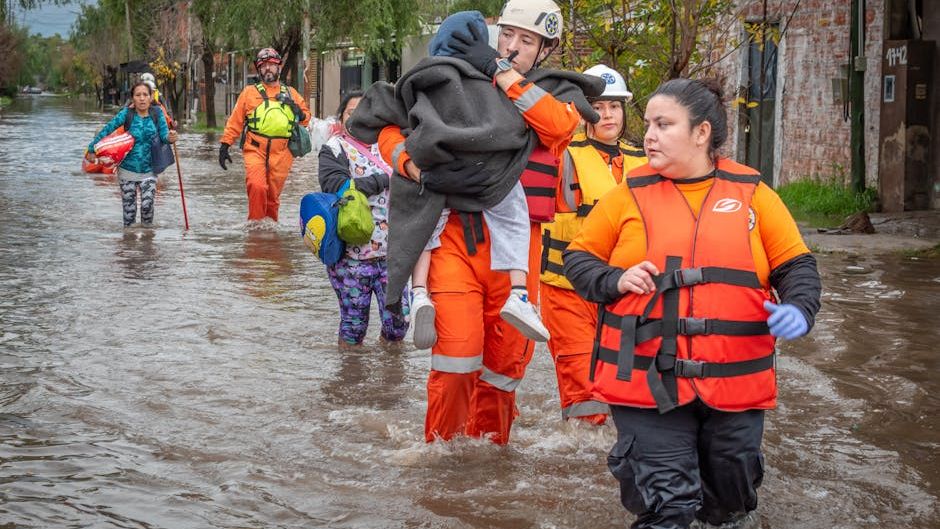
Flooding is, without question, the single biggest immediate trigger of climate migration worldwide. Climate-related hazards like floods, storms, and wildfires played a role in 26.4 million displacements in 2023 alone, according to the Internal Displacement Monitoring Centre. That is not a projection. That already happened.
In the United States, the picture is just as sobering. One study estimated that more than three million people became climate migrants as a result of flooding alone between 2000 and 2020. Let that sink in. That is the size of a major city, displaced over just two decades, by water.
About 2.5 million people had to leave their homes in the United States because of weather-related disasters in 2023, according to the latest census data. The trajectory is clearly accelerating. In Bangladesh, both sudden-onset disasters such as cyclones and slow-onset changes like salinity intrusion drive significant internal migration, as coastal regions experience frequent flooding that destroys homes and agricultural land. Flooding is not a future problem. It is today’s problem, and it is getting louder by the season.
2. Rising Sea Levels Are Erasing Entire Homelands

Honestly, few things in climate science are as viscerally alarming as the reality that some nations are simply going underwater. Small island nations such as Kiribati and Tuvalu are at risk of becoming uninhabitable due to rising sea levels, and in Kiribati’s case, the government has already purchased land in Fiji as part of a “migration with dignity” strategy. A government buying land in another country for its people to eventually move to. Think about that for a moment.
Sea-level rise has accelerated, doubling from 2.1 mm per year in the period 1993 to 2002, to 4.7 mm per year between 2015 and 2024. That acceleration changes the math for coastal communities dramatically. With a maximum elevation of just 4.6 meters above sea level, Tuvalu faces existential threats from sea level rise, and the Australia-Tuvalu Falepili Union Treaty, which entered into force in August 2024, now allows up to 280 Tuvaluans to migrate to Australia annually.
There are cases, such as small island countries like the Marshall Islands or Kiribati, that are projected to be underwater in the future given current trends. These are not hypothetical scenarios. These are real governments making real, permanent decisions about where their citizens will live next.
3. Drought and Aridification Are Killing Agricultural Livelihoods
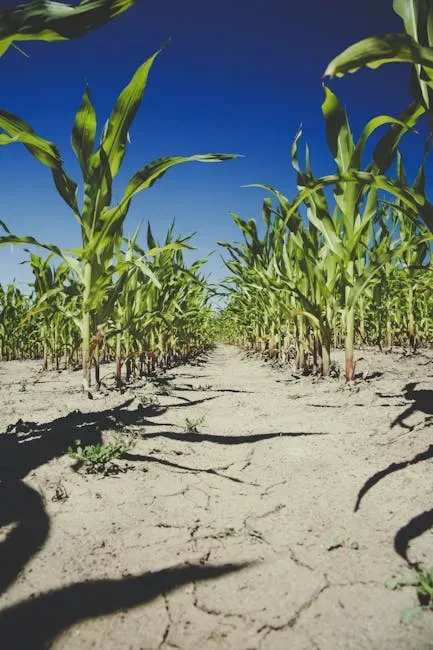
Internal migration increases in regions affected by drought and aridification, especially in hyper-arid and arid regions, with the effects most pronounced in agriculturally dependent and rural areas where livelihoods are highly vulnerable to changing climate conditions. When farmers cannot farm, they leave. It is really that simple.
The effects of drought and aridification were found to be strongest in parts of Africa, the Middle East, South America, South Asia, and Southern Europe, where agricultural livelihoods are prevalent and the climate is already dry. These are exactly the regions where farming communities have existed for generations, often with little safety net available to them. The worldwide area exposed to drought is projected to increase by around ten times by 2090 under a high-warming scenario, and in 2023 alone, 491,000 internal displacements were recorded globally due to droughts.
In Sub-Saharan Africa’s Sahel region, prolonged droughts have devastated agricultural livelihoods, leading many families to migrate either internally or across borders in search of better opportunities. This is not just about crops. It is about entire ways of life collapsing beneath a hotter, drier sky.
4. Skyrocketing Insurance Costs Are Making It Financially Impossible to Stay

Here is something that often gets buried in the climate conversation: people are not only fleeing danger. They are fleeing the cost of staying. It is not just climate-driven weather forcing migration – it is the cost of staying put. In 2024, there were 27 weather and climate disasters that resulted in at least one billion dollars in damages, and since 2019, average home insurance premiums have jumped roughly a third, with even sharper increases in disaster-prone states like Florida and California.
Climate change heightens the risks of wildfires and other natural disasters, and as insurance payouts for losses increase and uncertainty about future losses grows, people in many high-risk areas have faced difficulty obtaining or affording insurance coverage. As risk and costs increase, premiums will increase further, which may make insurance less affordable for homeowners, and if state regulators do not allow higher premiums, insurers may exit high-risk areas.
Alarmingly, 39 million properties in the United States are insured at rates that do not reflect their true disaster risk, including flood, wildfire, and hurricane threats, and residents of Florida, Louisiana, and California are increasingly relying on state-run insurers of last resort, with many at-risk homes becoming completely uninsurable. When your home becomes uninsurable, your neighborhood becomes unsellable. Migration stops being a choice. It becomes a financial ultimatum.
5. Wildfires Are Turning Entire Regions Into Uninhabitable Zones
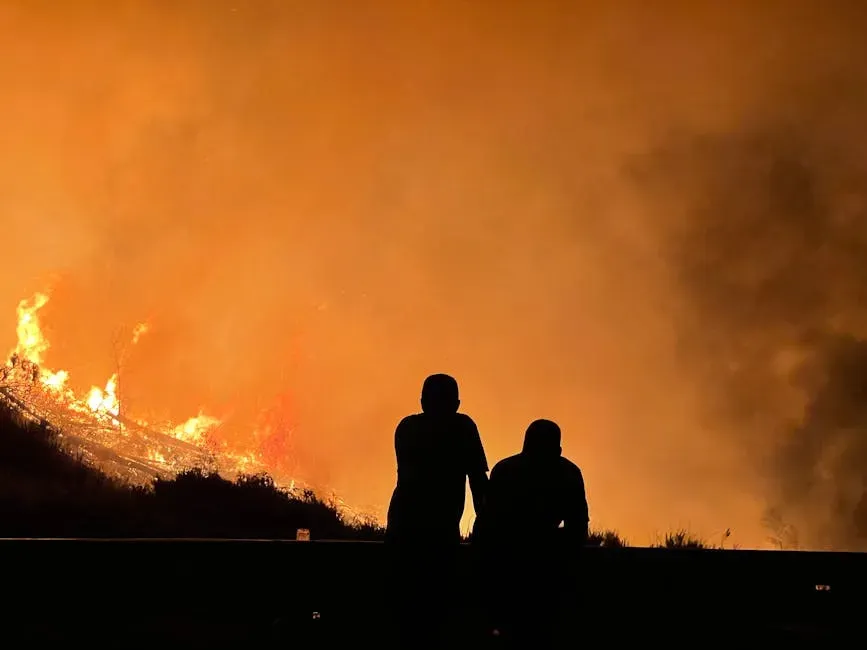
Wildfires have transformed from seasonal nuisances into civilization-level threats in some parts of the world. In July 2024 alone, nearly 7,000 U.S. fires burned over 2 million acres, according to the National Centers for Environmental Information. The scale is almost too large to picture. That is millions of acres of land, air turned toxic, communities reduced to ash.
The 2024 Palisades fire, now estimated to be the most expensive wildfire in history, caused economic losses of up to 275 billion dollars, and wildfire risk is evolving due to expanding settlement patterns and longer fire seasons, with climate change compounding the threat. Families who lived in those communities are now scattered across cities and states, many with no plans to return.
Climate migrants are abandoning areas that are prone to extreme weather, and as wildfires, hurricanes and floods become more prevalent, homeowners are moving to areas that are less susceptible to these events, like the Midwest. The Midwest is, quietly, becoming a climate refuge. I think that surprises a lot of people who still picture these disasters as someone else’s problem.
6. Extreme Heat Is Making Certain Regions Physically Unbearable
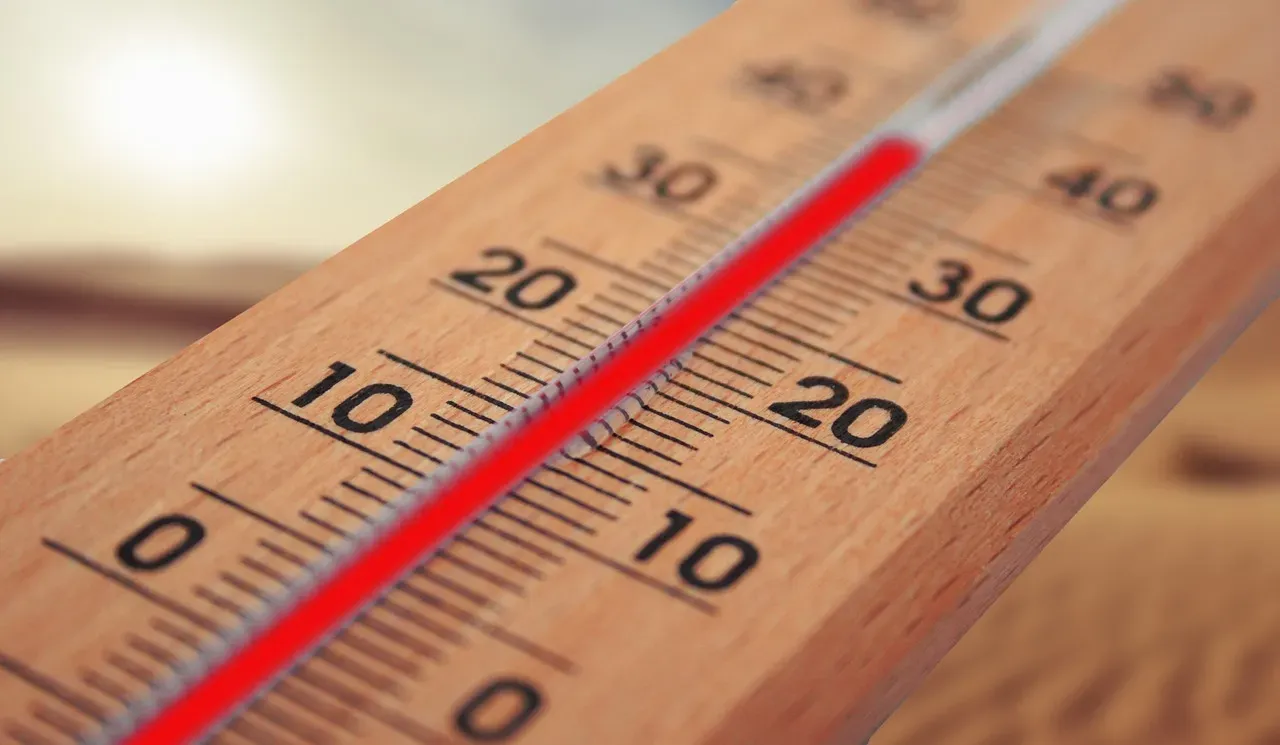
Up to 2.8 billion people globally are projected to be exposed to heatwaves by 2090, far more than all other climate hazards combined, and between 2030 and 2090, the worldwide population exposed to heatwaves is projected to more than triple. That trajectory is already visible today, not just in projections.
There is an 80 percent chance that at least one year in the 2025 to 2029 period will surpass 2024, currently the hottest year on record, which registered a global mean temperature of 1.55 degrees Celsius above pre-industrial levels. When outdoor temperatures become dangerous for long periods, people cannot work, children cannot play outside, and outdoor workers face serious health risks. Migration begins to look like a rational survival response. Heat-related deaths reached an average of 546,000 per year, while an additional 124 million people faced food insecurity due to droughts and heatwaves in 2023.
Think of it like living in an oven that slowly gets hotter every year. At some point, you do not ask whether to leave. You ask how soon you can get out.
7. Food Insecurity Driven by Climate Collapse Is Pushing Rural Communities Out
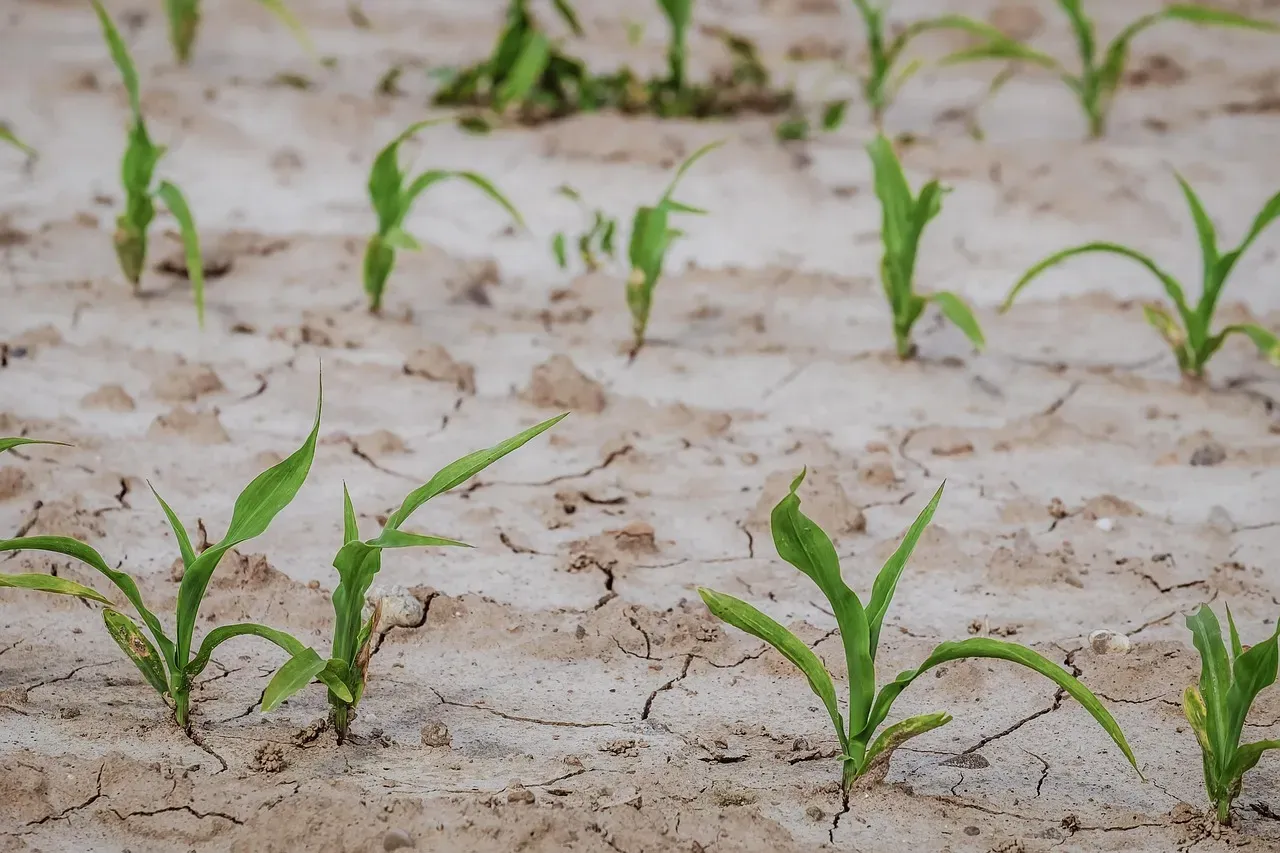
When crops fail, people move. This is one of the oldest human patterns in existence, and climate change is dramatically accelerating it. Droughts and shifting precipitation patterns are increasing food insecurity, with at least eight countries reporting a million more people facing acute food insecurity in 2024 compared to 2023, according to WMO data.
In countries of South Asia such as Bangladesh, India, and Pakistan, extreme floods are becoming more frequent and are expected to increase in magnitude, causing heavy damage to rice plantations and affecting mostly vulnerable minorities of the population. When a family’s rice crop is destroyed two or three seasons in a row, migration ceases to be an option. It becomes the only option. In Sahelian countries such as Mali, Senegal and Burkina Faso, rainfall variability and the early cessation of rainfall are linked to food security threats and food deficits.
Destroying homes, infrastructure, forests, farmland, and biodiversity, extreme weather events caused billions of dollars in economic losses, and shocks in 2024, including drought, conflict, and high food prices, worsened food crises in 18 countries globally. Eighteen countries simultaneously. The interconnection between climate and hunger has never been more brutally clear.
8. Record-Breaking Disaster Displacement Is Reaching Historic Levels

In 2024 alone, disasters triggered a record 45.8 million new internal displacements, nearly double the annual average of the past decade, with projections indicating that 216 million people could become internal climate migrants by 2050. Nearly double the average. In a single year. This is no longer a slow-moving crisis.
Extreme weather trends in 2025, including record-breaking heatwaves, droughts, and floods, displaced 36 million people in 2024, the highest figure in 16 years. The pattern is unmistakable, and I think it is important to name it clearly: we are in the middle of a displacement crisis, even if it does not always look like one on the evening news. The top five countries with the highest number of new internal displacements due to disasters in 2023 were China, Turkey, the Philippines, Somalia, and Bangladesh.
Weather-related hazards have driven an estimated 218 million internal displacements over the past decade, underscoring the human face of climate change and the urgent need for action, according to the IDMC. A generation of displacement, hidden inside that one extraordinary number.
9. Socioeconomic Vulnerability Determines Who Can Flee and Who Gets Left Behind
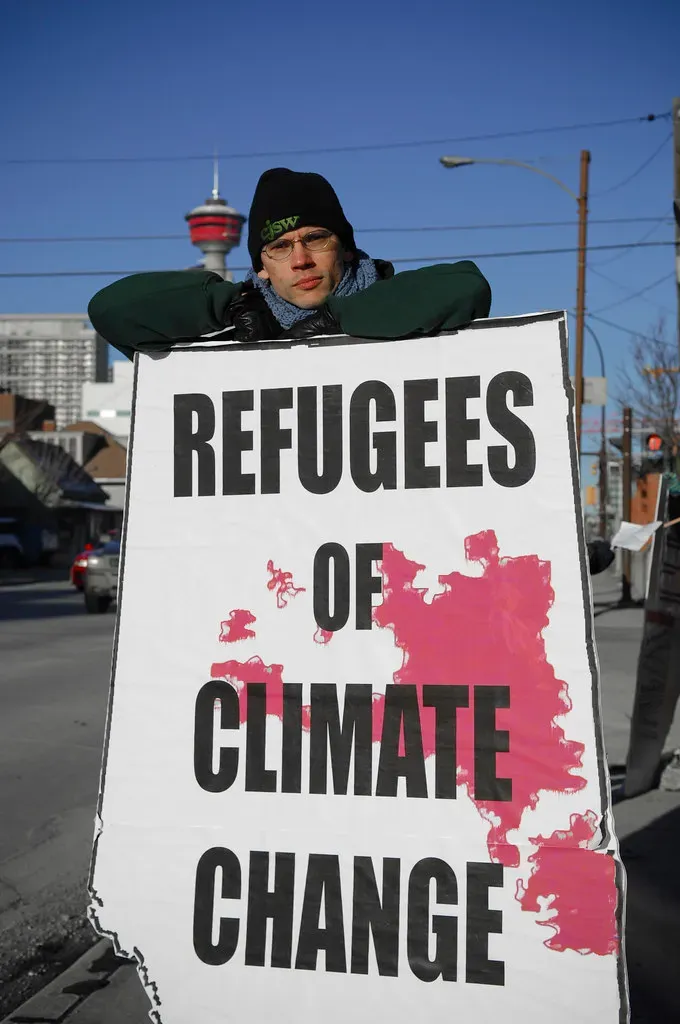
Here is the thing: not everyone displaced by climate change moves by choice. In fact, the ability to migrate is itself a form of privilege. Those with the highest and lowest incomes are less likely to migrate in response to climate impacts. The poorest people typically do not have the means to move, while the wealthiest often have the resources to adapt without moving.
The 2024 report “Who are Climate Migrants?” analyzed and revealed marked socioeconomic differences in the profiles of communities affected by weather-related internal displacements. The people hit hardest by floods and droughts are often the very people who cannot afford a bus ticket to the next city, let alone a new life somewhere safer. Many climate-induced migrants move to urban areas, contributing to accelerated urbanization trends observed in numerous countries.
There are downsides to waiting as the situation becomes increasingly untenable and young, economically active people leave earlier on their own. This may mean that older adults, or those unable to move on their own, are the ones left behind, making it more difficult to reestablish a vital community in a new place. Climate migration is, at its core, a social justice issue dressed in the language of weather.
10. The Absence of Legal Protections Is Intensifying the Crisis
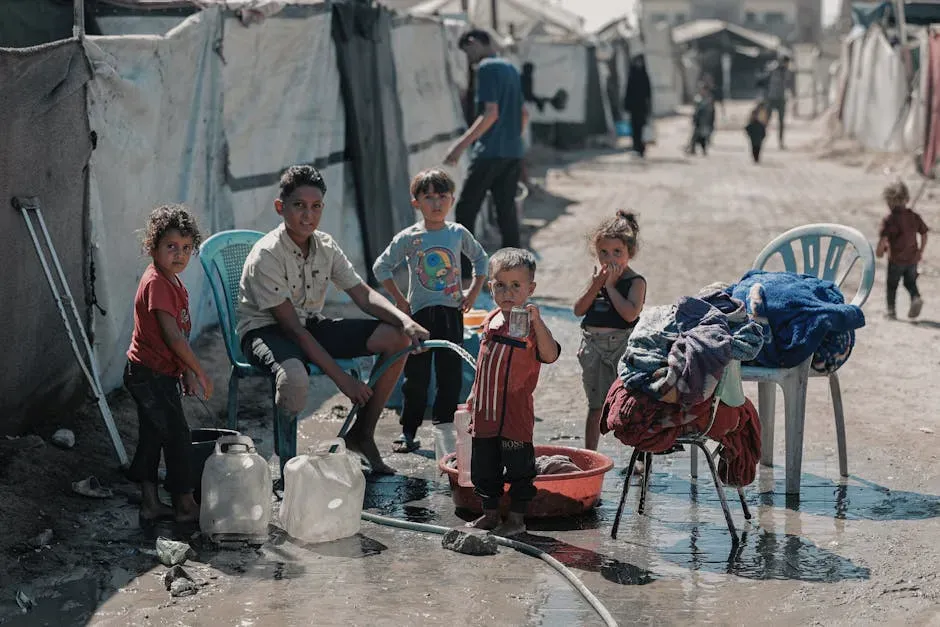
Perhaps the most frustrating reality in the entire climate migration story is this: the people being forced out of their homes by rising seas, scorching heat, and relentless storms have almost no formal legal protection anywhere in the world. The 1951 Refugee Convention provides legal protections for refugees but does not recognize environmental factors as grounds for seeking asylum, and attempts to reinterpret the Convention to include climate-induced displacement have been largely unsuccessful.
Despite the growing scale of climate-induced displacement, there is no comprehensive international legal framework specifically addressing the rights and protections of climate migrants, and existing frameworks are fragmented and insufficient to address the unique challenges posed by climate migration. There is something almost absurd about that. Millions of people are being displaced by a crisis caused largely by industrialized nations, yet they have no recognized legal status.
The World Bank estimates that between 44 million and 216 million people will migrate within their countries due to climate change by 2050. That is a staggering range, reflecting how much still depends on decisions made in the coming years. At the same time, those who are displaced by the impacts of climate change are not designated as refugees in international law, though Latin America and the African Union have recognized environmental drivers as factors in migration. Progress exists. It is just moving far more slowly than the climate itself.
A Final Thought
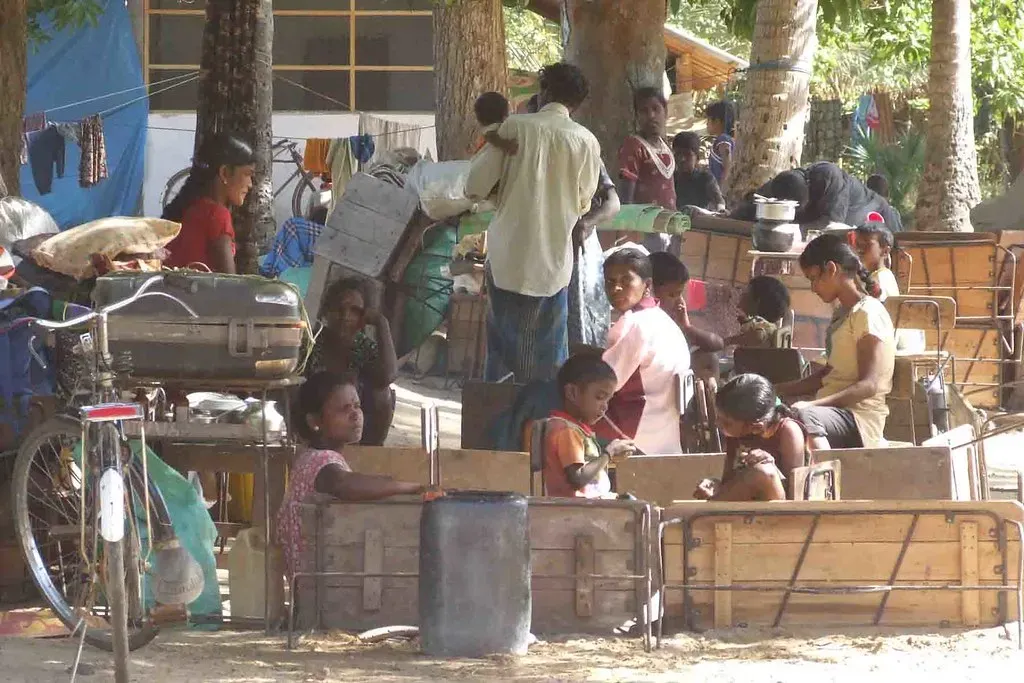
Climate migration is not some distant, abstract phenomenon. It is happening in real time, in real communities, to real people who woke up one day and realized that staying was no longer possible. The reasons are layered, the data is clear, and the human cost is immense.
What strikes me most, after going deep into all of this, is not how many people are leaving. It is how many people are still trying to stay, often with very little support and no legal recognition of why they had to go in the first place. The science is settled. The displacement is documented. The question is whether the systems designed to protect people will catch up before the next record-breaking disaster season does.
What would you do if your neighborhood became uninsurable tomorrow? Tell us in the comments.
