
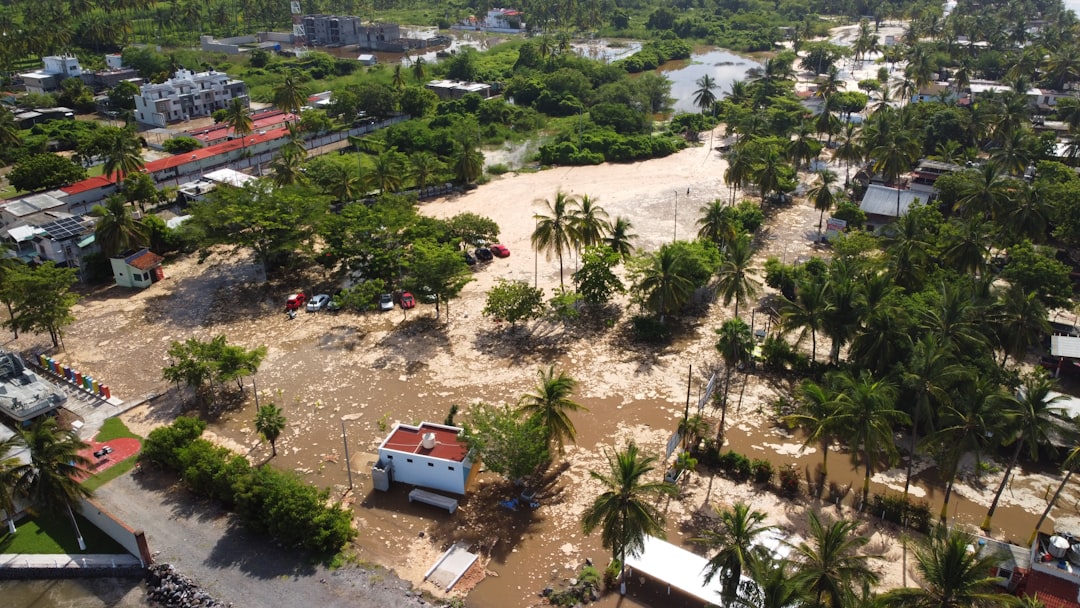
For decades, millions of people chose where to live based on climate – the promise of mild winters, reliable rain, or gentle coastal breezes. A warm Mediterranean town, a lush monsoon valley, a quiet Arctic community, a thriving coastal city. These weren’t just postcards. They were reasons to stay, or to move there in the first place.
That calculation is now shifting, fast. 2023 was the hottest year in recorded history, and the 1.5°C threshold identified in the Paris Agreement as the desired maximum of planetary warming is now projected to be surpassed anywhere from 2024 to the early 2030s. The climate zones that people once considered stable backdrops for their lives are becoming active risks. So before you pack your bags and sign a lease, here are seven once-reliable climate regions that have fundamentally changed. Let’s dive in.
1. The Mediterranean Basin: A Drought Hotspot in Progress
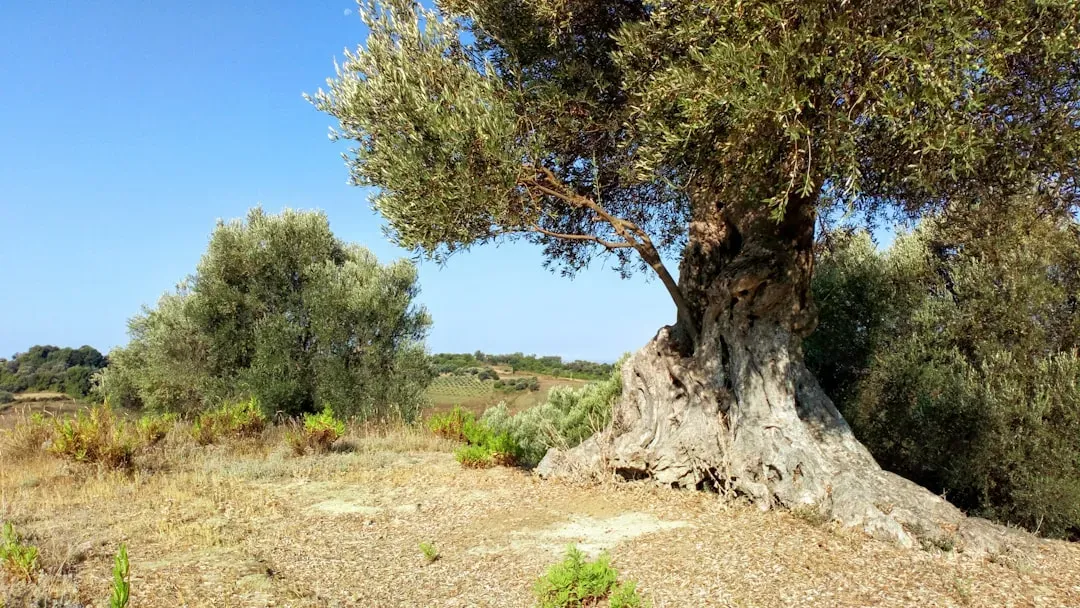
There’s something undeniably romantic about the idea of living around the Mediterranean. Sun-drenched coastlines, olive groves, affordable wine. Honestly, who hasn’t dreamed of it? The reality in 2026, however, looks increasingly sobering.
Drought impacted roughly 53 percent of lands throughout Europe and the Mediterranean basin from May 11 to 20 in 2025, according to the European Drought Observatory. That’s not a blip – it’s a structural shift. Prolonged and critical drought conditions continue in the South-Eastern Mediterranean and the Middle East, with temperatures consistently above the seasonal average.
From January 2024, the Mediterranean region experienced critical drought conditions, particularly affecting southern Italy, southern Spain, and Malta, while the situation was even more severe and prolonged in Morocco, Algeria, and Tunisia, with rain deficits and record-high temperatures affecting winter crops and fruit trees.
Precipitation in the Mediterranean basin is expected to decrease overall in the future, which could worsen the severity of droughts and lead to increased economic costs. Research from NASA published in 2024 adds another troubling layer: the probability of a dry soil moisture month given a high-precipitation month is six times more likely in the Mediterranean in a 2°C world compared to pre-industrial conditions – meaning even when it rains, the land increasingly struggles to hold water.
2. Low-Lying U.S. Coastal Zones: A Slow-Motion Flood Event
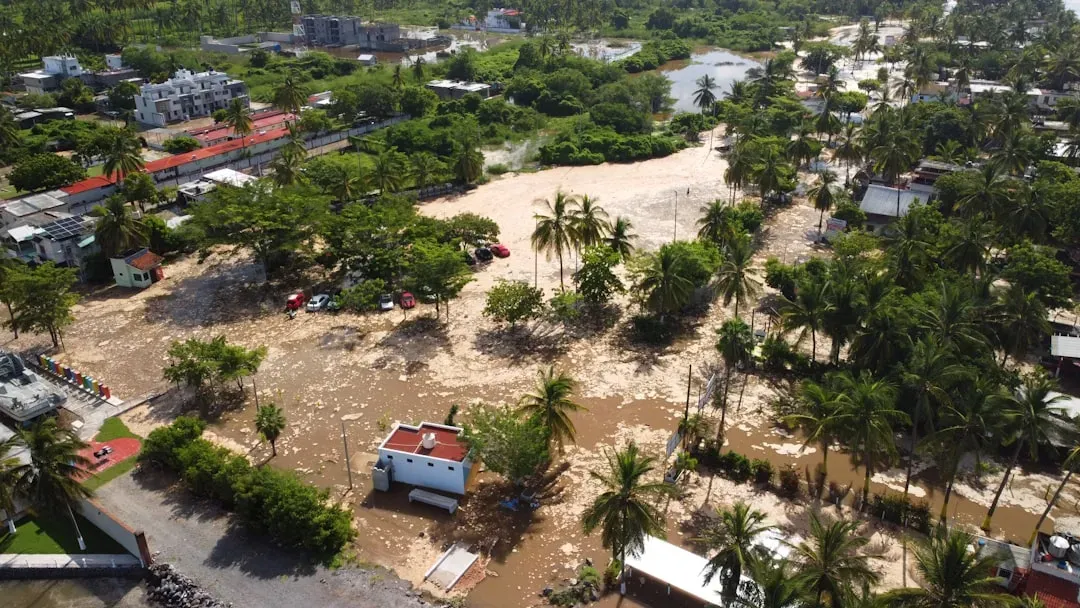
Florida retirement dreams. Louisiana bayou towns. The storied streets of Galveston, Texas. These coastal environments built entire identities around their geography. Now that same geography is becoming a liability.
Coastal floods in the U.S. now happen three times more often than they did 30 years ago, and by 2050, they are expected to happen ten times more often than they do today. That’s not gradual erosion. That’s a redrawing of the map. In 2024, NOAA projected sea levels to rise by about 10 to 12 inches by 2050, exposing coastal areas to more regular flooding, especially during high tides and storms.
Seven states – Florida, New Jersey, California, Louisiana, New York, Massachusetts, and Texas – account for nearly 80 percent of hazardous sites at risk by 2100. Think about that for a moment. These are among the most densely populated states in the country. Pacific Islands now experience a median of seven more high-tide flood days compared to the year 2000, a more than 250 percent increase, while the western Gulf Coast experiences eight additional median high-tide flood days, a nearly 300 percent increase since 2000.
The annual frequency of high tide flooding in the U.S. has more than doubled since 2000 and is projected to more than triple again by 2050 as sea levels continue to rise. For anyone considering a coastal property investment, these numbers matter enormously – and yet they still get buried in the fine print of real estate listings.
3. The Sahel Region of Sub-Saharan Africa: Where the Land Is Disappearing
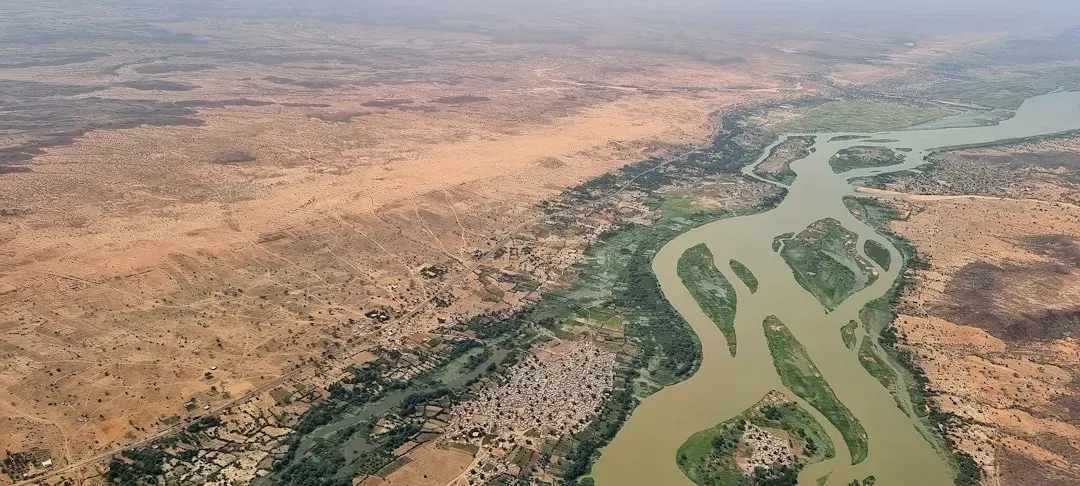
The Sahel has always been a tough neighborhood, geographically speaking. A transitional semi-arid belt stretching roughly 6,000 kilometres across the continent, it was never exactly lush. But what was livable is now, in many stretches, becoming uninhabitable.
The Sahel is one of the world’s most climate-vulnerable areas, where rising temperatures, desertification, and ecosystem losses are fuelling violence and forced displacement, with severe consequences for health and well-being. The Sahara Desert has been expanding south into the Sahel – a belt home to some 400 million people – and according to the United Nations, over 80 percent of the land in the Sahel is now degraded, affecting more than 100 million people.
Temperatures across the Sahel have risen faster than the global average, resulting in severe threats to water access, food security, and human health, with climate factors such as desertification interacting with ethnic and economic tensions, and mounting climate pressures acting as threat multipliers for both violent conflict and internal displacement.
Without intervention, climate models suggest that sub-Saharan Africa could see up to 85 million people displaced due to environmental factors by 2050. With 8 million internally displaced persons in the region already, urban areas face overburdened infrastructure while attempting to host influxes of traumatized, impoverished migrants facing further risks. This is not a future problem. It is happening right now.
4. Southeast Asia’s Monsoon Zones: Too Much Water, Too Unpredictably
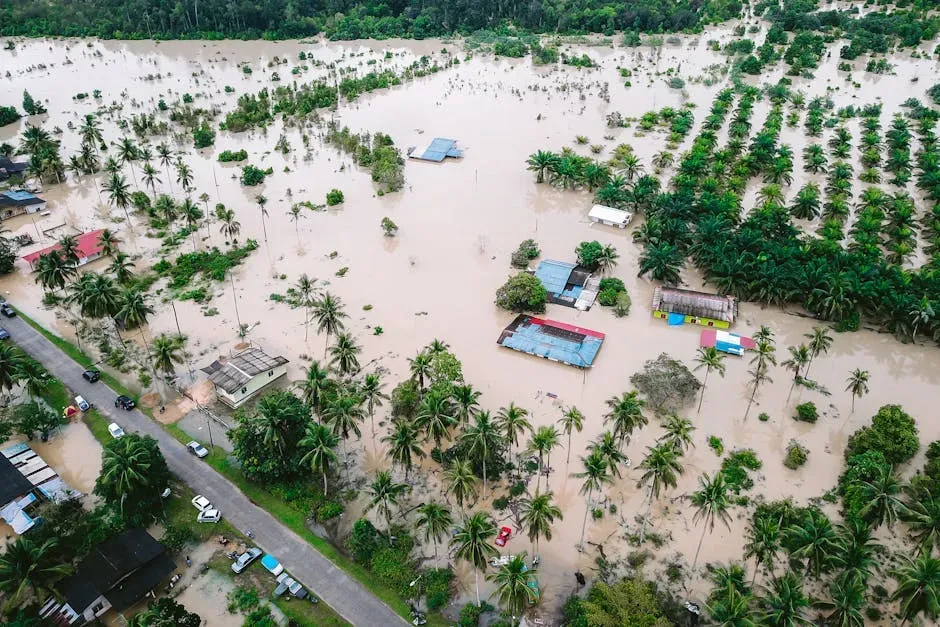
Here’s the thing about monsoon regions – they have always flooded. That’s part of the deal, and for centuries, communities built their entire agricultural and cultural calendars around it. The problem today is that “predictable seasonal flooding” is morphing into something far more chaotic and deadly.
Major floods severely impacted multiple countries across Southeast Asia and South Asia beginning in late November 2024, triggered by intense and prolonged rainfall exacerbated by La Niña conditions and several tropical cyclones, causing over 1,200 fatalities, displacing millions of people, and inflicting economic damages estimated to exceed 3.5 billion U.S. dollars.
Asia continues to warm nearly twice as fast as the global average, with cascading consequences of climate extremes on human lives, economies, and ecosystems across the region. The region has warmed by 0.5°C since 1980, and temperatures could rise by 1.1°C under a medium emissions scenario and up to 3.5°C under high emissions by the 2050s, with heatwaves expected to become more intense and rainfall patterns shifting dramatically.
Agriculture and food security will be directly impacted by higher temperatures, extreme weather, and changing precipitation patterns, with rice yields – a staple for the region – projected to decline by 3 to 10 percent, particularly in Cambodia, Myanmar, and Vietnam, while flooding will also disrupt labor capacity and increase food price volatility. I think a lot of people dreaming of a quiet life in Chiang Mai or Bali genuinely don’t factor this in when they research relocation options.
5. The Arctic and Subarctic Towns: Ground Literally Giving Way
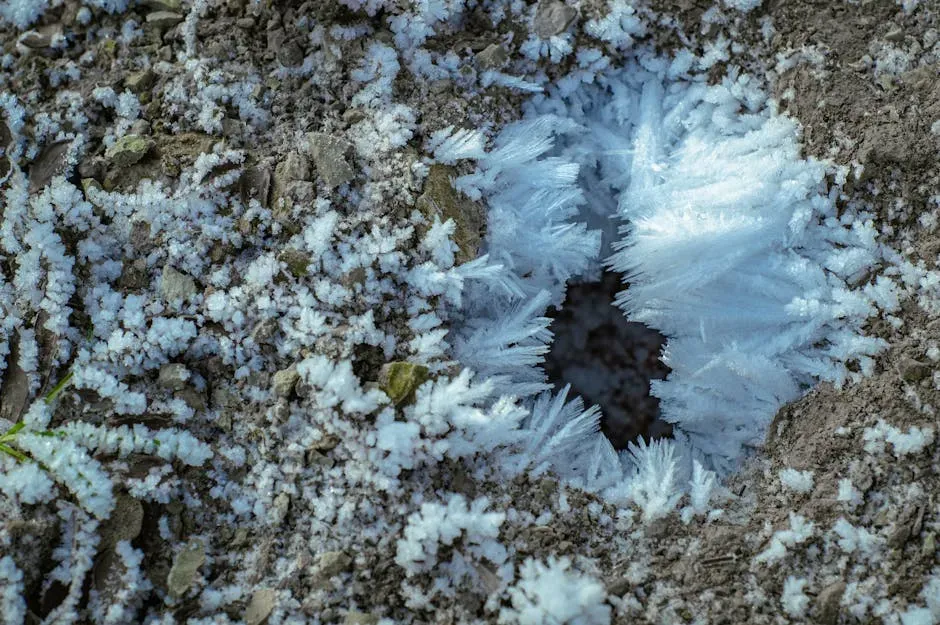
If you thought the Arctic was remote enough to be safe from climate disruption, think again. The scale and speed of what’s happening at the top of the world is, honestly, jaw-dropping – even by the standards of the broader climate crisis.
The Arctic region is warming at an average of four times faster than the global average. This isn’t just a statistic about polar bears. It has direct, physical consequences for anyone living there. Arctic coastlines are changing rapidly due to the combination of permafrost thaw subsidence, sea-level rise, and erosion – and their compound impact remains poorly understood.
Along Arctic shores of Alaska, shoreline erosion and habitat loss are accelerating due to increasing permafrost thaw and sea ice forming much later in the year, leaving the coast more susceptible to waves and storm surge. By 2100, compound effects of subsidence, sea-level rise, and erosion may transform six to eight times more land than erosion alone would impact.
In Canada, permafrost melt is destabilizing entire towns in the Arctic. Think of it like living on a sponge that’s slowly dissolving. Roads buckle. Foundations crack. Infrastructure that took decades to build can become unusable within a generation. North Asia has the coldest climate due to its proximity to the Arctic, but it also experiences greater relative warming due to what is known as Arctic amplification, which has led to permafrost thaw that places large quantities of infrastructure at risk of collapse.
6. Western U.S. Arid and Semi-Arid Zones: The Drought-Fire Double Threat
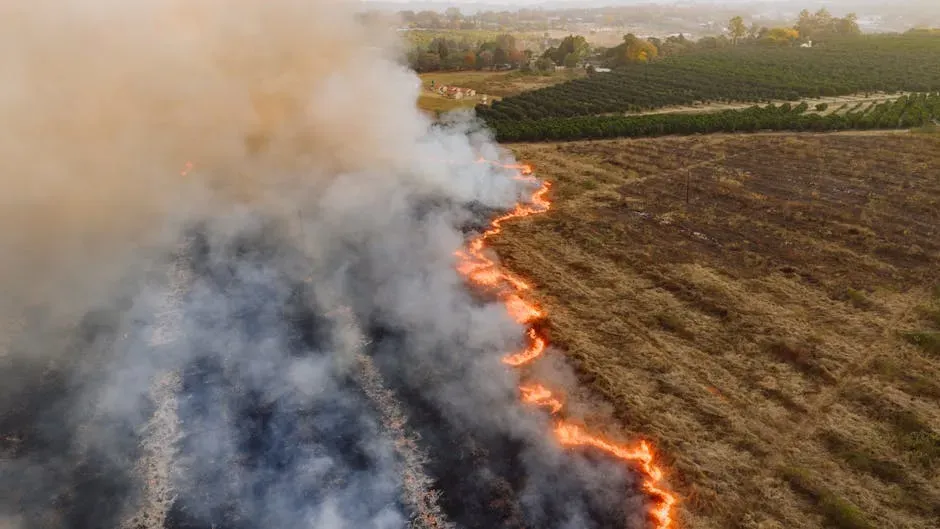
For years, states like California, Arizona, and parts of the broader American Southwest were seen as sun-soaked paradise zones – especially for retirees and remote workers. Warm, dry, reliable. That framing is quietly falling apart.
Prolonged droughts are causing internal relocation in states like Arizona and California. Prolonged droughts also increase the risk of wildfires due to reduced soil moisture – and the previous year was marked by drought conditions in Europe that witnessed the largest wildfire ever recorded in the EU. The same dynamic is playing out across the American West, only with more fuel and more people in the way.
The beginning of 2025 saw unprecedented extreme weather events across the globe, including massive wildfires across the western United States, particularly in California. These weren’t isolated incidents – they reflect a deeper shift in the climate conditions of the region. For these regions, warming will likely increase the risk of soil moisture drought during low precipitation periods while simultaneously reducing the efficacy of high precipitation periods to terminate droughts.
Cities like Phoenix and Denver are absorbing residents from climate-vulnerable zones such as coastal Louisiana or drought-stricken parts of California, and while this internal relocation is more subtle than crossing international borders, its impact is just as real – with rent spikes, strained water resources, and overloaded public transit systems all byproducts of unmanaged climate migration. The irony is that some of these so-called “climate havens” are themselves sitting on increasingly fragile climate ground.
7. South and Southeast Asian Coastal Deltas: Sinking Into the Sea
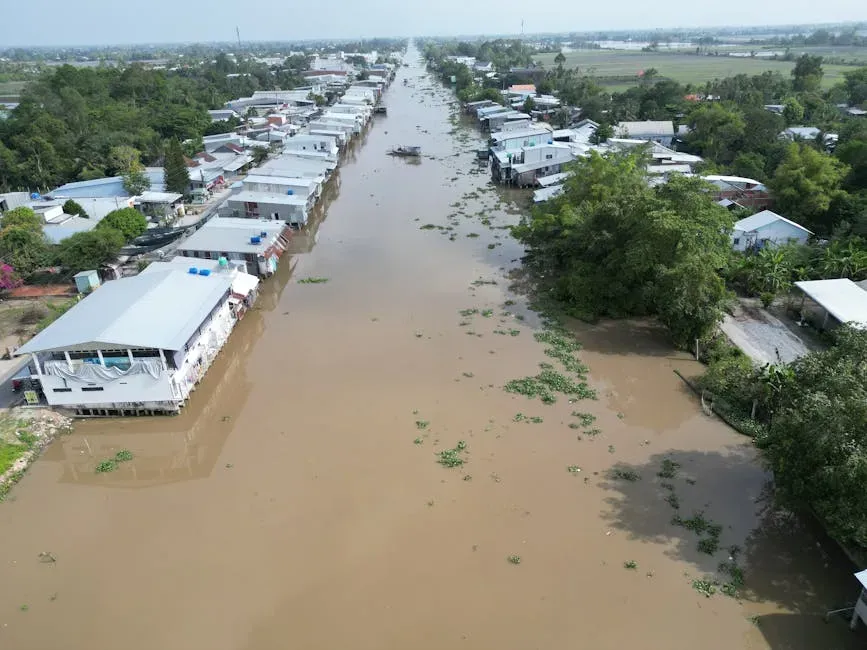
River deltas have always been among the most fertile and densely settled places on Earth. The Ganges delta, the Mekong delta, the Irrawaddy plains – these are the breadbaskets and population centers of entire nations. They are also, increasingly, under threat from multiple directions at once.
In Bangladesh alone, up to 18 percent of coastal land may be permanently submerged by 2100 under high emissions scenarios. Nearly 10 million people in Bangladesh live on land that is currently above the annual flood risk zone but expected to fall into it by the end of the century. That’s not an abstraction – those are real communities, real farms, and real cities.
In Vietnam, where 18 million people live within the 2030 annual flood risk zone, rising seas are expected to threaten land home to an additional 7 million with at least once-per-year coastal flood risks by 2100, at which point the annual flood risk zone would cover an area where roughly 30 percent of the population lives today.
Asia has the largest population at risk from sea level rise globally, and as of 2022, some 63 million people in East and South Asia were already at risk from a 100-year flood. Climate-related threats such as storm surges and rising sea temperatures could make roughly 30 percent of aquaculture areas unsuitable by 2050 to 2070 – a figure that carries enormous weight for communities whose entire livelihoods depend on the sea and the delta soils around them.
What All of This Means If You’re Planning to Relocate
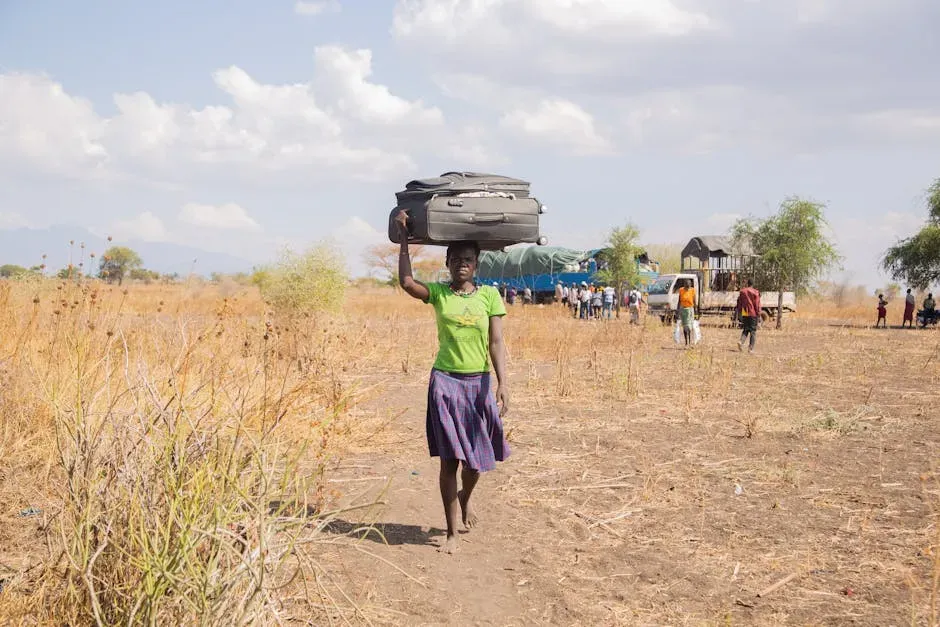
The big picture here is difficult to ignore. Crossing the 1.5°C warming threshold will lead to widespread heatwaves, increased precipitation in high-latitude regions, severe droughts affecting water availability, and sea-level rise in coastal zones – all of which exacerbate vulnerabilities, particularly for the most vulnerable populations, and are calling into question the continued habitability of some places.
In this context, planned relocation of populations away from high-risk areas will very likely increase – and since the 1970s, over 400 planned relocations related to natural hazards, disasters, and climate change have already been identified across 78 countries. It’s no longer a niche concern. Climate relocation is becoming a mainstream reality.
If you’re thinking about where to live, it’s worth being honest with yourself about what “stable climate” really means in 2026. The zones listed here weren’t always risky. They became risky, some within just a few decades. The same quiet revolution could be underway in places we haven’t caught up to yet.
The most important tool you have is information – and the willingness to use it before you sign the paperwork, not after the floodwater is at your door.
What climate zone did you assume was safe that turns out to be changing faster than expected? Share your thoughts in the comments.

- If You Ignore These 10 Climate Signals, You Could Be Unprepared For What’s Coming - March 31, 2026
- I Tracked the Habits of “Prepared” Families – They All Do These 6 Things Before Disaster Strikes - March 31, 2026
- Know Before You Relocate: 7 Once-Stable Climate Zones That Are Now At Risk - March 31, 2026
