
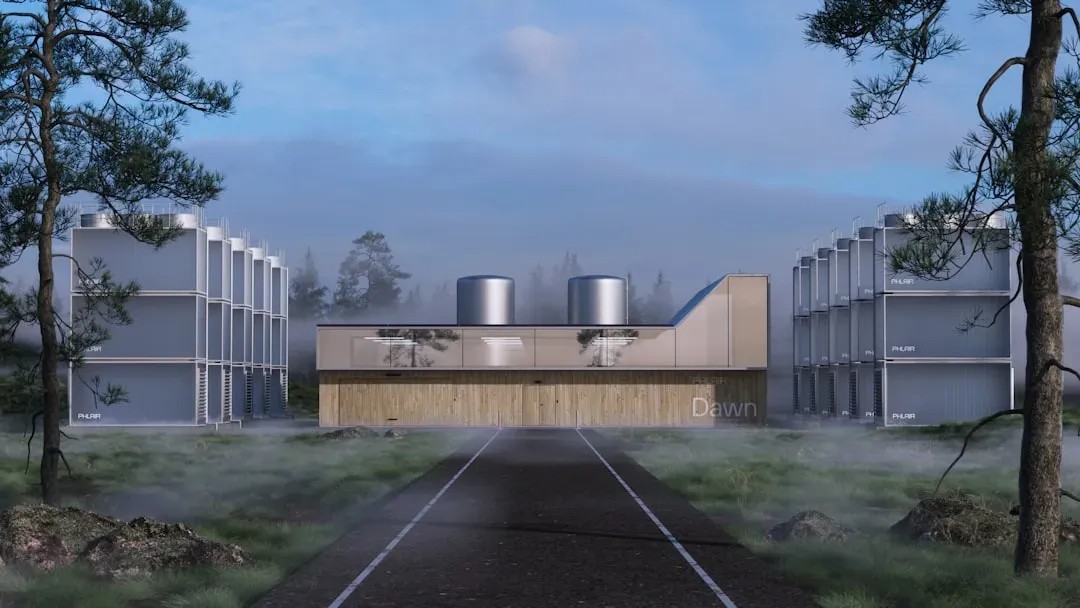
The race to keep global temperatures from spiraling out of control has never felt more urgent, or more exciting. Right now, laboratories, startups, and research institutions around the world are quietly assembling the toolkit that could define humanity’s future on this planet. Some of these breakthroughs are brand new. Others have been building steam for a decade and are finally, in 2026, ready to make their mark.
The world has moved into the latter half of a critical decade to fight climate change, with scientists warning that nations need to cut carbon emissions nearly half by 2030 to stave off a 1.5°C temperature rise. The pressure is immense. So what does the science actually have to offer right now? Let’s find out.
1. Sodium-Ion Batteries: The Lithium Killer Arrives
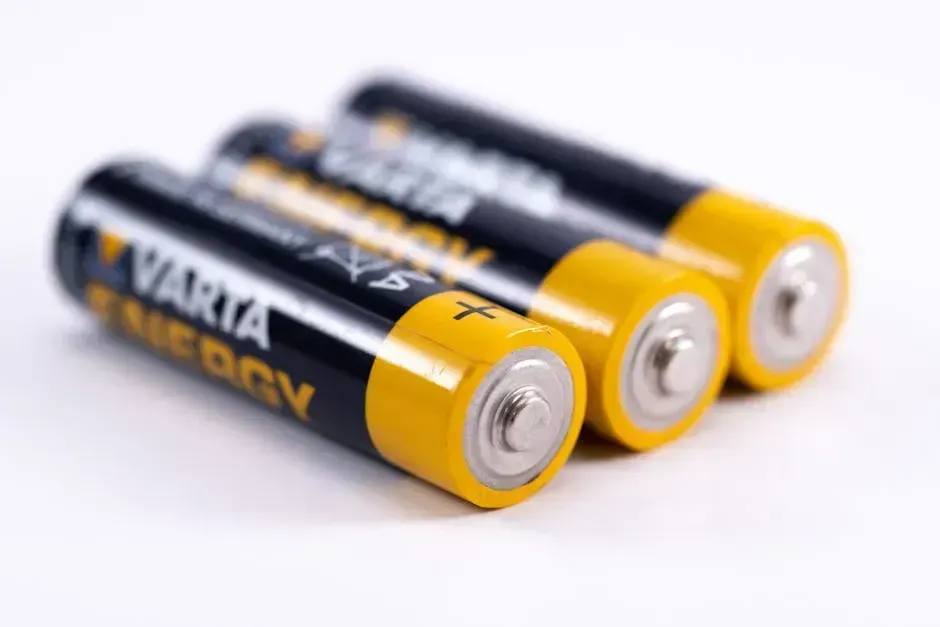
Honestly, sodium-ion batteries have been the “promising technology just around the corner” for years. But 2026 feels genuinely different. MIT Technology Review’s 2026 Breakthrough Technologies list specifically highlighted sodium-ion batteries alongside next-generation nuclear as key climate and energy picks. That’s a strong signal from one of the most credible voices in science and tech.
In recent years, there has been enormous interest in sodium-based batteries, particularly from major companies in China, and now CATL says it started manufacturing these batteries at scale in 2025. Sodium is cheap, widely available, and doesn’t carry the geopolitical baggage of lithium. Think of it like swapping a rare and expensive spice for table salt – same job, far easier to source.
Metal-ion batteries, similar to metal-air batteries, have a simpler supply chain that doesn’t rely on lithium, and sodium-ion technology is one example that is now reaching a commercial tipping point. Sodium-ion batteries for grid-scale storage are already being deployed and will accelerate significantly in 2026. For anyone worried about clean energy’s dependence on hard-to-mine materials, this is genuinely good news.
2. Next-Generation Nuclear: Small Modular Reactors Take Center Stage
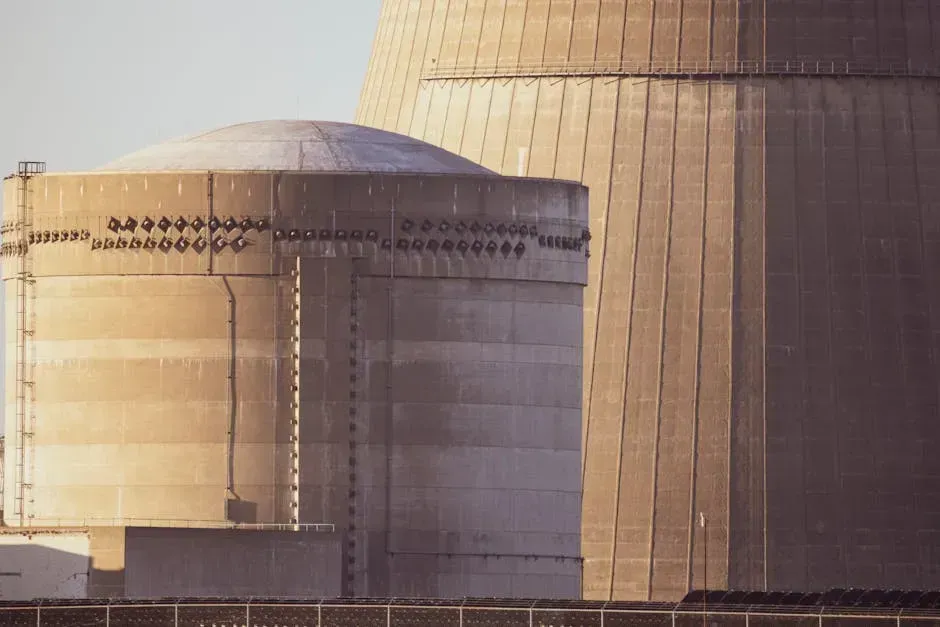
China’s Linglong One, the world’s first land-based commercial small modular reactor, is expected to come online in 2026. This is not a drill. After decades of nuclear being associated with billion-dollar cost overruns and decade-long delays, something is actually changing in how reactors are being built and deployed.
Every nuclear power plant built today is basically bespoke, designed and built for a specific site – but small modular reactors could bring the assembly-line approach to nuclear reactor development, making projects smaller, allowing more of them to be built, and bringing costs down as the process is standardized.
The nuclear industry is experiencing a structural shift, moving from a concentrated sector dominated by a small number of national champions to a broad landscape featuring over 100 SMR designs under development worldwide, with the OECD Nuclear Energy Agency’s 2025 SMR Dashboard identifying 127 distinct SMR technologies globally. At least $15 billion in public and private financing is now flowing into the SMR space. It’s hard to say for sure whether all of these designs will survive, but the momentum is undeniable.
3. Perovskite Solar Cells: A New Era for Solar Power
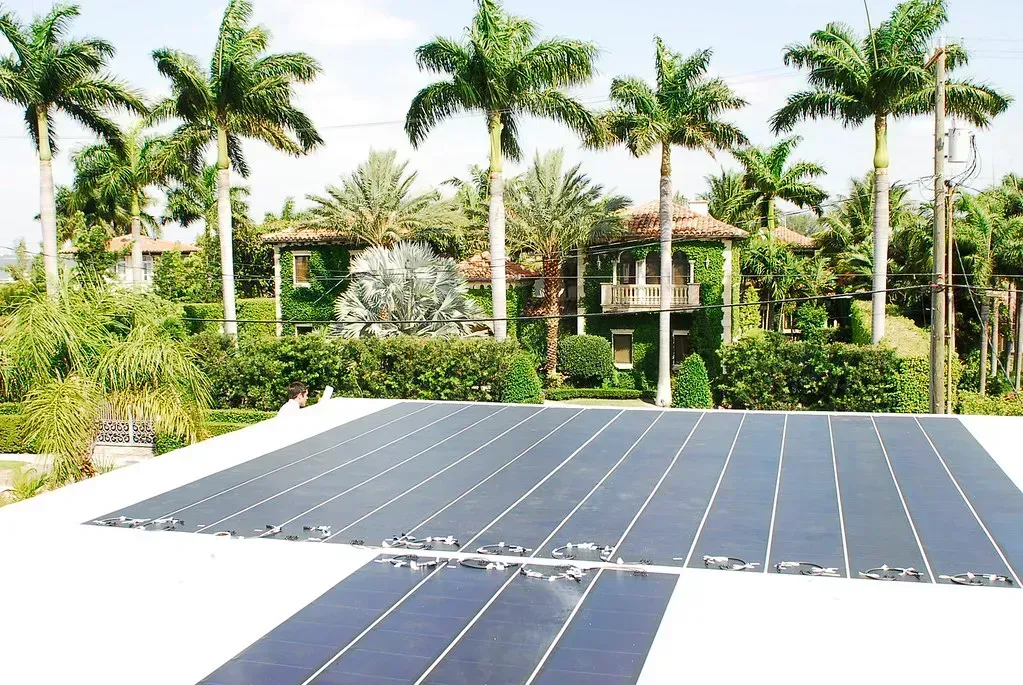
Silicon solar panels are brilliant, but they’re running into a wall. Silicon solar technology has approached an efficiency ceiling near 27%, while perovskite solar cells offer a different pathway, combining higher efficiency with lower production costs – and in January 2026, researchers at the University of Manchester achieved perovskite cells with 25.4% efficiency while retaining over 95% performance after 1,100 hours.
The past two years have witnessed remarkable progress in perovskite solar cells, with certified power conversion efficiencies of single-junction cells and silicon-perovskite tandem cells having surpassed 27% and 34% respectively. That’s a significant leap. The commercial reality is rapidly catching up with the lab results too.
Hybrid tandems build upon existing silicon PV infrastructure rather than replace it, providing a faster path to commercialization and more supply chain options, even as pure perovskite solar cells face challenges with degradation and stability – yet hybrid solar cell manufacturers have already achieved mass-production-ready efficiencies, with the first commercial versions expected to reach the market in 2026. Japan also announced a $1.5 billion national investment in 2025 to commercialize ultra-thin, flexible perovskite solar cells, with potential applications on buildings, vehicles, and other nontraditional surfaces.
4. Direct Air Capture: Pulling CO₂ Straight From the Sky
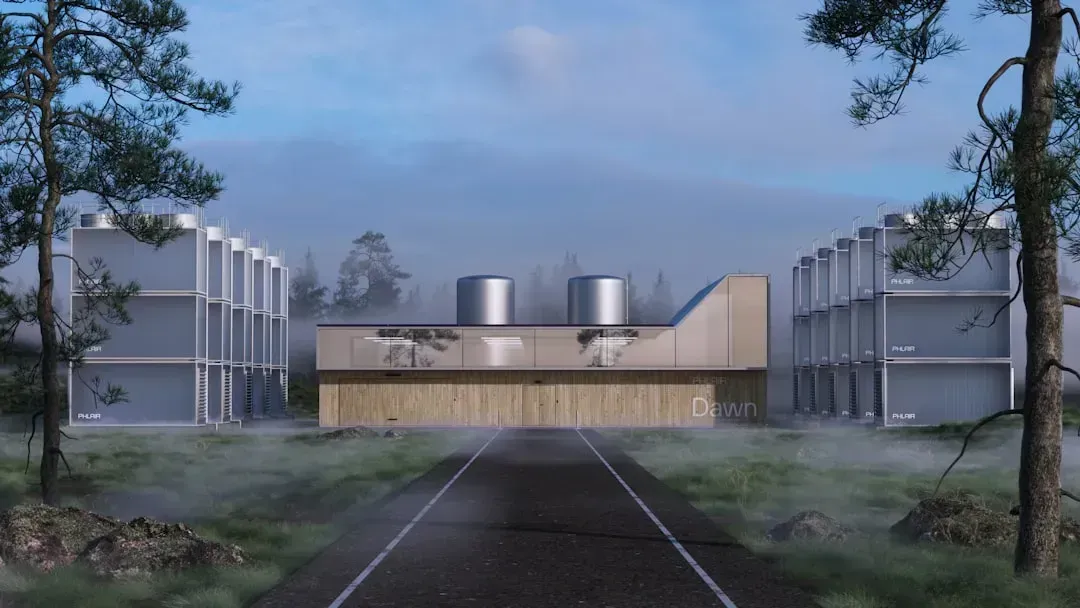
Here’s the thing about direct air capture (DAC): it sounds almost too good to be true. A machine that just vacuums carbon dioxide out of the open atmosphere? Yet it’s real, it’s working, and it’s scaling up fast. Direct air capture systems remove carbon dioxide directly from ambient air and either store it underground or convert it into usable products.
In 2025, researchers at the University of Houston developed a membraneless electrochemical process capable of capturing CO₂ at roughly $70 per ton, placing DAC within reach of cost competitiveness. That price point matters enormously – earlier systems were operating at many times that cost, making them commercially impractical.
The market expanded rapidly, growing from around $122 million in 2024 to a projected $261 billion by 2026, driven by carbon pricing policies, corporate net-zero targets, and investment incentives, with more than 130 DAC facilities currently planned. Scientists agree that carbon dioxide removal will be needed to address residual emissions and manage climate risks, but it must complement, not replace, emission reductions. That last point is worth emphasizing. DAC is a powerful supplement, not a get-out-of-jail-free card.
5. Iron-Air Batteries: Multi-Day Energy Storage Becomes Real

What if the answer to storing renewable energy for days at a time was literally rust? That is, at its core, what iron-air battery technology is all about. Iron-air batteries are built on the reversible rusting of iron, and in 2025, Form Energy began manufacturing these batteries at scale, enabling multi-day energy storage using plentiful, non-toxic materials like iron, water, and air – with the ability to store electricity for up to 100 hours, making them long-lasting enough to replace fossil fuel-based peaker plants and stabilize renewable-heavy grids.
For the transition to renewable energy to succeed, we must store electricity generated for hours or even days at a time, and new material science battery technologies are surpassing current lithium-ion batteries in cost and material availability, with several options ready for commercialization at the scale utilities need in 2026. Iron is one of the most abundant materials on Earth. The elegance of this solution is almost poetic.
The wind doesn’t always blow and the sun doesn’t always shine. That old argument against renewable energy starts to crumble when you have technology capable of storing energy across multiple days of cloudy, still weather. Combined global investment in clean energy technologies is topping $2 trillion annually, representing a new record for a relatively young sector.
6. Next-Generation Geothermal: The Energy Under Our Feet
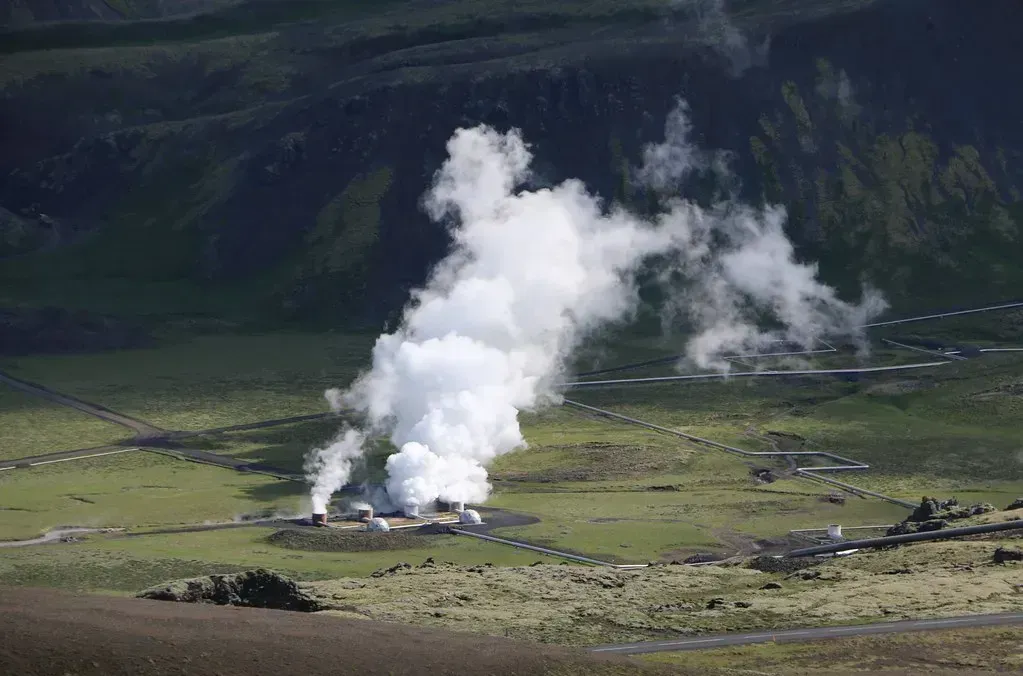
Geothermal power has long been the quiet achiever of clean energy, overshadowed by flashier solar and wind installations. But that is changing rapidly in 2026. In the race toward a clean, resilient energy future, geothermal power is emerging from the shadows, and long overshadowed by solar and wind, it is now poised to become a cornerstone of global electricity and heating systems, thanks to technological breakthroughs, policy momentum, and a growing appetite for clean, firm power.
Technological breakthroughs like Enhanced Geothermal Systems (EGS) and drilling techniques borrowed from the shale boom are unlocking geothermal potential in previously unsuitable locations, with global capacity expected to reach 60 to 80 GW by 2050. Think of EGS as essentially cracking open hot dry rock deep underground and using the heat inside the Earth as a giant, inexhaustible power source. It’s available everywhere, not just near volcanoes.
According to the International Energy Agency, geothermal could technically meet humanity’s electricity needs 140 times over. That’s an astonishing number. Next-generation geothermal energy technologies, specifically Enhanced Geothermal Systems, closed-loop geothermal systems, and superhot rock geothermal systems, represent promising pathways that require both demonstration funding and long-term project finance.
7. AI-Powered Climate Modeling: Forecasting the Future With Precision

From artificial-intelligence-powered climate modelling to quantum computing, Nature magazine has been keeping a close eye on technologies poised to reshape science in 2026. AI’s role in climate research is arguably one of the most underappreciated revolutions happening in science right now. It’s not just about making better weather forecasts – it’s about understanding the planet’s systems with a depth and speed that was simply impossible before.
In agriculture and disaster planning, AI models enable early risk detection, targeted resource use, and better resilience, while world-scale predictive modeling and smart grids are set to reshape how communities prepare for and adapt to climate threats. Imagine being able to predict a drought six months out with genuine confidence, or forecast where flooding is most likely to hit before a single cloud appears on the horizon.
Massive innovation where AI meets the physical world is expected in 2026 on both the infrastructure and consumer app layers. The 10 New Insights in Climate Science 2025/2026 report shows that the failure to cut emissions at the speed and scale required is behind nearly every major climate risk. AI is increasingly being used not only to understand that failure but to engineer faster, smarter solutions around it.
8. Fusion Energy: From Science Fiction to Strategic Reality

Let’s be real – fusion has been “30 years away” for about 60 years. Yet something genuinely shifted in the last few years, and 2026 is when governments and corporations are starting to treat fusion as a strategic priority rather than a distant dream. In 2026, fusion is shifting from sci-fi promise to strategic reality, triggering a global scramble to understand, invest in, and position around its potential, with recent breakthroughs alongside billions flowing into magnetic and inertial confinement technologies pushing corporates and governments to professionalize their fusion roadmaps.
Progress won’t be fast enough to outpace the near-term rise of advanced fission and small modular reactors, which will increasingly serve surging demand from data centers and heavy industry – but the real story is not “fusion vs. fission,” but how the world finances the coming clean-energy megacycle as traditional market models strain. That framing is worth sitting with. It’s a financial and geopolitical story as much as a scientific one.
Recent headlines tell the story: record power demand forecasts, renewed government backing for nuclear and fusion, a rebound in strategic M&A, and capital flowing back to climate solutions that actually lower costs and secure supply. It’s hard to say for sure when the first fusion plant will feed electricity to a real grid, but the direction of travel is clearer than ever.
9. Transparent Solar Windows: Buildings That Generate Their Own Power

Imagine if every glass-fronted skyscraper in the world were quietly generating electricity all day long. That is exactly what transparent solar cell technology is trying to make happen. Scientists at the Hebrew University of Jerusalem have developed solar cells that could be applied to windows to generate energy while still remaining transparent, with laboratory testing achieving power conversion efficiencies of up to 9.2% with around 35% visible transparency.
The process avoids high-temperature manufacturing and toxic solvents, which may support lower-impact production. Most urban surface area consists of glass facades and windows, and traditional photovoltaic panels are opaque and mainly suited to rooftops – these devices target building-integrated photovoltaics, turning facades and curved surfaces into potential generators without eliminating natural light.
The efficiency numbers still have room to grow, and durability under real-world conditions remains a genuine challenge. Durability under moisture, UV exposure and heat remains a central challenge for perovskite-based cells. Still, the concept is compelling in a way that’s hard to ignore. Cities are essentially covered in vertical glass surfaces. The potential power generation at scale would be enormous.
10. Nature-Based Water Tech: Treating Wastewater With Living Systems

Water technology is poised for a breakout in 2026 – once an overlooked subset of climate tech, it’s now a major focus as droughts and water scarcity make headlines, with venture investment in water tech hitting record highs recently at $864 million in 2023, nearly double the average of the late 2010s. Scarcity of clean water is one of the most underreported crisis threads running through the climate story.
Organica Water has developed compact treatment plants that combine plant-root ecosystems and microbial biofilms within engineered tanks, mimicking wetland processes but operating inside controlled, covered reactors suitable for dense urban settings. It’s like bringing a miniaturized, highly efficient swamp into the heart of a city. The biology does the heavy lifting.
Compared with conventional plants, these systems require around 60% less land and roughly 30% less energy, and in South and Southeast Asia, more than 80% of wastewater is currently discharged untreated. Large centralized plants demand land and extensive sewer networks, which slow deployment – smaller modular systems can be built closer to the point of generation, reducing pumping energy and enabling phased expansion. In a world increasingly shaped by water stress, this kind of practical, scalable solution deserves far more attention than it currently gets.
Conclusion: The Innovation Wave Is Building
What’s remarkable about this moment in 2026 is not just the quality of individual breakthroughs, but how many of them are converging at once. Batteries, nuclear, solar, carbon removal, water tech – each one is maturing simultaneously. 2026 sees fewer dramatic headlines and extravagant predictions, but more milestones and tangible achievements. That, honestly, is exactly what the planet needs right now.
Each year, the world’s leading climate scientists evaluate the most critical evidence on how our planet is changing, and their latest assessments deliver a stark warning: the planet’s energy balance is drifting further out of alignment, ocean warming is now accelerating, and the land’s capacity to absorb carbon is declining. The urgency is real. The science is clear.
The ten innovations on this list are not fantasies. They are funded, peer-reviewed, and in several cases already being deployed at commercial scale. The question is whether the pace of rollout can match the pace of need. Which of these technologies surprised you the most? Tell us in the comments.

- 10 Surprising Places That Could Benefit from Climate Change - March 30, 2026
- 9 Environmental Changes Experts Say Are Pushing Ecosystems to the Edge - March 30, 2026
- Scientists Reveal the Top 10 Climate Innovations to Watch in 2026 - March 30, 2026
