

Meat sits at the center of some of the world’s most defining food cultures. Whether it’s a weekend asado in Buenos Aires, a Sunday roast in Sydney, or a pork dish at a Hong Kong street market, the way countries relate to meat runs much deeper than simple preference. It touches economics, religion, landscape, and identity all at once.
What’s striking is just how extreme the gap has become. The contrast between countries consuming over 100 kilograms of meat per person annually and those consuming less than 5 kilograms tells a story that goes far beyond food choices. Below, we look at the countries on both ends of that spectrum, and what really drives them there.
Hong Kong: The World’s Undisputed Meat Capital
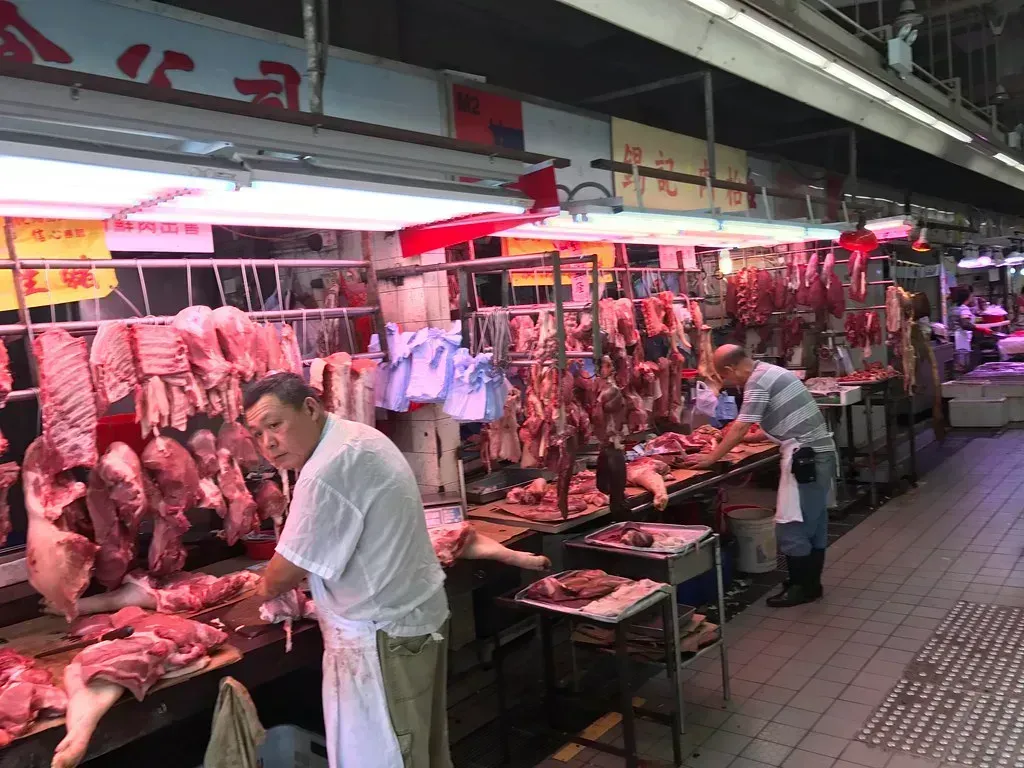
Hong Kong, at around 136 kilograms per capita, eats more meat than any other country or territory in the world on an annual basis. Its citizens have a particular predilection for pork and chicken, which together account for over 80 percent of all the meat eaten, forming a core part of Cantonese cuisine. That figure translates to well over 300 pounds per person, every single year.
Hong Kong also consumes more pork than any other country or territory, at over 55 kilograms per capita annually. According to a study by Hong Kong University’s Earth Sciences department, this heavy meat diet is the primary contributor to the city’s disproportionately high greenhouse gas emissions, and researchers have estimated that shifting to a diet closer to governmental nutrition guidelines could cut livestock-related emissions by roughly two thirds. The love of meat here is real, but it’s not without consequences.
The United States: Abundance, Habit, and Poultry on the Rise
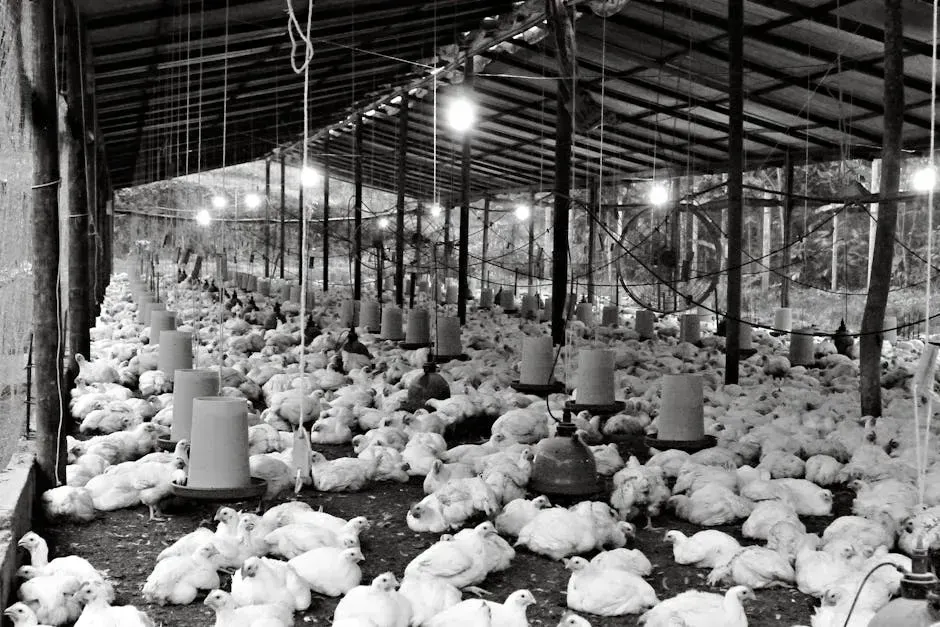
The United States sits in second place globally, eating around 128 kilograms of meat per capita annually. In 2025, per capita meat consumption in the United States was expected to reach around 226 pounds, representing a figure that has remained broadly stable over recent years. The country’s size, agricultural infrastructure, and food culture all feed into this consistently high number.
Chicken has become the most popular meat throughout the United States, with broiler production being the dominant category in American meat supply. Broiler per capita disappearance is expected to increase steadily, growing from around 101 pounds in 2025 toward 107 pounds by 2033. Beef remains central to the American diet too, though its share has slowly shifted as chicken becomes cheaper and more accessible by the year.
Australia: A Barbecue Nation with a Shifting Plate

In 2024, Australia’s per capita meat consumption across beef, veal, pork, poultry, and sheep reached around 82 kilograms in retail weight. Australia remains one of the world’s highest per capita consumers of red meat, with beef consumption averaging 22.4 kilograms and sheepmeat at 7 kilograms per person in 2024, both well above the global averages. It’s a country where red meat is genuinely part of the national fabric.
Australia’s total meat intake is more than twice the yearly average global intake, and meat consumption by type in 2024 broke down to roughly 52 percent poultry, 26 percent pork, 17 percent beef and veal, and 5 percent sheep. A 2024 survey into Australia’s dietary preferences found that around a quarter of respondents indicated they had already reduced their meat intake, with a further 12 percent planning to cut back. The appetite is still enormous, though attitudes are slowly shifting.
Argentina: Beef Identity Under Pressure
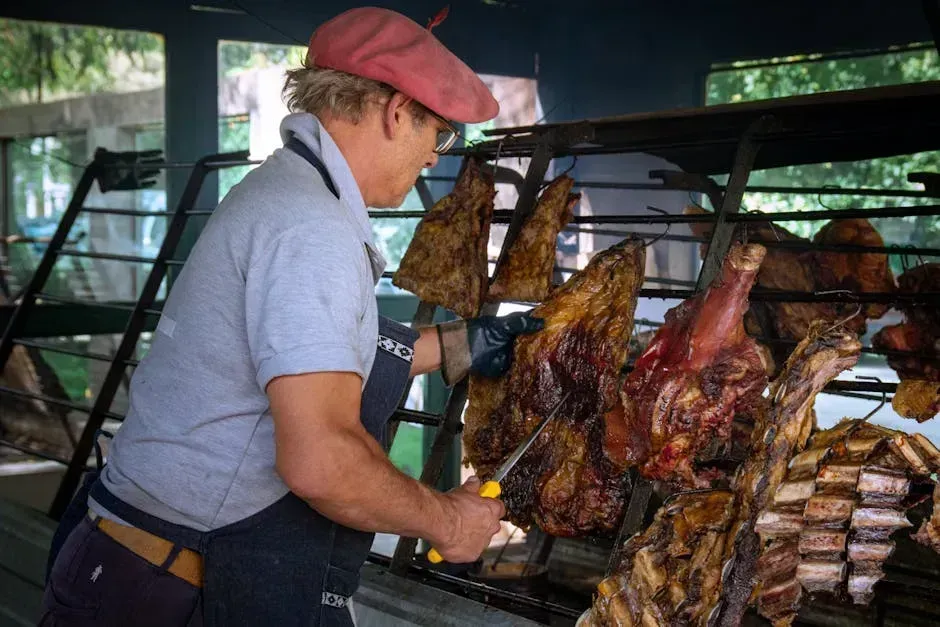
Argentina eats around 110 kilograms of meat per capita annually, placing it among the top five countries in the world for overall meat consumption. The country historically consumes more beef than almost any other, and its steak has a worldwide reputation for quality. The vast Pampas grasslands give Argentina a natural advantage in raising cattle at scale and at relatively low cost.
However, inflation, a recession, and rising poverty have forced many Argentinians to rein in their longstanding love of beef, with 2024 beef consumption projected by the Rosario Board of Trade to drop to its lowest level since records began in 1914. The country’s overall meat consumption has still been partially maintained because many citizens have switched their diets toward more poultry and pork, but the cultural shift is genuinely significant for a nation where beef was once considered close to a birthright.
India: The Vegetarian Giant
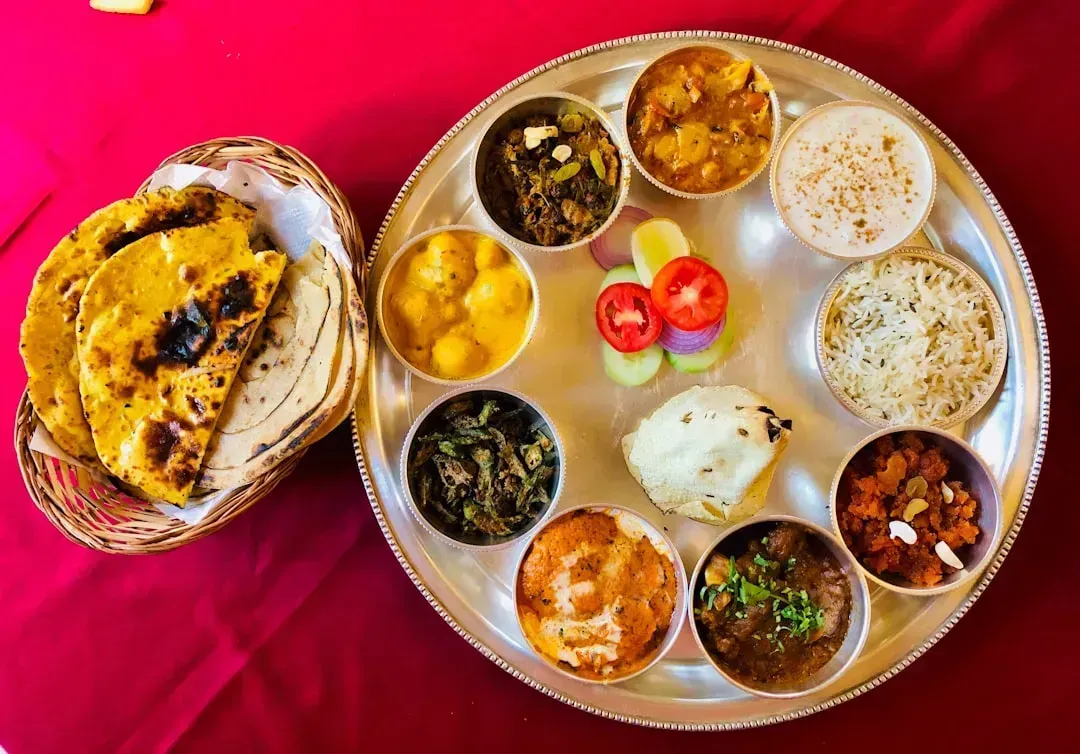
India holds the distinction of consuming the least meat per capita among major nations, with only around 3 kilograms of meat per person per year. Cultural and religious factors play a significant role in this, with many citizens adhering to vegetarian diets rooted in Hindu, Jain, and Buddhist traditions. Given that India is now the world’s most populous country, the scale of that dietary choice is staggering.
It’s not a coincidence that the countries with the lowest meat consumption rates all have relatively low GDPs, since in general, the wealthier a country is, the more meat its residents consume. India sits at an unusual intersection of both forces: affordability constraints and strong cultural preference for plant-based eating both push in the same direction. The result is a country of over a billion people that collectively has one of the smallest animal protein footprints on the planet.
Bangladesh: When Economics and Religion Align

Bangladesh, a Muslim-majority nation, sees just 3.4 kilograms of meat per capita consumed by its citizens, with a mix of poverty and restrictive trade imports keeping consumption extremely low. Although beef is highly sought-after, beef and veal together account for under one kilogram per capita because most people simply cannot afford it, and Islamic dietary law rules out pork entirely. Fish, meanwhile, is the major source of protein for most households, as it is more affordable and a staple of the traditional diet.
According to UN data, low-income countries eat an average of roughly 35 pounds of meat per person annually, and Bangladesh sits firmly within that bracket. What’s particularly notable is that even as Bangladesh’s economy has grown in recent decades, meat consumption has not risen as sharply as in other developing nations. The dietary patterns are deeply rooted, and fish remains the protein of choice for the majority of the population.
Ethiopia: Livestock Rich, Meat Poor
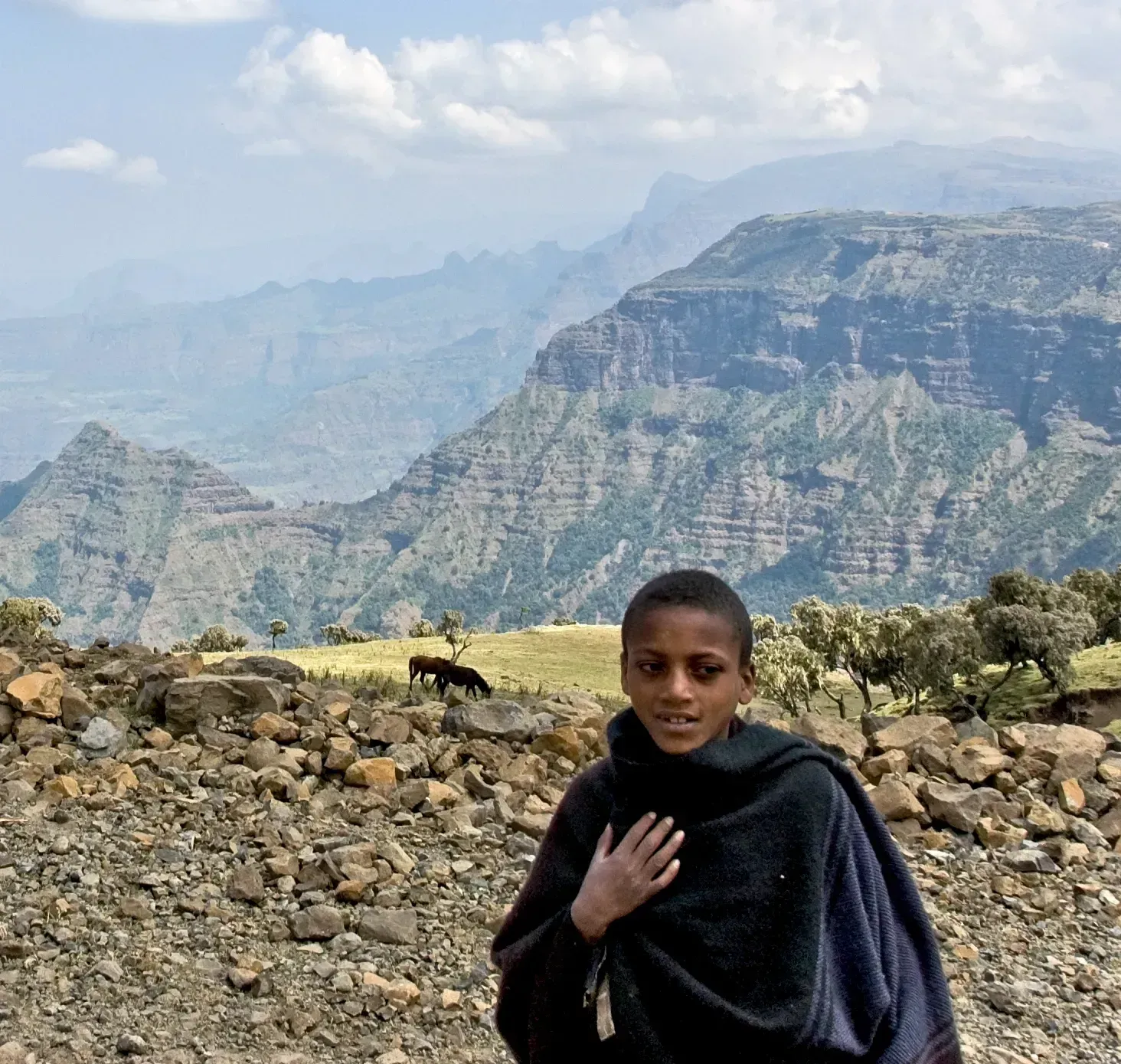
Despite having one of the largest livestock populations on the African continent, Ethiopia has a very low rate of meat consumption, at just under 4.54 kilograms per capita. The country has vast numbers of cattle, yet consumption remains minimal due to economic factors and cultural practices. When Ethiopians do eat meat, it’s usually beef, though they consume only small portions of poultry. This creates a unique situation where a country rich in livestock effectively exports much of its animal stock while locals consume very little.
Ethiopian meat consumption is deeply influenced by cultural and religious practices, with roughly 62 percent of Ethiopians, primarily Christians, abstaining from meat for approximately 250 days each year due to religious fasting. The main religions of Ethiopia have their own doctrines that govern feeding habits, influencing meat consumption through dictating which animals may be eaten and scheduling periods of restriction throughout the year. The calendar of abstinence alone makes meaningful daily meat consumption nearly impossible for a large share of the population.

