

Fall has a reputation for being fleeting, a few golden weeks squeezed between summer humidity and winter’s first hard freeze. But not every American city experiences autumn that way. In some places, thanks to geography, elevation, ocean currents, or just plain latitude, the crisp air, mild afternoons, and changing colors stretch out for two months or more. These are the cities where you can pack away the shorts in September and still be wearing a light jacket comfortably into late November.
What follows is a gallery-style look at nine U.S. cities where autumn genuinely overstays its welcome, in the best possible way. Some are famous for foliage, others for their mild, lingering temperatures, and a few for both.
1. Asheville, North Carolina
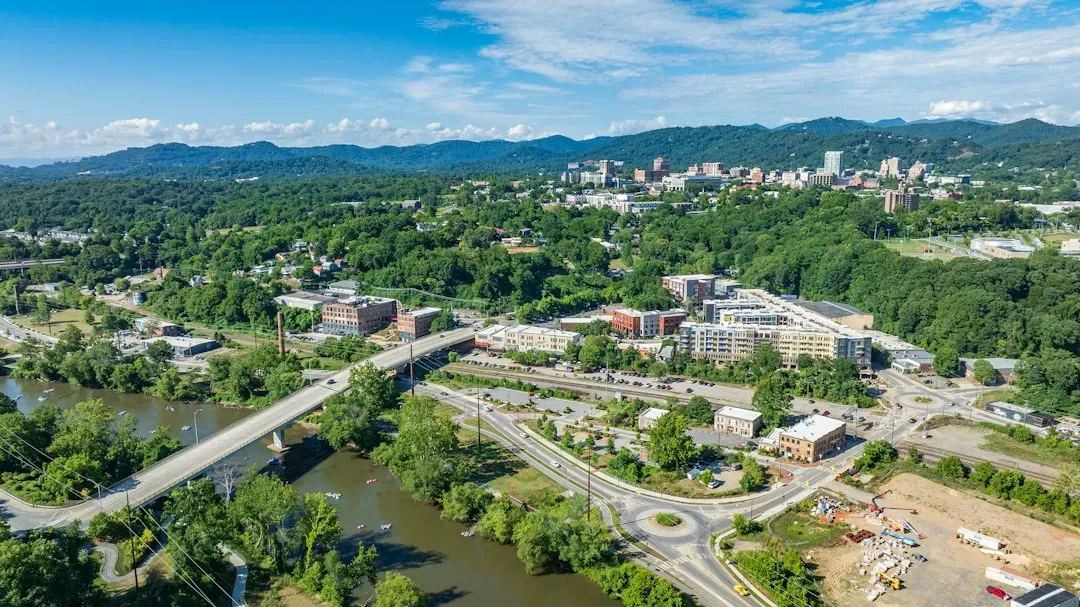
Asheville sits in a sweet spot in the Blue Ridge Mountains where elevation changes create a rolling, extended color season rather than a single sharp peak. According to Time Out’s ranking of fall foliage destinations, the best city for fall foliage is Asheville, NC, nestled in the Blue Ridge Mountains, with foliage peaking from October 23 to November 3. That peak window comes relatively late compared to New England, which means the city’s fall color season effectively starts weeks earlier at higher elevations and keeps going into November at lower ones.
The surrounding region reinforces the point. North Carolina’s varied elevations mean different parts of the state change color at different times, stretching things out considerably. North Carolina boasts one of the world’s longest fall foliage seasons, thanks to its diverse landscapes and elevations, with the changing leaves putting on a spectacular show from mid-September through early November. Asheville, perched in the middle of that elevation range, gets a front-row seat to nearly the entire show.
2. Denver, Colorado
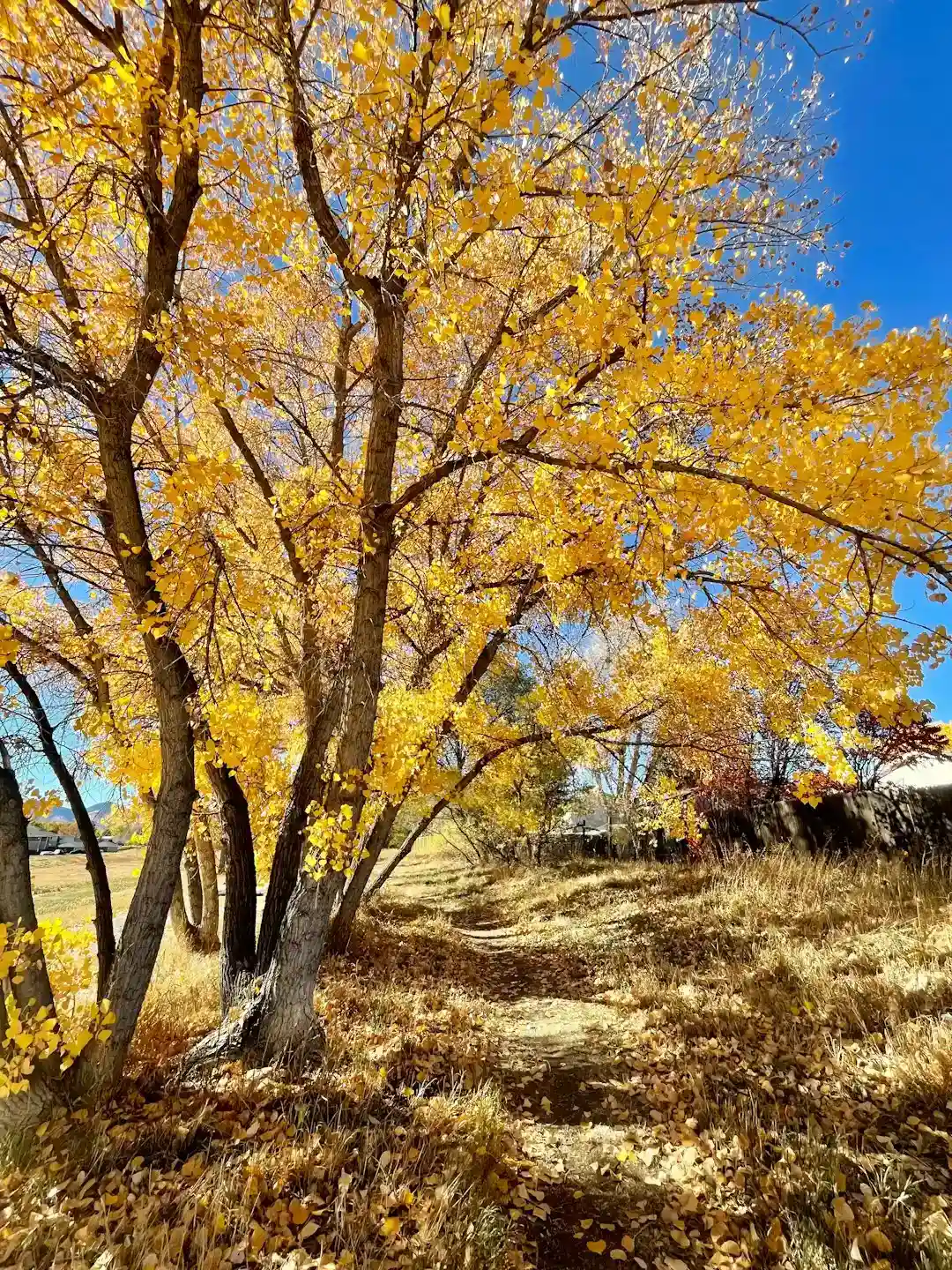
Denver’s fall is a two-act play. The first act happens in the mountains just outside the city, where aspens turn gold in September. The second act unfolds in the city itself weeks later. The Denver area boasts one of the longest-running autumn colors seasons in the country, with golden aspen groves visible from late September to mid-October in higher elevation areas like Golden Gate Canyon State Park or Georgetown. Then, as those mountain leaves fade, the city takes its turn.
What makes Denver stand out is how the color rolls downhill in slow motion. From early October through mid-November, Denver proper is awash with autumn hues, with leaf spotting possible while wandering through the city’s hundreds of parks or cycling down the 40-mile, tree-lined Cherry Creek Bike Trail. Add in Denver’s famously dry climate and abundant sunshine, and you get a fall that feels crisp rather than damp for a remarkably long stretch.
3. San Francisco, California

San Francisco breaks nearly every rule about American seasons, and fall is where that quirk becomes a genuine asset. While most of the country associates summer with heat, San Francisco’s summer is famously cool and foggy, while autumn brings the city’s warmest, sunniest stretch of the entire year. September and October are San Francisco’s warmest months, as the marine layer weakens and the temperature difference between the coast and the Central Valley narrows.
Locals have a name for this: Indian summer, and it isn’t just folklore. September and October are the best months to visit San Francisco for warm, sunny weather, with Indian summer conditions bringing temperatures in the 65 to 75 degree range, clear skies, and light winds. Because the fog retreats gradually and the rainy season doesn’t fully arrive until November or December, San Francisco effectively stretches its most pleasant, autumn-like weather across two full months, longer if you count the mild shoulder weeks on either side.
4. Nashville, Tennessee
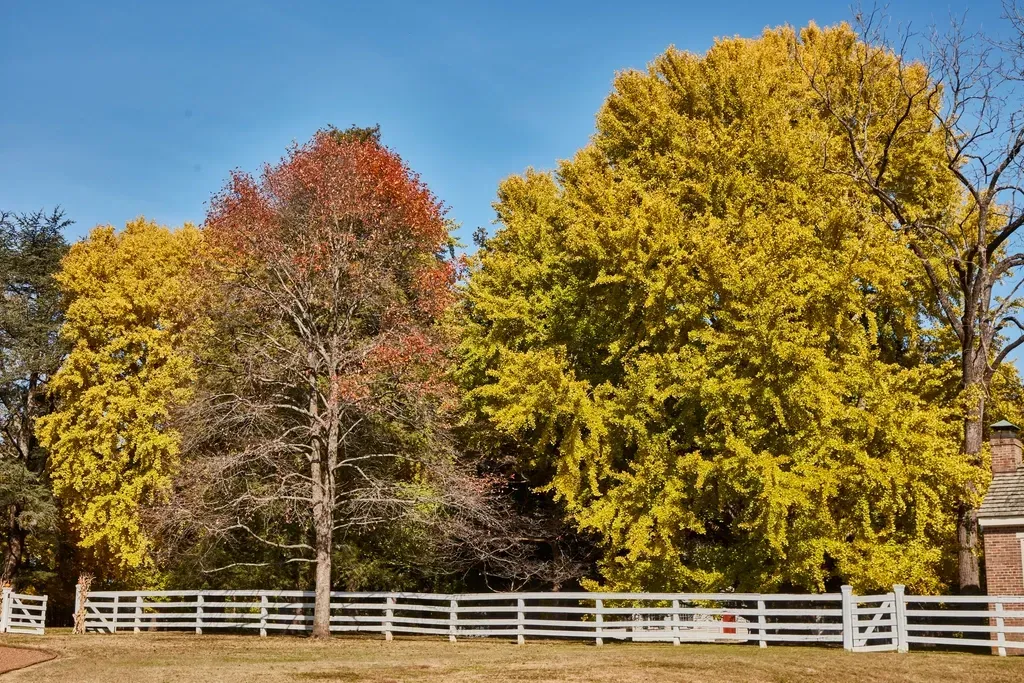
Nashville benefits from its position at the edge of the Southern Appalachians without the steep elevation swings that create abrupt weather changes elsewhere. The result is a long, gradual cooldown that keeps daytime temperatures comfortable well past the point where northern cities have already seen their first freeze. Nearby Great Smoky Mountains National Park, one of Tennessee’s signature fall destinations, is a big part of why the broader region holds onto autumn conditions for so long.
The Smokies’ biodiversity plays a direct role in extending the season across the whole area, including cities like Nashville and Gatlinburg that draw on the same climate pattern. With more than 100 species of trees, most of them deciduous, Great Smoky Mountains National Park has an impressive variety of fall colors and one of the longest fall foliage seasons, with yellow birches, beeches, and hobblebushes showing color as early as mid-September at higher elevations. That staggered start, followed by a slow descent in elevation and temperature, is exactly the kind of pattern that gives Middle Tennessee its unusually long autumn feel.
5. Charleston, South Carolina
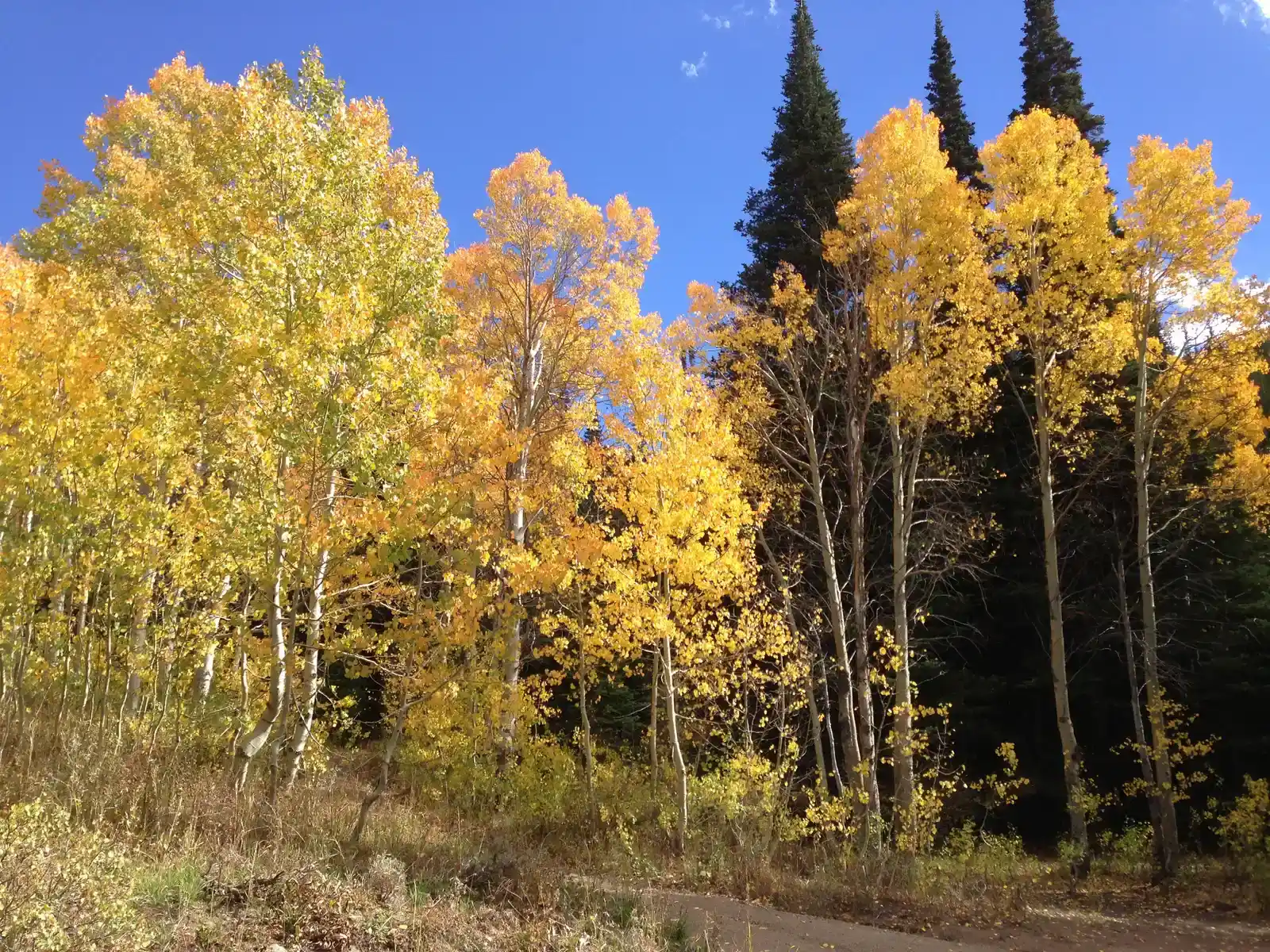
Charleston isn’t a leaf-peeping destination in the New England sense, but its fall weather itself lasts an impressively long time. The city’s subtropical climate means summer heat lingers into September, yet instead of a quick drop into winter, temperatures ease downward slowly across three full months. Highs run in the upper 60s to mid-70s in October, cooler in November, with a light jacket working fine for mornings and evenings, making it genuinely one of the most pleasant places on the East Coast during these months.
Even the color show arrives fashionably late here, giving visitors two distinct autumn experiences depending on when they show up. Charleston’s fall foliage season starts later than up north, meaning visitors can see two different peak leaf seasons in two different months, since peak season in New England is usually mid-October while peak season in Charleston doesn’t happen until mid-November. Combined with mild, dry weather that often continues into early December, Charleston quietly delivers one of the longest comfortable autumns of any coastal city.
6. Richmond, Virginia
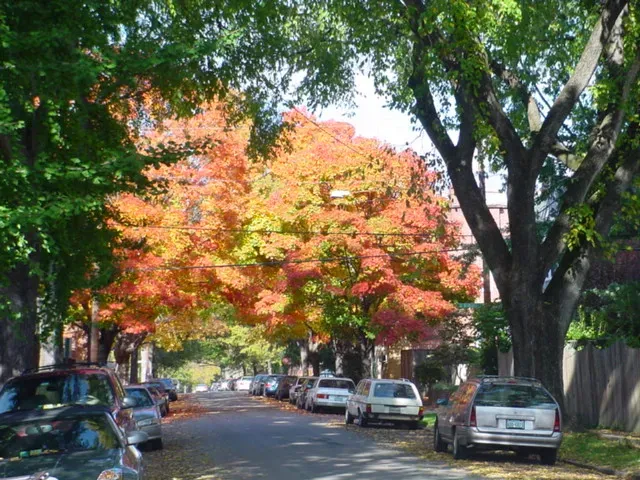
Richmond sits in a transitional climate zone between the humid South and the cooler Mid-Atlantic, which works in its favor when it comes to stretching out fall. The city typically holds onto mild afternoons well into November, aided by its inland position and moderate elevation along the James River. This same transitional geography is what gives much of Virginia its long-running reputation for autumn color and comfortable temperatures.
Virginia’s fall calendar, of which Richmond is a central part, tends to run notably later than states just to its north. Virginia’s long fall season is nothing short of enchanting, with fall foliage lovers converging on the state from mid-October through early November. Because Richmond lies at a lower elevation than the Blue Ridge and Shenandoah Valley areas that see color first, the city’s own peak often lands even later, extending the region’s overall autumn window considerably.
7. Portland, Oregon
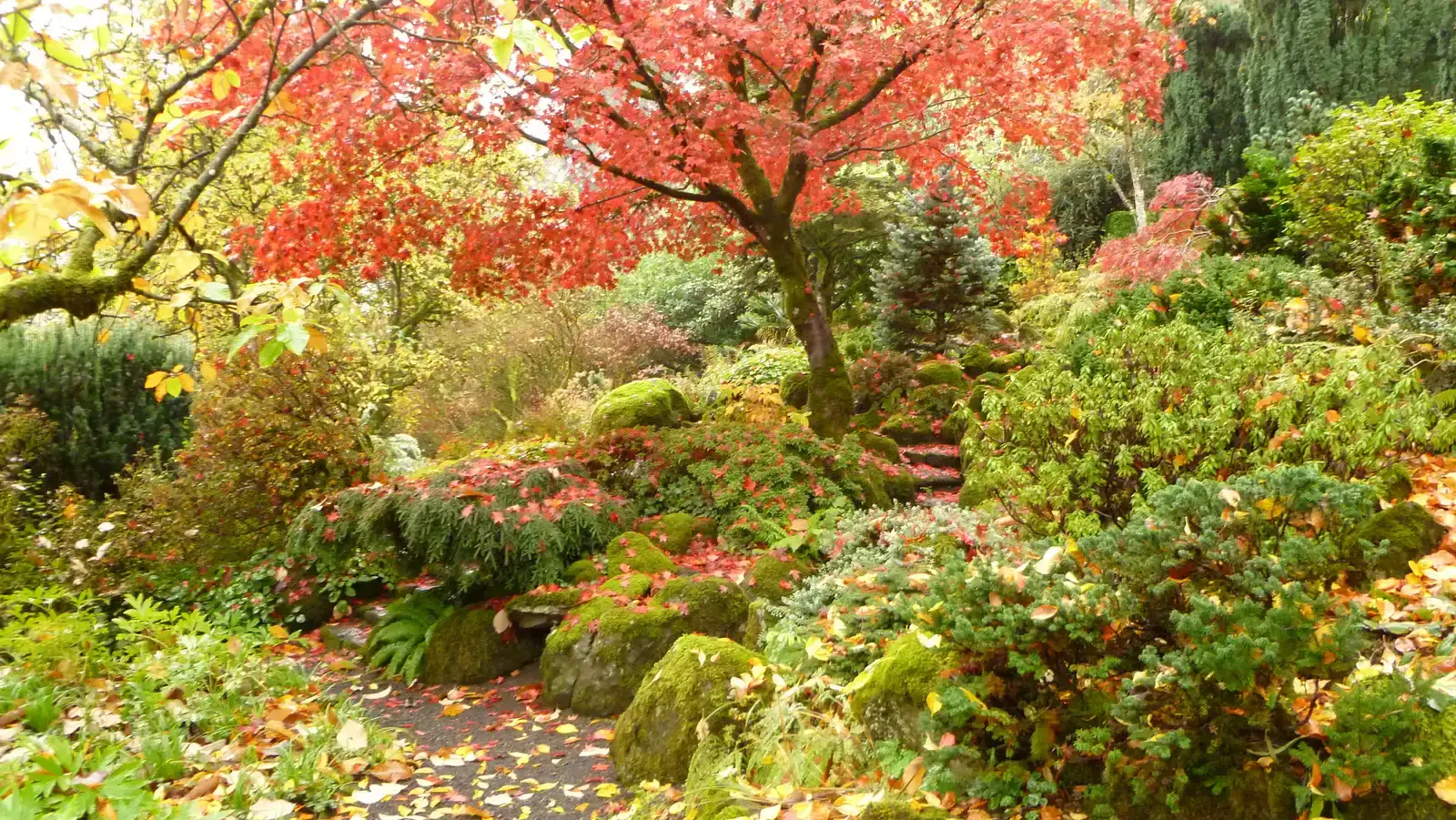
Portland’s fall is defined less by dramatic temperature swings and more by a slow, steady mildness that can run from September clear through Thanksgiving. The Pacific Northwest’s marine influence keeps temperature extremes in check, so instead of a sudden plunge into cold, the city experiences a long, gentle taper that many residents consider the most comfortable stretch of the entire year.
This pattern mirrors what happens across much of the broader region, where autumn color and mild temperatures often overlap for an extended period rather than arriving and departing in a tight window. Cool nights combined with still-mild days create ideal conditions for maples and other deciduous trees to hold their color for weeks rather than days, a phenomenon common throughout the Willamette Valley and one that gives Portland’s fall an unusually drawn-out quality compared to cities further inland.
8. Boulder, Colorado
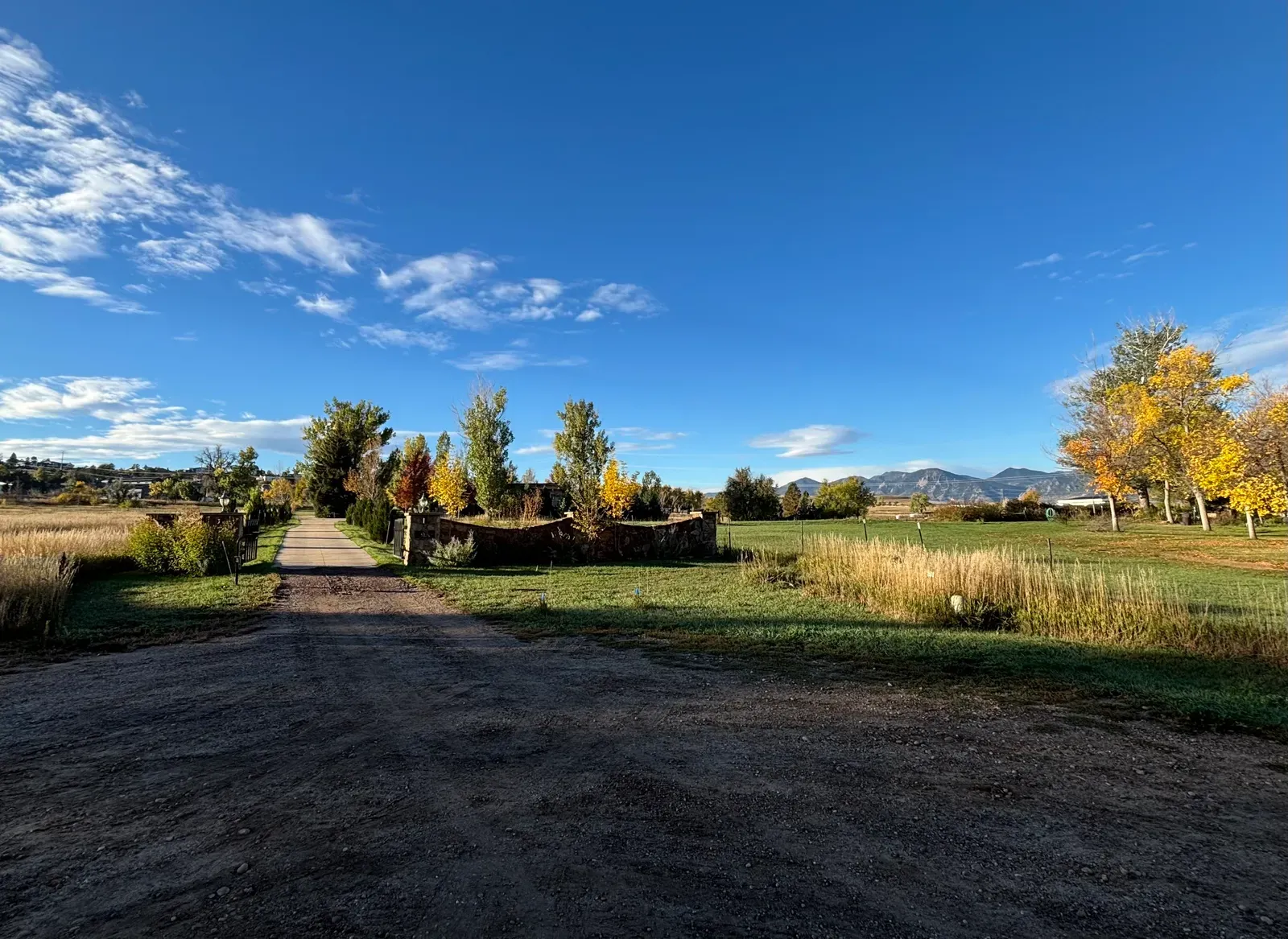
Boulder shares Denver’s high-altitude advantage but adds its own twist thanks to the dramatic backdrop of the Flatirons and the nearby Front Range foothills. The city’s dry air and abundant sunshine mean that even as temperatures cool, the sensation of fall, crisp mornings giving way to warm, sunlit afternoons, persists for an unusually long stretch.
Like Denver, Boulder benefits from the staggered timing of mountain versus valley foliage, with color appearing first at elevation before working its way down into the city over the following weeks. That gradual descent, paired with Colorado’s generally dry autumn climate, is part of why the broader Front Range region is often cited among the longest-running autumn colors seasons in the country, a reputation Boulder shares directly with its larger neighbor to the southeast.
9. Chapel Hill, North Carolina
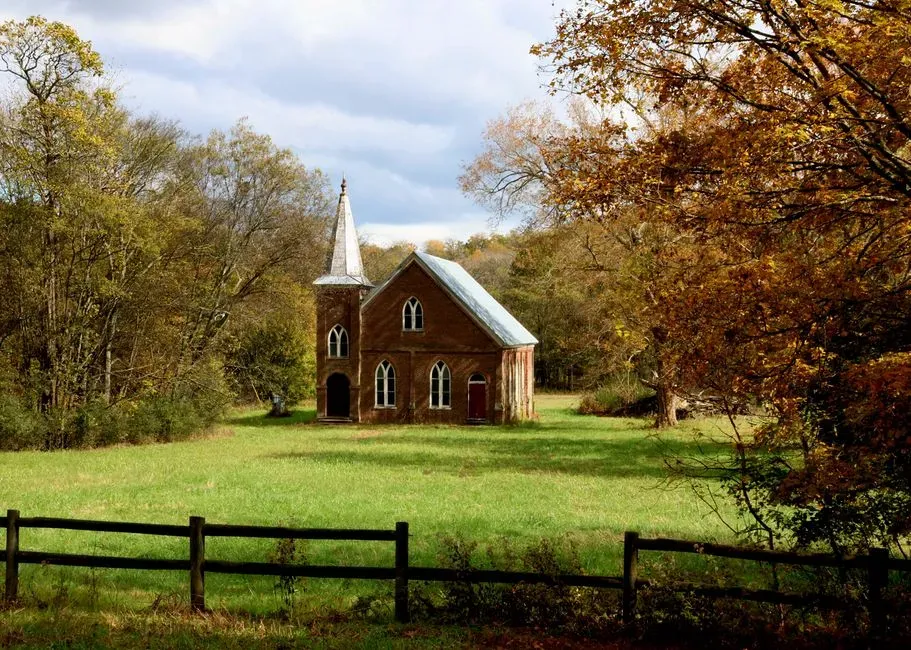
Rounding out the list is Chapel Hill, part of North Carolina’s Research Triangle and a beneficiary of the same elevation-driven color staggering that helps Asheville earn its spot on this list. Sitting at a lower elevation than the mountains to its west, Chapel Hill’s fall arrives later and lingers longer, often stretching comfortably from late September into mid-November.
The same statewide pattern that makes North Carolina a fall foliage powerhouse applies here too, just on a gentler, lower-elevation timeline. Because color moves from higher to lower ground over roughly six weeks statewide, cities like Chapel Hill get to enjoy a long, unhurried transition rather than a compressed one, with mild days and cool nights persisting for much of the autumn stretch that mountain towns experience earlier in the season.
What Makes These Falls Last So Long
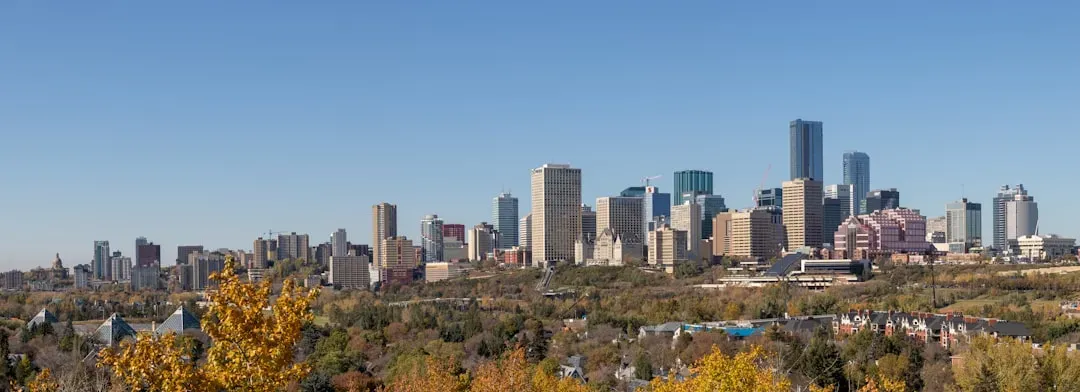
Looking across all nine cities, a few common threads emerge. Elevation staggering, as seen in Asheville, Denver, and Boulder, spreads color and cool weather across a much wider window than flat terrain allows. Coastal and marine influences, at work in San Francisco and Portland, prevent the abrupt temperature crashes that end fall quickly in continental climates. Meanwhile, southern latitude cities like Charleston and Richmond simply start from a warmer baseline, so their gradual cooldown takes longer to reach true winter conditions.
None of this means these cities never see a hard freeze or a sudden cold snap. Weather is never perfectly predictable, and any of these places can experience an early cold front or a late heat wave in a given year. Still, taken as a pattern over time, these nine cities consistently deliver more weeks of that in-between, sweater-weather feeling than most of the country gets in a single autumn.
Final Thoughts
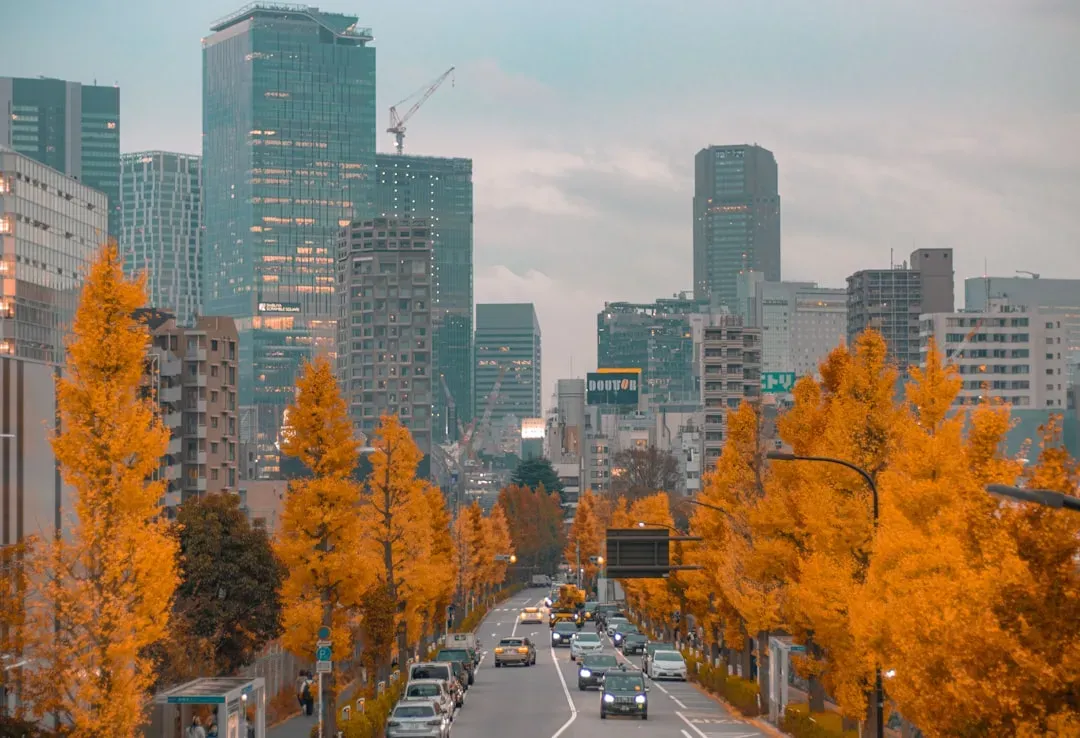
If you love fall and hate watching it disappear in a blink, these cities offer something rare: an autumn that unfolds slowly, almost lazily, rather than rushing straight into winter. Whether it’s the aspen-to-city color relay in Colorado, the surprising Indian summer of San Francisco, or the late-blooming foliage of the Carolinas, each of these places proves that a long fall isn’t just a New England specialty. Sometimes the best autumn weather is the kind you almost don’t want to end, and in these nine cities, it simply takes its time.

- Flood and Cyclone Warnings: What Makes an Early Warning System Effective - October 14, 2026
- Saharan Dust Over Europe: What It Means for Air Quality and Sunsets - October 14, 2026
- Climate Normals: The 30-Year Averages Behind Every “Above Average” Forecast - October 14, 2026
