
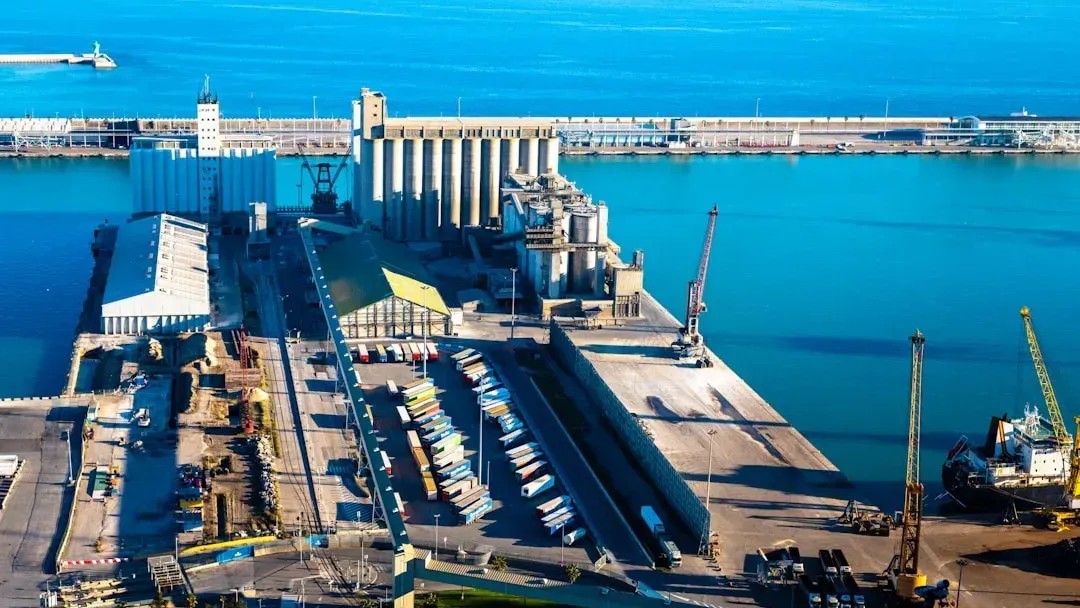

Desalination sounds like the ultimate cheat code for a thirsty planet. Turn seawater into drinking water, solve the global crisis, move on. It’s a seductive idea, especially as droughts become longer and freshwater reserves shrink. The technology has spread across the globe at a remarkable pace, and policymakers from the Middle East to California have pointed to it as a cornerstone of their water strategies.
Yet beneath the surface, there is a growing body of evidence suggesting that desalination carries a set of consequences that rarely make the headlines. From toxic ocean waste to energy addiction and questions of who really benefits, the story is far more complicated than the brochures let on. So let’s dive in.
A Technology Booming at Breakneck Speed
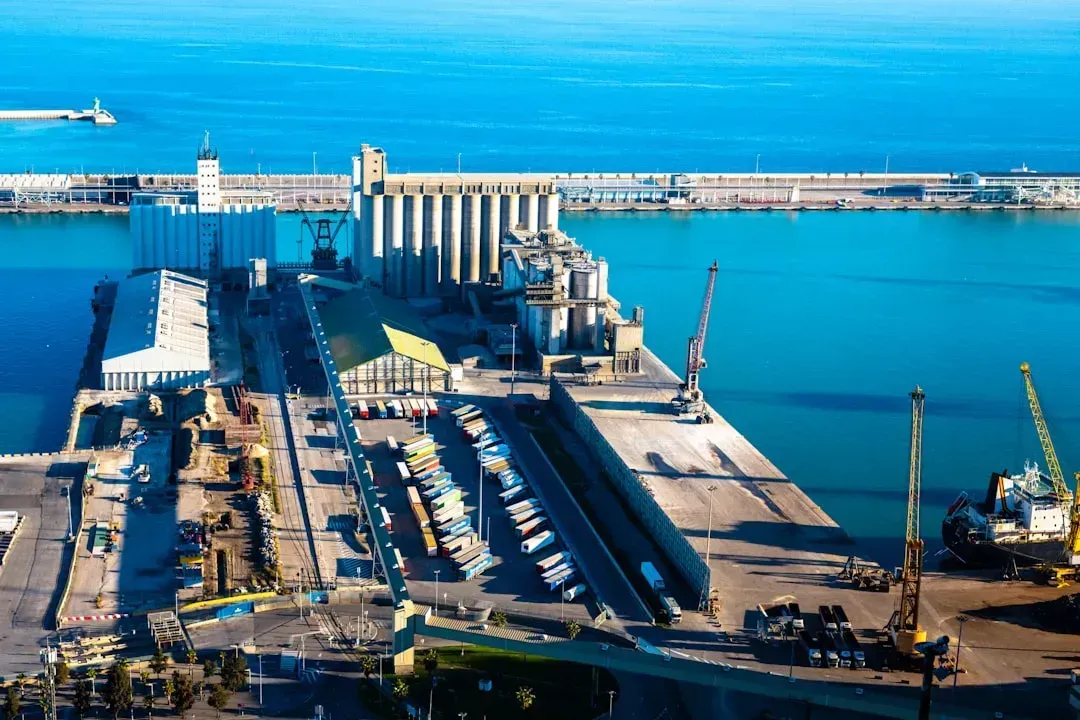
Currently, approximately 16,000 desalination plants operate in 177 countries, producing 95 million cubic meters of fresh water daily. That’s an enormous operation, and it keeps expanding. Global operating capacity for seawater and brackish desalination is projected to grow by about 5.6% a year between 2024 and 2030 according to DesalData, reaching roughly 82 million cubic meters per day by 2030.
According to the latest market study by Global Industry Analysts, the global desalination market is expected to grow at a compound annual rate of 9.8%, with an expected increase from US$15.2 billion in 2022 to US$22.5 billion in 2026. I think the sheer scale of this growth deserves serious scrutiny. Speed and scale don’t always mean something is going right – sometimes they just mean a problem is getting bigger faster.
The Brine Problem Nobody Wants to Talk About
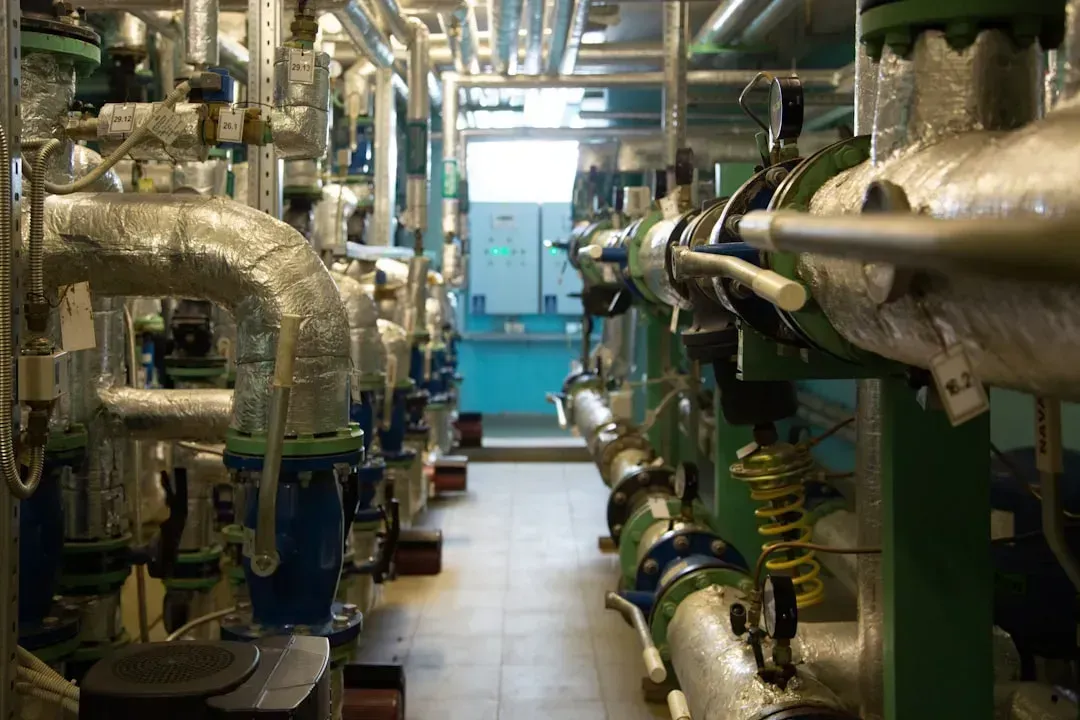
Here’s the thing most people don’t realize: for every liter of clean water a desalination plant produces, it also produces a significant volume of toxic, hyper-concentrated waste. In most desalination processes, for every litre of potable water produced, about 1.5 litres of liquid polluted with chlorine and copper are created. That isn’t a rounding error – that’s a fundamental design flaw baked into the technology itself.
Research estimates reveal brine production to be around 142 million cubic meters per day, approximately 50 per cent greater than previous quantifications. Where does all of it go? Currently, brine is disposed of into the marine environment, and several environmental concerns have arisen. Dumping concentrated salt back into the sea is essentially the ocean equivalent of taking your trash out and piling it in the neighbor’s yard.
What Brine Actually Does to the Ocean
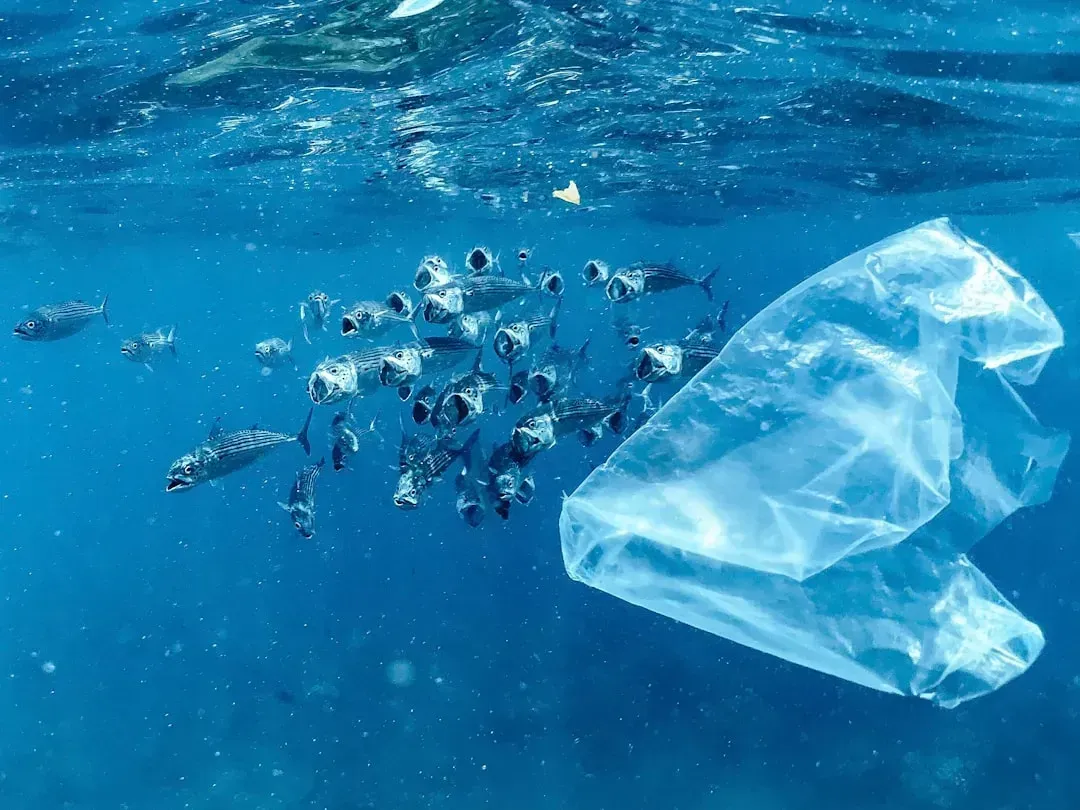
Brine lowers the amount of oxygen in the water around these desalination facilities. This process, known as hypoxia, is genuinely alarming. Increased salinity and temperature can cause a decrease in the dissolved oxygen content, resulting in conditions called hypoxia, which can harm organisms living on or in the bottom of a water body and translate into observable effects throughout the food chain.
Brine discharges have resulted in the depletion of fish populations as well as the death of corals and plankton in the Red Sea, while the Ras Hunjurah lagoon in the UAE suffered increased mortality of its mangroves and marine life, as well as increased pollution caused by inflated copper and nickel levels as a result of brine discharges. Think of coral reefs as the rainforests of the ocean – priceless, slow to recover, and increasingly under siege from multiple directions at once.
The Brine Spreads Further Than You Think

This dense brine can sink to the sea bottom and creep over the seabed, reaching up to 5 km from the discharge point. Even more troubling is what recent modeling has found. Recent modeling work demonstrated that brine could spread over the seabed, beyond the mixing zone, for up to several tens of kilometers and impair nutrient fluxes from the sediment to the water column.
The release of hypersaline brine alters the osmotic balance of marine organisms, causing physiological stress. Many marine species rely on stable salinity levels to regulate their internal salt concentrations. Elevated salinity can lead to dehydration, impaired reproduction, and reduced survival rates in sensitive species. It’s a ripple effect, quite literally. With the demand for drinking water escalating worldwide, the volumes of brine discharge are predicted to triple during the current century.
An Energy Appetite That Fuels the Climate Crisis
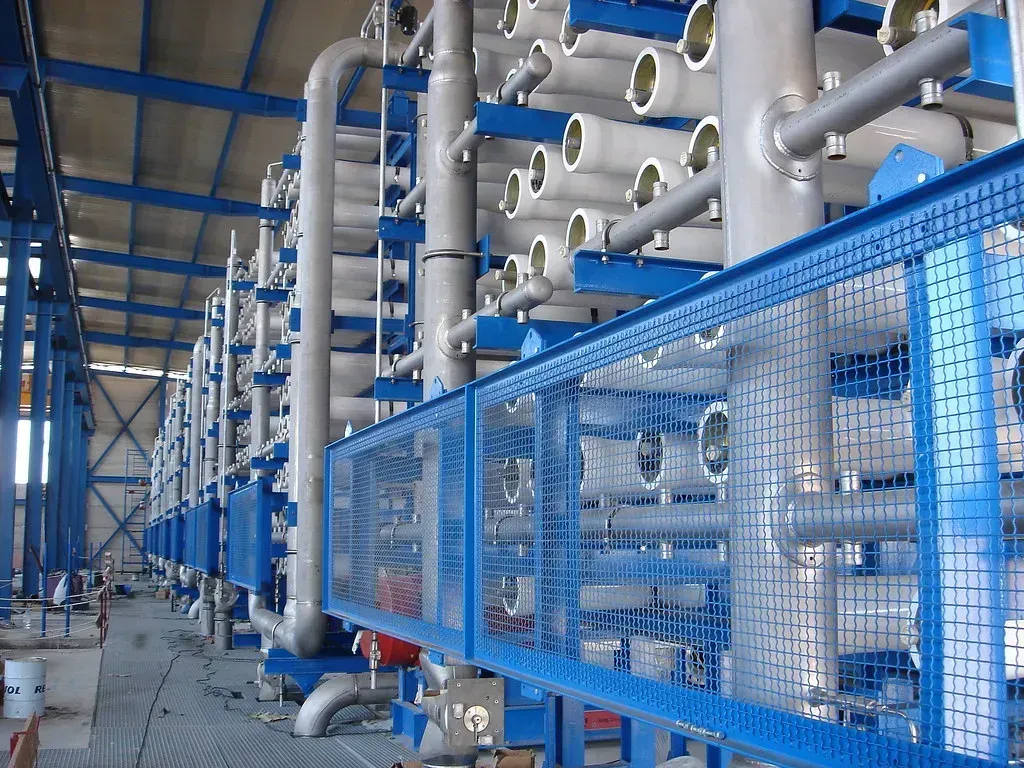
Honestly, this is where things get genuinely paradoxical. Desalination is supposed to help us adapt to climate change, yet it consumes enormous amounts of energy – often from the very fossil fuels that are causing climate change in the first place. Desalination is an energy-intensive process, requiring approximately 3 to 4 kilowatt-hours of energy to produce just one cubic meter of freshwater.
Worldwide, desalination plants consume more than 200 million kilowatt-hours of energy per day. Energy costs make up about 55% of a desalination plant’s operating costs. Compare that to a traditional drinking water treatment plant, which consumes less than 1 kilowatt-hour per cubic meter. The math is uncomfortable. Running a drought fix on diesel is like treating a fever with a blow dryer.
Greenhouse Gases: A Vicious Circle
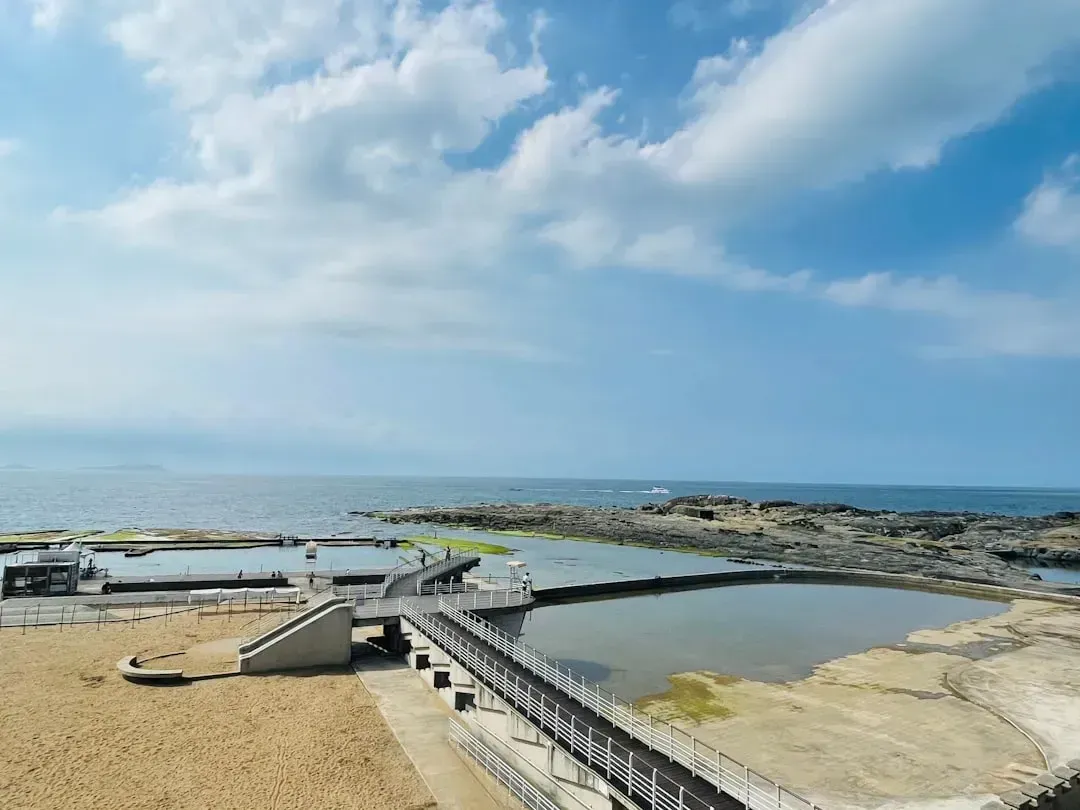
Due to its substantial energy requirements, desalination contributes significantly to greenhouse gas emissions. As most desalination plants still rely on fossil fuels for a significant portion of their energy, they add to the carbon footprint, exacerbating the very climate change issues they aim to mitigate by providing water. This is one of those feedback loops that keeps environmental scientists up at night.
Without rapid grid decarbonization or dedicated renewable energy, desalination risks locking countries into a high-emissions water future. Ensuring its long-term sustainability will require low-carbon energy transitions and targeted economic support, especially for nations most vulnerable to energy insecurity and climate inequality. It’s not an unsolvable problem, but it’s one that requires urgent political will – and that, as we know, is often in short supply.
Marine Life Caught in the Machine
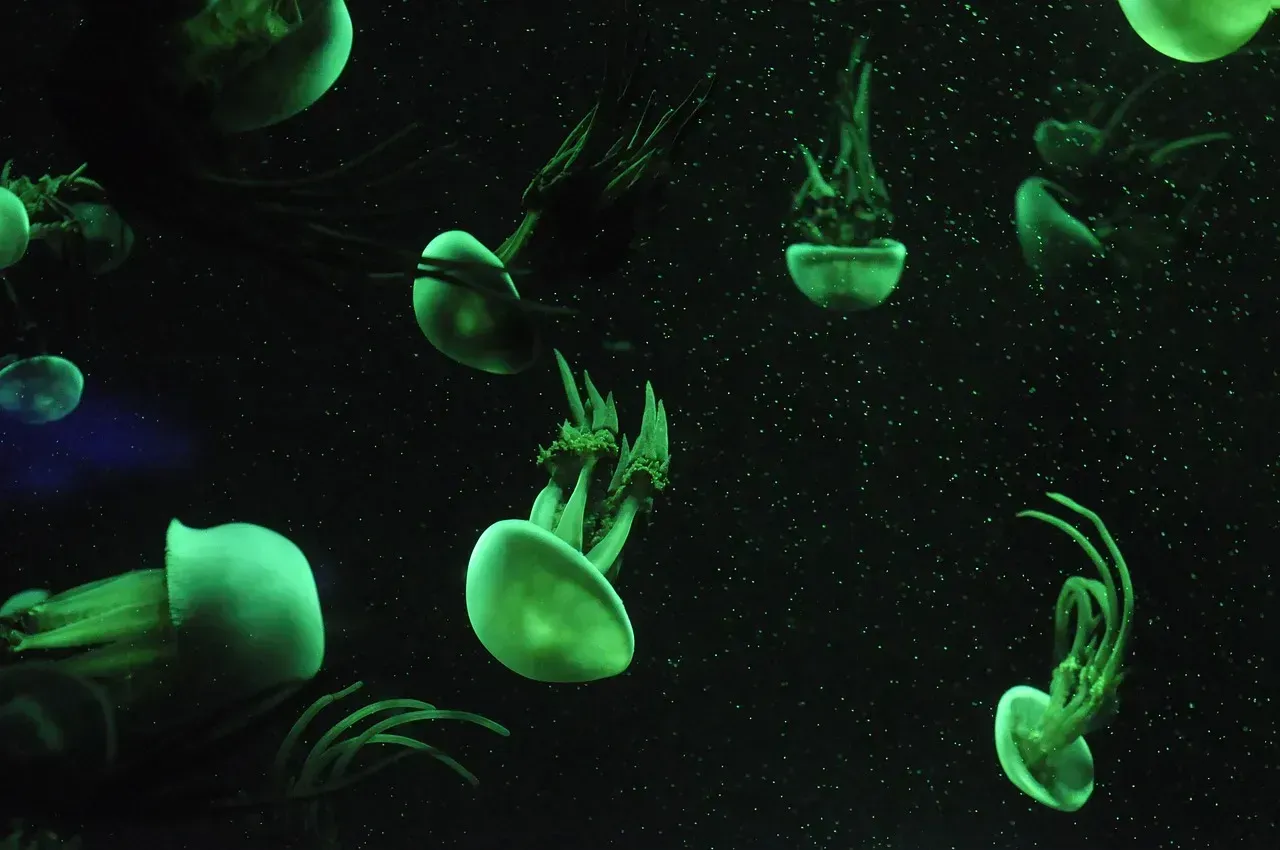
The damage doesn’t only come from what goes out of desalination plants – it also comes from what gets sucked in. The intake of seawater for desalination can harm marine life through entrainment and impingement. Entrainment refers to the intake of small organisms, such as fish larvae and plankton, into the desalination plant. Impingement occurs when larger organisms are trapped against the intake screens.
Fish and other marine organisms are killed on the intake screens through impingement; organisms small enough to pass through – such as plankton, fish eggs and larvae – are killed during processing of the salt water through entrainment. A commission staff estimate suggests that desalination plants will intake more than 80 million fish larvae, eggs, and invertebrates annually along the 160 kilometers of the Southern California coast. That’s not a minor side effect. That’s a systemic massacre of the base of the food web.
The Cost Problem and the Equity Gap
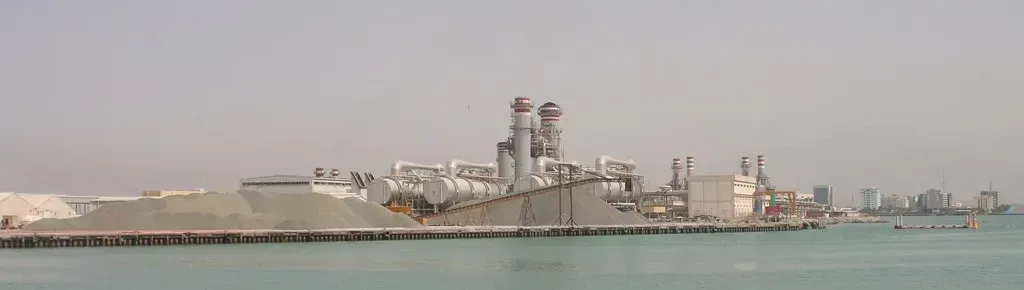
Large-scale desalination plants are expensive. Investments in large-scale plants typically run into the hundreds of millions of dollars. Unsurprisingly, the majority of recently built plants are located in prosperous countries such as the UAE and Israel or were designed to supply major cities in Australia or the United States.
Low-income, water-stressed countries in North and East Africa, the Middle East, Central Asia, and South Asia face the greatest challenges, as limited financial and energy resources hinder the viability of widespread desalination. Predictions show that by 2050, 2 billion people living in 44 countries will likely suffer from water scarcity, of which 95% may live in developing countries. It’s hard to say for sure, but it seems likely that desalination, as currently deployed, will widen rather than close the global water inequality gap.
The “Green Energy” Illusion
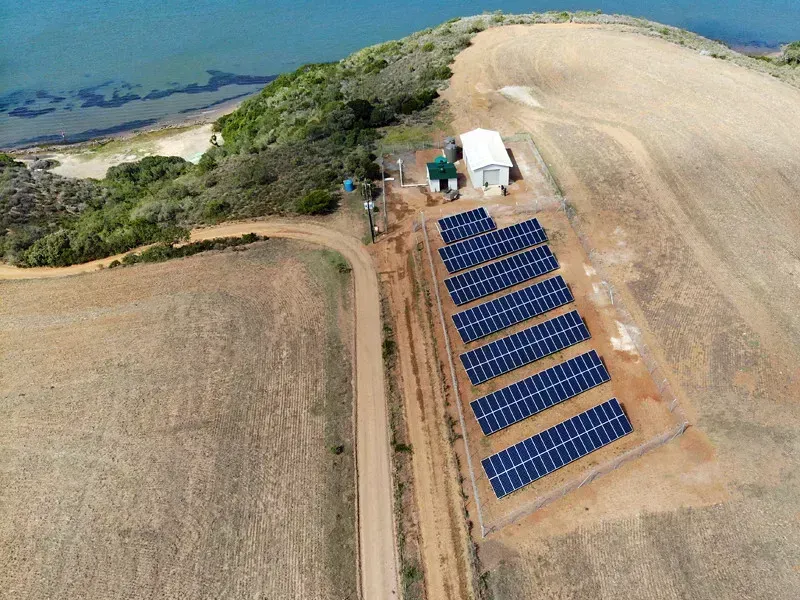
Many advocates point to renewable-powered desalination as the silver bullet. It’s a compelling idea – and solar desalination has shown real promise. A life cycle assessment that compared a desalination plant using solar energy to a traditional one using fossil fuels showed a 78% reduction in emissions, meaning the solar-powered plant has significantly less impact on climate change than the traditional desalination plant.
Yet the path from today’s reality to that solar-powered future is rougher than politicians tend to admit. Purchasing green energy from the grid to power desalination facilities is a practice fraught with ambiguities. Often, the sustainability of this energy is questionable, as it might simply shift environmental burdens rather than eliminate them. The complexity of energy credits and the actual source of grid energy can obscure the true environmental cost of the purchased green energy. In other words, “powered by renewables” on paper doesn’t always mean what it says.
A Global Water Crisis Still Demands Answers

Let’s be real – none of this means desalination should be abandoned entirely. Water scarcity already affects more than 4 billion people and jeopardizes half of the world’s irrigated agriculture. That crisis is undeniably real, and for many coastal and arid nations, desalination is keeping people alive right now. Kuwait gets 90% of its drinking water from desalination, Oman 86%, and Saudi Arabia 70%.
The honest takeaway is that desalination is a powerful but deeply imperfect tool. Despite its growing importance, desalination carries both financial and ecological costs. Its substantial brine production, energy requirements, and continued reliance on fossil fuels raise important sustainability concerns in the face of climate change and global efforts to transition to low-carbon systems. Research gaps and future directions must focus on the integration of renewable energy, advanced membranes, and data-driven optimization to achieve environmentally and economically viable desalination. The technology needs to evolve faster than the crisis it’s supposed to solve – and right now, it isn’t keeping up.
Conclusion

Desalination isn’t a villain. It’s a stopgap that has been overpromised as a savior. The oceans hold more water than we could ever need, but extracting it cleanly, cheaply, and without devastating the very ecosystems that regulate our climate remains an enormous unsolved challenge. We are building a global water system on a foundation that leaks energy, poisons seabeds, and prices out the people who need it most.
The climate crisis demands solutions that don’t create new crises in the process. Desalination, in its current dominant form, often does exactly that. Before we pour trillions more into scaling it up, we owe it to ourselves and to future generations to ask honestly: are we solving the problem, or just moving it somewhere harder to see?
What do you think – should desalination be a cornerstone of our climate strategy, or is it a distraction from deeper solutions? Tell us in the comments.
