

There is a slow-moving crisis happening in cities all over the world, and most people don’t realize it’s already at their doorstep. Heat is no longer just summer discomfort. It is infrastructure failure, hospital overload, and – increasingly – a leading cause of death. As climate change pushes temperatures higher, extreme heat has emerged as the nation’s deadliest weather hazard, claiming more lives each year than floods or hurricanes, yet many cities remain unprepared.
The question is no longer whether cities will face extreme heat. It’s which ones are dangerously, structurally unable to handle it. Some of these places you’ll recognize immediately. Others might genuinely surprise you. Let’s dive in.
1. Phoenix, Arizona – The Desert That Keeps Breaking Records
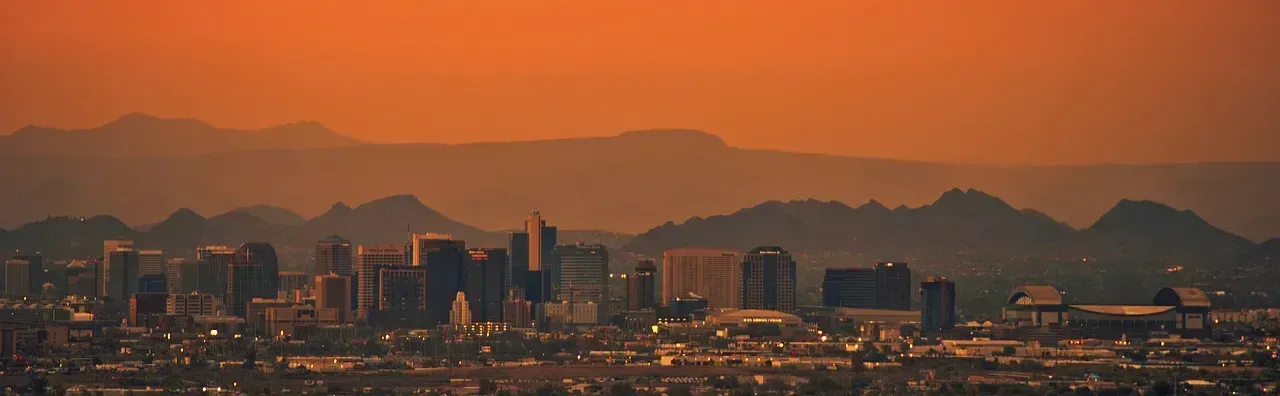
Phoenix might be the most talked-about heat city in the United States, and for good reason. Phoenix saw a staggering 113 consecutive days at or above 100 degrees Fahrenheit in 2024, including 70 days surpassing the 110-degree mark. The sheer relentlessness of that kind of heat puts every element of urban infrastructure under pressure simultaneously.
In Maricopa County, Arizona, heat-related deaths have been steadily rising over the past decade, from 61 deaths in 2014 to 602 deaths in 2024. That trajectory is staggering. It’s the kind of number that should be on the front page every single day.
In cities with a higher incidence of urban heat islands, like Phoenix, increased maintenance of roads and energy costs strain municipal budgets. The city has begun responding, investing in cooling centers and shade infrastructure, but the scale of the problem still dwarfs what any single city can fix on its own. Phoenix is, honestly, an example of a city being tested to its absolute limits.
2. Houston, Texas – Sprawling Heat Across a Vast Concrete Ocean
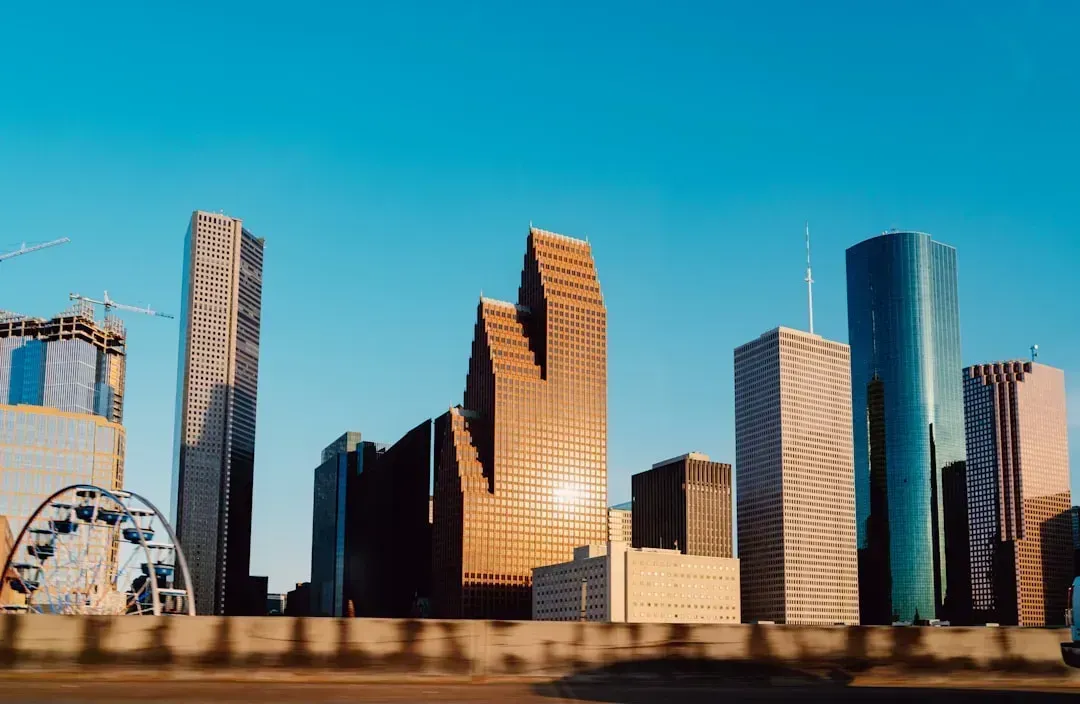
Some cities are dominated by sprawling heat intensity. In cities like Houston, high urban heat island index values are spread across a vast developed land area. This matters because it means there is virtually no escape within city limits. Unlike a city with a hot core and cooler edges, Houston’s heat is everywhere at once.
When urban heat islands intensify, sunlight and heat react with air pollutants to create more ozone, a key ingredient in smog. The American Lung Association reported that 2024 was one of the worst years on record for urban smog alerts in Los Angeles and Houston. Heat doesn’t just raise the thermometer. It chemically transforms the air into something harder to breathe.
Cities with heavy industrial activity, such as Houston and Beijing, experience heightened temperature levels due to continuous emissions from manufacturing and energy production. For a city that is still so heavily dependent on fossil fuel infrastructure, this is a structural vulnerability that goes far deeper than tree planting can fix.
3. Miami, Florida – High Humidity Makes the Heat Deadlier

Here’s the thing about Miami. It doesn’t even need the highest air temperatures to be one of the most dangerous heat cities on earth. When humidity is high, sweat evaporates more slowly, potentially leading to heat stroke. High humidity and elevated nighttime temperatures are likely key ingredients in causing heat-related illness and mortality. Miami has both in abundance.
The Fifth National Climate Assessment estimates that most areas of the United States will experience 15 to 30 more days over 95 degrees Fahrenheit per year with 2 degrees Celsius of global warming. Some places, like Florida, could experience up to 50 more days over 95 degrees Fahrenheit per year under this scenario. Fifty additional days of dangerous heat. That’s not a warning anymore, it’s a forecast.
When extreme heat persists into the night, it can cause discomfort and lead to health problems, especially for people who lack access to cooling, often in low-income communities. Miami has a vast low-income population in neighborhoods without adequate cooling access, and the combination of relentless humidity with tropical overnight warmth creates a 24-hour health emergency during peak summer months.
4. Karachi, Pakistan – A Megacity in a Medical Crisis
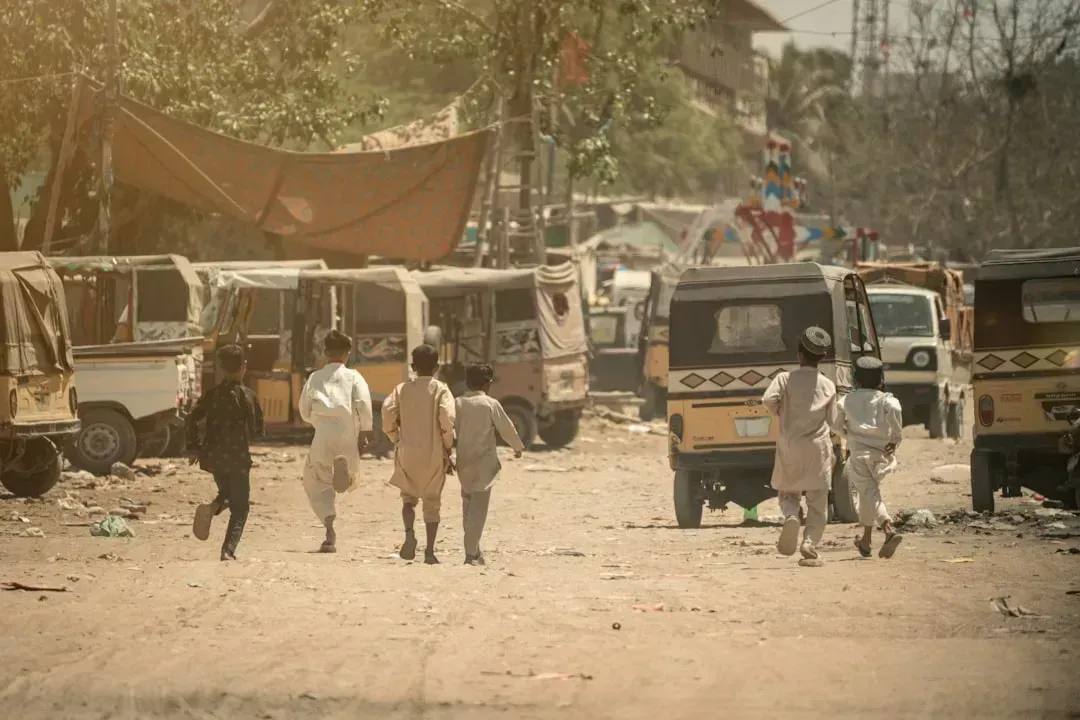
Karachi is one of the most alarming heat stories in the world right now. The city’s population grew dramatically from 15.5 million in 2010 to over 22 million in 2024, while summer temperatures in 2024 reached all-time highs of approximately 49.7 degrees Celsius. That’s nearly 122 degrees Fahrenheit in a densely packed city already under enormous strain.
Starting on June 20, 2024, temperatures in Karachi rose above 40 degrees Celsius throughout the weekend and reaching 47.2 degrees Celsius on June 25. From June 20 to 26, 2024, 568 deaths were reported as a result of extreme temperatures, 141 of whom died on June 25 alone. The four main morgues in the city reportedly ran out of space to receive bodies.
Along with the hazardous effects of climate change and global warming, frequent power breakdowns in Karachi, which were recorded to last more than 18 hours daily, have become another big matter of concern and are exacerbating the issue even further. No electricity means no fans, no cooling, no survival for the most vulnerable. It’s a perfect and lethal storm.
5. New York City – The Urban Heat Trap No One Saw Coming
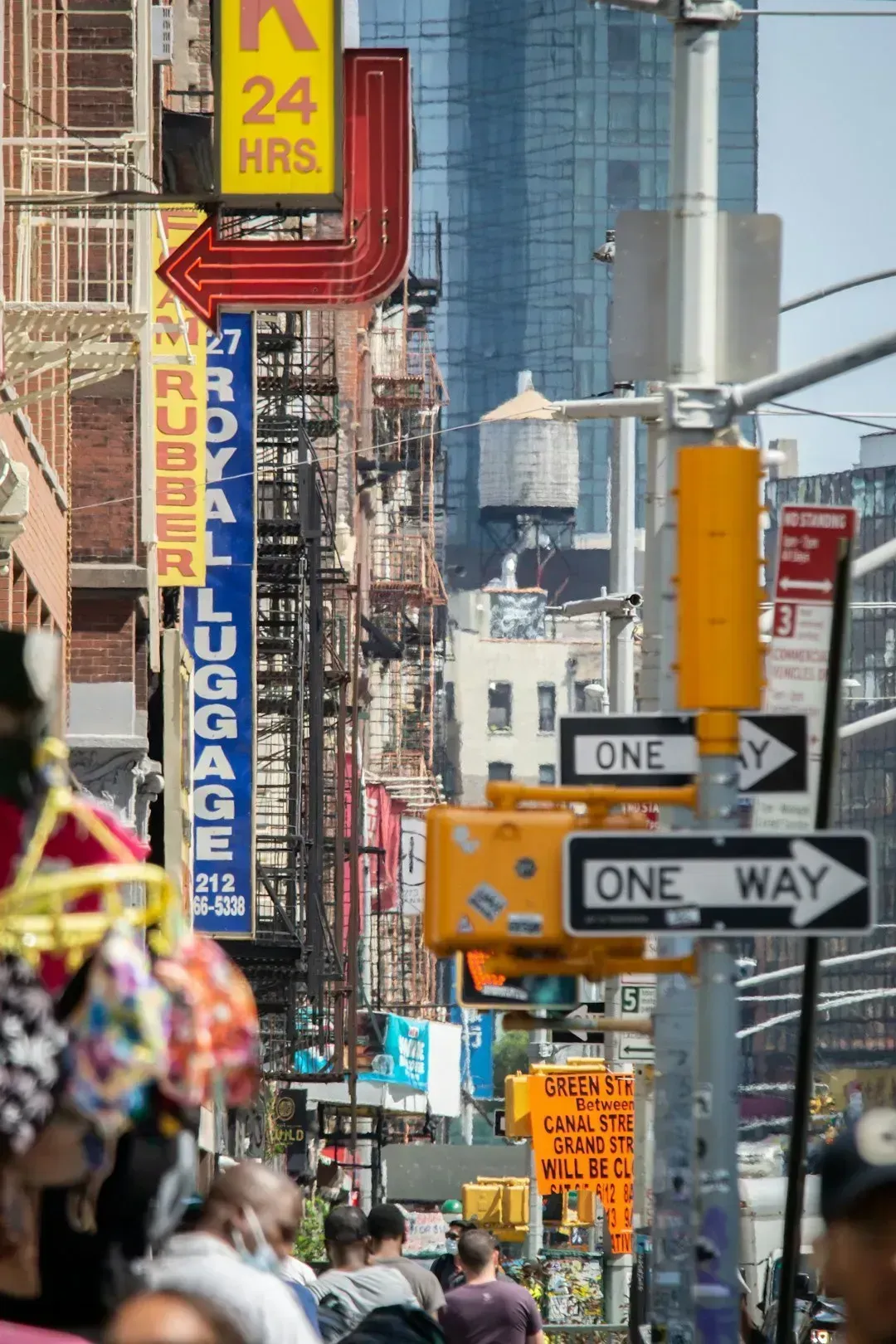
New York might surprise you on this list, but the data is hard to ignore. The per capita average urban heat island index reached 9.7 degrees Fahrenheit in New York City, the highest among 65 major cities analyzed by Climate Central. That’s a staggering amount of additional heat generated purely by the built environment.
In New York, there is little difference in heat-related health outcomes per capita between high-density urban areas and agriculture-centric rural areas. Many post-industrial cities along the Erie Canal and Hudson River have not experienced extreme heat in the past and often do not have air conditioning, creating a unique set of vulnerabilities. Older housing stock without air conditioning is a death trap during an unexpected heat event.
The United Nations Environment Programme’s recent Frontiers 2025 report revealed that heat-related deaths among adults aged 65 and above have surged by an estimated 85% since the 1990s. With New York’s massive aging population crammed into heat-trapping concrete canyons, the city faces a deeply compounding risk that city planners are still scrambling to address.
6. New Orleans, Louisiana – Old Infrastructure, New Heat
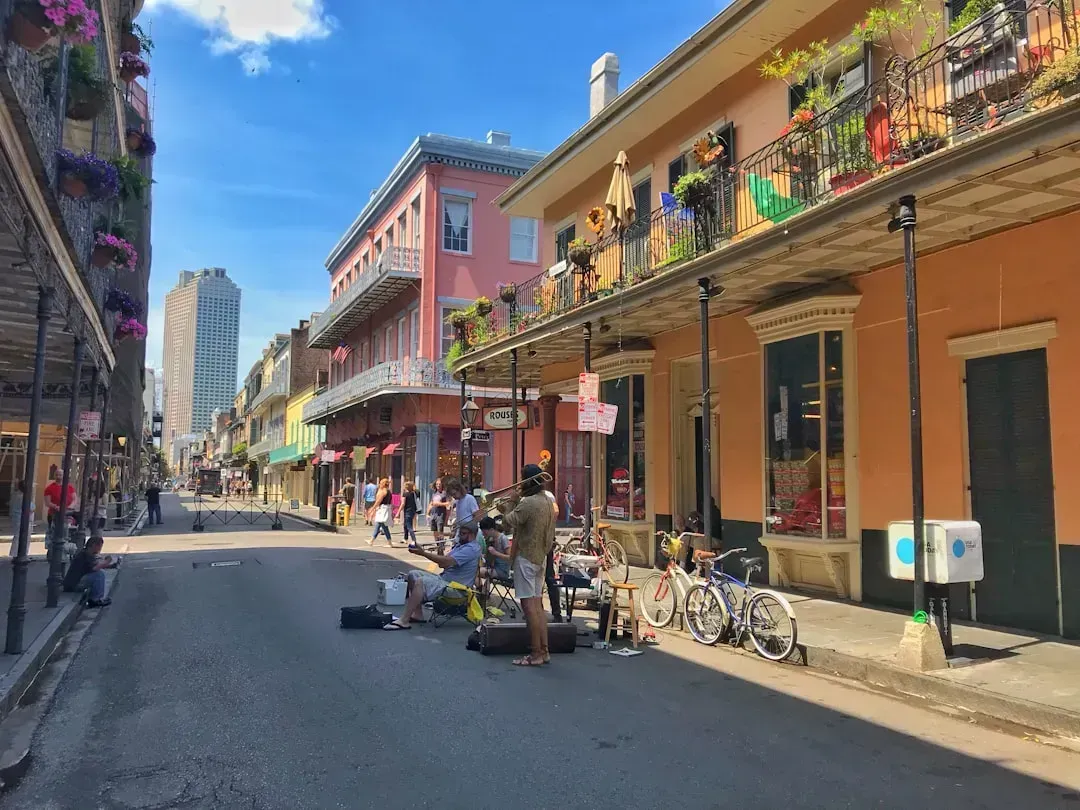
New Orleans carries the double burden of aging infrastructure and intensifying climate extremes. In cities across the United States, the average rate of extreme heat events increased from two per year in the 1960s to ten per year between 2010 and 2020. A city whose pipes, electrical systems, and buildings were not designed for this frequency of heat stress is at constant risk of systemic failure.
Extreme heat can literally break cities apart. When urban heat islands intensify, roads can buckle, rails can warp, and buildings can crack. New Orleans, with so much of its infrastructure still recovering from earlier flood and hurricane damage, is particularly exposed to this kind of cascading breakdown.
Unchecked, urban heat islands make cities less resilient, not just to climate change, but to all kinds of shocks. Ageing infrastructure breaks down faster under heat stress. For a city like New Orleans, already running a deficit of urban resilience, extreme heat is more than a weather event. It’s an accelerant for everything that’s already fragile.
7. Dhaka, Bangladesh – Overcrowded, Under-Resourced, Overheating
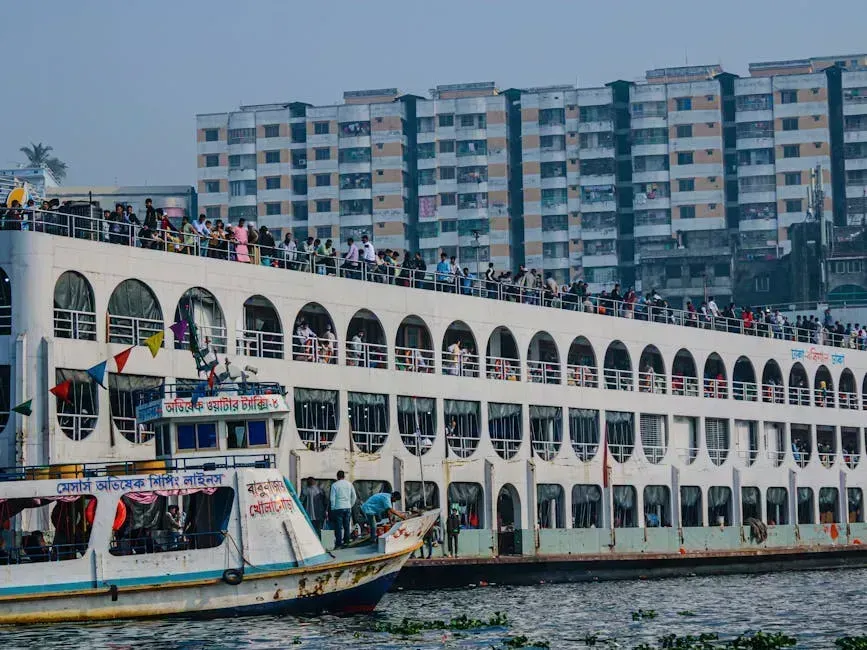
Cities including Seoul, Tokyo, Beijing, Delhi, Karachi, Dhaka, Manila, Jakarta and Phnom Penh were identified as high-risk locations by UN climate reports. Dhaka sits near the top of that list for a grim combination of reasons. It is one of the most densely populated cities on earth, and its infrastructure was never designed to manage 21st-century heat events.
Rapid and often unplanned urbanisation, combined with the loss of green spaces, is worsening this phenomenon, with projections showing that the urban heat island effect alone could raise temperatures by 2 to 7 degrees Celsius in major cities. As pressure grows on access to cooling, clean water and healthcare, children, the elderly and outdoor workers in congested, low-income neighbourhoods face the greatest risks.
Cities with the least resources to adapt will be among the hardest hit by higher levels of warming. Dhaka fits this description precisely. Most of its residents cannot afford air conditioning. The city’s power grid is chronically strained. And Bloomberg reported in 2024 that already crowded cities like Dhaka are unprepared to absorb people fleeing the effects of climate change. The heat crisis and the migration crisis are becoming the same crisis.
8. Baghdad, Iraq – Where Heat Already Exceeds Human Tolerance
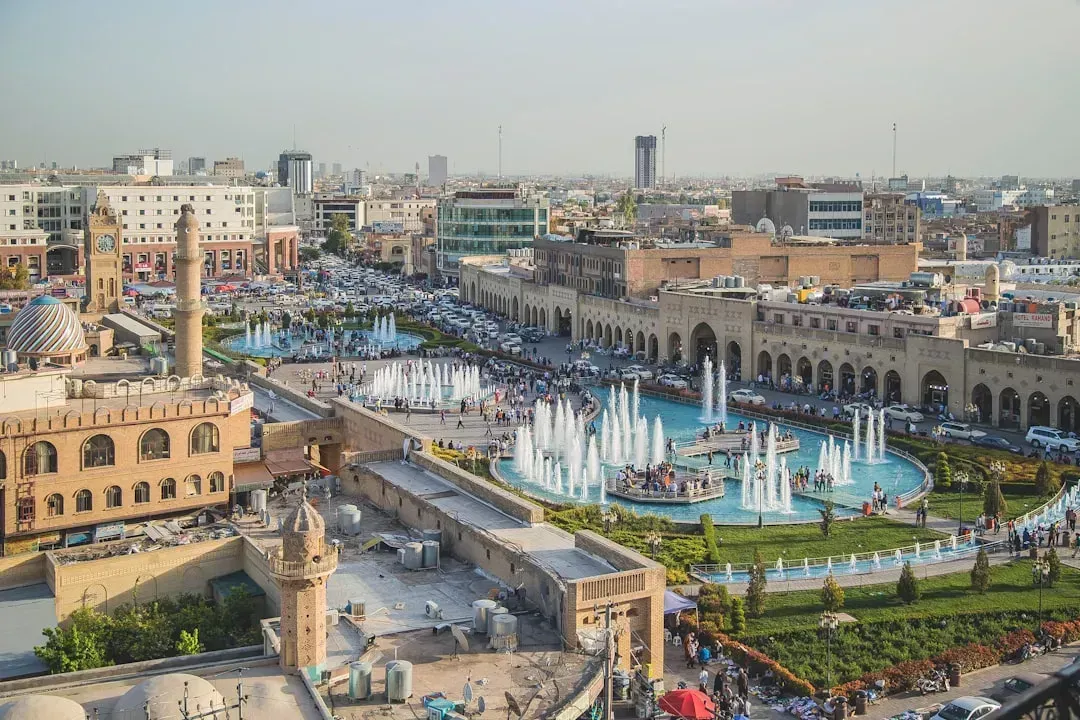
I think Baghdad might be the most genuinely terrifying entry on this list. Many cities will become places where extreme temperatures persist for nearly half the year. At 1.5 degrees Celsius of warming, 67 cities will experience 150 or more days a year of temperatures exceeding 35 degrees Celsius. Under 3 degrees Celsius of warming, it rises to 197 cities. Baghdad is already routinely surpassing those thresholds today.
The so-called urban heat island effect can mean that cities may be 10 to 15 degrees Celsius hotter than their rural surroundings. This is because building materials such as asphalt, concrete and dark roofing surfaces absorb and retain solar energy more effectively than natural landscapes, and release heat back into the environment. In a desert city with minimal green cover, those dynamics are amplified to a brutal degree.
Tall buildings and narrow streets restrict airflow and trap heat on the ground. Baghdad’s urban canyon geography acts like a heat prison, especially in densely built older neighborhoods. Combined with rolling electricity blackouts and a public health system under constant stress, the city offers almost no safety net when temperatures become physiologically unsurvivable.
9. Memphis, Tennessee – America’s Forgotten Heat City
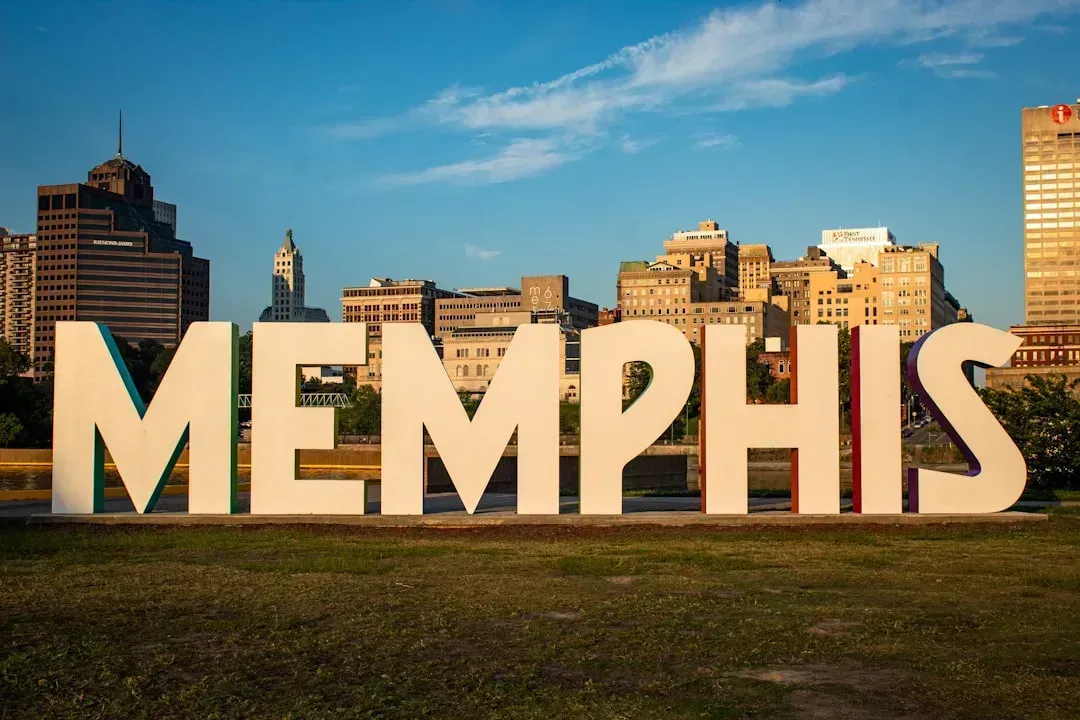
Memphis rarely makes the national heat conversation, and that might be exactly the problem. Heat-related visits to emergency departments jumped roughly one third nationally between 2019 and 2024, according to CDC Environmental Health Tracking Network data. In cities like Memphis, which lack dedicated heat response infrastructure, those numbers land especially hard on vulnerable populations.
Climate Central’s analysis shows that some neighborhoods are hotter than others and demonstrates that urban heat burdens aren’t equally shared. Structural inequities can lead to higher urban heat exposure for some communities. According to a 2021 study, people of color and those living below the poverty line are disproportionately exposed to urban heat island intensity in 169 of the largest U.S. cities. Memphis has some of the highest poverty rates and most racially segregated neighborhood patterns in the country, making this a direct, urgent problem.
Historic urbanization processes, such as redlining in the United States, have lasting impacts on land use and may perpetuate disparities in urban heat through unequal distribution of vegetation. Memphis carries these legacies visibly. Entire zip codes have almost no tree canopy, no green space, and housing stock that absorbs heat like a sponge. The city is woefully underprepared for the summers that are already here, let alone what’s coming.
10. Ahmedabad, India – A Cautionary Tale With a Complicated Story
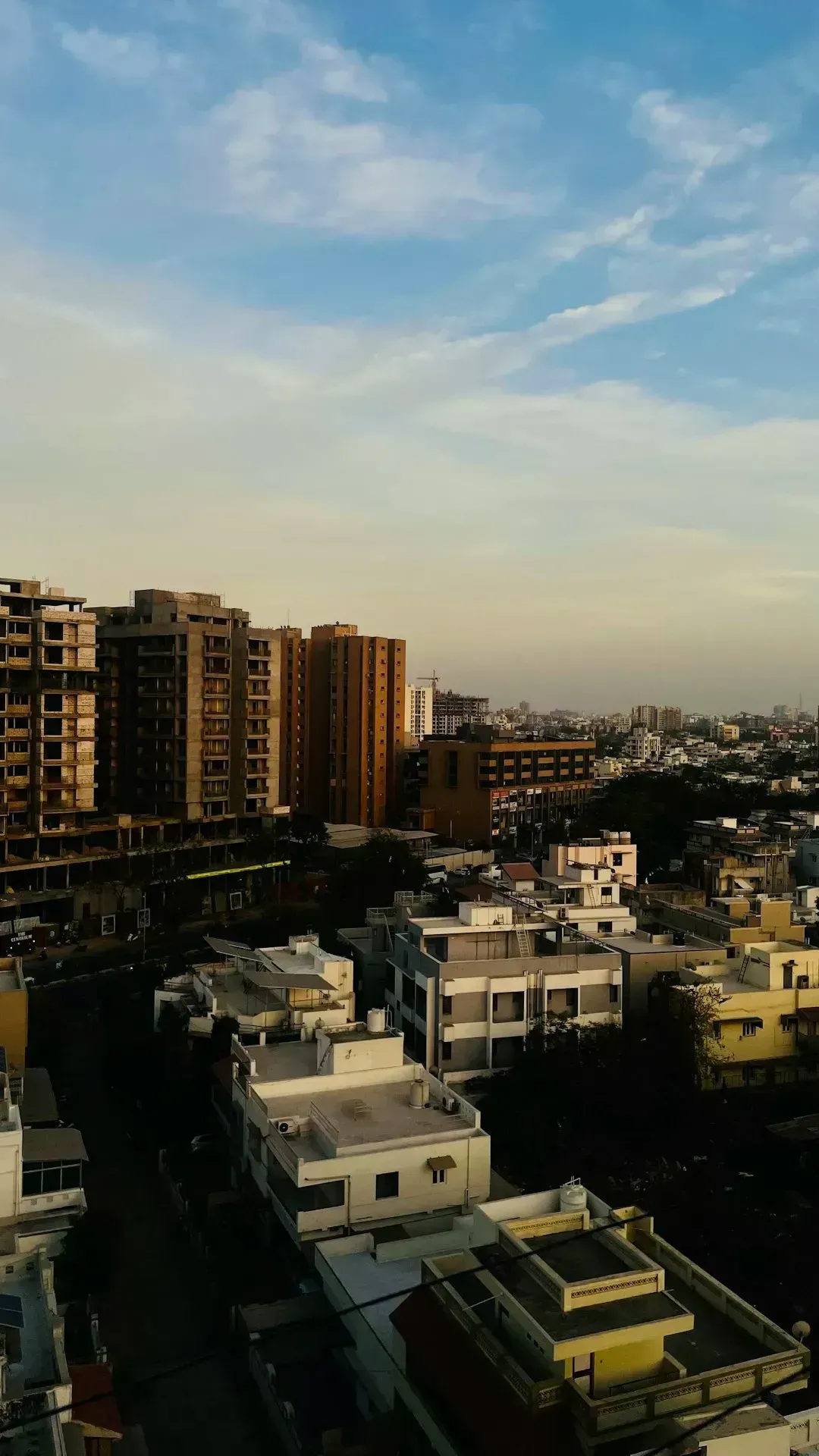
Ahmedabad earns its place on this list not because it hasn’t tried, but because the scale of what it’s up against is almost incomprehensible. More than half of the cities globally projected to experience 150 or more days exceeding 35 degrees Celsius by mid-century are located in India. Ahmedabad is ground zero for that projection.
Heat is the deadliest disaster most years, killing an average of 490,000 people globally. Deaths from heat are expected to grow by 50% by 2050, according to the World Health Organization. In a city where millions live in informal housing without reliable electricity or clean water, those statistics translate directly into real, preventable deaths.
The health burden falls disproportionately on low-income neighborhoods. Research across 52 countries found that poorer households cluster in hotter locations, both between and within cities. These communities often lack tree canopy, have fewer parks, and contain older housing stock with inadequate insulation and no air conditioning. Ahmedabad’s experience should serve as a wake-up call for every rapidly developing city in the Global South. The infrastructure being built today will either protect or endanger millions of people in the coming decades.
The Bigger Picture: A Global Infrastructure Emergency
These ten cities are not outliers. They are early indicators. The year 2024 was the hottest year on record, with global average temperatures more than 1.5 degrees Celsius above the 1850 to 1900 average. The past ten years, from 2015 to 2024, were the hottest on record globally. The baseline keeps shifting, and cities built for a cooler era are running out of time to catch up.
Extreme heat has become a national economic crisis: lowering productivity, shrinking business revenue, destroying crops, and pushing power grids to the brink. The impacts of extreme heat cost the United States an estimated 162 billion dollars in 2024, equivalent to nearly 1% of U.S. GDP. That figure doesn’t even include the global cost, which is far more staggering.
A review by climate researchers found that just 4% of climate adaptation resources addressed heat. By 2020, only a minority of cities included it in emergency or resilience planning. Fewer still had implemented tangible solutions like cooling infrastructure, heat alerts or public awareness campaigns. Considering that heat kills more people than any other weather event, that mismatch between risk and response is, frankly, one of the most alarming policy failures of our time.
The cities on this list share a common thread: infrastructure designed for yesterday, facing a tomorrow that’s already arrived. Some are beginning to adapt. Most are still behind. The real question isn’t just whether these cities can survive extreme heat. It’s whether the people living in them, especially the poorest and most vulnerable, will be given the tools to survive it too. What would it take for your city to make this list – and would you even know if it did?
