
The planet is changing faster than most of us want to admit. The year 2024 was the warmest on record, marking the first calendar year to surpass the Paris Agreement’s 1.5°C target above pre-industrial levels – and this alarming milestone concluded a decade, from 2015 to 2024, of the ten hottest years ever recorded. That’s not a trend. That’s a pattern with consequences.
From 1995 to 2024, more than 832,000 lives were lost and direct economic losses of nearly $4.5 trillion were recorded, driven by more than 9,700 extreme weather events. The frequency and intensity of climate-related disasters continue to rise. Behind those numbers are real places, real communities, and real warnings that many of us have yet to fully absorb. The locations on this list aren’t just statistics. They are where the climate crisis has already arrived. Let’s get into it.
1. Tuvalu, South Pacific – A Nation That May Cease to Exist
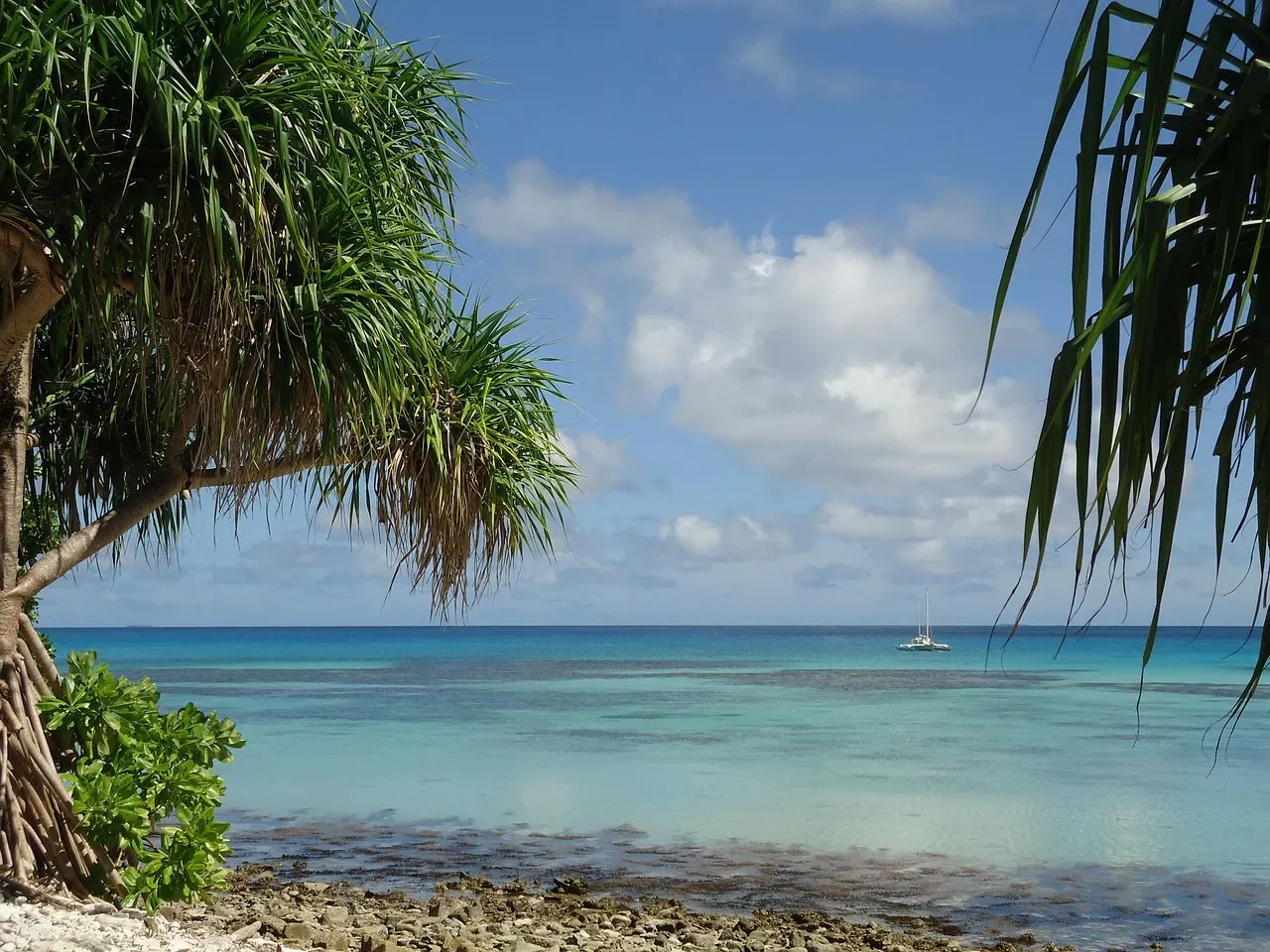
Honestly, no place on Earth captures the raw terror of sea-level rise quite like Tuvalu. A tiny low-lying archipelago nation in Oceania, made up of three reef islands and six coral atolls, Tuvalu has been threatening to disappear since at least the 1990s. Located roughly 3,200 kilometers northeast of Australia, its nine islands span about 26 square kilometers, and not a single one rises more than 5 meters above sea level.
With just around 10,000 residents, Tuvalu has seen sea levels rise around 6 inches over the past three decades – one and a half times the global average. Tides are projected to climb another 6 inches by 2050, meaning the entire nation could soon be submerged.
NASA’s sea level change team also found that the number of high-tide flooding days will increase by an order of magnitude for nearly all Pacific Island nations by the 2050s. Areas of Tuvalu that currently see fewer than five high-tide flood days a year could average 25 flood days annually by the 2050s. In response, Tuvalu signed a treaty with Australia ensuring it retains statehood regardless of its physical fate, with Canberra pledging to accept up to 300 Tuvaluans per year with equal rights.
2. Bangladesh – Where 170 Million People Live Below the Floodline
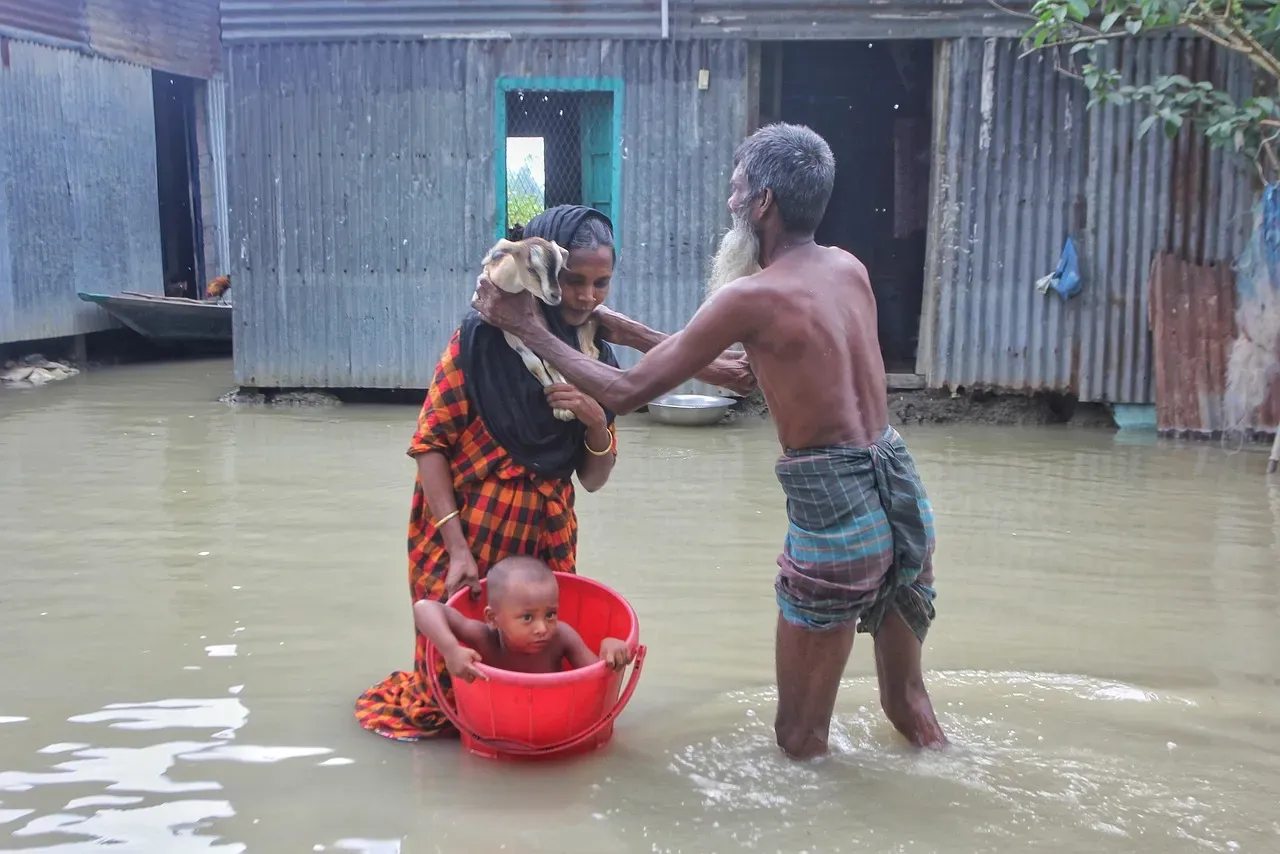
Bangladesh is a country built on water – and that’s precisely the problem. Almost 70 percent of Bangladesh’s land area is less than 1 meter above sea level, and 80 percent of it is located in a floodplain, making it almost impossible to protect from the effects of climate change.
Despite producing only 0.3 percent of global greenhouse gas emissions, Bangladesh ranks ninth on the 2024 World Risk Index of countries vulnerable to extreme weather. From 2000 to 2019 alone, Bangladesh suffered economic losses worth $3.72 billion and witnessed 185 extreme weather events due to climate change.
The Gangetic Delta region in Bangladesh has experienced a significant increase in mean sea level, with projections of sea level increases of 14, 32, and 88 centimeters by 2030, 2050, and 2100, respectively. These impacts have already contributed to over 10 million Bangladeshis becoming climate refugees. That number is expected to grow sharply with every passing decade.
3. The Maldives – Paradise on a Countdown Timer
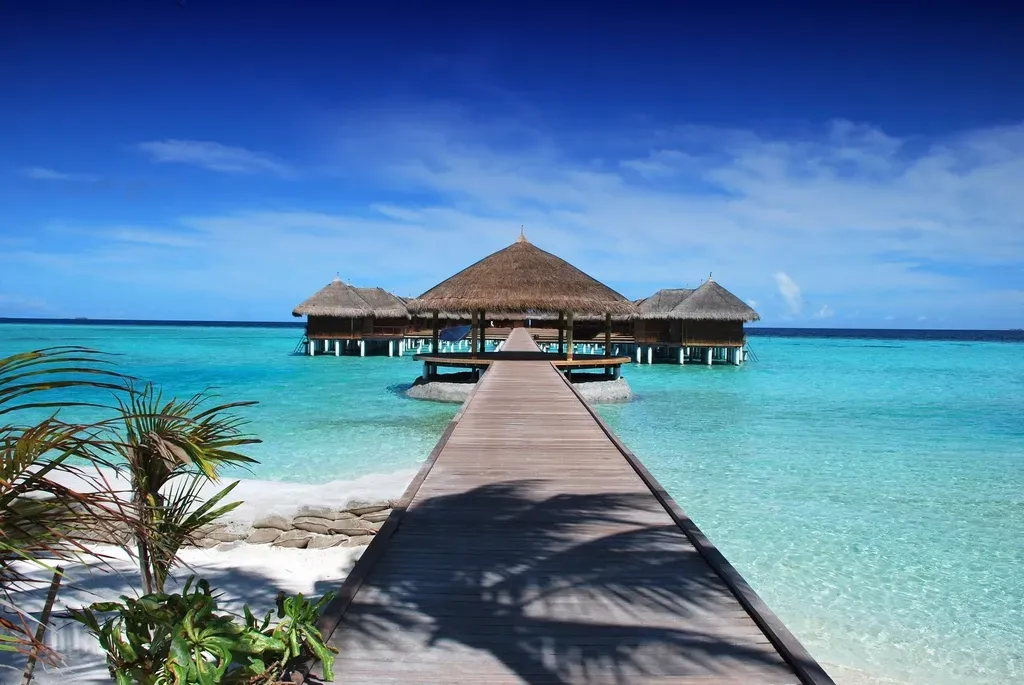
If you’ve ever dreamed of visiting the Maldives, let’s be real – the clock is ticking. The Maldives is an archipelago comprising almost 1,200 islands, most of which are under four feet above sea level, making them especially vulnerable to changes in ocean levels.
According to the UN’s IPCC 2025 report, global sea levels are rising at an average rate of 4.7 millimeters a year – 70 percent faster than at the end of the 20th century. For low-lying atolls where the land barely sits two meters above sea level, that’s essentially a countdown to disappearance.
The Maldives has over 1,100 islands with 540,000 residents. In April 2025, President Mohamed Muizzu warned that the Maldives could become the first country to lose its capital to the climate crisis. In 2025, the government completed Hulhumalé, an artificial island near the capital designed to house 200,000 residents – at a price tag of $1.5 billion, a solution beyond reach for most Pacific nations.
4. Kiribati – Floods at High Tide, Every Single Day
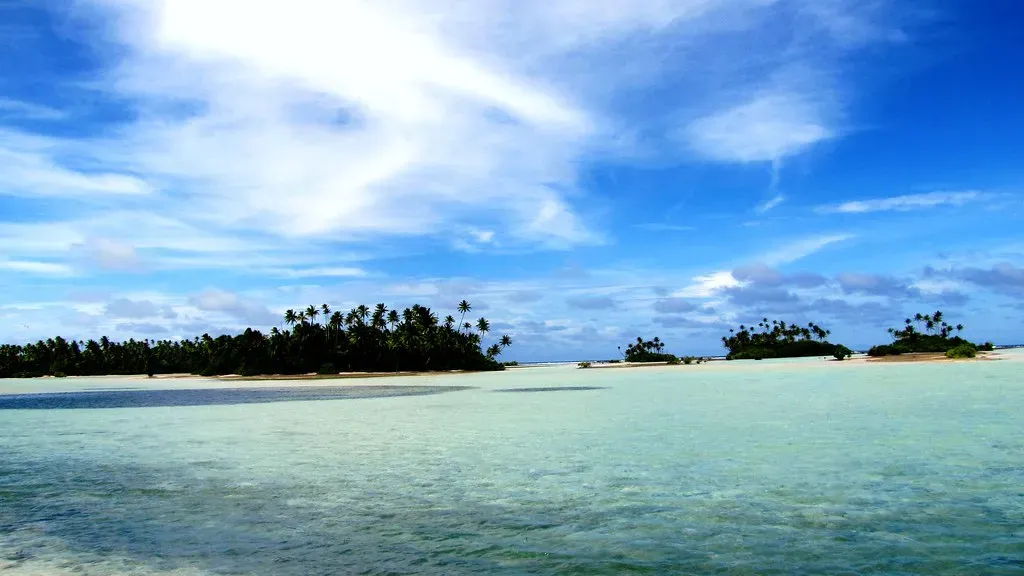
Not many people could point to Kiribati on a map. Yet climate scientists point to it constantly, and with good reason. Home to 120,000 people across 33 atolls and islands, Kiribati’s capital Tarawa already floods during high tides. The Asian Development Bank warns that if sea levels rise by one meter, up to 95 percent of its landmass will be underwater.
The Small Island Developing States, including Kiribati, are extremely vulnerable to sea-level rise, which threatens to submerge large parts of their territory. With little elevation above sea level, these nations face loss of land, contamination of freshwater sources, and increased vulnerability to extreme weather events like hurricanes and cyclones.
In the next 30 years, Pacific Island nations such as Tuvalu, Kiribati, and Fiji will experience at least 6 inches, or 15 centimeters, of sea level rise, according to an analysis by NASA’s sea level change science team. In 2024 and 2025, record storm surges temporarily swamped up to 40 percent of Tuvalu and nearly a third of Kiribati. These aren’t freak events anymore. They are the new reality.
5. Somalia – Climate Collapse Meets Political Collapse
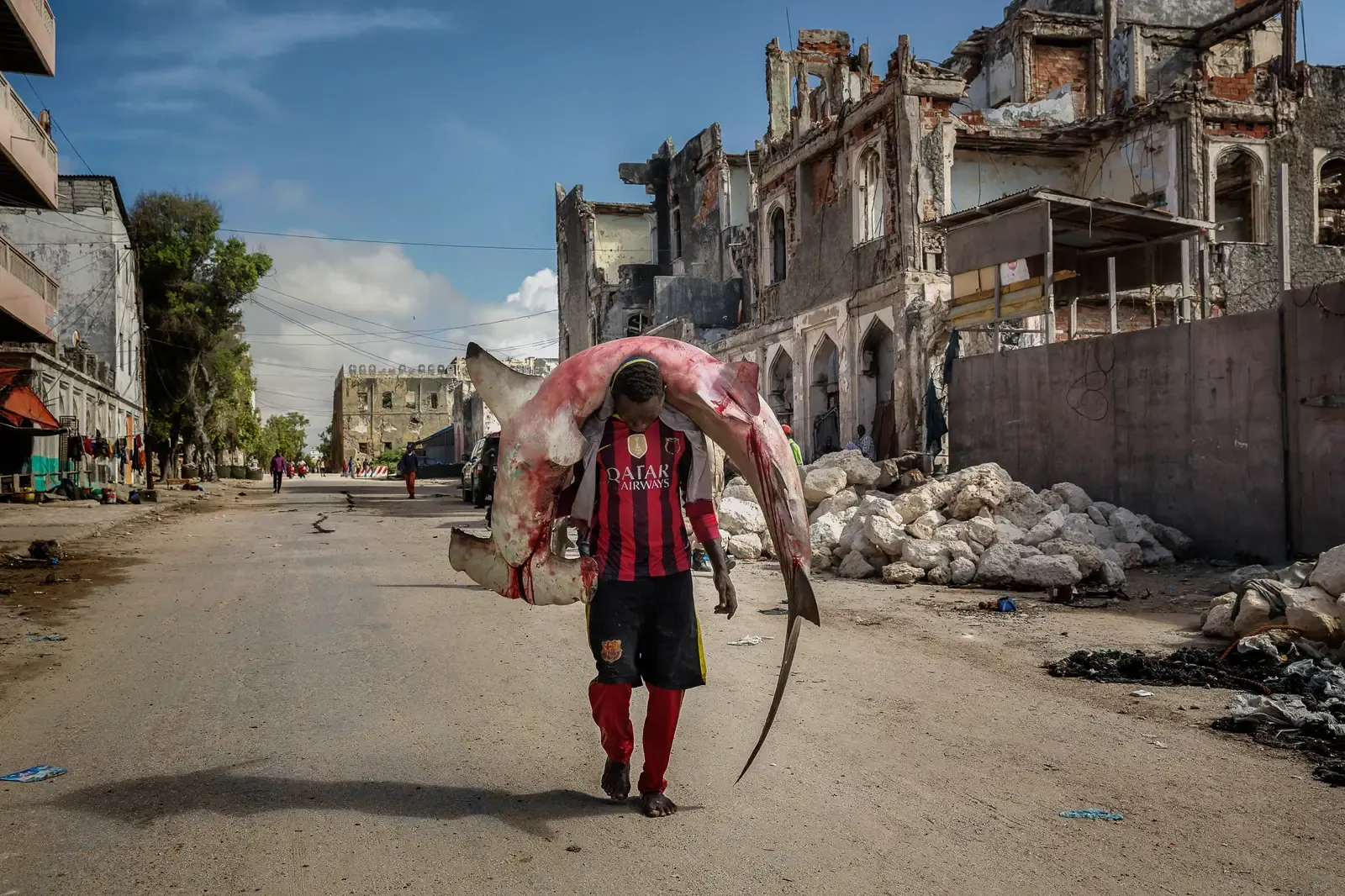
Here’s the thing: when a country already exists on the edge of survival, climate change doesn’t just threaten the environment. It threatens everything. The last several decades of conflict, political instability, and diminished infrastructure in Somalia have severely compromised the country’s ability to cope with increasingly frequent and severe climate events.
The region has been getting hotter: since 1960, the mean annual temperature has increased by 0.7°C, bringing with it more drought and less predictable rainfall. The World Bank estimates that El Niño-related events could increase the frequency and impact of droughts over the next few decades, leading to increased crop failures, a loss of biodiversity, water stress, and climate migration.
One of the key reasons Somalia faces a dire future in the face of the climate crisis is its ongoing civil war. Conflict has prevented a solid infrastructure from being developed and maintained, with almost no governance capacity to respond to natural disasters. Think of it like trying to repair a house while the roof is on fire – impossible, and deeply tragic.
6. Lagos, Nigeria – Africa’s Largest City, Increasingly Underwater
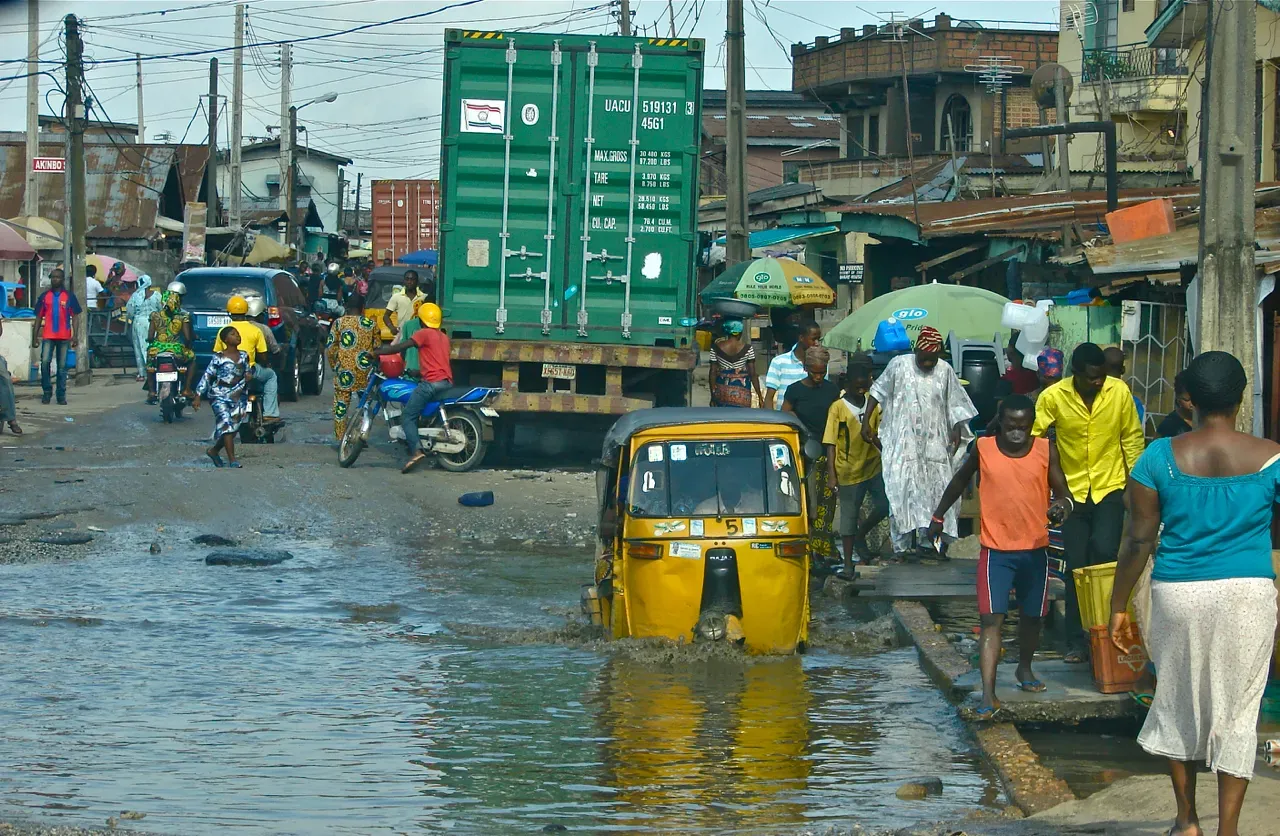
Lagos is Africa’s economic engine. It’s vibrant, loud, ambitious – and startlingly exposed to climate risk. Lagos is at “extreme” risk on Maplecroft’s Climate Change Vulnerability Index. This is especially concerning because its population is expanding rapidly, and it is considered to be a major economic engine for the region.
Africa’s most populous city could “soon be unliveable,” CNN has reported. While Nigerians are used to the yearly floods that engulf the coastal city during the rainy season, Lagos Island recently experienced extreme levels of flooding. The floods paralyze economic activity at an estimated cost of around $4 billion per year.
The city is especially vulnerable because it’s located on the Gulf of Guinea. As sea levels rise, this is likely to cause coastal erosion and contaminate potable water, harming local agriculture and damaging the country’s fishing industry. With a population projected to keep soaring, the pressure on infrastructure will only intensify in the years ahead.
7. Eritrea – Heat Rising Since the Sixties
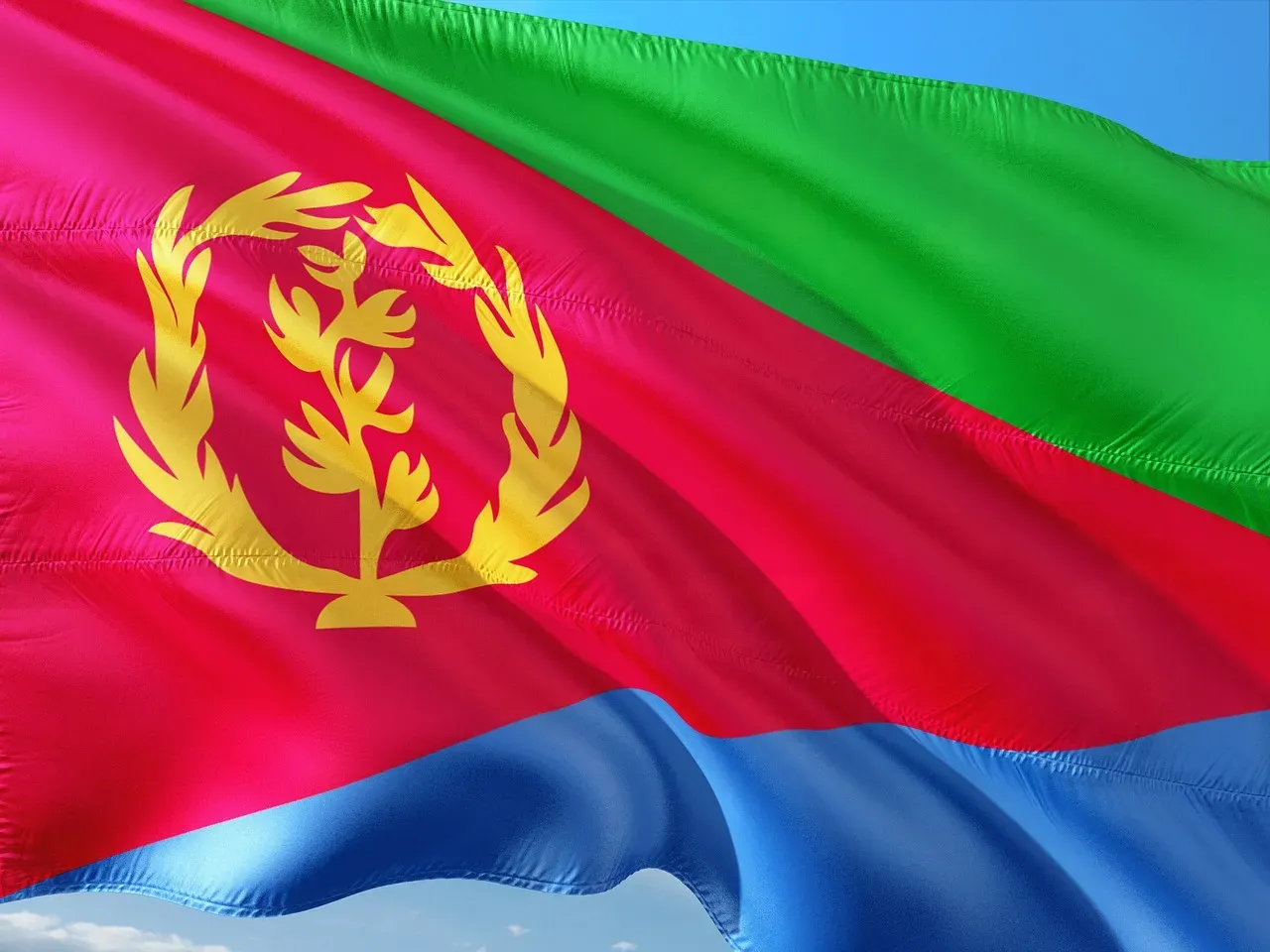
Eritrea doesn’t make global headlines often. That lack of visibility, though, makes its climate situation all the more alarming. A small, coastal country in the Horn of Africa, Eritrea has seen a temperature increase of 1.7°C since 1960, which has led to a rise in droughts and sea level, biodiversity loss, and a decline in food production. Notre Dame’s GAIN Index notes that the country’s adaptive capacity is low, meaning it lacks the ability to offset the risk posed by current and future climate extremes.
The Germanwatch Climate Risk Index indicates that all countries are affected, but those in the Global South are particularly impacted. In both the short- and long-term indices, extreme weather events’ impacts particularly affect poorer Global South countries. In 2024, eight of the ten most affected were in the low-income and lower-middle-income group.
Eritrea fits that profile exactly. With limited financial resources and an economy heavily dependent on climate-sensitive sectors like agriculture and fishing, the country sits in a deeply precarious position. I think this is one of those places that deserves far more attention than it gets from the international community.
8. Louisiana, USA – Losing Land Faster Than Almost Anywhere Else
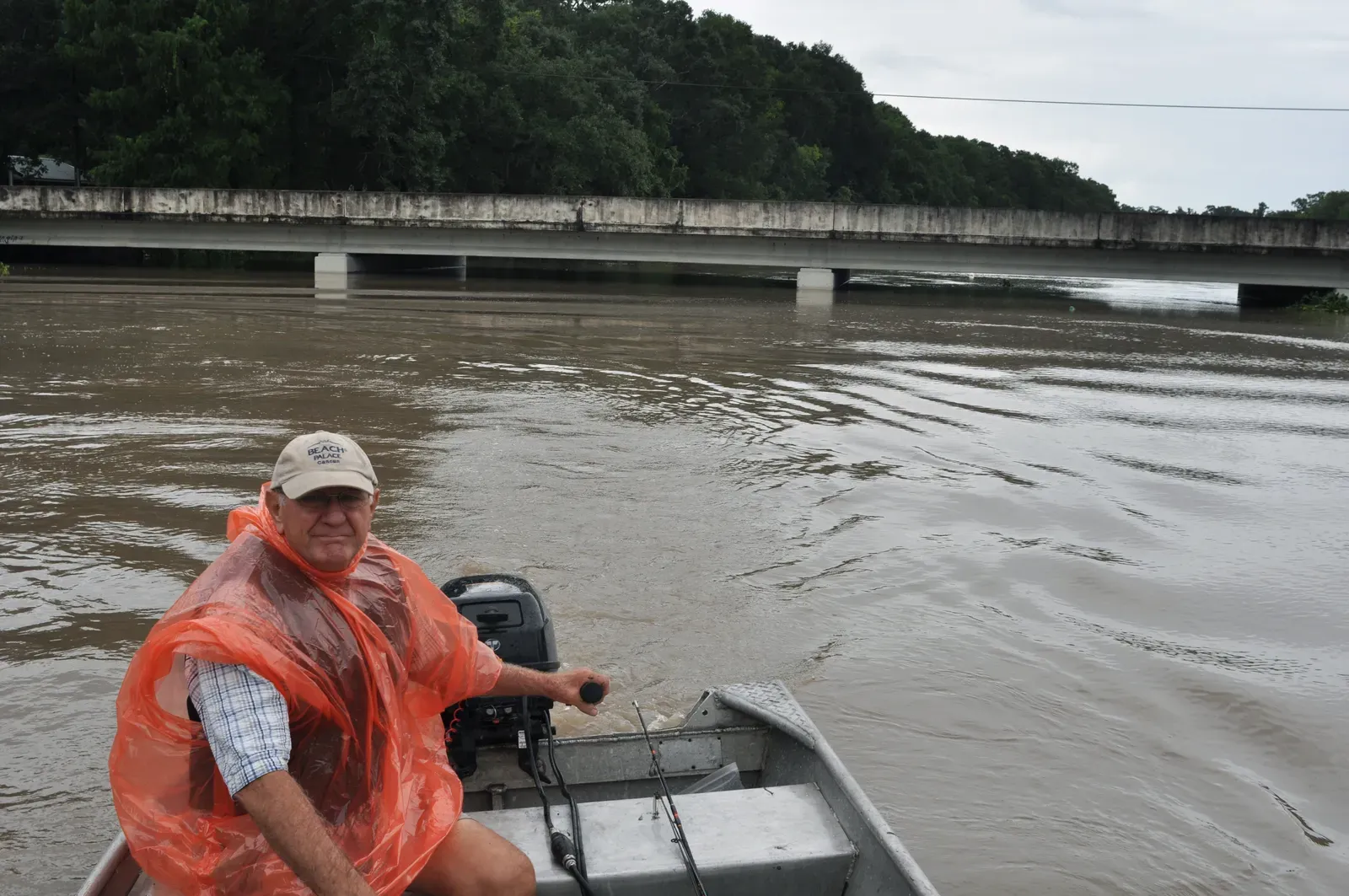
You might not expect an American state to appear alongside Pacific island nations and African countries. But Louisiana’s situation is genuinely alarming by any measure. Louisiana loses about a football field of land every 100 minutes, leaving low-lying areas even more exposed. Let that sink in for a moment.
Mississippi, neighboring Louisiana, ranked lowest in climate resilience analysis due to the combined weight of climate vulnerability, economic instability, and limited market resilience. According to the U.S. Climate Vulnerability Index, it holds the worst overall score in the nation, driven by factors like flooding, heat stress, poor infrastructure, and low socioeconomic resilience.
Louisiana insurance costs reflect the elevated risk. In 2024 alone, residents paid an average of $3,548 annually for home insurance. The Gulf of Mexico is rising three times faster than the global average, according to a study published in the journal Nature. That combination of sinking land, rising water, and retreating insurers creates a slow-moving catastrophe that is very much already in motion.
9. Delhi and Mumbai, India – Heat Stress and Flooding at Scale
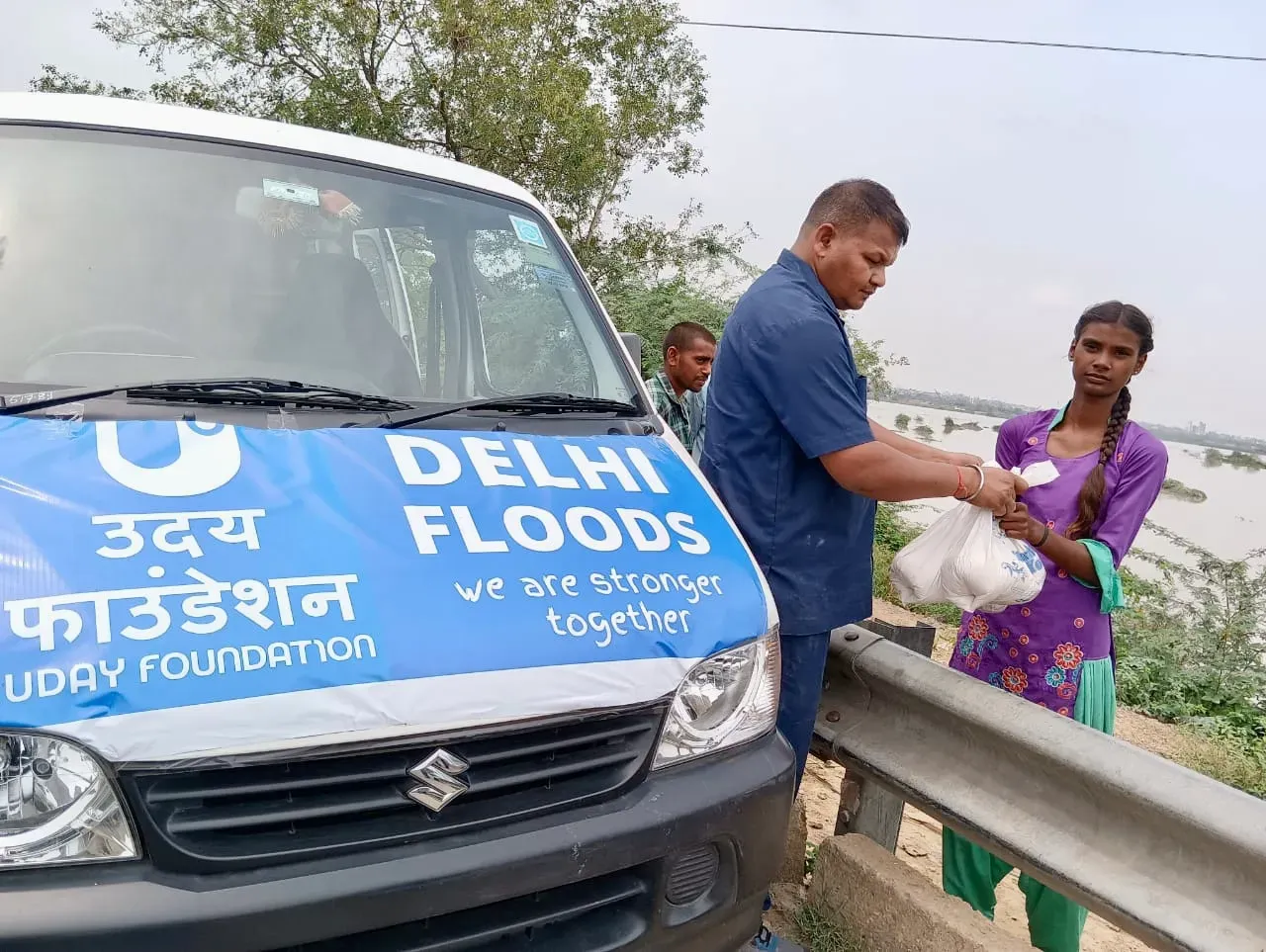
India is home to some of the most climate-vulnerable urban populations anywhere on the planet. The scale is staggering. Delhi has been ranked as the second most vulnerable city to climate change, and 13 of the 20 highest-risk cities in the world were found to be in India, with Chennai, Agra, and Kanpur ranking in the top ten.
The Organisation for Economic Co-operation and Development ranked Kolkata and Mumbai as the top two cities most at risk of coastal flooding by 2070. Pollution was identified as the primary threat to the health of India’s urban populations, with noxious air causing almost one in five deaths in India in 2019.
Many of the world’s largest mega-cities concentrate millions of people and trillions of dollars in assets into areas that are becoming more vulnerable to sudden shocks with every passing year. More than two billion people currently living in cities could be exposed to an additional temperature increase of at least 0.5 degrees Celsius by 2040. India’s mega-cities are at the sharp end of that projection. The human cost, should adaptation fail, would be incalculable.
10. The Sahel Region, Sub-Saharan Africa – Where Drought Is Becoming Permanent
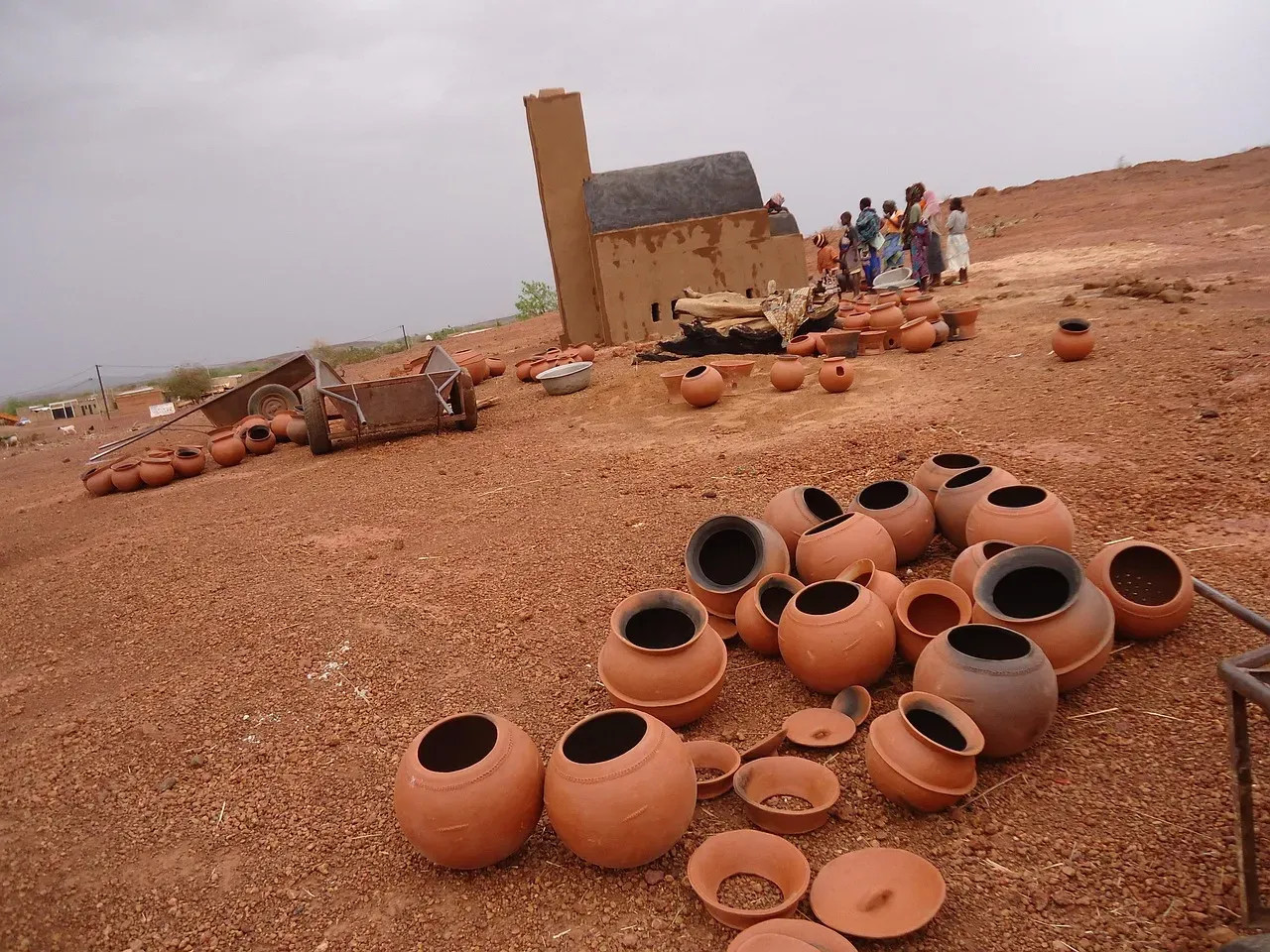
The Sahel stretches across the belly of Africa like a fragile seam, and climate change is tearing it apart. Sub-Saharan Africa is highly vulnerable to climate instability due to its heavy reliance on rain-fed agriculture and limited resources for climate adaptation.
Drought is affecting more than 24 million Ethiopians alone, and that number is expected to rise as the country entered what had been projected as a sixth consecutive failed rainy season. Numerous conflicts across the region and political instability have disrupted humanitarian support and made it difficult for authorities to address the impacts of climate change.
The increasingly variable and changing climate affecting places like Madagascar is bringing significant risks to fishing, agriculture, and livestock sectors. A combination of storms and drought in recent years has severely affected the region, with lack of rainfall in 2023 and 2024 pushing nearly 29 million people into alarming levels of hunger, according to the UN. It’s hard to overstate how severe the trajectory is here.
11. Los Angeles, California, USA – When Fire Meets Climate Failure
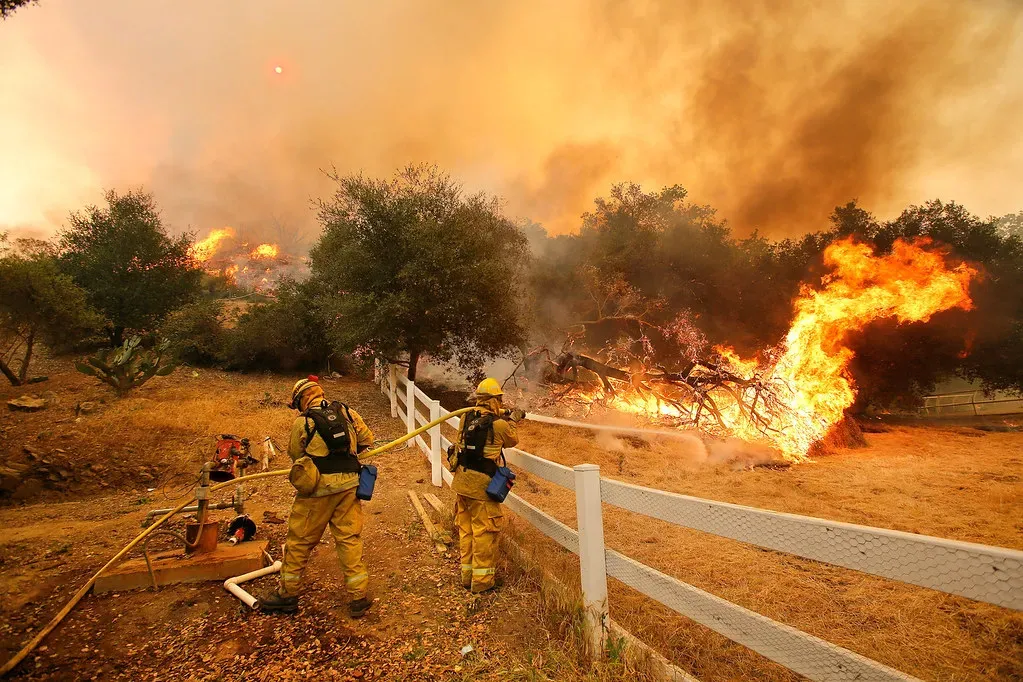
It might sound surprising to close with one of the wealthiest cities in the world. But wealth doesn’t equal immunity, as LA has shown in brutal fashion. California’s climate change risk landscape is among the most complex in the country. Wildfires, drought, and water shortages create a year-round challenge, and fire seasons have lengthened in both duration and intensity, fueled by dry vegetation, warming temperatures, and shifting wind patterns.
Even densely populated areas like Los Angeles have faced fast-moving wildfires in recent years. The 2025 LA wildfires caused up to $53.8 billion in property damage, underscoring that wildfire risk is not limited to rural or forested regions.
In 2024, nearly half of U.S. homes faced at least one type of severe climate risk. These events not only pose a real threat to homeowners but also drive up insurance costs and put pressure on home values and maintenance budgets. Los Angeles, long a symbol of the American dream, now stands as one of the clearest symbols of what happens when climate risk is underestimated for too long.
The Bigger Picture: A World Running Out of Safe Ground
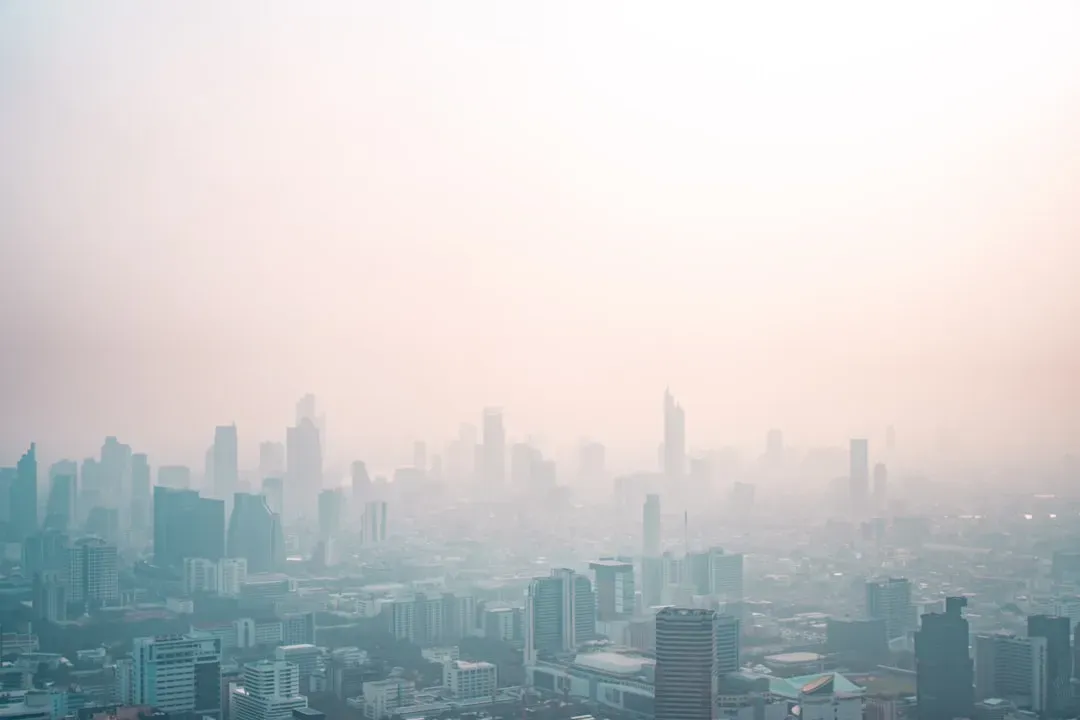
A global study of 520 major cities suggests that by 2050, about 77 percent will experience a major shift in climate regimes. That’s not a distant forecast. It’s a near-certain near-future. Developing countries are more susceptible to climate change due to poor environments and weak socio-economic status. These disparities lead to a spatial discrepancy among cities in terms of their vulnerability to climate change and their adaptation readiness – and in cities where adaptation readiness is lower than the degree of vulnerability, the impact of climate change is further exacerbated.
Cities overall need an estimated $4.5 to $5.4 trillion investment per year to build and maintain climate-resilient systems, yet current financing stands at just $831 billion – only a fraction of the required amount. That gap between need and action is where millions of lives hang in the balance.
The places on this list are not unlucky. They are the frontline. Whether the rest of the world chooses to pay attention is still, for now, a choice. What will it take for that choice to be made?
