
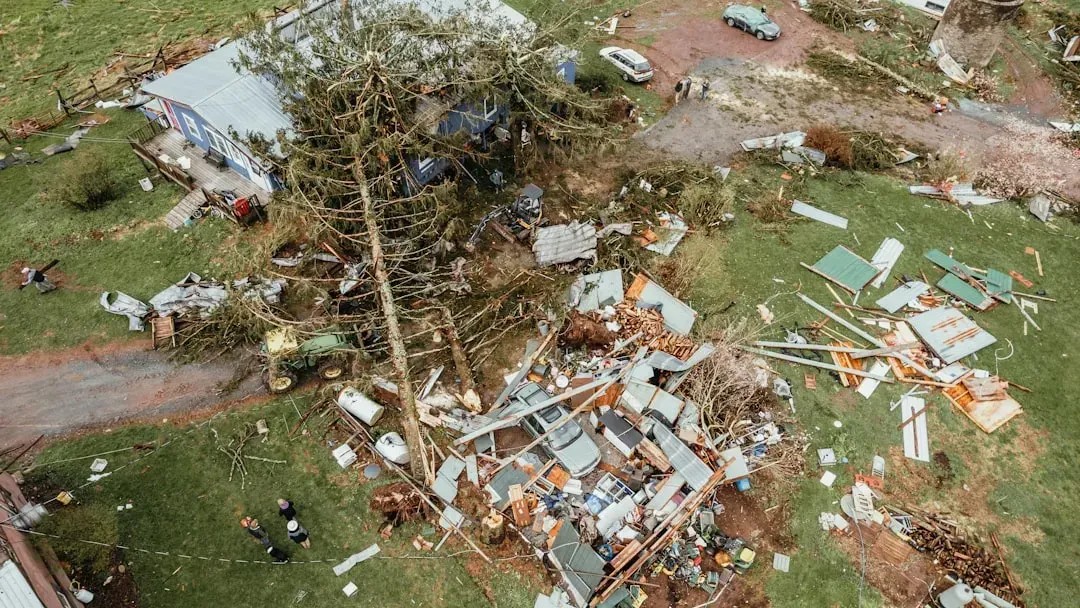

Something is quietly shifting in American real estate, and it doesn’t show up in the usual headlines about interest rates or housing inventory. In flood-prone communities from the Gulf Coast to the Carolina mountains, home values are softening in ways that are hard to dismiss as noise. The trigger is a combination of newly transparent risk data, rising insurance costs, and a wave of buyers who are simply walking away. The “Zillow cliff” is the informal term now circulating among real estate professionals to describe how a flood risk score on a listing page can send a property’s demand plummeting off a cliff before a single showing is even scheduled.
1. The Data That Broke the Market’s Silence

Each for-sale listing on Zillow now displays First Street risk scores for flood, fire, wind, air, and heat, and those same risk percentages are projected 15 and 30 years into the future. That kind of forward-looking visibility was never available to the average buyer before, and its arrival on a mainstream platform changed something fundamental about how homes in flood zones are perceived and priced. The shift from ignorance to transparency is rarely kind to the assets being scrutinized.
Zillow’s own analysis found that homes listed in June 2024 with a high flood risk were less likely to sell by March 2025 than those with a low flood risk – just 52% of the high-risk homes sold, compared to 71% of the low-risk homes. That is not a rounding error. Nearly one in five high-risk homes that would have sold in a neutral market simply did not, and many of those that did sell took significant price cuts to get there.
2. The $7 Trillion Flood Zone Problem Nobody Wants to Say Out Loud
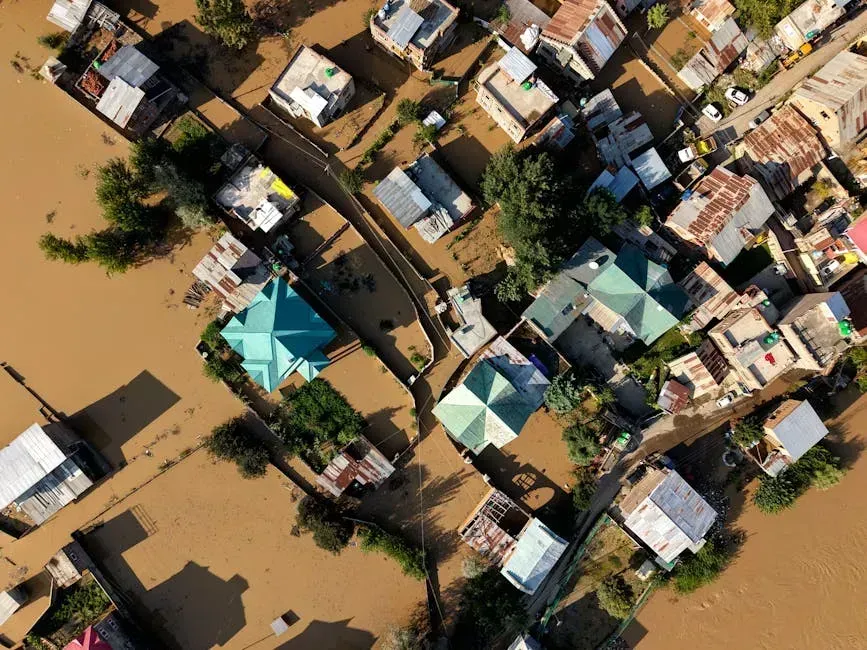
A Zillow analysis from March 2025 found that trillions of dollars’ worth of real estate is at major risk of damage from flood, fire, or extreme wind, with U.S. homes at major wind risk worth at least $17 trillion – more than half of U.S. GDP – and homes with major flood risk worth a cumulative $7 trillion. That figure alone should prompt a serious rethink of how flood-zone properties are priced, mortgaged, and insured across the country. The scale of exposure is staggering, and yet the correction has barely started.
Research published in the journal Nature Climate Change found that residential properties exposed to flood risk are overvalued by between $121 billion and $237 billion, with highly overvalued properties concentrated in coastal counties that have no flood risk disclosure laws and where concern about climate change is lower. In particular, properties in Florida alone are overvalued by more than $50 billion. When that correction finally arrives in full force, it won’t be gentle.
3. Florida’s Southwest Coast: Where Insurance Costs Are Already Crashing Values
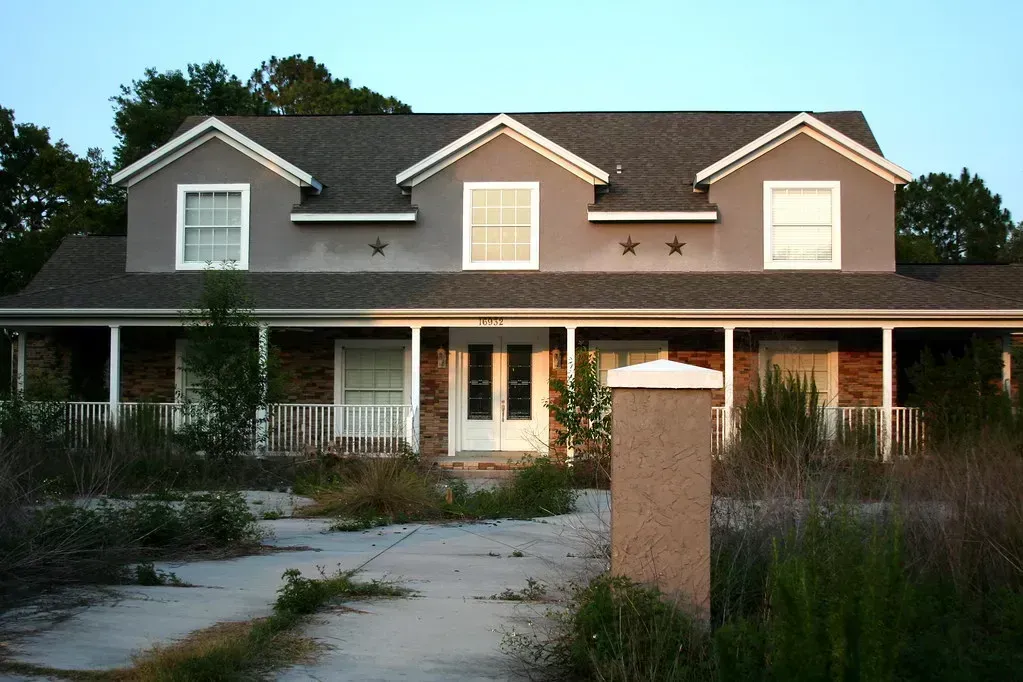
Along Florida’s southwest coast, Realtors are warning that a wave of foreclosures could be coming as people struggle to pay for homeowners and flood insurance, with one Fort Myers Realtor noting that some residents “thought they had set themselves up to retire in their home” but simply can’t afford it anymore – and Floridians are paying nearly $5,800 on average for home insurance. That figure sits about $3,350 above the national average. The financial pressure is not abstract – it’s showing up in listing durations and sale prices right now.
In Lee County in October, the median length of time that homes were on the market was 87 days, a 26% increase from a year earlier, according to Redfin. A Cotality study found that homes sitting within Miami’s 100-year flood zone saw a reduction in value of between 9% and 18% per square foot. These are not projections – they are conditions already unfolding in real transactions across one of the country’s most populous flood zones.
4. Houston and the Texas Gulf Coast: Harvey’s Long Shadow Still Falls on Home Prices

Research from Freddie Mac found that prices for homes in Houston’s 100-year floodplain were 3.1% lower than comparable homes outside the floodplain even before Hurricane Harvey, and after the hurricane struck, prices fell by an average of 4.6%, or nearly $17,000, for those same in-zone homes. The pattern that Harvey revealed – buyers reassessing risk in real time after a catastrophic event – is now being replicated across other flood zones as risk data becomes more accessible.
When flooding from Hurricane Helene hit unmapped areas around Asheville, North Carolina, in 2024, it caused a huge amount of uninsured damage to properties, and even in areas that are mapped, like the Camp Mystic site in Kerr County, Texas, maps may underestimate risk because of reliance on historic data and outdated risk assessments. A 2023 First Street assessment using newly modeled flood zones with climate-adjusted precipitation records found that more than twice as many properties across the country were at risk of a 100-year flood than the FEMA maps identified. For homeowners in these zones, the gap between official maps and reality is where wealth quietly disappears.
5. Louisiana and the Collapse of the Private Insurance Market
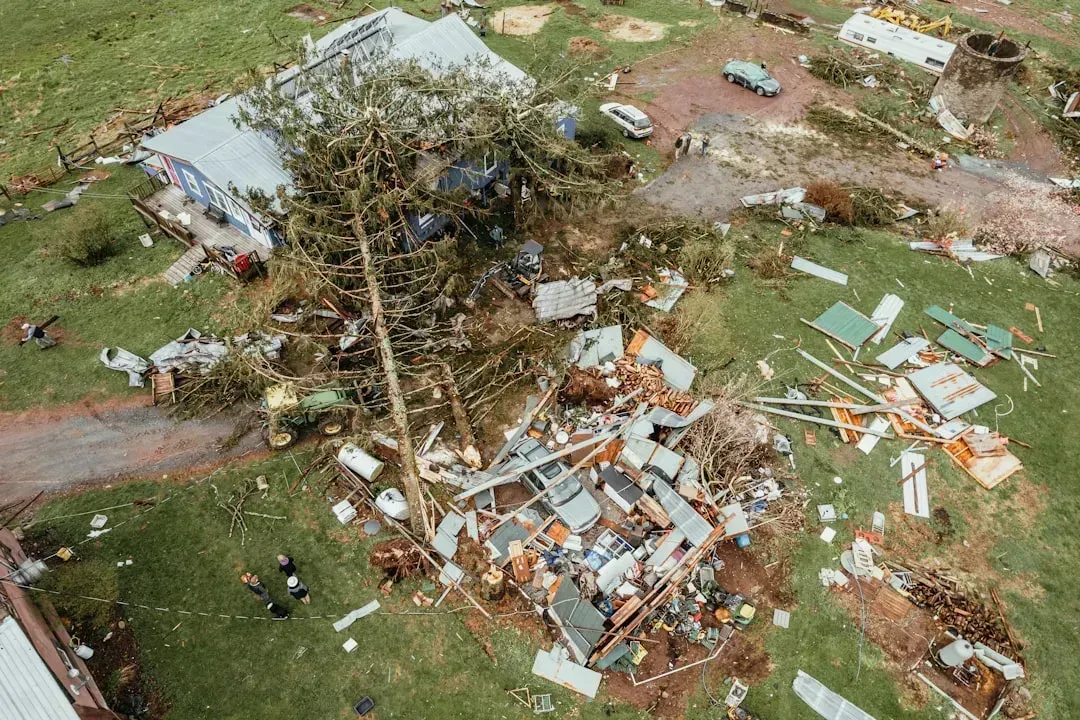
Following Hurricane Ida and other major storms, Louisiana’s insurance market became volatile, with insurers exiting the state or limiting coverage, leading to sharp premium increases and reliance on last-resort programs. When private insurers leave a market, it’s a signal that the risk has been formally judged as uninsurable at any price that buyers can realistically pay. That signal cascades directly into property values, because a home you can’t insure is a home you can’t sell with a conventional mortgage.
Dozens of insurers in Florida, Louisiana, Texas, and California have collapsed or been declared insolvent following catastrophic hurricanes, and prominent national insurers including Progressive, Allstate, and State Farm have fled high-risk states or scaled back on writing new policies – with insurers canceling nearly 2 million homeowner’s policies in a single five-year period between 2018 and 2023. Florida, Louisiana, and Texas alone account for about two-thirds of all hurricane and flood losses in the United States, which explains why those three states have become the epicenter of the insurance retreat.
