

Something has quietly shifted in the world of travel planning. Alongside the usual questions about visas, vaccinations, and budgets, a new concern has crept onto every traveler’s checklist: What is the weather actually doing there right now? Not just whether to pack an umbrella, but whether the destination itself is safe to visit at all.
Extreme weather reached dangerous new heights in 2024, with record-breaking temperatures fueling unrelenting heatwaves, drought, wildfire, storms, and floods that killed thousands of people and forced millions from their homes. The trend did not slow into 2025 either. According to Climate Central, 2025 ranked as the third-highest year on record for billion-dollar weather and climate disasters, with 23 such events costing a total of $115 billion in damages. For tourists, these numbers are more than statistics. They are the backdrop to canceled flights, evacuated hotels, and itineraries gone sideways. Let’s dive into the eight regions that are giving even the most adventurous travelers serious pause.
1. Valencia, Spain: When a Year’s Worth of Rain Falls in Eight Hours

Honestly, few stories in recent travel history hit quite as hard as what unfolded in Valencia in late October 2024. This beloved Mediterranean destination, famed for its beaches, paella, and architecture, became the scene of one of Europe’s deadliest natural disasters in generations. The unprecedented DANA floods that struck Valencia, Spain on October 29, 2024, caused catastrophic human, economic, and ecological damages, resulting in 223 fatalities and the displacement of 15,000 residents.
On October 29, an area between the municipalities of Utiel and Chiva received more than 300 millimetres of rainfall during a four-hour period, with some areas of Valencia receiving more than an entire year’s worth of rainfall during an eight-hour period. Think about that for a second. A full year of rain, in eight hours. Preliminary estimates suggest economic losses exceeding €10 billion, encompassing damages to homes, businesses, agriculture, and public infrastructure.
Already recorded as Spain’s worst disaster in the last three decades, the flash flooding ruined buildings, roads, bridges, homes, and other critical infrastructure. The meteorological culprit was a weather phenomenon called DANA, a high-altitude cold-pressure system. The Mediterranean coastline of Spain, particularly the Valencia and Catalonia regions, is highly vulnerable to these floods, and approximately one-third of the most severe floods in this area have been associated with cut-off lows. Travelers visiting Spain’s eastern coast should now study seasonal risk forecasts as seriously as they plan their museum visits.
2. Southern Europe’s Wildfire Belt: Greece, Spain, and Portugal in Flames
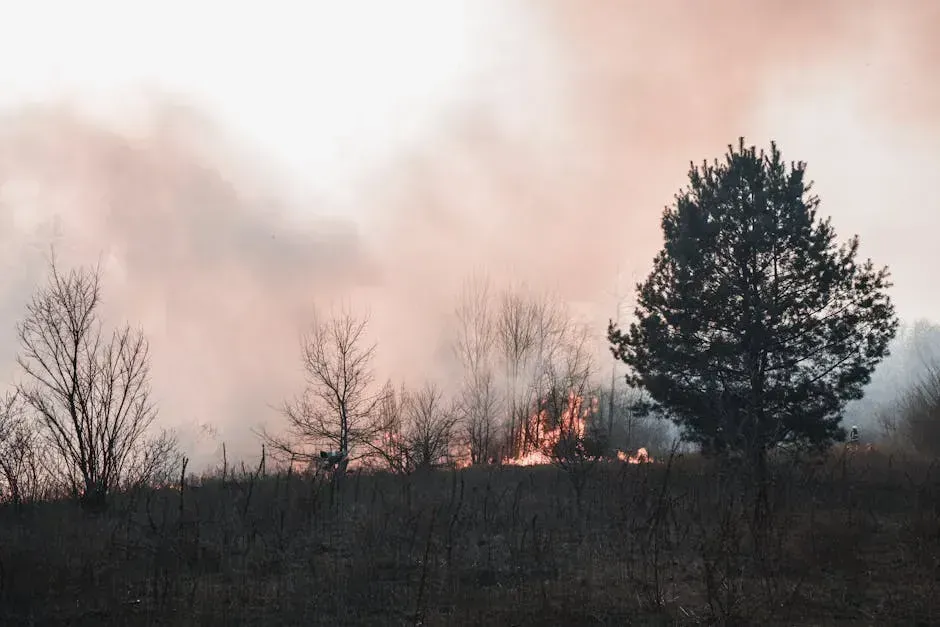
Every summer now, a large swath of Southern Europe transforms into what can only be described as a fire zone. Thousands have been displaced after record temperatures sparked wildfires across southern Europe. Flames fueled by strong winds damaged homes, businesses, and even two monasteries, and firefighting resources across multiple countries were stretched thin battling simultaneous fire outbreaks in scorching temperatures. This was August 2025, though it could almost describe any recent summer.
The 2024 fire season in Greece proved to be another exceptionally challenging period, following 2021 and 2023 which were some of the most devastating fire seasons in the country in the past 15 years, with major wildfires including the 2023 Alexandroupolis fire, which became the largest wildfire in Europe, burning over 90,000 hectares. That is a number that is genuinely hard to wrap your head around.
Wildfires are a recurrent and intensifying natural hazard in Mediterranean regions like Greece, driven by prolonged heatwaves, evolving climatic conditions, and human activities. In 2025, the situation only intensified. In Spain, more than 8,000 residents were ordered to evacuate from at least thirty towns in the Castile and León region north of Madrid. Two-thirds of Portugal was on high alert for wildfires and extreme heat during peak summer season. Visitors to these regions now face a real and documented risk, particularly between June and September.
3. The Caribbean: Hurricane Season Is Getting Stronger and More Unpredictable
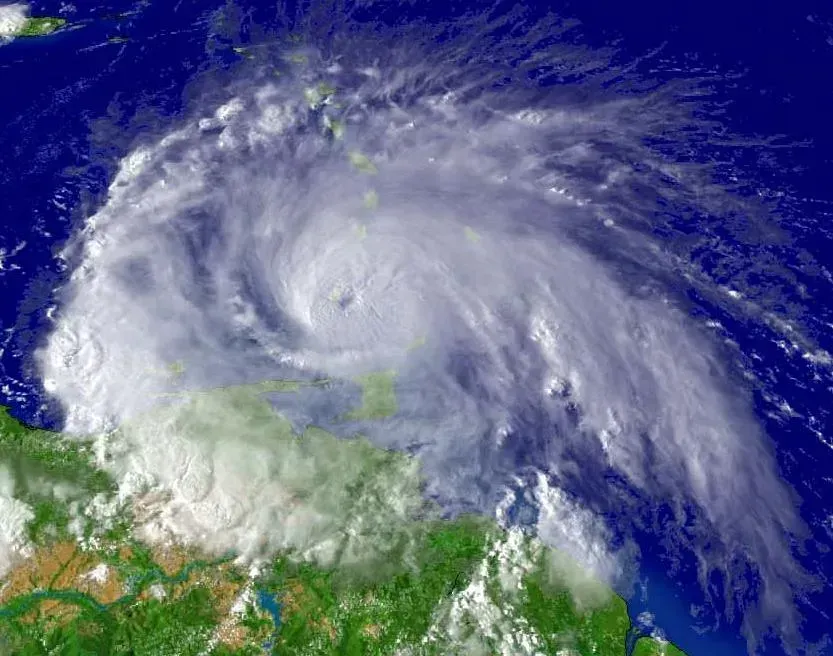
The Caribbean has always had a hurricane season. Travelers have navigated it for decades with a mix of timing their trips and hoping for the best. Here’s the thing though: the storms are now behaving differently. Hurricane Melissa, the strongest Atlantic hurricane of 2025, devastated Jamaica after making landfall as a Category 5 storm, and carbon pollution boosted the storm’s peak wind speed, making it even more dangerous.
Hurricane Melissa rapidly intensified over ocean waters that were 1.4°C warmer than average. These exceptionally warm ocean temperatures were made at least 500 times more likely because of human-caused climate change, and these conditions are projected to have strengthened Melissa’s top wind speed by about 11 mph, increasing its potential damages by up to half. That kind of rapid intensification is the nightmare scenario for travelers who book months in advance.
NOAA predicted an active 2025 Atlantic hurricane season, with 13 to 19 named storms, six to 10 hurricanes, and three to five major hurricanes. The Caribbean is still a magnificent destination, make no mistake. According to a 2025 United Nations report, the mortality rate from disasters is six times higher in countries without robust weather-warning systems, and as climate change causes more extreme and dangerous weather, including deadly heat waves and record-breaking hurricanes and flash floods, the risks are growing. Travelers should plan with comprehensive travel insurance and stay updated on seasonal forecasts right up to departure day.
4. Southern and Southeastern Europe: Deadly Heatwaves Targeting Tourists

It is easy to romanticize a hot Mediterranean summer. But what is happening across Southern and Southeastern Europe now goes well beyond pleasantly warm. From Spain to Italy, authorities urged residents to protect vulnerable people and avoid unnecessary travel during the region’s first severe heatwave of summer 2025, with emergency teams and ambulances stationed near popular tourist destinations, while meteorologists warned that extreme heat events supercharged by climate change are becoming more frequent and intense.
In Spain, the national weather agency AEMET reported temperatures reaching 44°C in parts of Extremadura and Andalusia. Italy placed 21 cities on red alert, including Rome, Milan, and Naples, and emergency rooms reported a ten percent rise in heatstroke cases. Those are cities that millions of tourists visit every single summer.
In 2024, Southeastern Europe was hit by heatwaves that led to extreme thermal stress across the region, with 23 tropical nights and 66 days of heat that took a toll on public health, agriculture, and water resources. Greece’s world-famous Acropolis restricted its visiting hours during the peak of one heat wave after multiple reports of fainting and dehydration among tourists. I think that image says it all. When one of the world’s most iconic landmarks has to limit tourist access because the heat is literally dangerous, the warning could not be clearer.
5. Southern Appalachians and Eastern U.S.: Where Hurricane Helene Shocked the World
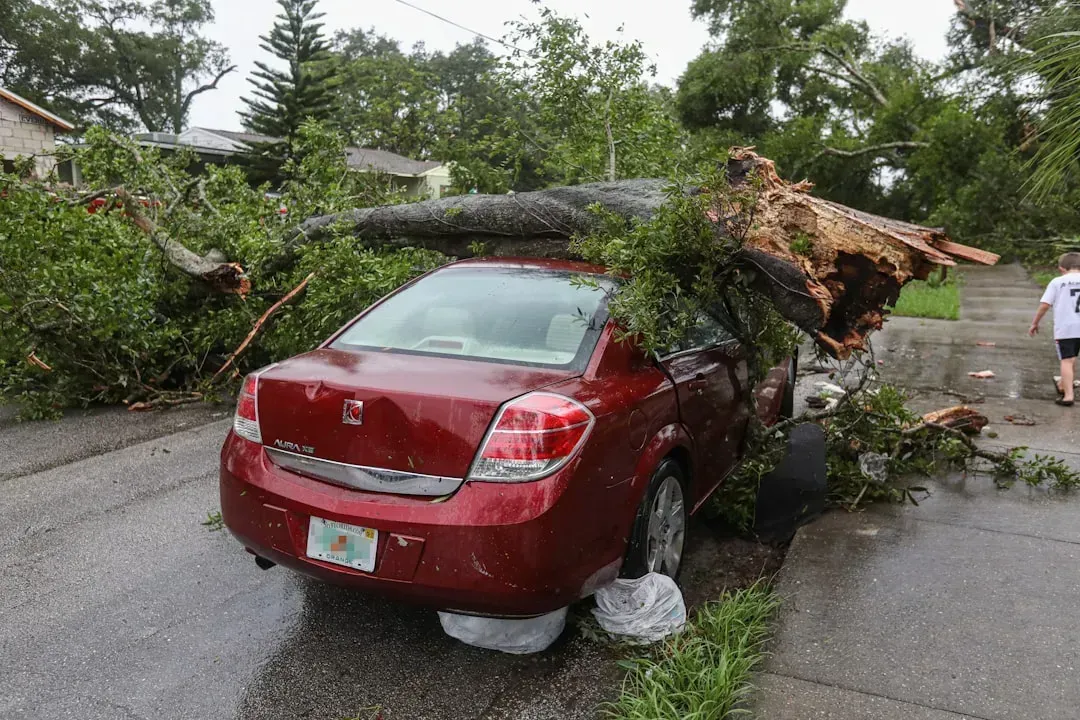
Most people associate hurricanes with coastlines. Hurricane Helene in September 2024 rewrote that assumption in a brutal and heartbreaking way. Hurricane Helene made landfall in Florida’s Big Bend region on September 26 as a Category 4 storm with 140 mph winds, and at least 243 people lost their lives across seven states, making it the deadliest hurricane to hit the mainland U.S. since Hurricane Katrina.
Flood damage from the hurricane was catastrophic in western North Carolina, and the $79 billion price tag makes it the seventh-most expensive weather disaster in world history, adjusted for inflation. Western North Carolina had been a beloved outdoor travel destination, drawing hikers, campers, and nature lovers. The region’s infrastructure was devastated by inland flooding that nobody in the area had prepared for.
Researchers at Imperial College London determined that climate change increased Helene’s wind speeds at landfall by about 13 mph, and that 44% of the economic damages caused by Helene could be attributed to climate change. That is not a small fraction. The Southeast is now experiencing hurricanes with stronger wind speeds, more rain, and worsened storm surge, all adding up to more destruction. Travelers planning outdoor getaways in the American Southeast should monitor hurricane season conditions from June through November with increasing seriousness.
6. Los Angeles and Southern California: Wildfire Risk That Reshaped a Global Destination
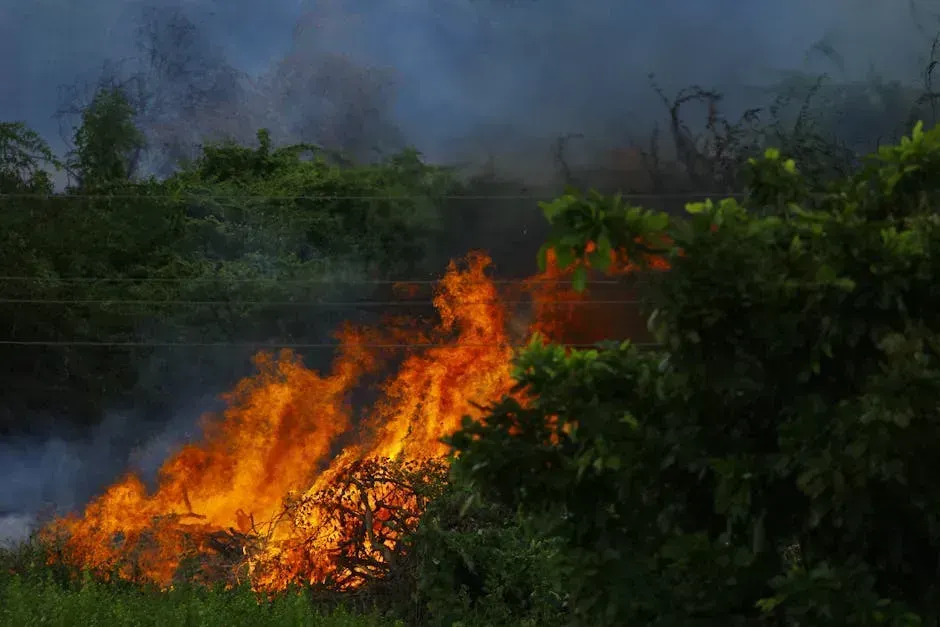
Los Angeles has long been one of the world’s most visited cities. Hollywood, beaches, sunshine, the works. But January 2025 changed the story significantly. In January 2025, Los Angeles was devastated by wildfires that caused 31 deaths, destroyed over 16,000 homes and businesses, and exposed millions to unhealthy smoke. The fires are the country’s costliest wildfire event on record, exceeding $60 billion.
The Palisades and Eaton fires were the two most devastating of a series of wildfires driven by hurricane-level Santa Ana winds that ravaged Los Angeles and Southern California. Combined, the fires destroyed over 16,000 structures, claimed approximately 482 lives, and caused over 3,000 injuries through direct and indirect causes. Entire communities like Altadena and Pacific Palisades were effectively erased from the map.
A rapid wet-to-dry swing in the years leading up to the Los Angeles wildfires helped fuel the flames by first growing and then drying out large amounts of exceptionally flammable vegetation, which lingered into winter when the Santa Ana winds that fanned the flames are common. This type of risk-amplifying “hydroclimate whiplash” is projected to become more common in the future. For visitors to Southern California, this is no longer a remote risk. It is now a seasonal reality that should factor into travel planning, especially in winter and early spring months when those notorious winds peak.
7. Texas Hill Country: Flash Floods That Struck Without Warning
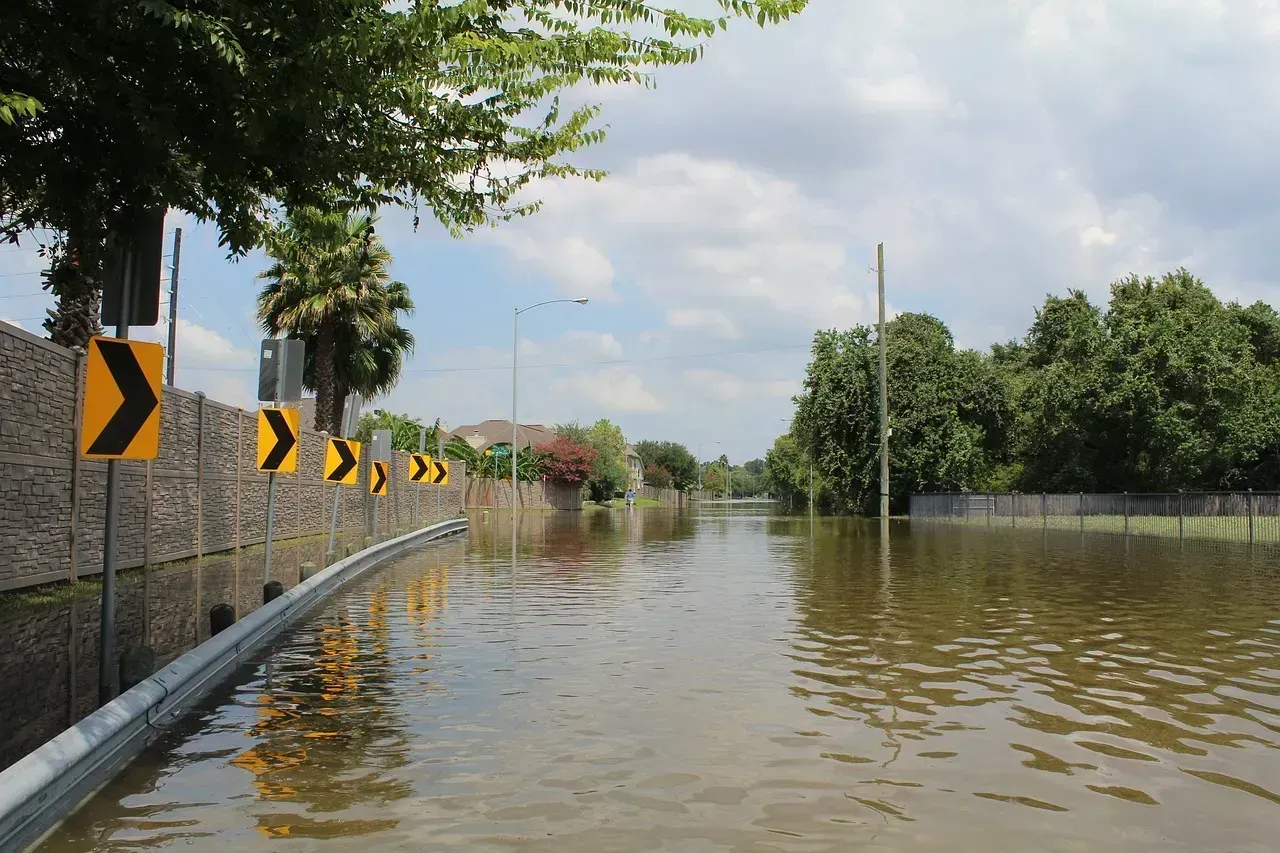
Few weather events in recent American history have been as shocking as what happened in Texas Hill Country on the Fourth of July 2025. The holiday turned deadly when inland flash floods claimed at least 135 lives, including 27 campers and counselors at Camp Mystic, mostly young girls. A mesoscale convective vortex dumped over 20 inches of rain on Texas Hill Country in under six hours. It is almost impossible to comprehend that rainfall rate.
The catastrophic flash flooding in the Texas Hill Country in July 2025 was one of the deadliest inland floods in U.S. history. This was not a coastal area at risk from named storms. Texas Hill Country is a popular scenic tourism region, known for swimming holes, summer camps, and outdoor recreation. The U.S. saw a record number of flash floods in 2025, and carbon pollution brings heavier rainfall extremes and more of the inland flood hazards that marked that year.
Heavy downpours across the central and eastern U.S. resulted in a record-setting number of flash flood warnings issued by the National Weather Service in 2025, with the most devastating case being the torrential rainfall that caused catastrophic flash flooding in the Texas Hill Country in early July, claiming at least 135 lives. It’s hard to say for sure whether any one trip would ever coincide with such a rare event, but the patterns suggest inland flash flooding in this region deserves far more traveler attention going forward.
8. Central Europe: Floods That Redrew the Map of Safe Travel Destinations
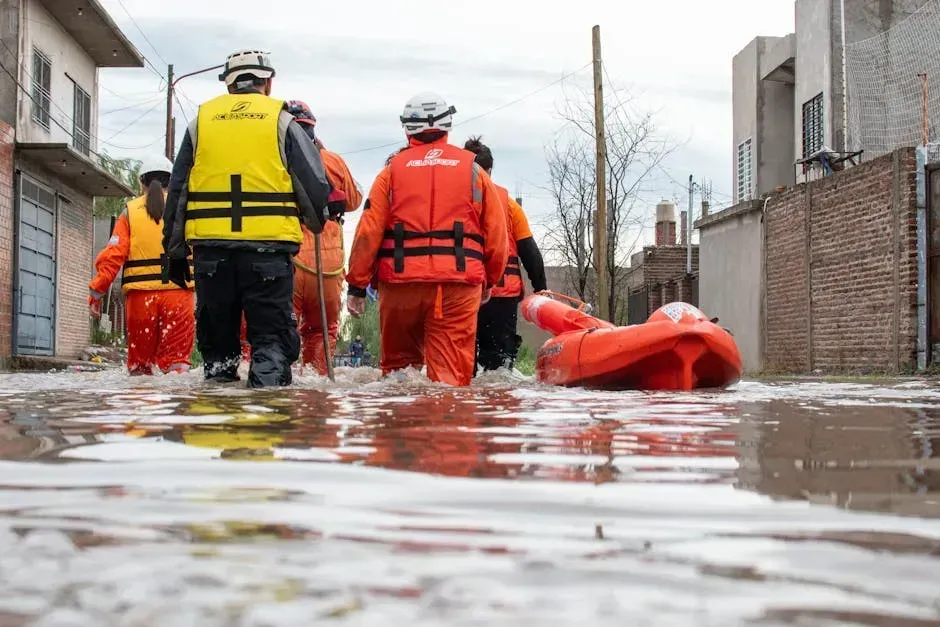
When people imagine flood risk in Europe, they often picture far-off places. Central Europe has historically felt like solid, stable, well-managed territory. That image has been eroding fast. Floods in 2024 impacted roughly a third of Europe’s river network, leading to 335 deaths and displacing 410,000 people. Those are not abstract numbers. That is the scale of disruption that rewrites travel itineraries across an entire continent.
From Kathmandu to Dubai to Rio Grande do Sul to the Southern Appalachians, the last year of study was marked by a large number of devastating floods, and of the 16 floods analyzed, 15 were driven by climate change-amplified rainfall. The result reflects the basic physics of climate change: a warmer atmosphere tends to hold more moisture, leading to heavier downpours.
Storm Éowyn in January 2025 brought hurricane-force winds and heavy rainfall to Ireland and the UK, leaving over one million homes without power and causing fatalities. In October, Storm Amy struck, affecting countries like France, Norway, and Poland and causing widespread flooding. Among European countries that experienced serious issues in 2024 and may see continuing effects: France, Spain, Sweden, the United Kingdom, Italy, the Netherlands, and Poland. Travelers exploring Central Europe should now treat flood season alerts with the same seriousness they once reserved for tropical storm warnings. The risk has genuinely arrived here too.
A Final Thought for Every Traveler

Here’s the thing about all of this. None of these destinations are off-limits. People still visit Valencia, still explore the Aegean, still hike Appalachian trails, still plan Caribbean getaways. Travel remains one of life’s great gifts. The goal here is not fear but awareness.
The planet endured 58 billion-dollar weather disasters in 2024, ranking second-highest behind only 2023, and the total damage wrought by weather disasters in 2024 was $402 billion, some 20 percent higher than the ten-year inflation-adjusted average. These numbers show a clear trajectory. The world’s weather is more volatile, and the regions above are proof that no corner of the globe is completely insulated from the shift.
Smart travel in 2026 means checking more than hotel reviews. It means checking seasonal risk windows, buying comprehensive travel insurance, and registering with your government’s embassy alerts before you land. The global risk landscape is likely to remain dynamic, with shifting political tensions, evolving conflict zones, and climate-related pressures influencing safety. Travel boldly, but travel informed. Did any of these destinations surprise you?

- Travel Alert: 8 Regions Where Extreme Weather Is Making Visitors Think Twice - March 26, 2026
- Scientists Reveal 7 Everyday Habits That Quietly Worsen Climate Change - March 25, 2026
- 10 U.S. Cities Ranked From Most Climate-Resilient to Most at Risk - March 25, 2026
