
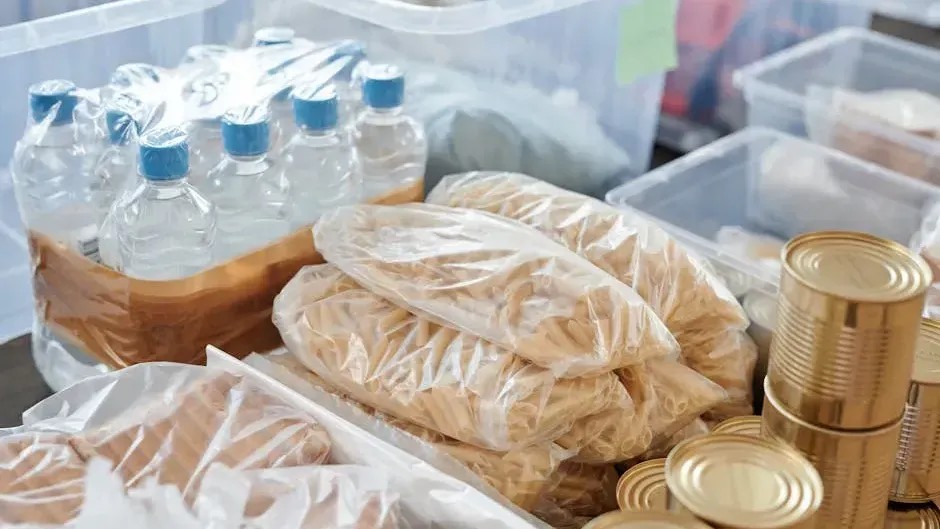

Most households own at least some emergency supplies. The problem is that almost none of those households actually know what shape those supplies are in right now. Just 5% of homes report having a fully stocked emergency supply kit, and 20% have none of the recommended supplies at all. That gap between intention and action can mean the difference between riding out a storm comfortably and scrambling in the dark with a dead flashlight. With storm seasons growing longer and more destructive, doing a serious audit of your emergency kit before the next event is one of the smartest things you can do for your family’s safety.
Understand Just How Real the Threat Has Become
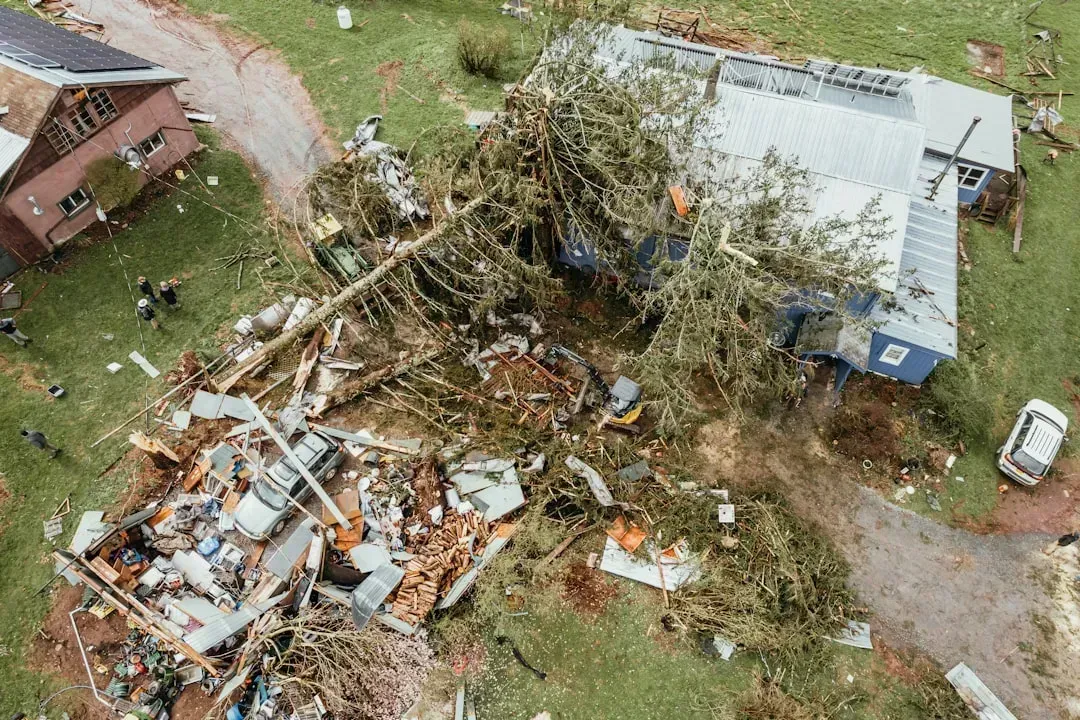
The scale of storm-related destruction in recent years makes a strong case for taking preparedness seriously. During 2024, the U.S. experienced 27 weather and climate disasters each incurring losses that exceeded $1 billion, ranking second highest for the number of billion-dollar disasters in a calendar year. These disasters included 17 severe storms, five tropical cyclones, two winter storms, one flooding event, one drought/heat wave, and one wildfire event, with a total U.S. cost of $182.7 billion. These numbers aren’t abstractions. They represent real communities caught off guard, real families without functioning supplies when they needed them most.
Hurricane Helene was the costliest event in 2024. It made landfall as a Category 4 storm in the Big Bend region of Florida on September 26, caused catastrophic flash flooding and power outages impacting millions of people from Florida to North Carolina, and resulted in at least 219 fatalities. Helene was the deadliest Atlantic hurricane since Maria in 2017 and the deadliest to strike the U.S. mainland since Katrina in 2005. Stories from survivors of these storms reveal a consistent theme: people who had checked and updated their supplies beforehand fared dramatically better than those who had not.
Check and Rotate Your Water Supply
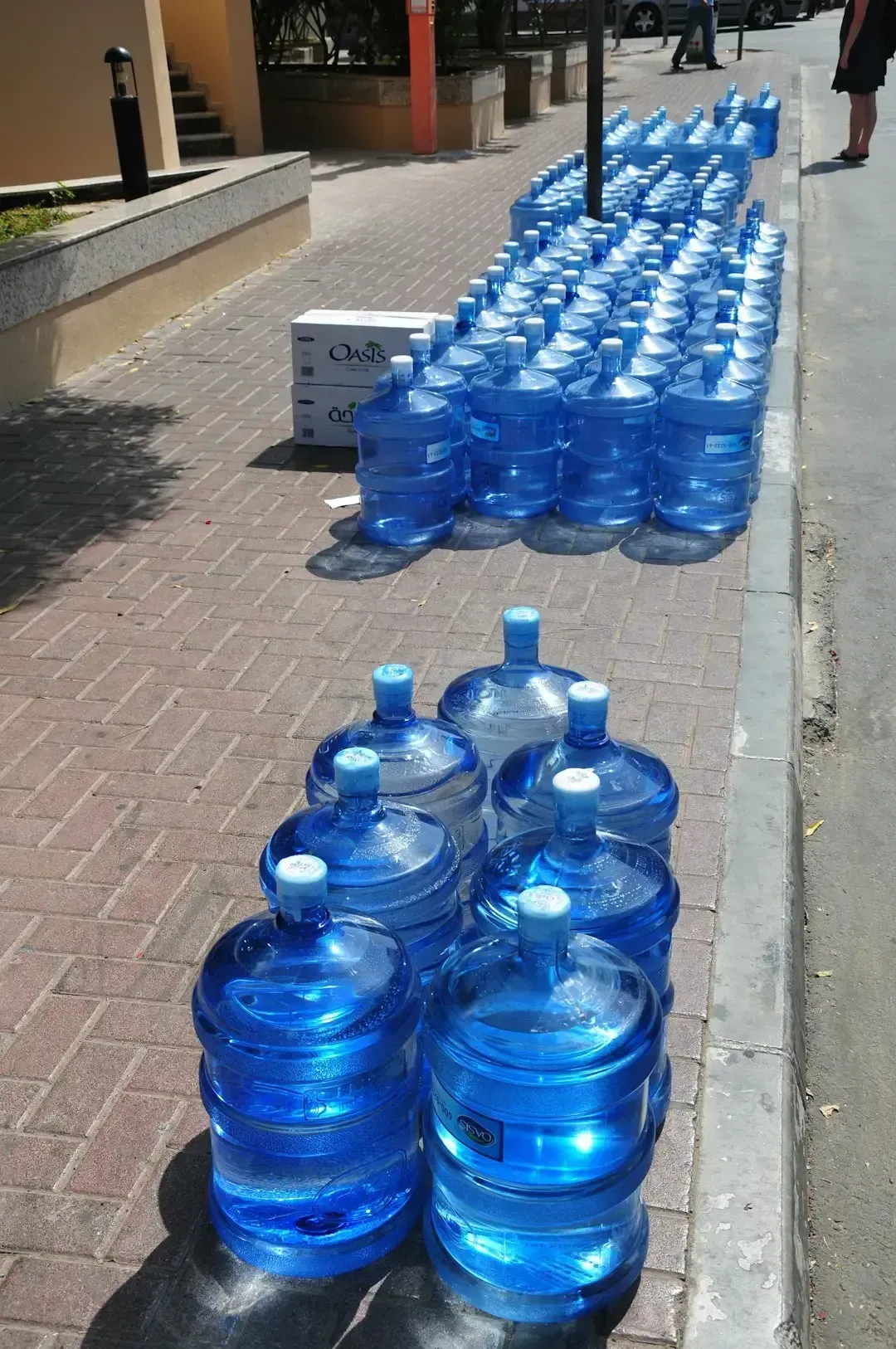
Water is the single most critical element in any emergency kit, and it’s also one of the most frequently neglected. Ready.gov recommends storing at least one gallon of water per person per day for several days, covering both drinking and sanitation needs. The reality is that most households fall far short of this. Barely one in three Americans have adequate stores of drinking water at the ready. That’s a staggering shortfall given how quickly access to clean water is disrupted during major storms.
The quality of stored water also degrades over time. You should observe the expiration date for store-bought water, and replace other stored water every six months. Glass or stainless steel containers are ideal for long-term water storage; food-grade HDPE plastic also works well if rotated every 6 to 12 months. Before you assume your water is still good, check the container dates, inspect for damage or unusual odors, and swap out anything that hasn’t been refreshed recently.
Inspect and Replenish Your Food Stores
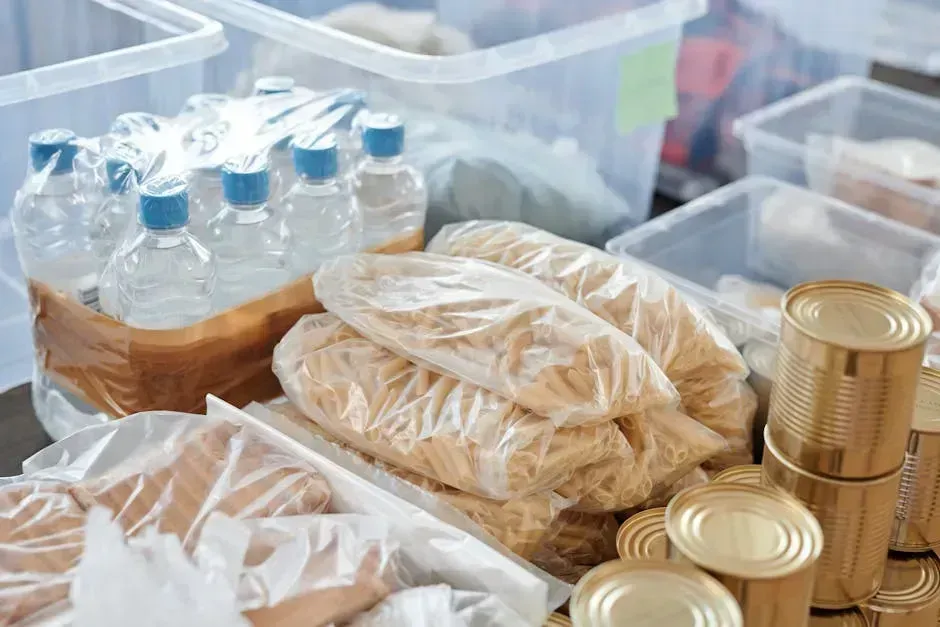
Emergency food supplies are only useful if they’re still safe and edible when disaster strikes. Many families buy a box of canned goods or a batch of energy bars and then forget about them entirely. Setting up a calendar reminder for every six months is a smart approach: when that time arrives, check and replenish all expired food, water, medicines, and other perishable supplies, and also replace items that will expire within the next six months. That simple habit can save you from opening your kit during a power outage only to find everything is years past its date.
When stocking food, take into account your family’s unique needs and tastes. Familiar foods are important because they lift morale and provide a feeling of security in times of stress. Try to include foods that your family will enjoy and that are also high in calories and nutrition. Foods that require no refrigeration, water, special preparation, or cooking are best. Keep rotating food supplies seasonally, using older items first before they expire. Think of it as a living pantry rather than a sealed vault.
Go Through Your First Aid Kit Item by Item
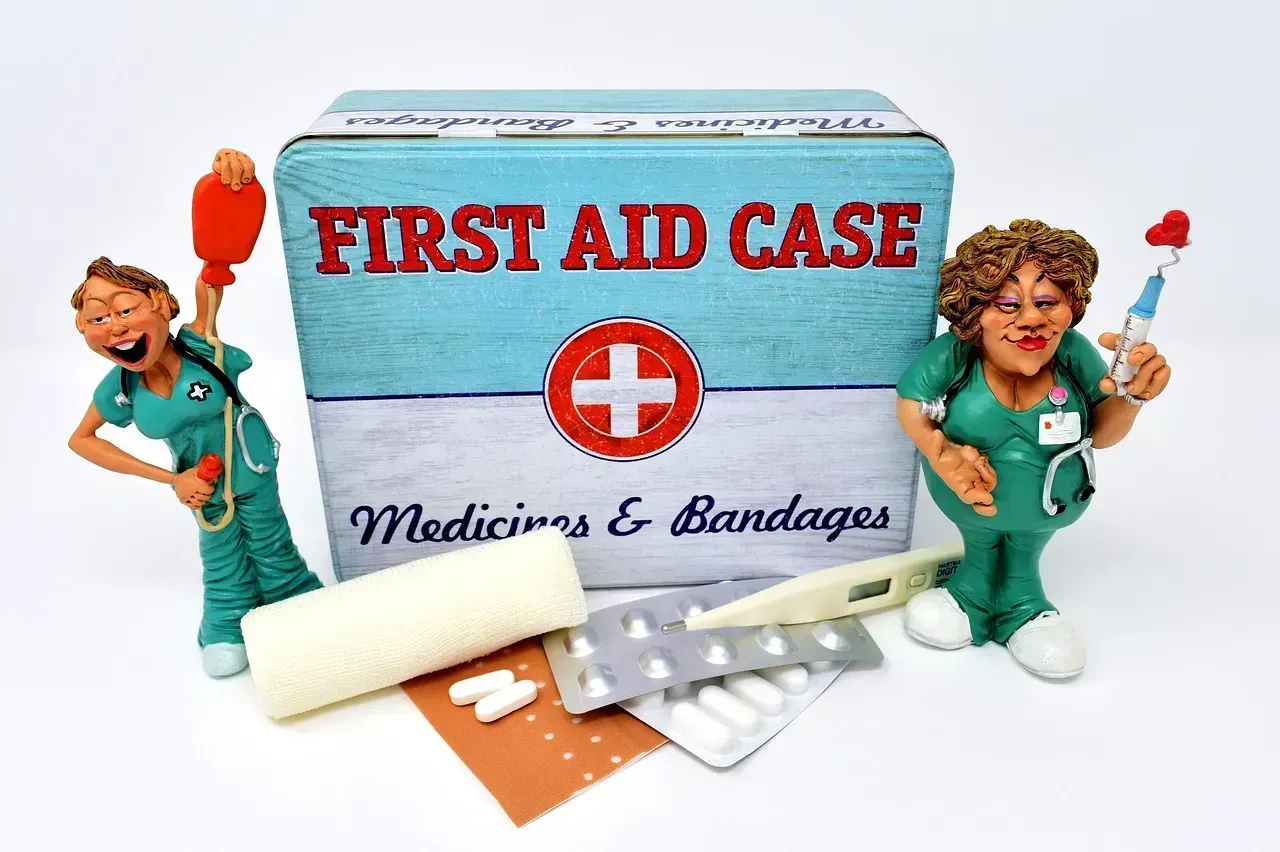
A first aid kit is one of those things that feels complete the moment you buy it and then slowly becomes outdated without anyone noticing. Apart from food and water, first aid supplies also have expiration dates. A first aid kit’s shelf life depends on the individual products inside, and you should generally switch out items after 3 to 5 years unless indicated otherwise. Ointments, medicines, and sterile equipment like gauze and bandages can become unsafe after expiration. Pull everything out, lay it flat, and check each item individually.
Include prescription medications you take every day, such as insulin, heart medicine, and asthma inhalers. You should periodically rotate medicines to account for expiration dates. Keeping a piece of paper in the front of your emergency bag that lists the expiration dates of food and water, as well as first aid supplies and hygiene products, allows you to quickly identify which products have an approaching expiration date, and makes it easier to inspect each item and ensure it hasn’t been damaged or opened. This simple organizational step takes about ten minutes and can make a serious difference.
Test Your Power Sources and Communication Tools
Power outages are one of the most predictable consequences of major storms, yet many Americans remain deeply underprepared for them. Fewer than one in five homes feature a backup power source, and this is becoming increasingly necessary as growing demands on outdated electrical grids make blackouts and brownouts more frequent. Before a storm season begins, test every battery-powered device in your kit, replace old batteries, and make sure your flashlights, radios, and portable chargers are all functioning.
Your emergency communication plan should include extra cellular phone charging devices and batteries, as well as additional communication tools: an AM/FM radio and a NOAA Weather Radio with additional batteries are recommended. Text messages often work best during emergencies, as they can get around network disruptions when phone or voice communications are down. Test your weather radio specifically, check that it receives local alerts correctly, and make sure every family member knows how to use it. Don’t wait until the storm is two hours away to figure out the device has dead batteries.
Update Your Documents and Family Emergency Plan
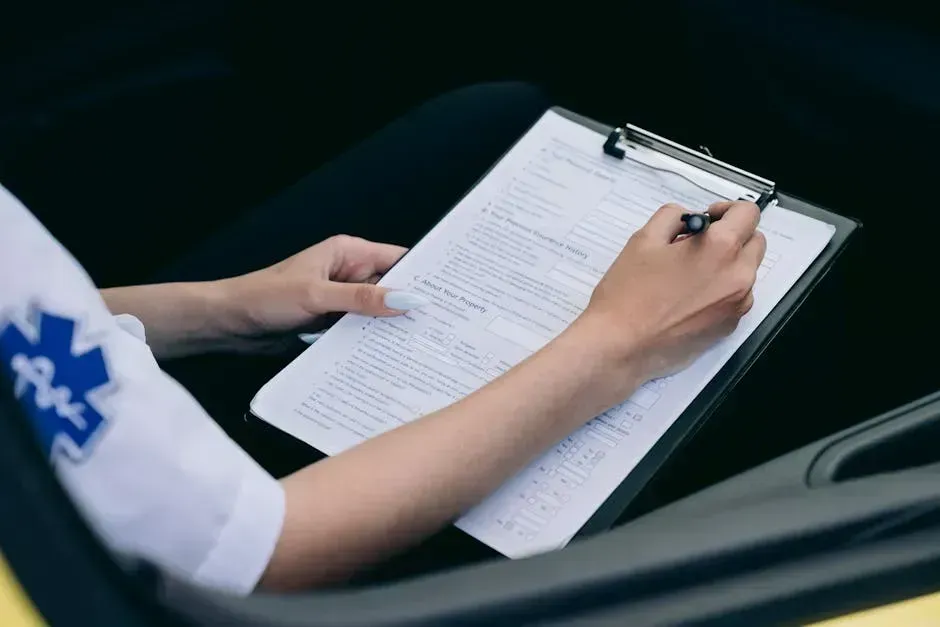
Physical preparedness is only half of the equation. Having a working plan and the right documents protected and accessible is equally essential. Prior to a storm or evacuation, collect and store your critical paperwork in a waterproof storage bag or container. Storing a password-protected backup of your records on a virtual cloud service is also recommended. Insurance policies, passports, medical records, and bank documents should all be part of this protected package, reviewed and updated at least once a year.
The most common actions people take to prepare for a disaster are assembling or updating disaster supplies and making a plan, while the least common actions are planning with neighbors and getting involved in their community. That final point matters more than most people realize. Sitting down with your family or friends to decide how you’ll contact each other, where you’ll go for safety, and what you’ll do during and after the storm converts a loose collection of supplies into an actual survival strategy. Review that plan before every storm season, update emergency contacts, and confirm that everyone in the household, including children and elderly members, knows exactly what to do and where to go when the alert comes.
