

There’s a moment most travelers know well – you’ve booked the resort, paid for the flights, and started counting down the days. Then you watch the weather maps and realize a storm is forming, and it’s heading right where you planned to go. That happened to me one too many times before I started seriously rethinking my destination choices. The data behind those decisions is more sobering than most vacation planners want to admit, and the trends are moving in the wrong direction fast.
The 2024 Hurricane Season Was a Wake-Up Call
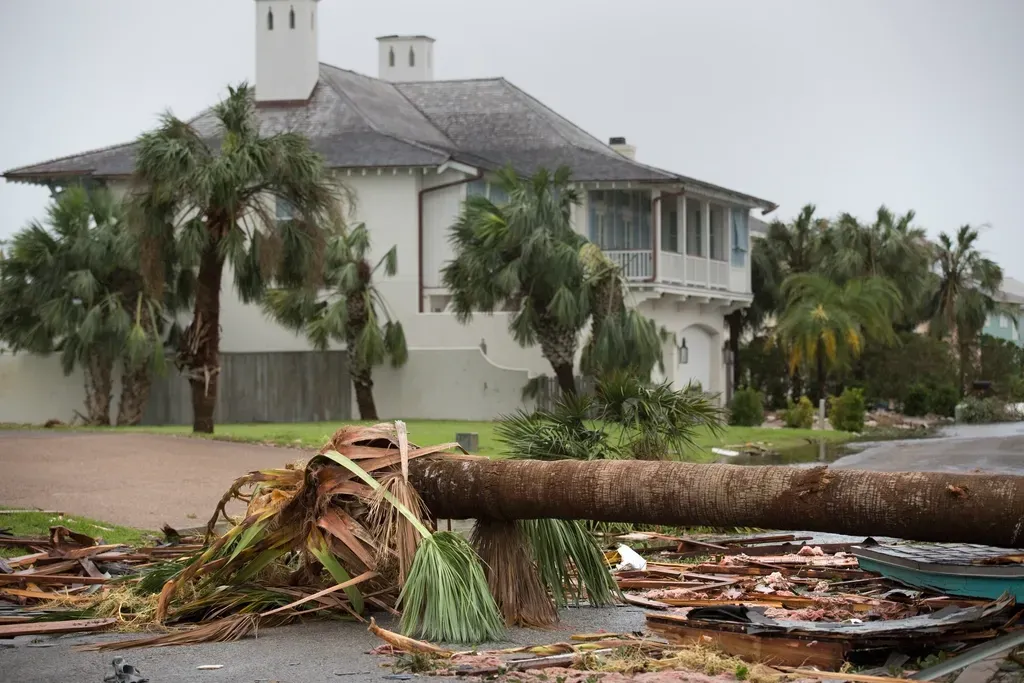
The 2024 Atlantic hurricane season produced 18 named storms, 11 hurricanes, and five major hurricanes, classified as Category 3 or higher, marking the ninth consecutive above-average season for the Atlantic basin. That streak is not a coincidence, and it is not something travelers can simply plan around with flexible booking policies. The cyclones of the 2024 Atlantic hurricane season collectively caused about 442 fatalities and at least $131 billion in damage, making it the third-costliest on record, behind only 2017 and 2005.
Helene’s impact and number of fatalities were the greatest seen in the U.S. since Hurricane Katrina almost two decades ago. Among the standout storms was Hurricane Beryl, which made history as the earliest Category 5 hurricane ever recorded in the Atlantic basin, striking in July and leaving widespread devastation across the Caribbean. For travelers who had booked summer getaways to the region, those records meant disrupted flights, shuttered resorts, and in the worst cases, genuine danger. The season was a stark reminder that “peak season” and “hurricane season” overlap in ways that brochures rarely advertise.
The Financial Damage to Tourism Destinations Is Enormous
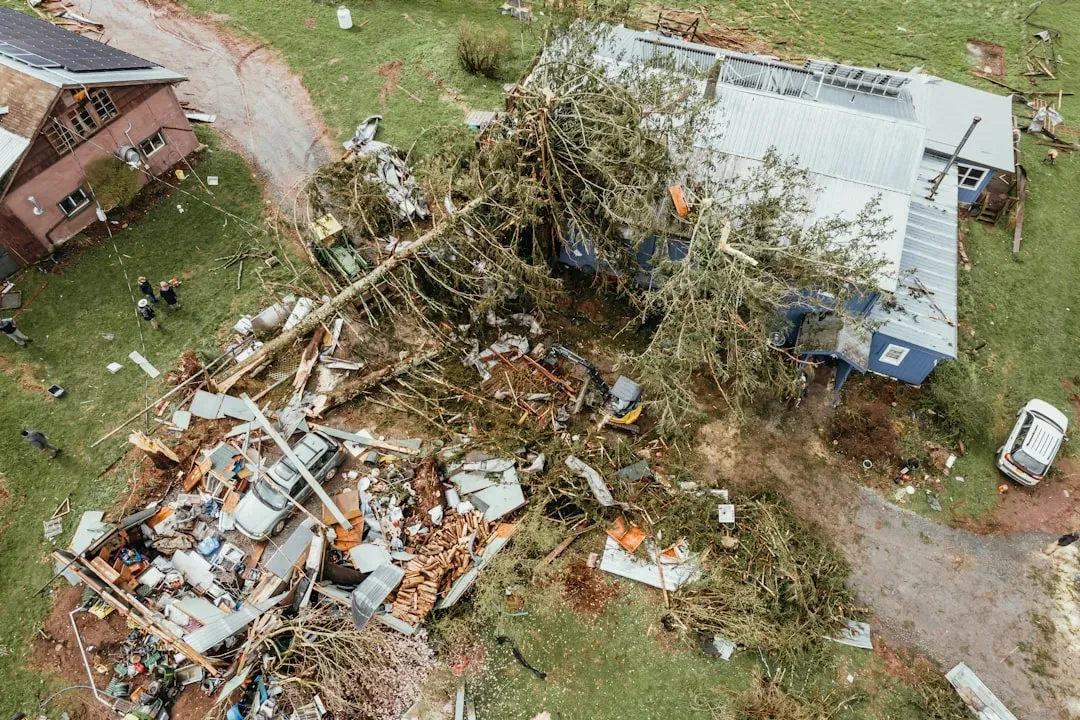
Western North Carolina’s tourism industry brings in nearly $7.7 billion in visitor dollars each year, and with roads, the electric grid, and other basic infrastructure shredded by Hurricane Helene, it was not clear when tourism would be able to resume, with nearly all major attractions in affected counties shuttered. That collapse in a region that had nothing to do with coastlines or beach resorts illustrates just how far-reaching hurricane destruction can be. Initial estimates indicate that economic losses to the tourism sector due to Helene could exceed $600 million, with the hurricane causing thousands of tourists and residents to evacuate and significant damage to key infrastructure such as airports, roads, and resorts.
Of the 403 billion-dollar weather disasters since 1980, tropical cyclones have caused the most damage, over $1.5 trillion total, with an average cost of $23 billion per event, and they are also responsible for the highest number of deaths, 7,211 since 1980. The situation has severely impacted local economies, especially coastal areas that depend on tourism as their main source of income. Florida, for instance, is one of the most popular tourist destinations in the world, with millions of annual visitors generating approximately 15% of the state’s GDP. When a major hurricane hits, that revenue pipeline can shut down virtually overnight.
Storms Are Getting Stronger, Faster, and Less Predictable
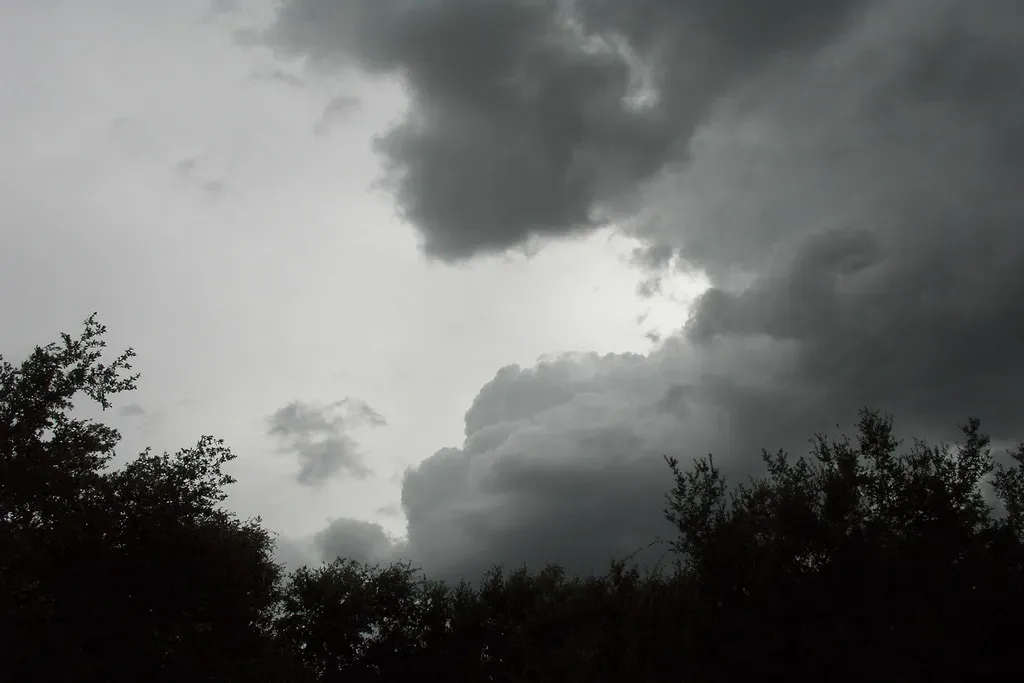
Climate change caused the maximum wind speeds generated by roughly 80% of Atlantic Basin hurricanes from 2019 to 2023 to intensify by an average of 18 miles per hour, fueled by sea surface temperatures made higher by human-caused global warming. Thirty hurricanes out of 38 in the study reached intensities roughly one category higher on the Saffir-Simpson Hurricane Wind Scale compared to their expected strength in an environment without influence of human-caused climate change. That means a storm you thought was a manageable Category 2 can become a devastating Category 3 before it reaches your destination. Storms that rapidly intensify are more difficult to forecast and can take communities by surprise if they haven’t evacuated or prepared appropriately for the level of the storm.
According to hurricane scientist Kieran Bhatia, in the 36-year period from 1982 to 2017, seven Atlantic storms intensified by 35 mph or more in the 24 hours leading up to a mainland U.S. landfall. In just the past seven years, from 2018 to 2024, seven more storms achieved this feat. That represents a factor-of-five increase in frequency during that short span. Hurricane Milton rapidly intensified by 120 miles per hour in less than 36 hours over waters whose temperatures were made 400 to 800 times more likely by climate change, and those record-setting temperatures would be virtually impossible without the influence of carbon pollution. These are not fringe events anymore. They are the new normal.
The Caribbean’s Tourism Economy Hangs in a Precarious Balance
Tourism is dominant in the Caribbean, which is in fact the most tourism-penetrated region in the world, with travel and tourism reported to be the major earner of foreign exchange in nearly all of the Caribbean islands. The region’s entire economic foundation rests on visitors showing up. The Caribbean is more dependent on tourism to sustain livelihoods than any other region of the world, and its tourist industry is highly susceptible to damage from natural hazard events, since tourism is essentially based on coastal lines where the most valuable infrastructure is concentrated and where the tourist population is drawn.
Declines in visitation often spread to neighboring areas, even when they are not impacted by the event, as demonstrated by the dramatic downturn in tourism in the Caribbean region following the devastating hurricane season in 2017. Up to 95% of residences on Petite Martinique were destroyed or severely damaged by Hurricane Beryl in 2024, and recovery timelines stretch far beyond what most travelers realize. The reputation of an entire island group can suffer for years after a single devastating storm, as travelers redirect their bookings to safer destinations and the local workforce endures prolonged economic hardship.
Traveler Behavior Is Shifting, But Not Fast Enough
It is becoming increasingly risky to travel to destinations highly exposed to climate stressors. A tropical storm can disrupt transportation, power, and water supplies in coastal areas, and travelers risk not only losing a lot of money if their trip is delayed or canceled, but also face genuine danger if there is no way to leave the area. Research is beginning to show that travelers are factoring this in, even if slowly. A significant portion of Outer Banks visitors surveyed indicated they would travel elsewhere if they could not reach the region due to coastal hazards, with 48% responding that they would go to another beach outside of North Carolina, and studies have found that some tourists are more likely to cancel their trips, seek safer destinations, or change the timing of their trips in response to climate change.
In 2025, Bermuda saw a 1.9% year-over-year decline in total air visitor arrivals, with the softer demand particularly from August through early November influenced by unusually high storm activity that led to flight cancellations. Momentum remained steady until August, when the effects of regional storm activity impacted traveler confidence, even if the storms didn’t directly hit Bermuda. This illustrates a key point: the psychological ripple effect of hurricane activity reaches far beyond the storm’s actual path. Travelers don’t need to be directly in harm’s way to lose confidence and pull back their bookings.
Travel Insurance Helps, But Has Real Limitations You Must Know

Most standard trip cancellation travel insurance policies cover hurricanes and tropical storms, but you need to ensure the policy includes hurricane and weather coverage, and critically, the plan must have been purchased before the storm was officially named. It is a good idea to review the coverages and read the fine print before purchasing a travel insurance policy. The fine print matters enormously here. Once a hurricane has been named, trip cancellation and interruption losses resulting from that hurricane are excluded from the coverage of the policy.
If you simply feel uneasy about traveling during hurricane season, Cancel For Any Reason coverage gives you the flexibility to cancel and receive partial reimbursement of up to 75% of your trip cost, though it has strict eligibility rules, typically must be purchased within 14 to 21 days of your initial trip payment, and you must cancel at least 48 hours before departure. With travel costs trending higher in 2025, skipping insurance could lead to even greater financial loss. The honest truth is that even the best travel insurance policy cannot recover lost vacation days, interrupted honeymoons, or the stress of evacuation orders. The financial safety net helps, but it never fully replaces the trip you planned.
