
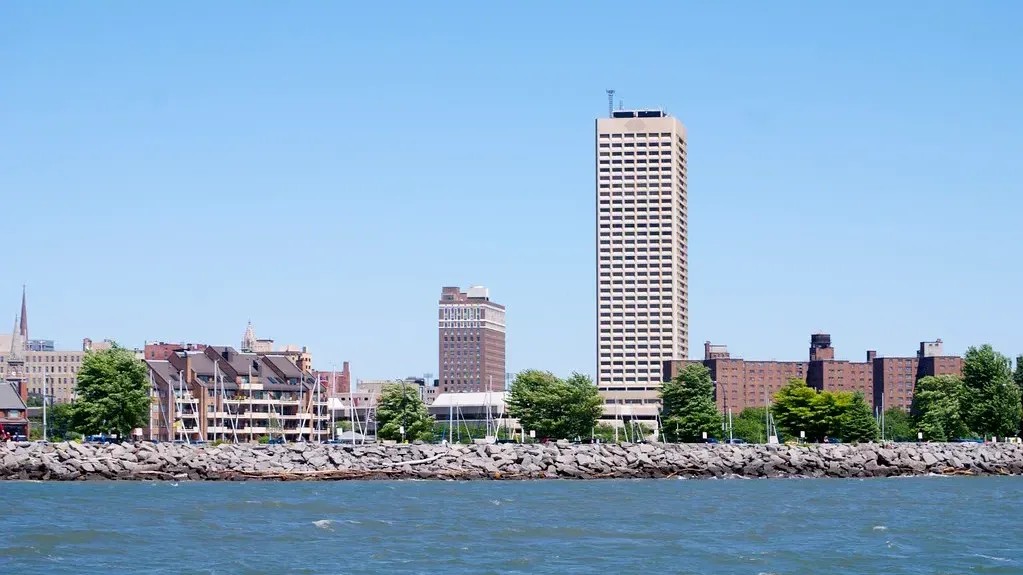
Climate anxiety is real, and it is reshaping the way millions of Americans think about where they live. Wildfires swallowing entire California neighborhoods. Hurricanes battering the Gulf Coast year after year. Extreme heat turning parts of the Southwest into something that feels almost uninhabitable. It is enough to make anyone start Googling “where should I actually move?”
So I did something admittedly a little unscientific but genuinely fascinating. I asked ChatGPT to walk me through which American regions have the strongest case for becoming climate safe havens. I then went down a rabbit hole of real research, government reports, and expert analysis to see how well those answers held up. Some of what I found was reassuring. Some of it was a cold splash of water. Let’s dive in.
The Scale of the Problem Is Already Staggering
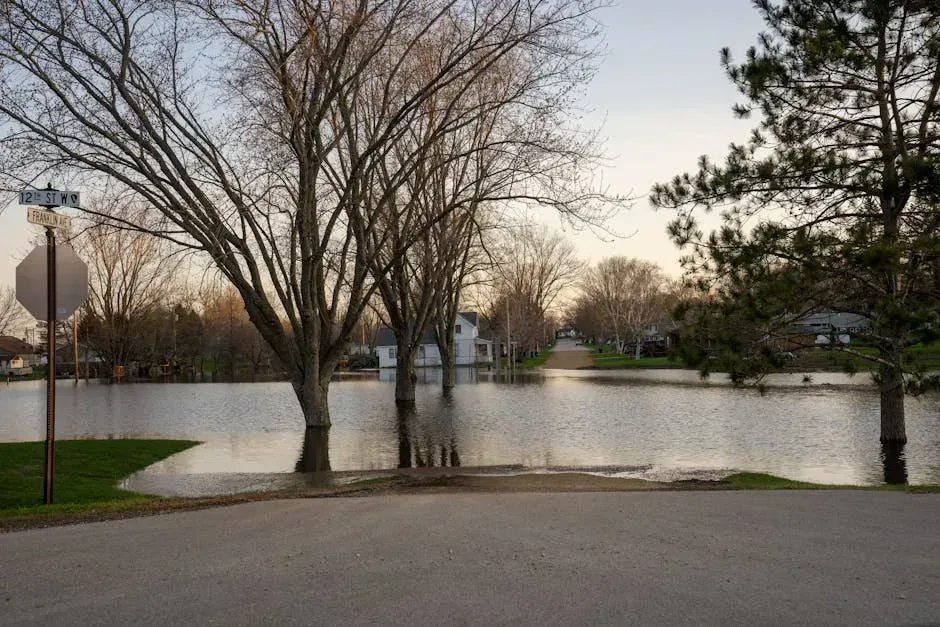
Before you can understand where people might flee to, you have to grasp how many are already fleeing. About 3.2 million Americans have moved due to the mounting risk of flooding, according to the First Street Foundation, which focused on so-called “climate abandonment areas” where local populations fell between 2000 and 2020. That number is not a projection. That is already done. Already real.
Climate-driven natural disasters like wildfires, hurricanes, and floods – which have all grown more frequent, intense, and destructive this century – now force two to three million Americans from their homes annually, and Census Bureau surveys indicate that many displaced people are choosing to permanently relocate out of harm’s way. Think about that for a second. That is roughly the population of Chicago being uprooted every single year.
As extreme weather continues to intensify, that number is likely to grow: in a recent national survey, nearly one in three Americans cited climate change as a motivation to move. This is no longer a fringe conversation happening in environmental circles. It is a mainstream, kitchen-table concern.
The Great Lakes Region: America’s Best Freshwater Bet
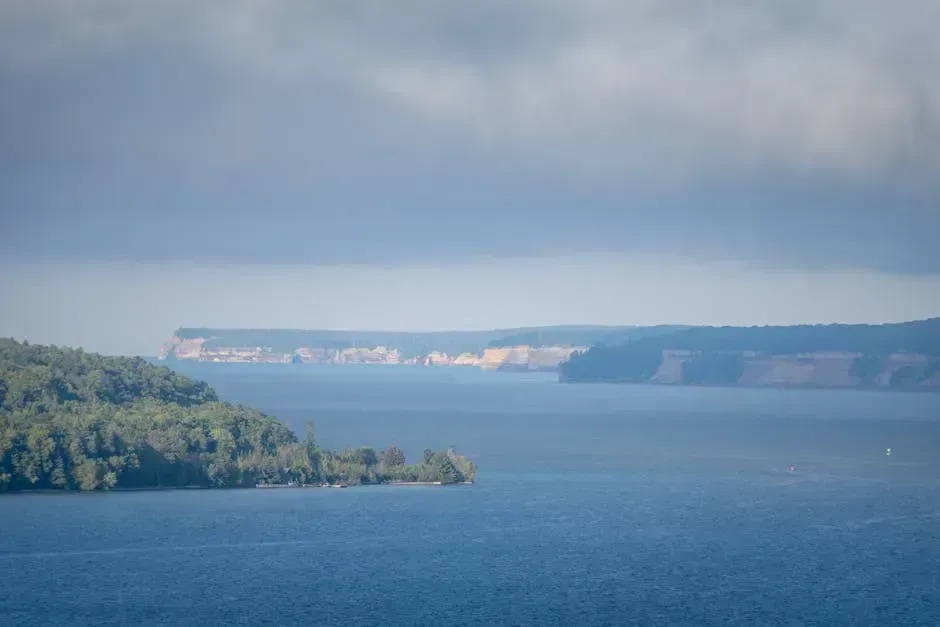
Here is the thing that genuinely surprised me when I dug into the data. The single most repeated name that came up across research institutions, climate scientists, and urban planners was not some coastal paradise or mountain retreat. It was the Great Lakes region. The Great Lakes contain roughly ninety percent of North America’s freshwater supply, and Michigan’s two peninsulas offer lower temperatures and vast swaths of undeveloped land.
Researchers have pointed to the Great Lakes region, and Michigan in particular, as a destination for people seeking to escape the storm-ravaged Southeast or the parched Southwest. The Midwest holds special appeal with its abundant fresh water, cooler summers, and comparatively little risk from hurricanes and wildfires. Water, honestly, is the variable most people forget about until it disappears.
Sixteen academics and scientists interviewed by MLive all deemed Michigan’s Great Lakes region a climate haven, and internationally renowned researcher Parag Khanna thinks the Great Lakes, and Michigan in particular, will be the best place to live by 2050. That is a bold claim, but the freshwater argument behind it is hard to argue with.
Buffalo, New York: The Rust Belt’s Unexpected Rising Star
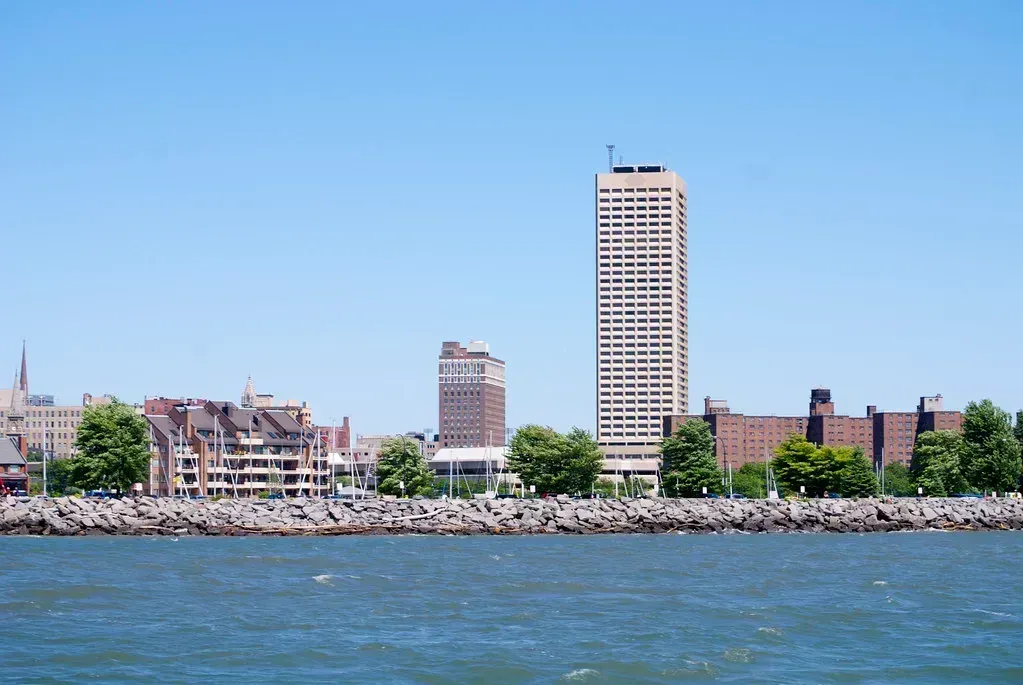
If someone had told you ten years ago that Buffalo, New York would be considered one of America’s most desirable relocation destinations, you might have laughed. Let’s be real – Buffalo is famous for snowstorms, not sunshine. Yet here we are. Starting in 2019, the city began championing itself as a “climate haven” to lure climate-weary populations from the south. Other benefits Buffalo highlights include its location on the shores of Lake Erie, which provides the city with water security and a much smaller likelihood of intense droughts.
According to Zillow, Buffalo has been the single hottest housing market in America from 2023 to 2025. That is not coincidence. The housing market is literally pricing in people’s fear of climate disruption and their search for relative stability. It is like watching a slow migration in real time through property values.
The region is positioned to do better than many others, thanks to access to ample water reserves in Lake Erie, which can help it avoid drought. While the city does see a lot of snow, temperatures in Buffalo remain pretty stable for the rest of the year. Stable is the operative word. In a world of climate extremes, boring and stable is starting to sound genuinely luxurious.
Duluth, Minnesota: The City That Planned Ahead
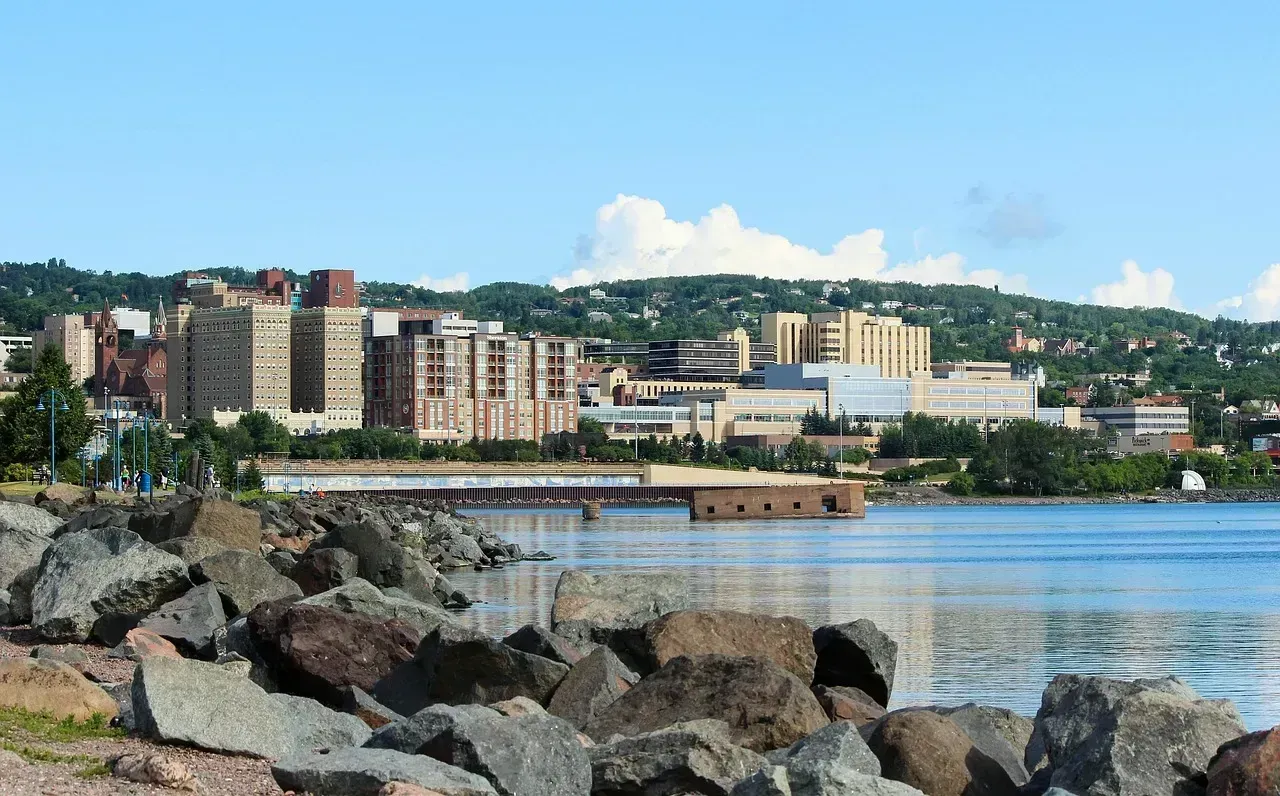
Duluth, Minnesota sits at the western tip of Lake Superior, and it has arguably done the most deliberate long-term planning of any American city positioning itself as a climate haven. Old industrial northern cities, from “Climate-Proof Duluth,” Minnesota, to Burlington, Vermont, are billing themselves as “climate havens” in an effort to lure newcomers and revitalize their economies. The branding is intentional and it is backed by actual policy.
Duluth even got its own New York Times article which showed that under high warming scenarios, by 2080 its climate would probably look like that of present-day Toledo, Ohio, which enjoys a summer heat maxing out in the mid-80 degrees Fahrenheit. For a city currently known for frigid winters, that is practically a selling point. Meanwhile, Phoenix is dealing with temperatures that broke records multiple summers in a row.
Warming winters, ample reserves of fresh water, and forests not prone to wildfire are ecological benefits that could attract millions of new residents to the Great Lakes and reverse decades of slow population growth. For a region that spent decades watching young people leave for warmer climates, the tables are beginning to turn in a deeply ironic way.
Madison, Wisconsin and the Inland Midwest Corridor
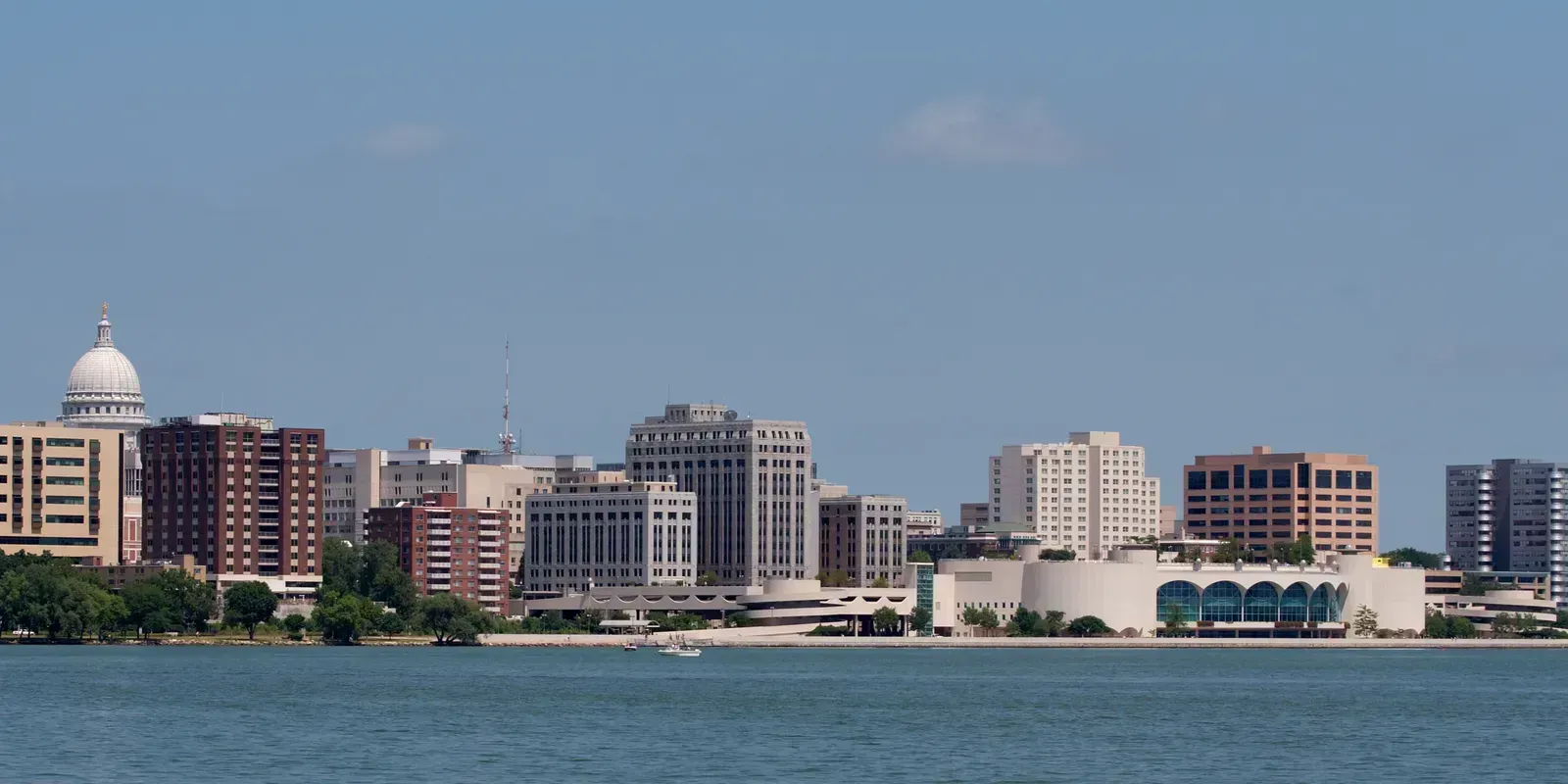
Madison, Wisconsin keeps appearing on almost every credible climate haven list, and the reasons make genuine scientific sense. The Great Lakes are at the center of Madison’s claim to fame as a climate haven. The massive waterways help keep temperatures down while also providing the region with plenty of moisture, which can prevent wildfires. Fire risk is one of the most underappreciated factors people forget to consider when they think about climate safety.
Madison’s lakes, bike paths, and renewable energy programs create a resilient urban ecosystem. It is not just geography doing the work here. Policy and infrastructure investment matter enormously. A city surrounded by natural buffers but without the governance to maintain them is still vulnerable. Madison gets both sides of that equation reasonably right.
Still, honestly, it is not all rosy. Purported climate havens like Minneapolis, Duluth, Ann Arbor, and Madison, Wisconsin, will see some of the greatest temperature increases in the country in the coming decades. Residents of Michigan and Wisconsin also face some of the longest power outages in the country. The infrastructure vulnerabilities are real and they cannot be waved away with optimism alone.
Vermont and New England: The Northeast’s Quiet Case
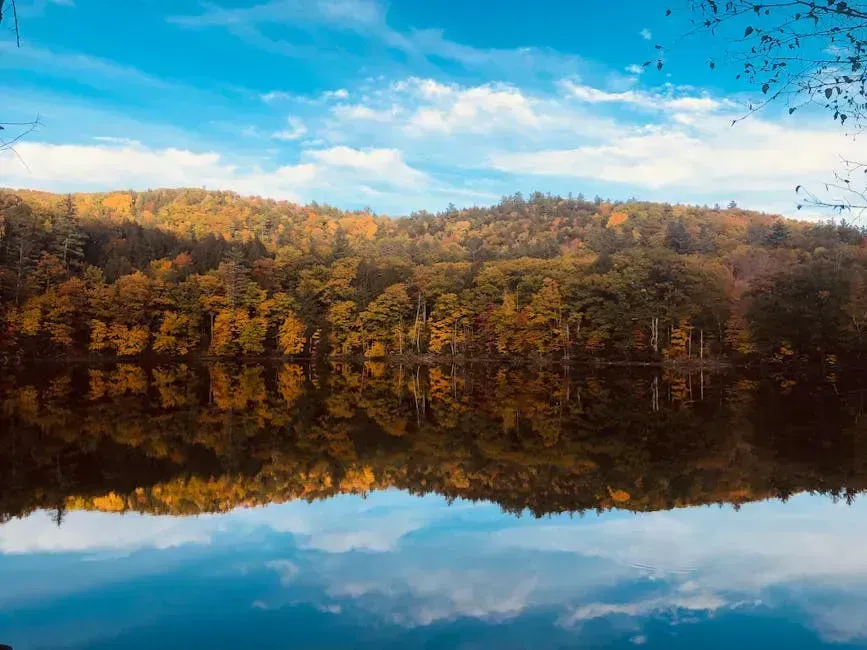
The Northeast offers better prospects, particularly Vermont and New Hampshire, which rank as the two safest states from climate change. Vermont stands out as a haven, free from wildfires, extreme heat, and hurricanes. That three-part combination is genuinely rare in American geography, and it is worth taking seriously.
Vermont’s Resilience Implementation Strategy, released in September 2025, builds on the work already being done by state government to adapt to the changing climate, evaluate and address gaps in current services, and identify strategic funding priorities. This is not just politicians talking. Vermont has put real institutional architecture behind its climate resilience work.
The honest caveat, though, is significant. In 2023 and 2024, Vermont experienced 28 federally declared disasters across all 14 counties, causing over 300 million dollars in losses for its farming and forestry sector. Even a state ranked among the safest is not immune. The lesson here is that “safer” and “safe” are not the same word.
The Rust Belt Resurgence: Cleveland, Pittsburgh, and Cincinnati
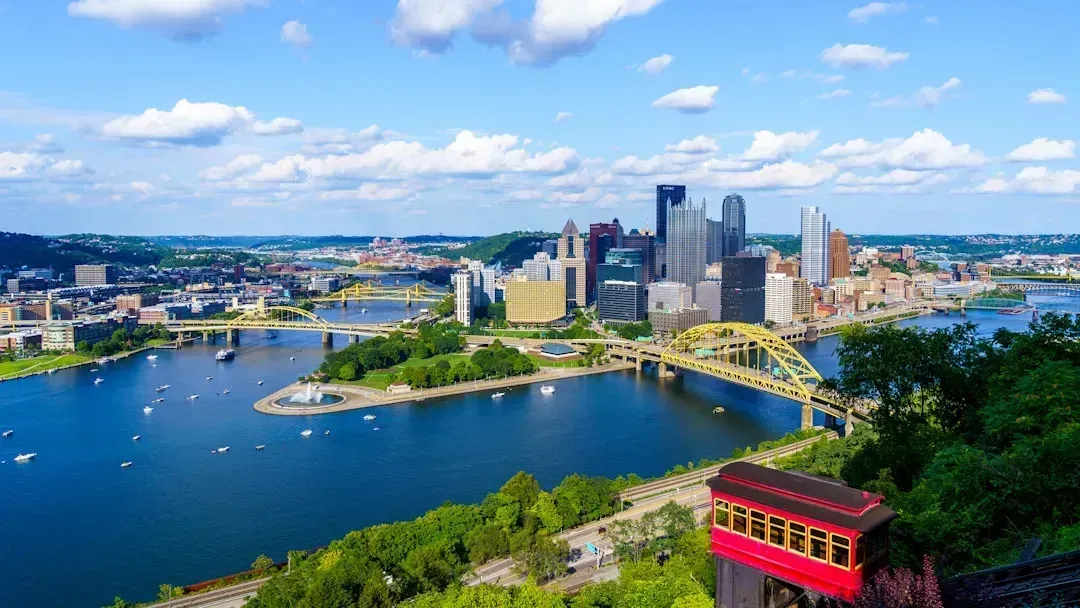
America’s Rust Belt has emerged as the geographic focal point in a growing conversation about how the nation’s demography will shift, as places like Phoenix, Dallas, and Miami experience ever deadlier weather that threatens to destabilize housing markets and jeopardize entire industries. The irony here is delicious. Cities that were written off as dying industrial relics may be the ones that end up inheriting a more stable future.
Climate migrants could move from the southeast coast to inland southern cities such as Atlanta and Charlotte. These communities are sometimes called “safe harbors” – cities in a climate-vulnerable region that nonetheless continue to grow as people relocate from smaller or more at-risk places close by. As the South becomes hotter and more climate-vulnerable, migrants could relocate over greater distances to more resilient regions such as the Midwest and its legacy cities like Duluth and Cincinnati.
Pittsburgh specifically keeps coming up in climate migration research as a city with underutilized capacity, reasonable water access, and existing urban infrastructure that could absorb new arrivals. It is the kind of place that could genuinely transform if it gets the planning right. The question, as always, is whether the planning actually happens.
The Asheville Warning: When “Safe Havens” Get It Wrong
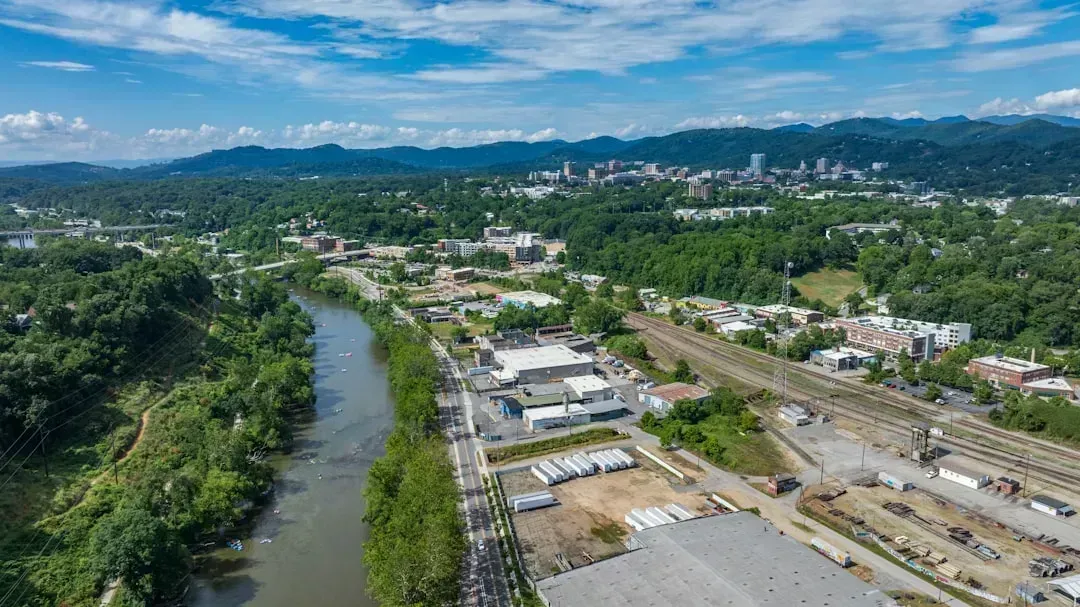
No article on this topic would be honest without addressing the Asheville, North Carolina story, and it is genuinely sobering. In September 2024, Hurricane Helene flooded the mountain town of Asheville, which had once been called a climate haven, a place less prone to the toll of climate change. The destruction was catastrophic, and it shook the entire climate haven framework to its core.
The flooding in Asheville from Hurricane Helene in 2024 highlighted that even widely recognized receiving zones are still vulnerable to extreme events. The history of post-disaster redevelopment in America suggests that, in a place like Asheville, the floods will likely be a catalyst for a post-development landscape that is spatially concentrated, built to a higher performance standard, and less affordable. Displacement often follows displacement.
This is not a reason to abandon the concept of safer regions entirely. It is a reason to hold the concept with far more nuance. A climate haven is a city or region projected to experience fewer and less severe impacts from climate change compared to other parts of the world. These locations combine favorable geography, stable weather patterns, and strong social and economic systems to offer relative safety and long-term resilience. While no place is entirely immune to climate disruption, climate havens are expected to remain habitable, resource-secure, and economically viable even as conditions intensify elsewhere.
The Infrastructure Problem Nobody Wants to Talk About
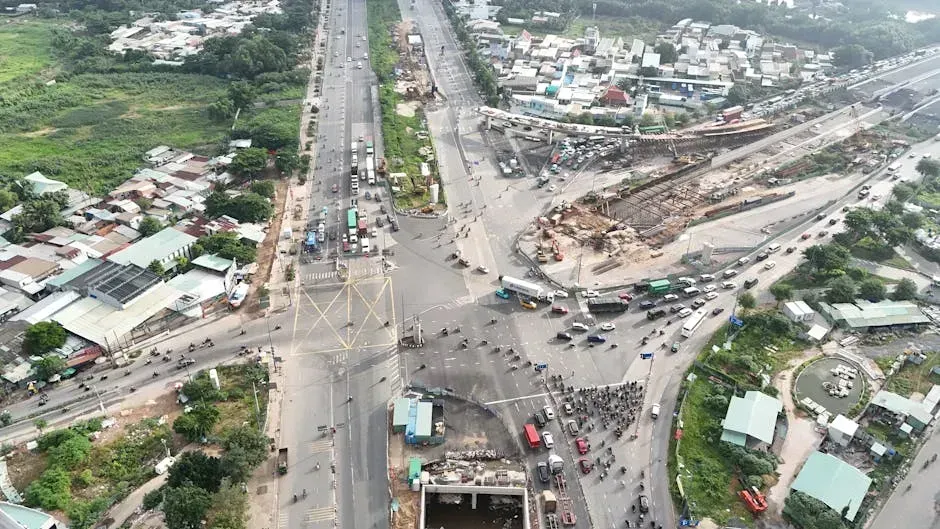
Here is what gets glossed over in a lot of the optimistic climate haven coverage. Even the best-positioned regions are woefully underprepared for the people who might arrive. These potential climate havens need to actually prepare to receive more residents in a sustainable and equitable way. Steps cities can take include passing housing policies to guard against gentrification, planning for climate impacts that will still occur such as increased flooding in the Midwest, and reducing emissions through promoting renewable energy, public transit and denser housing.
Receiving communities, whether safe harbors or climate havens, are largely unprepared for new arrivals. Many of these cities currently underinvest in housing, infrastructure, and other public needs, and population growth could easily lead to overcrowding, gentrification and displacement, and economic insecurity. Think of it like inviting ten families to a dinner party designed for two. Good intentions do not automatically create good outcomes.
Rent spikes, strained water resources, overloaded public transit systems – all of these are byproducts of unmanaged climate migration. The regions most likely to attract climate migrants need to start planning for that reality right now, not after the arrivals begin. The window for proactive preparation is already closing.
No Place Is Truly Safe – But Some Places Are Genuinely Better
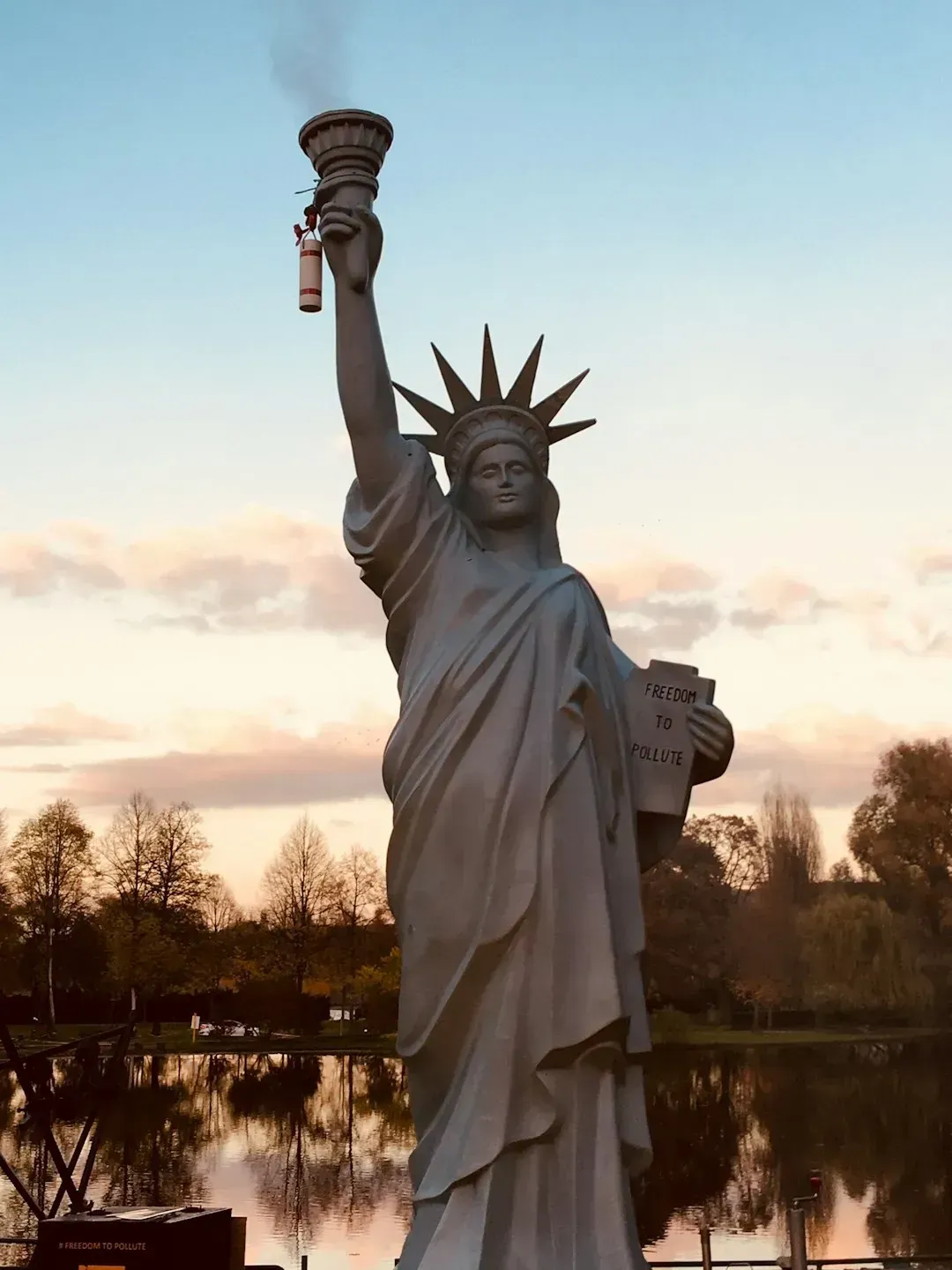
After all this research, I think the most honest answer to the question of American climate safe havens is this: the concept is real, the geography is meaningful, but the marketing often outpaces the preparation. The idea that any one place in any nation is more resistant or more resilient to forces that are global in nature is clever marketing and nothing else. The message might make people feel better by letting them believe they can just escape the climate crisis by moving to a different city. That critique has genuine weight.
What extreme fire risk, extreme drought, and extreme heat will all generally mean is that the population of the United States is likely to shift towards cities and generally towards the North and the Northeast in a long-term climate migration pattern. That broad directional shift is supported by multiple independent lines of research. The North is not perfect. It is just comparatively less bad, and in climate science, that difference matters.
The Fifth National Climate Assessment makes it clear that vulnerability is often created by city planning choices. Climate havens may not be something nature hands us, but something we have to build ourselves. That framing feels exactly right to me. The safest American regions in 2050 will not just be the ones with the best lakes or the coolest summers. They will be the ones that made the right decisions, right now, while there was still time to make them.
Conclusion
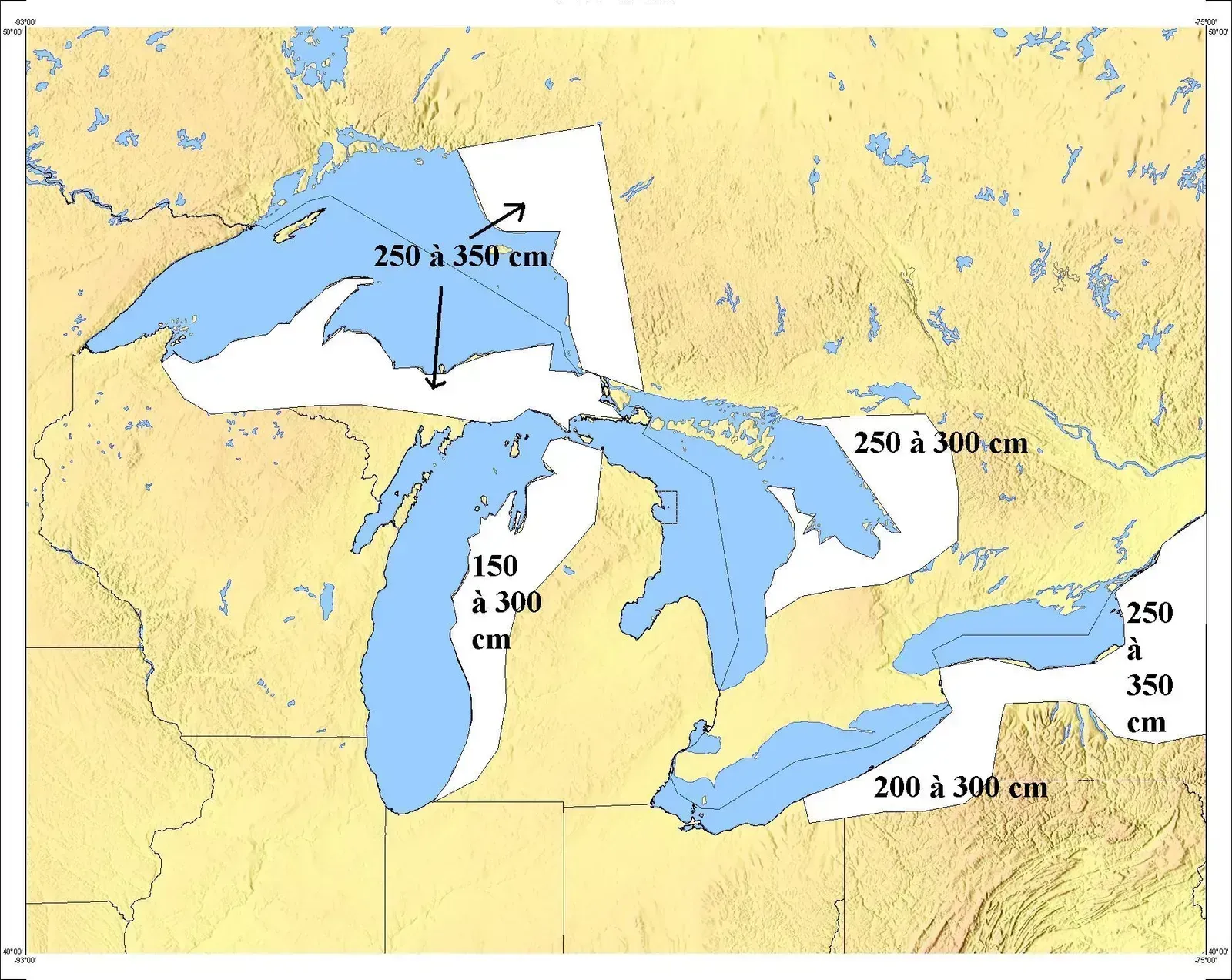
What started as a curious conversation with an AI turned into one of the more grounding exercises in climate reality I have experienced in a while. The Great Lakes, the inland Midwest, parts of the Northeast – these regions have real, data-backed advantages. The freshwater alone is something that will become almost unimaginably valuable in the decades ahead. Very few places tick all the boxes the way the U.S.-Canada border region in general and the Great Lakes in particular do, given the freshwater supply and other advantages.
The uncomfortable truth is that no ZIP code is a guaranteed safe harbor, and before packing bags to head to any of these supposed climate havens, it is worth remembering that millions of other U.S. residents are looking for the same thing, and none of these regions currently has the infrastructure to support them all. That tension between relative safety and absolute preparedness is the central challenge of climate migration in our era.
The question worth sitting with is not just “where should I move?” It is “what kind of communities are we willing to build, and who gets to live in them?” What do you think – did any of these regions surprise you? Share your thoughts in the comments below.

- I Asked ChatGPT Which American Regions Could Become Climate Safe Havens – The Results Surprised Me - March 23, 2026
- El Niño 2026: NOAA Warns of Record Global Heat and Extreme Storm Shifts - March 22, 2026
- The 10 Most Influential Climate Policies Ever Proposed – By Experts Few People Recognize - March 22, 2026
