

- I Asked ChatGPT Which Coastal Cities Are Most Vulnerable to Sea-Level Rise – Here’s What It Found - March 28, 2026
- Green AI Launch: UNESCO unveils toolkit to slash AI energy use by 90% by 2030 - March 27, 2026
- The No-Go List: 12 Destinations Climate Experts Say May Not Be Sustainable Long-Term - March 27, 2026
The oceans are rising. Slowly, steadily, and now – according to the latest data – faster than many scientists expected. It’s easy to see sea-level rise as a distant, abstract problem. Something for the next generation to worry about. But the numbers coming out of NASA, NOAA, and peer-reviewed journals in 2024 and 2025 tell a very different story.
I put the question directly to ChatGPT: which coastal cities are most at risk? The answers were backed by real research, specific figures, and in some cases, alarming projections already unfolding right now. Be ready to rethink what you thought you knew about geography, risk, and just how soon the water is coming.
The Numbers Are Already Shocking – And Getting Worse
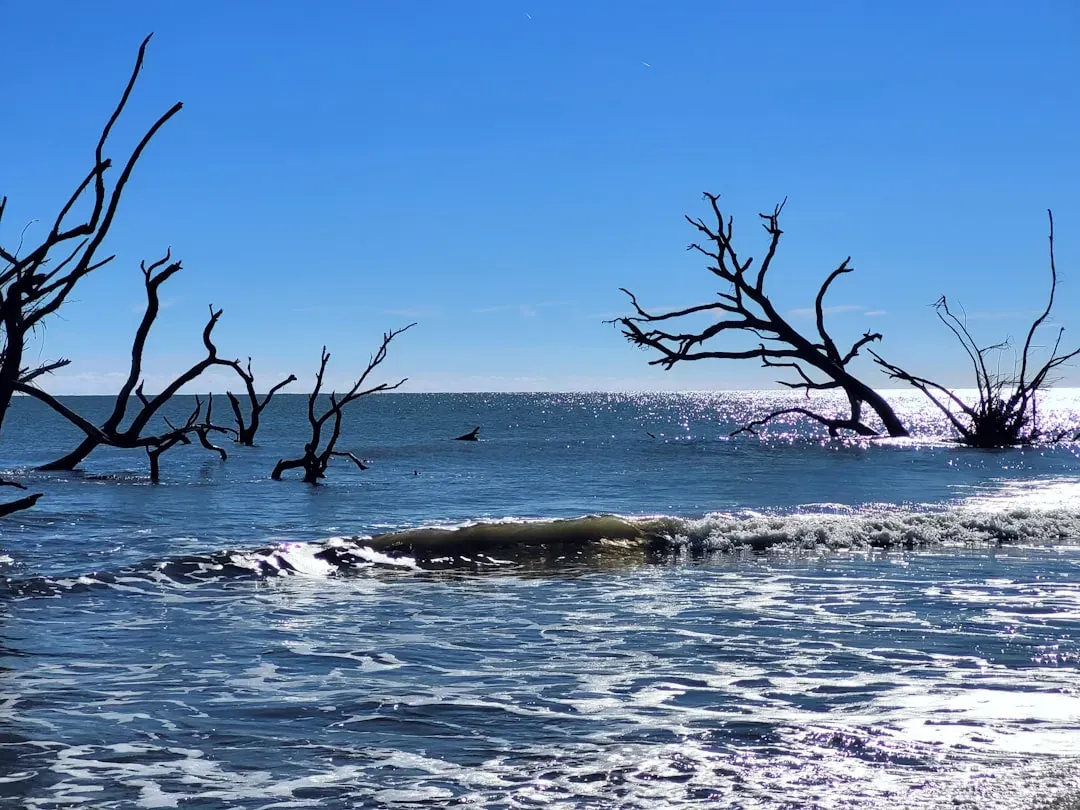
Before we get to the cities themselves, let’s talk about the baseline. Global average sea level has risen roughly 8 to 9 inches since 1880. That alone is staggering. But here’s where it gets truly alarming: the pace is accelerating dramatically.
The rate of sea level rise was about 2.1 mm per year in 1993 and doubled to 4.5 mm per year by 2024. Think of it like a car speeding up on a highway with no brakes. According to a NASA-led analysis, 2024’s rate of rise was 0.23 inches per year, compared to the expected rate of 0.17 inches per year.
Global sea level rose 0.59 cm in 2024 relative to 2023, reaching a total increase of 10.5 cm over the 31-year satellite record, and over 40% of the ocean reached its highest annual sea level value in 2024. These are not projections. These are measured facts.
Jakarta, Indonesia – A City Already Losing the Battle

Honestly, no city on Earth illustrates the sea-level crisis more viscerally than Jakarta. In northern Jakarta, close to 90 percent of the metropolitan region already lies below sea level, and more than 60 percent of the city’s 10.6 million residents are vulnerable to flooding.
The problem is twofold. Jakarta is especially susceptible to sea level rise since it is also experiencing one of the fastest land subsidence rates in the world. The digging of illegal wells is deflating the city from below, while the crushing weight of urban sprawl adds additional pressure, causing land to sink by 20 to 25 cm a year in certain areas of North Jakarta.
As of late 2025, sea levels at North Jakarta’s coast now stand higher than the surrounding land, and Jakarta’s coastline is visibly sinking below sea level. Indonesia has even started building a new capital city, Nusantara, on the island of Borneo – a move that signals just how serious officials believe the situation is.
Bangkok, Thailand – One Step Above the Ocean
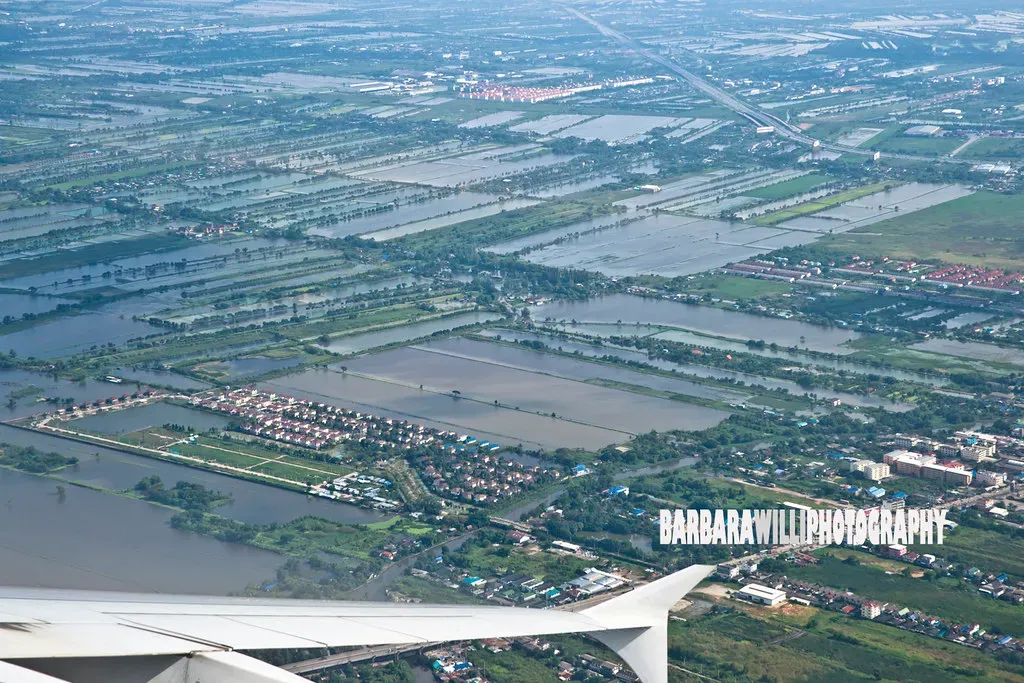
Bangkok may be the single most sobering entry on this entire list. Sea level rise projections put Thailand’s capital as the world’s most vulnerable city, and the low-lying metropolis has an average elevation of just 1.5 metres above sea level. That is the kind of margin that keeps climate scientists up at night.
Subsidence, which is the sinking of land due to groundwater extraction or soil compaction, has dramatically worsened the effects of sea level rise in Bangkok. Much like Jakarta, the city is going down while the ocean is coming up.
According to the OECD, roughly half of the 10.7 million people living in Bangkok could be exposed to flood risk by 2070. Following the deadly 2011 floods, a fifth of the city reportedly went underwater. That was a preview of what unchecked warming could bring.
Miami, USA – The American City Most at Risk
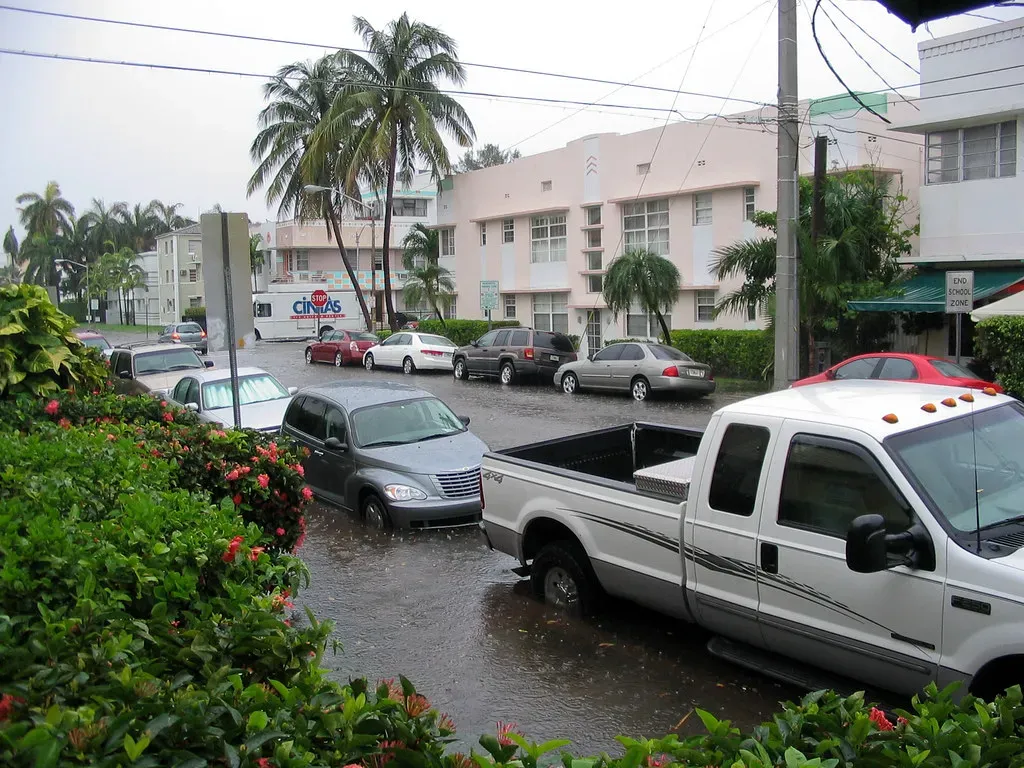
Florida is, let’s be real, the most vulnerable American state when it comes to sea-level rise. Unsurprisingly, Florida is home to many of the U.S. cities likely to be most impacted by sea level rise. Miami tops that list without much contest.
According to a report by Christian Aid, Miami, Guangzhou, and New York are the top three cities in terms of the value of assets exposed to coastal flooding between 2010 and 2070, with between 2 and 3.5 trillion dollars at stake. The city sits on porous limestone, which makes traditional seawalls largely ineffective – water simply comes up through the ground.
U.S. East Coast cities are witnessing sea level rise that is two to three times faster than the global average. Miami has responded by raising roads and investing in pump systems, but many experts believe these measures are buying years, not decades.
Shanghai, China – Delta City Under Siege
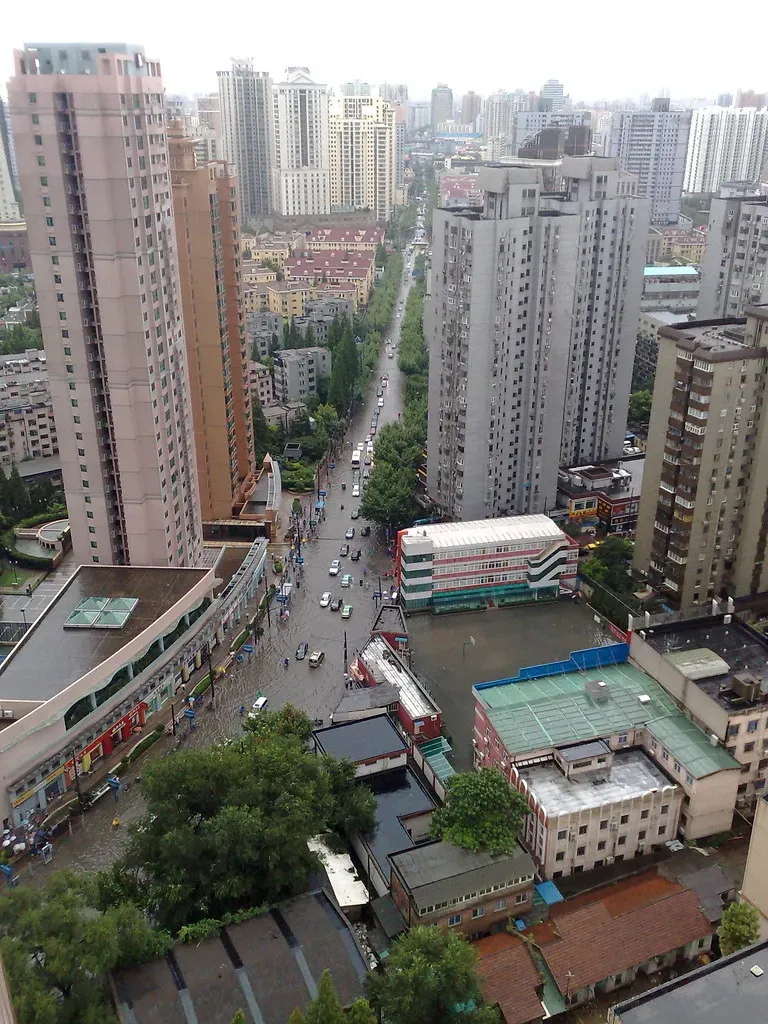
Shanghai is one of the great economic engines of the world. It is also, geographically speaking, in a deeply precarious position. Shanghai sits on the Yangtze River estuary on low-lying, soft, sandy soil. That combination of factors makes it exceptionally susceptible to flooding as seas rise.
Flood risk in delta cities like Shanghai is projected to increase significantly by 2100 due to the combined effects of sea-level rise, land subsidence, and extreme weather events, potentially expanding flood areas by up to 80%. Research published in late 2025 made that finding even starker.
Without adaptation, annual damages and annual casualties in Shanghai could increase by 86 to 167% and 45 to 97 times respectively by the year 2100. China has launched its “sponge city” initiative, with Shanghai as a model, but even that may not be enough against that scale of projected change.
New Orleans, USA – Still Sinking, Still at Risk
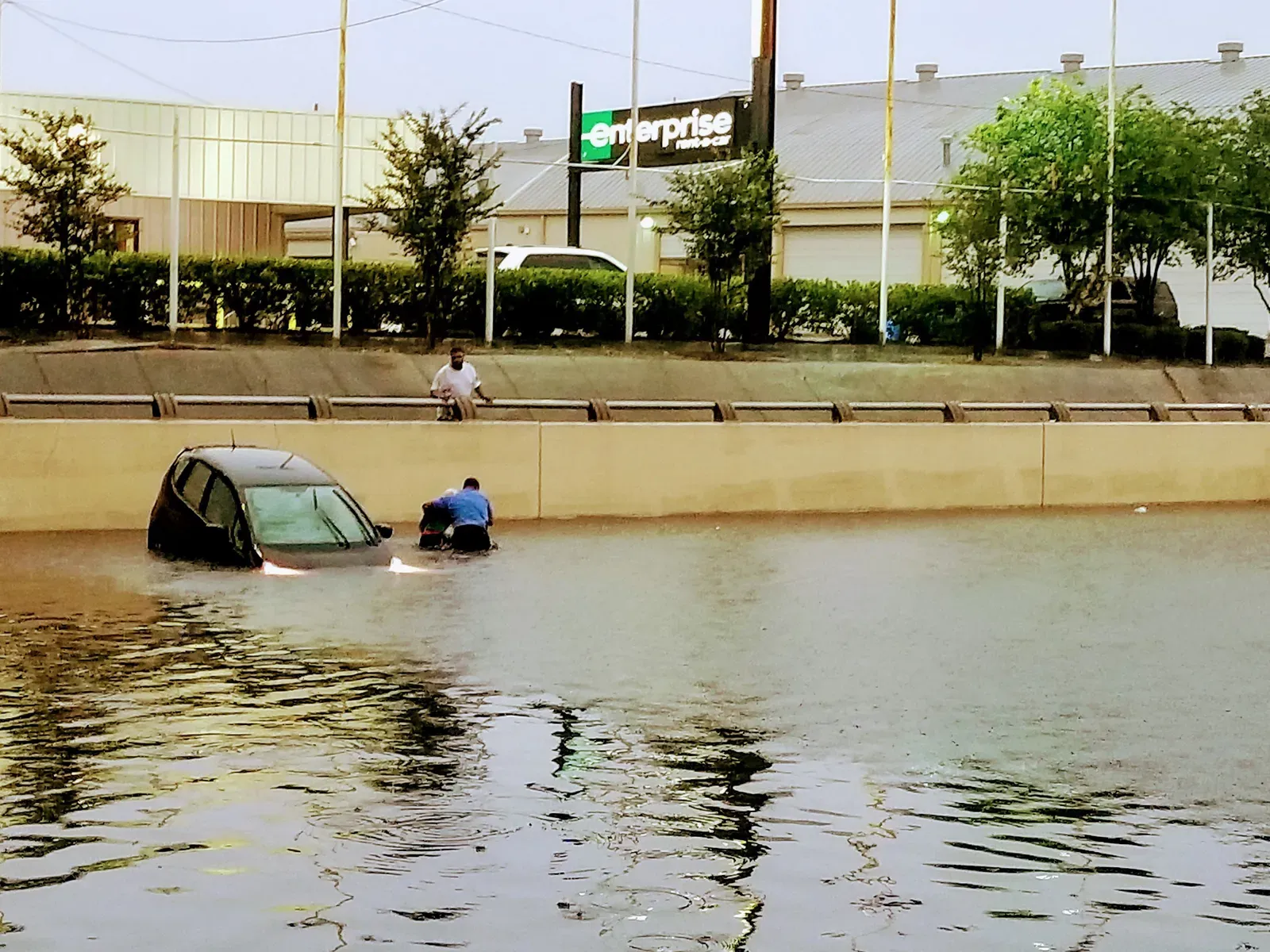
Hurricane Katrina in 2005 gave the world a terrifying preview of what sea-level rise combined with storm surge can do to a low-lying city. The devastating impacts of extreme weather events on the low-lying coastal city were clearly demonstrated when Hurricane Katrina triggered deadly floods in 2005. On that occasion, half of New Orleans dropped below sea level, resulting in over 1,800 fatalities and US$150 billion in damage.
The situation has not fundamentally improved. Sea levels in Louisiana could rise, on average, by about one foot by 2050 and up to two feet by the end of the century. The land itself is sinking due to decades of groundwater extraction and sediment loss, compounding the danger.
By 2050, New Orleans is among six cities potentially seeing an additional 24 to 41 cm of sea level rise, which, combined with the existing subsidence problem, creates a situation that many urban planners privately describe as nearly unmanageable without dramatic intervention.
Mumbai, India – Millions on the Frontline
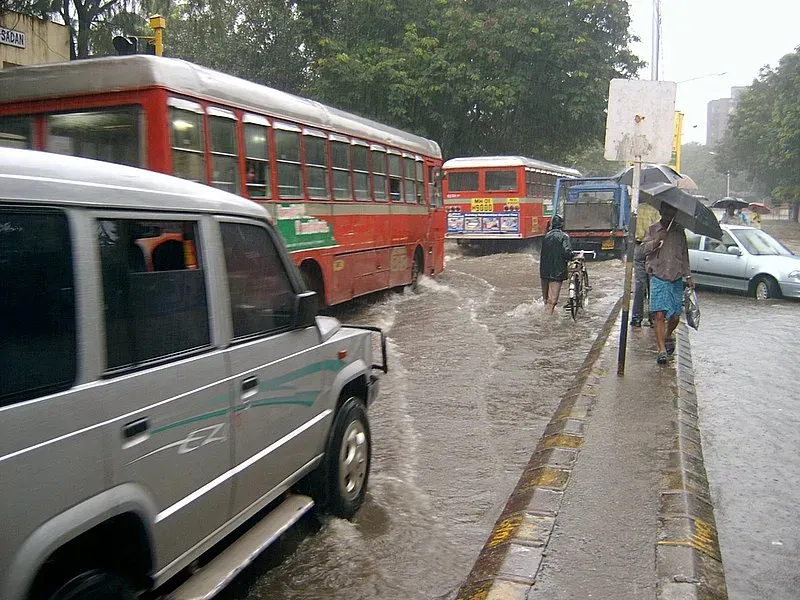
Mumbai is India’s financial capital and home to roughly 20 million people. It is also one of the most flood-exposed major cities on the planet. Kolkata, Mumbai, and Dhaka have the highest number of people at risk from coastal inundation, between 11 and 14 million people each.
Monsoon seasons already regularly flood large swaths of the city, and that’s before factoring in the additional pressure from rising sea levels. The city’s low-lying coastal districts sit directly in the path of rising seas, with limited infrastructure to absorb the impact.
Coastal cities such as Kolkata, India, are especially vulnerable, with long-term impacts expected to double by 2100 if greenhouse gas emissions continue unabated. Mumbai faces the same trajectory. It’s hard to say for sure what the long-term political will to address this will look like, but the science leaves very little room for optimism without urgent action.
Venice, Italy – The Original Sinking City
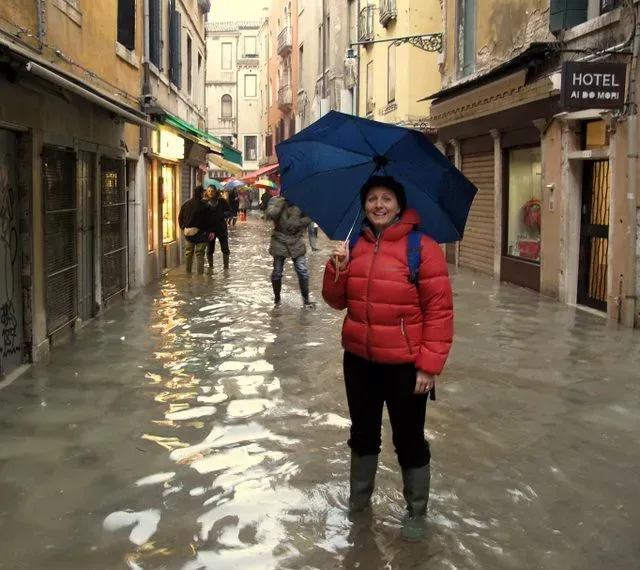
Venice is almost the archetype of this entire conversation. It has been a symbol of beauty and fragility for centuries. Now, it is a symbol of what sea-level rise actually looks like in practice. Flooding occurrences known as “acqua alta” have dramatically increased, with St. Mark’s Square being submerged approximately 250 times a year by the 2020s.
By 2024, the city had sunk an estimated 23 centimetres over the last century. The city has invested heavily in its MOSE flood barrier system. MOSE has already had to be deployed 30 times in 2024 to 2025 compared to less than 20 times in earlier years, and there are fears it may have to operate up to 260 times a year if global warming continues.
Venice has already spent 6 billion dollars on a barrier system, yet even that extraordinary investment is considered a temporary fix. The city is essentially in a race against physics. It’s a race that, without global emissions cuts, it cannot win on its own.
The Hidden Threat: Land Subsidence Making Everything Worse
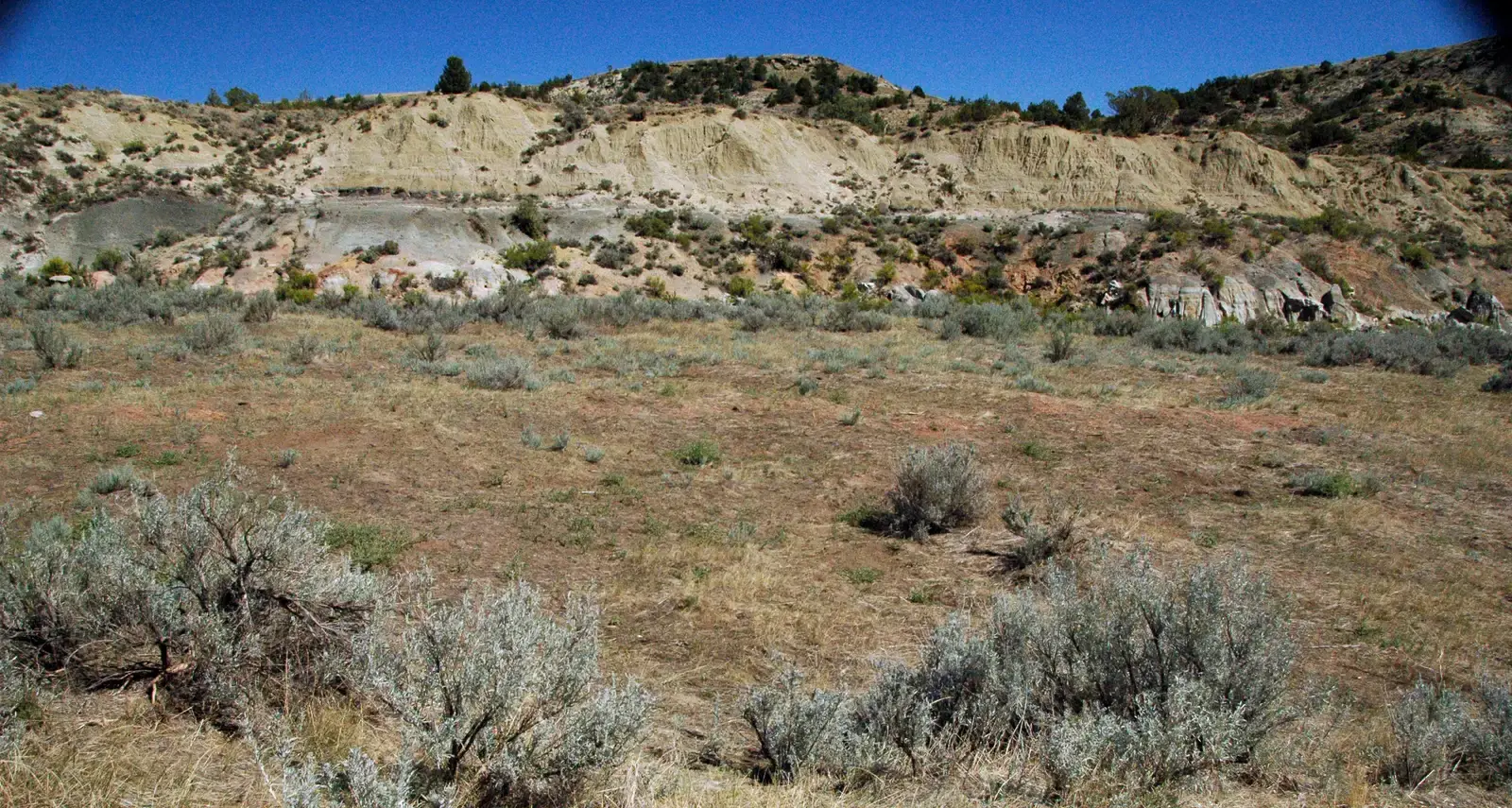
One of the most underreported dimensions of the sea-level crisis is that it isn’t just the ocean rising. The land is sinking too, in many of the world’s most populated coastal areas. And this makes the effective rate of relative sea-level rise far more severe than global averages suggest.
In some regions, the effect of subsidence can be 10 times greater than that of sea-level rise. Think about that for a moment. The ocean going up is only half the story. In an assessment covering 99 coastal cities around the world, one team found that in a third of the cities, neighbourhoods were sinking by at least 10 mm per year. For some, such as Tianjin, Semarang, and Jakarta, the figure rises to over 30 mm per year.
The sea level along U.S. coastlines is projected to rise by 0.25 to 0.3 metres by 2050, but these impacts may be exacerbated by coastal subsidence, a factor that is often underrepresented in coastal management policies and long-term urban planning. The 2024 Nature study on disappearing U.S. cities was a wake-up call that many policymakers are still not fully heeding.
The Global Scale – Who Is Most Exposed Overall?
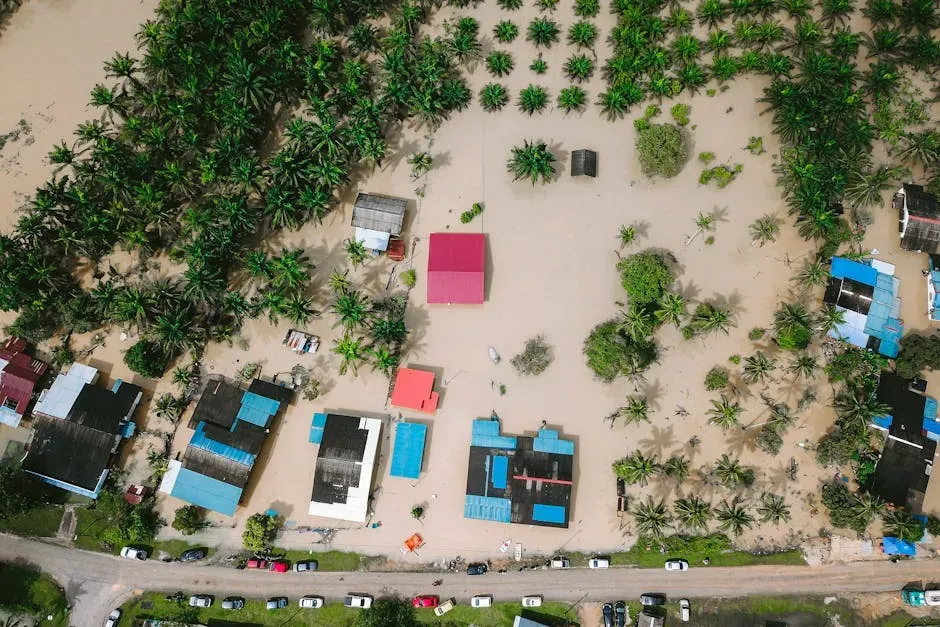
Zoom out from any single city and the picture becomes even more daunting. By 2050, an estimated 800 million people will live in more than 570 coastal cities that are vulnerable to a 0.5 metre rise in sea level. That is not a distant scenario. It is roughly 25 years away.
Current projections indicate that by the end of this century, the risk of coastal flooding could increase fivefold globally, with more than 70 million people likely to be affected. The economic toll is staggering too. Even just 20 cm of sea level rise by 2050 would lead to global flood damages of at least 1 trillion dollars a year for the world’s 136 largest coastal cities.
Out of the 20 coastal cities expected to see the highest flood losses by 2050, 13 are in Asia. Nine of these are so-called sinking cities, where subsidence compounds sea level rise: Bangkok, Guangzhou, Ho Chi Minh City, Jakarta, Kolkata, Nagoya, Tianjin, Xiamen, and Zhanjiang. The pattern is clear. Vulnerability clusters where geography, population density, and poor governance capacity collide.
Conclusion
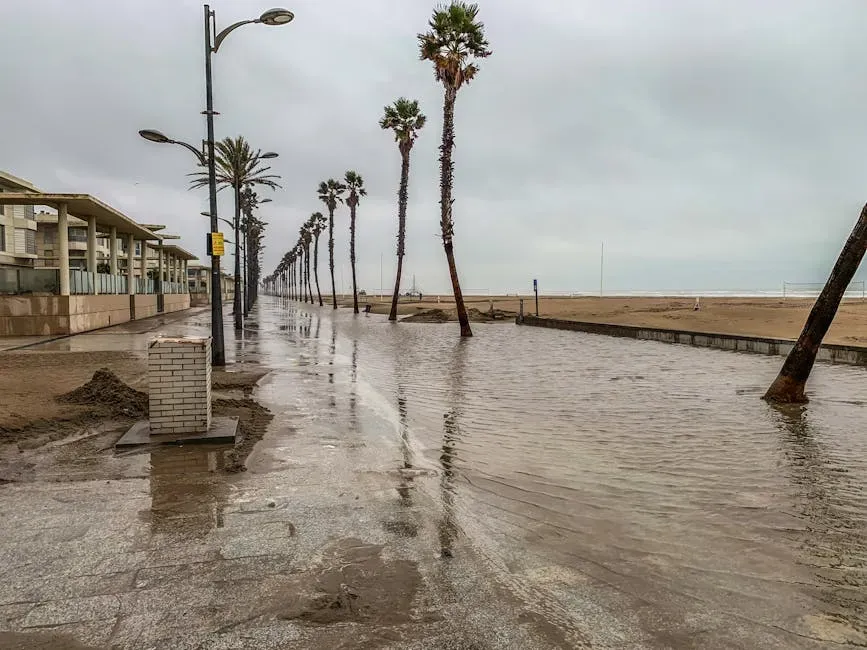
What strikes me most about all of this is not just the scale of the threat, but how unevenly it falls. The cities most at risk are often home to the people with the fewest resources to adapt. Jakarta’s informal settlements. Mumbai’s low-lying coastal districts. New Orleans’ historically underserved communities. Sea-level rise does not just reshape coastlines. It reshapes who bears the burden of a warming world.
Around 40% of the U.S. population currently lives in coastal areas that may be vulnerable to sea level rise. Globally, the numbers are even more sobering. The danger is especially acute for nearly 900 million people who live in coastal zones at low elevations, that is one out of ten people on Earth.
The data is not a prediction anymore. It is an ongoing measurement. The question is no longer whether this is happening. The question is what we choose to do while there is still meaningful time to act. What do you think – is your city ready for what’s coming? Share your thoughts in the comments.
