
Every time a storm rips through a neighborhood and leaves thousands in the dark for days, the same question surfaces on social media, in town halls, and around kitchen tables: why don’t we just bury the It sounds so obvious. So simple. Dig a trench, lay the cables, fill it back in, and never worry about a hurricane or a wildfire sparking from a downed wire again.
Honestly, if only it were that easy. The reality is a layered, complicated tangle of engineering challenges, eye-watering costs, geological limitations, and political trade-offs that make this question far more nuanced than it first appears. The answer isn’t a flat “no” – but it’s absolutely not a simple “yes” either. Let’s dive in.
The Price Tag That Makes Utilities Flinch
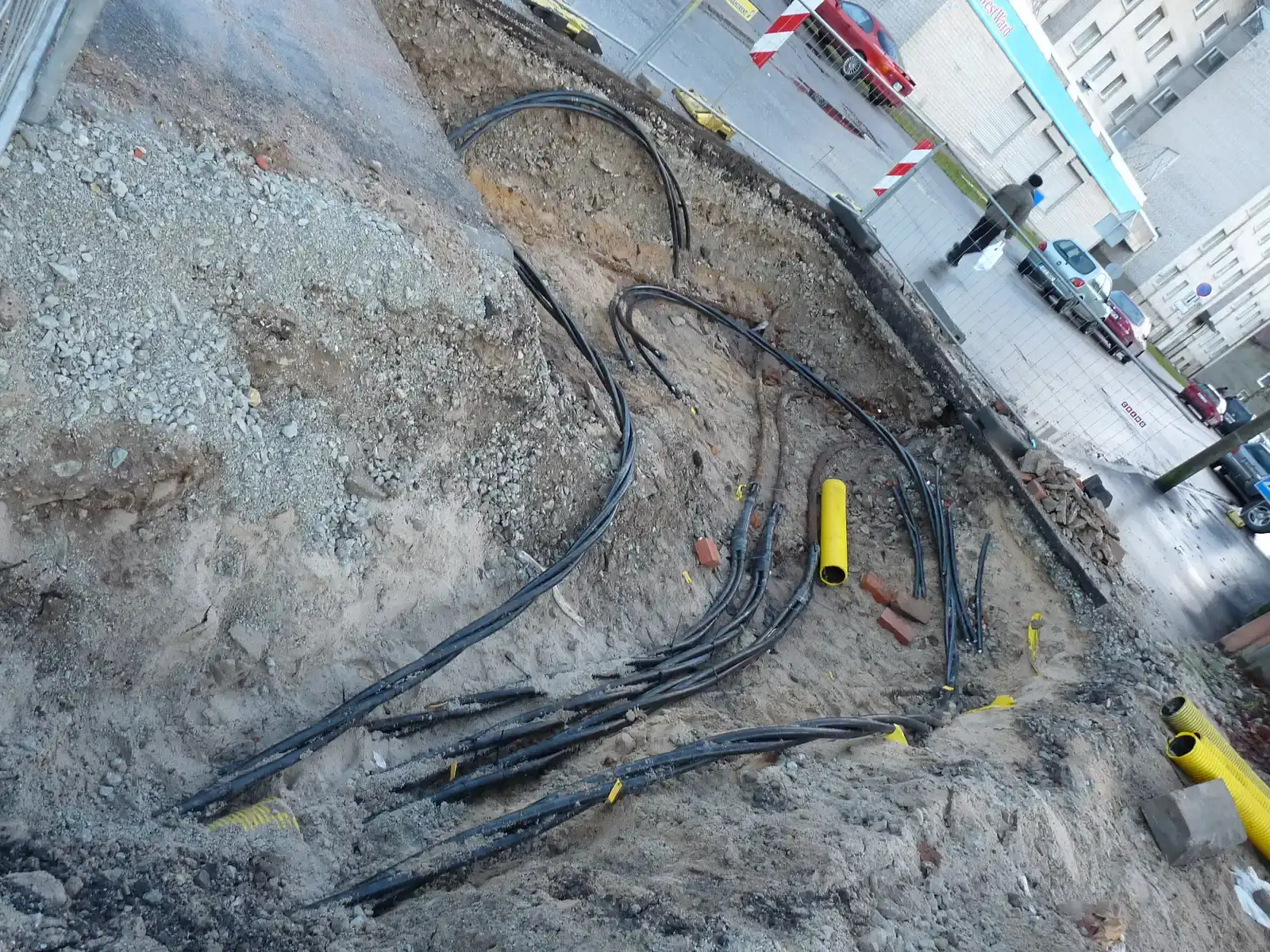
Here’s the thing that stops most conversations cold: the cost. Underground power lines cost up to five to ten times more than comparable overhead distribution lines. That’s not a rounding error – that’s a completely different budget category.
As of 2024, the Public Service Commission of Wisconsin determined that the installation cost of a 69-kilovolt above-ground power line is $284,000 per mile. In contrast, an equivalent underground line costs $1.5 million per mile. Multiply that across thousands of miles of grid infrastructure, and the numbers become nearly incomprehensible.
As of 2025, undergrounding in the built environment can generally cost $3 million to $5 million per overhead pole-mile, including the cost of converting aerial communication cables underground. And that’s before any of the surprises the ground tends to throw at engineers once the digging actually starts.
A 2010 study assessing undergrounding options requested by the District of Columbia Public Utility Commission noted that burying all overhead equipment would cost $5.8 billion. A local utility official later stated this would add $226 to the average monthly bill over 10 years, or $107 per month for 30 years. That’s real money coming out of real people’s pockets.
Who Actually Pays? The Consumer’s Hidden Bill
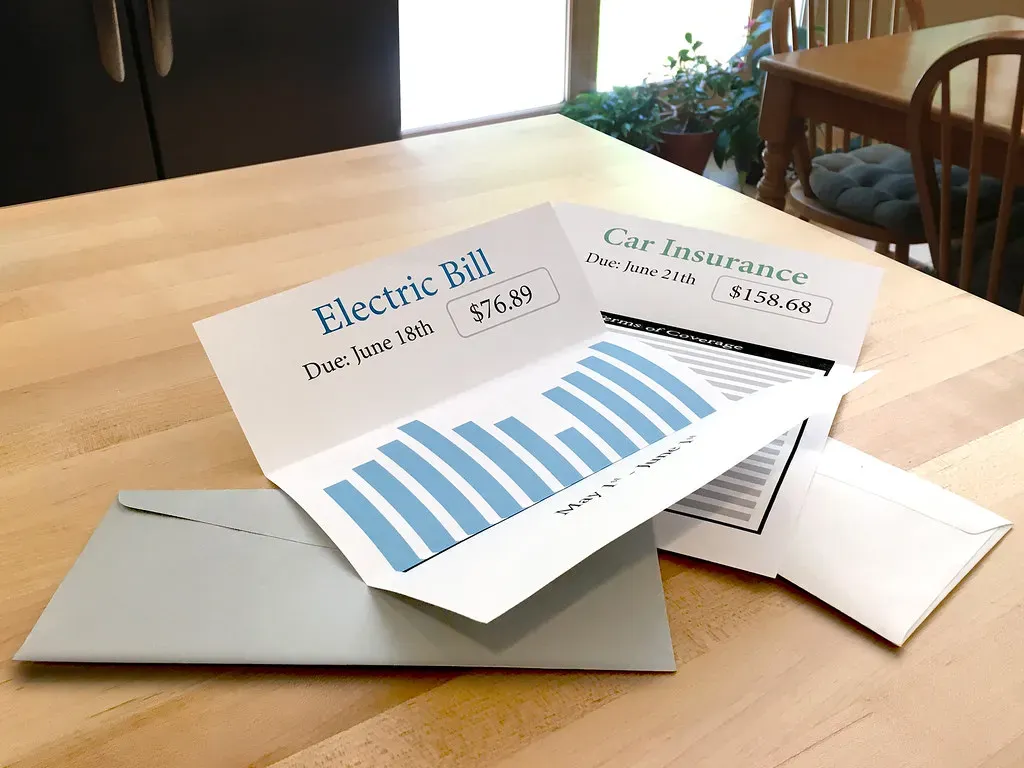
This is the part of the conversation that gets uncomfortable. Utility companies don’t absorb these costs out of goodwill. Undergrounding is currently expensive and those expenses must be passed on to consumers through higher electricity costs.
After a series of storms, North Carolina investigated the costs of undergrounding the state’s distribution infrastructure and found it would raise electric rates by over 125%. That’s more than double your electricity bill – just to put the wires underground.
From 2019 through 2023, the California Public Utilities Commission authorized the three largest utilities to collect $27 billion in wildfire prevention and insurance costs from ratepayers. The three companies – Pacific Gas & Electric, Southern California Edison and San Diego Gas & Electric – continue to seek billions more from customers for wildfire prevention spending.
One in three low-income households served by the three utilities fell behind in paying their power bills this year. When the people who can least afford it are already struggling, the question of who bears the cost becomes a serious equity issue, not just an infrastructure debate.
When Repairs Go Underground, So Does Speed

Repairs can extend outages considerably. While utility crews can easily see and repair damage to overhead facilities, it’s much harder to pinpoint the point of failure for an underground line. In the case of higher-voltage lines, repairs are more involved and often require specialized equipment and training that most utilities lack.
Think of it like the difference between fixing a broken pipe you can see versus one buried under your driveway. Whereas finding and repairing overhead wire breaks can be accomplished in hours, underground repairs can take days or weeks, and for this reason redundant lines are run. So paradoxically, the outage you were trying to prevent can sometimes end up lasting longer once it does happen underground.
The U.S. Department of Energy reports that restoring an overhead outage averages between $3,000 and $5,000 per mile of line, while underground repairs can exceed $20,000 per mile. That’s a dramatic difference in what happens the day something goes wrong.
The cost of finding a fault’s location, trenching, cable splicing, and re-embedment is sometimes five to ten times more expensive than repairing a fault in an overhead line where the conductors are visible. It shifts the financial burden from frequent, smaller fixes to rarer but financially crushing emergencies.
The Heat Problem Nobody Talks About
Here’s a detail that surprises most people: heat is one of the biggest technical villains in underground power systems. Transmission lines conduct energy flow at higher amperages than distribution cables. Since underground lines can’t release heat the way overhead lines can, that excess heat must be managed to avoid overloads. This requires the use of higher-cost conductors and other insulating infrastructure.
Overhead lines are cooled by the air around them, but underground cables are surrounded by soil, which keeps the heat trapped. If this heat isn’t managed properly, it can damage the cable’s insulation and cause failures. Engineers often need to carefully design cooling systems for underground lines – similar to building a radiator for a cable – to prevent overheating and protect insulation.
This low diffusion of heat causes cable temperatures to rise, which can degrade insulation, shorten cable life, and reduce current-carrying capacity. It’s one of those slow-burn problems that doesn’t show up on day one, but makes itself painfully known years down the road.
Underground cables tend to have a shorter lifespan than overhead lines, due to insulation degradation, damage from poor heat dissipation, ground movement, water ingress, or physical damage during installation that might not be noticeable. So you pay more upfront and potentially get a shorter-lived product – a tough sell for any utility board.
Fire vs. Flood – Picking Your Disaster
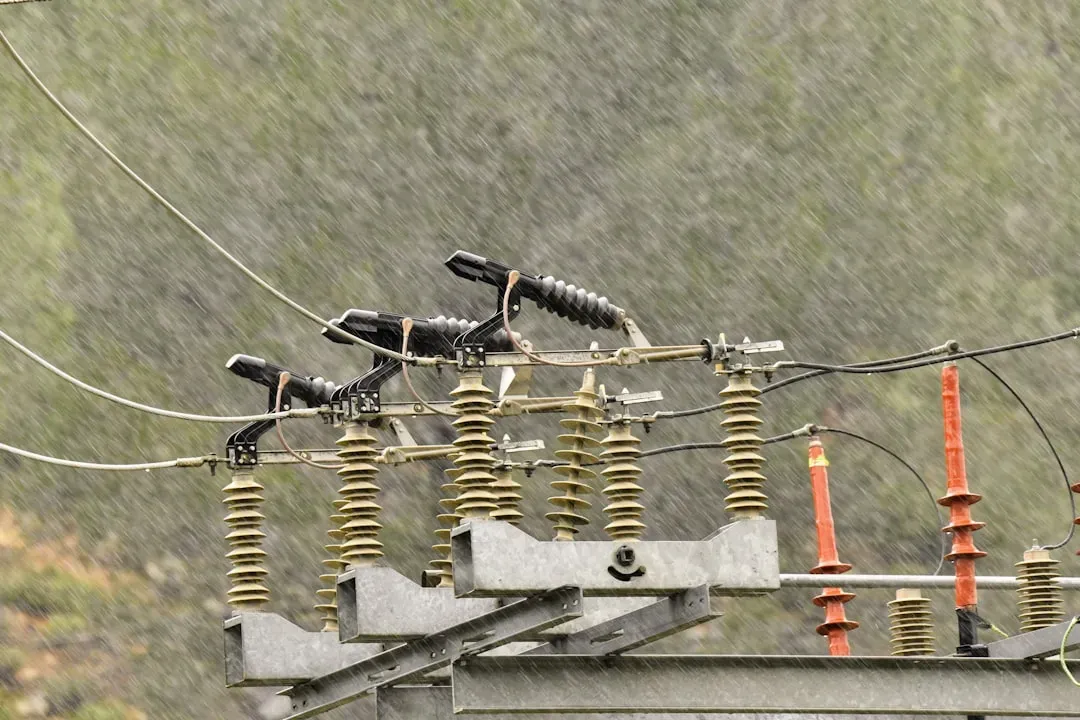
Let’s be real: one of the strongest arguments for burying power lines is wildfire prevention. In California, multiple fires have been traced back to downed power lines, including the 2018 Camp Fire – the deadliest wildfire in the state’s history – started by PG&E’s overhead equipment. The argument practically makes itself in those cases.
But here’s the uncomfortable trade-off. Above-ground lines are vulnerable to damaging winds, flying debris and falling trees. But underground lines are susceptible to damage from water incursion driven by storm surges or flooding. So, choosing the location of power lines means choosing which threat is more manageable.
One of the biggest threats to underground power cables is excessive moisture. High water tables can submerge cables, leading to insulation failure and corrosion. Prolonged flooding may wash away protective soil layers, exposing cables to shifting debris. Areas with poor drainage or clay-heavy soil conditions are more likely to experience utility failures during storms.
In geographical areas with a high water table or rocky subsoil, undergrounding simply isn’t an option. There’s no single silver bullet solution that works everywhere – geography has the final say.
California’s Billion-Dollar Bet
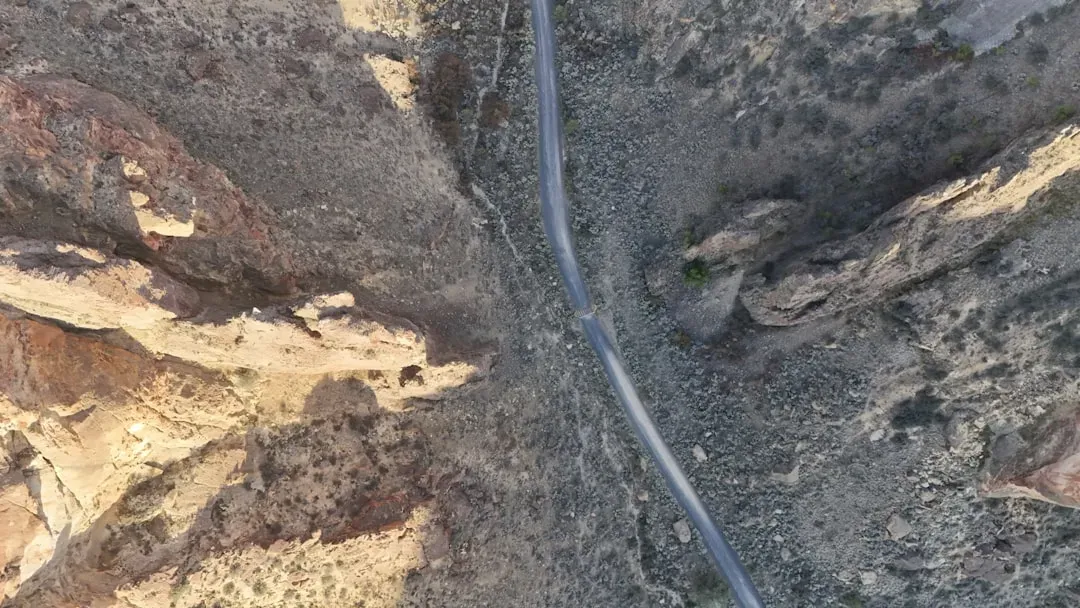
California has become ground zero for the modern undergrounding debate. PG&E has buried 800 miles of power lines since 2021, with each mile costing between $3 and $4 million. Last year the company’s $3.7 billion plan to bury 1,230 miles of lines through 2026 was approved. That’s an extraordinary commitment – and an extraordinary bill for customers.
PG&E has exceeded its goal of moving 330 miles of powerlines underground in 2025 and has now completed more than 1,210 total miles of undergrounding on time and on budget since the announcement of its undergrounding program in 2021. Progress is real, but pace remains a major concern given the scale of what’s needed.
Utility equipment has caused less than 10% of the state’s fires but nearly half of its most destructive fires, according to the utilities commission. That’s the statistic that keeps wildfire advocates up at night and keeps the pressure on utilities to act.
According to the most recent report from the U.S. Bureau of Labor Statistics, San Diego had the highest price for electricity in the country in October, averaging 41.9 cents per kilowatt-hour. The correlation between aggressive undergrounding programs and sky-high electricity bills is not a coincidence.
When Underground Actually Works – Real-World Success Stories
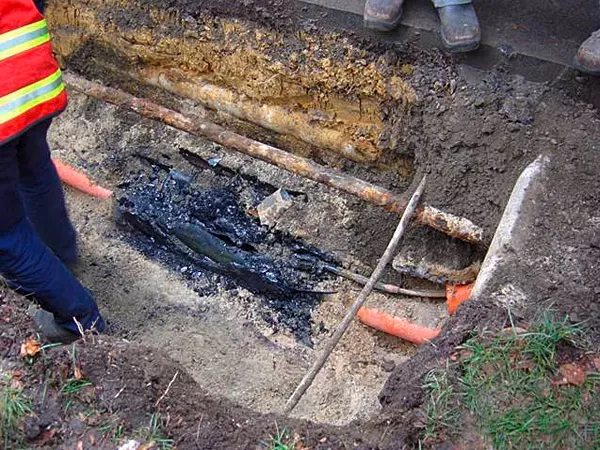
It would be unfair to only tell the cautionary tale. Underground lines, done right, in the right places, genuinely deliver. A testament to the performance of underground power is the Babcock Ranch community just east of Fort Myers, which never lost electricity during Hurricane Milton, in part due to underground power built from the start of the development.
Florida Power & Light has made a notable investment in undergrounding infrastructure – working on 3,000 Storm Secure Underground Program projects across the past six years and relocating 90 miles of power lines underground in the northwest part of the state. This resilience plan has been beneficial, as FPL noted that 2024 was a record-breaking year for system reliability – particularly meaningful considering the paths of Hurricanes Milton and Helene impacted much of FPL’s service territory.
After a power line was buried in South Dakota, storms continued with events severe enough to result in presidential disaster declarations. But with the power lines buried four feet below the ground, neither these events nor others caused significant damage to the lines. A tornado in August 2006 resulted in no damage or disruption of service.
In 2021, Hilton Head, South Carolina, completed a 17-year program to underground 115 miles of power lines. Seventeen years is a long time, but the community deemed it worthwhile – which tells you something about how strongly people feel once they’ve lived through enough outages.
The Outage Problem – Are Underground Lines Actually More Reliable?
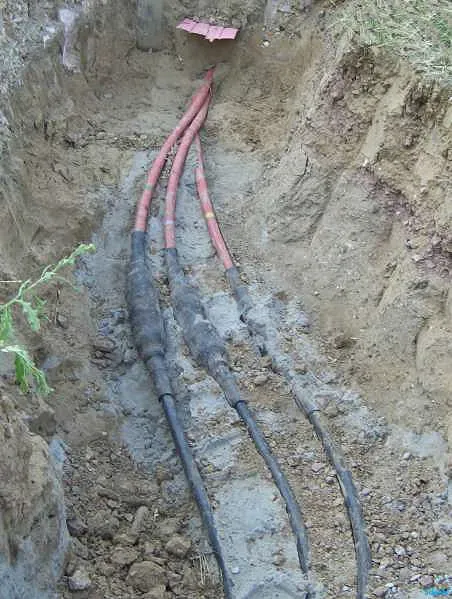
Approximately 80% of power outages are the result of weather or extreme events. That’s the number that makes the pro-burial argument so compelling at first glance. Take the lines out of the weather, and you solve most of the problem, right?
Not quite. Long-term reliability is also an issue. As underground lines get older, they become less reliable. In fact, a Maryland utility found that customers served by 40-year-old overhead lines had better reliability than those served by 20-year-old underground lines. Aging underground infrastructure can actually become a liability, not an asset.
Research using a comprehensive dataset from 163 US electric utilities indicates that undergrounding reduces operational and maintenance costs and enhances reliability by reducing power outage durations. So the data does support undergrounding – but it’s not the whole story. Context, age, and location all matter enormously.
Underground power lines are better protected against weather, but they are susceptible to insulation deterioration because of the loading cycles the lines undergo during their lifetimes. As time passes, the cables’ insulation weakens, which increases the potential for a line fault. Think of it like a tire: great when new, increasingly unpredictable as it ages.
The Path Forward – Smarter, Not Just Deeper
The first hurdle in transitioning to underground power lines is substantially reducing the cost. This will make the approach more acceptable to communities and regulators. Researchers at Virginia Tech and other institutions are actively working on exactly that challenge right now.
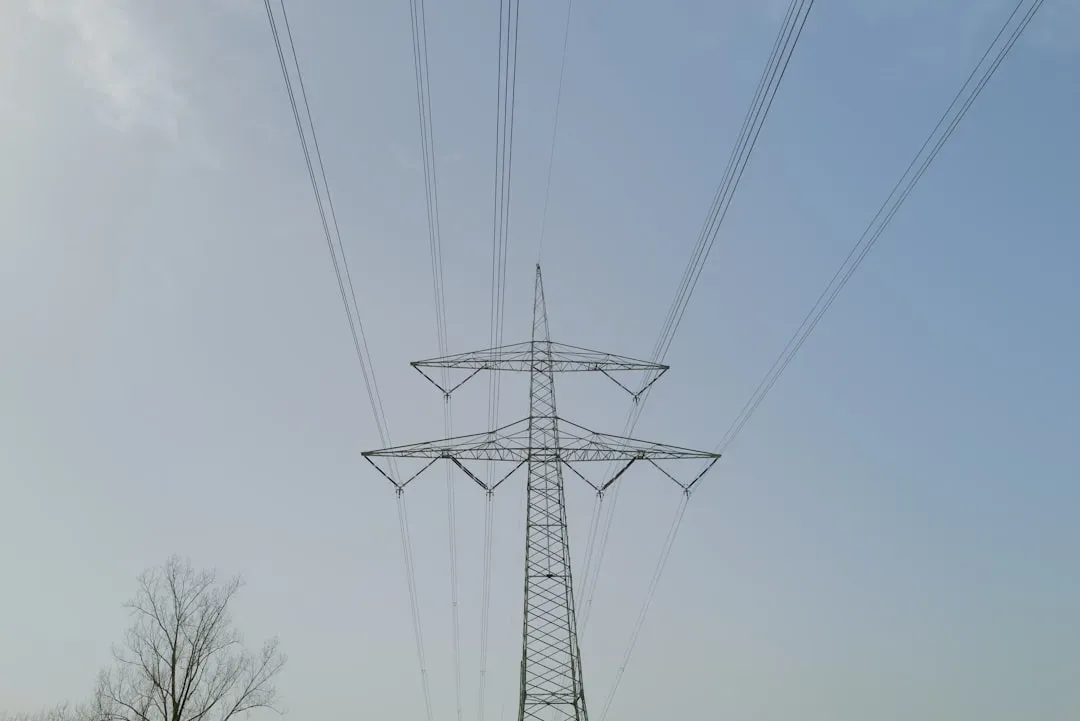
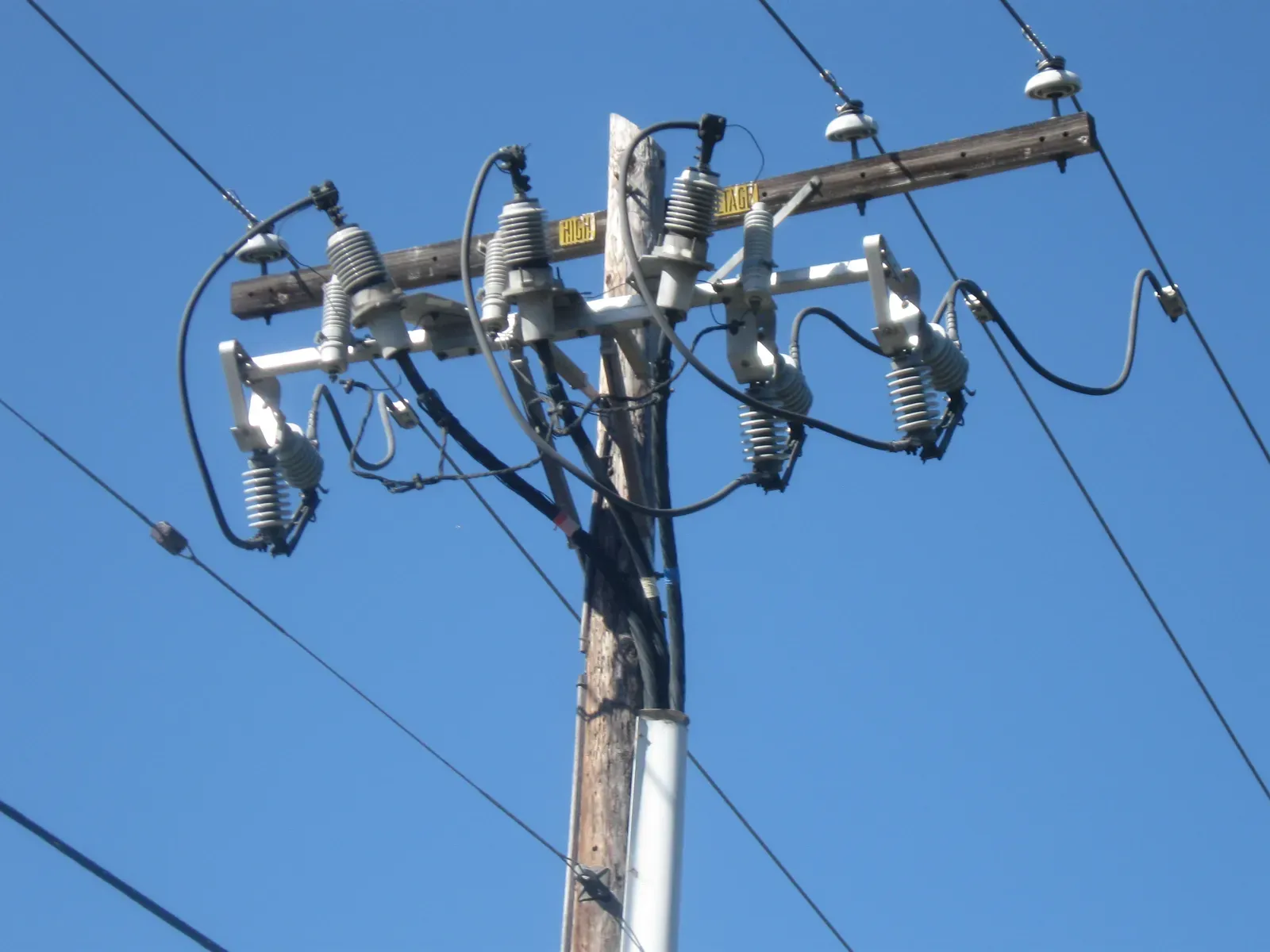
Many utilities are now turning to hybrid solutions that combine both overhead and underground systems. Overhead lines may be used in low-risk or rural areas where installation is cost-effective, while underground systems are deployed in dense urban zones or fire-prone regions to improve reliability and safety. This blended model balances return on investment, targeted reliability, and budget flexibility while adapting to soil conditions, terrain, and risk exposure.
Undergrounding is commonly compared against other options for preventing outages, such as “hardening” the system with protective equipment at vulnerable points, taking a more aggressive approach to vegetation management, improving the system design, or implementing new technology. Smart grid technology, which would allow a utility to pinpoint problems, divert power through other circuits to minimize outages, and optimize crew deployments, is another potential approach to reducing outages.
Policy is starting to shift toward grid resilience, especially with climate change bringing more extreme weather. Governments and utilities are prioritizing infrastructure that can withstand storms, floods, and wildfires. Underground lines, with their significantly lower failure rate during storms, are an attractive option for high-risk areas. The question is no longer whether to underground – it’s where, how fast, and who picks up the tab.
Conclusion: A Question Worth Asking, An Answer Worth Earning
So, Because the question, simple as it sounds, sits at the intersection of engineering reality, economic fairness, geological constraint, and political will. It’s not one problem – it’s ten problems stacked on top of each other, literally and figuratively.
The good news is that the conversation has never been more serious. From the devastation of California wildfires to the resilience of Babcock Ranch during a hurricane, real-world evidence is slowly building a case for strategic, targeted undergrounding where it matters most. The bad news? It will cost more than most people are prepared to hear.
I think the honest truth is this: we’ve been building our power grid based on what was cheap in the 20th century, and we’re paying for that choice in the 21st. The real debate isn’t really about whether to bury lines – it’s about whether we, as a society, are willing to pay now to avoid paying far more later. What do you think – who should foot the bill?

- Why Not Bury Power Lines? - March 10, 2026
- Climate Prep 2026: 12 Essentials Experts Say Every Household Should Have - March 9, 2026
- The 8 Most Climate-Resilient States to Live In, Ranked - March 9, 2026
