

On Earth, a sunrise is a once a day event. You wake up, the sky brightens, and the day begins. Aboard the International Space Station, the same scene repeats so often that the crew could watch dozens of them in a week without leaving their seats.
The reason comes down to speed and geometry, and it affects almost everything about daily life up there. From sleep to power supply to the way the station’s metal skin handles heat, the rapid cycle of light and dark shapes the whole routine. Here are sixteen ways it plays out.
1. The Station Travels At Staggering Speed
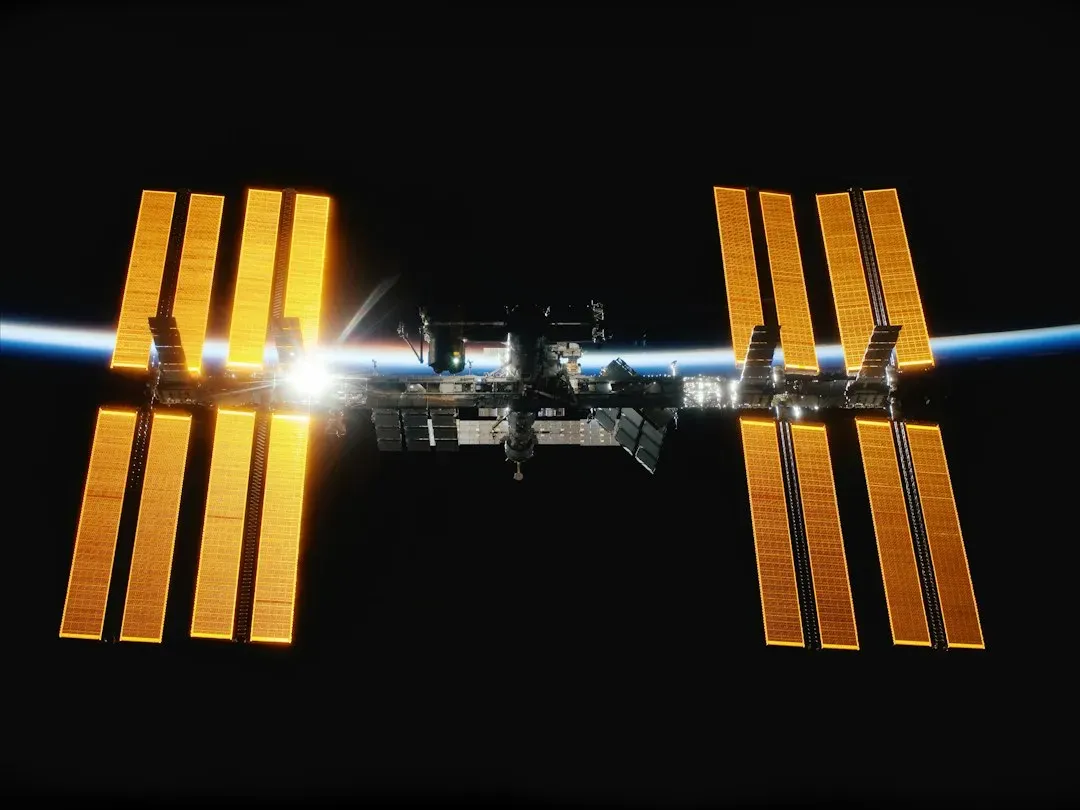
The ISS moves at roughly seventeen thousand five hundred miles per hour, which is about twenty eight thousand kilometers per hour. That pace is what keeps it in orbit instead of falling back to Earth. The station is constantly falling around the planet, and it keeps missing the ground.
At that speed, the sun’s position relative to the station changes quickly. A traveler on the ground sees the sun move slowly across the sky. Astronauts see the planet swing beneath them, carrying them in and out of sunlight again and again.
2. One Lap Takes About Ninety Minutes
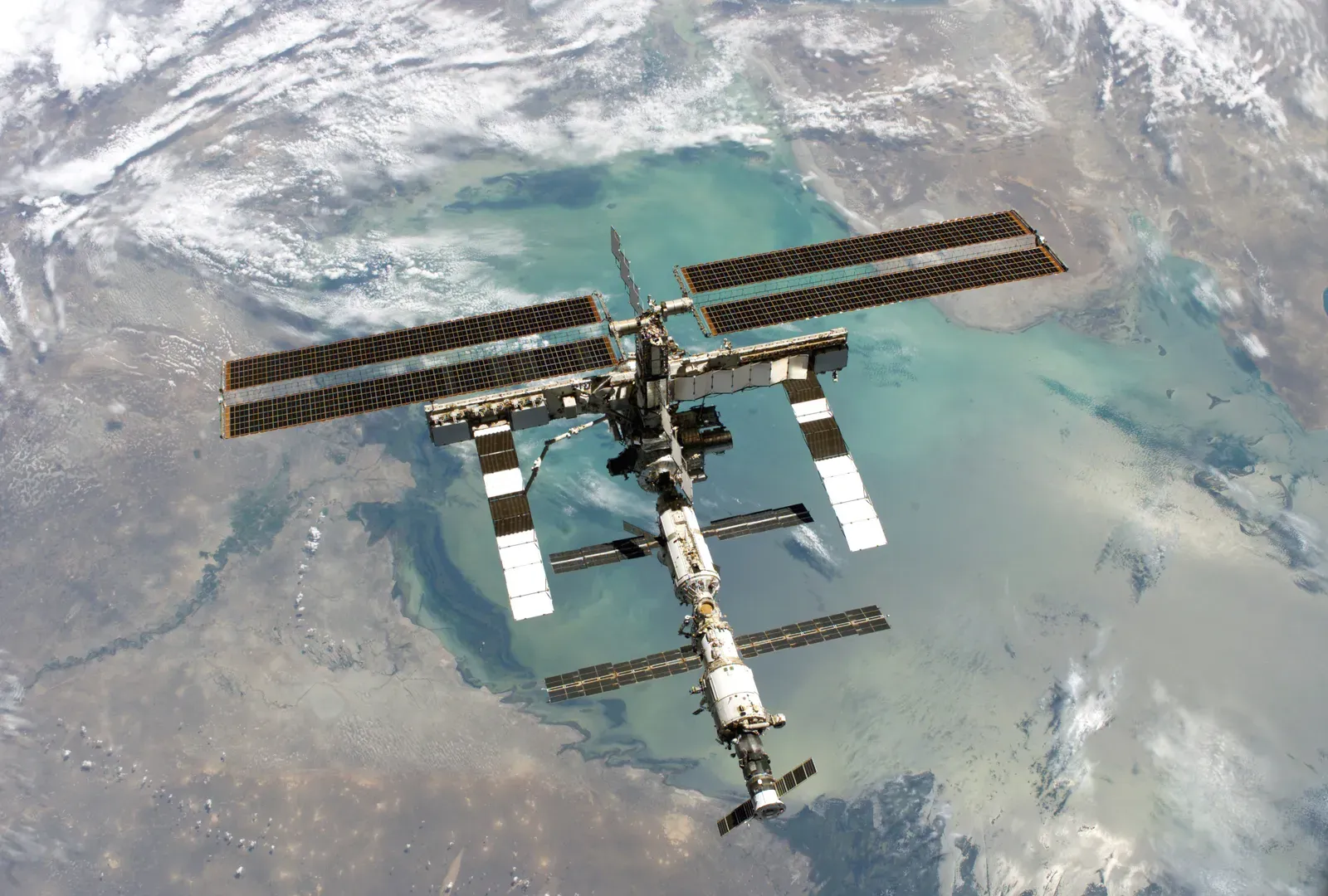
A complete orbit around Earth takes the station roughly ninety minutes. Over a full day, that adds up to about sixteen laps. This is the simple math behind the title.
Each lap includes one trip through daylight and one through Earth’s shadow. So the crew gets about sixteen sunrises and sixteen sunsets in every twenty four hours. NASA has described this pattern for years, and it hasn’t changed.
3. Daylight Lasts Only Around Forty Five Minutes
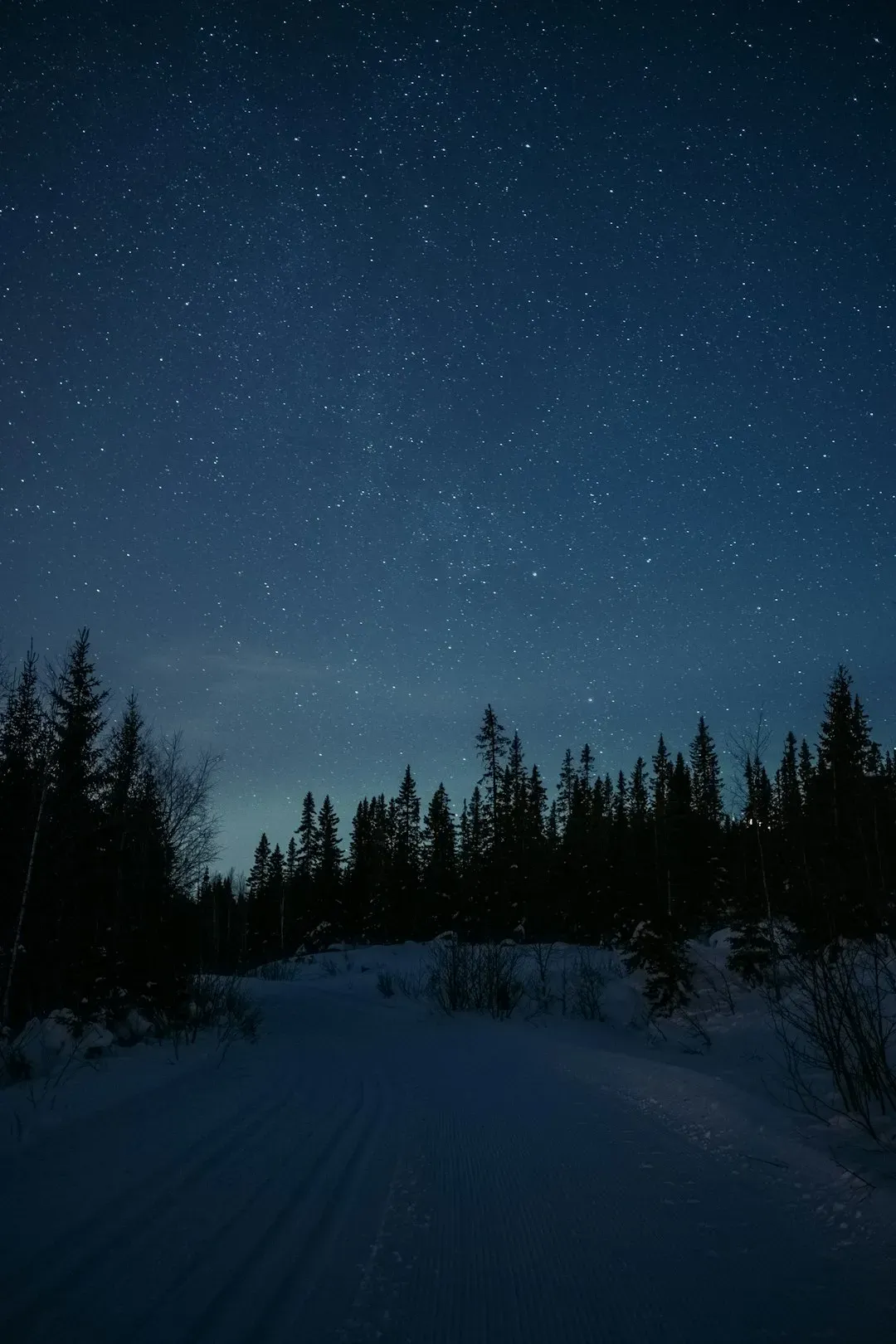
Each orbit splits roughly in half between light and dark. The sunlit portion lasts a little under an hour, and the shadowed portion is similar. The exact split shifts slightly with the season and the station’s orbital angle.
Because of this, a “day” outside the windows is short. Dawn arrives, the brightness builds, and before long the sun is slipping away again. It’s a fast, repeating loop that never really settles into a normal rhythm.
4. The Body Clock Gets Confused
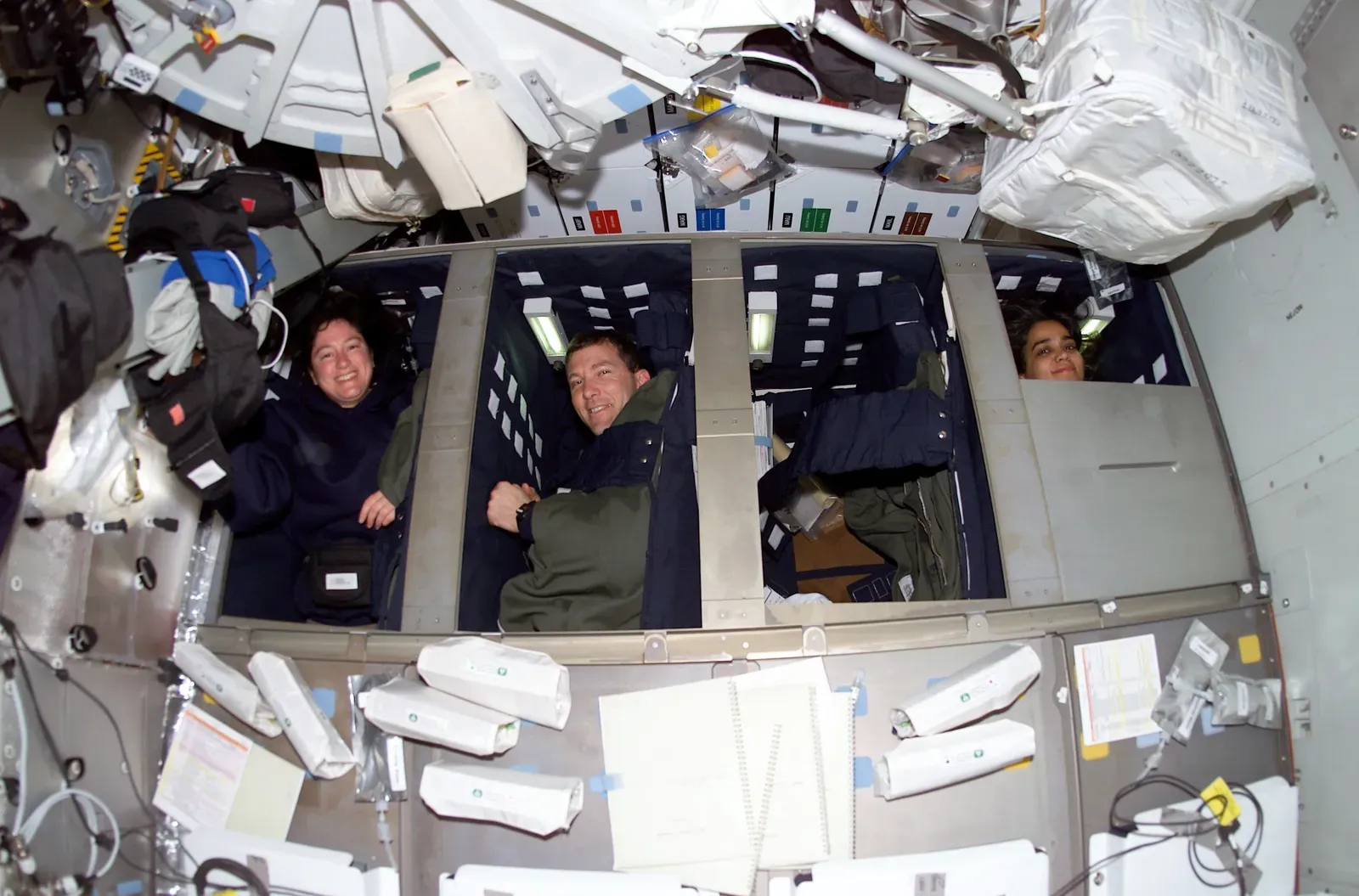
Human bodies evolved around a twenty four hour cycle of light and dark. Without the natural cue of one long day and one long night, the internal clock can drift. Researchers have studied circadian disruption in spaceflight for decades.
Sleep studies on astronauts have generally found they sleep less than they do on the ground, often closer to six hours a night than the recommended seven or eight. Light timing, workload, and noise all play a part. The fast sunrise cycle is one piece of a larger puzzle.
5. Artificial Lighting Does The Heavy Lifting

Since outside light is so unreliable, the station uses an internal LED lighting system to help set a more normal day. These lights can be adjusted in color and intensity. Bluer, brighter settings are used to promote alertness, and warmer, dimmer ones are used for winding down.
NASA installed this type of tunable lighting to help support crew sleep and wake patterns. The idea is to imitate the cues the body would get on Earth. It’s a practical fix for a problem that no calendar can solve.
6. Sleeping Happens In Small Private Quarters
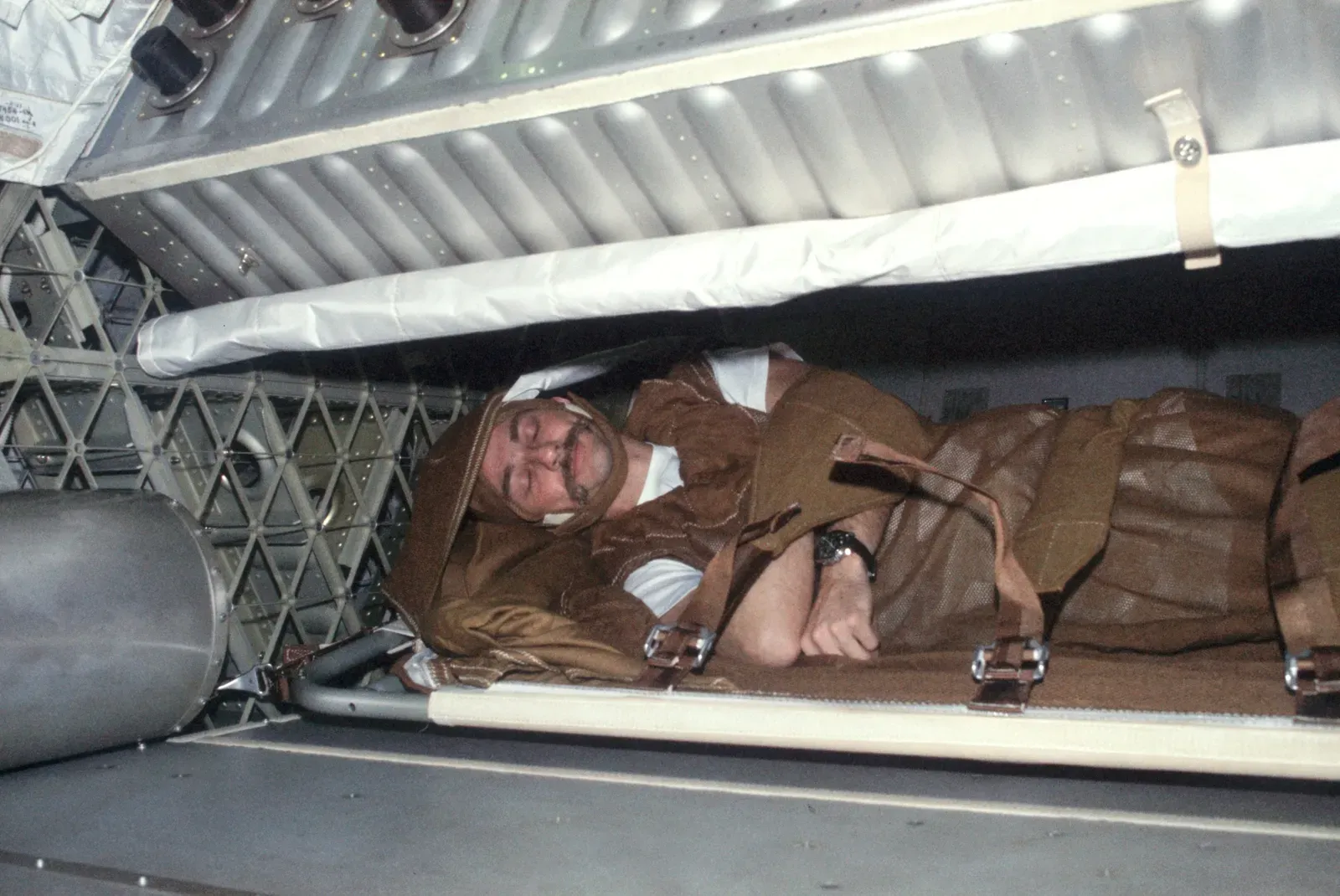
Astronauts sleep in small crew compartments about the size of a phone booth. Each person zips into a sleeping bag that’s attached to a wall, since there’s no up or down in orbit. Many crew members also use eye masks and earplugs.
The eye masks matter more than they might seem. With sunlight flashing through windows many times a day, blocking light is one of the simplest ways to protect sleep. A dark, quiet corner becomes a prized thing.
7. The Crew Runs On Universal Time
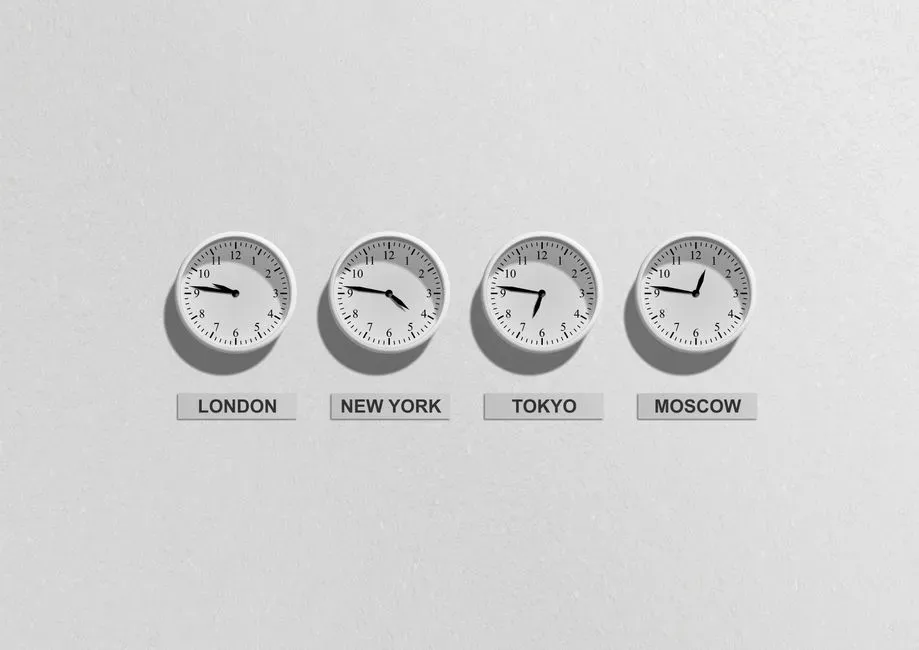
The station operates on Coordinated Universal Time, often called UTC, which is close to Greenwich Mean Time. That gives astronauts, flight controllers, and international partners a shared clock. Without it, coordinating teams in the United States, Europe, Russia, Japan, and Canada would be a mess.
This schedule has nothing to do with what’s happening outside the window. Lights out, meals, and work blocks follow the clock, not the sun. Sunrise is just scenery on a timetable.
8. The Orbit Sits About Two Hundred Fifty Miles Up

The ISS circles at an altitude of roughly two hundred fifty miles, or about four hundred kilometers. That’s high enough to be above nearly all of Earth’s atmosphere. It’s also low enough that a view of the planet’s details remains sharp.
This height is part of why the sunrises look so dramatic. The sun appears to burst over the curved horizon, and the thin layer of atmosphere glows along the edge. Gravity pulls less at this distance, but not by as much as many people assume.
9. The Path Covers Most Of The Populated World
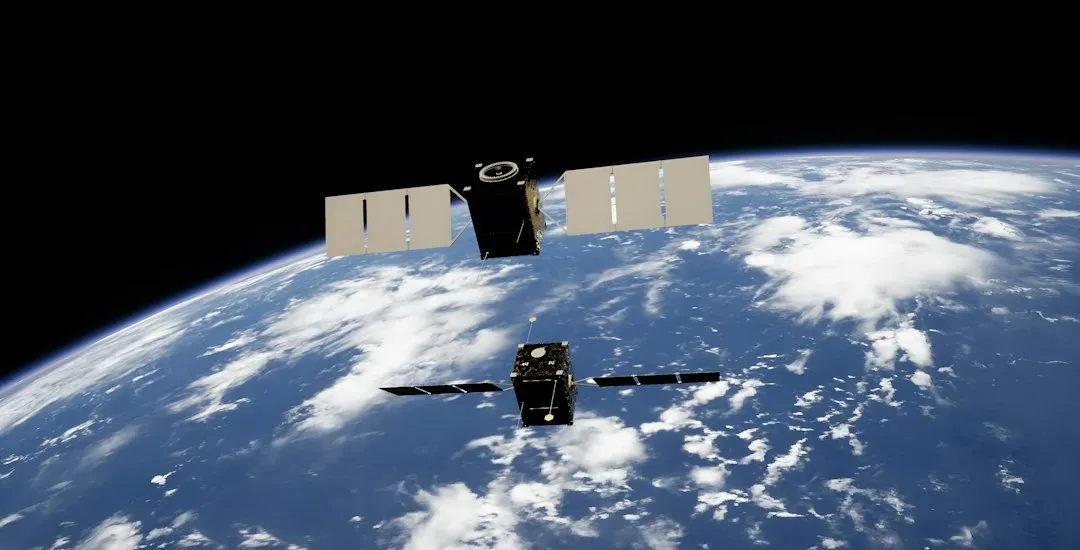
The station’s orbit is tilted at about fifty one point six degrees to the equator. That angle carries it over most of the inhabited parts of Earth, from the southern tip of South America to northern Europe and Canada. Each lap shifts westward compared with the one before.
As a result, the crew sees a constantly changing mix of oceans, deserts, cities, and clouds. A sunrise over the Pacific is followed, an hour and a half later, by one somewhere over a different continent. No two look quite the same.
10. Astronauts Photograph The Sunrises
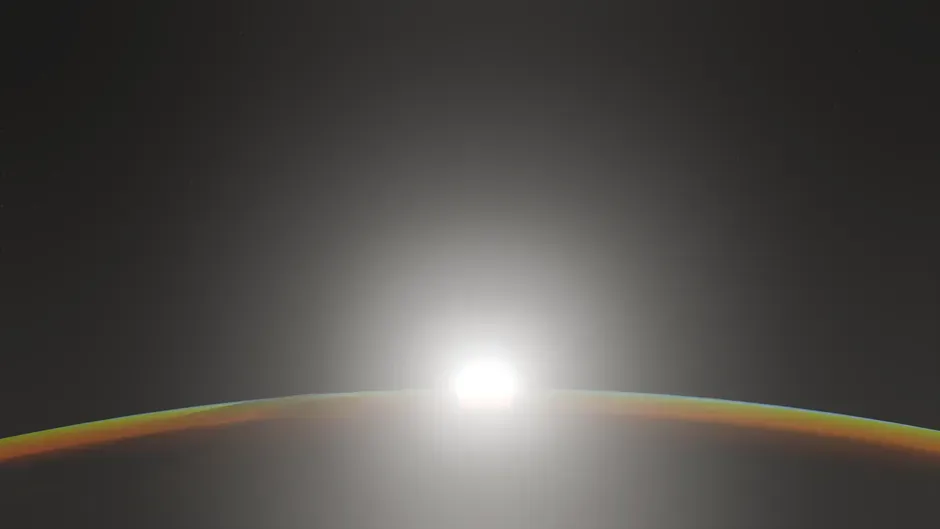
Crew members regularly take photographs from the Cupola, the station’s seven window observation dome. NASA often shares these images publicly. Sunrises and sunsets are among the most popular subjects.
The pictures show thin bands of color layered along the planet’s edge, moving from red and orange to a deep blue. That layered glow is the atmosphere scattering sunlight. It looks delicate, mostly because it is.
11. Night Passes Reveal Lights And Auroras

The dark half of each orbit offers its own view. City lights form glowing webs across continents, and lightning flashes inside distant storms. Over high latitudes, the crew can sometimes look down into auroras.
Seeing an aurora from above is very different from seeing it from the ground. The glow appears to hang over the planet’s curve like a green veil. Astronauts have shared many such images over the years.
12. Temperatures Swing Sharply Outside
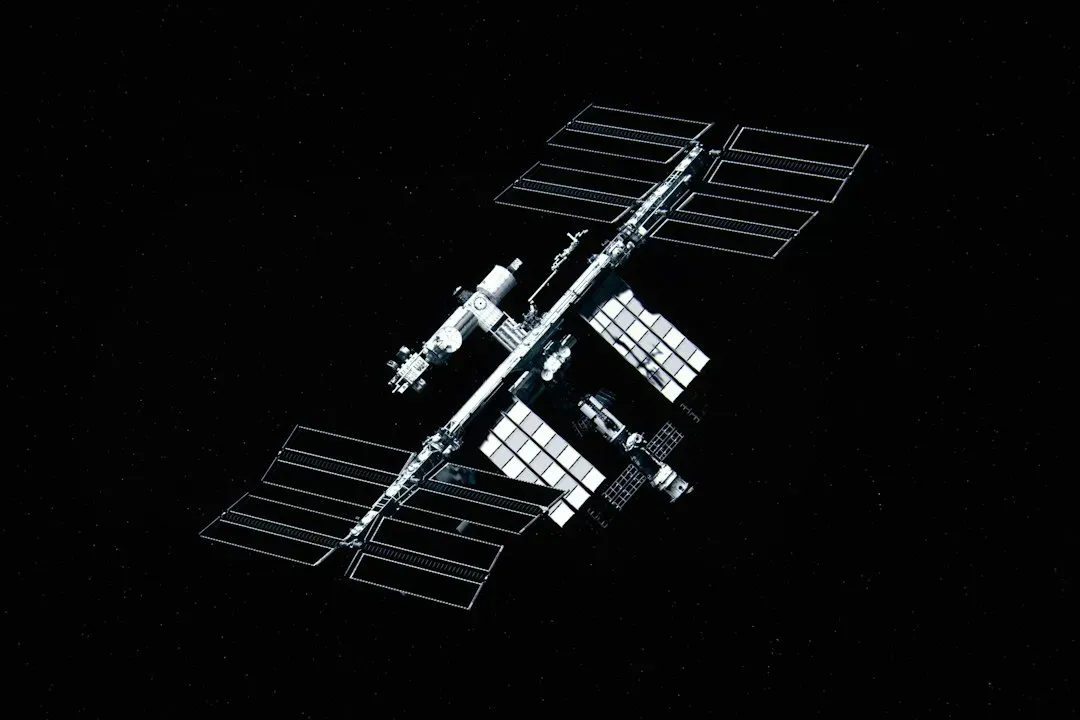
The outer surfaces of the station heat up in direct sunlight and cool quickly in shadow. NASA has noted that external temperatures can swing across a range of several hundred degrees Fahrenheit. This happens again and again through every orbit.
To handle this, the station uses insulation, radiators, and a liquid cooling loop to keep the interior comfortable. Engineers have to design every external part to survive constant expansion and contraction. It’s one of the harsher side effects of all those sunrises.
13. Solar Arrays Track The Sun For Power

The station’s large solar arrays supply most of its electricity. They rotate to follow the sun during the lit portion of each orbit. In recent years, newer roll out arrays have been added to boost the available power.
During the shadow phase, the station relies on stored energy from onboard batteries. The batteries recharge when sunlight returns. This steady cycle repeats about sixteen times daily, which is a demanding duty for the hardware.
14. Exercise Is Part Of The Daily Schedule
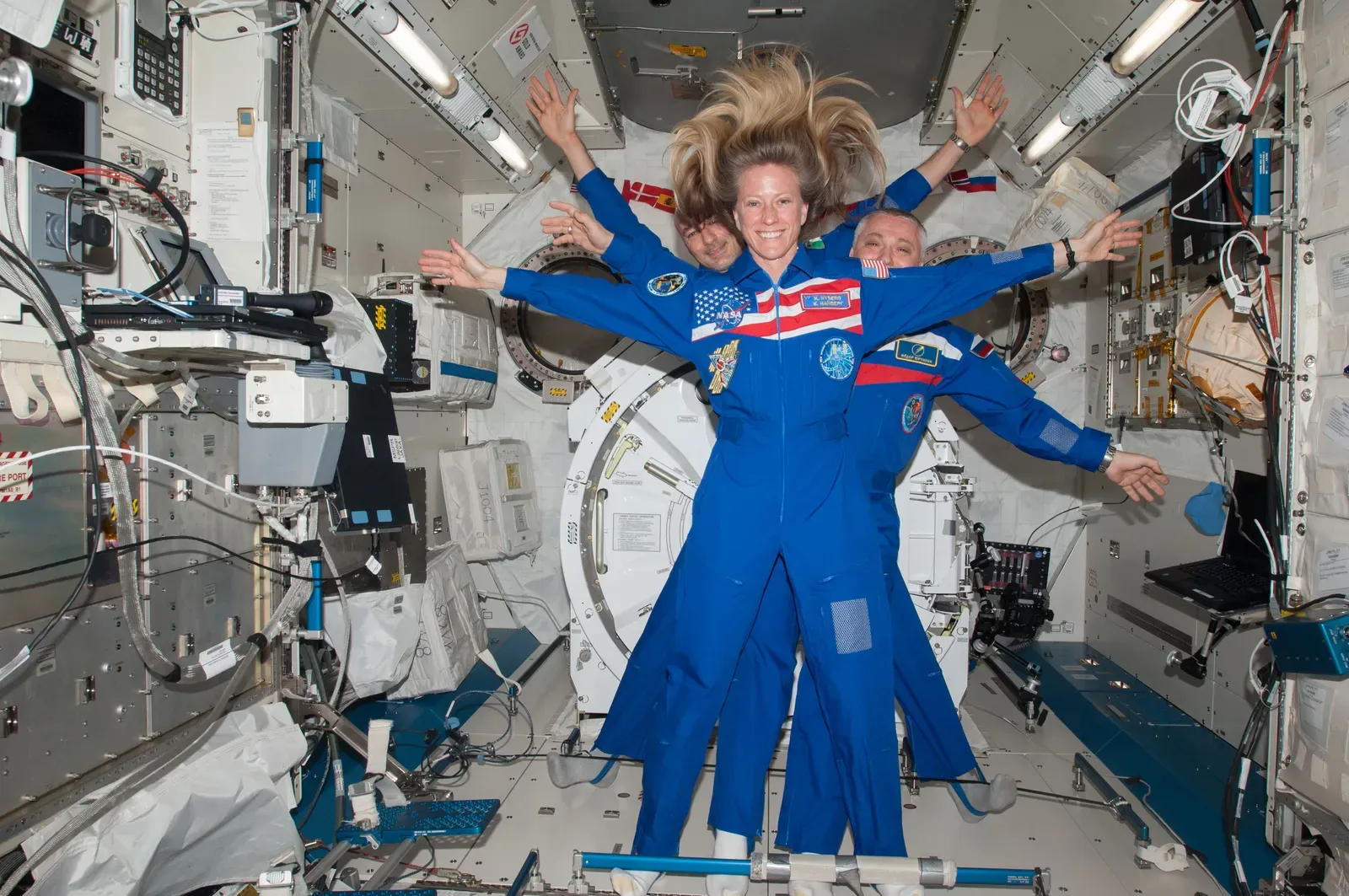
Astronauts exercise for about two hours a day to protect their muscles and bones from weightlessness. The equipment includes a treadmill, a stationary bike, and a resistance machine. All of it is designed to work in microgravity.
Workouts also help structure the day, which matters when the light outside offers no guide. Regular exercise supports sleep and mood as well. It’s one of the few anchors in a rhythm that otherwise feels unusual.
15. Researchers Learn From The Strange Rhythm

Studying how the body handles repeated light changes in orbit gives scientists data useful on Earth too. Findings on sleep, light exposure, and circadian health can apply to shift workers and to people in polar regions. The station serves as a long running lab for these questions.
It also informs planning for future missions farther from home. A crew heading to the Moon or beyond will face its own light challenges. Understanding what works in low Earth orbit is a practical first step.
16. The Station’s Time In Orbit Is Planned To Wind Down
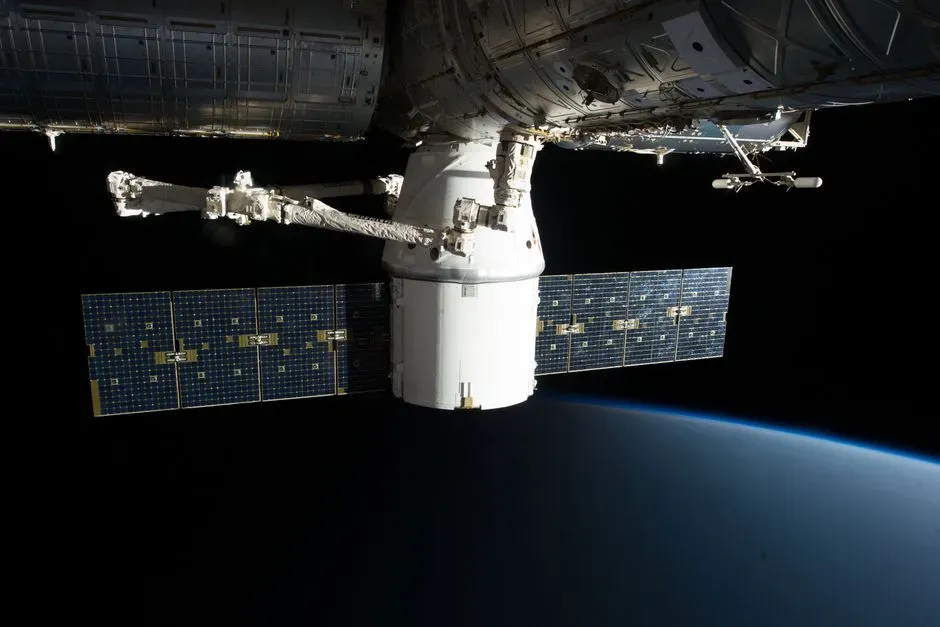
NASA plans to keep operating the ISS through 2030. After that, the agency intends to guide it down in a controlled reentry over a remote part of the ocean. In 2024, NASA announced it had selected SpaceX to develop a vehicle for that deorbit task.
Commercial space stations are expected to take over some of the station’s research roles. Until then, the crew will keep circling the planet and watching the sun rise again, sixteen times each day.

- 9 Wildfire-Season Routines Many California Residents Follow - November 10, 2026
- Most US states face earthquake risk as major fault lines span the country - November 10, 2026
- The Joplin Tornado of 2011 Killed 158 People and Led to New Warning Language - November 10, 2026
