


Long before recycling bins and sustainability campaigns became part of everyday life, plenty of households already ran on a simple rule: nothing gets thrown away until it has served every possible purpose. That mindset wasn’t about trends, it came from necessity, especially for generations that lived through economic hardship or grew up watching their parents stretch every resource. Looking back at those habits today, most of them still hold up surprisingly well, both financially and environmentally.
What’s interesting is that many of these reuse tricks never really needed modern justification. They worked because they were practical, low-cost, and often smarter than newer alternatives. Here are six of the most enduring examples that still make sense decades later.
1. Turning glass jars into everyday storage containers
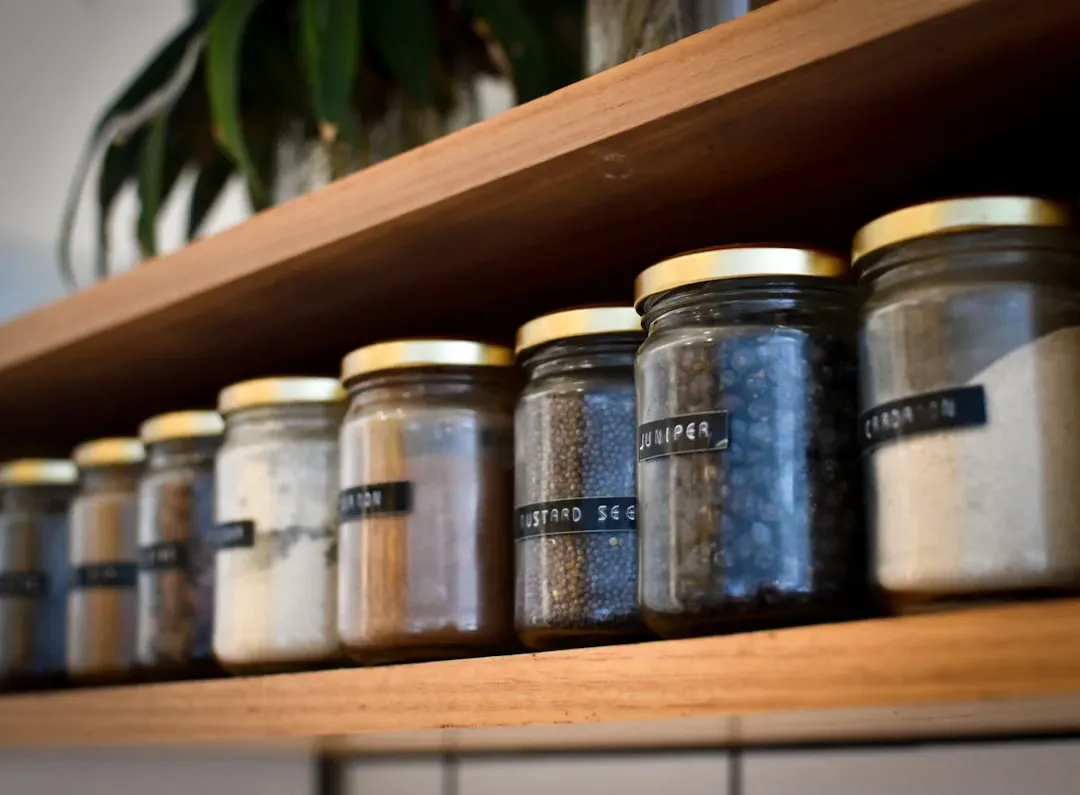
Glass jars from pickles, jams, or sauces rarely ended up in the trash in a lot of older households. Instead, they were washed, labeled, and repurposed for storing dry goods like rice, flour, beans, or homemade preserves. Glass doesn’t absorb odors or stain easily, which makes it genuinely better for long-term food storage than many plastic containers.
This habit also cuts down on single-use plastic, something that has become a much bigger environmental talking point in recent years. Reusing jars keeps them out of landfills while giving households free, durable storage that can last for decades if handled properly. It’s a small habit, but it adds up when repeated across an entire kitchen.
2. Saving and reusing rubber bands, twist ties, and string
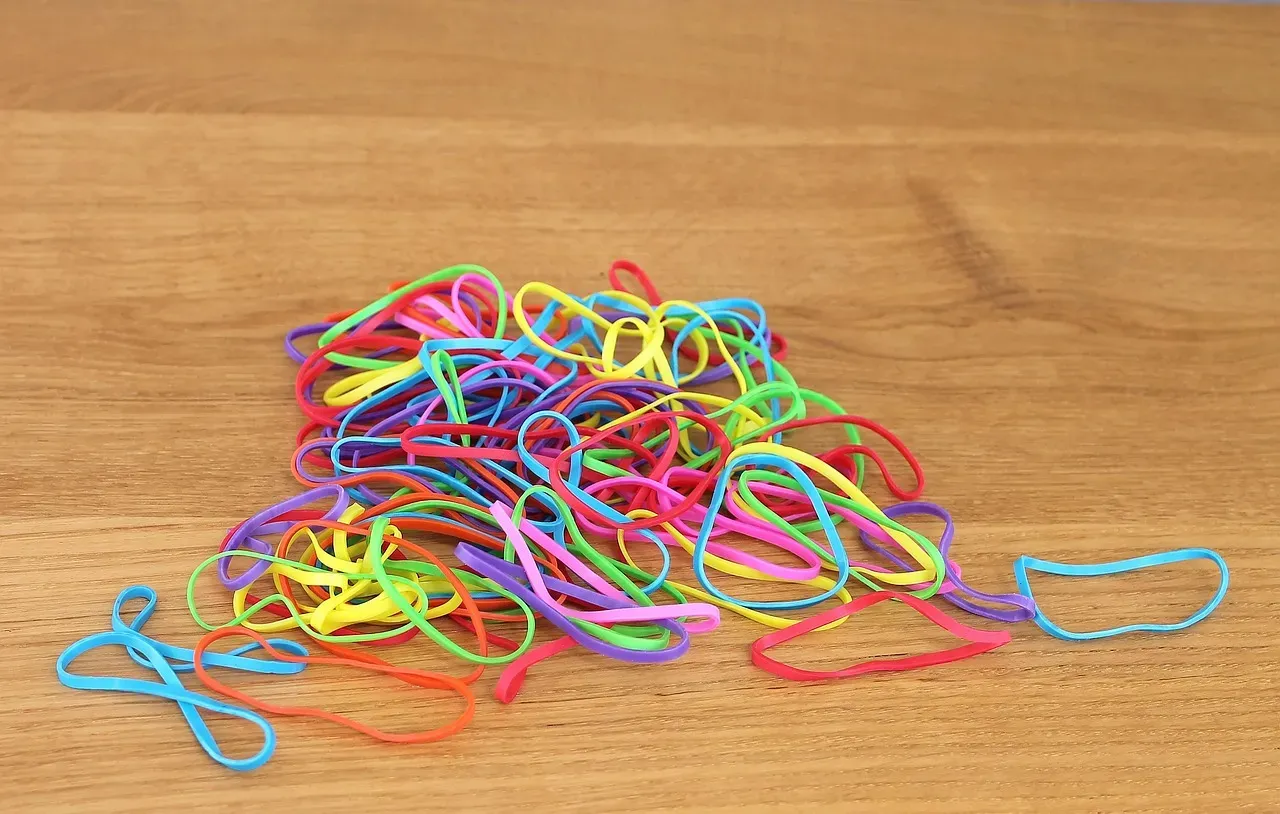
Grandparents often kept a small drawer, jar, or tin dedicated entirely to loose rubber bands, twist ties, and bits of string collected from bread bags, produce, and packaging. It looked like clutter to some, but it was really a low-cost supply closet hiding in plain sight. Reusing these small items meant never having to buy them separately for everyday tasks.
This habit reflects a broader philosophy that materials with even limited durability deserve a second or third use before disposal. Rubber bands can hold bundles of vegetables, secure loose cables, or seal bags, and twist ties work well for organizing cords or garden plants. None of it costs anything extra, and none of it requires new manufacturing.
3. Repurposing old clothing into cleaning rags
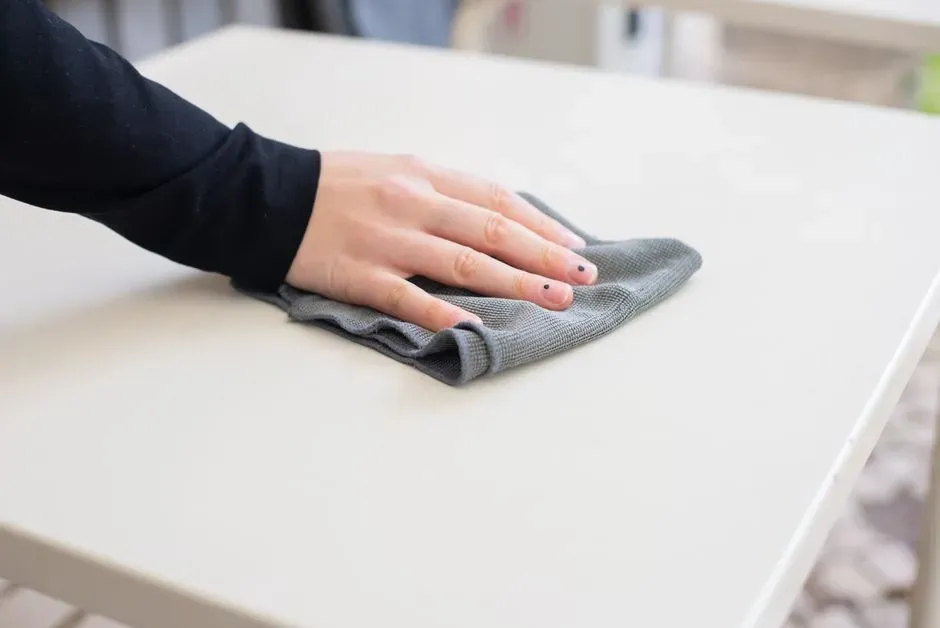
Worn-out t-shirts, towels, and socks rarely got thrown out outright in many households; instead, they were cut down and turned into cleaning rags. Cotton fabric is especially effective for wiping surfaces, dusting furniture, or cleaning glass, often outperforming disposable paper towels in absorbency. This habit also meant fewer paper products were purchased and thrown away on a regular basis.
Textile waste has become a significant environmental issue, with large volumes of clothing ending up in landfills each year in many countries. Repurposing garments before discarding them delays that waste stream, even if only in a small way per household. It’s a practical response that predates modern conversations about textile recycling by generations.
4. Reusing aluminum foil and plastic wrap multiple times
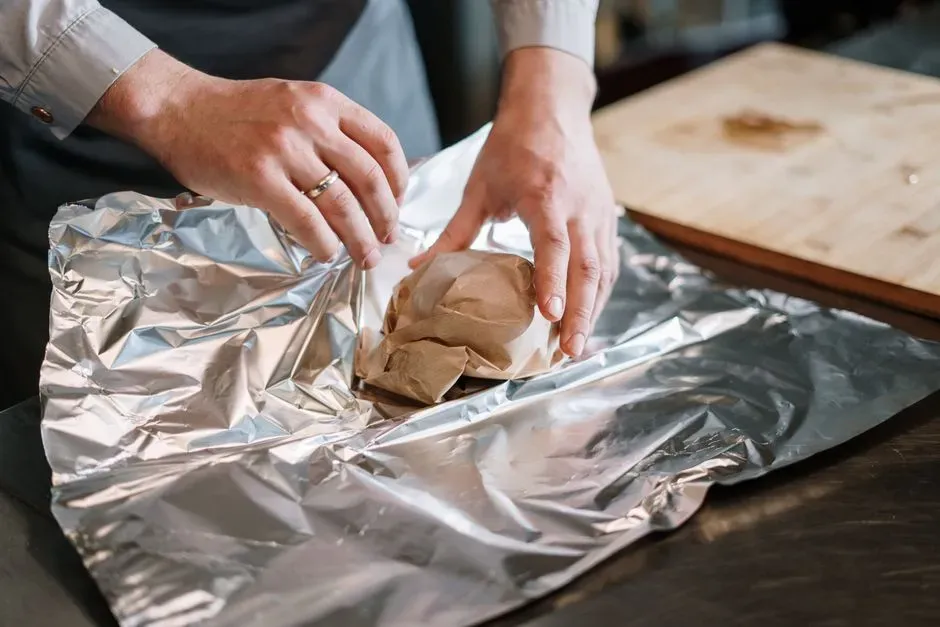
Rinsing off aluminum foil after use and folding it neatly for next time was standard practice in many older kitchens. The same went for plastic wrap, which was often reused until it no longer stuck properly or showed visible wear. This wasn’t seen as unusual; it was simply how kitchens operated when budgets were tighter.
Aluminum production is energy-intensive, and reusing foil even a few extra times reduces both cost and material waste. While food safety guidance today generally recommends replacing wrap that has touched raw meat, reusing foil for dry or low-risk items remains a reasonable practice. It’s a small habit that quietly reduces both grocery bills and packaging waste over time.
5. Using old newspapers for cleaning, wrapping, and drying
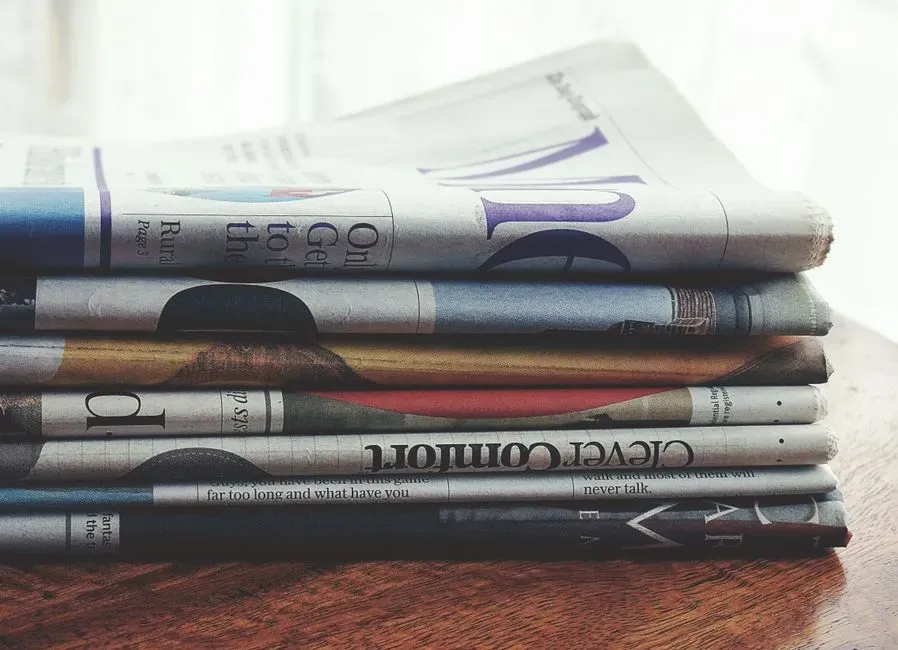
Newspapers had a long life beyond the news itself in many households. They were used to clean glass and mirrors, streak-free, thanks to the texture of the paper, wrap fragile items during moves, and even dry out wet shoes by absorbing moisture overnight. None of these uses required buying anything new.
Newspaper is essentially untreated, absorbent paper, which makes it genuinely useful for household tasks well beyond reading. This habit also reduced how much paper ended up in the trash immediately after use. Even now, some cleaning guides still recommend newspaper for streak-free glass, showing that the trick was never just old-fashioned superstition.
6. Turning worn-out furniture and wood scraps into new pieces
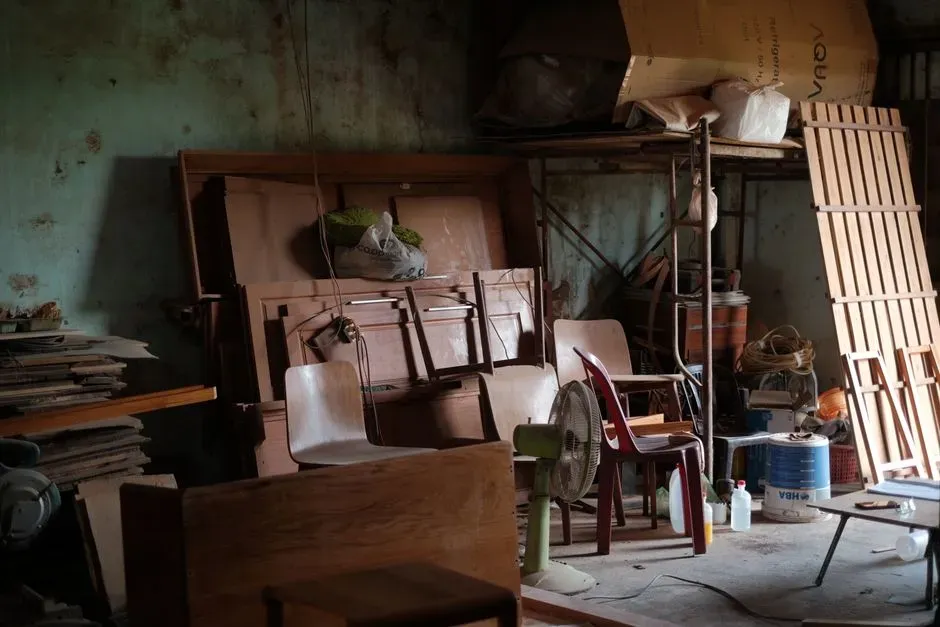
Rather than replacing furniture at the first sign of damage, many grandparents repaired, refinished, or repurposed wooden pieces instead. A broken chair might lose its legs but keep its seat as a stool, while leftover wood scraps became shelves, toolboxes, or garden structures. This required patience and basic skill, but it also meant furniture lasted for decades rather than years.
Solid wood furniture, especially older pieces, was often built with sturdier materials than much of what’s mass-produced today. Repairing rather than discarding it preserves both the material and the craftsmanship behind it. This habit lines up closely with modern upcycling trends, even though it existed long before that term became popular.
None of these habits required special training or expensive tools. They came from paying attention to what already existed at home and asking whether it truly needed to be thrown away. That mindset, more than any single trick, is what still makes these old-school habits worth holding onto today.
