

Cheaper fuel and less maintenance are the usual pitch for going electric, and both are real. An electric car typically costs less to operate than a gas car in most U.S. markets, often saving $800 to $1,500 a year on fuel and maintenance. Still, the savings aren’t the whole story, and a few line items can shrink them.
Here are six things that catch new EV owners off guard, backed by 2026 figures. Your own results will depend on where you live, how far you drive, and whether you can plug in at home.
1. Insurance Can Take a Real Bite Out of Your Savings
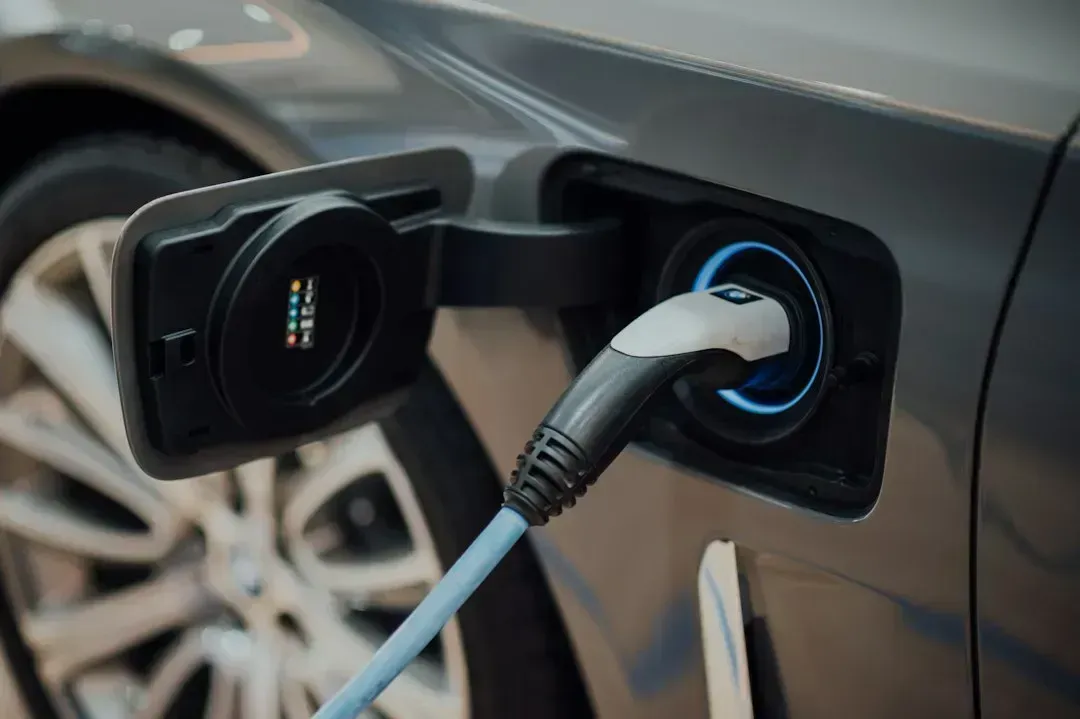
Many buyers compare fuel and forget the insurance quote. A 2026 Insurify report that analyzed more than 235 million insurance rates found EVs cost an average of 42 percent more to insure than comparable gas vehicles. Full coverage averages $3,159 a year for an EV versus $2,218 for a similar gas car, a gap of nearly $1,000 a year.
The reason comes down to repairs. Battery packs are expensive, and many EVs use highly integrated structures that make collision repairs more complicated. A shortage of certified EV repair technicians also raises labor costs and can stretch repair timelines. Get quotes for the exact model before you sign anything.
2. Home Charging Isn’t Free to Set Up
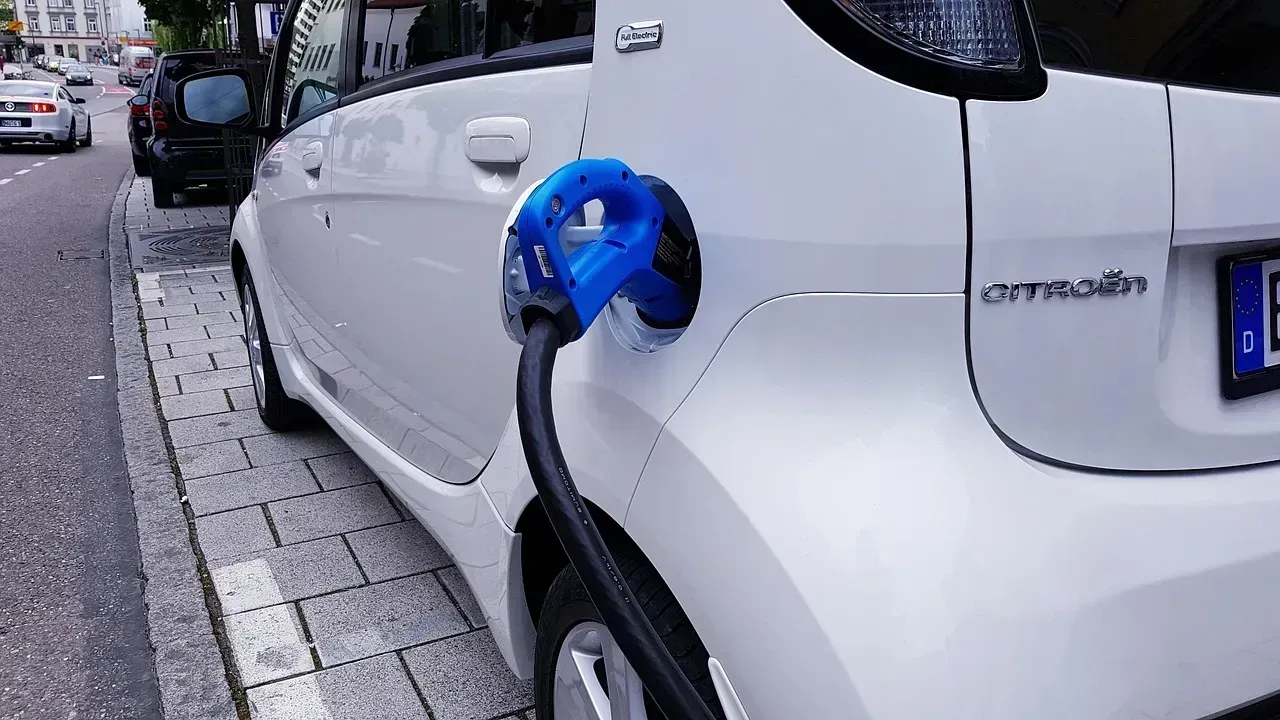
Plugging into a regular outlet works, but it’s slow. A standard 120V outlet adds only 3 to 5 miles of range per hour, which suits drivers who go under 30 miles a day and plug in most nights. Many people end up wanting something faster.
That means a Level 2 charger, and the price varies widely. One estimate puts the unit at $500 to $900 and installation at $200 to $800, for a total of $700 to $1,700. AAA notes installation can climb to as much as $5,000 depending on your home’s electrical capacity. Some states offer incentives for home charging units, so check before you buy.
3. Depreciation Can Hurt More Than You’d Expect
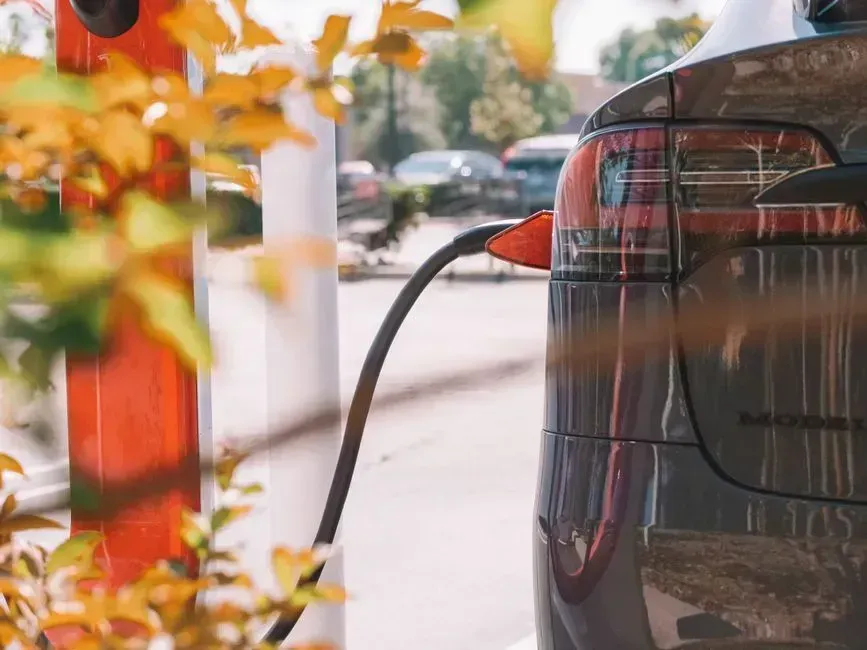
Savings at the pump don’t help if the car loses value quickly. One analysis estimates an EV depreciates about 55 to 60 percent over the first five years, more than the average gas car. Rapidly improving technology is a big reason EVs tend to lose value faster early on.
There’s some good news. New EVs depreciated sharply in 2023 and 2024, but the 2025 to 2026 market has stabilized significantly. Used EVs now average $34,821, only $1,334 more than used gas cars, according to Cox Automotive data from February 2026. Buying used is one way to dodge the steepest drop.
4. Tires Wear Out Faster
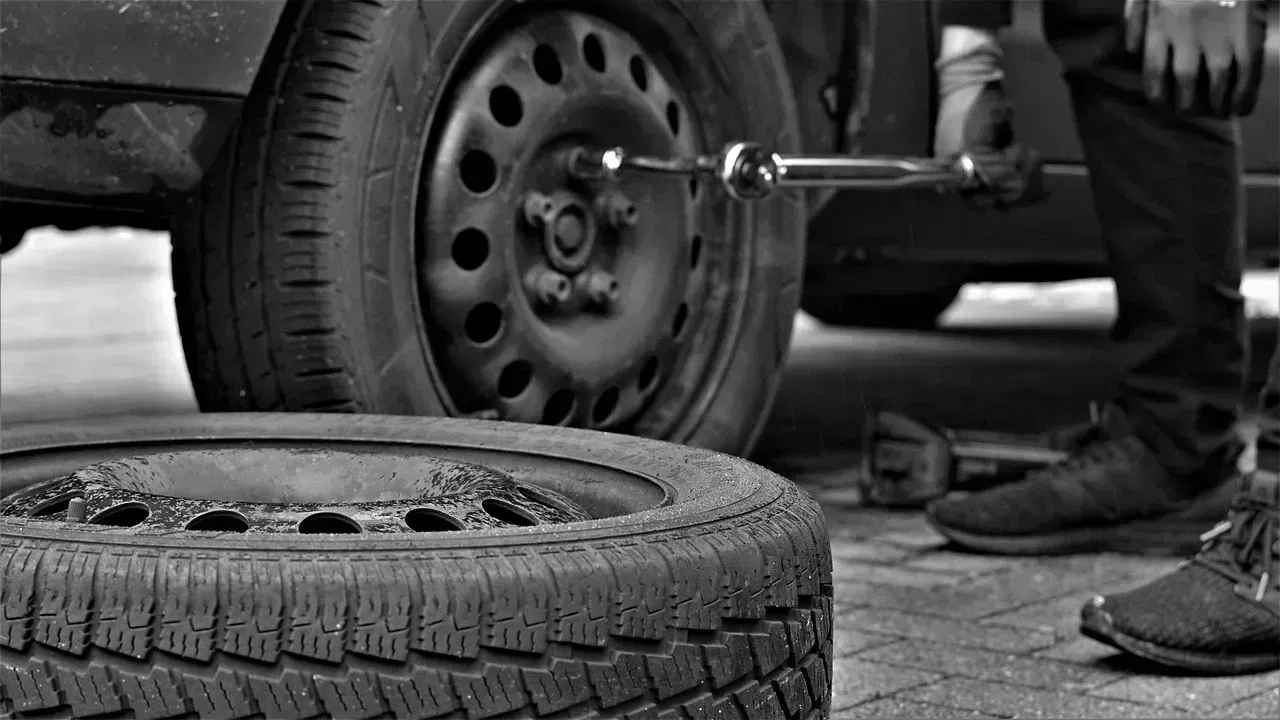
I expected to skip oil changes. I didn’t expect to buy tires more often. EVs are heavier, and instant torque accelerates tire wear. Many owners replace tires every 20,000 to 30,000 miles, compared with 40,000 to 50,000 on a gas car.
It’s not a disaster, but it adds up. For a Model 3, four tires run $600 to $900 installed, and over 60,000 miles you might buy two sets instead of one. Smooth acceleration helps, and it’s one place where driving style really shows up in the budget.
5. Registration Fees and Repair Bills Add Up
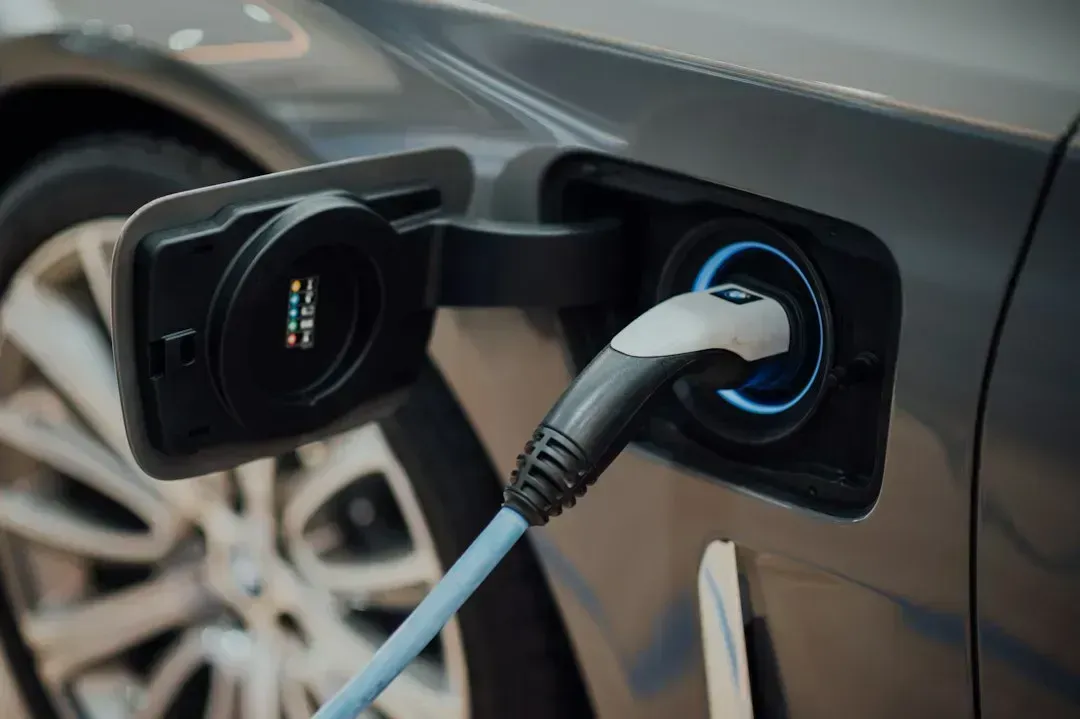
Governments still need road money, and EVs don’t pay gas tax. Many states charge an extra annual EV registration fee, generally from $50 to $250 or more per year. It’s small next to fuel savings, but it’s a surprise on the renewal notice.
Repairs are another mixed picture. EVs have fewer moving parts, which lowers the chance of something breaking, yet repairs are often pricier when they do happen. Maintenance still favors EVs overall. One guide estimates EVs cut maintenance costs by roughly 40 percent, since there’s no oil, no spark plugs, and regenerative braking extends pad life.
6. Your Savings Depend Heavily on Where You Charge
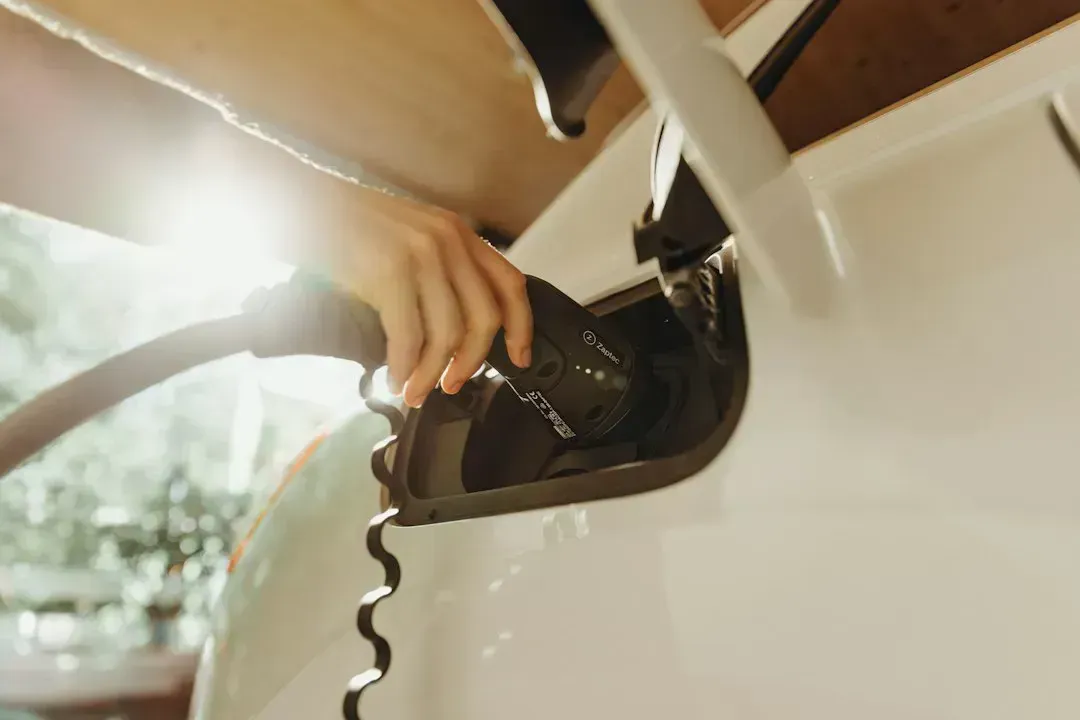
This was the biggest lesson. One analysis found a home-charging EV spends about $4,000 on electricity over 75,000 miles versus $10,000 on gas, a $6,000 saving. That math changes fast without a driveway or garage outlet.
The same source is blunt about it: if you can’t charge at home, an EV’s running-cost advantage evaporates. Another comparison found five-year savings typically range from $2,000 to $6,000 versus a gas equivalent after higher insurance, charger installation, and depreciation. Savings widen significantly for high-mileage drivers who charge at home.
So did the switch pay off? For most home chargers who keep the car several years, the numbers still lean toward electric, just by a narrower margin than the headlines suggest. Get insurance quotes, price the charger install, and think about resale before you commit. Go in with realistic expectations and the savings are real, only smaller than the sales pitch.

- 9 Things TV Meteorologists Say Viewers Often Get Wrong About Forecasts - October 8, 2026
- 9 Sights Worth Seeing at Least Once, From the Northern Lights to Bioluminescent Bays - October 8, 2026
- The Next Total Solar Eclipses Visible From the U.S., From 2033 to 2045 - October 8, 2026
