


- 10 Everyday Weather Habits That Can Catch You Off Guard - March 28, 2026
- Glacier Death: Mexico’s Final Glacier on Citlaltépetl Expected to Vanish by 2030 - March 28, 2026
- The No-Go List: 10 Cities Facing the Worst Weather Risks in the U.S. - March 27, 2026
Most of us think we have a pretty decent handle on the weather. You glance at the sky, maybe peek at an app, grab an umbrella if it looks suspicious. Simple enough, right? The thing is, weather has a remarkable way of humbling even the most observant among us – and in 2026, with climate patterns becoming more erratic than ever, those blind spots in our daily weather habits are becoming genuinely dangerous.
It’s not just about getting a little wet. The consequences range from skin damage and cardiovascular stress to financial ruin and serious health impacts. You might be surprised, honestly shocked, by how many of these habits describe your regular Tuesday morning routine. Let’s dive in.
1. Skipping Sunscreen on Cloudy Days

Here’s a habit that catches almost everyone off guard at some point. The sky is grey, the sun is nowhere to be seen, and the instinct is to leave the sunscreen behind. It feels rational. It is not.
Clouds block some UV, but over 90% of UV rays can still pass through cloud and cause sunburn. Think of it like driving with a cracked windshield – the glass is still there, but it’s barely doing the job. That’s why cloudy days often lead to unnoticed sunburns. The sun may not feel hot, and your eyes don’t squint, but the rays are still affecting your skin.
UV radiation is still present on overcast days and cuts through the clouds. The UV index scale runs from 1 to 11+, and according to Cancer Research UK, when the UV index is 3 or above, the sun is strong enough to cause damage for some skin types. Dermatologists recommend that if the UV index is greater than 3, you should have some form of sun protection.
2. Ignoring the Wind Chill Factor

Temperature and wind chill are two completely different things, and most people treat them as one. Stepping outside when it reads 2°C on your phone is one experience. Facing that same temperature with a strong wind is another thing entirely.
Wind makes cold air feel even colder, which increases stress on your heart more than still cold air. This is one of those weather habits that seems minor until it isn’t. Cold weather causes the blood vessels in the heart to constrict, which raises blood pressure, and your heart also has to pump harder and expend more energy to maintain your body temperature, especially if you’re not dressed warmly enough.
The ACSM Expert Consensus Statement makes it clear that cold is a leading cause of death among people engaged in sports. Most people mentally process the number on the weather app and stop there. They skip the wind chill entirely, then spend the afternoon wondering why they feel so drained.
3. Not Checking Flood Risk Before Heavy Rain
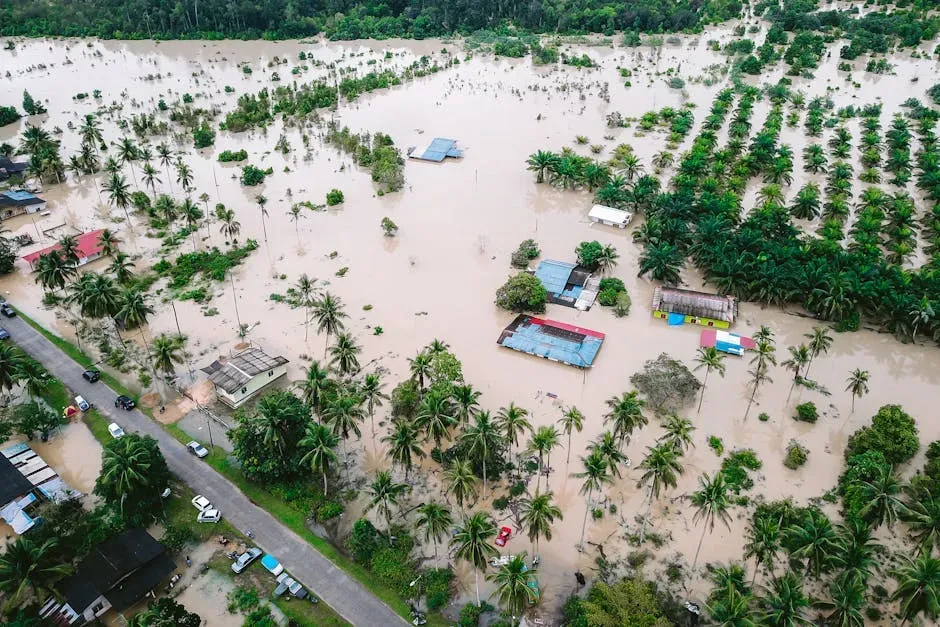
This one is quietly alarming. Flash floods are not rare, dramatic movie events – they happen regularly, to people going about perfectly ordinary days.
Due to extreme weather patterns, flash floods have increased in frequency and intensity across the United States, and flash flood events affect millions of individuals and communities annually, causing substantial economic and non-economic losses. Between 1980 and 2023, inland floods were responsible for losses and damage totaling $196.6 billion.
What makes this habit especially dangerous is what researchers found about public awareness. More than 53 million Americans live in high flood risk areas, yet nearly half of homeowners have never used tools like FEMA flood maps to assess their vulnerability. Even more concerning, 21% are completely unaware that these free resources even exist. Checking flood maps before heavy rain arrives costs nothing and takes about three minutes.
4. Treating Extreme Heat as Just “Hot Weather”
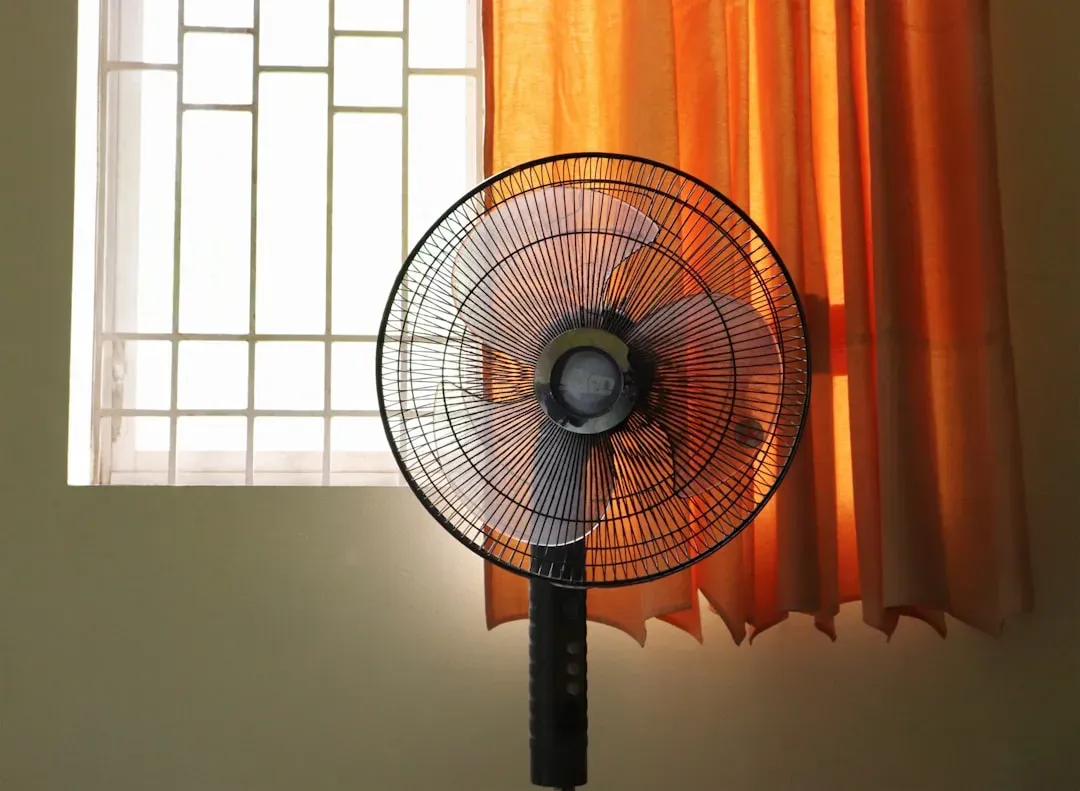
There is a profound difference between a warm summer afternoon and a genuine heatwave. Many people blur that line until it becomes a problem. Historically, heat has been one of the deadliest weather phenomena, yet it consistently gets underestimated in everyday life.
Extreme weather reached dangerous new heights in 2024, with record-breaking temperatures fueling unrelenting heatwaves, drought, wildfire, storms and floods that killed thousands of people and forced millions from their homes. The OECD Climate Action Monitor from 2025 reported that over 2,300 people died of heat-related causes across 12 European cities, with 65% of those deaths in London alone attributed to climate change, effectively tripling the death toll relative to a non-warming baseline.
When coastal areas hit 32°C and inland communities breach 43°C, as they did in mid-2024, it tends to catch people off guard, especially those with few options to escape the high temperatures. The everyday habit of assuming that heat is just discomfort, rather than a genuine medical risk, is one that carries real consequences.
5. Exercising Outdoors in the Cold Without Warming Up

Millions of people lace up their shoes and head outside for a winter run with barely a second thought. The cold feels invigorating, almost energizing at first. What’s actually happening inside the body, though, is a different story.
Cold temperatures cause blood vessels throughout the body to temporarily constrict, raising blood pressure, and blood flow to the heart is reduced as a result of the narrowing of the coronary arteries. This reduction in blood flow, combined with the increased oxygen demand due to physical exertion, can cause an imbalance between myocardial oxygen supply and demand. A 2024 study published in JACC found that hospital admissions for heart attacks increase after exposure to lower air temperature and cold spells.
The risk significantly increases as a person reaches middle age and beyond, with the highest risk observed for adults ages 65 and older, particularly those with underlying medical conditions such as diabetes, obesity, hypertension, or preexisting heart disease. Always warm up indoors first. It’s not optional.
6. Forgetting That Dehydration Happens in Winter Too

Ask most people when they’re most at risk of dehydration, and they’ll say summer. August. Beach days. The truth is, winter dehydration is a genuine and underappreciated risk that silently creeps up on people.
You’re prone to dehydration in the winter, since you may not realize you’re losing fluids. You’re not sweating visibly, the thirst signals are weaker, and hot drinks can mask the issue. Although people tend to drink less water in winter, staying hydrated is crucial for heart health, and cold, dry air can lead to dehydration, which can strain the heart.
According to the Texas Heart Institute, you can become just as dehydrated in the cold as you can in the heat. The ACE Fitness guidelines recommend that you drink before, during and after your workout, even if you don’t feel very thirsty, as dehydration may be more difficult to notice during cold-weather exertion.
7. Assuming Weather Apps Are Always Right
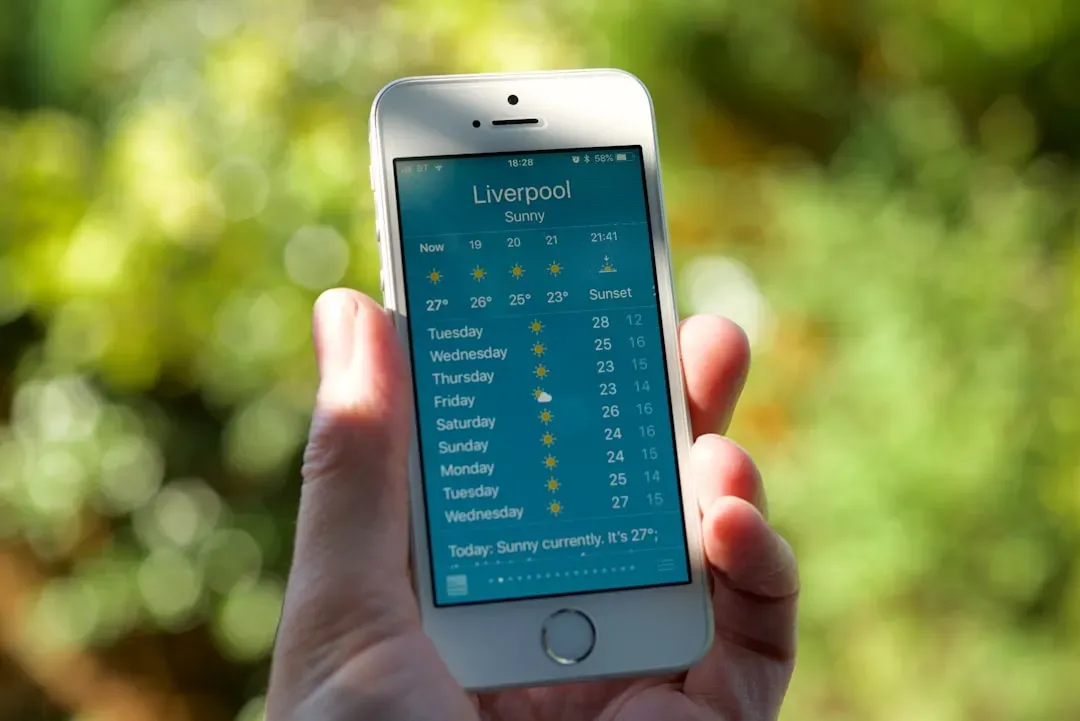
Weather apps have become our unquestioned go-to, almost like a reflex. Check your phone, plan your day, done. The problem is that most people treat the forecast as fact rather than a very good educated guess.
Research published in Nature Communications in 2025 explored precisely this issue. Unprecedented weather continues to cause widespread impacts across the world, and the methods that help anticipate unprecedented weather hazards are still evolving. Ultimately, we should take responsibility to build resilience rather than being surprised by unprecedented weather, as unprecedented weather events are increasingly impacting societies worldwide.
The same research highlighted historical anomalies that genuinely challenge assumptions. For example, September 2024 became Oxford’s wettest month in over 200 years with 193.3 mm, an extraordinarily anomalous event that would appear to be record-breaking for almost anywhere else in the world. No app predicted that with certainty. Building a personal weather buffer – extra layers, a folding umbrella, flexible plans – remains as smart as any algorithm.
8. Overlooking the Cumulative Cost of Weather Unpreparedness
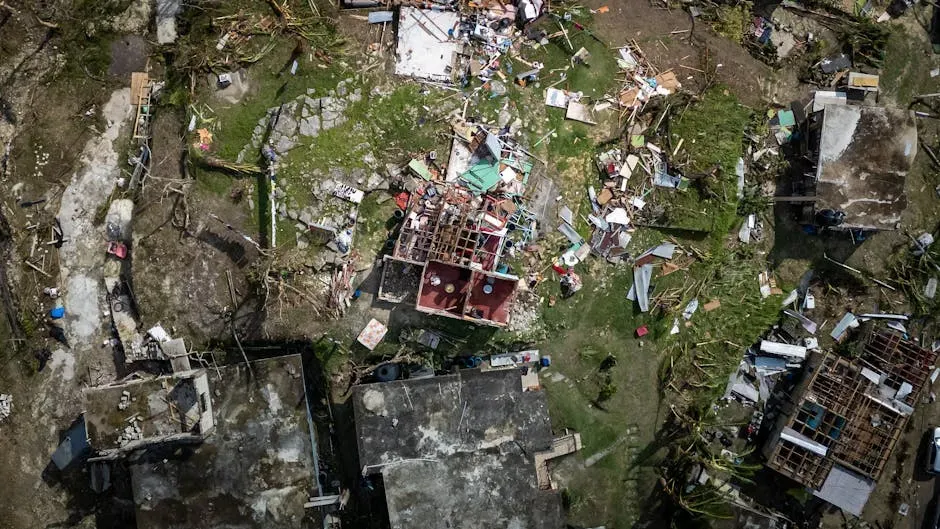
Here’s the financial side of the story, and it’s a genuinely uncomfortable one. Most people don’t connect their daily weather habits with their bank accounts. They should.
According to Hippo’s 2025 Extreme Weather Survey, 46% of homeowners spent more than $5,000 on surprise fixes in 2024, up from 36% in 2023, underscoring the growing financial burden facing homeowners as severe weather becomes more frequent and costly. Worse, preparedness is actually declining: just 33% of homeowners made home improvements to reduce severe weather risks, down from 39% in 2024.
Despite growing climate threats, many homeowners delay taking action, often because they simply can’t afford to. One in five homeowners say cost is the top barrier to making climate-related home improvements, while 13% admit they won’t invest in upgrades until after their home has been damaged by severe weather. That is reactive thinking at its most expensive. Waiting for the damage is always costlier than preventing it.
9. Underestimating the Impact of Weather on Mental Health

Most weather conversations stay firmly in the physical lane. Got wet. Got cold. Got sunburned. The mental and emotional dimension of daily weather exposure tends to get far less attention, despite mounting evidence that it matters enormously.
A 2025 study published in Frontiers in Public Health found that the issue of how weather conditions influence well-being has garnered widespread attention from researchers, and the rise of environmental psychology has provided a novel theoretical framework for understanding these effects. Lifestyle choices and habits can interfere with melatonin production, which in turn affects emotional balance. Artificial light at night, caffeine and alcohol consumption, and high stress levels can all impact melatonin production, affecting our happiness.
Research from ScienceDirect in 2025 found that respondents who were exposed to more extreme weather events and who perceived themselves to be less prepared to deal with weather disasters reported more depressive symptoms and worse self-rated health. Feeling caught off guard by weather isn’t just an inconvenience. It leaves a psychological mark too.
10. Treating Mild Weather Days as a Reason to Abandon All Caution

Ironically, some of the most dangerous weather habits emerge on perfectly pleasant days. The sun is shining, it’s a comfortable temperature, nothing seems threatening. These are exactly the conditions where vigilance drops to zero.
About seven in ten Americans report that their local community experienced at least one of five types of extreme weather events in the past 12 months, including severe storms, unusually hot weather, droughts, rising sea levels, or major wildfires. Yet calm days breed complacency, and complacency is how people get caught out when conditions shift faster than expected. Conditions can change so rapidly in some regions that locals joke about having “weather whiplash.”
Research in Nature Reviews Earth and Environment confirmed that 2024 saw multiple high-impact compound events, as record-breaking global temperatures combined with regional weather variability to create compound floods, spatially compounding droughts and heatwaves, and hazard sequences with often devastating impacts. A mild morning is no guarantee of a mild afternoon. The habit of staying loosely weather-aware all day, not just at breakfast, is quietly one of the smartest things you can do.
Final Thought
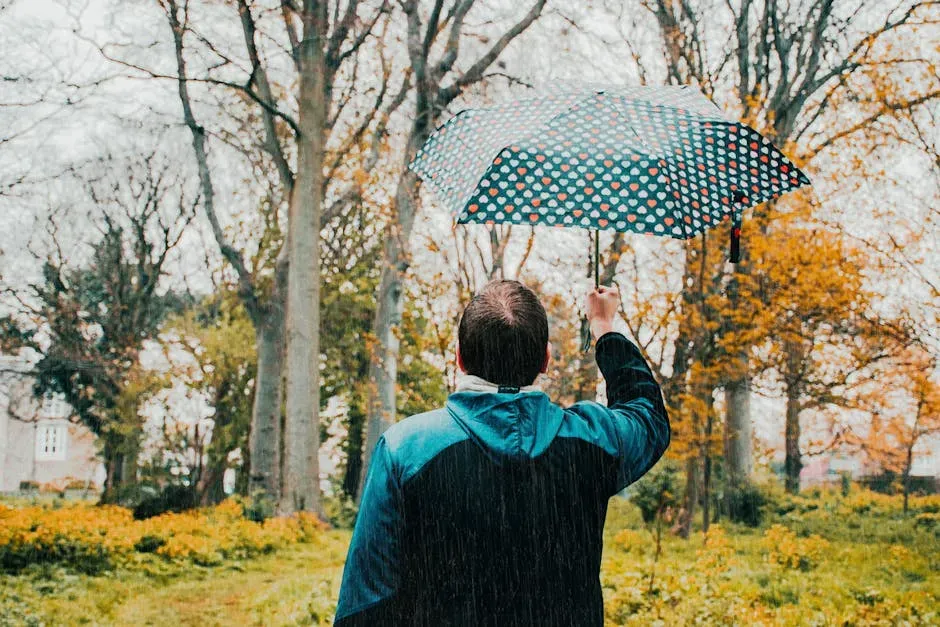
Weather is something we all experience every single day, yet it remains one of the most consistently underestimated forces in our lives. The habits above aren’t about fear or obsession. They’re about closing the gap between what we assume about the sky and what the sky is actually doing.
Documenting the severe consequences of a warming climate reveals, once again, how unprepared we remain. The good news? Every single habit on this list is easy to change. A quick app check. A bottle of water. A tube of sunscreen in your bag.
Small shifts, real protection. Which of these habits do you recognize in yourself? Tell us in the comments.
