

- 10 Reasons Some Americans Are Rethinking Travel During Extreme Weather - March 21, 2026
- 11 Historic Wildfires That Changed Fire Management Data Reveals - October 4, 2025
- The 1883 Krakatoa Event And Its Global Weather Effects Records Show - October 2, 2025
Something has quietly shifted in the way Americans plan their vacations. It’s not just the price of a hotel room or the cost of a flight. It’s something bigger, something harder to ignore every time you flip on the news: the weather itself. More people are asking a question that would have seemed almost unnecessary a decade ago – is it actually safe to travel right now?
The numbers tell a story that’s hard to spin in a positive direction. Storms are stronger, seasons are less predictable, and the places we once assumed would be reliably sunny and calm are turning into disruption zones. From canceled flights to evacuated coastal resorts, extreme weather is rewriting the rulebook for American travelers. Let’s dive in.
1. The Sheer Scale of Weather Disasters Is Getting Impossible to Ignore
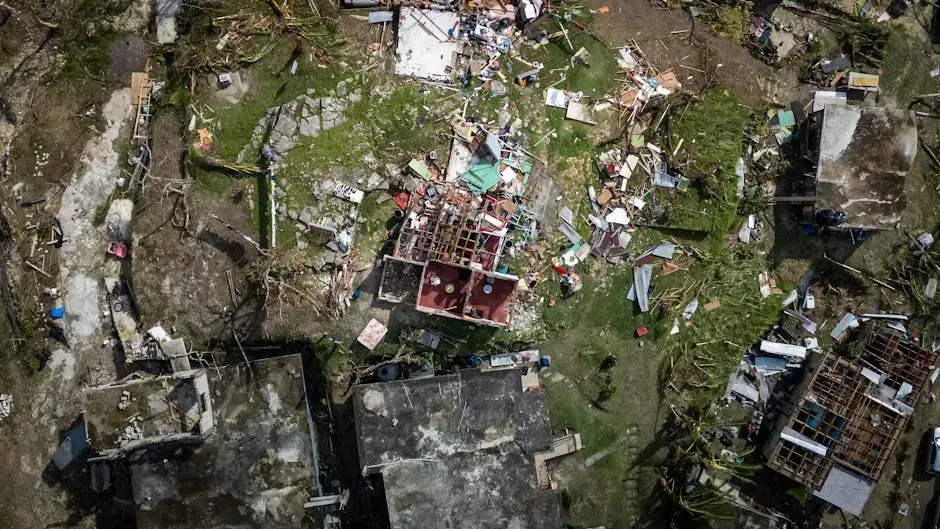
By November 2024, there were 24 confirmed climate disasters with losses exceeding $1 billion in the US alone, according to the National Centers for Environmental Information. That is not a one-off bad year. That’s a pattern, and travelers are starting to notice.
Losses from billion-dollar disasters tracked by NCEI have averaged $140 billion per year over the last decade. Think about that for a moment. That’s roughly the GDP of a mid-sized country, evaporating every single year from weather damage alone.
The world’s largest reinsurer, Munich Re, noted that 2024 was one of the most expensive years for weather disasters on record, with $320 billion in global losses, of which around $140 billion were insured. When the people who literally price disaster for a living are alarmed, maybe the rest of us should pay attention too.
2. Extreme Heat Is Turning Popular Destinations Into No-Go Zones

All 10 of the warmest years on record occurred between 2014 and 2023, until 2024 shattered global heat records and became the hottest year yet. In July 2024, the world experienced its hottest day ever, with numerous cities across 35 states breaking their daily heat records in the span of only two months. That’s a stunning figure for anyone planning a summer road trip.
The start of summer 2025 brought a massive heat dome over the United States, subjecting more than 255 million Americans to what meteorologists called “dangerous, life-threatening” conditions of triple-digit temperatures and high humidity. Imagine booking a beach vacation and landing in conditions your doctor would advise against.
Extreme heat is the deadliest form of extreme weather and, in most years, kills more Americans than floods, tornadoes, and hurricanes combined. That fact alone is enough to make even the most adventurous traveler pause and reconsider the timing of their next trip.
3. Americans Are Personally Experiencing More Disruptions Than Ever
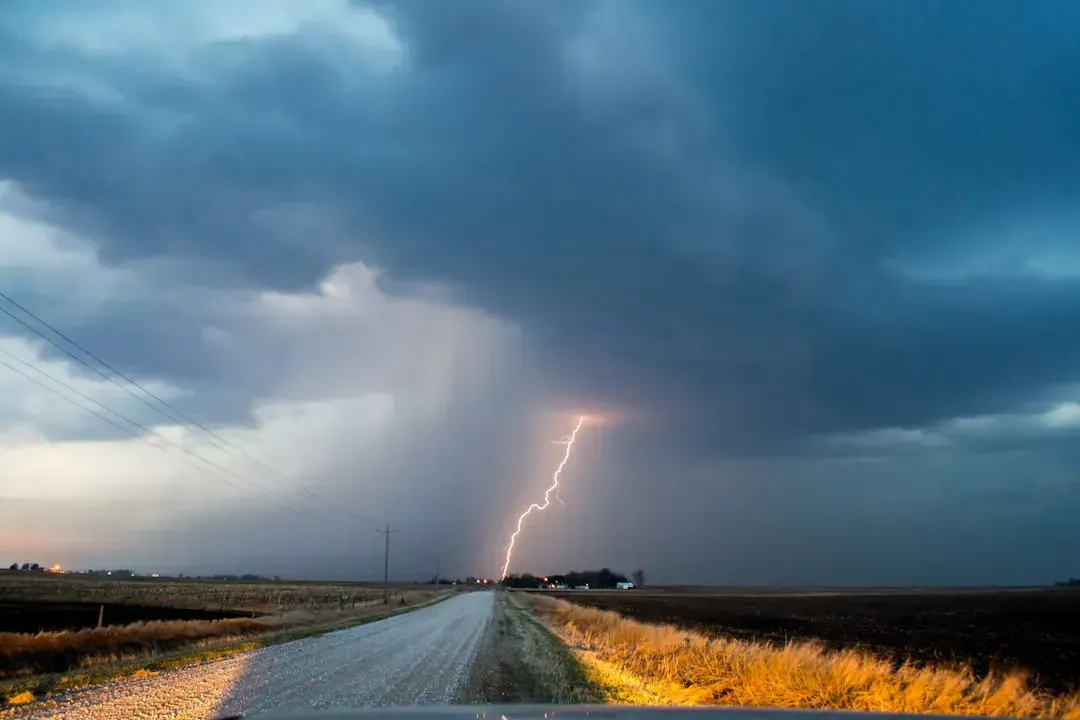
About seven in ten Americans report that their local community experienced at least one of the five types of extreme weather events in the past 12 months: severe weather, like floods or intense storms; long stretches of unusually hot weather; droughts or water shortages; rising sea levels; or major wildfires. It’s no longer abstract. It’s becoming personal.
Half of Westerners and 54% of Southerners say they experienced stretches of unusually hot weather in the past year, compared with roughly a third each in the Northeast or Midwest. These aren’t distant statistics from some far-off country. These are neighbors, family members, and people scrolling the same travel apps you are.
A majority of Americans think extreme weather poses either a “high” or “moderate” risk to their community over the next 10 years. And when people feel that way about their own backyard, they start asking harder questions about everywhere else they plan to go.
4. Flight Cancellations and Delays Due to Weather Are Piling Up
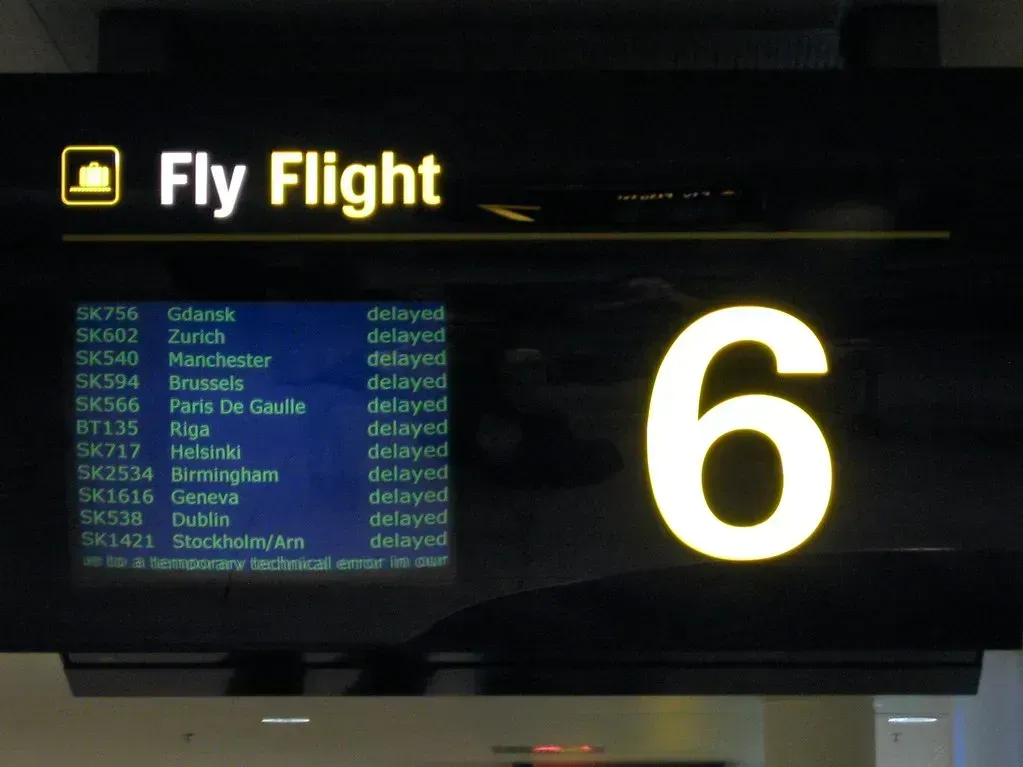
Here’s the thing about planning a trip: even if your destination is fine, getting there is its own gamble. Nearly 1 in 4 flights across the U.S. run late or are canceled, according to data from July 2024 to June 2025. That’s a staggering disruption rate for an industry that sells itself on convenience.
A powerful cold front pushing through the U.S. Northeast brought heavy rainfall, thunderstorms, strong winds, and sweltering heat advisories, leading to over 7,000 combined flight cancellations and delays. Stories like this kept repeating throughout 2024 and 2025, storm after storm, season after season.
As of one Friday evening during Winter Storm Fern in early 2026, there had already been more than 3,000 flight delays within, into, or out of the U.S., and more than 600 cancellations so far that day. More than 3,000 flights were canceled through Sunday. That kind of chaos doesn’t just ruin a trip – it costs money, strands families, and erodes confidence in the entire travel experience.
5. Record Displacements Are Changing How Americans Think About Destinations
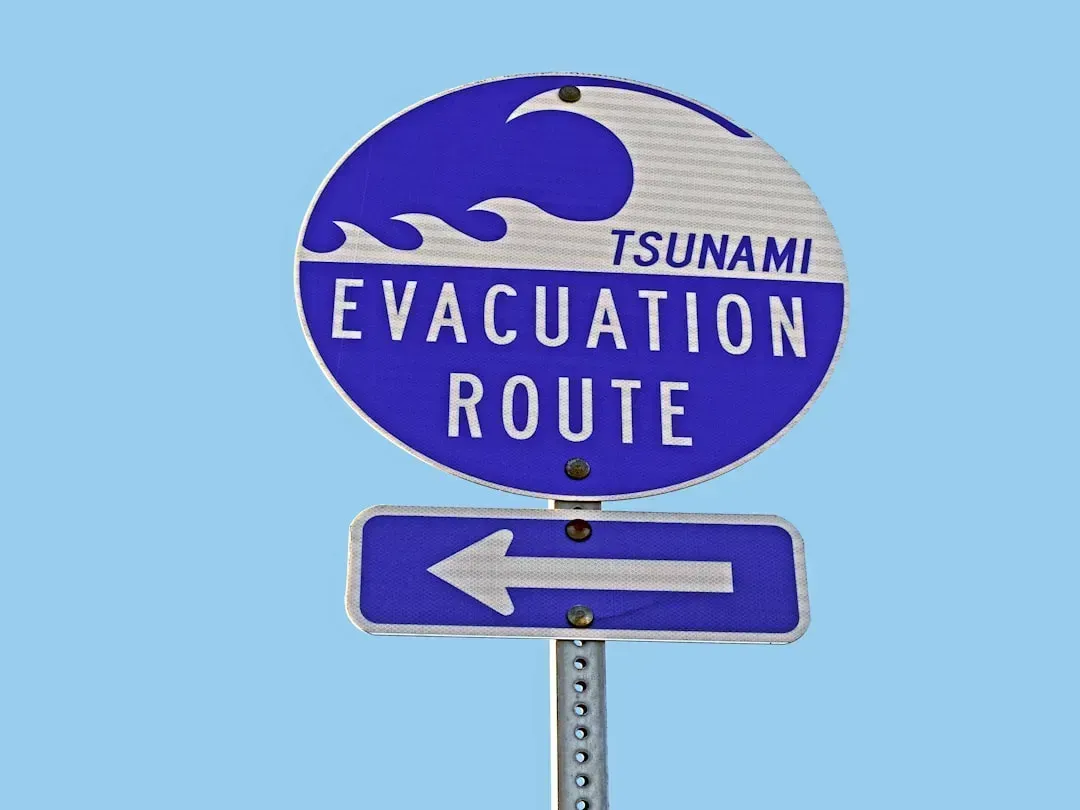
In 2024, disasters displaced a record number of people both globally and in the U.S. About 11 million U.S. residents had to relocate to another part of the country because of hurricanes, floods and wildfires. That’s a record for the United States. Eleven million people. That’s more than the entire population of New York City suddenly needing somewhere else to go.
Hurricane Milton alone triggered around 6 million evacuations in Florida. Florida, of course, is one of the most popular travel destinations in the entire country. When millions of residents are fleeing, tourists are most certainly not rushing in.
Disaster-related displacement is rising even faster. About 9.8 million people worldwide were living in displacement from disasters at the end of 2024, a roughly 29 percent increase over 2023. These figures reshape not just local communities but also the infrastructure travelers depend on – hotels, roads, airports, and services.
6. Travelers Are Deliberately Avoiding Extreme Weather Destinations
Honestly, this trend probably should not surprise anyone. Travelers are deliberately avoiding regions vulnerable to wildfires, extreme heat and other natural disasters, fueling the rise of so-called “coolcations.” Travel to Nordic countries, for example, is expected to grow roughly 9 percent in 2025, surpassing many of the usual warm-weather hotspots. Cool, literally and figuratively.
While perennial favorites like Hawaii, Florida and California continue to attract visitors, extreme weather events have tempered enthusiasm for certain regions. These are destinations that built entire economies around tourism, and the weather is now working against them.
It’s a bit like how people stopped vacationing near polluted rivers once cleaner alternatives became obvious. The same logic is now being applied to fire corridors, hurricane belts, and zones of recurring deadly heat. People adapt. They find somewhere better to go.
7. The Travel Insurance Surge Tells Its Own Story

When millions of people rush to buy a safety net, that says something loud about their level of worry. According to the U.S. Travel Insurance Association, American travelers spent $5.56 billion on travel insurance in 2024, a 46 percent increase from 2019. That’s nearly half again as much as five years earlier.
Roughly 60 percent of travelers experienced trip disruption in the past year, and nearly half blamed weather. Claims data mirror the trend: weather-linked delay claims climbed 15 percent in 2024, with average payouts rising to $370. Weather is now the number one enemy of a smooth trip.
The share of Cancel For Any Reason policies more than doubled to nearly 11.57 percent by February 2025, underscoring consumer demand for broad, transparent protection. When travelers start buying the most flexible, comprehensive coverage available, they’re basically telling you they don’t trust the weather – or the future – enough to commit to a firm itinerary.
8. Hurricanes Are Disrupting Beloved Vacation Spots
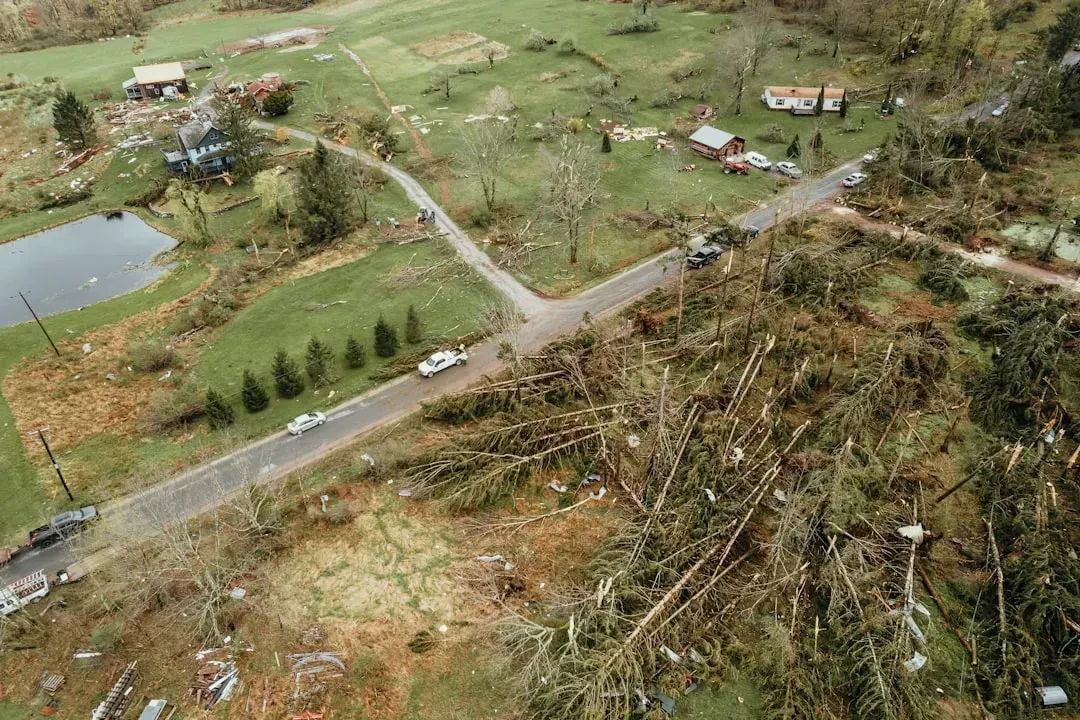
The United States experienced a series of hurricanes that caused widespread destruction in 2024, including Hurricanes Beryl, Francine, Helene, and Milton. These weren’t minor storms. They carved through some of the most visited coastal regions in the country.
The U.S. State Department updated its travel advisory for Jamaica at a Level 3, citing “changes to U.S. embassy operations and hurricane damage.” It’s a sobering reminder that weather damage doesn’t just affect the United States – it ripples through the entire Caribbean region that millions of Americans escape to every winter.
Scientists estimated that climate change made Hurricane Helene twice as destructive and increased its rainfall by over 50 percent in some areas. When storms are systematically more powerful than they were a generation ago, the map of “safe” vacation zones gets noticeably smaller.
9. The Wildfire Reality Is Reshaping the American West as a Travel Region
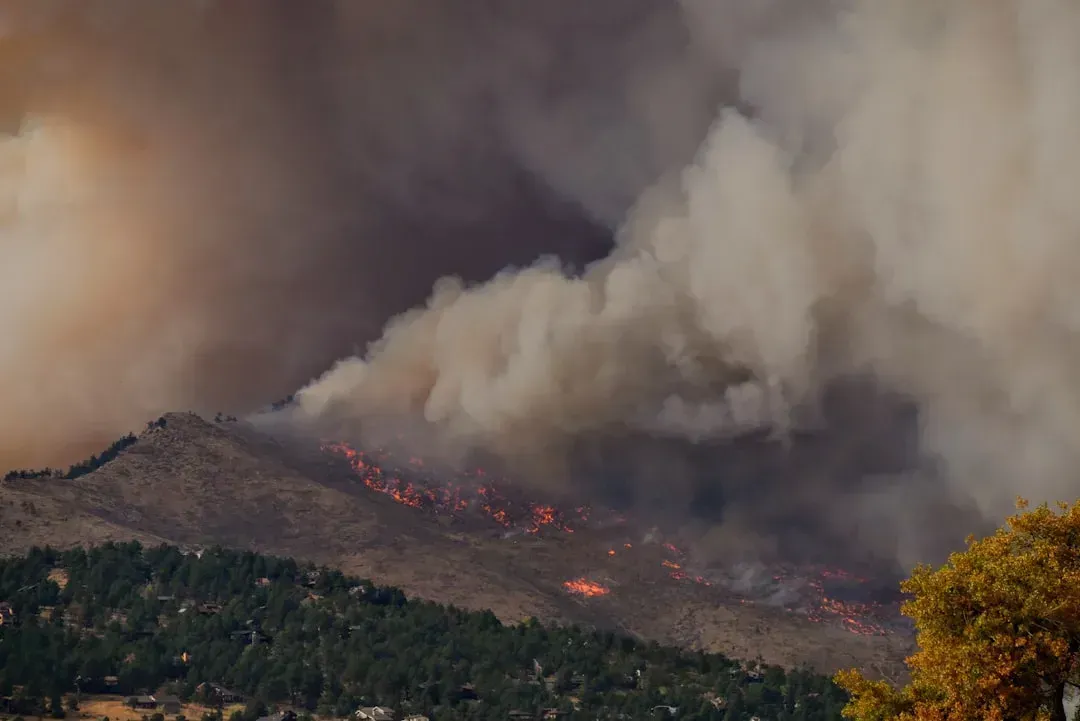
The American West used to feel like an endless canvas of national parks, open roads, and adventure. That narrative is under serious pressure. 17 of the 20 largest California wildfires by acreage and 18 of the 20 most destructive wildfires by the number of buildings destroyed have occurred since the year 2000. The pace of destruction has accelerated dramatically in just two decades.
Major wildfires are reported by 38 percent of respondents in the West, but only by about 8 percent in the Northeast and Midwest. This regional divide is actively shifting where Americans feel comfortable traveling, especially during summer months when fire seasons peak and air quality can deteriorate rapidly across entire states.
Research shows that in-migration to fire-affected places will decline as potential in-migrants seek to avoid the fire-affected destination. This behavioral response extends beyond residents – it includes tourists who decide that a road trip through smoke haze isn’t quite what they had in mind for their two weeks of annual leave.
10. The Mental and Emotional Toll Is Real and Growing
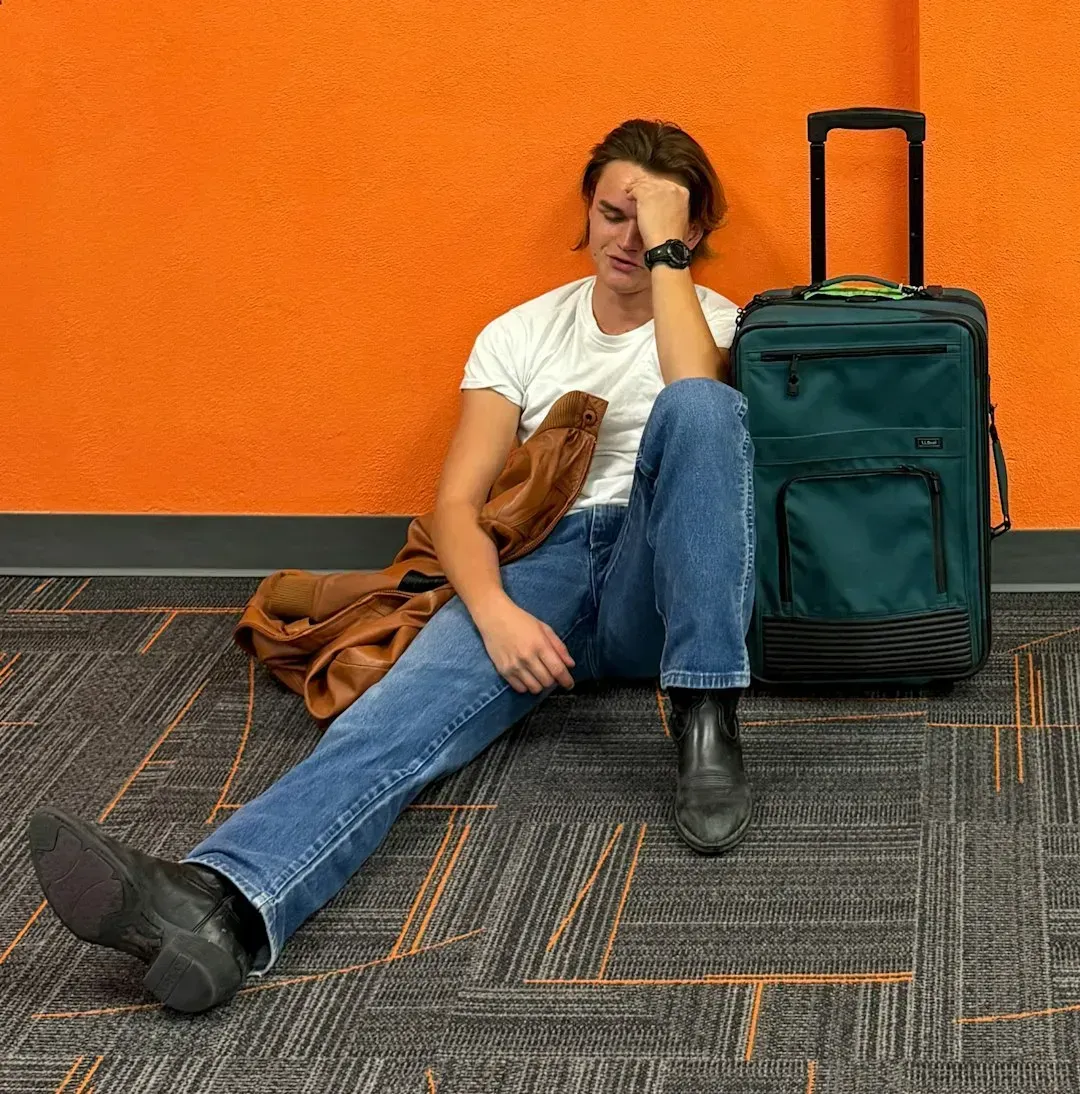
Let’s be real: travel is supposed to relieve stress, not create it. Yet the constant barrage of weather warnings, emergency alerts, and last-minute booking changes is doing something to how Americans emotionally approach the whole idea of travel. A majority of Americans – well over half – agree that extreme weather events will become more frequent in the near future.
Majorities of Americans are at least “a little worried” their local area might be harmed by air pollution, electricity power outages, water pollution, droughts, extreme heat, flooding, water shortages, tornadoes, and wildfires. When worry is that widespread and covers that many hazard types, it bleeds into how people plan their lives – including their vacations.
More than half of respondents believe humans could slow climate change but lack the willpower to change their behavior. That sense of helplessness – knowing what’s happening, feeling unable to stop it – sits underneath every airline booking and every beach reservation. It’s hard to say exactly when that psychological weight tips into genuine behavioral change, but the data suggests that tipping point is arriving.
Conclusion

The shift in how Americans think about travel and extreme weather isn’t just a conversation for environmentalists or policy wonks. It’s playing out in flight booking data, insurance claims, destination popularity rankings, and everyday conversations around the dinner table. The evidence is stacking up from every direction: NOAA, Pew Research, the U.S. Travel Insurance Association, Munich Re, and scientific journals all tell the same basic story.
Weather is no longer a background detail in trip planning. For a growing number of Americans, it’s become the main event. The question isn’t whether extreme weather will affect travel – it clearly already is. The real question is how much more it will take before the entire industry restructures around the new reality. What would you do differently on your next trip knowing what you now know?
