

1. Treat air conditioning as a necessity, not a luxury
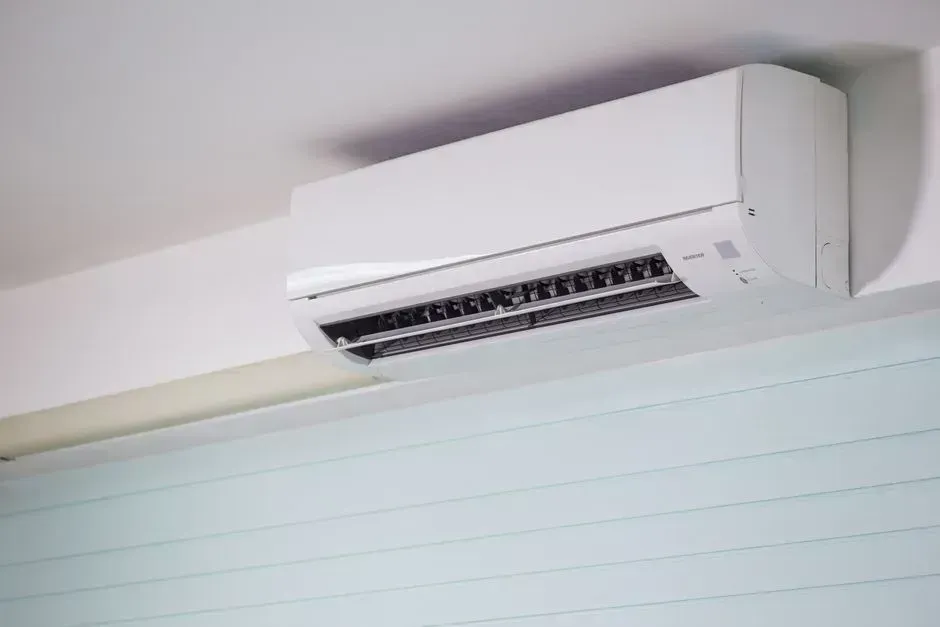
Fans feel like they’re helping, but on the hottest days they can actually work against you. The CDC recommends staying in air-conditioned buildings as much as possible and not relying on a fan as the main cooling source when it’s really hot outside. If a fan is blowing air that’s already above the mid-90s, it just moves hot air around the room.
For people whose home doesn’t have working air conditioning, waiting it out isn’t a good plan. If your home doesn’t have air conditioning, contact your local health department or locate an air-conditioned shelter in your area. Libraries, senior centers, and shopping malls also work fine for a few hours of relief during the worst part of the afternoon.
2. Drink water on a schedule, not by thirst

This one sounds simple, but it trips people up constantly. Drink more water than usual and don’t wait until you’re thirsty to drink. The thirst signal weakens with age, so someone can be genuinely dehydrated before they ever feel the urge to reach for a glass.
Anyone managing fluid intake for medical reasons should still get personalized guidance rather than guessing. If your doctor limits the amount of fluids you drink or has you on water pills, ask them how much you should drink during hot weather. A quick phone call before a heat wave arrives is a lot easier than sorting this out during an emergency room visit.
3. Review medications with a doctor or pharmacist before summer peaks

Certain prescriptions quietly raise heat risk without anyone realizing it. The CDC’s clinical guidance on heat and medications says certain medicines can increase susceptibility to dehydration, overheating, fainting, falls, or other heat-related problems, including some diuretics, beta blockers, ACE inhibitors, angiotensin receptor blockers, anticholinergic drugs, and certain psychiatric medications. None of this means stopping a prescription on your own.
The right move is a conversation, not a guess. Instead of changing a dose independently, older adults can ask a physician or pharmacist whether any prescription or over-the-counter medications require extra caution during hot weather. This is worth doing once a year, ideally before the first heat advisory of the season hits.
4. Skip the stove during heat advisories

Cooking dinner on a scorching afternoon adds heat to a home that’s already struggling to stay cool. Don’t use the stove or oven to cook, it will make you and your house hotter. Cold sandwiches, salads, or a microwave meal keep the kitchen from turning into an extra source of heat.
This habit pairs well with keeping blinds or curtains closed during peak sun hours. Small adjustments like these add up over a multi-day heat wave, when indoor temperatures can climb steadily even with air conditioning running.
5. Choose loose, light-colored, breathable clothing

What someone wears on a hot day genuinely affects how their body handles the heat. Wear loose, lightweight, light-colored clothing. Dark fabrics soak up more sunlight and hold heat closer to the skin, which is the opposite of what anyone needs in July or August.
A wide-brimmed hat helps too, particularly for anyone spending time outside for errands or a short walk. Dressing appropriately means wearing loose, light-colored clothes whenever possible, avoiding dark-colored clothes since they may absorb heat, and topping it off with a lightweight, broad-brimmed hat. It’s a small change that makes a real difference over the course of a hot afternoon.
6. Cool the body directly when it starts to feel warm

Sometimes the air conditioning isn’t quite enough, or someone’s been outside longer than planned. Take tepid, not too cold or too hot, showers, baths, or sponge baths when you’re feeling warm. A quick rinse can bring body temperature down faster than sitting in front of a fan.
When there’s no time for a full shower, there’s a faster option. Wet washcloths or towels with cool water and put them on your wrists, ankles, armpits, and neck. These are areas where blood vessels sit close to the skin, so cooling them helps lower core temperature more quickly than cooling other parts of the body.
7. Avoid caffeine and alcohol during the hottest stretches
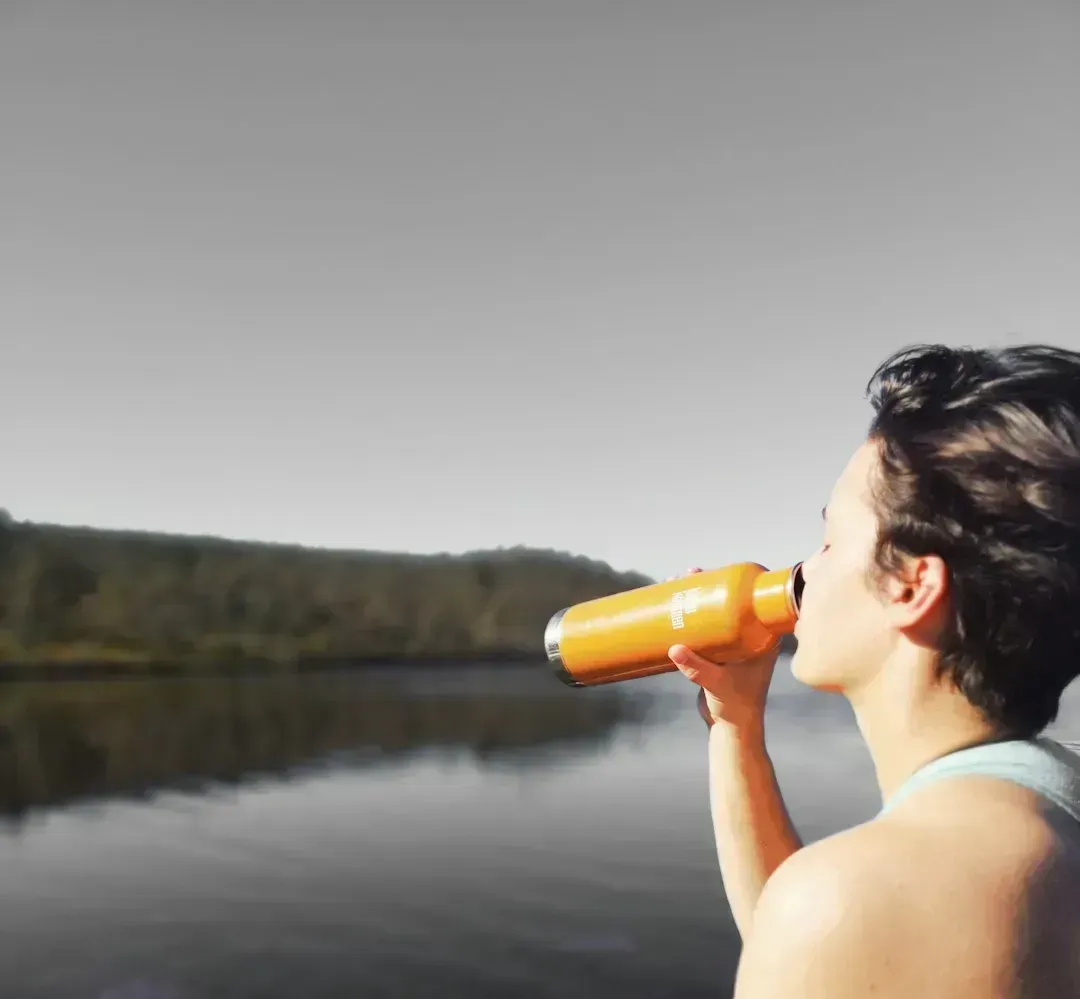
Both of these drinks work against the body’s cooling efforts in ways that aren’t always obvious. It’s probably a good idea to skip alcohol and caffeine, or at least cut back on them, during a heat wave, since they can also affect your response to heat and ability to recognize problems. Alcohol in particular can mask early warning signs of dehydration.
Sports drinks or plain water are safer choices when the heat index climbs. Staying well hydrated by drinking water or sports drinks, and avoiding drinks with caffeine and alcohol, is a recommended step, along with not waiting until feeling thirsty before beginning hydration. This is one of those habits that’s easy to overlook until it’s already caused a problem.
8. Rest more and skip strenuous activity

Yard work, long walks, and errands that pile up on a hot day should probably wait for cooler hours. Do not engage in very strenuous activities and get plenty of rest. The body’s ability to shed excess heat drops sharply during physical exertion, especially in humid conditions.
Early morning or evening tends to be safer for anything that has to get done outside. Even then, pacing matters more than it might have a decade or two earlier, since recovery from overheating takes longer as people age.
9. Learn the early symptoms of heat exhaustion

Catching trouble early makes a real difference in outcomes. Symptoms of heat exhaustion can include heavy sweating, cold, pale and clammy skin, fast, weak pulse, muscle cramps, feeling tired or weak, or vomiting. Headaches and dizziness often show up alongside these signs too.
Waiting to see if symptoms pass on their own isn’t a safe strategy. Seeking help for any physical symptoms by calling a doctor’s office or clinic before they become an emergency is worth doing, since staff can give advice over the phone and help steer someone toward local resources. A patient portal message isn’t the right channel for anything urgent, a phone call gets a faster response.
10. Know when symptoms have crossed into heat stroke territory
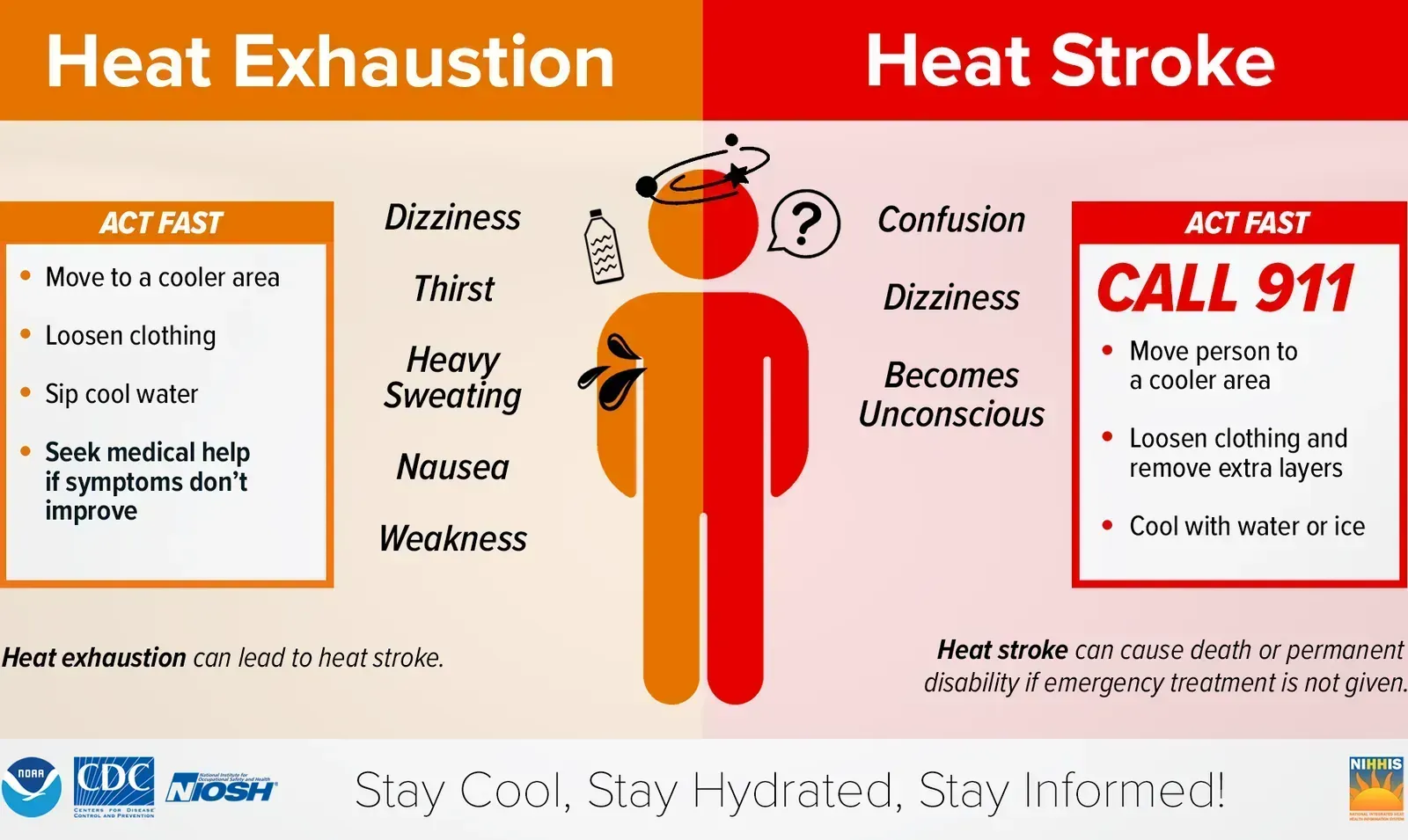
Heat exhaustion can progress quickly if it’s ignored, and the next stage is far more serious. Warning signs of heat stroke can include a high body temperature of 103 degrees Fahrenheit or higher, hot, red, dry, or damp skin, a fast and strong pulse, and confusion. Confusion is often the detail that family members notice first, since it can look like sudden disorientation rather than an obvious medical symptom.
This is not a situation to manage at home. Heat strokes can be fatal if not recognized and treated in time. Calling emergency services immediately, rather than waiting to see if things improve, gives the best chance of a good outcome.
11. Build a check-in system with neighbors, friends, or family
Isolation is one of the quieter risk factors during a heat wave, particularly for someone living alone. Checking on a friend or neighbor and having someone do the same for you is one of the simplest safety steps available. A short daily phone call or a quick visit can catch problems before they escalate.
Families can take this a step further by planning ahead rather than reacting once a heat advisory is already in effect. Making a cooling plan before a heat wave arrives, including transportation arrangements if the person needs somewhere safer to spend the hottest hours, gives everyone a clear plan instead of a last-minute scramble. Having that plan written down, even informally, tends to make it more likely that it actually gets used when the temperature spikes. None of these habits require special equipment or major lifestyle changes. They’re small, repeatable choices that add up to meaningful protection during the stretch of summer when heat waves tend to hit hardest. For adults over 70, and for the people who care about them, building these habits into a normal routine before the first hot week of the season arrives is far easier than trying to catch up once the heat has already set in.

- Flood and Cyclone Warnings: What Makes an Early Warning System Effective - October 14, 2026
- Saharan Dust Over Europe: What It Means for Air Quality and Sunsets - October 14, 2026
- Climate Normals: The 30-Year Averages Behind Every “Above Average” Forecast - October 14, 2026
