

1. Blankets or sleeping bags

Body heat drops fast in a stopped vehicle, especially once the engine is off or fuel is limited. Wool or fleece blankets, or better yet a compact sleeping bag rated for cold temperatures, can make the difference between mild discomfort and genuine risk of hypothermia. Many safety agencies, including AAA, recommend keeping at least one heavy blanket per passenger in the vehicle during winter months.
Space blankets are a good backup because they pack small and reflect body heat effectively. Still, they don’t replace a real blanket for extended waits, since they offer less insulation against the cold air seeping through car doors and windows. Layering both options tends to work best if you have the room.
2. Extra warm clothing

A spare set of gloves, a hat, wool socks, and an insulated jacket kept in the trunk can matter more than people think. Clothes that get wet from snow or slush lose their insulating value almost immediately, so having dry backups is a practical safeguard. This is especially true if you need to leave the vehicle to check the engine, change a tire, or walk toward help.
Boots are worth including too, since dress shoes or sneakers offer little traction or warmth on icy ground. Keep everything in a sealed bag to prevent moisture from getting in before you actually need it. It sounds like overkill until the one time it isn’t.
3. Non-perishable food
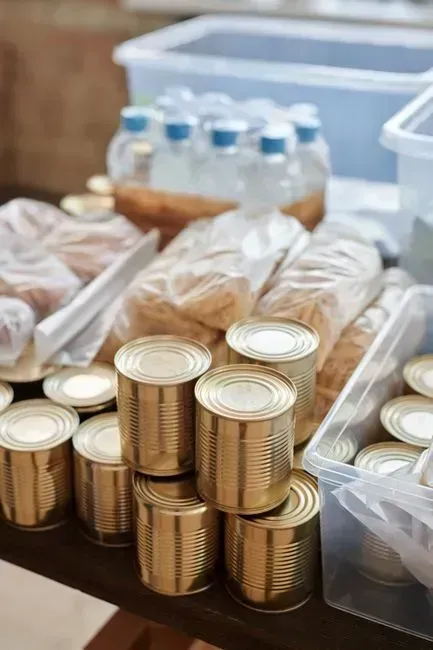
Granola bars, nuts, dried fruit, and canned goods with long shelf lives are ideal because they don’t spoil in extreme cold and require no preparation. Food also helps the body generate heat, which is a small but real factor when you’re stuck waiting for a tow truck or plow. Rotating these items every six months to a year keeps them fresh and edible.
Avoid anything that could freeze solid and become difficult to eat, like most liquids or soft snacks. A few protein bars and a small jar of peanut butter go a long way without taking up much trunk space. It’s a simple addition that’s easy to forget until you’re hungry and stuck.
4. Water
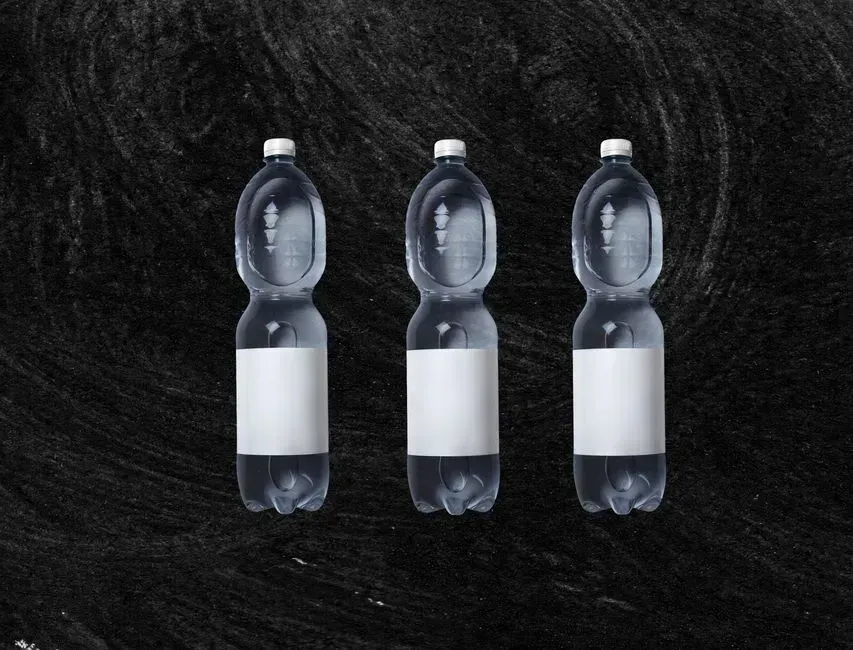
Dehydration remains a risk even in freezing weather, and stress from being stranded can make it worse. Bottled water stored in the trunk can freeze in extreme temperatures, so many drivers keep it in an insulated container or rotate bottles seasonally to avoid solid ice blocks. A gallon per person is a reasonable baseline for a day or two of waiting.
Some people prefer keeping a small immersion heater or hand warmers nearby specifically to thaw water if it does freeze. It’s a minor detail, but one that matters if a storm traps you for several hours. Thirst on top of cold weather stress is not a combination anyone wants.
5. Flashlight and extra batteries
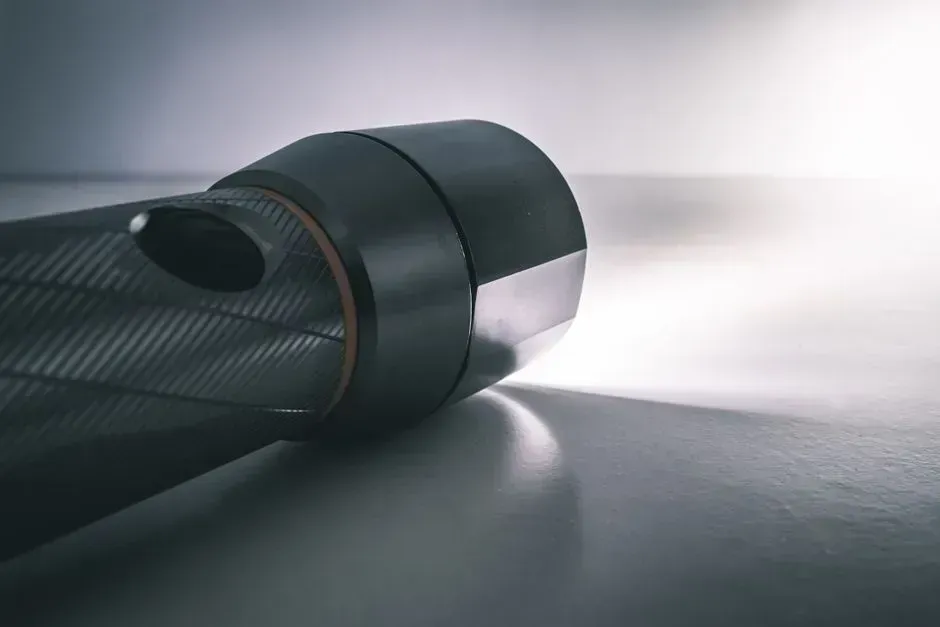
Winter storms often knock out visibility fast, and breakdowns at night without working lights are far more dangerous than during the day. A sturdy flashlight, ideally LED for battery efficiency, should be a permanent fixture in the glovebox or trunk. Headlamps are a smart alternative since they free up your hands for tasks like checking under the hood or flagging down help.
Batteries lose charge faster in cold temperatures, so packing spares is not optional. Some drivers opt for hand crank flashlights that don’t rely on batteries at all, which removes one point of failure. Either way, testing the light periodically ensures it actually works when you need it.
6. Portable phone charger
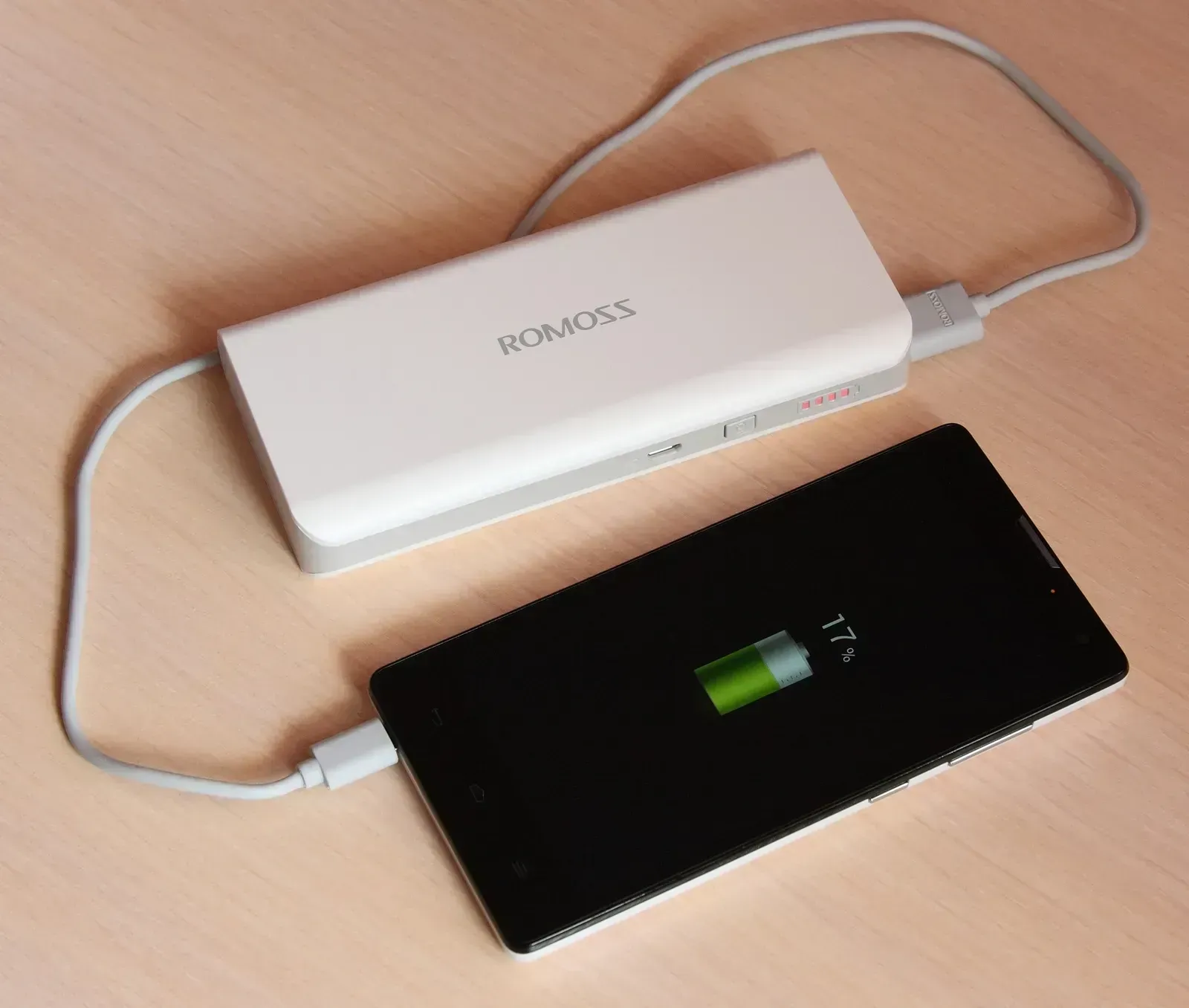
A dead phone during a winter emergency can turn a manageable situation into a genuinely dangerous one. A fully charged portable power bank, kept separate from the phone itself, gives you a backup source of battery life for calls or GPS. Some newer models double as small flashlights or even emergency radios, adding extra function without extra bulk.
It’s worth charging the power bank every month or two since lithium batteries slowly lose charge sitting idle. Keeping a car charger cable alongside it means you can also recharge directly from the vehicle if the engine still runs. This is one of the simpler, cheaper additions to a kit but often gets overlooked.
7. First aid kit
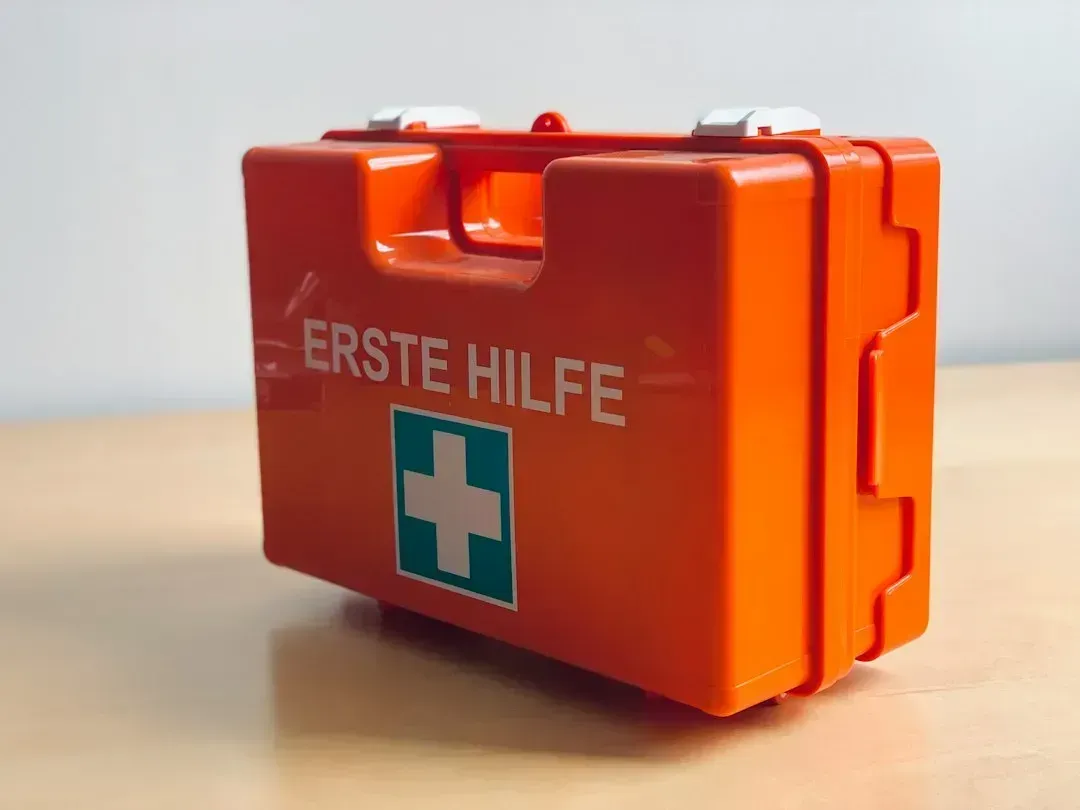
Minor injuries, from cuts to sprains, are more likely during winter incidents involving ice, sharp metal, or slippery pavement. A basic first aid kit with bandages, antiseptic wipes, gauze, and pain relievers covers most situations that don’t require emergency medical care. Including any personal medications, even a small supply, is smart for longer waits.
Pre-made kits sold at pharmacies are convenient, but checking the contents and adding items specific to your needs makes them more useful. Expired supplies should be replaced regularly, since adhesive bandages and certain ointments degrade over time. It’s a small kit, but the peace of mind it offers is disproportionate to its size.
8. Ice scraper and snow brush
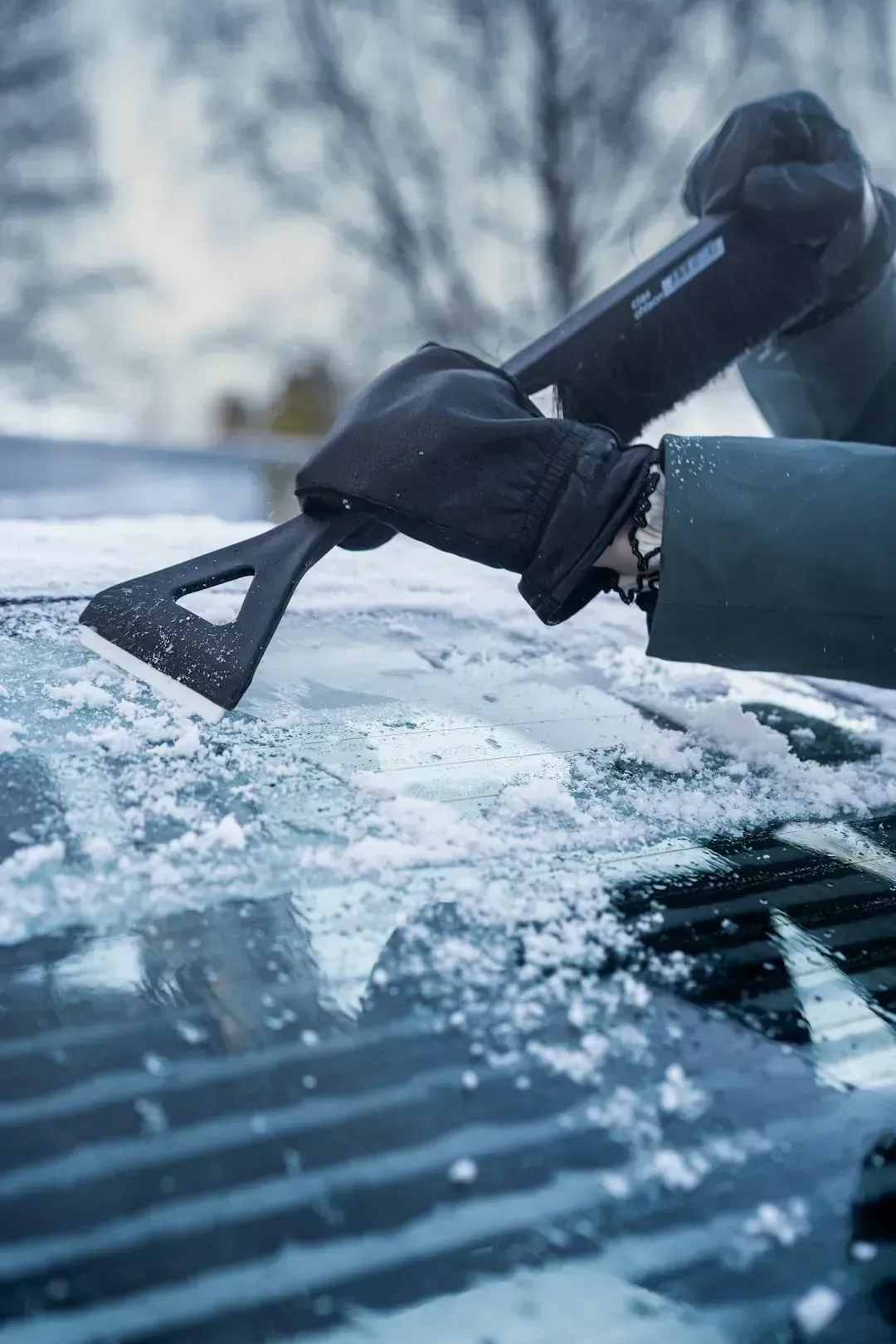
Visibility is one of the first things lost in a winter storm, and a windshield caked in ice or snow is a hazard the moment you try to drive. A sturdy ice scraper with a brush attachment clears both the glass and mirrors quickly, which matters more than people realize until they’re doing it with bare hands. Cheap plastic scrapers tend to crack in extreme cold, so a slightly more durable model is worth the extra cost.
Keeping one in the car year round, not just during storms, avoids the scramble of buying one at the first sign of frost. Some drivers also keep a de-icing spray as backup for particularly stubborn ice. It’s an unglamorous item, but almost every winter breakdown story involves someone wishing they had one.
9. Small shovel
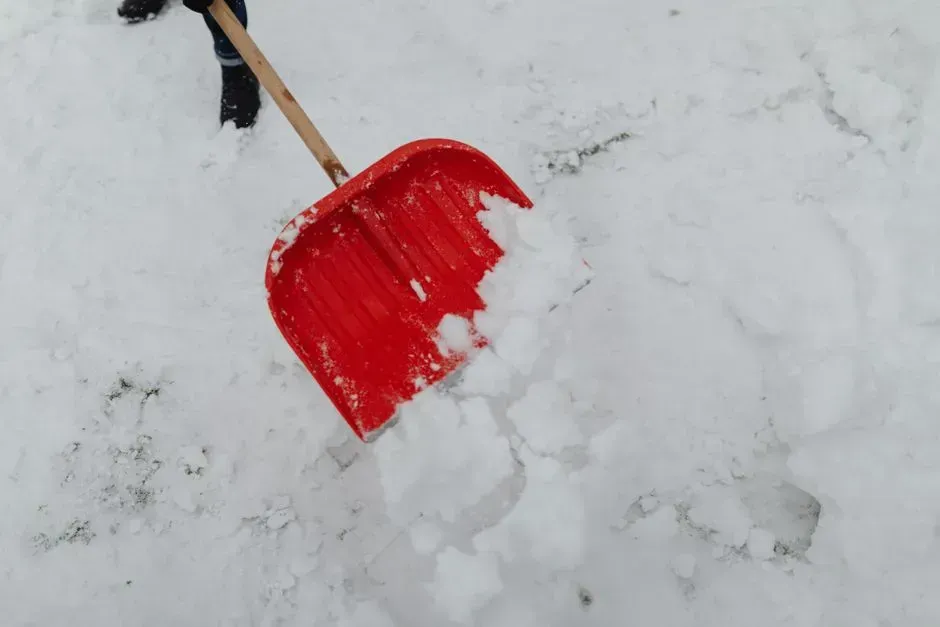
Getting stuck in snow, whether in a ditch or a poorly plowed parking lot, often requires digging out the tires before any traction aid will help. A compact folding shovel takes up little space but can be the difference between freeing your car yourself and waiting hours for assistance. Metal shovels tend to hold up better than plastic ones when the snow is packed hard.
Combining the shovel with sand or cat litter, discussed next, gives you a more complete strategy for regaining traction. It’s one of those tools you rarely need until the one time you desperately do. Storing it somewhere accessible, not buried under other gear, saves time when minutes matter.
10. Sand, salt, or cat litter
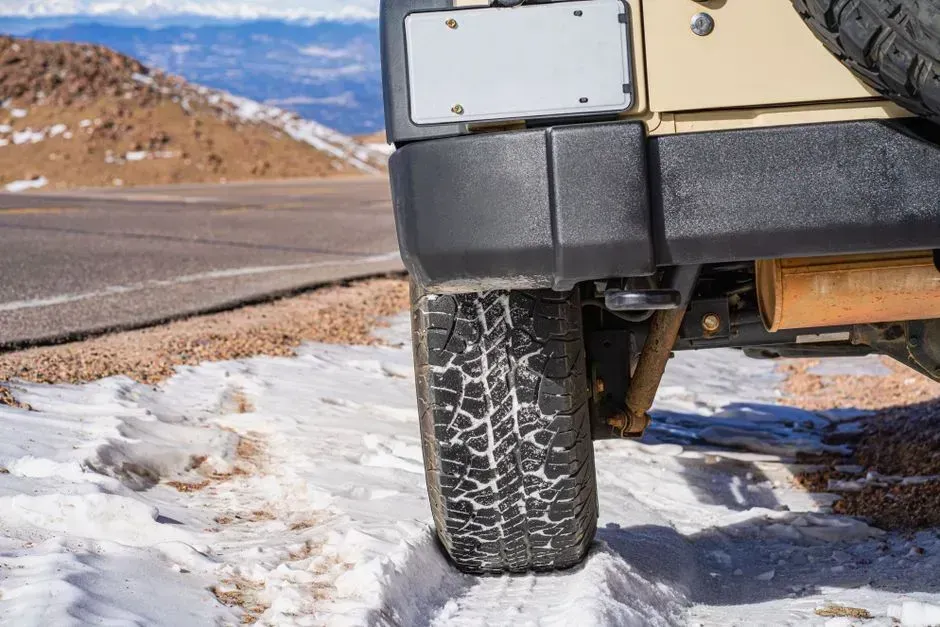
When tires spin uselessly on ice or packed snow, spreading sand, rock salt, or even cat litter under the wheels can restore enough grip to move forward. This trick works because these materials add texture and absorb some moisture, giving rubber something to bite into. A bag of about ten to twenty pounds is usually enough and doesn’t take up excessive trunk space.
Cat litter is a popular choice among experienced winter drivers because it’s cheap, widely available, and doubles as an absorbent if anything spills in the car. Sand tends to work slightly better on solid ice, while salt is more effective at melting thin layers of frost. Keeping a mix on hand covers more scenarios than relying on just one material.
11. Jumper cables or a portable jump starter
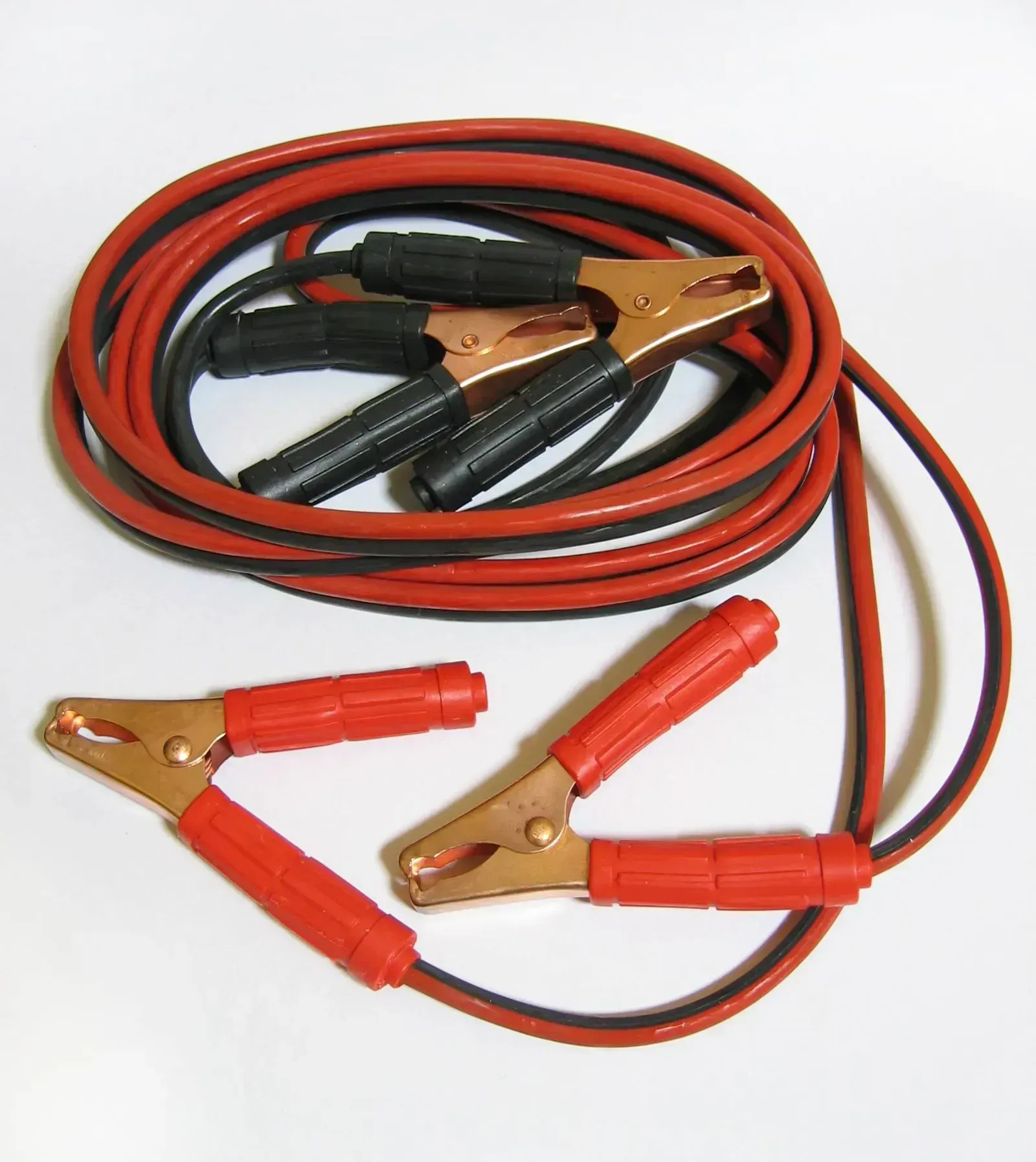
Cold weather is notoriously hard on car batteries, reducing their capacity significantly and making dead batteries one of the most common winter breakdown causes. Traditional jumper cables require a second vehicle, but portable lithium jump starters have become widely available and can restart most cars without needing another driver’s help. These devices are compact enough to fit in a glovebox and often double as phone chargers or flashlights.
Testing the jump starter’s charge level before winter arrives is important, since these units also lose charge sitting unused. Cables remain a solid backup even if you own a jump starter, since having both covers more situations. A dead battery on an empty road is a common and preventable inconvenience with the right gear on hand.
12. Tire traction mats or chains
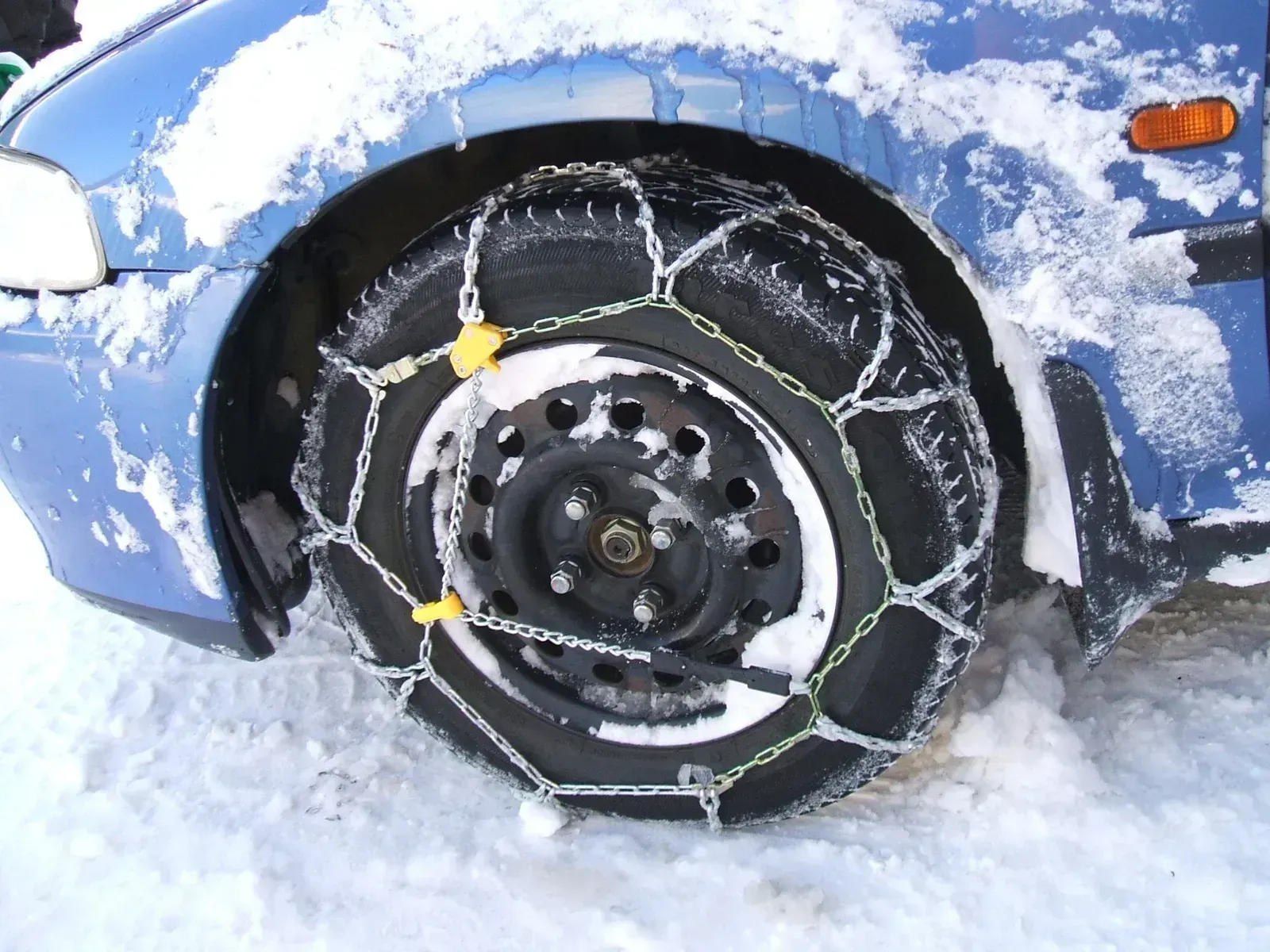
Sand and shovels help, but sometimes tires need something more substantial to grip, especially on packed ice or steep inclines. Traction mats, which are rigid textured pads placed under the tires, or tire chains for areas with heavier snowfall, give vehicles the grip needed to move without spinning. Many mountain and rural regions require chains during certain storm conditions, so checking local regulations matters.
Chains take some practice to install correctly, so doing a trial run at home before winter hits saves frustration during an actual emergency. Traction mats tend to be easier for most drivers to use quickly under stress. Either option is far more effective than trying to rock a stuck car back and forth indefinitely.
13. Reflective triangles or flares
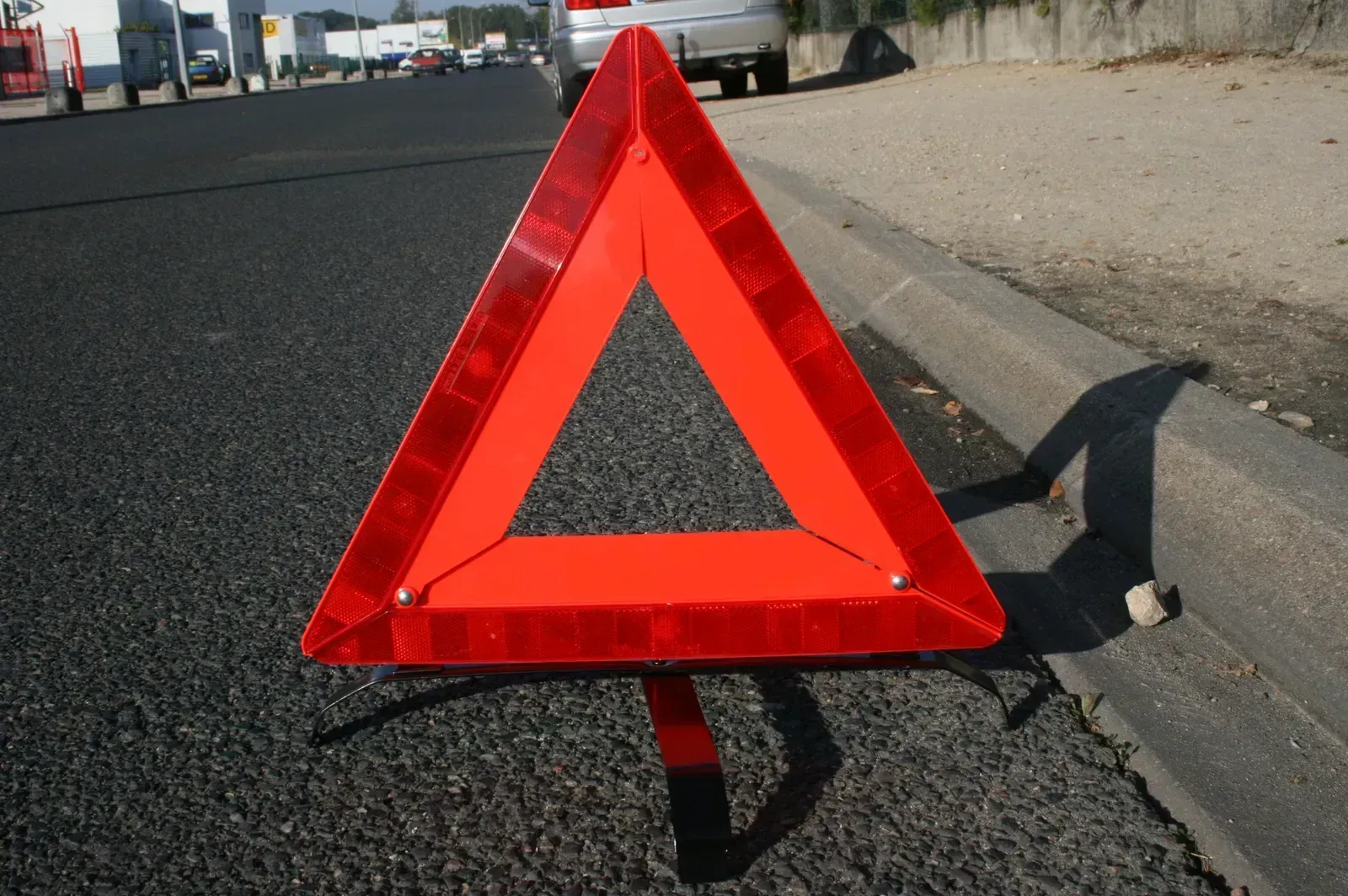
Visibility during winter storms is often reduced to a fraction of normal conditions, making a stalled car nearly invisible to oncoming traffic until it’s dangerously close. Reflective triangles, road flares, or LED emergency beacons placed a safe distance behind the vehicle warn other drivers well in advance. This single step reduces the risk of secondary collisions, which are unfortunately common during winter roadside emergencies.
LED beacons have become more popular than traditional flares because they don’t involve an open flame and can be reused indefinitely. Setting them out immediately after pulling over, rather than waiting, gives approaching traffic more reaction time. It’s a quick task that takes under a minute but meaningfully improves safety.
14. Multi-tool or basic toolkit
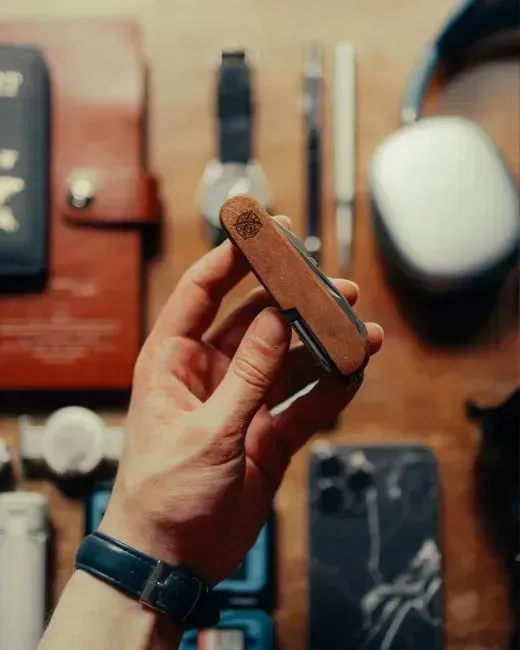
A compact multi-tool covering pliers, a knife, a screwdriver, and a small wrench can handle a surprising range of minor roadside fixes. Loose hoses, stuck latches, or small mechanical adjustments sometimes just need a basic tool rather than a full mechanic’s visit. Keeping it accessible rather than buried under other emergency gear saves time when you’re troubleshooting in the cold.
Duct tape and zip ties are worth tossing in alongside the toolkit, since they solve an outsized number of minor problems for their size. None of this replaces professional repair work, but it can stabilize a situation long enough to get somewhere safe. Simplicity is the goal here, not a full garage in your trunk.
15. Whistle or signaling device
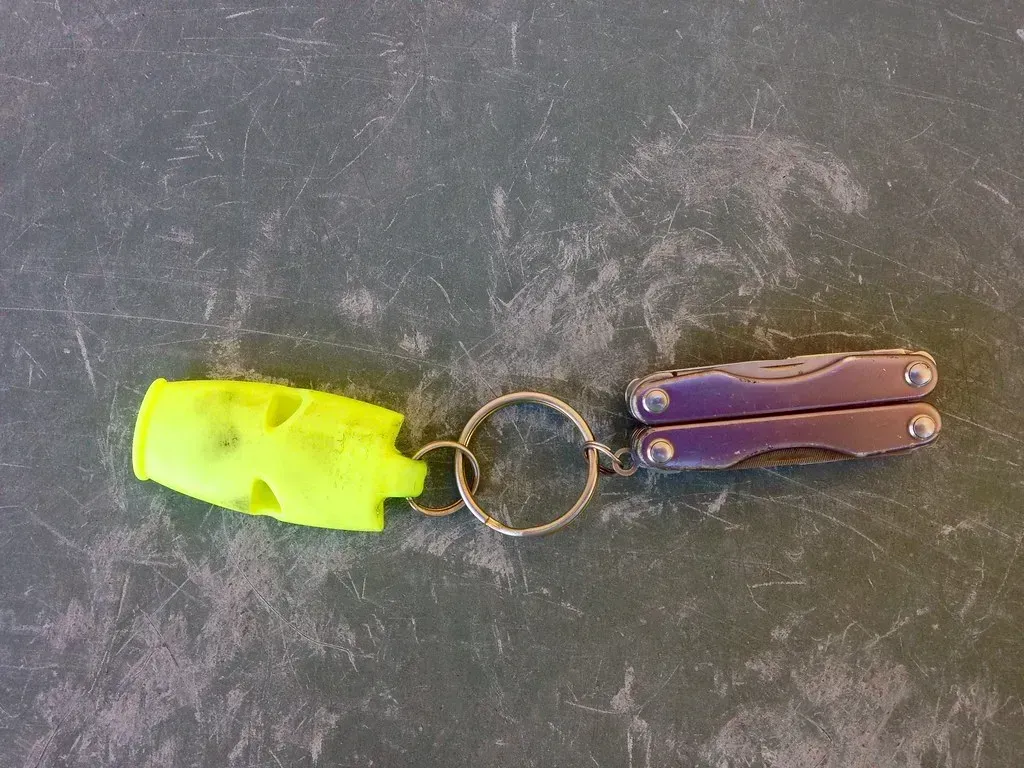
If you become stranded somewhere with limited visibility or no cell signal, a whistle can help rescuers or passersby locate you faster than shouting ever could. Sound carries differently in snow and wind than most people expect, often muffled or distorted, which makes a sharp whistle more effective than a voice. It’s a tiny, inexpensive item that takes up almost no space in a kit.
Some emergency kits pair a whistle with a small mirror for signaling aircraft or distant vehicles during daylight. While this scenario is less common for typical road trips, it becomes more relevant in remote or mountainous winter regions where help may take longer to arrive. Redundant signaling methods are a small investment for a meaningful safety margin.
16. Paper map and printed emergency contacts
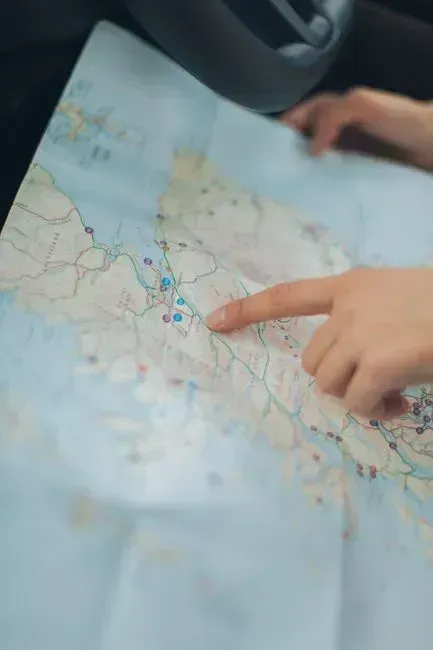
GPS and cell service can fail during severe storms, particularly in mountainous or rural areas where towers are sparse to begin with. A physical road map of the region you’re driving through, along with printed emergency numbers, ensures you’re not entirely dependent on a device that might lose signal or battery. This is especially relevant since winter storms are one of the more common causes of temporary cell network disruptions in affected regions.
Writing down key contacts, including roadside assistance, local police non-emergency lines, and a family member, on a laminated card keeps this information accessible even if your phone is dead. It’s a low-tech solution to a very modern problem. Many experienced winter drivers still consider this one of the most overlooked items in emergency preparedness.

- Flood and Cyclone Warnings: What Makes an Early Warning System Effective - October 14, 2026
- Saharan Dust Over Europe: What It Means for Air Quality and Sunsets - October 14, 2026
- Climate Normals: The 30-Year Averages Behind Every “Above Average” Forecast - October 14, 2026
