
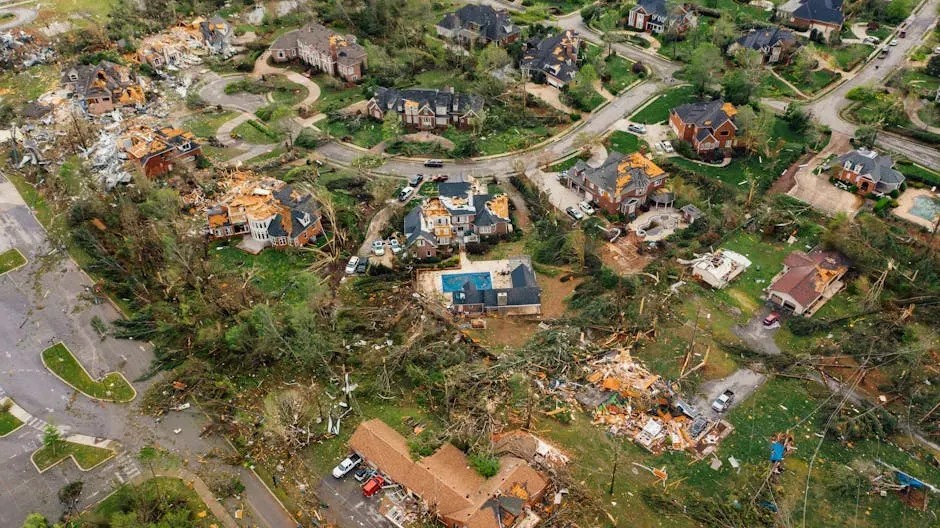

Most of us wake up, check the forecast, and think little more of it. Maybe you grab an umbrella. Maybe you don’t. Yet weather has a way of turning an ordinary Tuesday into something you’ll talk about for years. It doesn’t take a hurricane or a blizzard to throw everything off. Sometimes, a thick layer of fog at dawn is all it takes.
The relationship between weather and daily disruption is more dramatic than most people realize, and the data from 2024 and 2025 makes that clear in ways that are genuinely hard to ignore. Let’s dive in.
1. Dense Fog: The Silent Morning Ambush
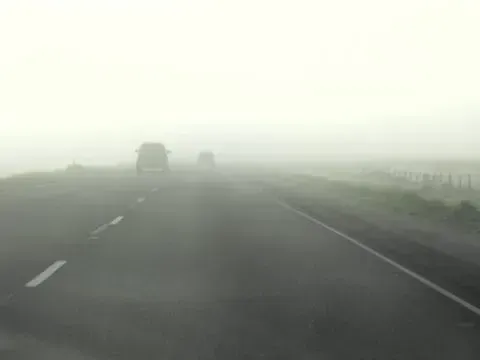
Honestly, fog might be the most underestimated hazard on this list. It sneaks in overnight, and by the time the morning commute begins, roads have already turned deadly. Each year, over 38,700 vehicle crashes occur in fog, and more than 600 people are killed with over 16,300 people injured in these crashes annually.
What makes fog so dangerous is how it messes with your perception of space and speed. Fog can obscure objects on the road, making it difficult for drivers to see other vehicles, pedestrians, or obstacles in their path, which can lead to rear-end collisions, sideswipes, and other accidents as drivers may not have enough time to react to sudden changes ahead.
Fog-related crashes are more likely to occur during early morning hours, with roughly four in ten happening between five and eight in the morning, and while fog-related fatal crashes are most common in Texas and California, they are most prevalent per capita in West Virginia and Oregon. The morning rush hour is, in other words, prime time for disaster. Think of fog as nature’s delete button for visibility, right when millions of people need it most.
2. Extreme Heat: The Invisible Threat That Kills More Than You Think
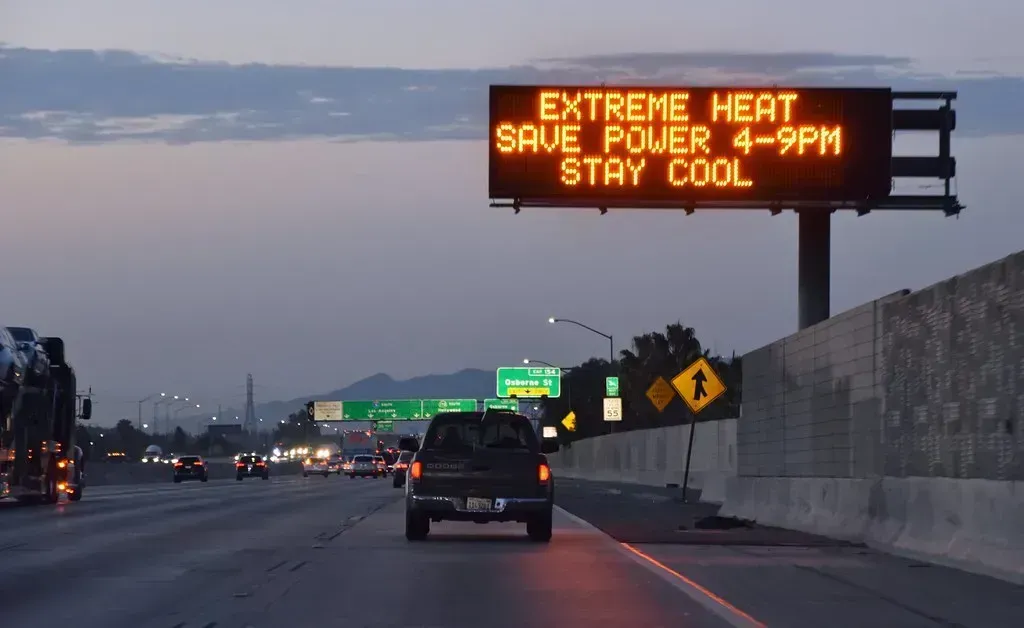
Extreme heat is the deadliest form of extreme weather and, in most years, kills more Americans than floods, tornadoes, and hurricanes combined. That’s a fact that stops people in their tracks. It doesn’t look dramatic on camera the way a tornado does, yet the body count speaks for itself.
The start of summer 2025 brought a massive heat dome over the United States, subjecting more than 255 million Americans to what meteorologists called “dangerous, life-threatening” conditions of triple-digit temperatures and high humidity. That’s not a statistic from some distant, worst-case scenario. That happened recently, in real neighborhoods, affecting real people who just wanted to get through their week.
Globally, climate change added on average 41 additional days of dangerous heat in 2024 that threatened people’s health. All 10 of the warmest years on record occurred between 2014 and 2023, until 2024 shattered global heat records and became the hottest year yet. The pace of change here is staggering, and the effect on daily life, from disrupted sleep to cancelled outdoor work, is immense.
3. Thunderstorms: The Power-Cutting Machine
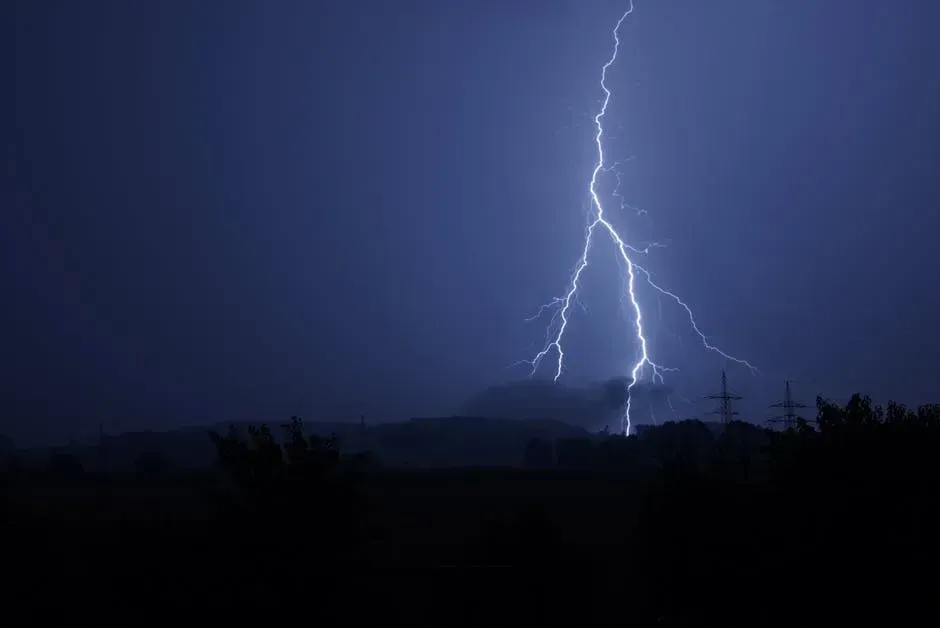
Here’s the thing about a thunderstorm: it arrives fast, hits hard, and doesn’t care about your plans. Severe weather, such as high winds, rain, and thunderstorms, caused nearly three in five weather-related power outages in the United States. That’s a staggering share of the disruption caused by a single category of storm.
U.S. electricity customers experienced an average of 11 hours of electricity interruptions in 2024, nearly twice as many as the annual average experienced in the decade before, according to the U.S. Energy Information Administration. In July alone, Hurricane Beryl left 2.6 million customers without power in Texas, while Hurricane Helene left 5.9 million customers without power across ten states.
Power outages affect millions of people and cost billions of dollars annually, disrupting access to clean water, food, and critical healthcare, with cascading effects on communications networks and transportation. Think of the power grid like the nervous system of your city. A serious thunderstorm is essentially a hard punch directly to it.
4. Flash Floods: Your Day Ends the Moment Water Rises
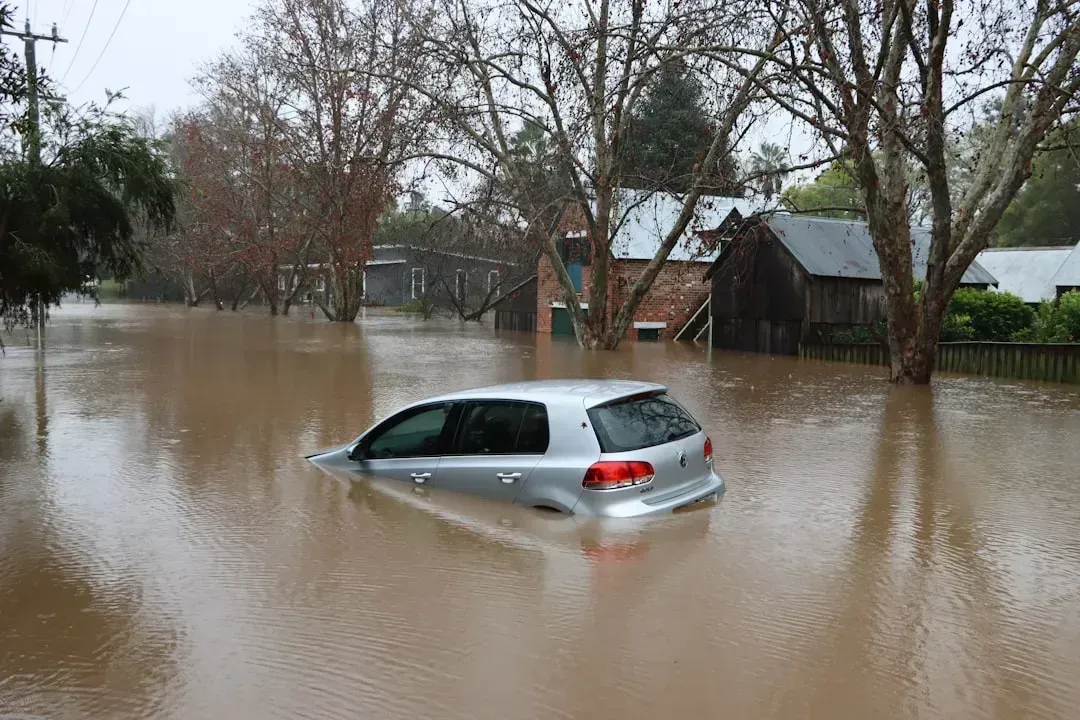
Few weather events scramble daily life as completely or as quickly as a flash flood. Recent data suggests that floods account for up to roughly a third to four in ten of all weather-related disaster occurrences worldwide. The speed at which they develop is what makes them so uniquely disruptive.
A striking majority of flash flood warnings, around eight in ten, were issued during high-intensity rainfall events lasting less than three hours, highlighting both the speed with which a flood situation can develop and the importance of rapid warning capability. In the summer of 2025, the catastrophic flash flooding in the Texas Hill Country in July 2025 was one of the deadliest inland floods in U.S. history.
In New York City in July 2025, water rushed into subway tunnels when the city saw its second-heaviest rainfall total in one hour, with widespread flash flooding lasting into the following day. Research following the 2024 flash flood in Bangladesh found that virtually all respondents experienced livelihood disruption, and more than eight in ten reported moderate to severe psychological distress. Flash flooding doesn’t just ruin your commute. It rewires people’s sense of safety for months afterward.
5. Winter Storms and Ice: The Road Becomes the Enemy
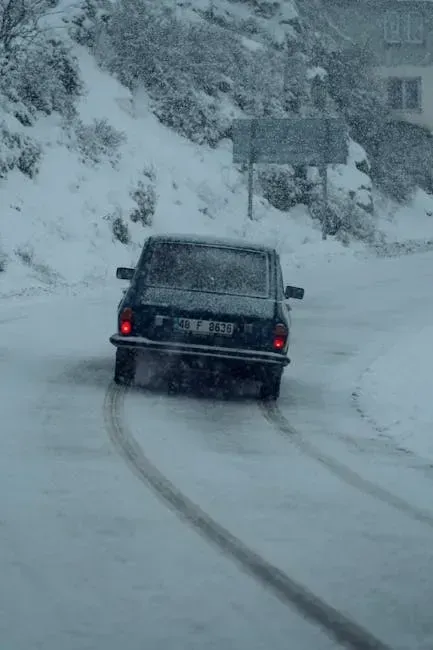
Ice on the road is essentially an invitation to chaos. It’s invisible, widespread, and works fast. According to the National Highway Traffic Safety Administration, roughly one in six of all vehicle crashes occur during winter conditions. There are more than 116,000 Americans injured and over 1,300 killed on snowy, slushy, or icy pavement every year.
Winter weather, including snow, ice, and freezing rain, accounted for nearly a quarter of all weather-related power outages in the U.S. Roads shut down, flights get cancelled, supply chains freeze up. It’s like someone pulled the plug on the entire rhythm of modern life all at once.
Unusual cold spells can occur even in a warming world and cause disruption to transport, energy, and food supplies. The most common type of winter-related crash occurs when vehicles slip or skid on icy roads, making icy conditions the most hazardous type of weather condition for road users. I think most people who have driven through an ice storm know that helpless feeling well. There’s no negotiating with black ice.
6. Hurricanes: When Disruption Becomes Catastrophe
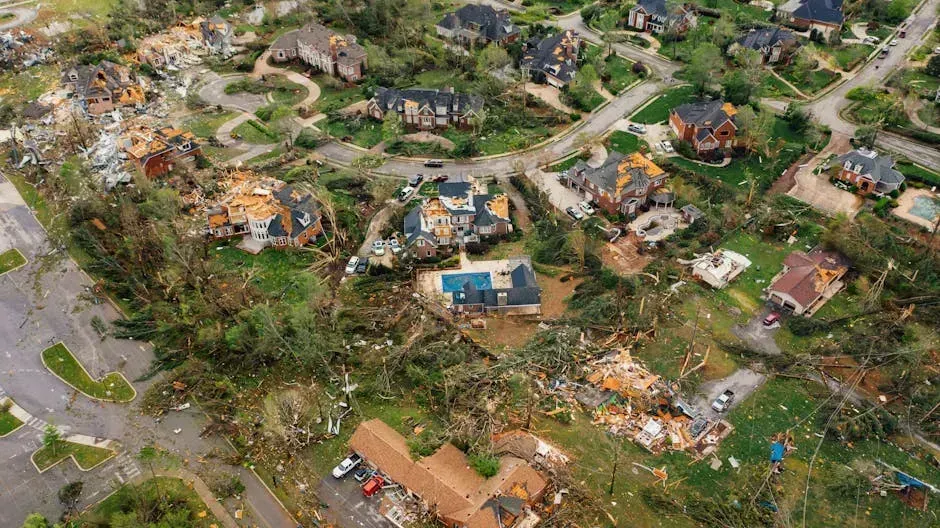
A hurricane is not just a storm. It’s a complete, multiday overhaul of normal life. Worldwide, natural disasters caused losses of 320 billion U.S. dollars in 2024, of which weather catastrophes were responsible for the vast majority. Hurricanes sit at the very top of that damage pyramid.
Hurricanes Helene and Milton, which struck the U.S. in rapid succession in September and October of 2024, were the most destructive disasters of the year, with Helene resulting in the largest overall losses from natural disasters that year at 56 billion U.S. dollars. These weren’t abstract numbers. Entire towns were wiped out. Infrastructure that took generations to build was gone in hours.
In 2025, Hurricane Melissa became one of the strongest landfalling Atlantic hurricanes on record when it hit Jamaica as a Category 5 storm, affecting more than half of the country’s population, causing 45 deaths, and bringing damage equivalent to over four in ten of the country’s entire GDP. The disruption from a major hurricane isn’t measured in days. It’s measured in years of recovery.
7. Heavy Rain and Wet Pavement: The Everyday Killer Nobody Talks About
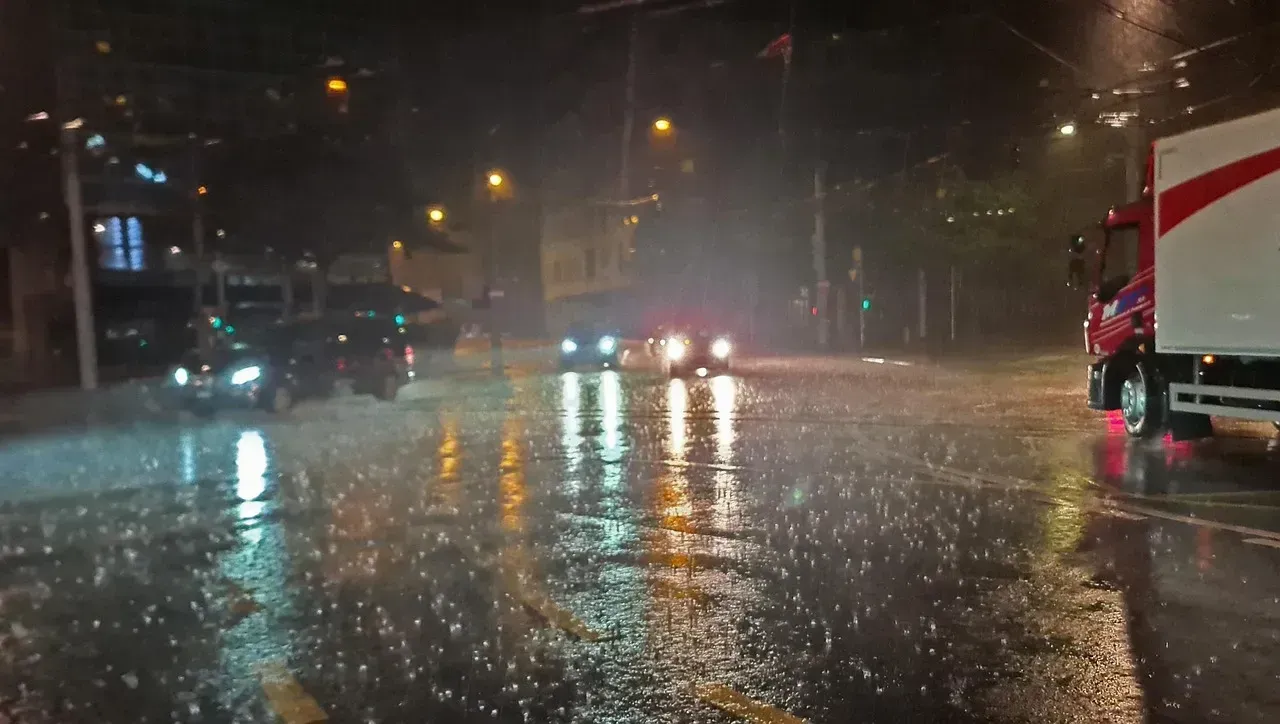
You don’t need a hurricane to get into serious trouble on the road. Regular, persistent heavy rain is quietly one of the most dangerous weather conditions most people routinely ignore. According to the National Weather Service, roughly three quarters of all weather-related vehicle crashes are caused by wet pavement, with nearly half happening during active rainfall.
Weather-related automobile crashes in the U.S. have resulted in an average of more than 5,000 fatalities each year, making up approximately one in six of all vehicular deaths. That’s a consistent, annual toll that gets very little public attention compared to more dramatic weather events. It’s the kind of danger hiding in plain sight.
Heavy rain also disrupts far beyond the roads. In 2024, one study found that flooding caused more than 6 billion dollars of estimated total crop losses in the United States, with Hurricane Helene alone causing more than 5 billion dollars in damages for Georgia’s agriculture and forestry industry. The ripple effects through supply chains and grocery prices can touch everyone, even people far from any floodplain.
8. Wildfires and Smoke: The Disruption That Travels Hundreds of Miles
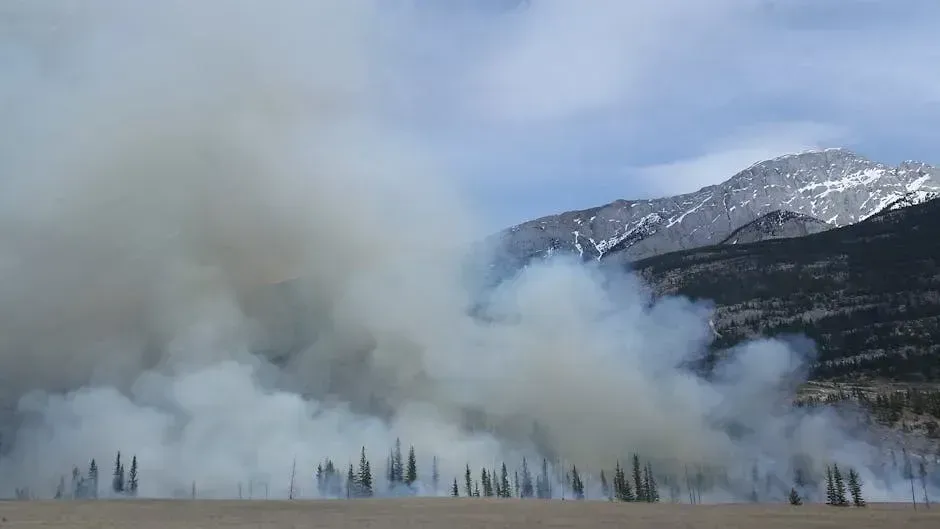
Here is what makes wildfire so uniquely disruptive compared to other weather conditions: it doesn’t stay put. The fire might be a hundred miles away, and you still can’t breathe safely outside or send your kids to school. Smoke from wildfires aggravates respiratory disease more than that from other sources.
Carbon pollution helped fuel the Los Angeles fires of January 2025, the costliest wildfires on record, partly by making fire weather conditions at the time more likely and intense. The January 2025 Los Angeles wildfires were the costliest event of the year as well as the costliest wildfire on record, with 61.2 billion dollars in damages, about twice as costly as the previous record wildfire.
Wildfire risk has increased in over half of all countries between 2016 and 2019 compared to the earlier baseline period, with a global increase of nearly 72,000 daily population exposures to wildfire per year. In January 2025, widespread power outages alone impacted more than 4 million customers across Los Angeles and surrounding counties as wildfires and high winds swept the region. The disruption from wildfire is total: it shuts down schools, cancels flights, empties neighborhoods, and poisons the air for everyone left behind.
Weather has always been powerful. What’s changed is the scale, the frequency, and honestly, how unprepared most of our daily lives are for it. The data from 2024 and 2025 made one thing uncomfortably clear: these aren’t rare events anymore. They’re the new normal, and the question is less about whether they’ll disrupt your day, and more about which one will hit next. What would you have guessed was the most disruptive? Tell us in the comments.
