

- Meteorologists Admit: People Often Ignore These 6 Critical Weather Warnings - March 29, 2026
- 10 Weather Patterns Experts Say Signal a Major Storm Is Coming - March 29, 2026
- 10 Everyday Weather Habits That Can Catch You Off Guard - March 28, 2026
Weather forecasting has never been more accurate. Satellites scan the atmosphere in real time, supercomputers run thousands of simulations per hour, and emergency alerts can reach your phone in seconds. Yet people keep dying in weather events they were warned about. Meteorologists and social scientists have spent years studying why – and the answers are both surprising and deeply troubling. Extreme weather reached dangerous new heights in 2024, with record-breaking temperatures fueling unrelenting heatwaves, drought, wildfire, storms, and floods that killed thousands of people and forced millions from their homes. The gap between a warning issued and a warning heeded remains one of the most dangerous problems in modern meteorology. Here are the six critical weather warnings that people most dangerously ignore.
1. Flash Flood Warnings
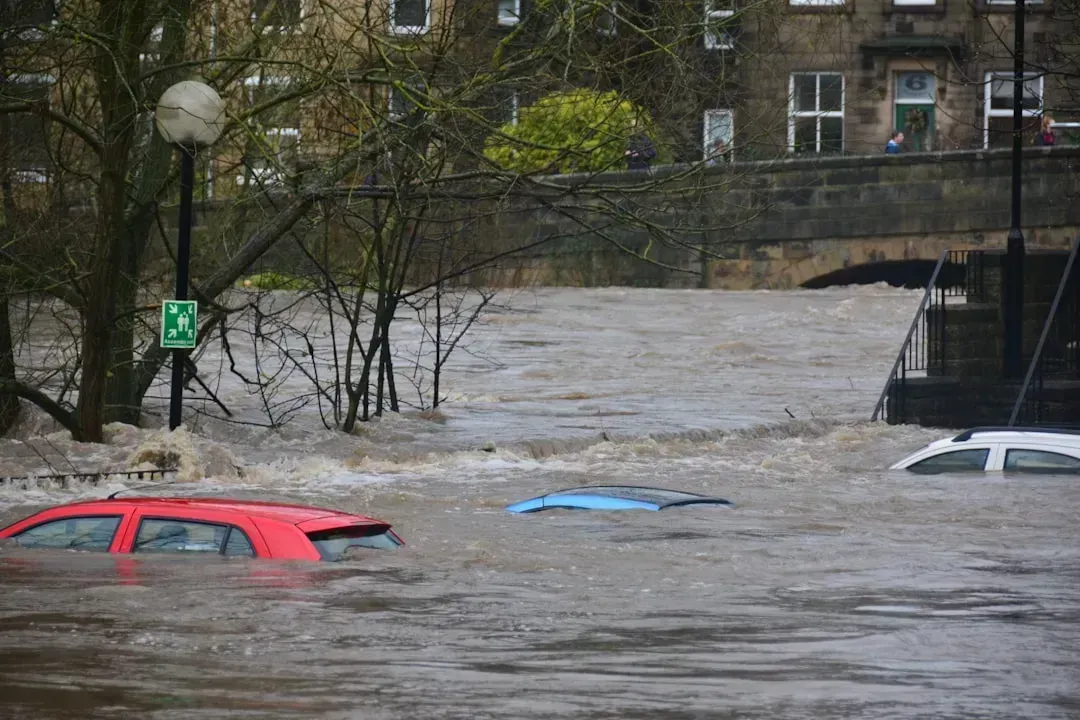
Flash flood warnings are arguably the most underestimated alerts the National Weather Service issues. In 2024 alone, 145 people died in flash floods according to the weather service. On average over the past 30 years, floods have claimed 127 lives annually, and nearly half of all flood-related fatalities involve vehicles. The numbers climbed dramatically in 2024, far above the recent yearly average, pointing to a pattern that has not improved despite better forecasting technology.
The reason so many deaths happen in cars is rooted in a dangerous miscalculation of water’s power. Many people don’t realize that a car becomes difficult to control in just six inches of water and can be swept away in as little as 18 inches. So instead of finding a detour, too often people try to drive through water at underpasses or other low-lying areas. Officials noted that the public can grow weary from too many flooding alerts or forecasts that turn out to be minor – a form of desensitization that can prove fatal when a genuinely catastrophic event arrives. The deadly July 2025 floods in Kerr County, Texas, where flash flood warnings were issued but a formal siren system was absent, showed just how tragically this pattern can repeat.
2. Tornado Warnings
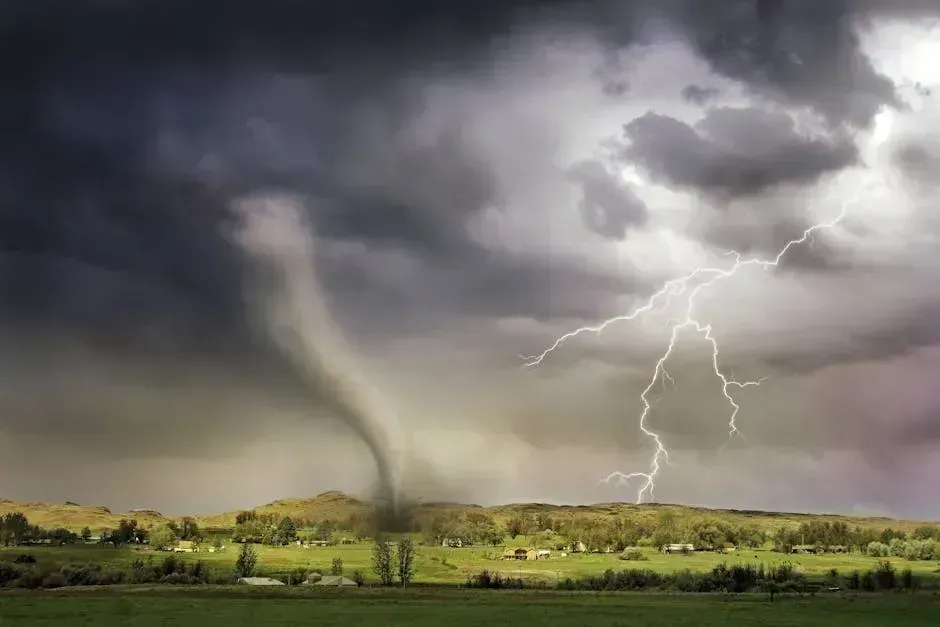
Despite being among the most dramatic and widely publicized weather alerts, tornado warnings are frequently dismissed by the very people they’re designed to protect. Research has found that only 63 percent of people understood that a warning is the most urgent National Weather Service statement during severe weather. That means more than a third of the population doesn’t fully grasp what a tornado warning actually means when one is issued for their area. The confusion between a “watch” and a “warning” alone has cost lives.
Mike Smith, Senior Vice President of AccuWeather Enterprise Solutions, says there are many reasons why people wait to react. “There is considerable inertia in people. They are busy or their attention is on some project. There is also sociological evidence that people feel silly for taking shelter; that it somehow reflects poorly on their courage.” Compounding the problem, the tornado count for 2024 was the second highest on record, with at least 1,735 confirmed tornadoes, and when looking at EF-2 and stronger tornadoes, 2024 was the most active year since the historic 2011 season. More tornadoes means more warnings – and more opportunities for people to tune them out.
3. Hurricane Evacuation Orders
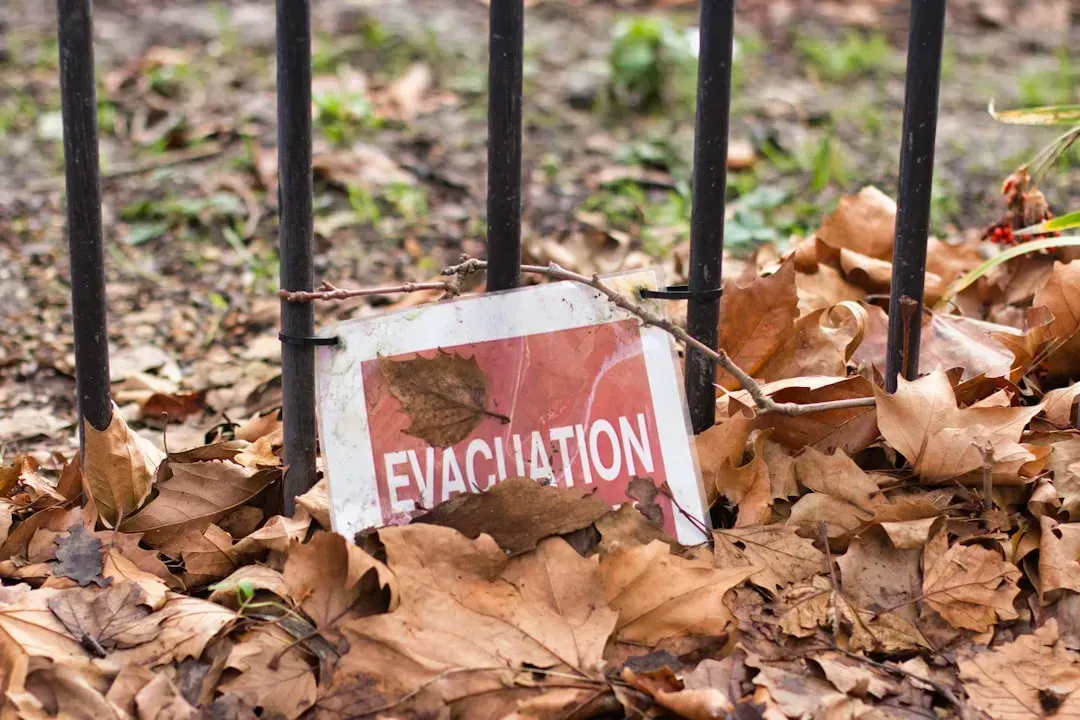
When a mandatory evacuation order is issued ahead of a major hurricane, officials expect the public to move. In reality, a significant portion of residents stay behind, citing reasons ranging from financial hardship to outright disbelief. There are common themes that come up, like logistical issues. People don’t protect themselves because they don’t have the funds to leave, or they don’t have transportation, or they don’t have anywhere to go. For some communities, heeding an evacuation warning is simply not a realistic option, regardless of the danger.
The 2024 Atlantic hurricane season made the stakes unmistakably clear. One of the deadliest and most costly hurricane seasons ever seen in the Atlantic brought 18 named storms and 11 hurricanes, five of which made landfall in the U.S., with hundreds of deaths in the U.S., Central America, and the Caribbean. In North Carolina alone, as many as 90 people died in Hurricane Helene’s floodwaters, and the storm’s impact and number of fatalities were the greatest seen in the U.S. since Hurricane Katrina almost two decades ago. Meteorologists warned there would be catastrophic flooding in western North Carolina days in advance, but the director of the National Hurricane Center, Michael Brennan, said: “It’s difficult when you have an event that’s never been seen before in a community to convey what that impact is going to look like on the ground.”
4. Extreme Heat Warnings
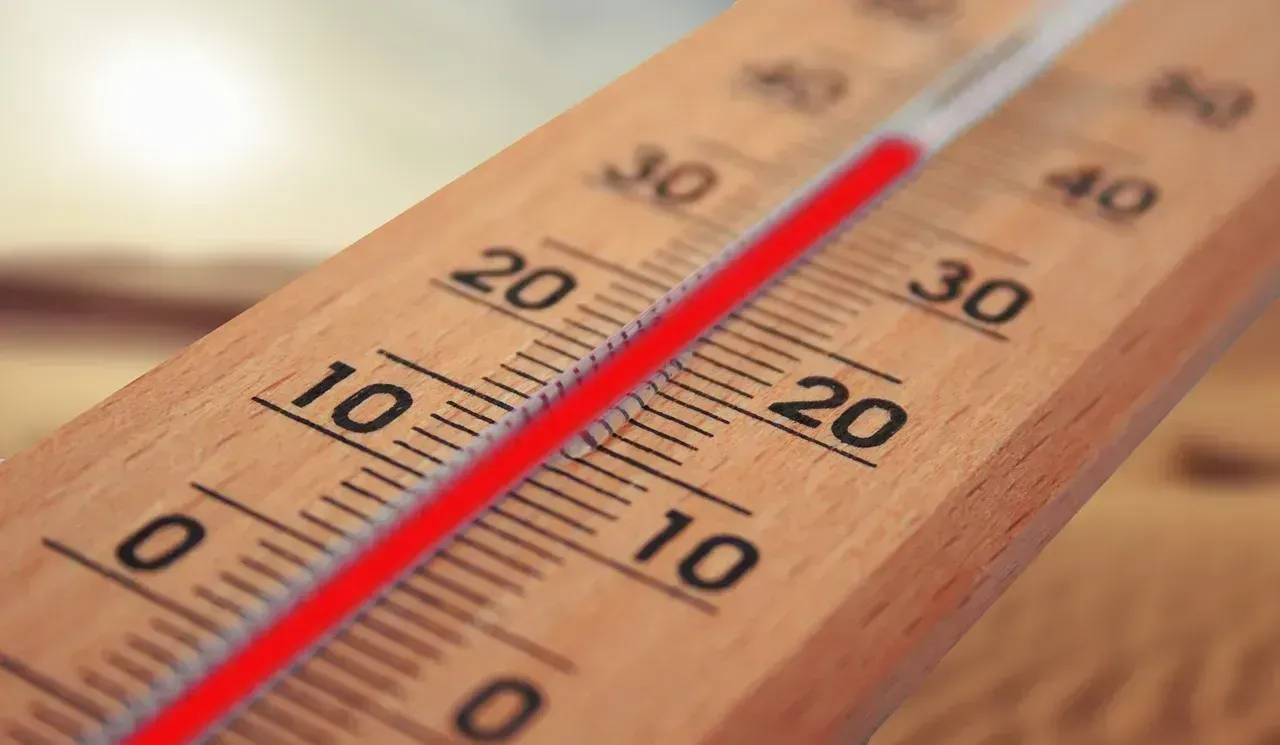
Of all the weather warnings on this list, heat warnings may be the most consistently ignored – and the deadliest. Heat doesn’t have the visual drama of a tornado or the roar of floodwaters, so people routinely underestimate it. Heat is the leading cause of weather-related deaths in the United States, with the CDC estimating 1,220 people are killed by extreme heat every year. That figure represents a steady, largely preventable toll that accumulates year after year.
Heatwaves are the deadliest type of extreme weather. However, the dangers of high temperatures are underappreciated and underreported. The global data from 2024 confirmed the scale of the problem. Earth’s hottest year on record brought three heat waves that killed at least 1,000 people in 2024. The more than 9,000 deaths that occurred during the summer heat wave in Europe ranks as the year’s deadliest weather disaster, and 1,301 heat wave deaths occurred in Saudi Arabia during the Hajj, when temperatures exceeded 50 degrees Celsius. Globally, climate change added on average 41 additional days of dangerous heat in 2024 that threatened people’s health, according to analysis by Climate Central.
5. Storm Surge Warnings
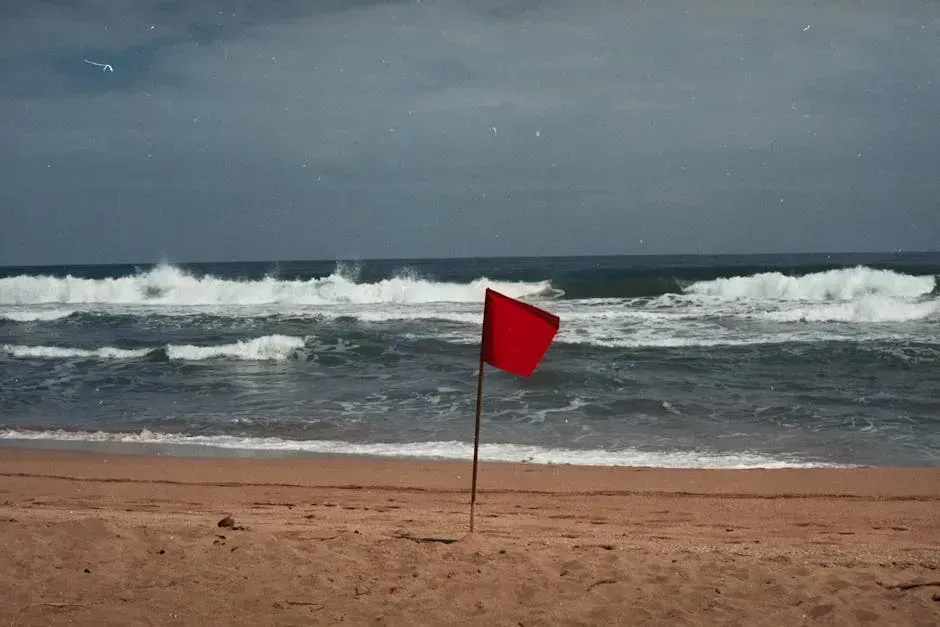
Storm surge is one of the most lethal and least understood hazards in all of meteorology. Coastal residents who have lived through weak storms without significant flooding often dismiss surge warnings as overblown – a mistake that can be fatal. Storm surge is historically the leading cause of hurricane-related deaths in the United States. Despite that well-documented reality, warnings about storm surge consistently fail to produce the same urgency as wind speed forecasts, even though the water is far more deadly than the wind.
Dr. Laura Myers, director and senior research scientist at the Center for Advanced Public Safety, who has studied warnings and how people react to them, said people have a tendency to not want to change plans or their behavior for weather unless they are fairly sure the weather is going to impact them. Myers said people get desensitized to watches and warnings after so many don’t produce any impacts for their specific area. This desensitization is especially dangerous with storm surge, because a single major event after years of quiet can bring water levels that overwhelm coastal communities within minutes, leaving no time to escape.
6. Severe Thunderstorm and Lightning Warnings
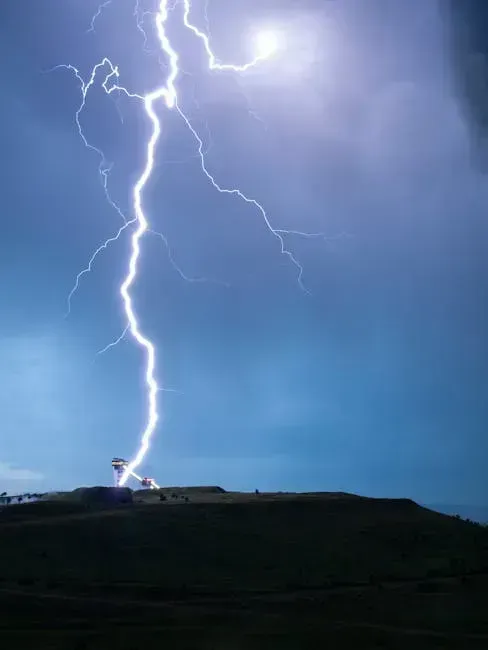
Severe thunderstorm warnings and lightning alerts are, by some measures, the most frequently issued and most frequently ignored of all weather bulletins. People routinely continue outdoor activities – sporting events, hiking, swimming, construction – during active lightning warnings. During 2024, the U.S. experienced 27 weather and climate disasters each incurring losses that exceeded $1 billion, ranking second highest for the number of billion-dollar disasters in a calendar year. These disasters included 17 severe storms. Thunderstorms are the engine behind most of these events, yet the warnings they generate are treated as background noise by millions of people each year.
According to Dr. Myers, “When people hear what the weather impacts are, such as damage and destruction to well-built homes, they start to pay attention. When they are told they need to take shelter now because their location is going to take a direct impact, they usually act.” The problem is that vague or generic warnings rarely produce that urgency. The word “emergency,” such as a tornado emergency or flash flood emergency, tends to get the attention of people, Myers noted. Without that elevated language, severe thunderstorm warnings are often treated as routine – even when they carry the potential for damaging winds, large hail, and deadly lightning strikes. According to a 2025 United Nations report, the mortality rate from disasters is six times higher in countries without robust weather-warning systems – a statistic that underscores just how much acting on warnings, rather than issuing them, ultimately determines whether people live or die.
