
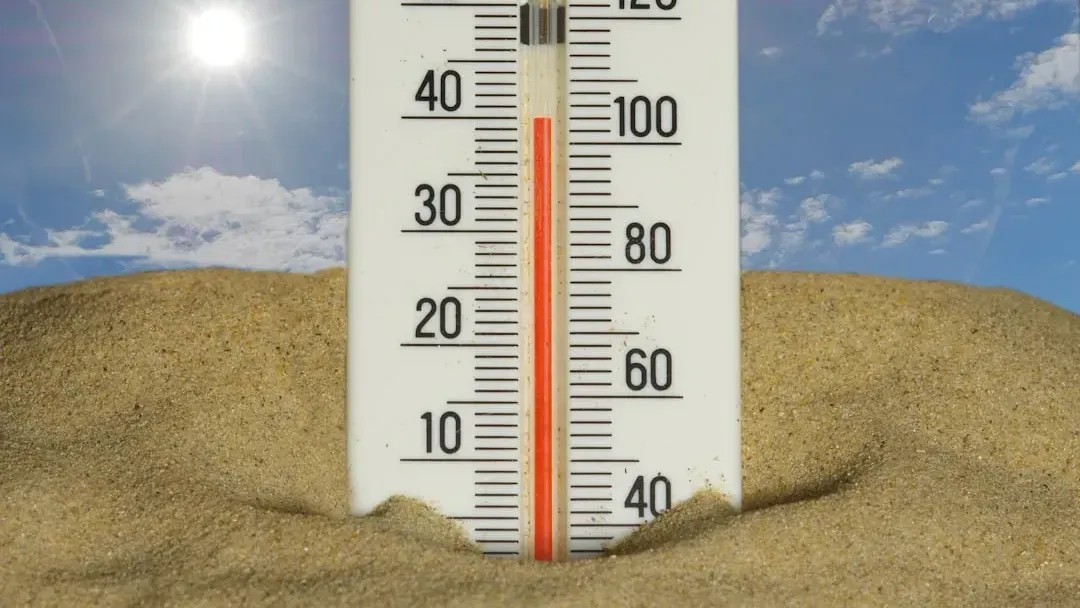

- Southwest Faces Rare March Heatwave as Temperatures Near 110°F - March 24, 2026
- I Asked ChatGPT Which States Might See the Biggest Flood Risks – Here’s the List - March 24, 2026
- 10 Natural Resources Experts Say We’re Using Too Fast - March 24, 2026
There’s something deeply unsettling about stepping outside in mid-March and feeling the kind of heat that usually belongs to July. That’s exactly what millions of people across the American Southwest are experiencing right now, and it’s not a mild warm spell you can brush off. This is a full-blown, record-threatening heatwave arriving weeks ahead of schedule, and the numbers are genuinely staggering. Let’s dive in.
A Sudden Surge of Extreme Heat
An intense and unusually early heatwave swept across Southern California on March 17, bringing dangerous triple-digit temperatures that spread rapidly across much of the Southwest. Honestly, seeing temperatures like these in mid-March feels almost surreal, like nature skipped a season entirely.
Forecasters warned that this scorching event could challenge long-standing daily records. Some areas are even approaching all-time March highs, which puts this event in genuinely historic territory.
The speed at which conditions deteriorated caught many residents off guard. One day you’re wearing a light jacket, and the next you’re staring down temperatures that rival a peak summer afternoon in Death Valley.
Millions Under Heat Alerts
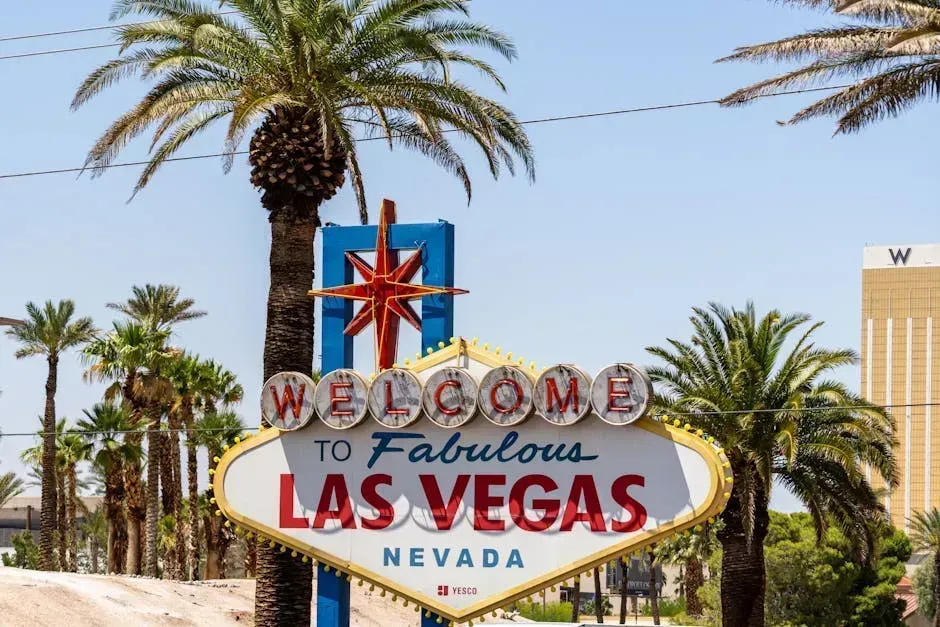
More than 18 million people were placed under extreme heat warnings across Southern California, southern Nevada, and parts of Arizona, with millions more facing heat advisories. To put that in perspective, that’s roughly the entire population of the Netherlands suddenly living under dangerous heat conditions, all at once.
Officials in Los Angeles described the conditions as dangerously hot, cautioning that the combination of high daytime temperatures and warm overnight conditions significantly increases health risks. When nights don’t cool down, the human body never gets a chance to recover, and that’s when heat-related illnesses start climbing fast.
Vulnerable populations including the elderly, young children, and outdoor workers face the greatest danger. Cooling centers across the region were activated quickly, but access isn’t equal everywhere, and that’s a real concern.
Why This Heatwave Stands Out
Meteorologists say the severity of this event isn’t just about the heat itself. It’s the timing. Temperatures climbing into the 90s and even exceeding 100°F are arriving weeks, if not months, earlier than typical seasonal patterns.
Here’s the thing: weather records exist because anomalies like this are supposed to be rare. When you start seeing events like this with more regularity, the definition of “rare” starts to feel uncomfortably outdated. This is shaping up to be one of the most unusual March heatwaves on record across the entire Southwest.
The early arrival of extreme heat compresses the window between winter and full summer, leaving ecosystems, infrastructure, and communities with very little time to adapt. That compressed transition is part of what makes this moment so alarming to scientists tracking long-term climate patterns.
How Long the Heat Will Last
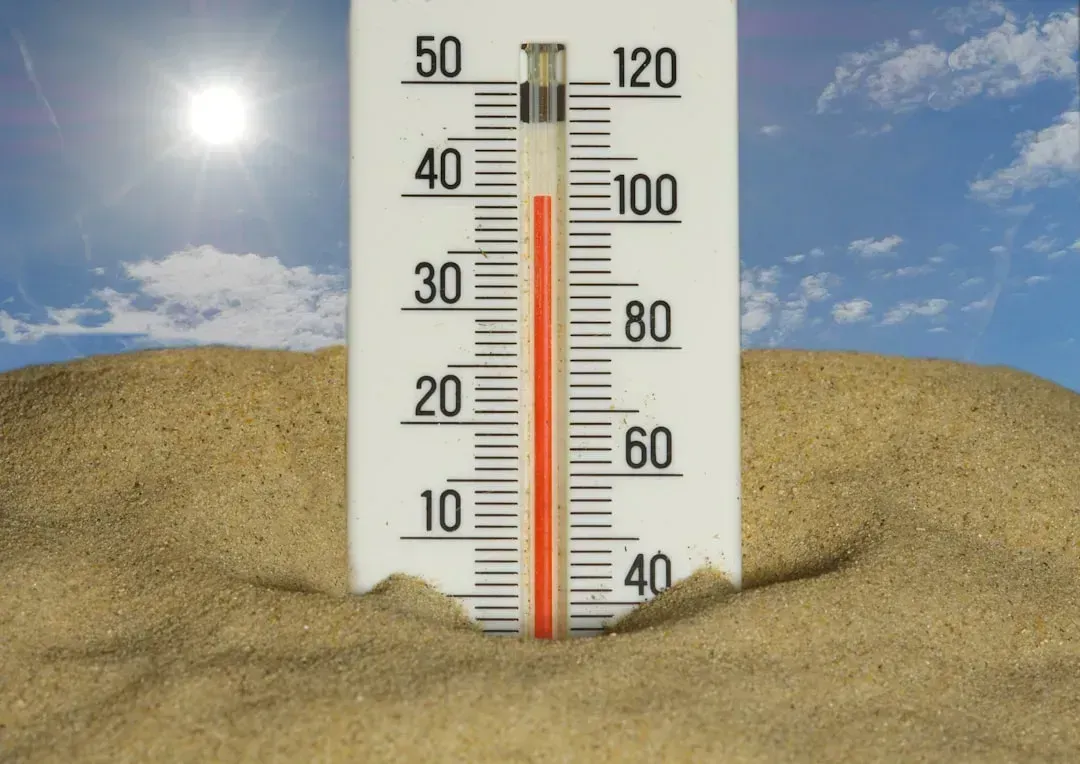
The heatwave is expected to persist through at least the weekend, with peak temperatures hitting between March 17 and March 19. In Los Angeles, highs could range from 90 to 103°F, while even coastal areas, which normally enjoy a cool marine buffer, may reach into the 80s.
Some cooling is expected heading into next week, but temperatures will likely remain well above average even after the peak passes. A slight dip in a heatwave like this doesn’t exactly mean relief. It just means slightly less dangerous.
For residents hoping this breaks quickly, the forecast offers only partial comfort. The broader atmospheric pattern driving this event appears stubborn, and meteorologists are watching closely to see whether any meaningful relief arrives on the timeline currently projected.
Cities Bracing for Record-Breaking Temperatures
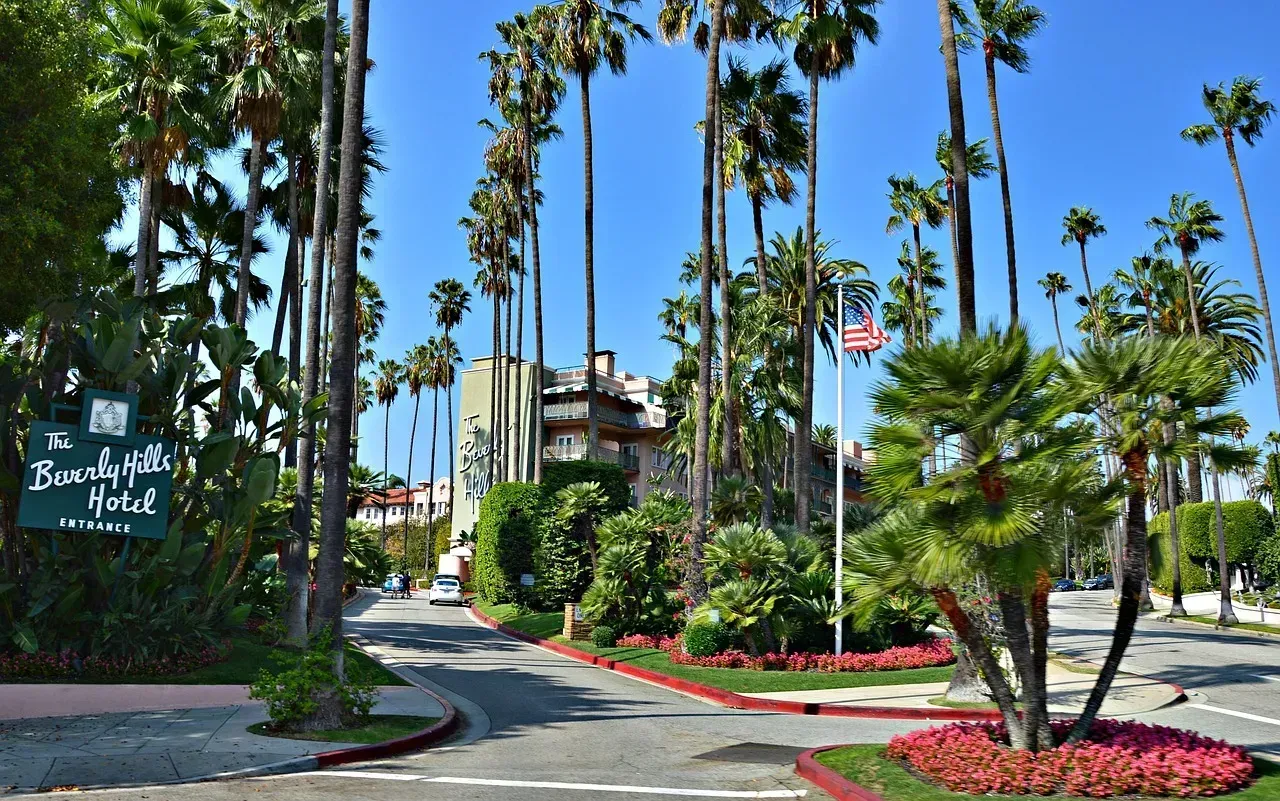
Major cities across the Southwest, including Los Angeles, Phoenix, Las Vegas, and even parts of Northern California, could see record-setting heat during this event. The geographic spread alone is what makes this heatwave feel so significant. This isn’t a localized warm pocket. It’s a regional hammer.
Phoenix may climb as high as 106°F, which is extraordinary for March. The Coachella Valley could approach 110°F, a number that sounds more like a warning label than a weather forecast.
These readings could surpass previous March records by significant margins, not just nudge past them. I think that distinction matters enormously, because records broken by wide margins signal something more profound than a random statistical blip.
Rising Risks Beyond the Heat
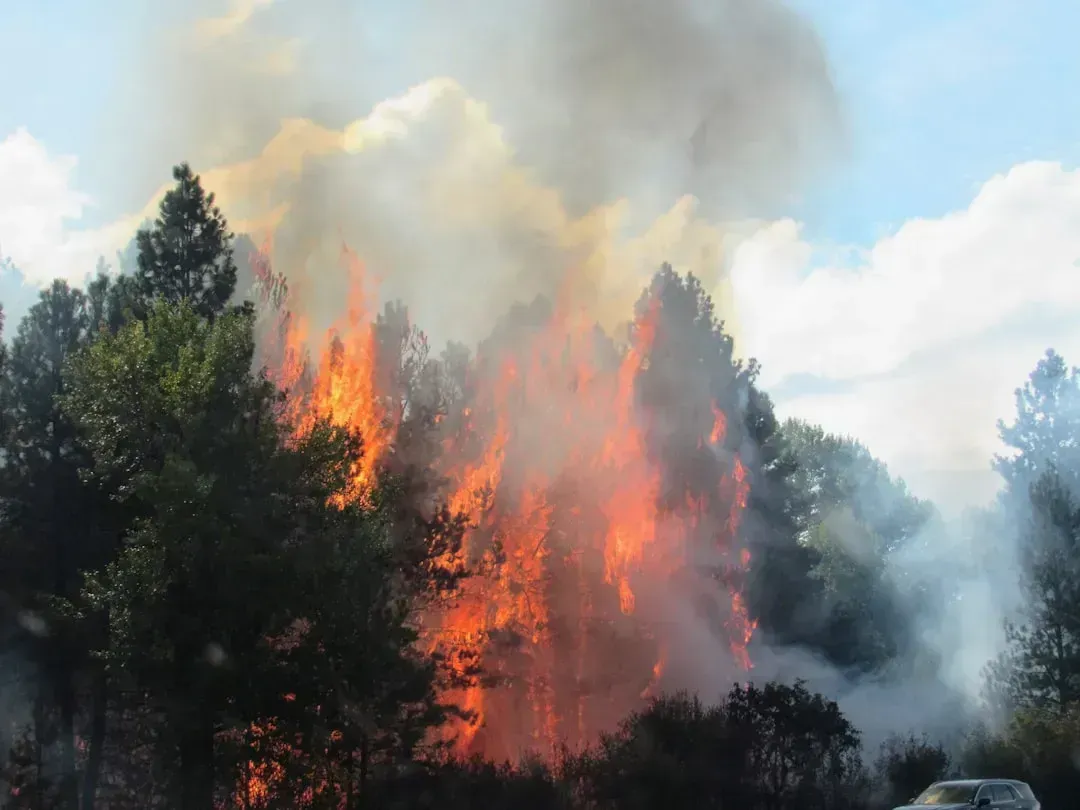
Experts warn that the impacts extend well beyond temperature records alone. Rapid snowmelt in higher elevations, drying vegetation, and increasing pressure on already-stressed water resources are all becoming urgent concerns. The West’s water situation was complicated enough heading into spring without a March scorcher accelerating the problem.
The early heat combined with dry conditions and persistent winds may also accelerate wildfire risks, potentially triggering an earlier-than-usual fire season across the region. Dry vegetation in March is essentially kindling, and firefighters across the Southwest are watching conditions closely.
It’s hard to say for sure exactly how severe the downstream effects will be, but the early signals are not reassuring. When heat, drought, dry brush, and wind converge this early in the calendar year, the margin for error shrinks considerably for everyone living in fire-prone areas across the Southwest.
