


- The No-Go List: 11 U.S. Places Climate Experts Say May Face Growing Weather Dangers - March 21, 2026
- Warmest Winter Ever: Hong Kong Sets Heat Records - March 21, 2026
- 10 Reasons Some Americans Are Rethinking Travel During Extreme Weather - March 21, 2026
Hong Kong has just made history in the most uncomfortable way possible. The city’s winter of 2025 to 2026 has officially become the hottest on record since meteorological measurements began in 1884, and the numbers coming out of the Hong Kong Observatory leave little room for doubt. What used to feel like a cool, breezy season has quietly transformed into something barely recognizable to longtime residents. The data tells a story not just of one anomalous season, but of a city being reshaped by a warming planet in real time.
A Record That Speaks for Itself
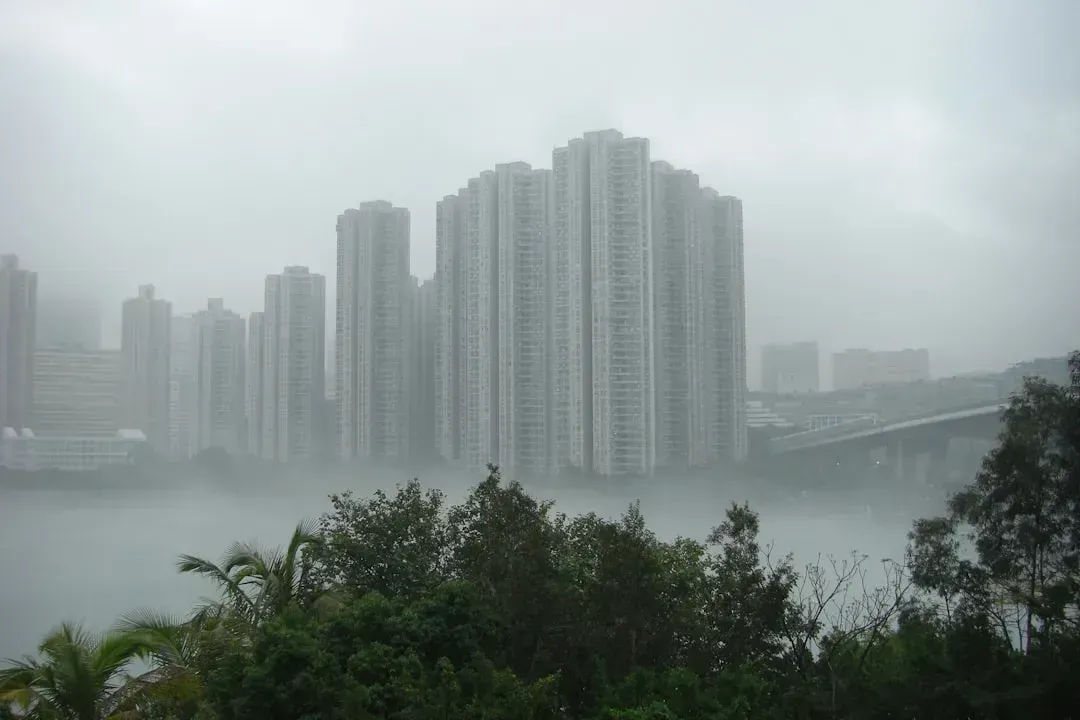
“Together with the well above normal temperatures in December 2025 and warmer than usual weather in January 2026, Hong Kong experienced the warmest winter on record from December 2025 to February 2026,” the Hong Kong Observatory confirmed. Observatory data shows that the mean temperature between December and February reached 19.3 degrees Celsius, a full 2.0 degrees above the long-term normal. That gap might sound modest on paper, but in climate terms, a deviation of two full degrees across an entire season is extraordinary. Record keeping began in Hong Kong in 1884, which makes this winter’s milestone all the more significant.
The mean maximum temperature of 21.9 degrees Celsius was the highest on record for that period, while the minimum temperature of 17.3 degrees Celsius was the second-highest on record. Both figures landing in the record books at the same time underscores just how uniformly warm the entire season ran. The Observatory attributed the warmth to a weaker-than-usual northeast monsoon. Without the typical push of cold continental air from the north, Hong Kong simply never cooled down the way it traditionally does from December through February.
February: The Month That Sealed the Record

The weather service said February was “unseasonably warm”, recording a mean temperature of 20.1 degrees Celsius, 3 degrees above the normal and the second warmest on record for the month. A three-degree anomaly in a single month is the kind of figure that makes climate scientists take notice. In comparison, just a year ago, February 2025 logged a monthly mean temperature of 17.3 degrees Celsius, which is close to the normal of 17.1 degrees Celsius. The contrast between the two consecutive Februaries is stark, and it illustrates just how dramatically conditions shifted within a single year.
Hong Kong also saw a warm Lunar New Year’s Eve, with a record-high minimum temperature of 22 degrees Celsius. “The temperature at the Observatory further rose to a maximum of 27.9 degrees Celsius in the afternoon, the highest of the month and also the highest on record for Chinese New Year’s Eve,” the HKO added. For many residents celebrating the Lunar New Year outdoors, the warmth was impossible to ignore. What should have been a time for winter coats turned into an evening more reminiscent of late spring.
Cold Days Are Becoming a Rarity

This winter, there were only five cold days, defined as a day with a minimum temperature of 12 degrees Celsius or below, the third lowest on record. To put that figure in perspective, based on historical records of the Hong Kong Observatory from 1991 to 2020, the normal range of the number of cold days in winter is 9 to 17. This winter delivered less than half the minimum expected number. In 2025, the HKO recorded all 12 months to be warmer than usual with only six cold days logged, and no Cold Weather Warning issued in all of November and December since the Cold Weather Warning System was introduced in 1999.
The trend is consistent when you look back further. The winter of 2023 to 2024 logged only 11 cold days, a figure 4.2 days fewer than the average recorded between 1991 and 2020. Season after season, the cold is retreating. The number of hot nights is increasing while the number of cold days is decreasing, according to the Hong Kong government’s own climate change documentation, a trend that this latest winter has pushed even further into record territory.
A Pattern Building Across Recent Years
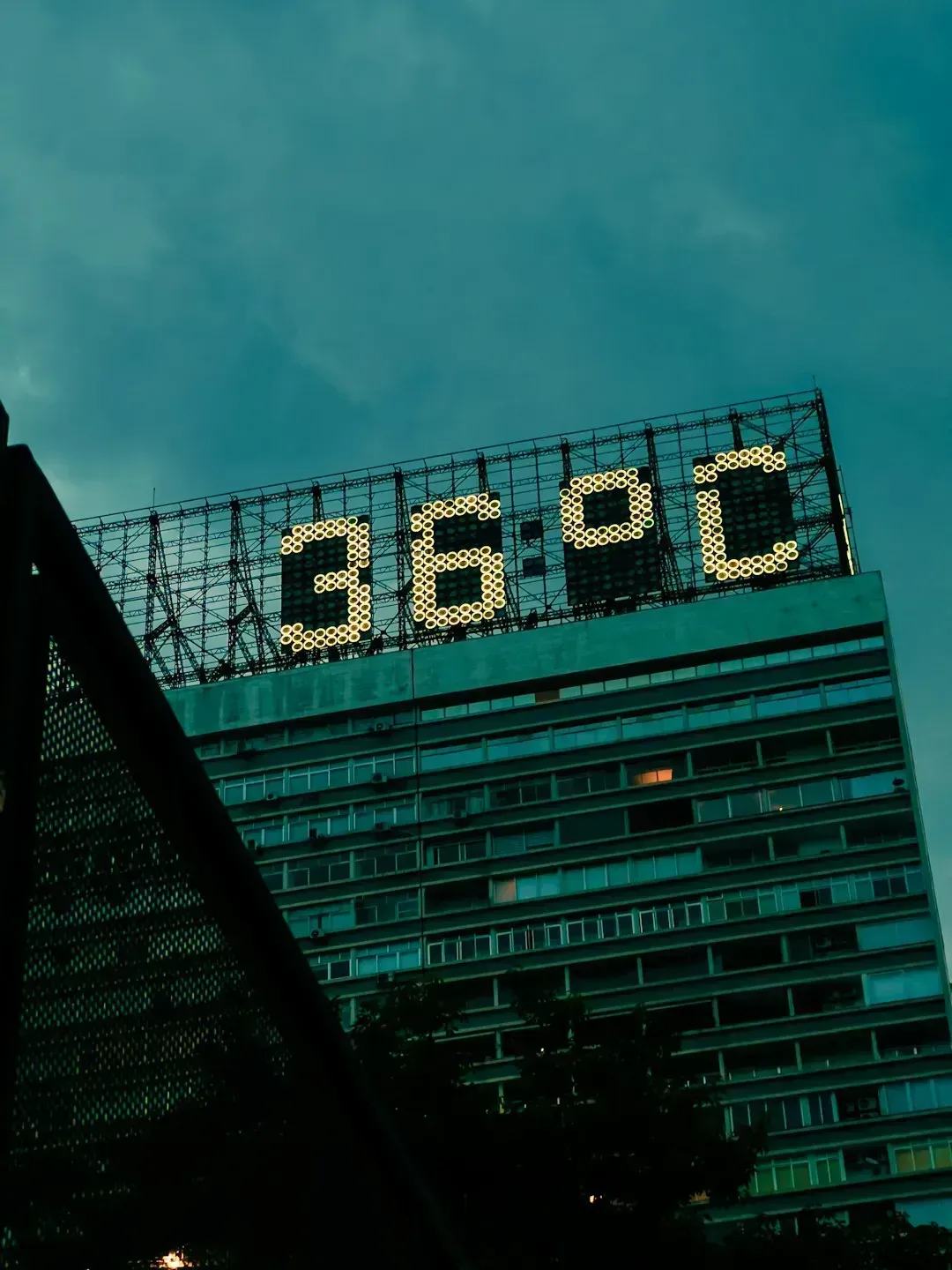
With 11 months warmer than usual, including record-breaking monthly mean temperatures in April and October, 2024 was the warmest year on record with the annual mean temperature reaching 24.8 degrees, 1.3 degrees above the 1991-2020 normal. That year, the city saw 35 record-breaking high temperature events, including the highest absolute maximum temperature for March, the warmest April on record, the warmest first half-year on record, and the highest number of hot nights for August. These were not isolated spikes. They represented a city running consistently, relentlessly hotter than it ever had before.
Hong Kong broke several weather and temperature records in 2025, the city’s sixth warmest year since record-keeping began in 1884, with all 12 months warmer than usual. The annual mean temperature was 24.3 degrees Celsius, 0.8 degrees above the 1991-2020 average. Hong Kong also saw a total of 20 record-breaking weather and temperature events, including the highest absolute maximum temperature for June at 35.6 degrees Celsius, the highest total daily rainfall for August at 398.9 millimetres, and the highest monthly mean temperature for October at 25.6 degrees Celsius. Year after year, the record books are being rewritten.
December 2025: The Season’s Remarkable Start

With the northeast monsoon over southern China generally weaker than normal for most of the time in December 2025, the month was much warmer than usual in Hong Kong. The monthly mean maximum temperature of 22.4 degrees, monthly mean temperature of 20.2 degrees, and monthly mean minimum temperature of 18.4 degrees were all 2.0 degrees or more above their corresponding normals and were the second highest on record for December. It set the tone for everything that followed. This was also the first time that no Cold Weather Warning was in force in November and December in a year since the Cold Weather Warning System commenced operation in 1999.
The month was also drier than usual, with a total rainfall of just 6.5 millimetres, only about 23 percent of the normal for December. A warm and dry December is a combination that left many in Hong Kong feeling disoriented by a season that simply did not arrive. “Under the background of global warming, the mean temperatures over Hong Kong have shown a marked increasing trend in the past 30 years,” according to a blog post on HKO. December 2025 was a vivid, lived example of exactly that trend playing out in the city’s daily life.
The Human Cost of a Warming City

According to David Bishai, Director of the University of Hong Kong’s School of Public Health, heatwaves have become the city’s tenth leading cause of death, now claiming the same number of lives as diabetes. Heat killed 1,455 people in the city between 2014 and 2023, roughly 150 each year. A study conducted by researchers at the University of Hong Kong found that heatwaves in the city over the past decade, 18 in total, may have contributed to 1,677 excess deaths. These figures demand attention, particularly as the city enters yet another year of above-normal temperatures.
Hong Kong has already warmed by 1.7 degrees Celsius since the Industrial Revolution, according to climate NGO Berkeley Earth, and is projected to hit 3.4 degrees Celsius of warming by 2100. Around 220,000 people live in 110,000 subdivided flats, tiny, crowded, often windowless spaces, where indoor temperatures at night can feel like 44 degrees Celsius, according to a local NGO. The record-breaking winter of 2025 to 2026 is not simply a statistical curiosity. For the city’s most vulnerable residents, a warming Hong Kong is a daily and worsening reality.
