
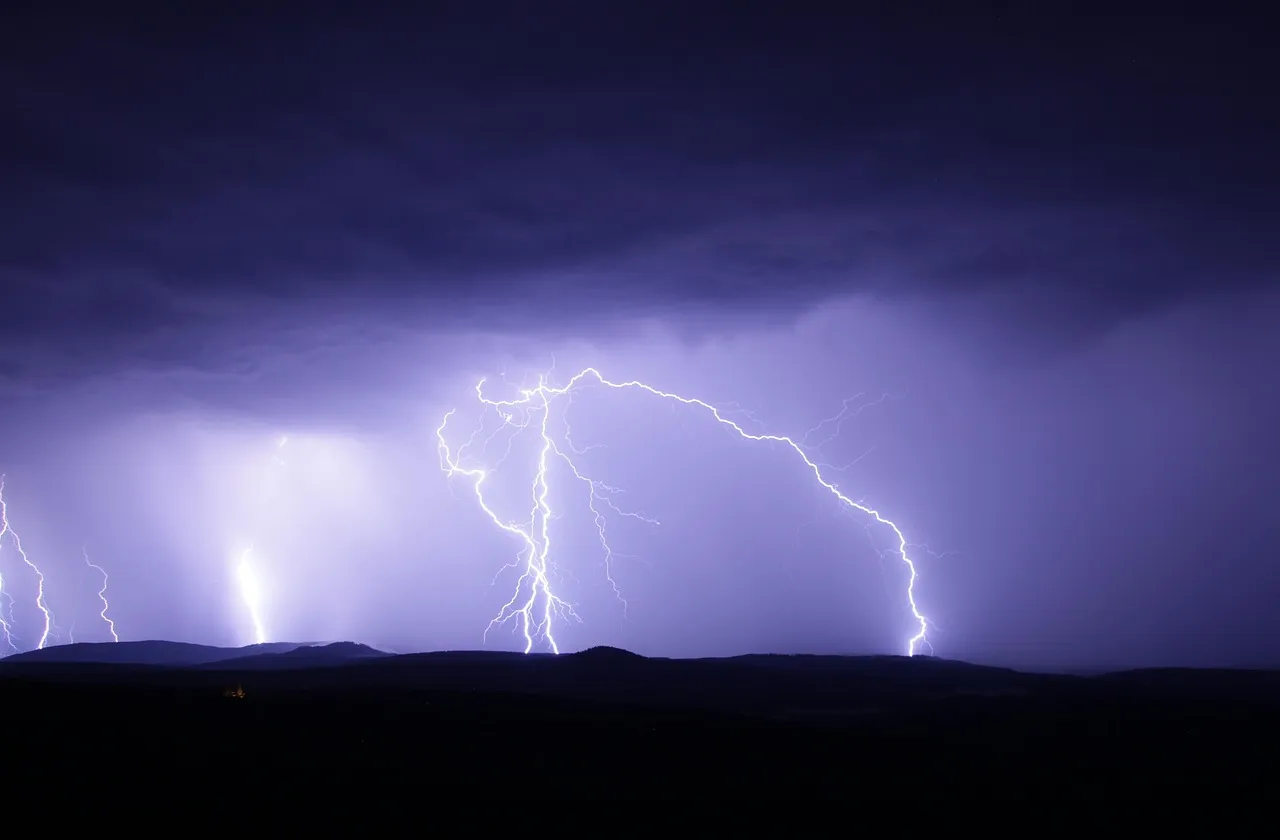
If you’ve ever flinched at a sharp crack overhead, then later heard a low rumble drift across the hills, you’ve noticed something real. Thunder isn’t one sound. It changes with distance, terrain, and the air it travels through.
The difference comes down to physics, and most of it is easy to follow. Lightning is brief, but the sound it makes is stretched out, bent, and filtered long before it reaches your ears.
Lightning Heats the Air in a Flash
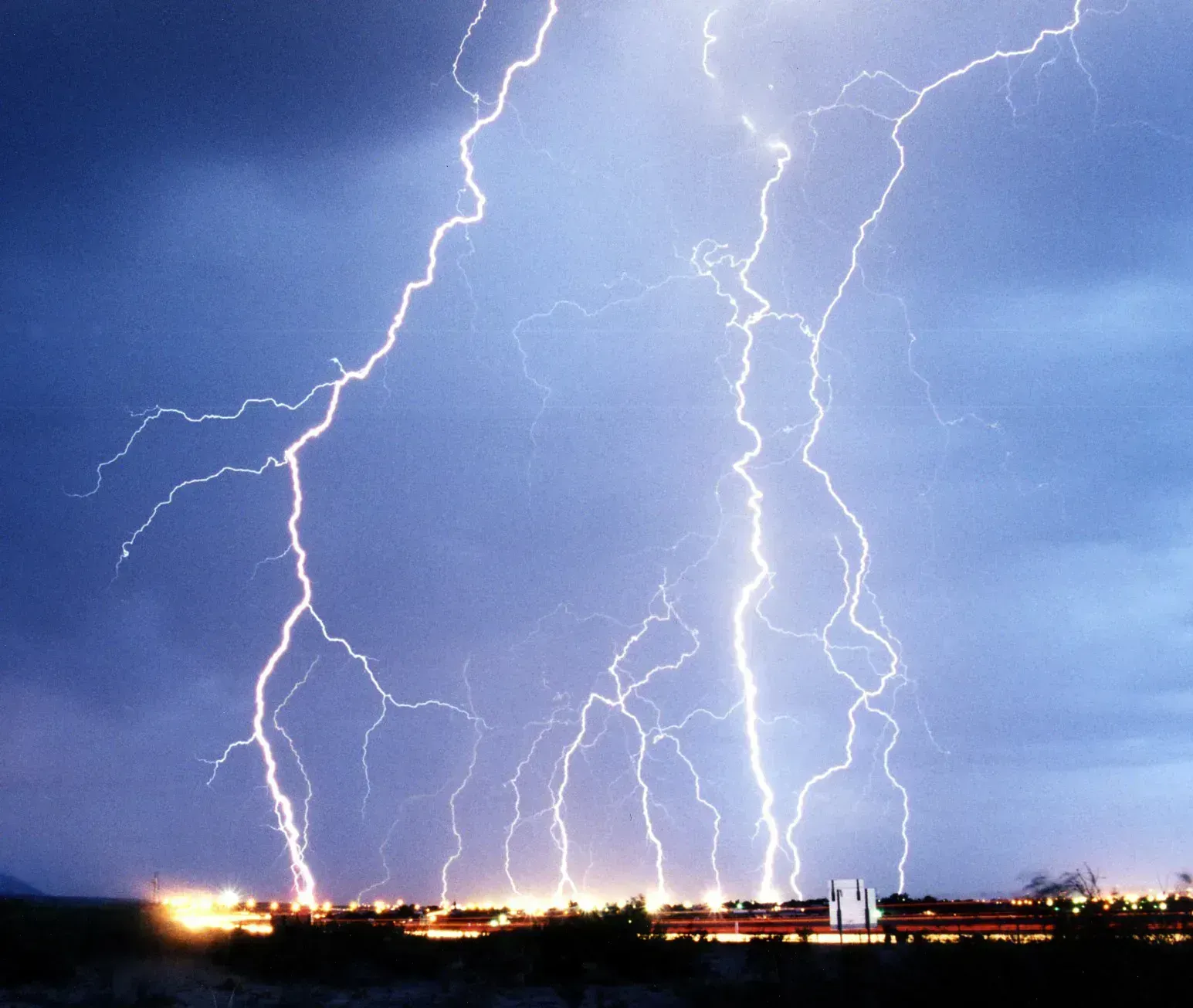
A lightning channel is extremely hot, reaching temperatures several times hotter than the surface of the sun. That heat makes the air in the channel expand violently, faster than the speed of sound. The result is a shock wave, which soon weakens into an ordinary sound wave.
This is the basic origin of thunder. It isn’t an explosion of the lightning itself but the sudden pressure change in the air around it. The National Weather Service describes thunder as the sound produced by this rapid heating and expansion.
Why a Close Strike Sounds Like a Crack
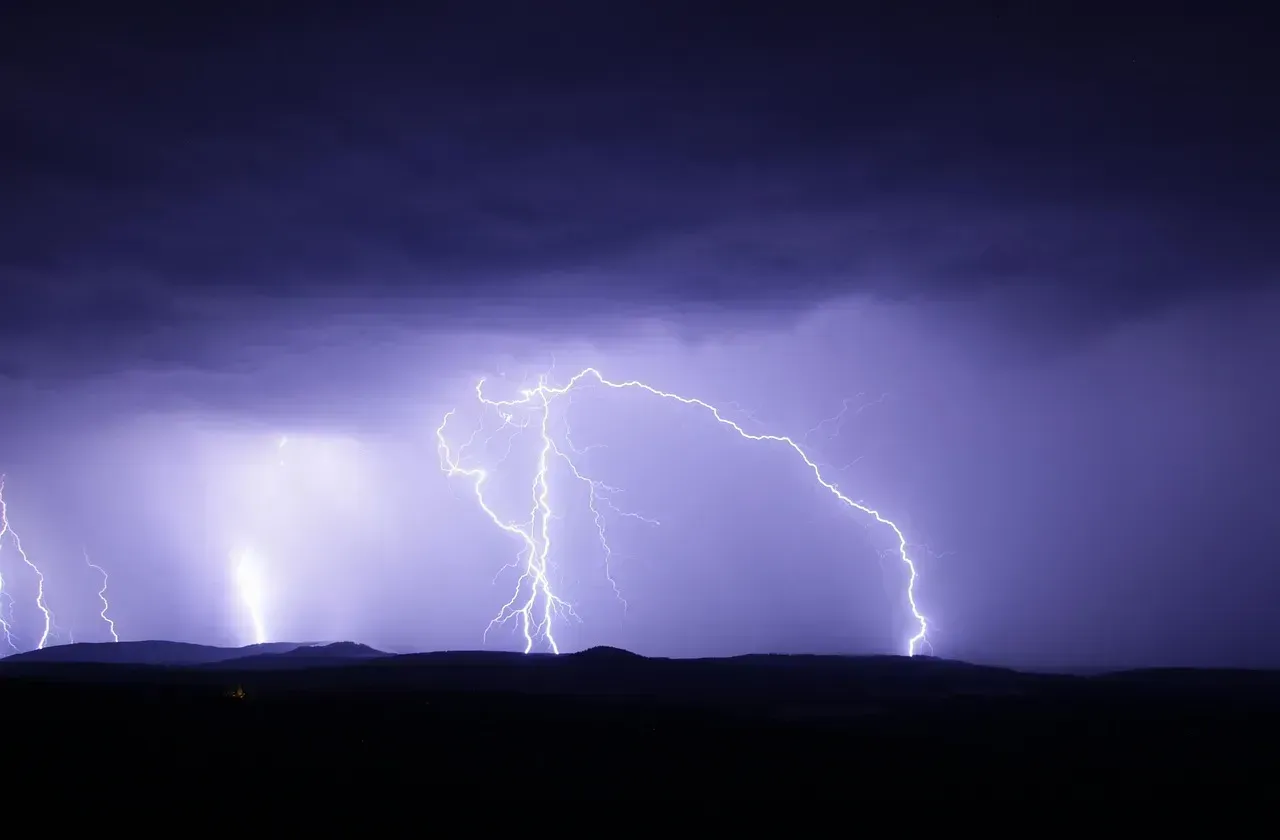
When lightning is very near, the sound reaches you almost whole. You hear the sharp front of the shock wave, which is rich in high frequencies. That’s why a nearby strike often sounds like a snap, a bang, or tearing cloth.
Sometimes there’s a faint click just before the main crack. Researchers have linked such sounds to nearby electrical processes, though the details vary from strike to strike. Either way, close thunder is short because there’s little distance for the sound to spread out.
Why Distant Thunder Rumbles
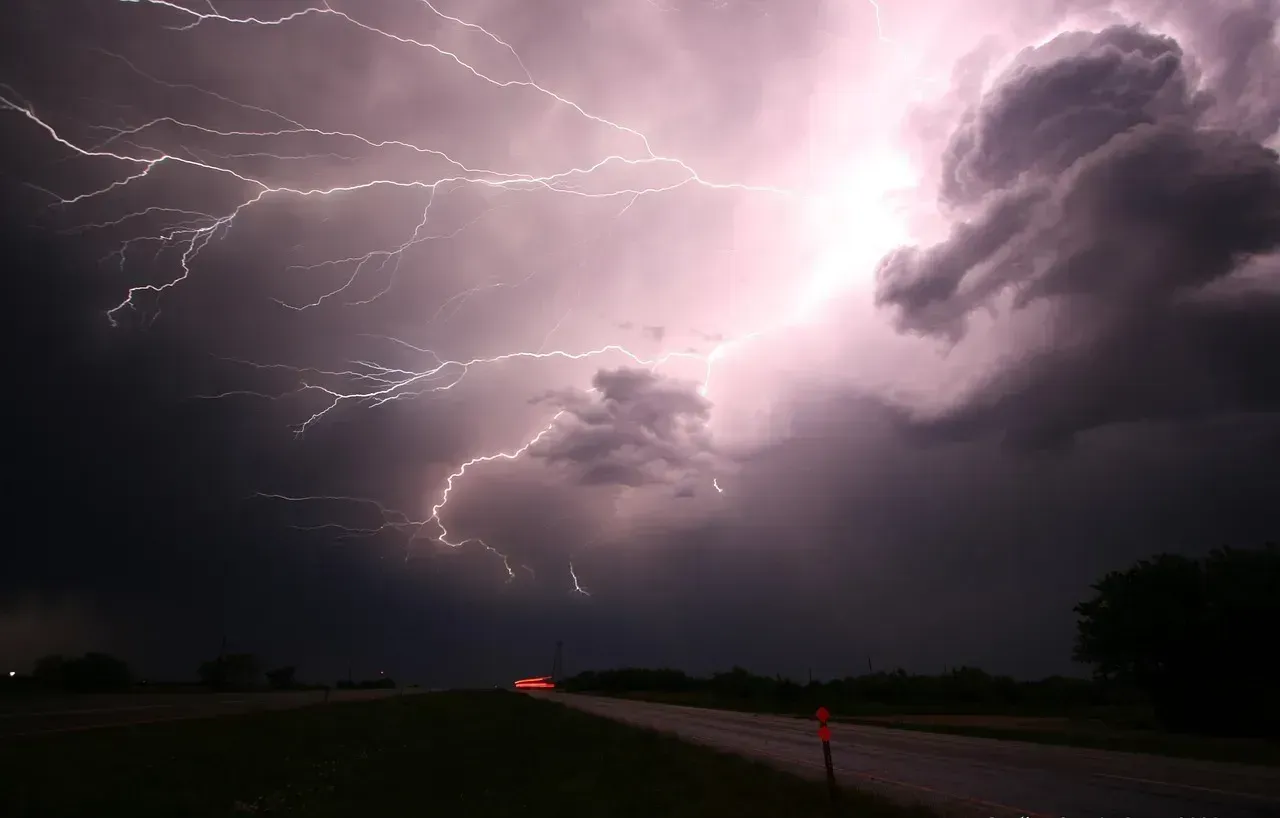
A lightning bolt can be several miles long, and every part of it makes sound. Those sounds start at the same moment but travel different distances to reach you. The nearest section arrives first, and the farthest section arrives last.
That spread in arrival time turns a single event into a long, drawn out roll. It’s a bit like hearing a long line of people clap at once from the end of the line. The sound you get is a continuous growl rather than one hit.
The Bolt’s Shape Adds Texture
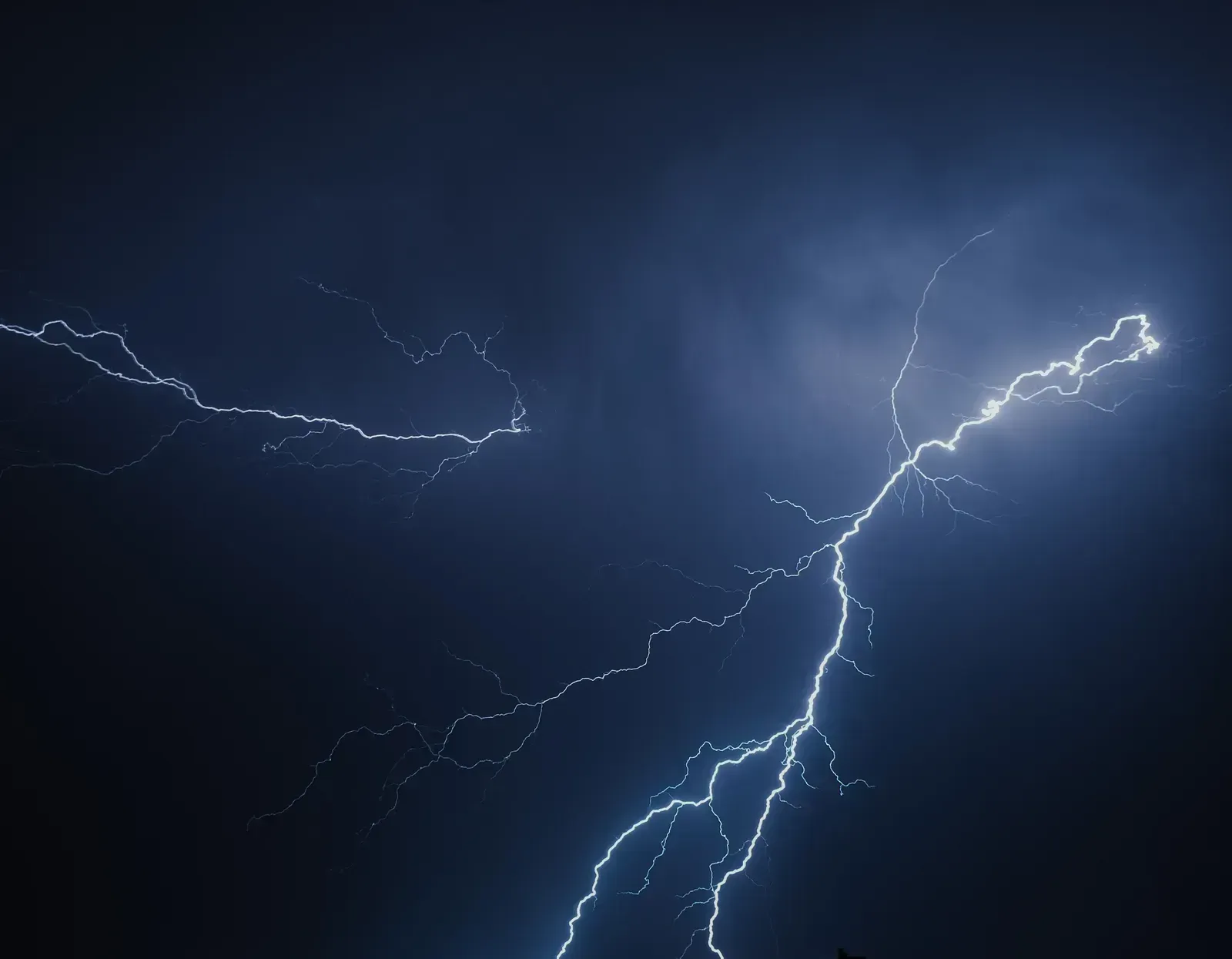
Lightning isn’t a straight line. It twists and branches, and each bend sends sound in a different direction. Some segments point toward you, and others point away, so the loudness rises and falls.
That’s part of why a rumble can seem to swell, fade, and swell again. Branches also add separate arrivals at slightly different times. The pattern you hear is a rough acoustic map of the bolt’s path.
High Frequencies Fade First
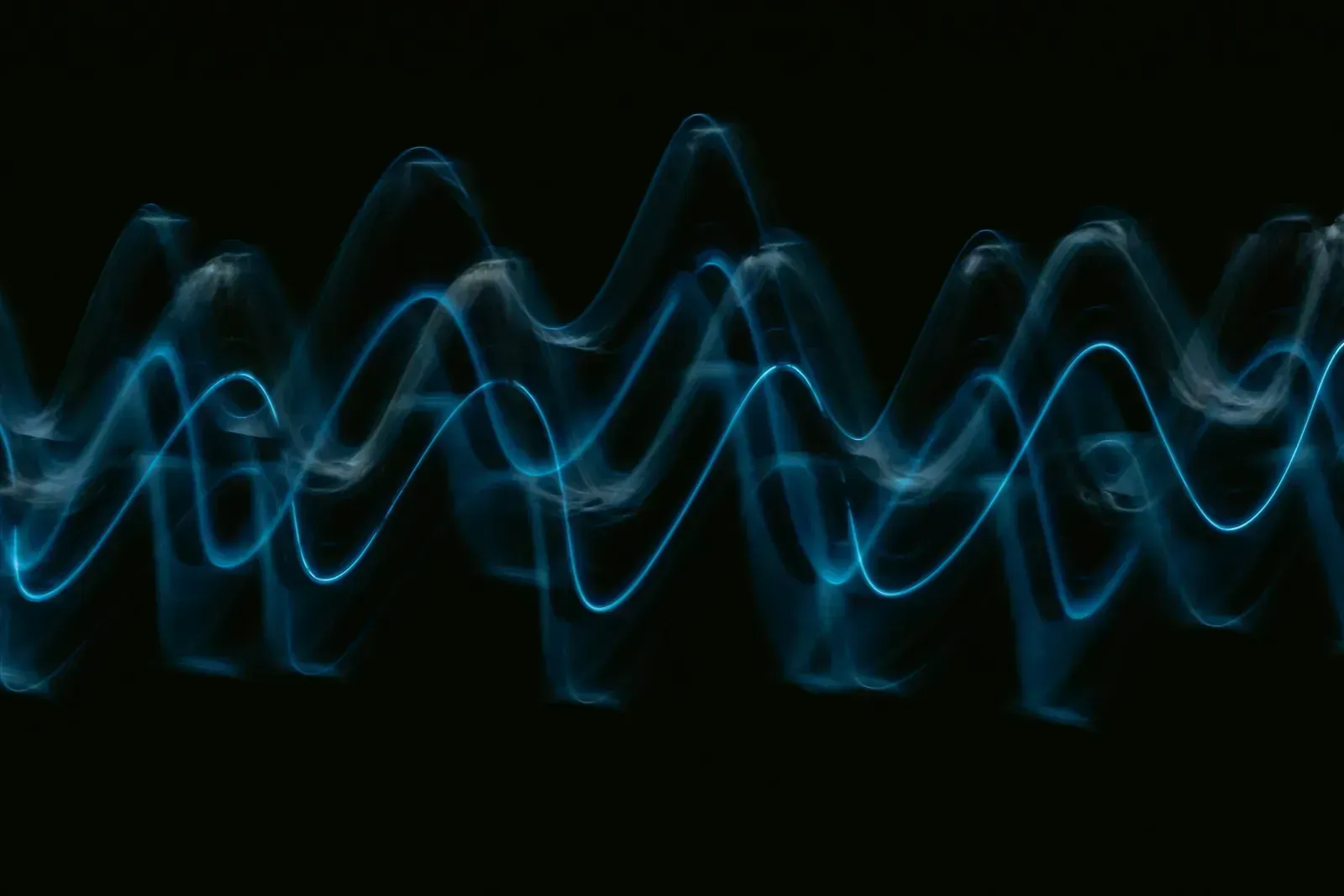
As sound travels, the air absorbs it, and high pitches lose energy faster than low ones. After a few miles, the crisp, sharp parts of thunder have largely faded. What remains is the deeper, lower end of the sound.
This is the same reason a distant marching band seems to lose its piccolos and keep its drums. Thunder is dominated by low frequencies at long range, and our ears read that as a rumble. It’s a simple filtering effect, repeated across the whole trip.
Temperature Layers Bend the Sound
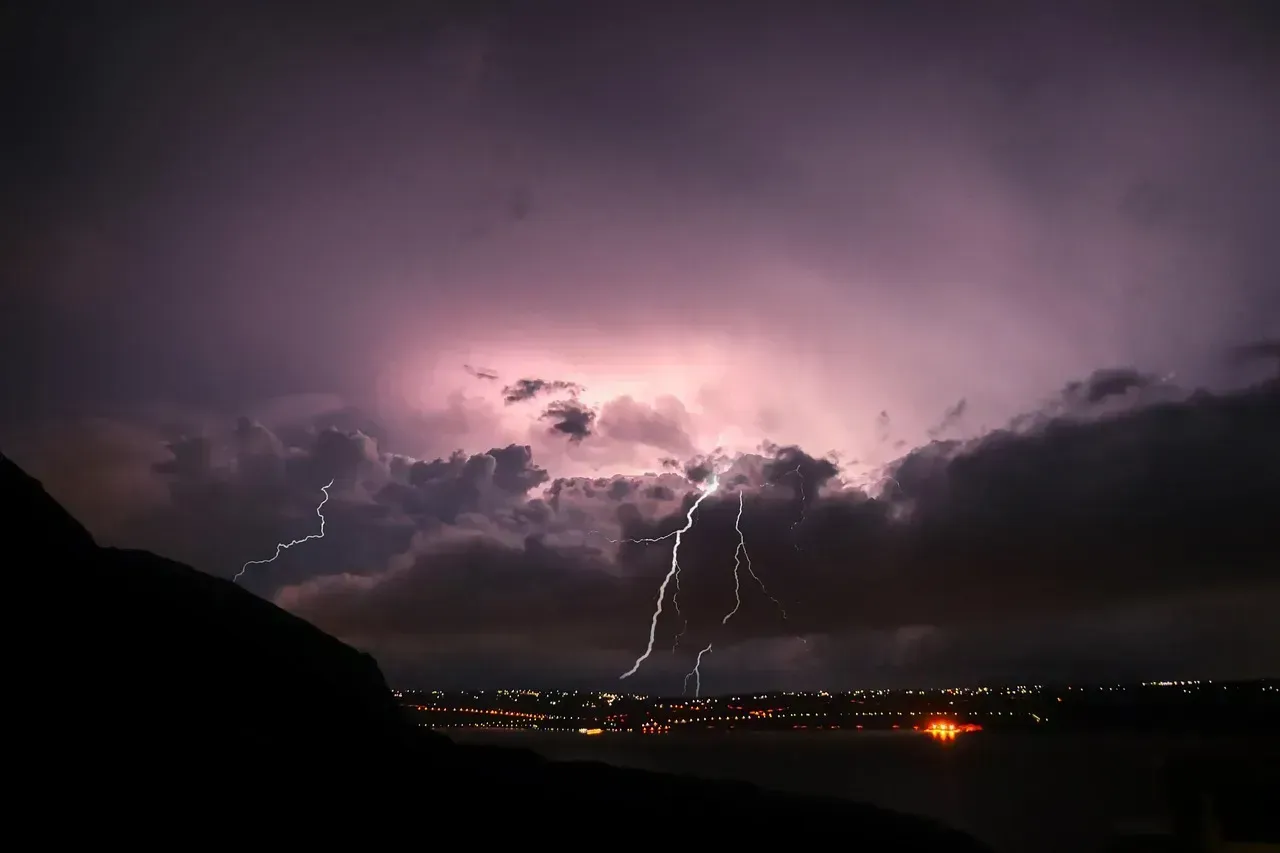
Sound speed depends on air temperature, and the atmosphere is rarely uniform. Because temperature usually drops with height, sound waves tend to curve upward, away from the ground. That bending can leave a shadow zone where thunder is not heard at all.
This helps explain why you can see lightning but hear nothing. Thunder is generally audible only out to roughly ten miles, though conditions vary. The exact limit depends on wind, temperature, and the surrounding landscape.
Hills, Buildings, and Clouds Cause Echoes
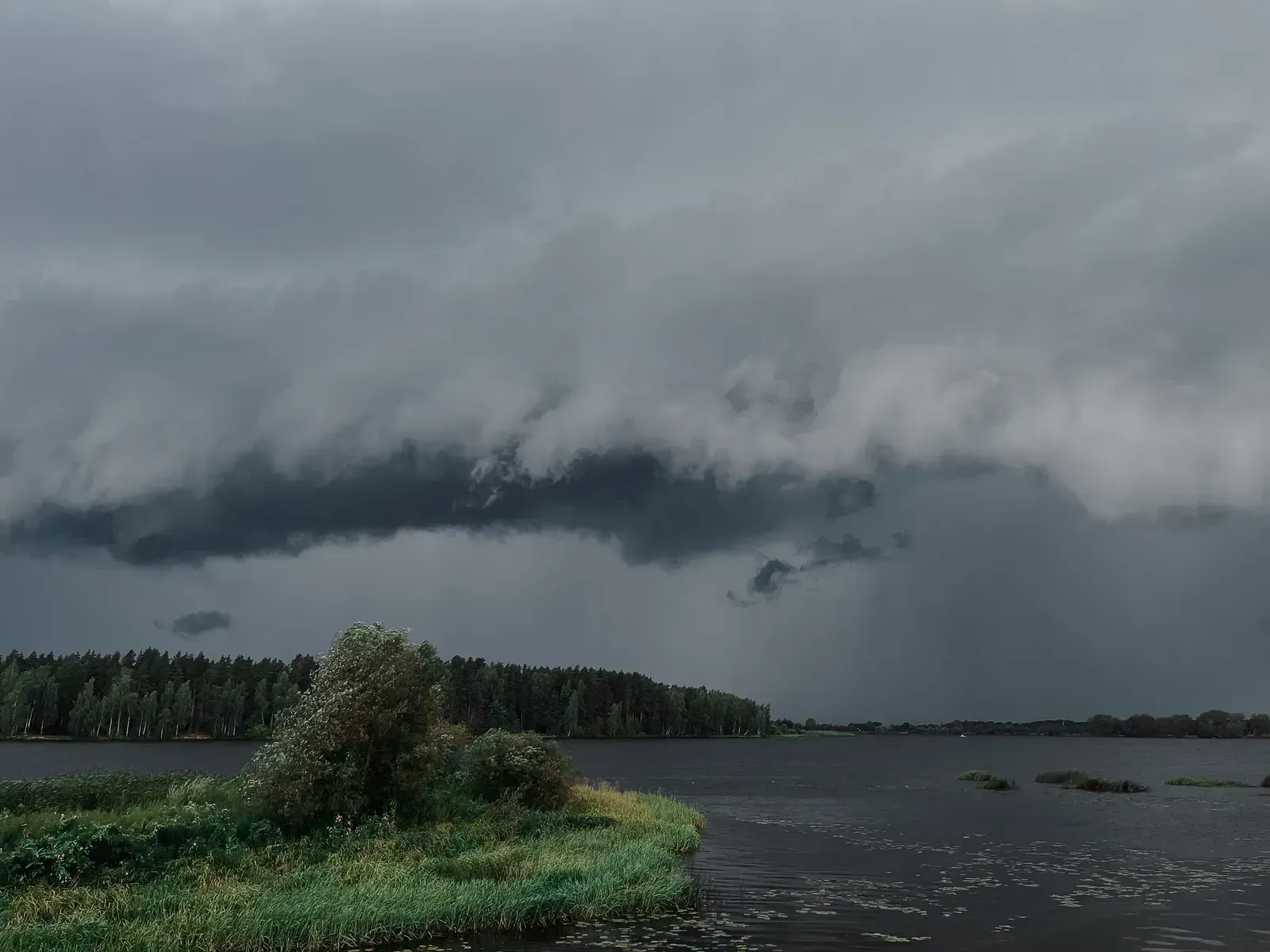
Sound reflects off hard surfaces such as mountainsides, valley walls, and city buildings. Each reflection adds a delayed copy of the sound, which lengthens and thickens the rumble. In open flat country, thunder often seems shorter and cleaner.
Some of this rolling quality is also due to sound bouncing within the storm and the layers of air around it. Scientists still debate how much each factor contributes in a given storm. What’s clear is that the environment shapes the sound as much as the lightning does.
Counting the Seconds Gives a Distance
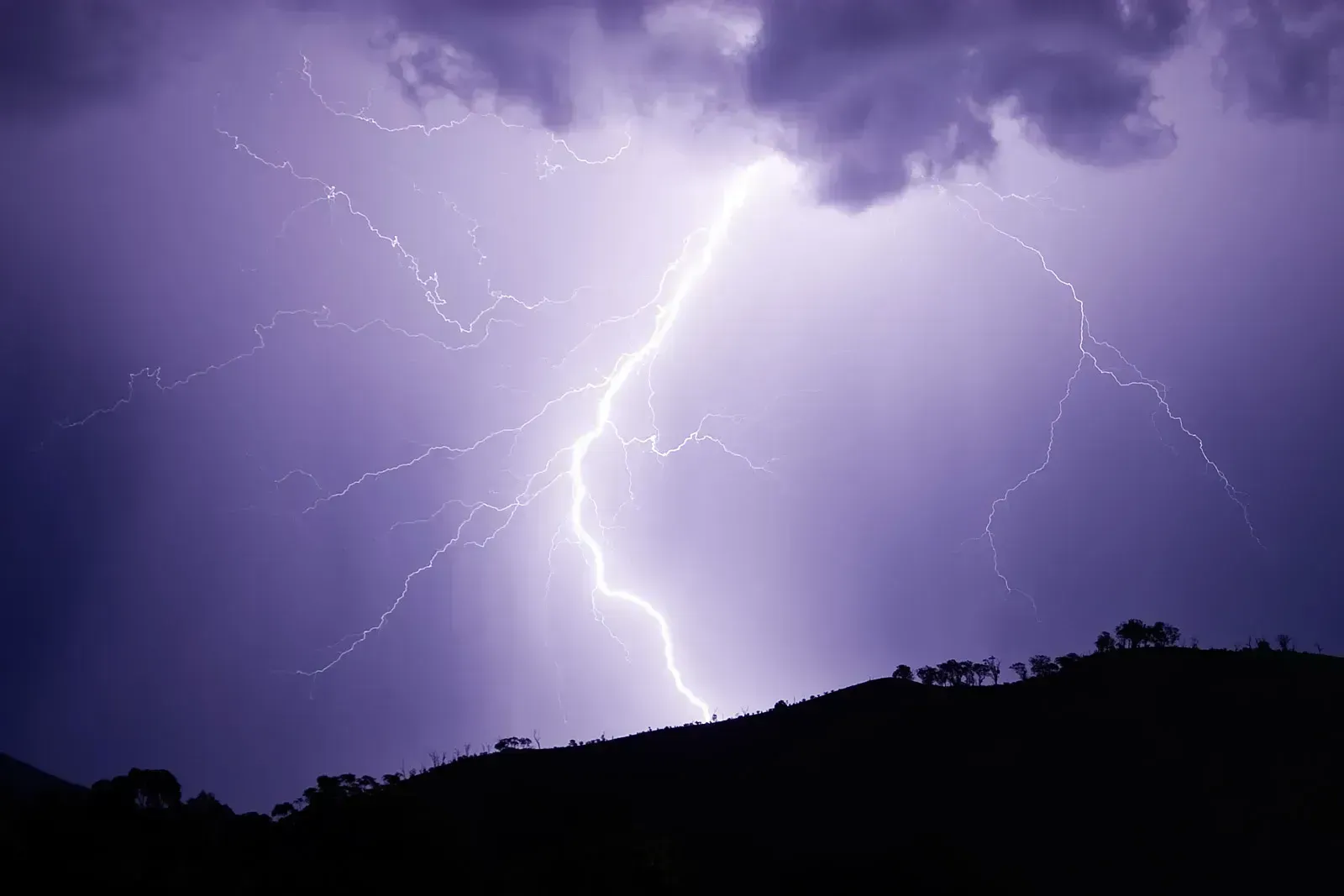
Light reaches you almost instantly, while sound takes about five seconds to travel a mile. Count the seconds between the flash and the thunder, then divide by five to estimate the distance in miles. A count of ten means the strike was about two miles away.
This is a useful estimate, not a precise measurement. The National Weather Service says that if you can hear thunder, you’re close enough to be struck, which is why its safety guidance is to go indoors. Waiting thirty minutes after the last thunder before heading back outside is the standard advice.
What the Sound Tells You About the Storm
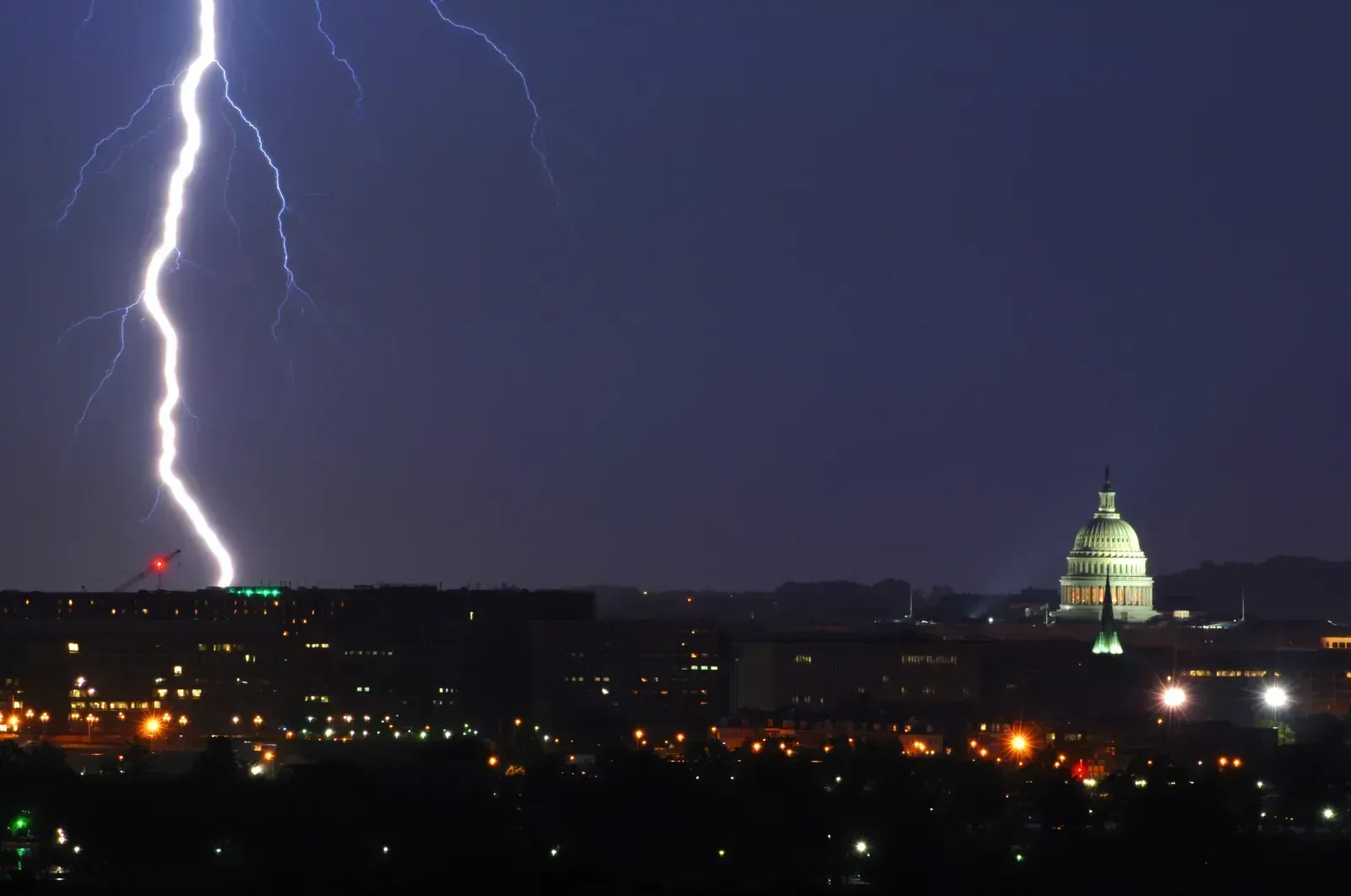
A sharp crack means the strike was close, and a long low roll usually means it was farther away or reflected around terrain. A rumble that lasts many seconds often comes from a long bolt, much of it stretching across the sky. Thunder that stops short can mean the sound came from a compact, nearby channel.
None of this replaces a weather forecast or radar. Still, it’s a practical way to read a storm with nothing but your ears. Distance, air, and landscape all leave their fingerprints on the sound you hear.

- Zero Ground: Surviving 24 Hours in the Deadliest Landslide Zone - November 5, 2026
- Atlantic Waters Stay Much Warmer Than Normal Despite A Quiet Hurricane Season - November 4, 2026
- Derecho, haboob, bomb cyclone: 7 weather terms and what they actually mean - November 4, 2026
