

Most of us don’t walk into our kitchens thinking about carbon emissions. We reach for what’s convenient, what’s familiar, what’s always been there. The problem is that a surprising number of everyday kitchen staples carry environmental costs that far outpace their actual usefulness, especially when better alternatives are easy to find and often cheaper in the long run.
This isn’t about guilt or dramatic lifestyle overhauls. It’s worth knowing which items quietly punch above their weight in terms of planetary cost, so you can make different choices without feeling like you’re giving anything meaningful up.
1. Single-Use Coffee Pods
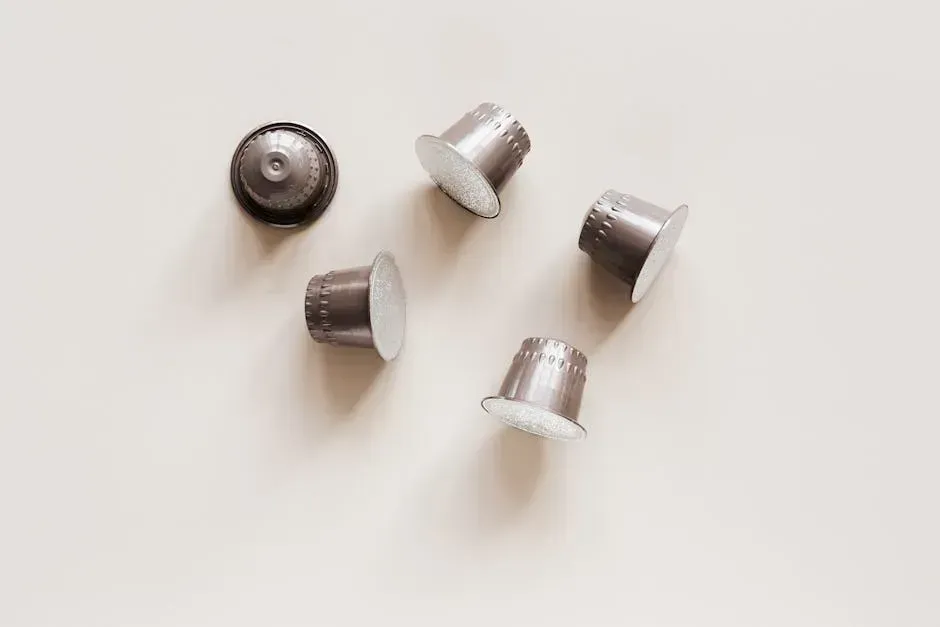
Coffee capsule packaging generates approximately 966 million pounds of waste each year. That number alone is staggering, but the problem goes deeper than the bin. Manufacturing coffee pods involves molding plastic or aluminum, filling the pods, and sealing them, with each of these steps requiring energy typically sourced from fossil fuels, further contributing to carbon emissions.
After use, coffee pods are often disposed of in landfills where they contribute to long-term carbon emissions through the slow decomposition of organic matter and the potential release of methane. The mixed materials used in coffee pods, including plastic, aluminum, and organic coffee grounds, present significant recycling challenges. Reusable pods and a basic French press are ready replacements that cost less and create almost no waste.
2. Plastic Wrap (Cling Film)
Plastic wrap, typically made from non-renewable fossil fuels, often ends up in landfills for centuries, breaking down into harmful microplastics. It’s one of the most reflexively used kitchen items, yet cling film can take hundreds of years to decompose, and when it does eventually break down, it turns into microplastics, which leach harmful chemicals into groundwater, the oceans, and endanger wildlife.
Thin, flimsy plastic-like films are difficult to recycle; without specialized equipment they clog machines. Even when plastic wrap is recycled, it’s costlier than using virgin materials. Silicone lids, beeswax wraps, and glass containers with lids do the same job without any of these downstream issues.
3. Aluminum Foil

It takes a whole lot of energy to mine bauxite ore from the earth and then process it: producing one ton of aluminum ingots requires 170 million British thermal units of energy and releases about 12 tons of carbon dioxide equivalent. People tend to assume foil is the eco-friendly option compared to plastic wrap, but the manufacturing burden tells a different story. Per square metre, aluminium foil contributes three times as much water pollution and six times as many greenhouse gas emissions compared to plastic cling film.
Aluminum foil, while effective, requires a large amount of energy to produce, and recycling it at home can be impractical due to food residue. If you don’t want to give up foil entirely, reusing the same piece four times makes its environmental impact comparable to plastic wrap. As SFGate notes, the most eco-friendly choice is avoiding both when you can.
4. Non-Stick Pans with PFAS Coatings
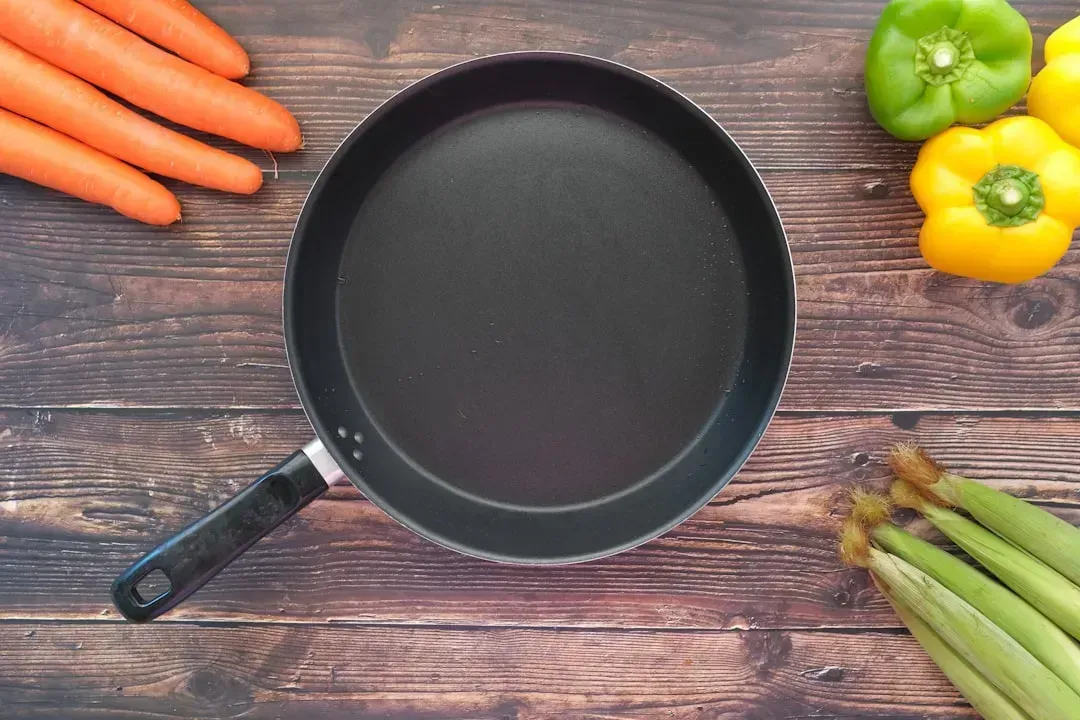
Non-stick pans typically use a coating made from polytetrafluoroethylene (PTFE), which releases toxic fumes when overheated. It contains per- and polyfluoroalkyl substances (PFAS), known as “forever chemicals” due to their persistence in the environment. The carbon footprint of manufacturing these coatings is compounded by the fact that the pans don’t last. The production of non-stick coatings generates greenhouse gases and other pollutants, and the disposal of traditional pans presents challenges, as many are not easily recyclable due to mixed materials and chemical coatings, leading to increased landfill waste.
As of January 1, 2025, Minnesota became the first state to ban the sale of nonstick cookware coated with PFAS. Meanwhile, Vermont, Connecticut, Rhode Island, and Colorado are moving ahead with bans or restrictions on cookware containing intentionally added PFAS, with enforcement dates ranging from 2026 to 2028. Cast iron and stainless steel remain the most durable and low-impact alternatives, lasting decades when cared for properly.
5. Paper Towels

Annually, 270 million trees are felled to meet the demand for paper towels, highlighting a substantial carbon footprint with millions of metric tonnes of CO2 emissions throughout their lifecycle. The deforestation link alone makes this item worth reconsidering. Manufacturing kitchen rolls demands substantial water usage, with producing a single roll requiring over 10 litres of water.
Paper towels and other single-use tissue products release methane as they decompose, a greenhouse gas that is 28 times more harmful than carbon dioxide and a leading cause of climate change. Comparing the two, reusable cloths typically have a lower carbon footprint – roughly 1.88 kg CO2e versus 6.86 kg CO2e for paper towels. Cotton dish cloths and washable Swedish dishcloths offer the same function at a fraction of the long-term environmental cost.
6. Disposable Plastic Zip-Lock Bags
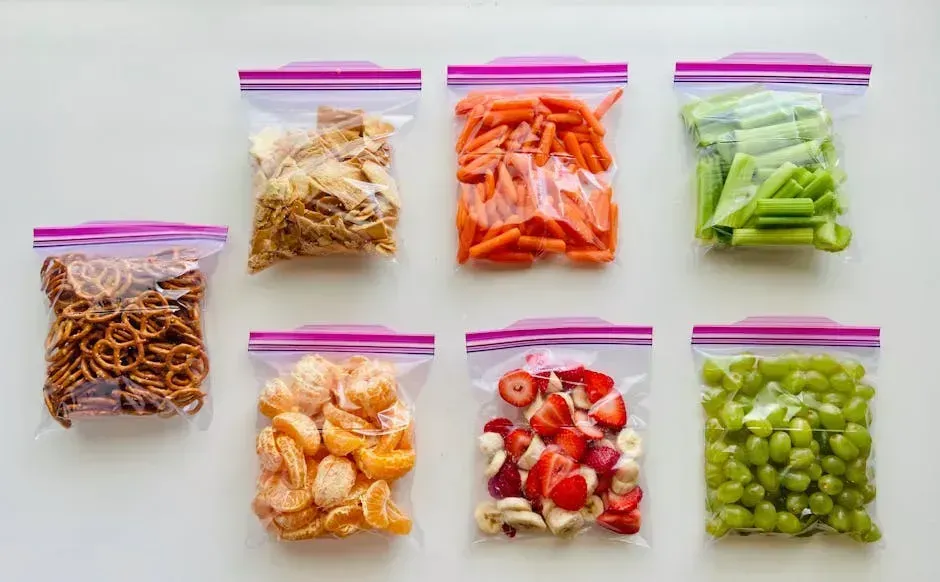
Plastic wrap is typically derived from non-renewable fossil fuels. Most commercially available plastic wrap is not readily recyclable and can persist in landfills for hundreds of years, contributing to microplastic pollution. The same applies directly to single-use plastic zip-lock bags, which share the same base materials and waste trajectory. They’re used for minutes and persist for centuries.
Avoiding single-use plastic or nylon materials is crucial to reduce plastic waste, which is a significant environmental pollutant. Reusable silicone bags and glass containers provide airtight food storage that can handle the freezer, the dishwasher, and years of daily use without creating a single piece of landfill waste.
7. Gas Stoves
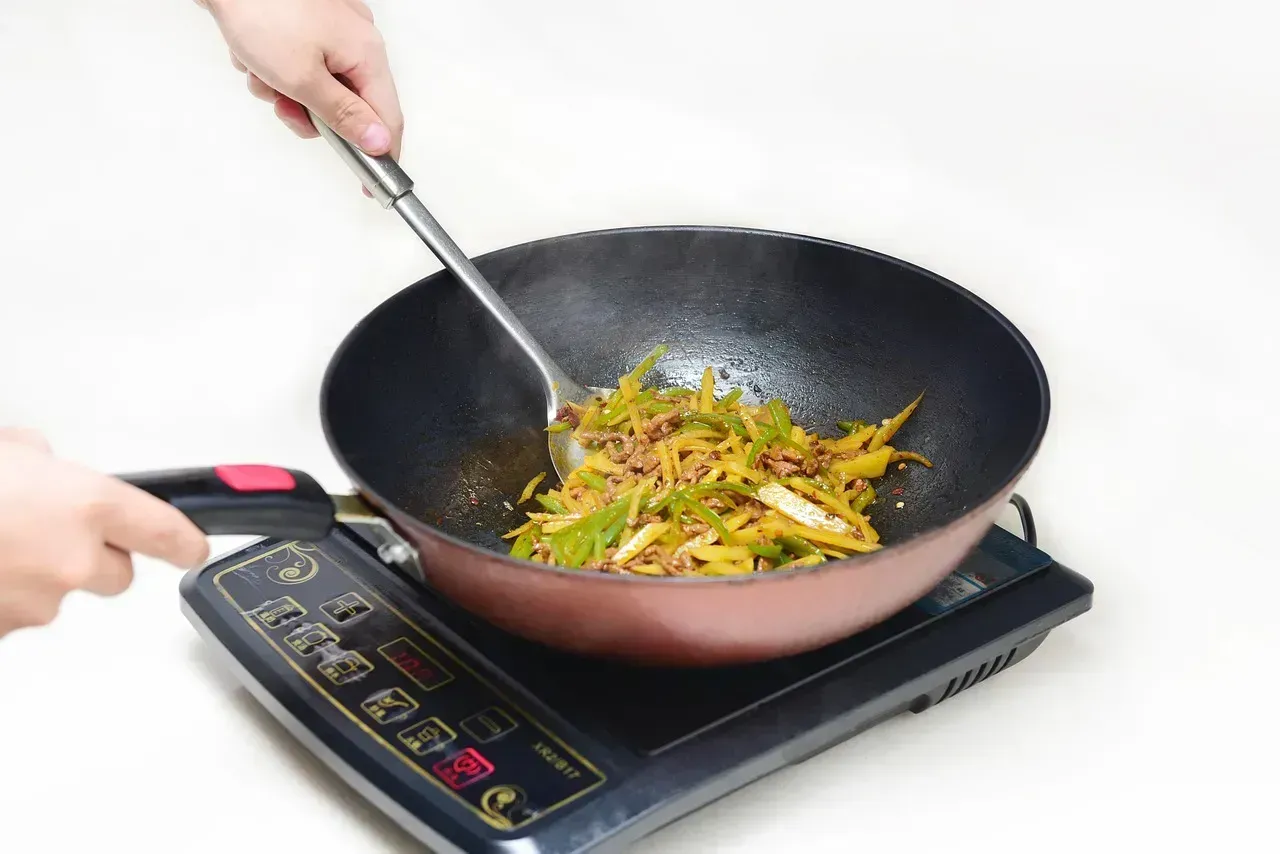
Electric induction equipment delivers 85 percent of energy for cooking operations, compared to 45 percent for gas stoves, which generate CO2, nitrogen dioxide, and particulate matter. That efficiency gap is significant. A gas stove wastes more than half the energy it generates before a single dish is cooked. A recent study reports that induction cooking uses half as much energy as gas, produces no nitrogen oxides, and significantly reduces ultrafine particles and CO2 emissions.
The concern isn’t just about outdoor emissions. Nitrogen dioxide released indoors from gas burners can reach levels that exceed outdoor air quality limits, particularly in small or poorly ventilated kitchens. In the kitchen, induction cooking represents a significant advancement. Induction appliances can be up to three times as efficient as their gas counterparts and 10 percent more efficient than traditional electric appliances.
8. Cheap, Short-Lived Appliances
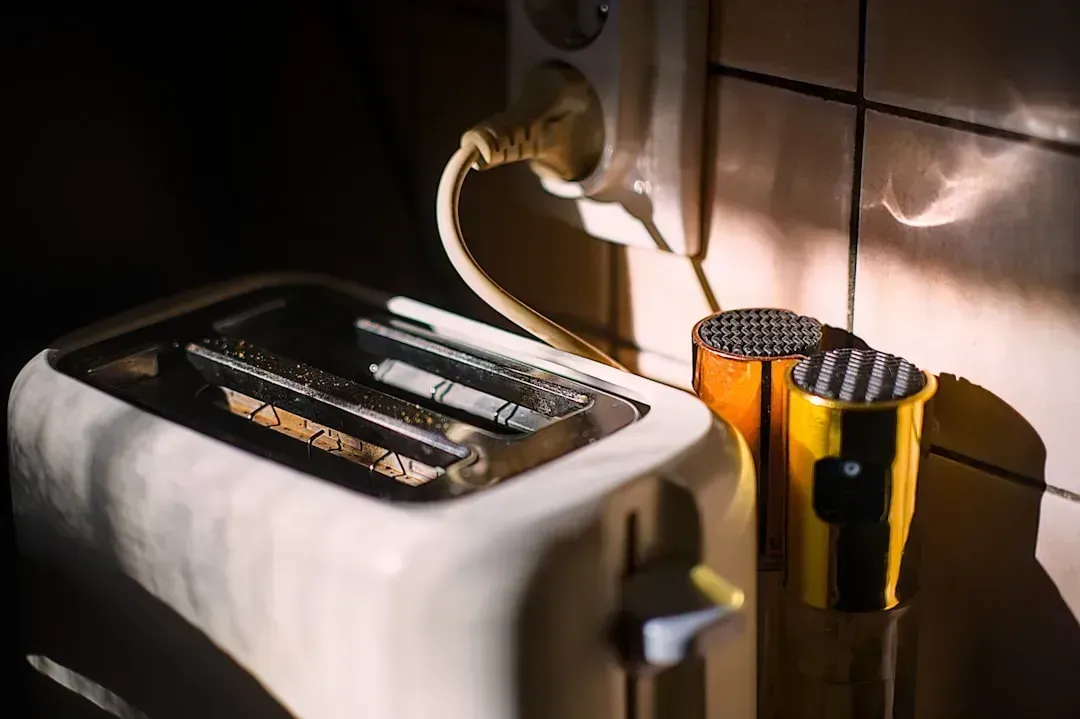
Kitchen appliances utilize a variety of materials, including metals, plastics, and glass, which require extensive resources to extract and process. The manufacturing process of these materials often generates waste and pollution. When a cheap toaster or blender fails after 18 months, all of those embedded resources go straight to landfill – and the cycle starts again. This pattern, often called “premature obsolescence,” multiplies the carbon footprint of appliances many times over.
With new energy-efficient models that can use half the energy of their predecessors now widely available, strategic appliance choices represent one of the most impactful ways households can reduce their carbon footprint while often saving money over time. Buying fewer, better-quality appliances that are repairable and energy-rated is a practical step that compounds over the years.
9. Plastic Cooking Utensils

PFAS hardly decomposes in the natural environment and is known as “Forever Chemicals,” which can accumulate in the human body, animals, and plants for a long time. Scientific research indicates that long-term exposure to PFAS may increase the incidence of cancer, damage liver function, suppress the immune system, and affect fetal development. Many plastic spatulas, spoons, and tongs contain similar chemical compounds, and when they’re exposed to heat during cooking, the risk of chemical transfer increases. Once worn or melted, these utensils are almost never recyclable.
Choose cookware and kitchen tools made from sustainable materials like cast iron, stainless steel, or bamboo. Buy only those non-stick items that are free from PFOA, heavy metals, and harmful chemicals. Opt for durable, long-lasting options that reduce the need for frequent replacements. Wooden spoons and stainless steel tools carry no chemical risk, last decades, and are far easier to dispose of responsibly at the end of their life.
10. Single-Use Coffee Filters (Unbleached or Bleached)

Regardless of the type of coffee preparation, coffee production is the phase that emits the most greenhouse gases. It contributes between 40 and 80 percent of the total emissions, according to researchers. Paper filters add another layer of single-use waste on top of that baseline impact. Producing paper products requires trees, chemicals, fuel, water, and electricity, contributing to millions of metric tons of CO2 annually. While manufacturing causes many issues like pollution and the reduction of natural resources, the disposal of these products is also an issue.
At the consumer level, avoiding wasting coffee and water is the most effective way to reduce the carbon footprint of coffee consumption. Stainless steel or gold-mesh reusable filters cost very little, require a simple rinse after each use, and eliminate hundreds of paper filters per year without any meaningful loss in coffee quality. The grounds go straight to compost, which is exactly where they belong.
None of these items are necessarily impossible to use responsibly, but many of them have reusable or longer-lasting counterparts that match or exceed their convenience once the initial habit forms. The kitchen, it turns out, is one of the most practical places in the home to meaningfully reduce a household’s environmental footprint, not through dramatic sacrifice, but through small, durable swaps that simply make more sense.

