
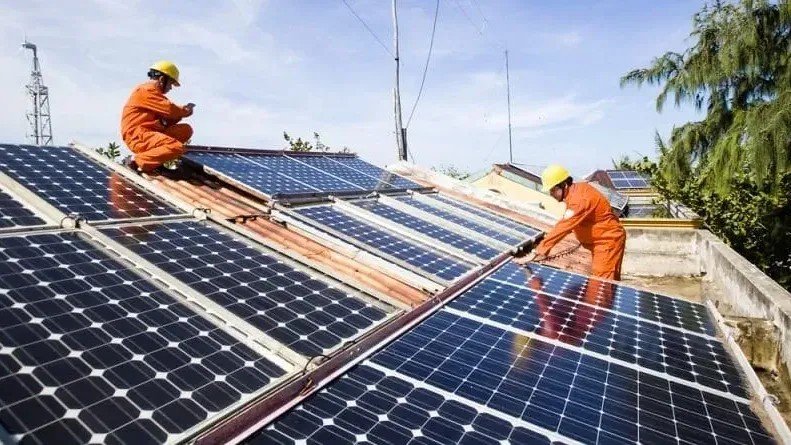

Most households don’t feel like a significant part of the climate problem. The refrigerator hums, the furnace clicks on, the lights stay lit, and everything seems fine. Yet the average home is a surprisingly active source of carbon emissions, shaped by dozens of small decisions made over years, often decades ago, about heating systems, insulation, and appliances.
The building sector contributes almost one third of global CO2 emissions, of which half can be attributed to energy use in residential buildings. That’s a remarkable share, and it means the home is genuinely one of the most consequential places where emissions can be cut. Climate scientists tend to agree on a shortlist of interventions that would make the biggest difference, most of them achievable without rebuilding anything from scratch.
1. Replace the Gas Furnace With a Heat Pump
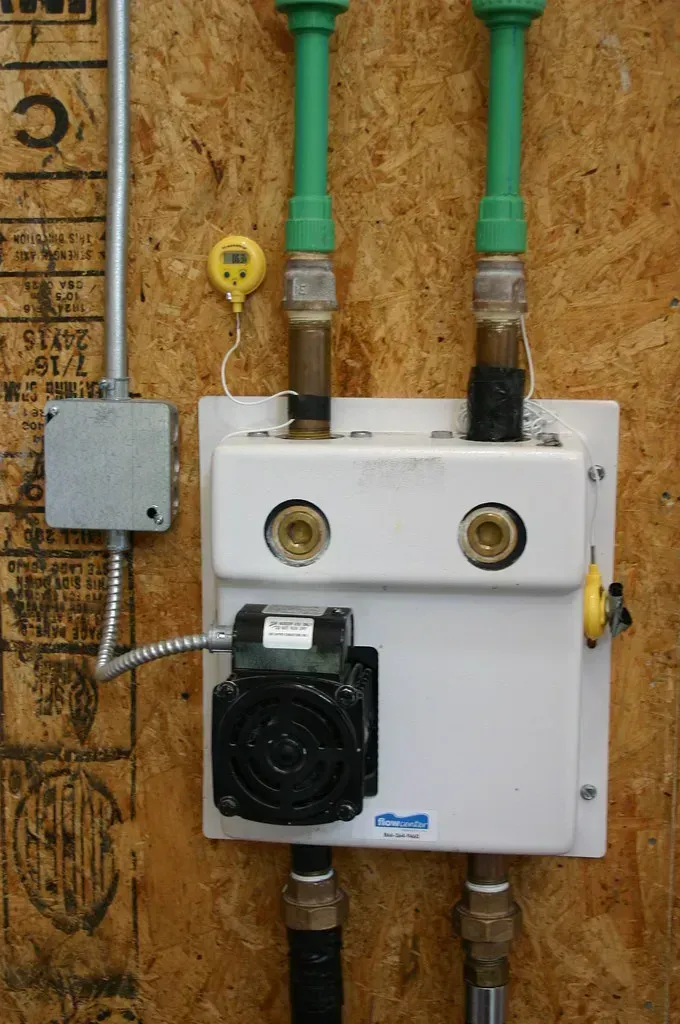
This is typically the first thing researchers point to. A heat pump can use three to five times less energy than an efficient gas boiler. That gap in efficiency is hard to overstate. It means that even in homes connected to a grid that isn’t fully clean yet, the shift pays off almost immediately in terms of emissions.
Depending on the scenario and level of efficiency, heat pumps lower household annual energy emissions on average by 36% to 64%, or 2.5 to 4.4 metric tons of CO2 equivalent per year per housing unit. For context, the higher end of that range is roughly equivalent to eliminating all the emissions from driving a car for an entire year.
2. Seal and Insulate the Building Envelope
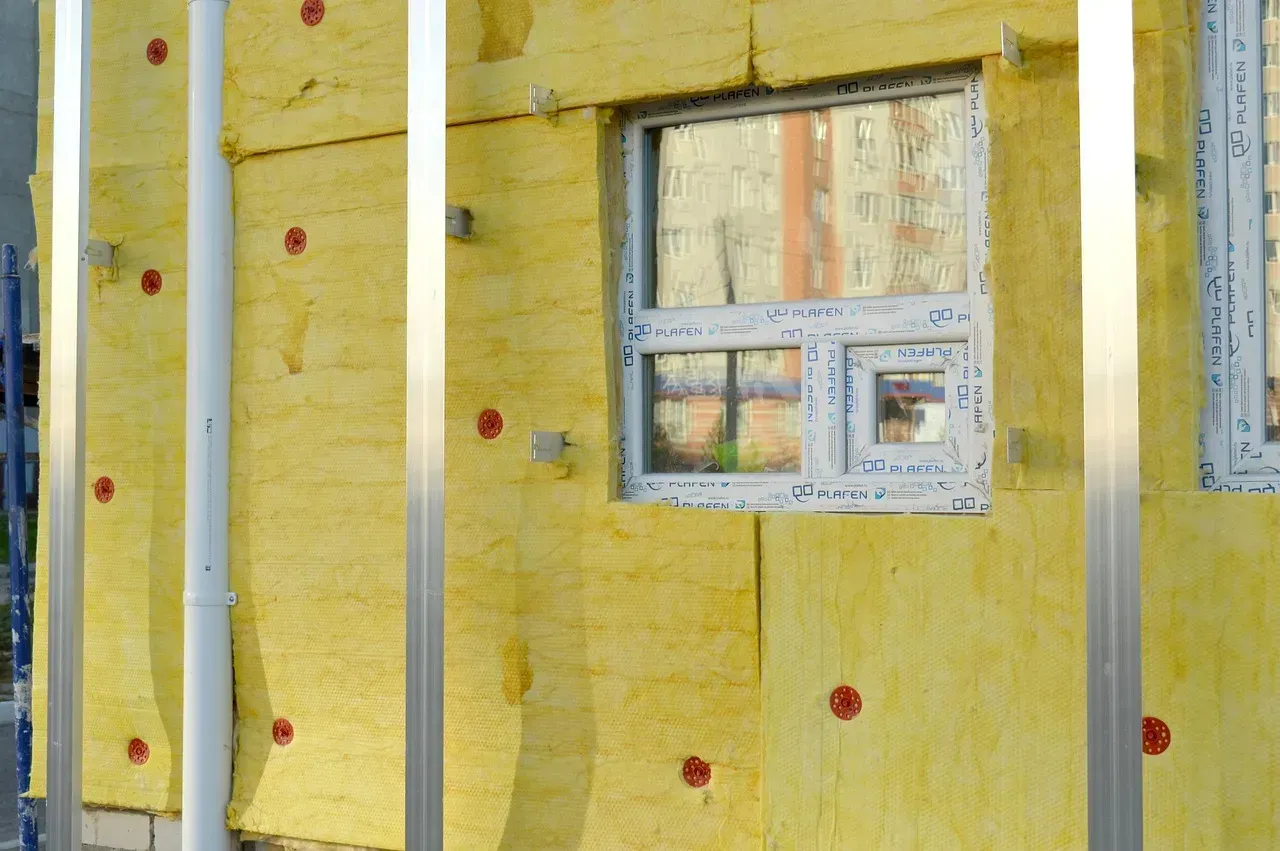
A heat pump performs best in a well-sealed home, but insulation is worth pursuing in its own right. Research has highlighted the importance of improving building insulation, enhancing air tightness, and utilizing high-performance windows in reducing heating loads, with comprehensive energy retrofits able to cut heating demand by up to 60%. That kind of reduction changes what size of heating system the house even needs.
The best option is to both insulate the house well and install a heat pump, with the synergy between the two providing the greatest benefits. Adding insulation alongside a heat pump creates a compounding effect. Adding high levels of insulation along with a heat pump can lead to an impressive 90% reduction in annual energy demand for heating.
3. Switch to Rooftop Solar
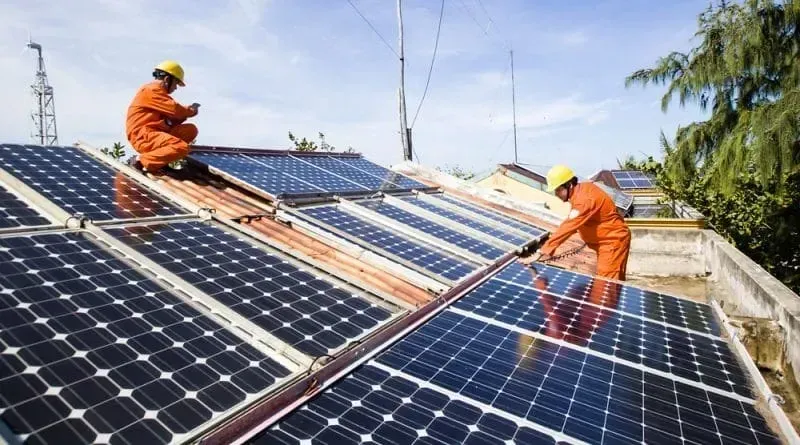
Solar panels on a residential roof are no longer a luxury or niche choice. By switching to renewable energy, households can reduce their carbon footprint by up to 2.5 tons annually, and installing solar panels could be a great way to not only reduce carbon emissions but also reduce energy bill costs in the long term. The economic case has strengthened considerably in recent years as installation costs have dropped.
Solar panels reduce CO2 emissions through displacement rather than direct reduction. When a solar system generates electricity, it displaces power that would otherwise come from fossil fuel-burning power plants, meaning every kilowatt-hour of solar electricity produced means one less kilowatt-hour generated by coal, natural gas, or other carbon-intensive sources. When combined with a heat pump, pairing solar with whole home electrification means essentially running a heat pump, water heater, and other appliances on sunshine, which is a powerful combination.
4. Replace the Gas Water Heater With a Heat Pump Water Heater
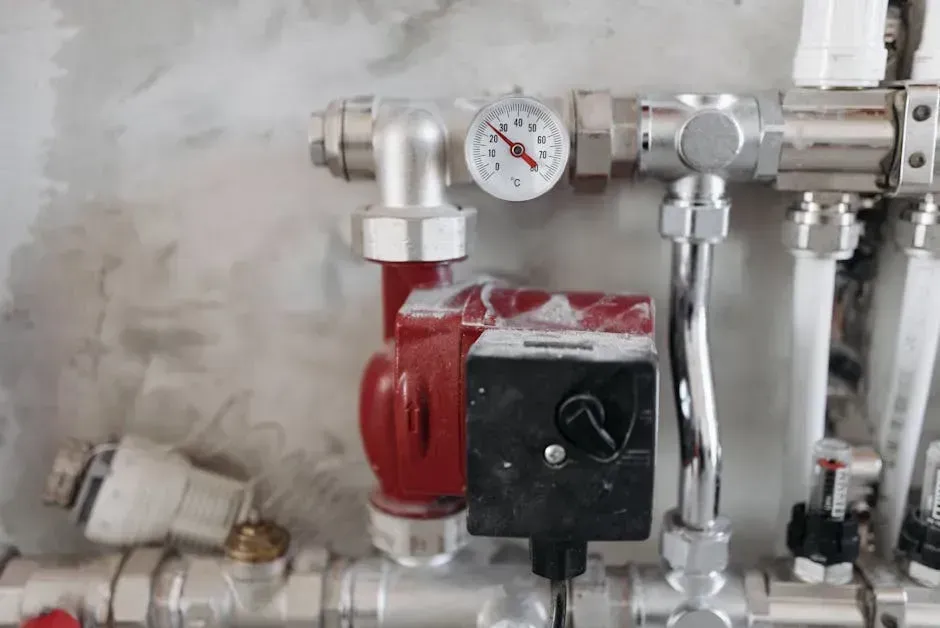
Water heating sits quietly in the basement or utility closet, rarely thought about, yet it accounts for a meaningful slice of household energy use. Improving a home’s energy efficiency, through better insulation or replacing an oil or gas furnace with an electric heat pump, can reduce a carbon footprint by an average of 900 kilograms of CO2 equivalent per year. Heat pump water heaters apply the same efficient technology as space-heating heat pumps, pulling heat from surrounding air rather than generating it from scratch.
Heat pump water heaters are another option for energy-efficient home heating, and they are eligible for both tax credits and rebates. They work best in spaces that stay above a certain temperature, but in most climates they outperform conventional electric resistance models by a wide margin. Energy Star certified appliances use 10 to 50% less energy and water than standard models, saving the average household between $300 and $600 per year while shrinking greenhouse gas emissions.
5. Replace the Gas Stove With an Induction Cooktop

Gas cooking has long had a devoted following for the control it offers, but from an efficiency standpoint it’s a poor performer. When cooking with gas, about 60% of the energy is wasted compared to just 16% with induction. That means the majority of the energy from burning gas simply escapes into the kitchen air rather than heating the food.
Induction stoves are up to 90% energy-efficient, while electric resistance stoves are 75% and gas stoves are just 40% efficient. There’s also an indoor air quality dimension that often goes unnoticed. Gas stoves can emit harmful pollutants like nitrogen dioxide, which may affect indoor air quality and health. Climate scientists tend to treat the shift away from gas cooking as a straightforward win on multiple fronts at once.
6. Replace All Incandescent and Halogen Bulbs With LEDs

Lighting is perhaps the most accessible change on this list, requiring no installation expertise and no renovation. The average household saves about $225 in energy costs per year by using LED lighting, according to the U.S. Department of Energy. The savings come from both lower energy consumption and the significantly longer lifespan of LED bulbs compared to older alternatives.
Using less energy through switching to LED light bulbs and energy-efficient electric appliances, washing laundry with cold water, or hanging things to dry instead of using a dryer are all practical ways to reduce household energy use. LED technology has advanced enough that the quality of light is no longer a reason for hesitation. The gap between a warm incandescent glow and a modern LED equivalent has largely closed, making this one of the easiest replacements a household can make.
7. Install a Smart Thermostat
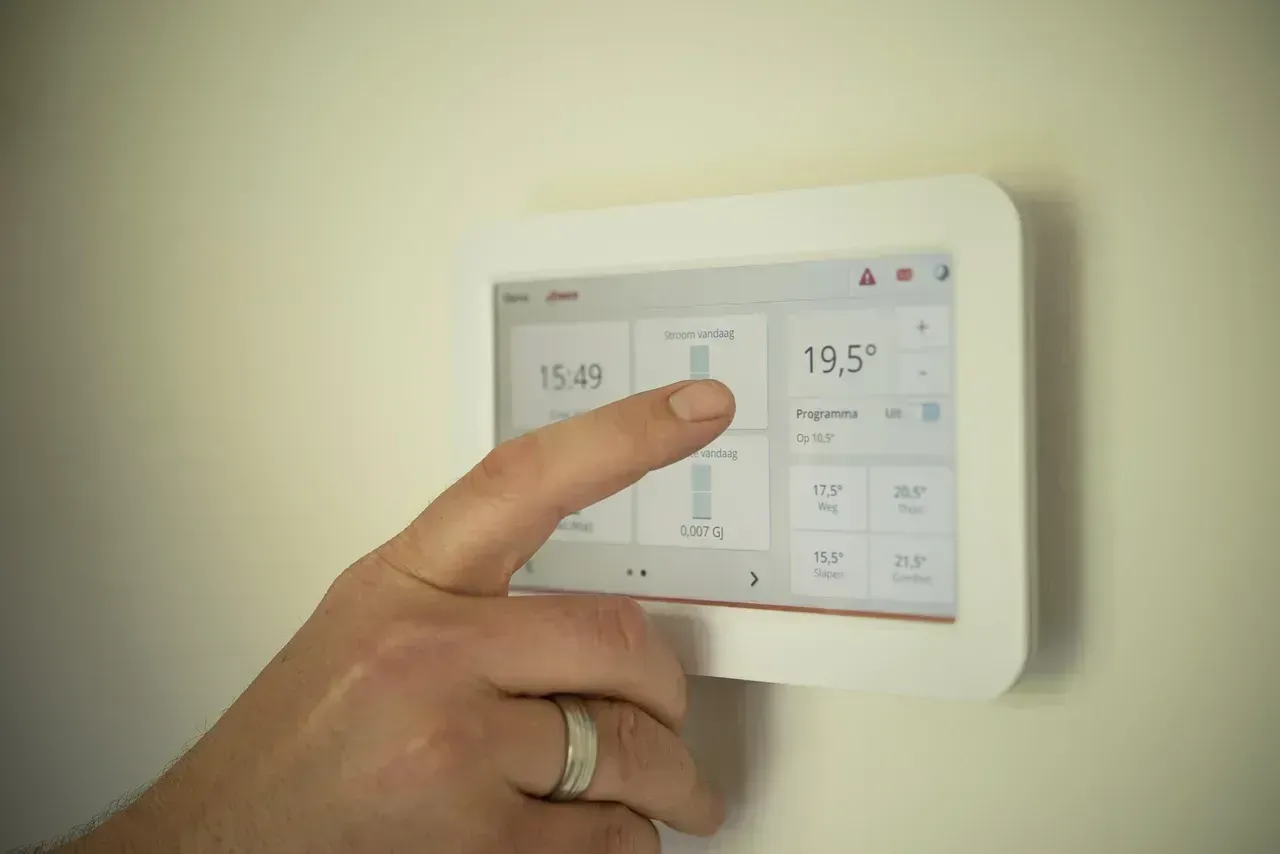
Heating and cooling a home at times when nobody is present, or maintaining temperatures higher than necessary during sleeping hours, is one of the most persistent forms of household energy waste. Heating and cooling homes requires the most energy and significantly contributes to global carbon emissions. A smart thermostat addresses this directly by learning household routines and adjusting automatically.
Installing an Energy Star certified smart thermostat can save an average customer between $50 and $78 a year, and programs using smart home technology can automatically reduce or shift customer electricity use during high-demand periods to support grid reliability and clean energy goals. That last point matters more than it might seem. Shifting when a home draws power, not just how much it draws, helps grids absorb more renewable energy and reduces reliance on fossil fuel peaking plants.
8. Upgrade to Energy Star Certified Appliances

Refrigerators, washing machines, and dishwashers from the early 2000s or even the early 2010s operate at efficiency levels that would fail today’s standards by a wide margin. Energy efficiency upgrades or renovations in residential homes at scale could provide significant emissions reductions, while improving thermal comfort and health outcomes for residents and future-proofing homes in the face of a more challenging future climate. Appliance replacement, spread across millions of households, adds up to a genuinely large emissions reduction opportunity.
To earn the Energy Star label, an appliance must consume significantly less power than the federal minimum, typically between 10 and 50% less. For older appliances operating well past their peak efficiency, the gap is often far larger. Various technologies and approaches related to thermal comfort, lighting, and appliances can be implemented to reduce operational energy use while still providing high well-being. The scientists’ point is not austerity but substitution: the same services, delivered with a fraction of the emissions.
Taken together, these eight changes trace a clear path from an average fossil-fuel-dependent home toward something genuinely low-carbon. None of them require giving anything up in terms of comfort or function. The heating still works, the stove still cooks, the lights still come on. What changes is how much of the atmosphere has to absorb the cost of keeping that ordinary home running.
