

Most people who open a high electricity bill instinctively blame the thermostat or the lights. Rarely does anyone pause and count the appliances quietly running in the background, cycling on and off around the clock, drawing power whether you’re home or not. The real culprits are often more familiar than you’d expect.
The average household consumes about 900 kWh of electricity each month and pays roughly $132 on electricity. That number climbs fast when certain appliances are duplicated, outdated, or simply left running longer than necessary. Here’s a closer look at the seven categories most likely to be quietly inflating your bill every single month.
1. HVAC Systems Running in Multiple Zones or Without Maintenance
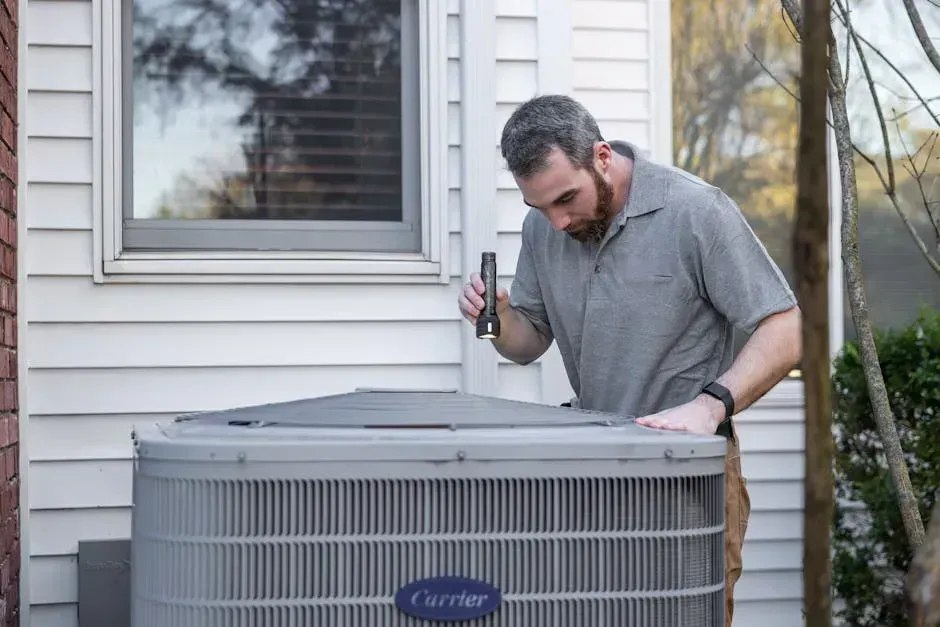
The HVAC system is typically the single largest electricity user in a home, responsible for roughly 45 to 50 percent of total power consumption. Whether heating in the winter or cooling in the summer, these systems require a constant flow of energy to keep your home comfortable. The problem gets worse when households run multiple zone systems without smart controls, or when units go years without a professional tune-up.
A window AC unit with 18,000 BTU uses about 1.8 kWh per hour, while a central AC system can draw up to 3.0 kWh per hour. That means just a few hours of cooling on a hot day can noticeably bump up your household’s daily electricity use. Running more than one AC unit simultaneously, especially older models, is one of the fastest ways to watch a monthly bill spiral upward.
2. Multiple Refrigerators, Including That Old One in the Garage
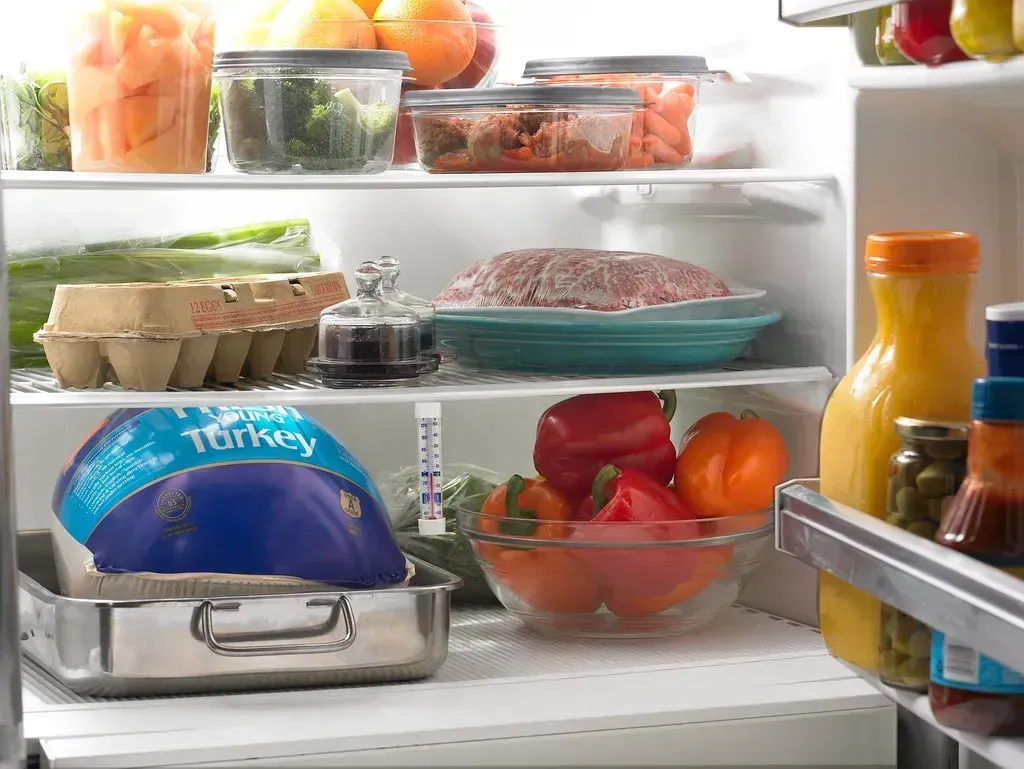
An estimated 35 million households own at least two refrigerators. Even more striking, more than six million households own more than two refrigerators. That second or third fridge is almost always an older model, and older models are notoriously hungry for electricity compared to their modern counterparts.
A 20-year-old refrigerator could use 1,700 kWh of electricity every year, compared with about 450 kWh for a similarly sized new ENERGY STAR model. Sometimes households have more than one fridge or freezer, which adds directly to the cost. Those refrigerators and freezers will also use even more energy to cool air if they aren’t kept reasonably full. The garage beer fridge is charming, but it’s rarely a bargain.
3. Electric Water Heaters, Especially Older Tank Models
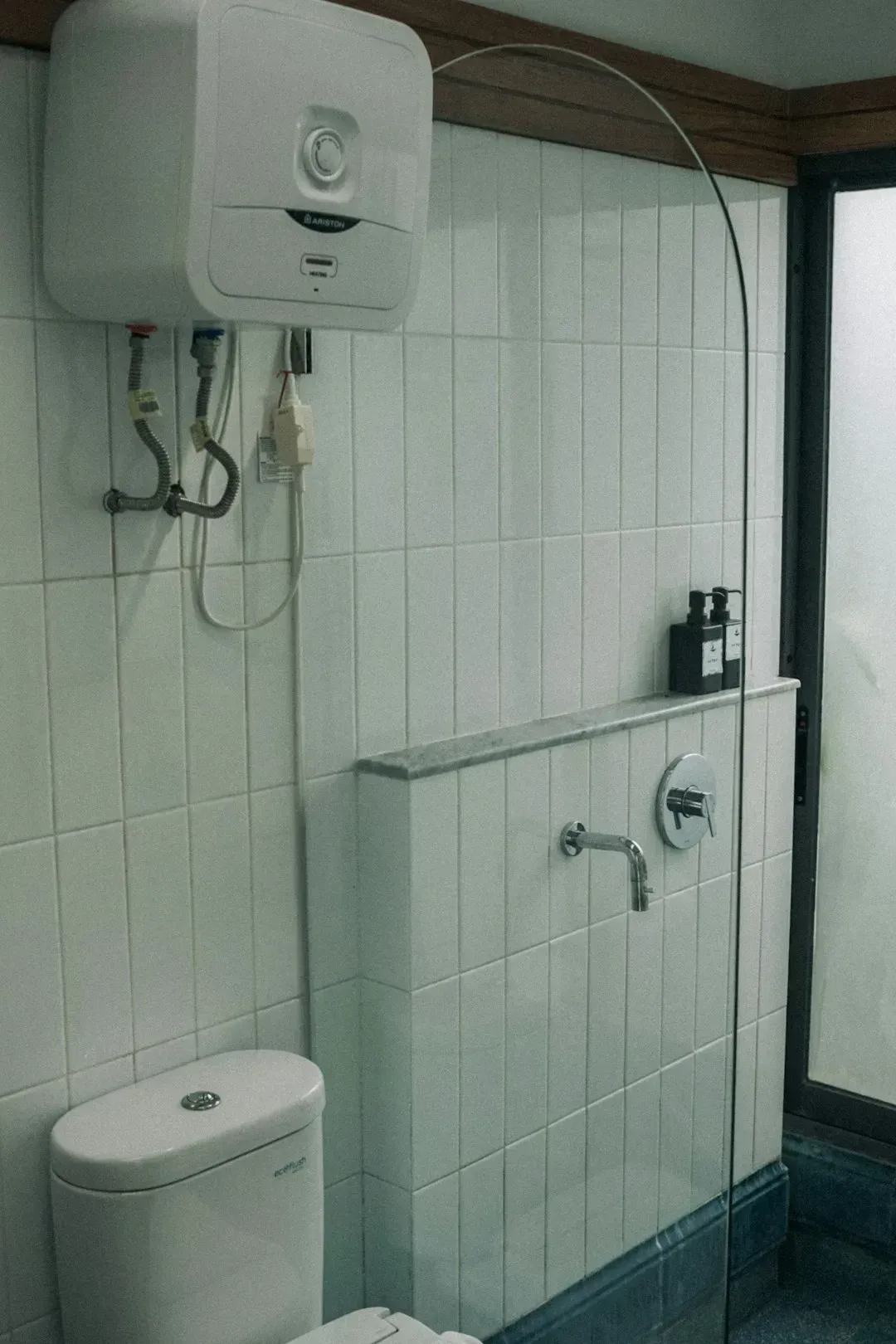
Your water heater can account for as much as 18 percent of your home’s energy usage. An average water heater typically runs about 3 hours a day, and the average household spends up to $600 per year on water heating alone. That figure climbs even higher in larger households where hot water demand is consistent throughout the day.
EIA data shows water heaters used about 8.8 percent of all household electricity consumption in 2025. Older or inefficient models can consume even more electricity, making them one of the biggest contributors to your monthly electric bill after heating and cooling systems. A tankless water heater is designed to heat water only as and when required, rather than heating the whole tank and letting hot water go cold again, which is where so much energy gets wasted with conventional units.
4. Clothes Dryers Used Daily or in Large Households
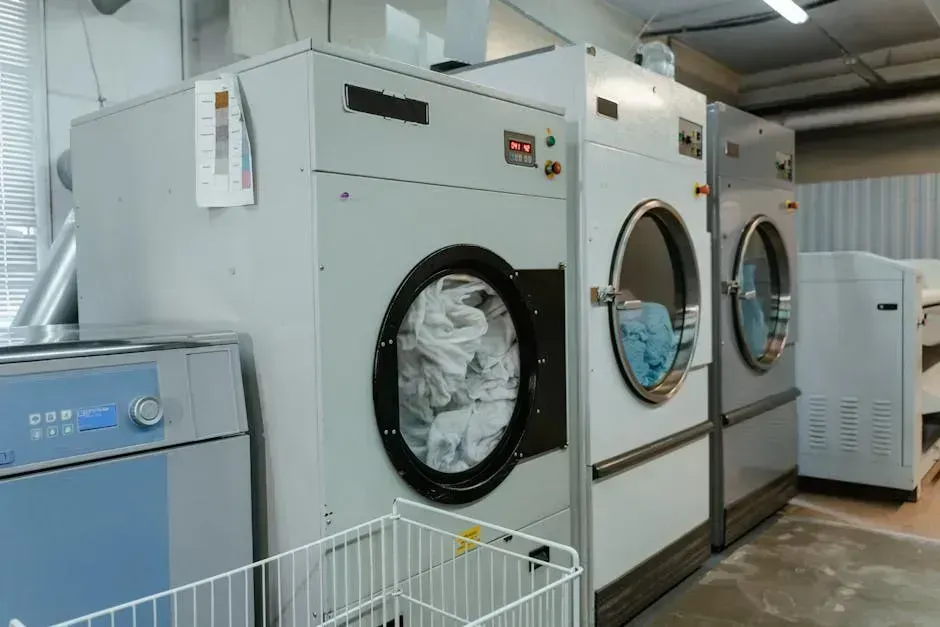
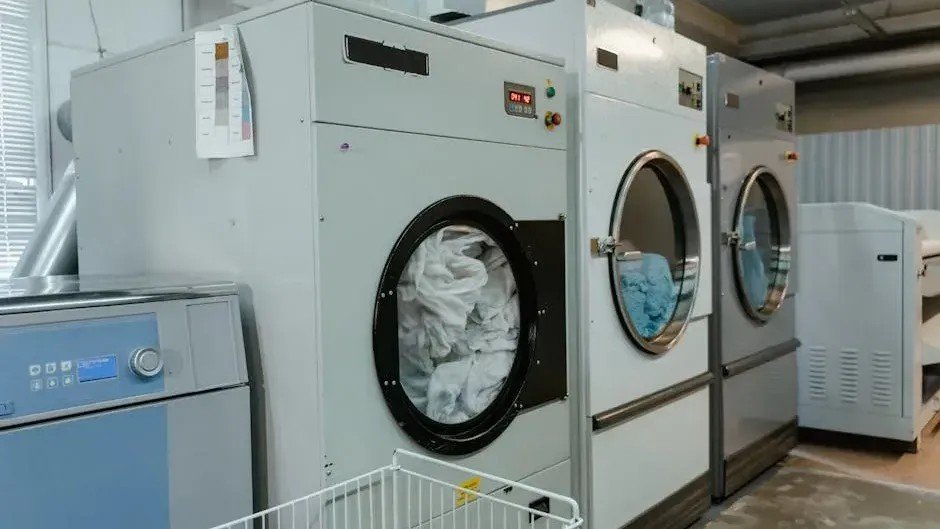
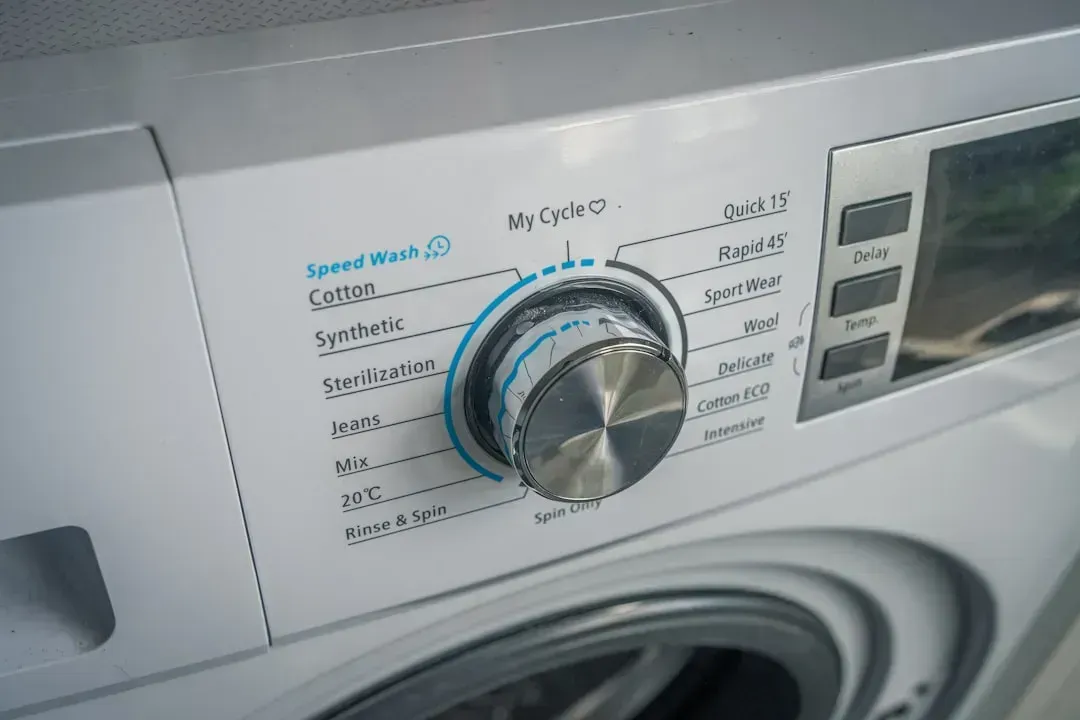
Your washer and dryer are among the appliances that use the most electricity in a home. The dryer is by far the less efficient of the two, because it uses a lot of heat while it’s working. Heat generation is energy-intensive by nature, and a typical electric dryer cycle pushes that point home very clearly on your utility statement.
Dryers use anywhere from 1,800 to 5,000 watts of energy on average, depending on the load and cycle. EIA data showed that clothes dryers accounted for just under 4 percent of all household electricity consumption in 2025. Dryer use depends heavily on household size. If you have a large family and are doing multiple full loads of laundry a week, you’re using a whole lot more energy. Running a dryer twice a day instead of once is a subtle but significant difference over 30 days.
5. Electric Stoves and Ovens Used as the Default Cooking Method

Electric stoves are major energy consumers. With burners using 1,000 to 3,500 watts and ovens consuming 2,000 to 5,000-plus watts, electric stoves rank among the most power-hungry kitchen appliances, contributing $150 or more annually to the average household’s electricity bill. Using the full oven for a single dish, or leaving a burner running at high heat longer than necessary, chips away at your budget in ways that are easy to underestimate.
Cooking the same dish in an oven can use about seven times more electricity than preparing it in a microwave. That makes microwaves a far more energy-efficient option for quick meals or reheating. Induction cooktops achieve 85 to 90 percent energy efficiency compared to 65 to 70 percent for traditional electric burners, cooking 50 percent faster while using less electricity, making them worth considering if you cook frequently at home.
6. Entertainment and Gaming Electronics Left on Standby
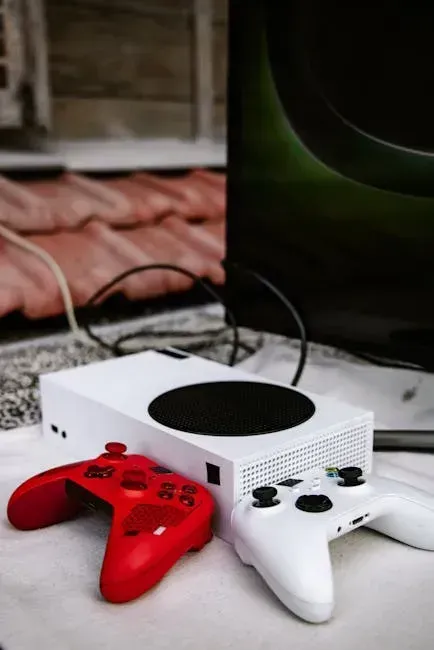
Devices like televisions, gaming consoles, and computers continue to draw power even when turned off, a phenomenon called phantom or vampire energy. This is one of those costs that feels invisible because there’s no obvious moment when the waste happens. The TV is off. The console is idle. The meter still turns.
Televisions, especially large HDTVs, can noticeably impact your electricity use when they’re on for several hours a day. When combined with DVRs, cable boxes, and streaming devices, TVs account for about 3.5 percent of a household’s total electricity consumption. Many devices continue to draw power even when they’re turned off, and this standby power can add 5 to 10 percent to your electricity bill over the course of a year. Multiple televisions across multiple rooms multiply that waste considerably.
7. Dishwashers, Especially Older Models Running on Short Cycles
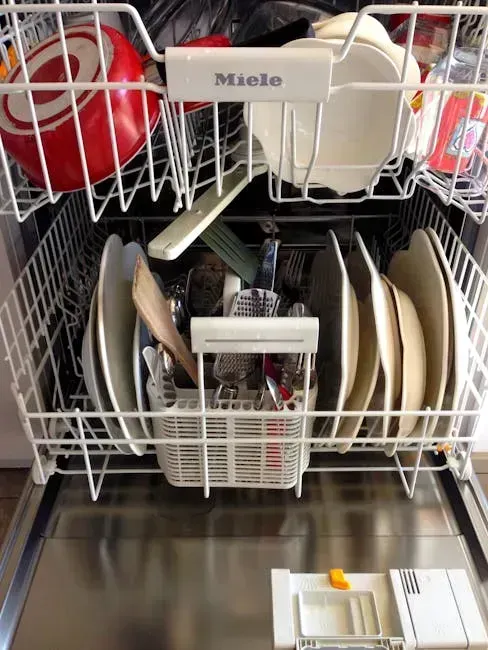
Running a dishwasher uses up to 1,800 watts of electricity per cycle, placing it among the higher-demand kitchen appliances when in use. However, because most people run it once a day or less, its total share of your energy bill is often smaller than always-on appliances like refrigerators. The issue becomes more significant when households run partial loads frequently, or rely on heat-dry settings that waste a surprising amount of power.
Age dramatically impacts energy consumption: upgrading from a pre-2013 dishwasher to a 2025 ENERGY STAR model can reduce annual electricity costs by $30 to $60, as newer models use less than 270 kWh annually compared to up to 800 kWh for older units. Eco cycles use 30 to 40 percent less energy than intensive cycles, consuming only 1.0 to 1.4 kWh compared to 2.2 to 2.8 kWh for heavy cycles, while still providing effective cleaning. Small habit changes with this appliance pay off faster than most people expect.
How Appliance Duplication Quietly Compounds the Problem
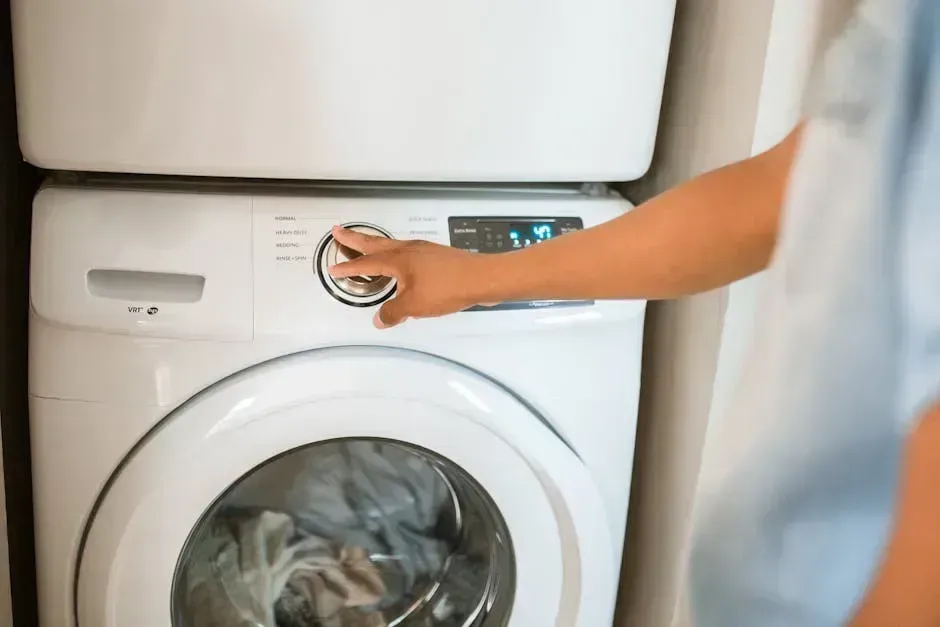
Appliances make up about 13 percent of the energy used in a typical home, and many of the top energy users are found in the kitchen. From refrigerators to ovens, these everyday essentials can significantly impact your monthly energy bill without you even realizing it. The real damage tends to happen not from any single appliance working hard, but from several appliances being duplicated across a household without much thought.
Replacing outdated appliances with newer, energy-efficient models can save 5 to 30 percent on annual energy bills. A single upgrade, such as swapping out an old refrigerator or dishwasher, can pay for itself over time. Older appliances typically use more electricity than newer, energy-efficient models, which means that keeping an aging appliance running out of convenience often costs far more than the price of a replacement over any meaningful timeframe.
What You Can Actually Do About It
Many appliances continue to draw a small amount of standby power when they are switched off. These phantom loads occur in most appliances that use electricity, such as televisions, stereos, computers, and kitchen appliances. Simply unplugging devices that aren’t in regular use, or using a smart power strip to cut phantom loads, can trim costs without requiring a single purchase.
The U.S. Environmental Protection Agency launched the ENERGY STAR program to help consumers understand how much electricity their appliances consume. In general, ENERGY STAR-rated appliances are the most efficient on the market. While they may have a slightly higher upfront cost than other products, they usually help you save in the long run by keeping your electricity bill low. Knowing which appliances in your home are outdated is often the most valuable first step of all.
