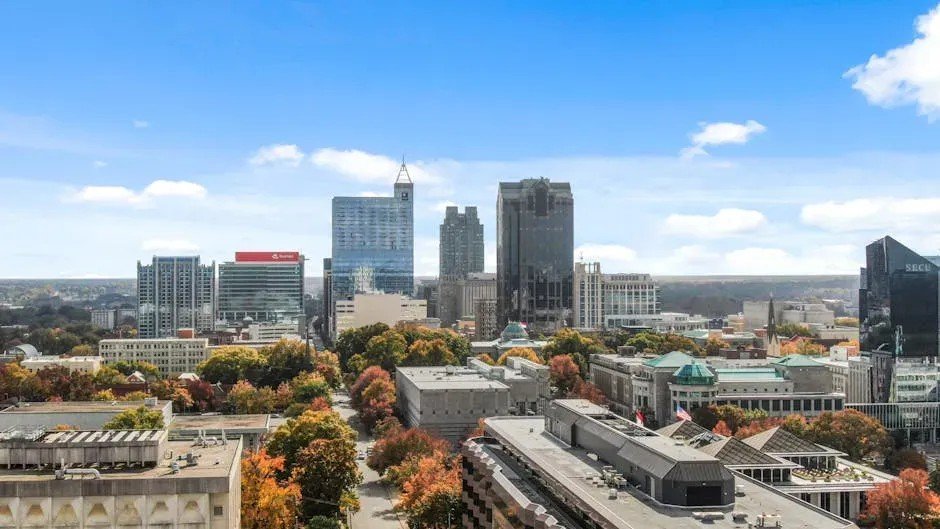

For a long stretch of the past decade, the idea of living green on a tight budget felt like a contradiction. Sustainability seemed to belong to expensive coastal cities with gleaming transit systems, rooftop solar initiatives, and organic grocery stores on every block. That assumption is increasingly out of date. Across the country, a different picture is emerging: mid-sized cities that keep housing costs well below national averages while quietly investing in bike infrastructure, clean energy programs, and walkable neighborhoods.
The national median home price is projected to reach around $426,000 by the second quarter of 2026, pricing out millions of households who still want to live with intention. The cities on this list offer an alternative. They’re not perfect, but they combine real affordability with genuine green momentum – a pairing that’s rarer than most people realize.
Pittsburgh, Pennsylvania: The Steel City Goes Green
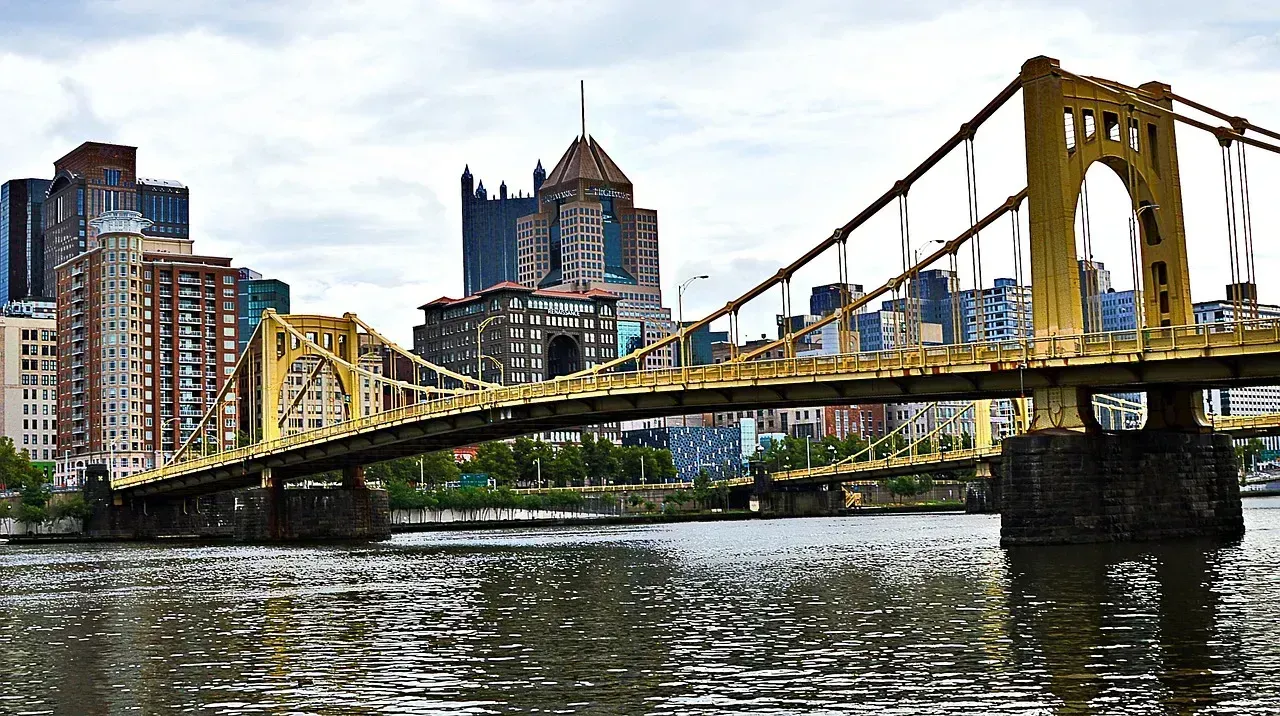
Pittsburgh stands out as the most affordable big city in 2026, with a median home price of $250,000 – more than $150,000 less than the national median. That kind of gap translates into real, monthly breathing room. A $250,000 home costs roughly $1,640 a month in principal and interest, compared to $2,750 for a home priced at the national median – a difference that frees up considerable money for farmers markets, energy upgrades, or simply saving.
The sustainability story in Pittsburgh has been quietly building for years. Pittsburgh is at the forefront of the green building movement, and the city has embraced green building standards with over 500 buildings certified by the LEED program. The city has pledged to power all government operations with 100% renewable energy by 2030. Pittsburgh’s ever-expanding bicycle infrastructure now includes over 117 miles of bike routes across the city, and the community cycling culture to match.
Raleigh, North Carolina: Affordability Meets Climate Action
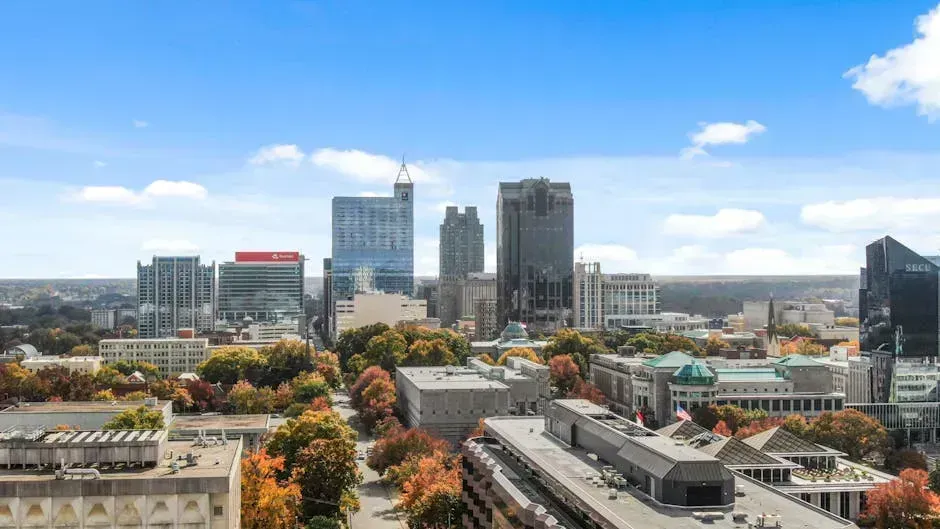
Raleigh offers the rare combination of a genuinely dynamic, tech-driven economy paired with a cost of living that remains roughly 5% below the national average. For households watching every dollar, that kind of edge adds up fast over a year. WalletHub’s 2026 Best State Capitals report ranked it second nationally, citing income levels adjusted for cost of living, a vibrant job market, and expanding amenities.
On the sustainability front, Raleigh has been unusually serious. The city’s Community Climate Action Plan aims to reduce greenhouse gas emissions by 80 percent by 2050, while also promoting environmental justice and community health. Initiatives range from access to solar for residents, free electric tool sharing, e-bikes and micromobility programs, to green stormwater infrastructure and urban heat mitigation. Through the Resilient Raleigh program, residents can access resources to upgrade insulation, appliances, and even install solar panels – a meaningful perk for budget-conscious households trying to lower utility bills at the same time.
Columbus, Ohio: Midwest Value With a Growing Green Pulse
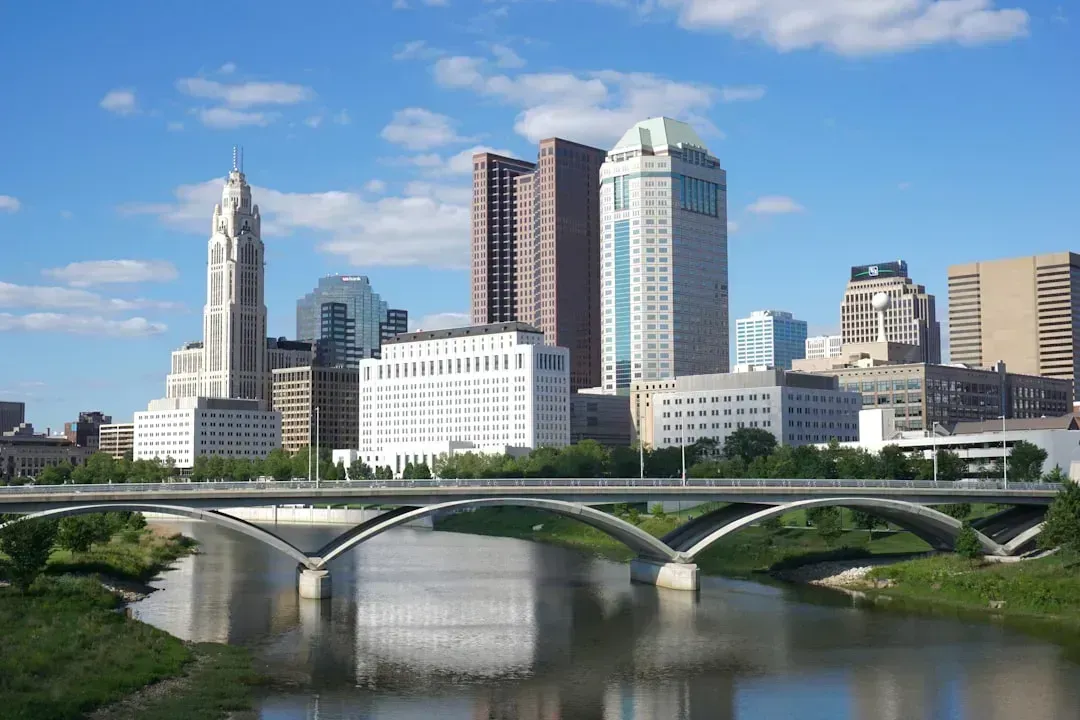
Columbus is the fastest-growing major Midwest city and one of the most compelling relocation targets in 2026, with a median home price of approximately $260,000 – a price tier that has effectively disappeared from coastal markets. Employment growth outpaced national averages in 2025, with more than 14,000 net new jobs added locally. The combination of economic momentum and genuine affordability is difficult to find elsewhere right now.
Ohio’s capital ranked 12th nationally for work-life balance in 2026, recognized for manageable commute times, workforce participation, and access to parks, dining, and cultural amenities. Columbus also excels in renewable energy and sustainable transportation, with green initiatives that include community solar gardens and electric vehicle charging stations. The city’s compact, bike-accessible neighborhoods make it genuinely possible to reduce car dependence without spending a fortune doing it.
Fort Wayne, Indiana: Budget-Friendly and Built for Outdoor Life
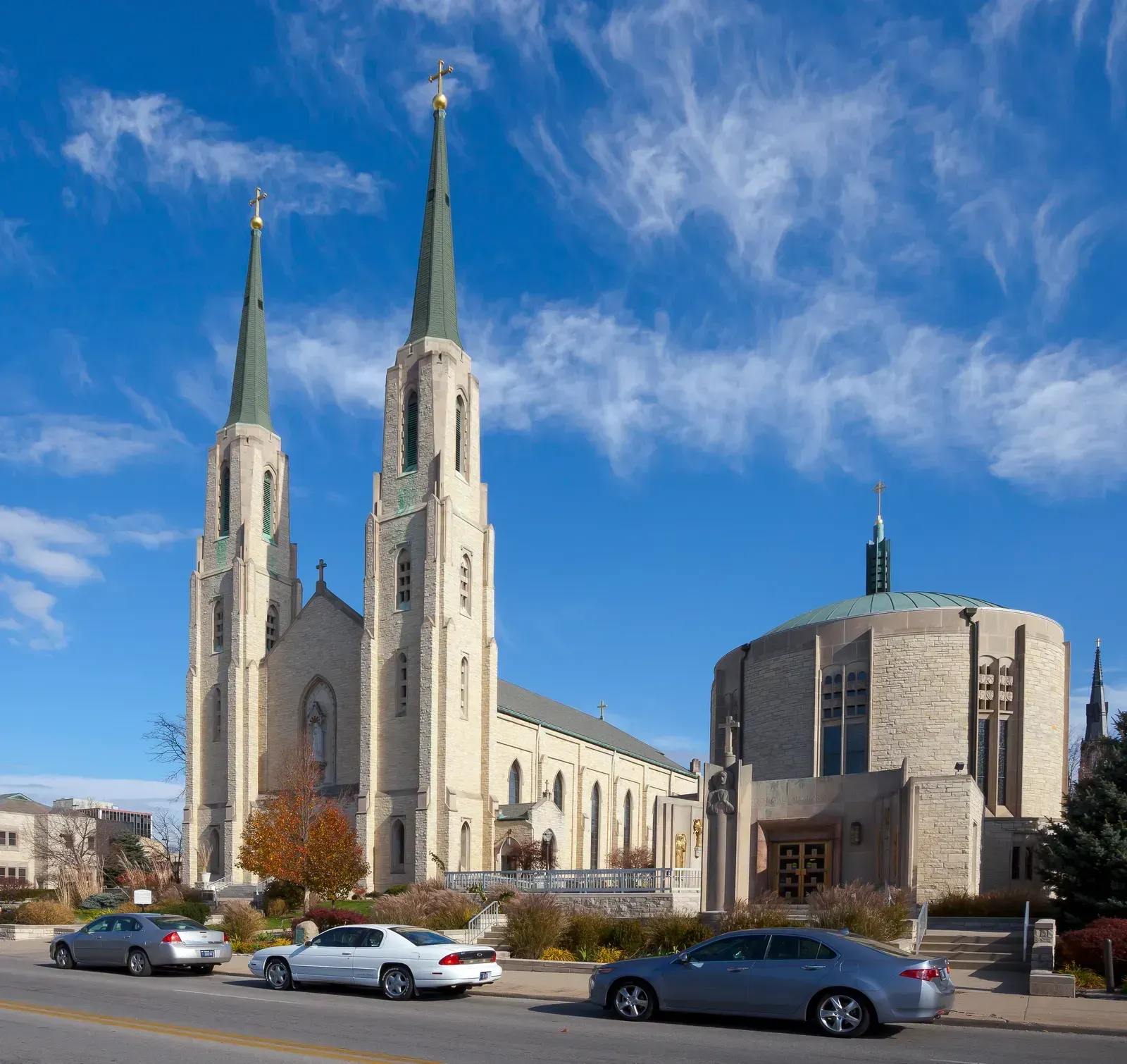
Fort Wayne stands out for its stability, low housing prices, and family-friendly environment, with a cost of living nearly 20% below the national average. That’s not a small margin. It translates into lower grocery bills, cheaper utilities, and more room in a monthly budget to prioritize sustainable choices like buying local food or commuting by bike. The city regularly appears on national rankings for livability and family-friendliness, citing strong schools, accessible amenities, and community focus.
Fort Wayne is gaining traction for its budget-friendly housing and family-oriented vibe, with an up-and-coming downtown scene, abundant green spaces, and access to excellent schools. The riverfront area has seen notable investment, with trails and public green spaces becoming central to daily life for residents. Affordable property taxes and steady job growth in healthcare and logistics also give households the financial stability to invest in things like home energy efficiency over time.
Des Moines, Iowa: Quietly One of America’s Best Budget Green Cities
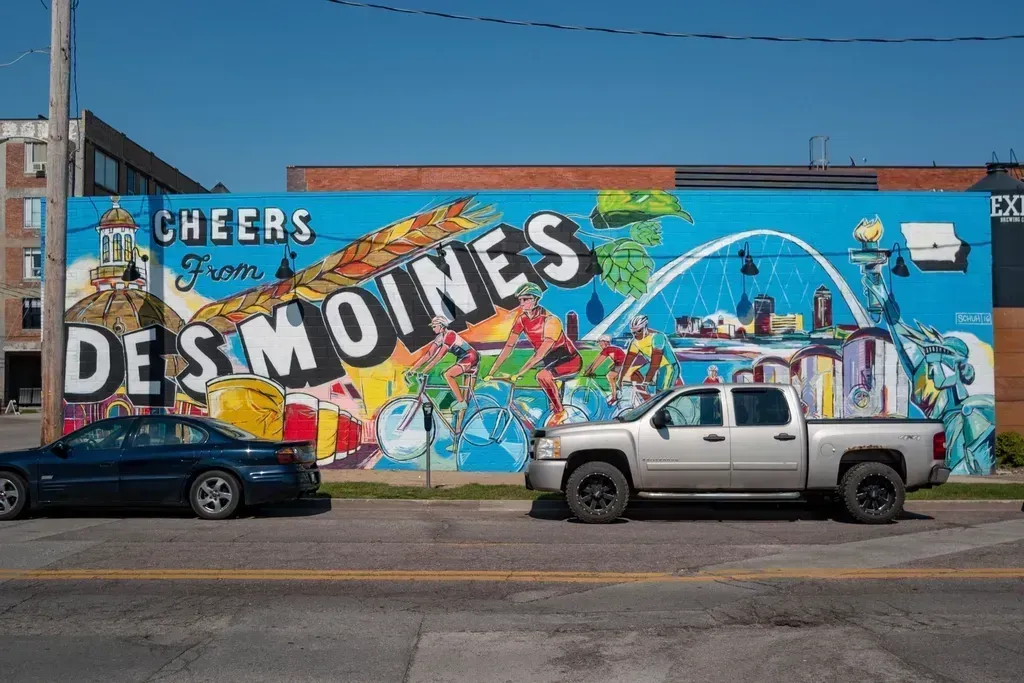
Des Moines appears consistently as one of the emerging job markets, with strong opportunities in healthcare, technology, and logistics – sectors that tend to offer stable, livable wages. Smaller cities in the Midwest offer the best value for money, especially for renters, first-time buyers, and retirees, and Des Moines fits squarely in that category. Home prices here sit well below the national median, and the overall cost of living gives residents genuine financial flexibility.
What makes Des Moines compelling beyond the price tag is a consistent push toward greener urban living. The city has invested in trail systems and connected bike paths that make car-free commuting a realistic option for many neighborhoods. Minneapolis, a close regional peer, offers a strong model that Des Moines has drawn from, including a focus on sustainable agriculture and renewable energy alongside cycling infrastructure and eco-districts. Community gardens and local food networks are active and accessible, making it easier to eat sustainably without stretching a grocery budget.
McAllen, Texas: Warm Climate, Rock-Bottom Costs, and Cultural Richness

McAllen consistently ranks among the most affordable cities in the United States, with average rents hovering just above $1,000 – less than half the national average of $2,102 – giving renters a real chance to stretch their budgets while still enjoying a vibrant community. For anyone trying to live sustainably on a modest income, that kind of housing savings creates meaningful room. Located in southern Texas, McAllen combines low rent and home prices with economic activity driven by trade, healthcare, and retail, and Texas cities broadly benefit from lower housing costs and no state income tax.
The city is known for its rich heritage and cross-border influences, with authentic food, live music, and festivals at the heart of daily life, and its location in the Rio Grande Valley puts residents close to outdoor destinations like Bentsen-Rio Grande Valley State Park. That connection to open land and natural spaces supports a sustainable lifestyle in a more organic, everyday way – one that doesn’t require expensive memberships or gear. Job growth has remained steady, particularly in trade, healthcare, and education, and the combination of affordability and stability attracts families, retirees, and young professionals alike.
Sustainable living has never been exclusively about which city has the flashiest green policies. Often, it comes down to simpler math: when housing and basic costs are genuinely manageable, people have more capacity to make thoughtful choices about how they eat, commute, and consume. These six cities don’t ask you to choose between keeping the lights on and living with intention. That combination, in 2026, is worth paying attention to.
