

- 6 Things Eco-Conscious Homes Always Get Right - May 7, 2026
- 10 Household Items Sustainability Experts Wish You’d Stop Buying - May 7, 2026
- 12 Energy Tricks Green Homes Use to Cut Bills Nearly in Half - May 7, 2026
Walk into a home that was designed with the environment in mind and something feels different. The air is a bit fresher. The temperature holds steady. Utility bills tend to be smaller. None of it happens by accident. Eco-conscious homes share a set of habits and features that go well beyond a recycling bin in the kitchen – they’re built around decisions that compound over time, both for the planet and for the household’s bottom line.
What separates these homes from the rest isn’t always obvious from the outside. It’s less about solar panels on the roof and more about the accumulated intelligence of dozens of smaller choices. Here are six things the best eco-conscious homes consistently .
1. High-Performance Insulation That Actually Works
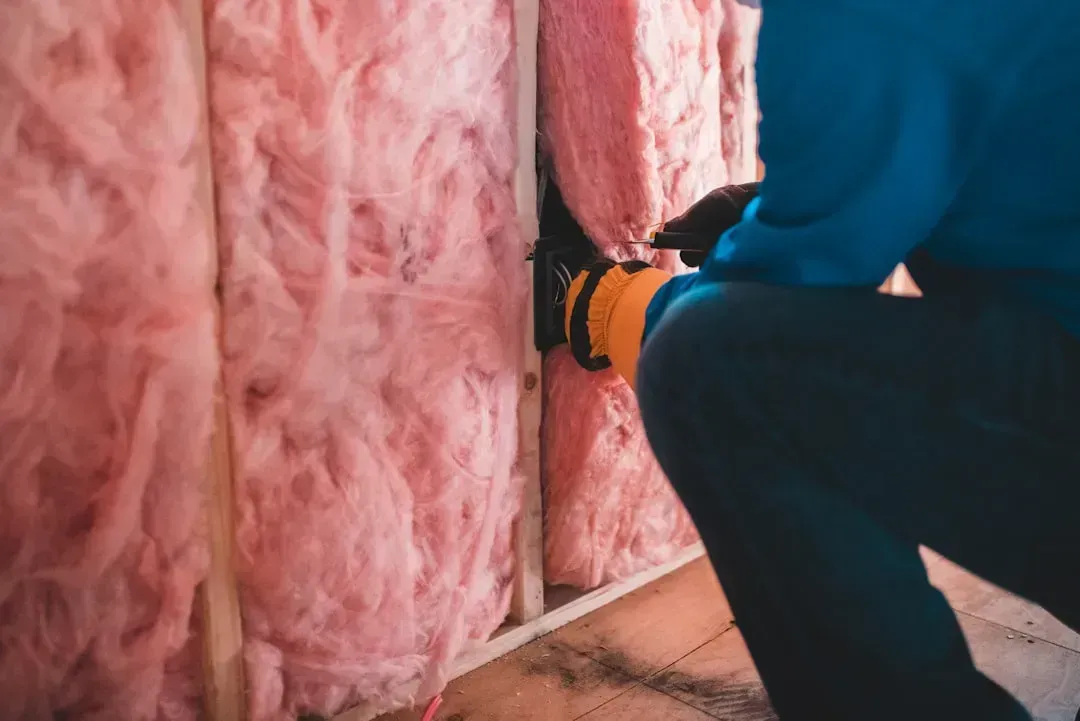
Insulation is one of the most crucial elements when it comes to keeping a home energy efficient. Whether it’s in the attic, crawl space, or exterior walls, insulation acts as a barrier to prevent air from leaking in or out, meaning the less your HVAC system has to work to maintain a comfortable temperature. It’s unglamorous, and it rarely gets talked about at dinner parties, but it might be the single highest-impact upgrade a homeowner can make.
Upgrading insulation in attics, walls, and floors can greatly reduce heating and cooling needs. Eco-friendly options like mineral wool, sheep’s wool, or cellulose offer better sustainability and performance than conventional fiberglass batts. New insulation is usually the best bet for overall energy savings, especially if a home still has its original insulation, which could be decades old. If a house was built 30 or more years ago, the insulation likely isn’t performing at its peak, and replacing it with modern materials can drastically improve energy efficiency.
2. Smarter Windows, Not Just Newer Ones
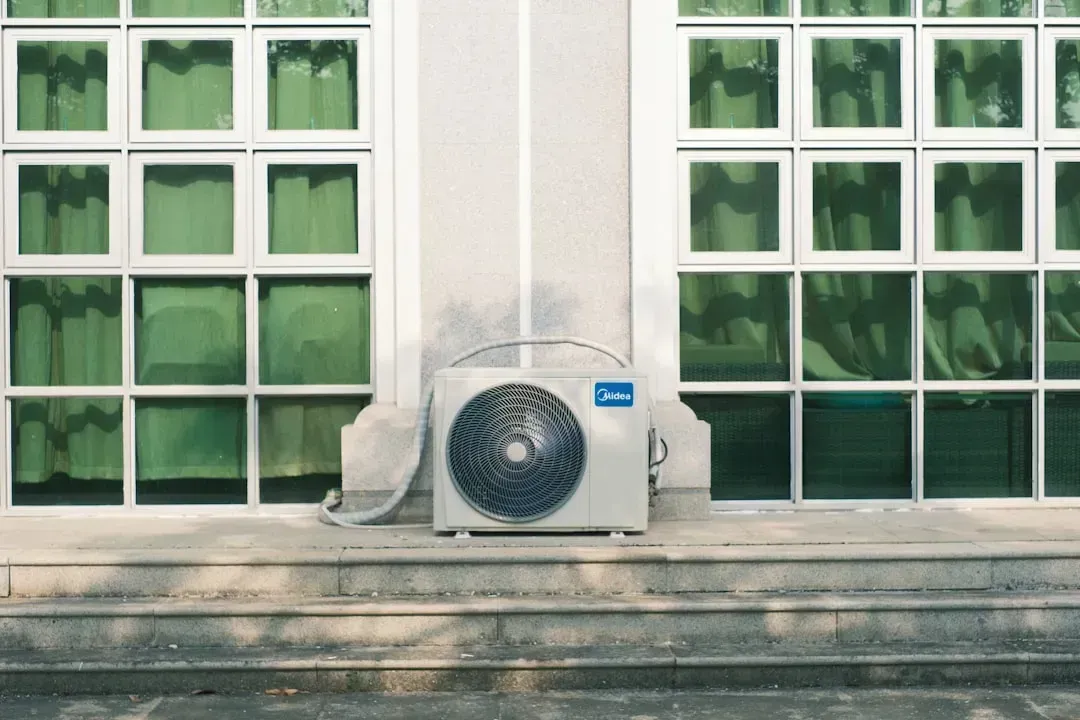
Drafty windows and doors waste energy year-round, and using weather stripping and caulking to eliminate leaks is one of the most basic and effective fixes. Still, eco-conscious homes tend to go further than patching gaps. They treat the window itself as a thermal system, not just a pane of glass with a view.
Low-emissivity coatings on glass control heat transfer within insulated glazing. Windows manufactured with low-e coatings typically cost about ten to fifteen percent more than regular windows, but they reduce energy loss by as much as thirty to fifty percent. Installing ENERGY STAR certified windows, doors, and skylights can shrink energy bills by an average of up to thirteen percent on heating and cooling costs nationwide, compared to non-certified products. That’s a meaningful, measurable difference for a feature most people take completely for granted.
3. LED Lighting Paired With Smart Controls

LEDs and other energy-efficient lighting options use up to ninety percent less energy than traditional bulbs and last significantly longer – making this one of the quickest and most cost-effective upgrades on the sustainable journey. Most eco-conscious homes have already made this switch. The real differentiator, though, is what they pair it with.
Enhancing energy efficiency in smart homes has been made possible in large part by smart lighting systems. The flexibility of remotely altering lighting, modifying brightness levels, and creating automated lighting schedules leads to a large reduction in energy use. Sophisticated lighting management systems may also react to outside variables like occupancy and natural light levels. Replacing all bulbs in a home with LEDs can save up to around $225 annually, and the cost per bulb has dropped to just a few dollars, making installation quick and easy.
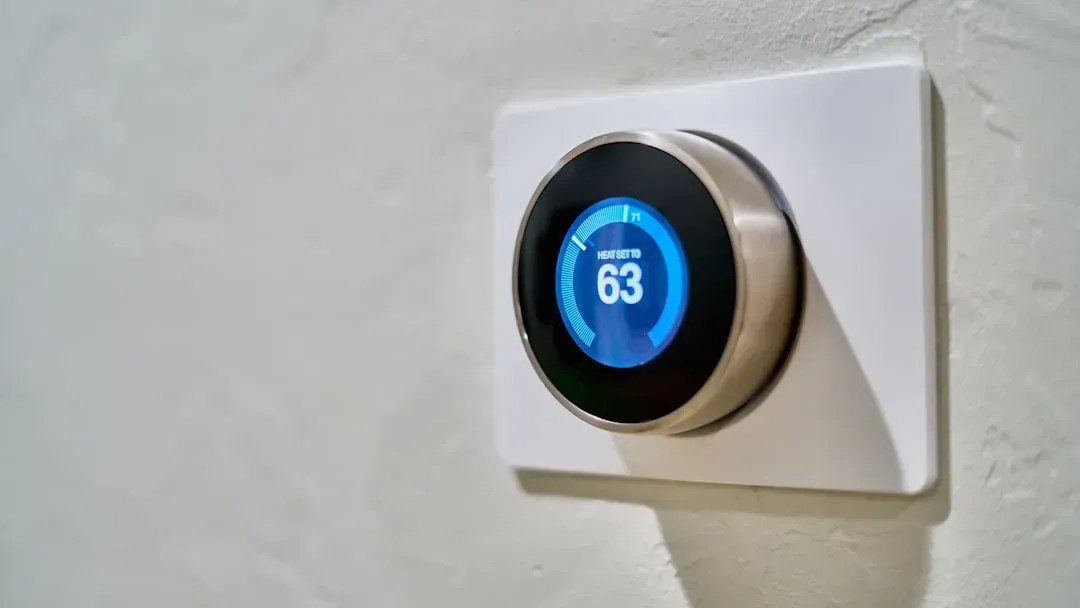
4. Smart Thermostats That Learn and Adapt
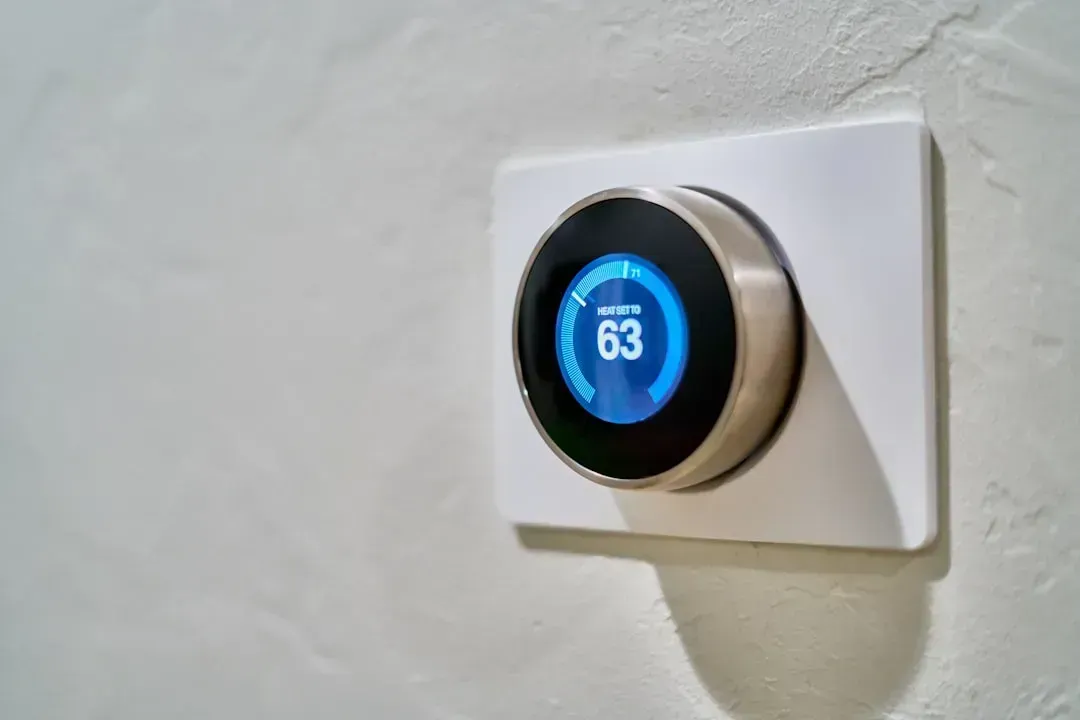
Smart thermostats have emerged as energy-use game-changers, offering homeowners much more control over their heating and cooling systems. Unlike traditional thermostats, which require manual adjustments, smart thermostats leverage advanced technology and connectivity to automate and optimize home climate control. The key word is “learn.” These devices don’t just execute commands – they study patterns.
Through algorithms and machine learning capabilities, smart thermostats analyze patterns of occupancy and temperature adjustments along with weather patterns, gradually learning the most efficient settings for different times of day and days of the week. This learning process not only maximizes energy savings but also minimizes the need for manual intervention. A smart thermostat alone can save homeowners up to ten to fifteen percent on heating and cooling bills – and residential buildings consume a significant share of global primary energy, around seventeen percent as of 2023, so every percentage point counts.
5. Responsible Water Management

Water scarcity concerns are driving the adoption of water-saving technologies. Green homes incorporate low-flow fixtures, rainwater harvesting systems, and greywater recycling, emphasizing responsible water management practices. In drought-prone regions, this has shifted from a nice-to-have feature to something closer to a basic design requirement.
Water conservation systems are vital in eco-friendly home design, especially in drought-prone areas. Systems including water catchment and greywater recycling can cut household water use by up to forty to fifty percent. Implementing these technologies helps homeowners minimize their environmental impact and lower utility bills. Greywater recycling systems offer homeowners a practical solution by repurposing water from showers, washing machines, and sinks for irrigation and non-potable uses, potentially saving hundreds on the water bill each year.
6. Renewable Energy, Ideally With Storage
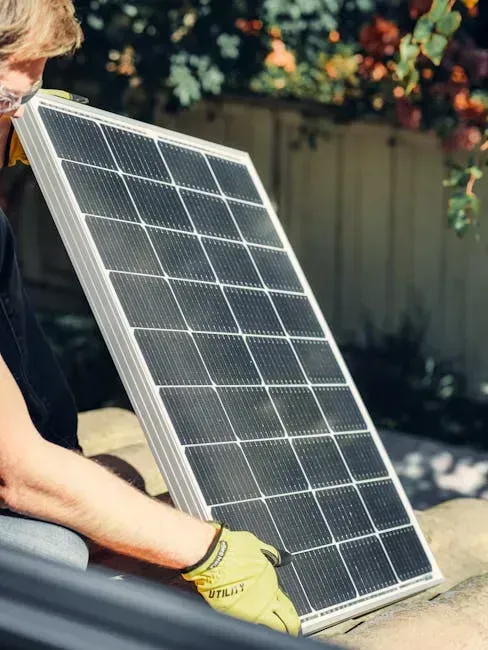
Solar energy is no longer reserved for environmental enthusiasts – it’s becoming a mainstream choice for homeowners everywhere. With the cost of solar panels dropping and their efficiency improving, more households are turning to solar energy to power their homes. Modern photovoltaic systems can generate electricity even on cloudy days, and with battery storage options, clean energy is available even after the sun sets.
Sustainable homes can save between roughly $1,800 and $3,200 annually while reducing their carbon footprint by up to fifty percent. The integration of renewable energy sources, such as solar and wind power, into homes is a major trend in energy saving. More advancements in energy storage solutions, such as batteries, are allowing users to store excess energy generated by renewable sources for later use – not only reducing energy costs but also providing backup power in case of outages. The combination of generation and storage is what separates a solar home from a truly resilient one.
What ties all six of these things together is intentionality. Eco-conscious homes don’t stumble into efficiency – they’re designed around it, layer by layer. Insulation, windows, lighting, climate control, water, and energy each represent a system. When those systems are chosen carefully and work in concert, the result isn’t just a smaller carbon footprint. It’s a home that’s genuinely better to live in.
