

Most people assume that slashing an energy bill in half requires an expensive whole-home overhaul. The reality is more nuanced. Green homes typically layer a set of well-tested strategies, each one modest on its own, that together add up to dramatic savings. Some of the biggest gains come from the least glamorous fixes.
The science behind this has only gotten sharper in recent years. Researchers, certification bodies, and real homeowners have documented what actually moves the needle versus what just sounds good on paper. These twelve approaches are what serious green builders and retrofitters keep coming back to.
1. Deep Insulation in Walls, Attics, and Floors
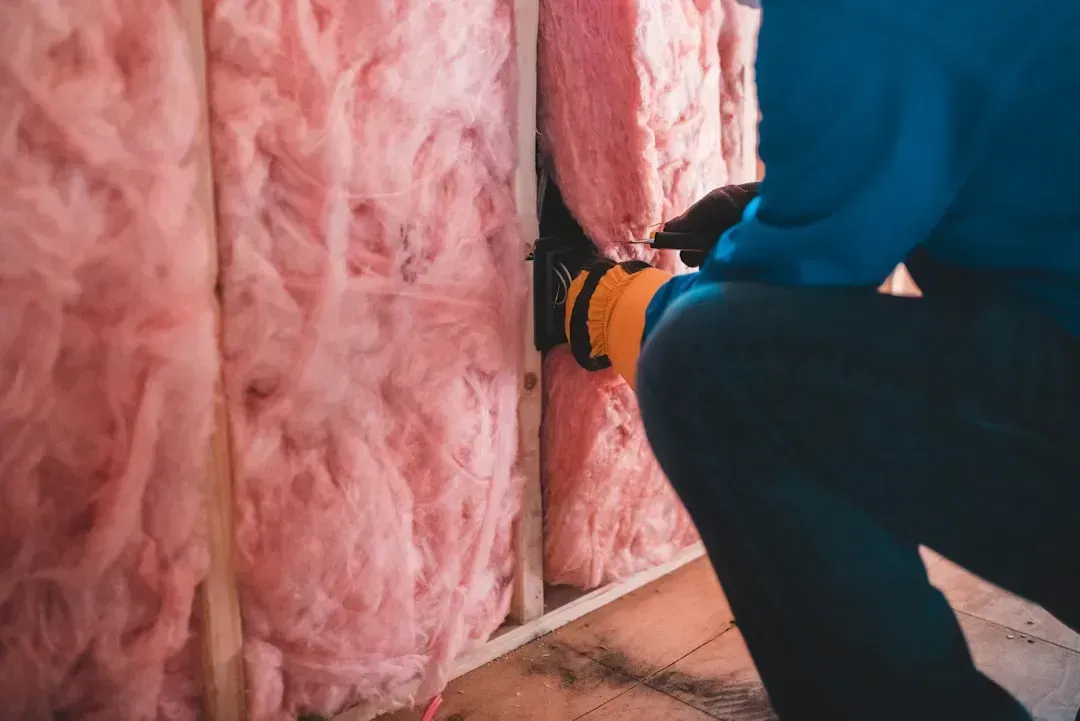
Insulating the attic and basement or crawl space is one of the most effective ways to improve a home’s energy efficiency, and the EPA confirms it can save roughly fifteen percent on heating and cooling costs. That number grows considerably when wall insulation is added at the same time. More than nine out of ten single-family homes in the U.S. are under-insulated, which means the potential gains are waiting in walls most homeowners have never thought twice about.
High-quality external insulation added to a wall can reduce heat losses by as much as ninety percent. The key is treating the whole envelope rather than patching one area. When attic, wall, and floor insulation work together, conditioned air stays where it belongs, and the heating and cooling system no longer has to compensate for constant thermal bleed.
2. Rigorous Air Sealing
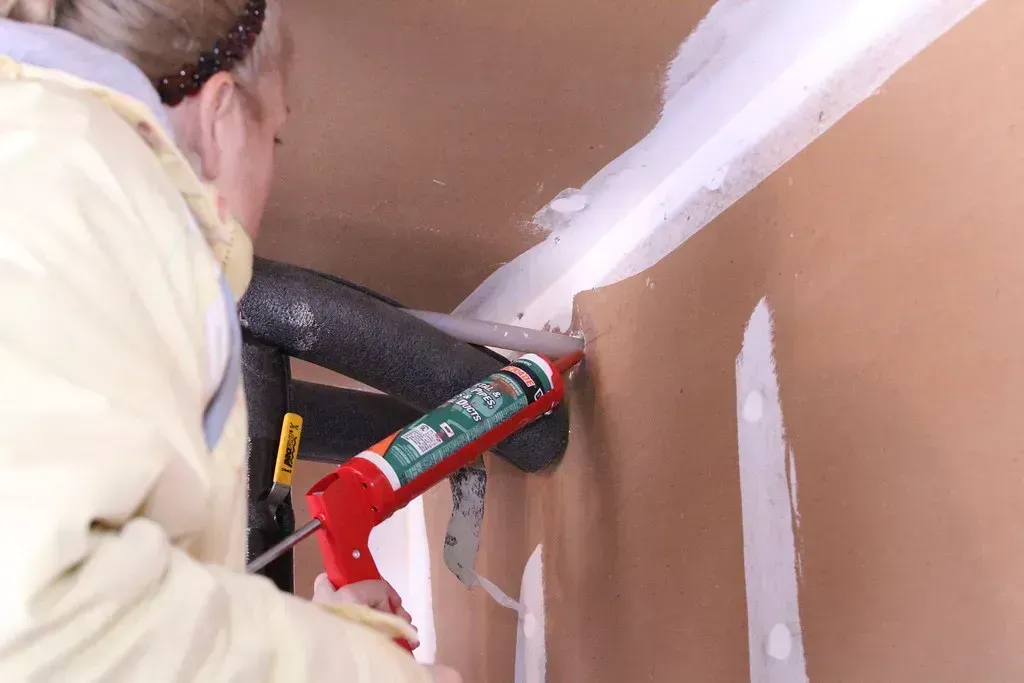
Attics and basements are riddled with small gaps and cracks that let heated and cooled air escape, and sealing them stops this loss, saving energy and reducing heating and cooling bills. Small holes around pipes and wires can add up to major energy loss, and homeowners can seal smaller openings themselves using spray foam or caulk, or opt for professional air sealing.
Passive House certification sets the bar for airtightness at an air change rate of no more than 0.6 per hour at 50 Pascals, verified by a blower-door test. That level of sealing feels extreme for a standard renovation, but even moving partway toward it makes a noticeable difference on the monthly statement. Weatherstripping alone creates a tighter seal around windows and doors, cutting drafts and reducing energy loss.
3. High-Performance Triple-Pane Windows

Replacing old single-pane windows with ENERGY STAR-rated windows can save thirteen percent on energy bills, and the new windows will also be less drafty and can improve home value. The step up from double-pane to triple-pane goes further still. A Passive House window can reduce heat losses by more than seventy percent compared to existing double-glazed windows.
Insulated cellular shades are among the most affordable ways to reduce energy loss through windows, and when installed with a tight fit, they can reduce unwanted heat gain by as much as sixty percent. Pairing high-performance glazing with quality window coverings covers both directions of heat flow, summer and winter alike.
4. Smart Thermostats That Learn Your Schedule
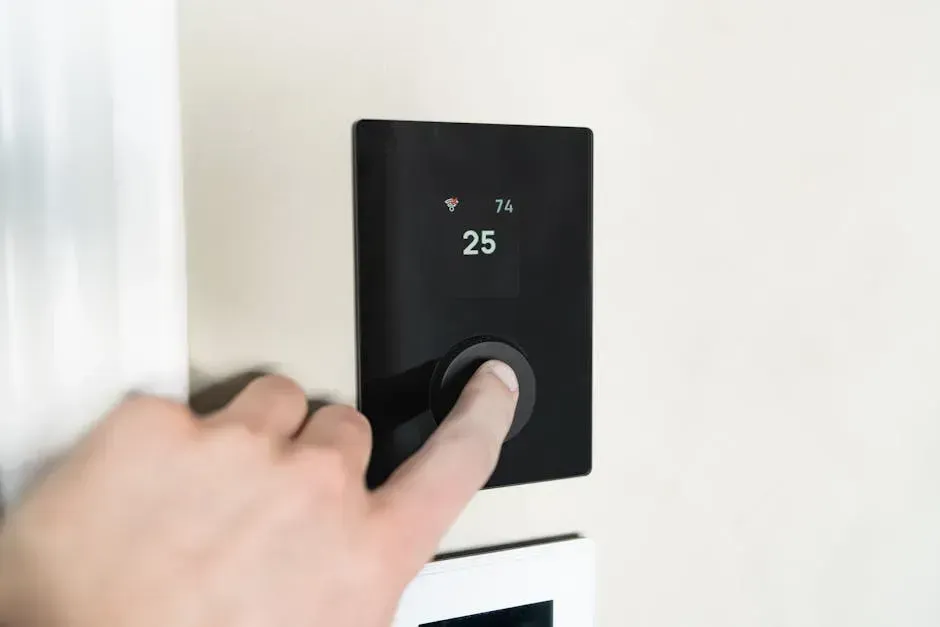
A smart thermostat saves energy by learning a household’s patterns and automatically adjusting temperature settings throughout the day, keeping the home comfortable when needed and less conditioned when it is not. Smart thermostats have been shown to save roughly eight to twenty-six percent on energy bills through EPA-verified technology. The spread in that range depends mostly on how erratic the home’s previous temperature habits were.
EPA-verified data shows the Nest Learning Thermostat saves ten to twelve percent on HVAC costs, while the Ecobee Premium achieves around twenty-three percent. Every degree dropped in winter saves roughly three percent on heating, and a smart thermostat handles those adjustments automatically, which is precisely the part most people forget to do manually.
5. Rooftop Solar Panels
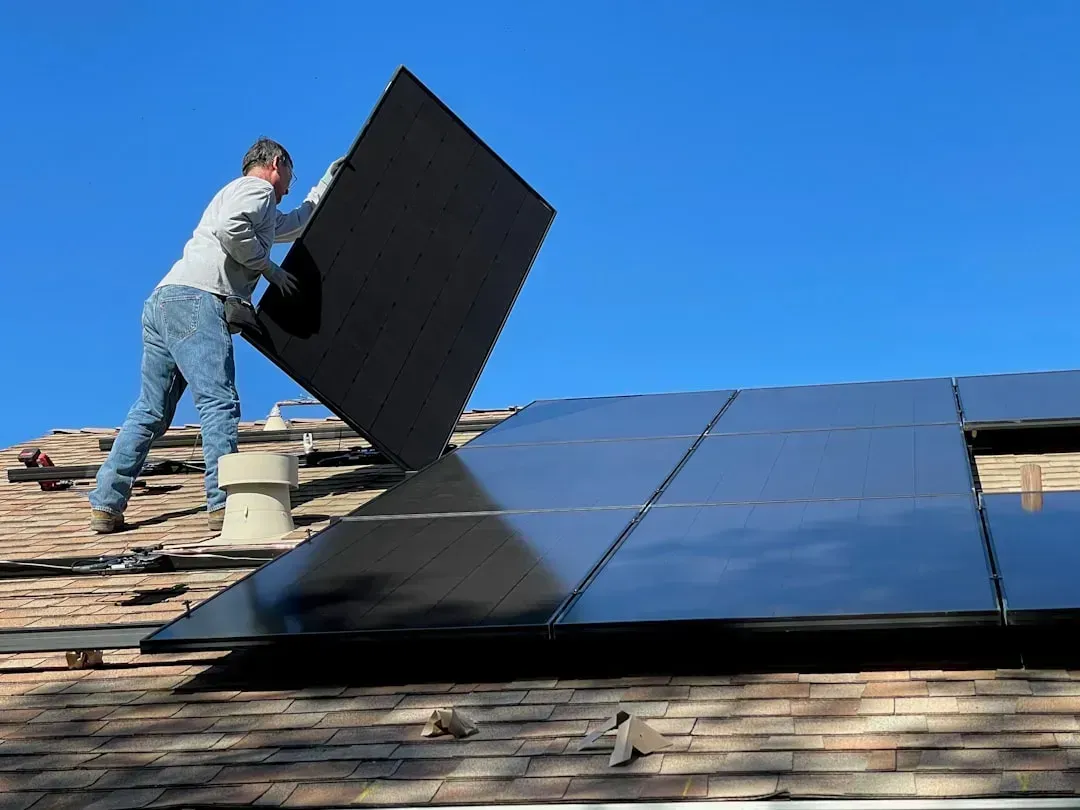
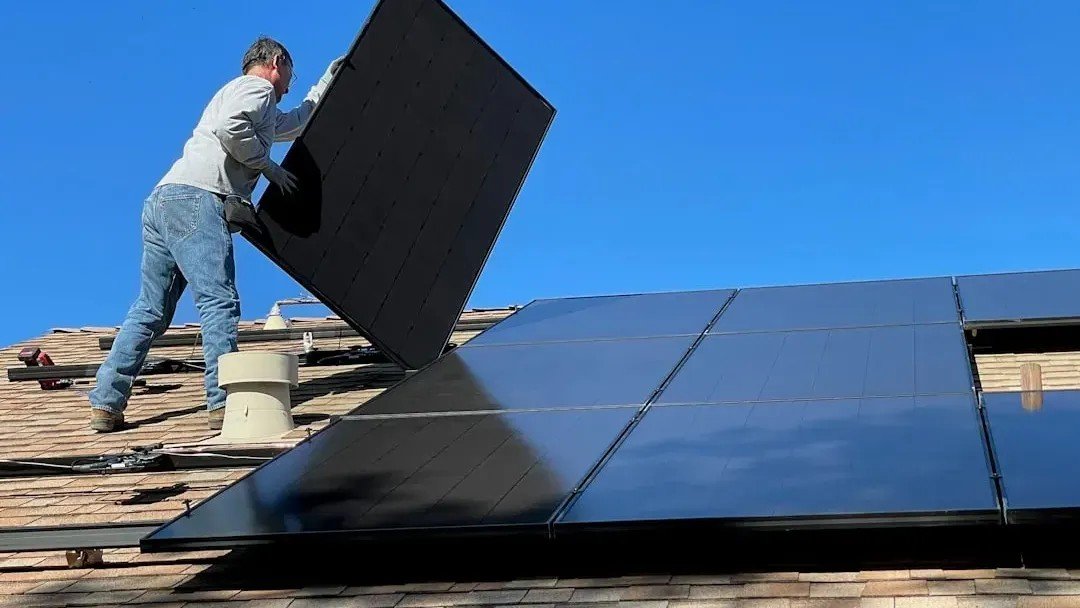
Cutting energy bills by switching to solar power can result in savings of as much as fifty percent, depending on location and electricity rates. The range is wide because sunlight hours, roof angle, and local utility pricing all factor in. Solar photovoltaic systems convert sunlight into electricity and can generate all or some of a home’s electricity needs, depending on the number of panels used.
Grid-connected solar systems are particularly cost-effective because excess electricity is sent back to the power grid and can earn homeowners direct rebates or credits from local utility providers. Generating your own solar power can also keep the lights on during grid disruptions, and solar systems paired with battery storage provide power regardless of weather or time of day without relying on the grid.
6. Battery Storage Systems
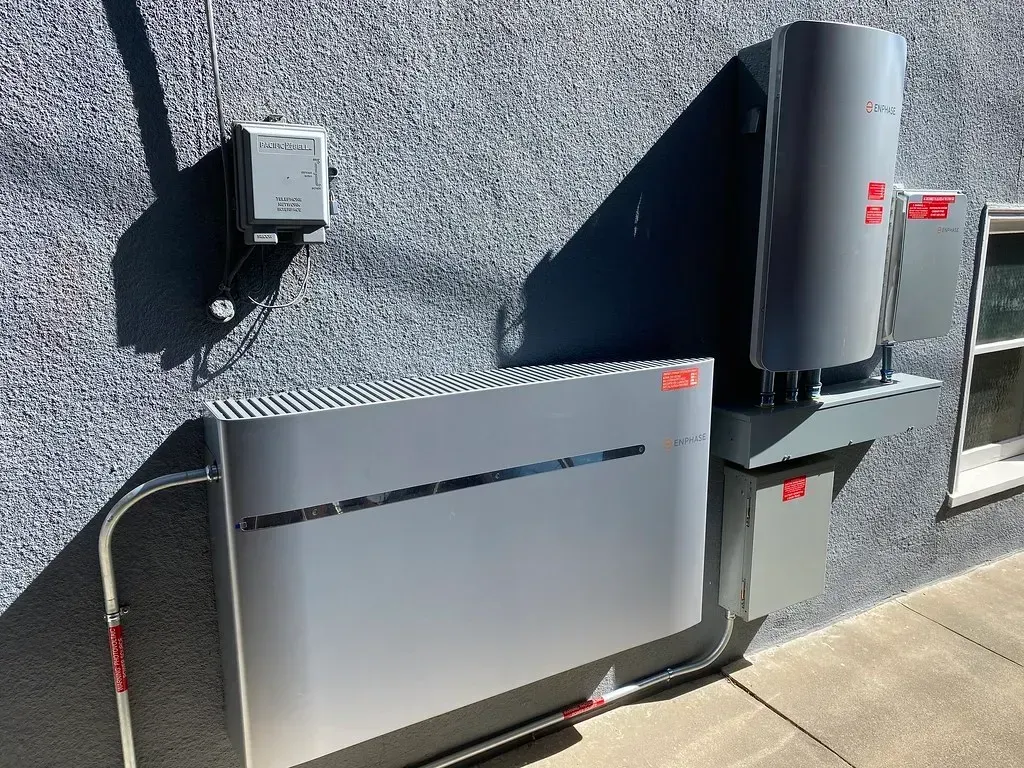
Rooftop solar paired with battery storage can store excess energy for use later, such as during peak pricing hours or outages. This is a meaningful upgrade over solar alone. Without storage, any power generated midday that you cannot use immediately goes back to the grid, often at rates lower than what you pay to draw electricity during evening peaks.
An energy storage device increases savings by storing excess solar production during sunlight hours to be used instead of utility electricity during the peak price period, preventing the household from paying the highest electricity rates. Battery systems like Tesla Powerwall allow homeowners to store solar energy for use during peak times or power outages, increasing energy independence. Over time, this combination changes the fundamental economics of a utility bill.
7. Heat Pump Systems for Heating and Cooling
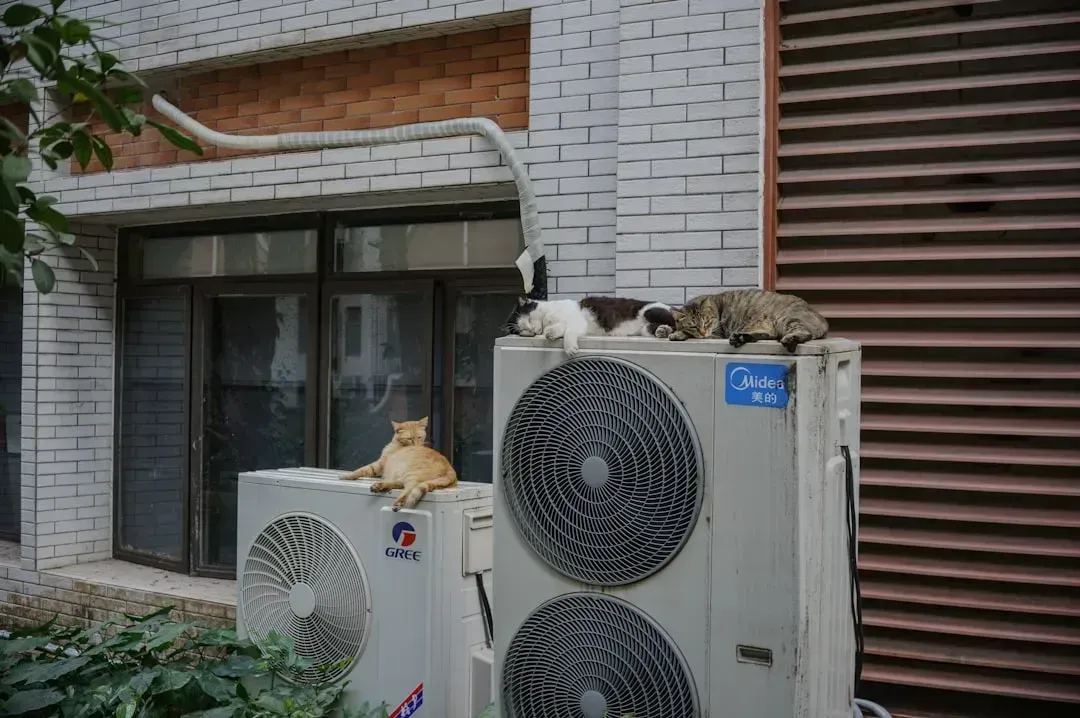
Replacing an oil heating system with a heat pump can save an average of about $950 a year on energy bills, and when replacing electric resistance heaters, heat pumps save an average of about $460 a year. These are meaningful annual figures, not theoretical projections. Geothermal heat pumps can achieve efficiencies two to three times greater than commonly used air source heat pumps because they rely on relatively consistent ground temperatures to transfer heat.
ENERGY STAR certified ductless mini-split heat pumps use more sophisticated compressors and fans that can adjust speeds to save energy, cutting cooling costs by thirty percent compared to conventional room air conditioners. Mini-splits cool directly from the unit rather than passing air through ductwork, eliminating energy losses that can account for more than thirty percent of a home’s energy use for space conditioning.
8. Heat Pump Water Heaters
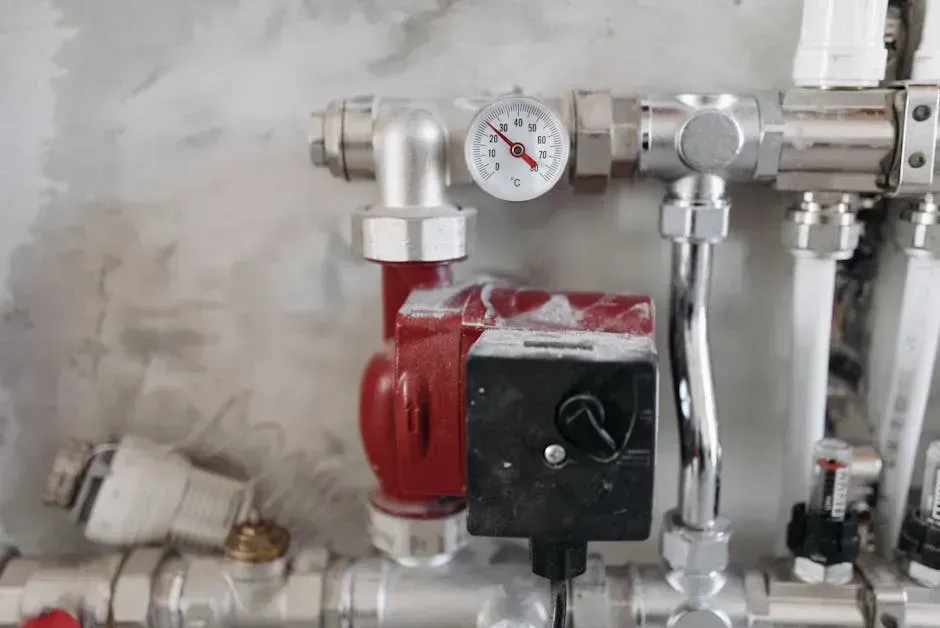
Water heating is the second largest energy expense in almost every U.S. household, accounting for roughly eighteen percent of all energy usage. Swapping a standard electric tank for a heat pump water heater is one of the highest-return single upgrades a household can make. Heat pump water heaters pull existing heat out of the air and use it to heat water, and a heat pump water heater can save an average family of four about $550 a year when replacing an electric resistance water heater.
Water heaters are among the top energy users in a home, and installing a solar water heater can cut hot water costs in half, according to the U.S. Department of Energy. Both solar and heat pump approaches address the same chronic drain on energy budgets, just through different mechanisms. The right choice depends on climate, roof space, and the existing system being replaced.
9. LED Lighting Throughout the Home
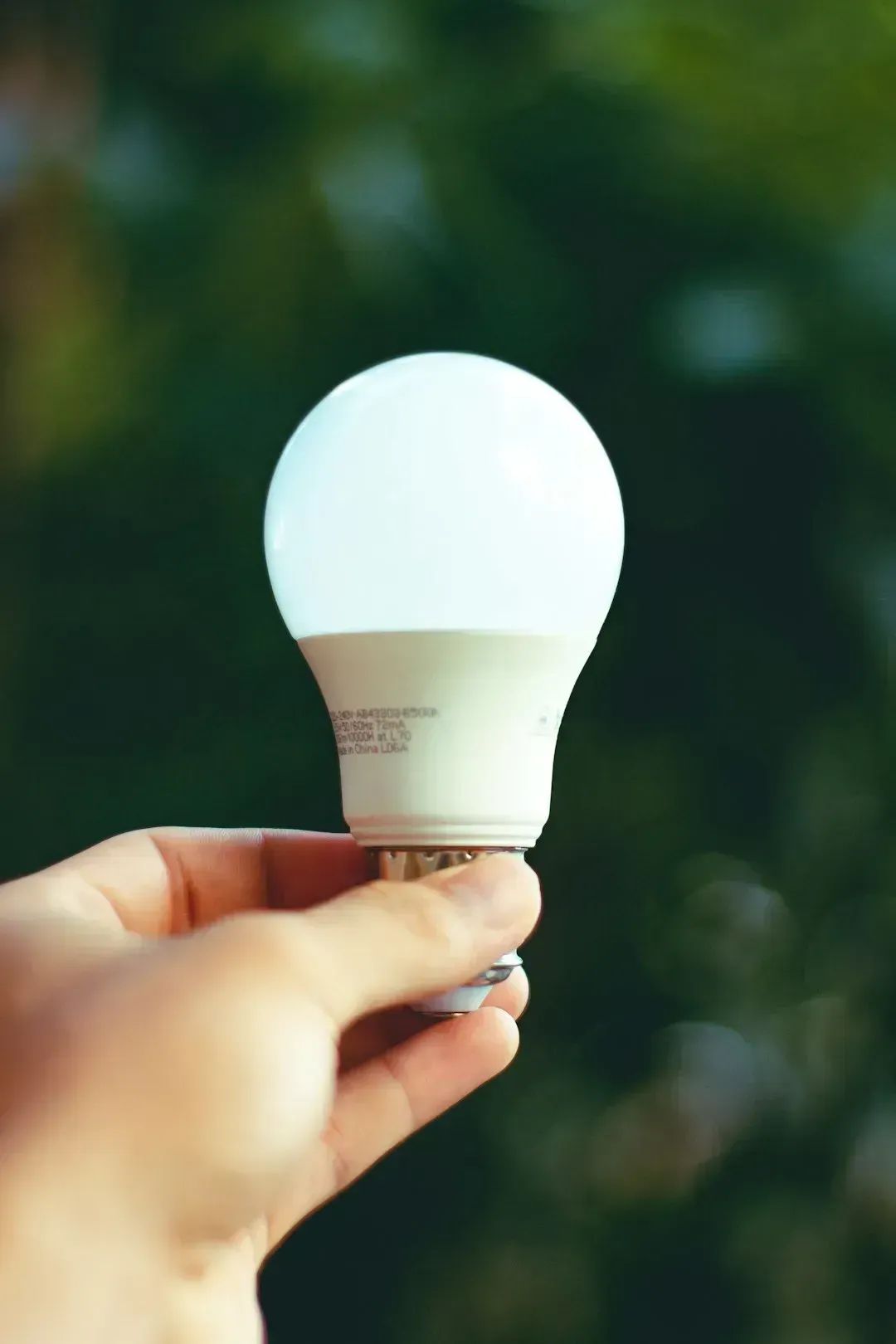
Incandescent bulbs release ninety percent of their energy as heat while only a fraction is used for lighting, while LEDs marked with an Energy Star rating can cut ninety percent of energy use and last fifteen times longer. The math on a whole-home LED conversion is compelling. Lighting can account for up to ten percent of total home energy cost, so the savings from switching every bulb add up faster than most people expect.
LED bulbs use about seventy-five percent less energy than incandescent bulbs and last significantly longer, reducing both energy costs and maintenance needs. The additional heat that older bulbs shed into a room also has a secondary cost in warmer months, making the air conditioning work harder. LEDs sidestep that problem entirely.
10. Passive Solar Design and Thermal Mass
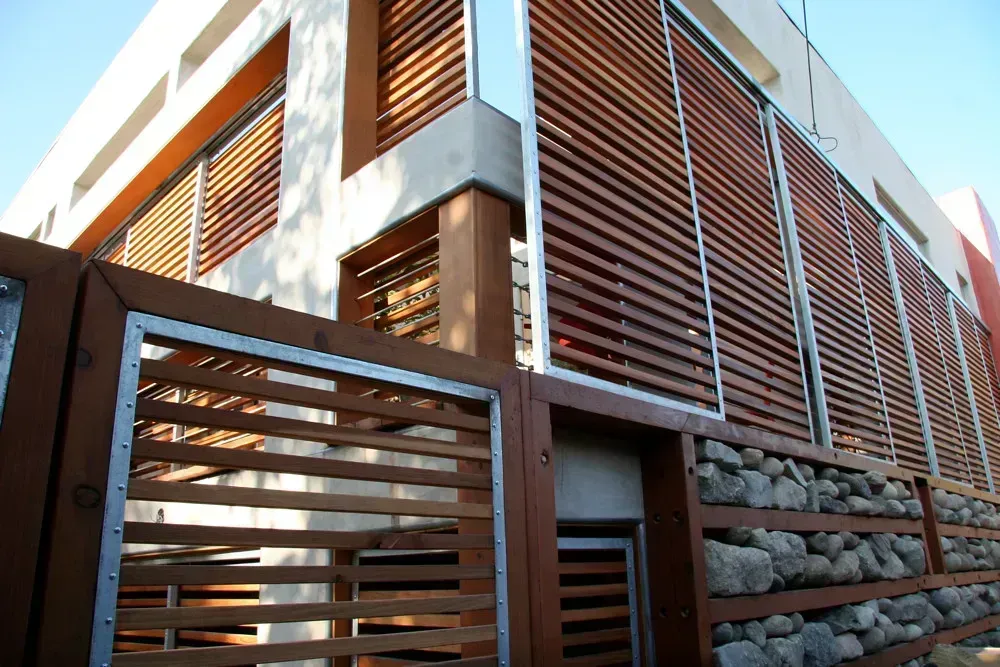
Thermal mass in a passive solar home, commonly concrete, brick, stone, and tile, absorbs heat from sunlight during the heating season and absorbs heat from warm air during the cooling season. In a direct gain design, sunlight enters the house through south-facing windows, strikes masonry floors and walls, and is absorbed and stored as solar heat. As the room cools at night, the thermal mass releases that heat back into the house.
Passive houses use design guidelines such as passive solar gains, natural ventilation, and efficient heat recovery systems to reduce demand before any mechanical system ever switches on. Passive houses built to this standard consume up to ninety percent less energy for heating and cooling than conventional homes. For new builds or major renovations, this approach fundamentally changes what the HVAC system needs to accomplish.
11. Mechanical Ventilation with Heat Recovery
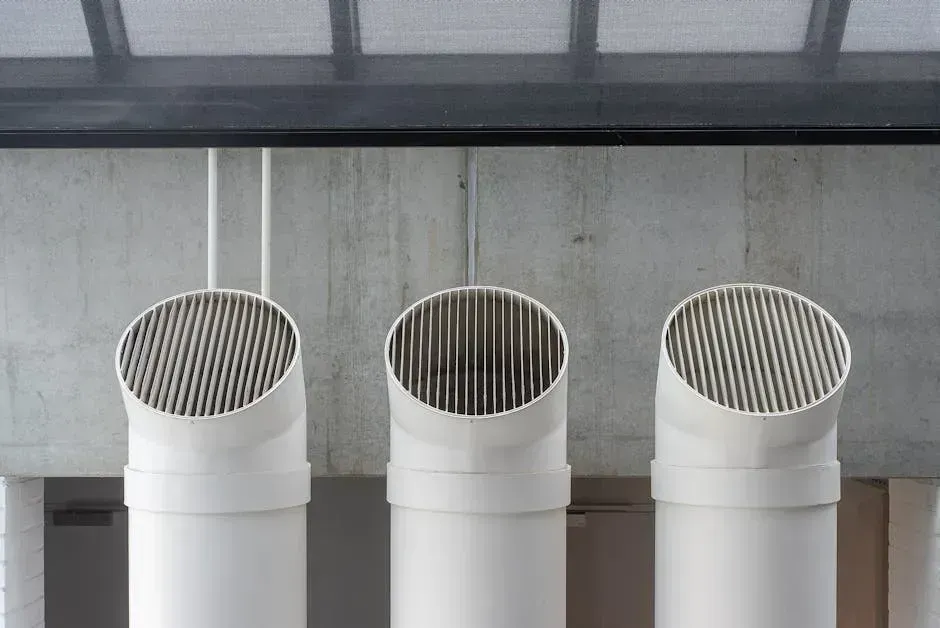
Passive House certification requires efficient mechanical ventilation with heat recovery at typically at least seventy-five percent sensible efficiency. This system is the reason tightly sealed green homes do not feel stuffy. Fresh air comes in, stale air goes out, and most of the thermal energy in the exhaust stream gets transferred back to the incoming air before it is released.
Passivhaus homes overcome indoor air quality challenges by using a mechanical ventilation system that allows for one hundred percent fresh air to be provided all year round, with filtered fresh air constantly supplied to living areas and exhaust air simultaneously extracted from bathrooms and kitchens. An efficient heat recovery system can reduce ventilation heat losses by up to ninety percent. In practice, this means the home stays fresh without throwing away the energy spent heating or cooling the air inside.
12. Cool Roofs and Reflective Roofing Materials

A cool roof is designed to reflect more sunlight than a conventional roof, absorbing less solar energy, which lowers the temperature of the building in the same way that wearing light-colored clothing keeps you cool on a sunny day. According to the U.S. Department of Energy, cool roofs can lower a roof’s surface temperature by about 50°F on a hot day, which can reduce indoor temperatures and lessen reliance on air conditioning.
White roofing products stay coolest in the sun, reflecting roughly sixty to ninety percent of sunlight. Cool roofs achieve the greatest cooling savings in hot climates, but can increase energy costs in colder climates due to reduced beneficial wintertime heat gains, so the decision depends on the region. For climates with seasonal temperature swings, combining cool roofs with insulation and other energy-saving measures ensures optimal performance year-round.
None of these tricks works in isolation as dramatically as several of them working together. A well-insulated, air-sealed home with a heat pump, solar panels, and a smart thermostat is a fundamentally different energy system than a standard house with one or two upgrades bolted on. The households that come closest to cutting their bills in half are the ones that treat these strategies as a coordinated stack rather than a checklist of individual improvements.
