

The 1990s were a strange decade for climate science. On one hand, researchers were issuing increasingly specific warnings about what a warming planet would look like. On the other, those warnings were widely dismissed, ridiculed, or filed away as distant speculation. Three decades later, the scorecard is striking.
Some predictions landed almost exactly on target. Others were accurate in direction but underestimated the scale of what was coming. A few missed the mark in surprising ways. Looking back at the decade’s major forecasts offers a clearer picture of what science can and can’t do, and of just how much has already changed.
1. Global Temperatures Would Keep Rising

In 1990, the Intergovernmental Panel on Climate Change released its First Assessment Report, predicting global warming of about 1.1 degrees Celsius between 1990 and 2030. Critics at the time called the forecast alarmist and argued the models were too simplistic to be trusted. The accuracy of the 1990 predictions is notable because scientists, at that time, relied on much more simplistic computer models than those now used to simulate the future.
To evaluate the prediction, researchers gathered statistical data from various agencies around the world and discovered two sets of temperature averages for 1990 through 2010, showing increases of 0.35 and 0.39 degrees Celsius respectively. After adjusting for naturally occurring fluctuations, the results fit almost perfectly with the predictions made decades earlier. The core finding held: the planet was warming, broadly in line with what scientists had projected using tools their critics dismissed as primitive.
2. Sea Levels Would Rise Measurably

In 1996, the IPCC published an assessment report projecting that the most likely amount of global sea-level rise over the next 30 years would be almost 8 centimeters, remarkably close to the 9 centimeters that has actually occurred. Satellite monitoring, which began around the same time as the projection, has now provided three decades of confirmation. A comparison of mid-1990s climate projections with what has played out since was published by two Tulane University researchers in Earth’s Future, an open-access journal of the American Geophysical Union.
The initial models predicted rises in oceans of approximately 3 millimeters per year due to melting ice and thermal expansion. Modern satellite measurements indicate a rise of sea level averaging about 3.3 millimeters per year, and this is accelerating. The directional accuracy here was impressive. Where scientists fell short was in accounting for how fast ice sheets themselves would contribute, a problem that only became clear as warmer ocean waters began to destabilize glaciers from below.
3. Ice Sheets Would Underperform the Projections
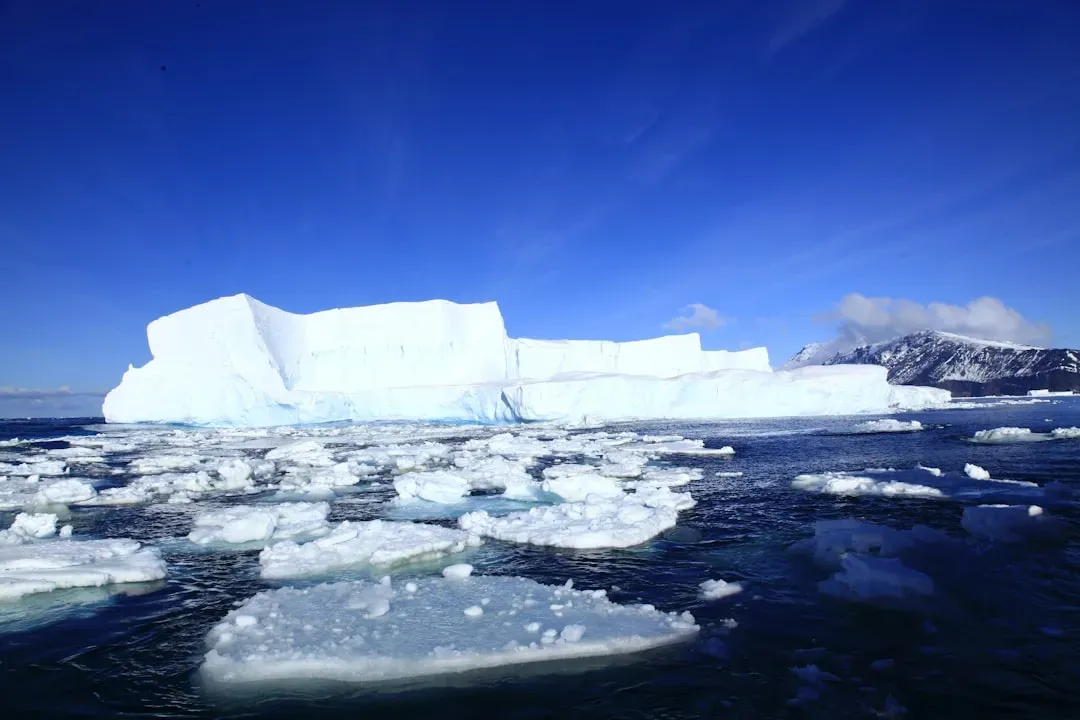
The 1996 IPCC report underestimated the role of melting ice sheets by more than 2 centimeters, partly because little was known at the time about how warming ocean waters could destabilize marine sectors of the Antarctic Ice Sheet from below. This was not a failure of the overall prediction so much as a blind spot about a specific mechanism. Ice flow from the Greenland Ice Sheet into the ocean has also been faster than foreseen.
The average annual loss of ice from Greenland and Antarctica in the 2010s was 475 billion metric tons, six times greater than the 81 billion metric tons a year lost in the 1990s. Scientists note that the ice caps had been slow to respond to human-caused global heating, with Greenland and especially Antarctica remaining quite stable at the start of the 1990s despite decades of a warming climate, and it took roughly 30 years for the ice caps to fully react. That delayed reaction caught even careful models off guard.
4. Arctic Sea Ice Would Decline
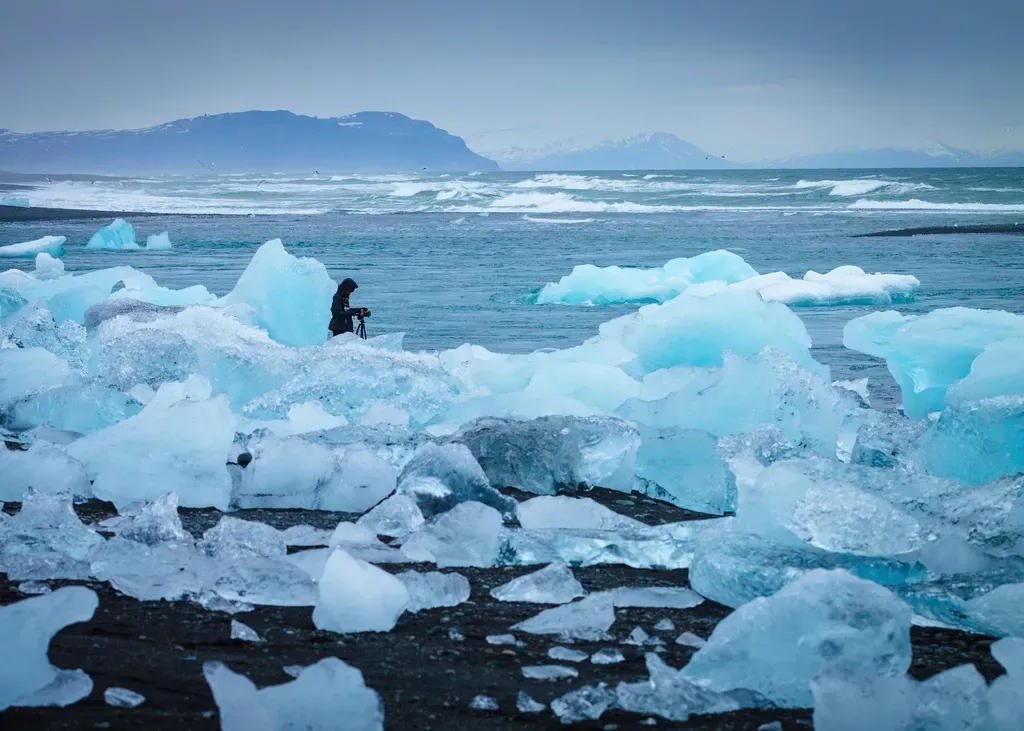
Climate scientists warned that Arctic sea ice would disappear at an alarming rate due to rising global temperatures. Today, satellite data from NASA shows that Arctic sea ice is declining at a rate of roughly 13 percent per decade since 1979. The decline has not been smooth or linear, but the long-term trend has been relentless. The rate of ice loss has risen by 57 percent since the 1990s.
Since 1979, the warming within the Arctic Circle has been nearly four times faster than the global average, and some hotspots in the Barents Sea area warmed up to seven times faster. In March 2025, the US-based National Snow and Ice Data Center announced that Arctic sea ice had reached its annual maximum at the lowest level on record. The broad forecast of a shrinking Arctic was correct. The pace of that shrinkage has exceeded most 1990s projections.
5. Mountain Glaciers Would Retreat
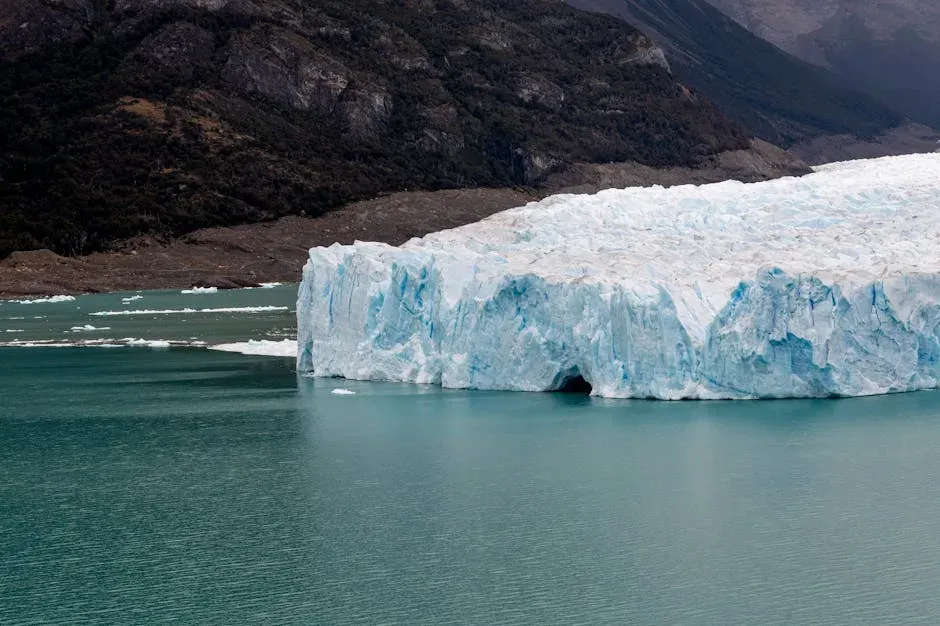
Scientists predicted that mountain glaciers around the world would retreat as global temperatures rose, affecting water supplies for billions of people. It was one of the more visible, intuitive predictions of the era, and the evidence has been unmistakable. Glacier National Park in Montana, which once had 150 glaciers, now has fewer than 26.
The pace of glacier loss accelerated sharply, from 171 millimeters of water equivalent per year in the 1980s, to 460 millimeters per year in the 1990s, to 889 millimeters per year during the 2010s. Roughly 41 percent of the total glacier loss since 1976 occurred during just the last decade from 2015 to 2024, and during 2023 alone, glacier mass loss was about 80 billion metric tons higher than any other year on record. The prediction was right. The acceleration was not fully anticipated.
6. Extreme Weather Would Intensify
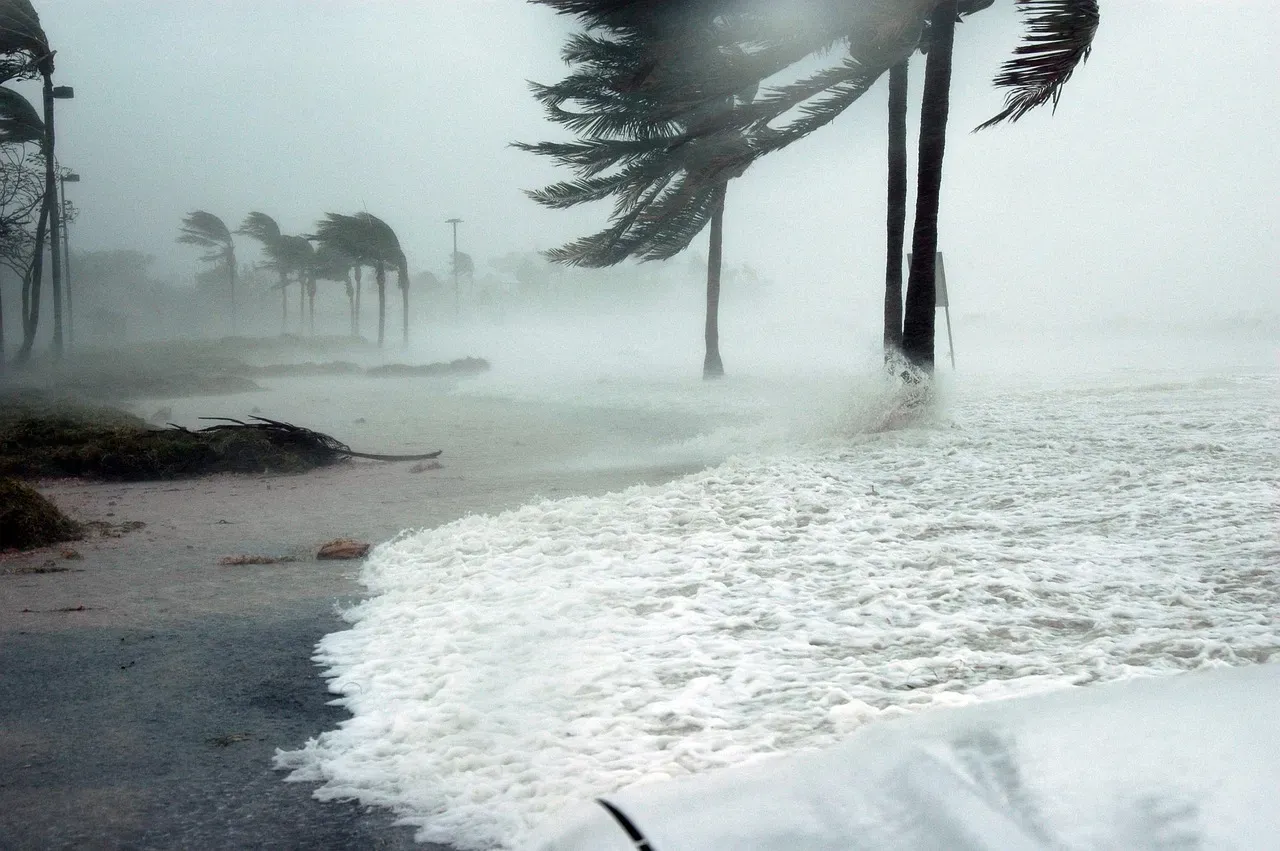
Climate models from the 1990s predicted that extreme weather events would increase in both frequency and intensity as the planet warmed. This was one of the more contested forecasts at the time, since weather is inherently noisy and attributing individual events to climate change is genuinely difficult. Scientists had predicted bigger and more intense heatwaves, severe storms, and heavier rainfalls.
Hurricane seasons have become increasingly destructive, with 2024 witnessing multiple Category 5 storms forming in rapid succession. Flooding events that were once considered “100-year floods” now occur multiple times per decade in many regions. The insurance industry has taken notice, with climate-related damages costing over 90 billion dollars annually in the United States alone. The direction of the prediction was right. Whether the exact timing and scale matched projections varies significantly by region and event type.
7. Coral Reefs Would Suffer Mass Bleaching

Due to the potential vulnerability of modern corals to high temperatures, coral reefs were predicted to be among the first systems to show signs of ecological stress from global warming. Scientists warned in the late 1990s that rising sea surface temperatures would trigger bleaching events at a pace reefs couldn’t recover from. In 1998, coral reefs around the world appear to have suffered the most extensive and severe bleaching and subsequent mortality in modern record, the same year that tropical sea surface temperatures were the highest in modern record.
The 2014 to 2017 global coral bleaching event, the third in the last 20 years, killed corals and other reef organisms over thousands of square kilometers. Coral reefs, among the most biodiverse ecosystems on Earth, face an existential threat from the increasing frequency and intensity of coral bleaching events driven by global warming, though the critical threshold linking bleaching rates to long-term reef degradation remains an active area of research. The warning was accurate. The scale of loss has, in several regions, exceeded what early models anticipated.
8. The Oceans Would Acidify

Marine chemists predicted that increased atmospheric CO2 would make oceans more acidic, threatening marine life that depends on calcium carbonate shells and skeletons. Since the Industrial Revolution, ocean pH has dropped by 0.1 units, representing a roughly 30 percent increase in acidity. This prediction was based on straightforward chemistry: more CO2 in the atmosphere means more CO2 absorbed by seawater, forming carbonic acid. The Scripps Institution of Oceanography reports that the rate of ocean acidification is now 10 times faster than it was 55 million years ago.
Ocean acidification, or increased CO2 levels resulting in the lowering of the pH of seawater, not only reduces the abundance of phytoplankton but also decreases calcification in certain marine animals like corals and shellfish, causing their skeletons to become weaker and growth to be impaired. Shellfish farmers in the Pacific Northwest have already documented severe impacts on oyster and mussel populations. This is one of the predictions from the 1990s research period where the basic science has held up almost exactly as described.
9. The Arctic Would Warm Faster Than the Rest of the Planet
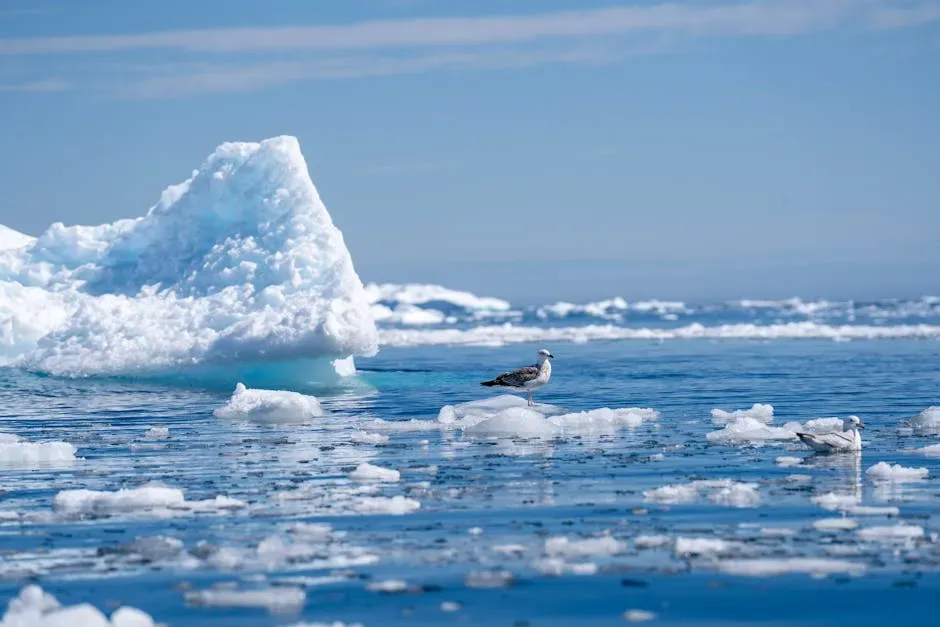
Researchers in the early 1990s predicted that polar regions, particularly the Arctic, would warm at a disproportionate rate compared to lower latitudes. This phenomenon, known as Arctic amplification, was identified as a logical consequence of sea ice loss: as reflective white ice disappears, dark ocean water absorbs more solar energy and accelerates warming. Sea ice loss is one of the main drivers of Arctic amplification, the phenomenon whereby the Arctic warms faster than the rest of the world under climate change.
The Arctic is already changing rapidly as a result of climate change, with contemporary warm Arctic temperatures and large sea ice deficits demonstrating climate states outside of previous experience. Now in its 20th year, the Arctic Report Card 2025 provides a clear view of a region warming far faster than the rest of the planet. This prediction has proven not just accurate but, in many respects, an understatement.
10. Permafrost Would Begin to Thaw

Arctic researchers warned that permanently frozen ground would begin to thaw as temperatures rose. This was considered a concern for future decades when the warnings were first made. The thawing has arrived ahead of schedule in many regions, with measurable consequences already documented. Thawing permafrost has caused the ground to subside more than 15 feet in parts of Alaska.
Thawing permafrost releases additional greenhouse gases into the atmosphere, estimated to add the equivalent of a medium-sized country’s emissions over the course of this century. Once this process begins, it will continue for hundreds of years, leaving future generations to deal with its effects. The 1990s prediction identified permafrost thaw as a genuine risk. What wasn’t fully appreciated then was how self-reinforcing the process would become once it started.
The overall record of 1990s climate science holds up surprisingly well. Climate models published since the early 1970s have generally been quite skillful in projecting future warming, and while some were too low and some too high, they all show outcomes reasonably close to what has actually occurred. The errors that do exist tend to cluster in a specific direction: scientists generally underestimated how quickly certain processes, especially ice sheet dynamics and Arctic warming, would unfold. The core physics of the greenhouse effect, however, was never seriously in doubt among researchers who understood the data, and the decades since have shown why.
