

- Alaska’s 1,578-Foot Tsunami Was the Second-Tallest Ever Recorded - May 8, 2026
- The 7 Reasons Sunsets Look Different Than They Did 50 Years Ago - May 8, 2026
- 8 Lakes That Are Drying Up Across America - May 8, 2026
There’s a quiet assumption most people carry around: that the sunset is eternal, unchanged, one of the few things in the modern world that stays exactly as it always was. Stand outside on a clear evening and watch the sky fill with orange and red, and it feels ancient, timeless. It’s not, though. The atmosphere is a living system, and it has been shifting for decades.
The science behind sunset colors is more complex than most people realize. The colors of the sunset result from a phenomenon called scattering, where molecules and small particles in the atmosphere change the direction of light rays. The details are determined by both the wavelength of the light and the size of the particle. When the composition of that atmosphere changes, the colors change with it. Here are seven reasons that the sky at dusk genuinely looks different today than it did in the 1970s.
1. The Rise and Spread of Wildfire Smoke
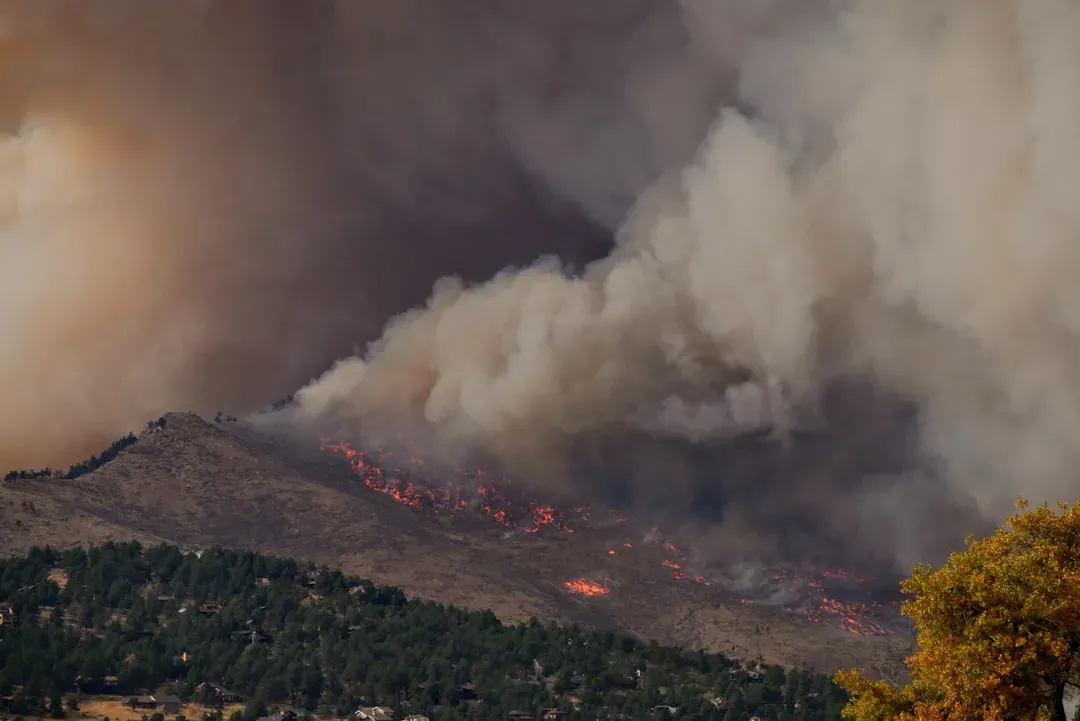
Wildfires are becoming more frequent and severe as climate change drives hotter, drier conditions across the United States. Climate-driven drought, extreme heat, and drying vegetation have lengthened fire seasons and increased the rate of fire spread. Fifty years ago, a smoke-colored sky was a regional and temporary event. Today it’s something millions of people experience regularly, often far from any active fire.
Per-person exposure to harmful wildfire smoke in the U.S. was four times higher during 2020 to 2024, on average each year, than during 2006 to 2019. Wildfire smoke puts more particles in the air, which allows red hues to dominate. The result is a sky that can appear vividly crimson over cities that haven’t seen a flame for hundreds of miles.
2. Industrial and Urban Aerosols Have Shifted the Palette
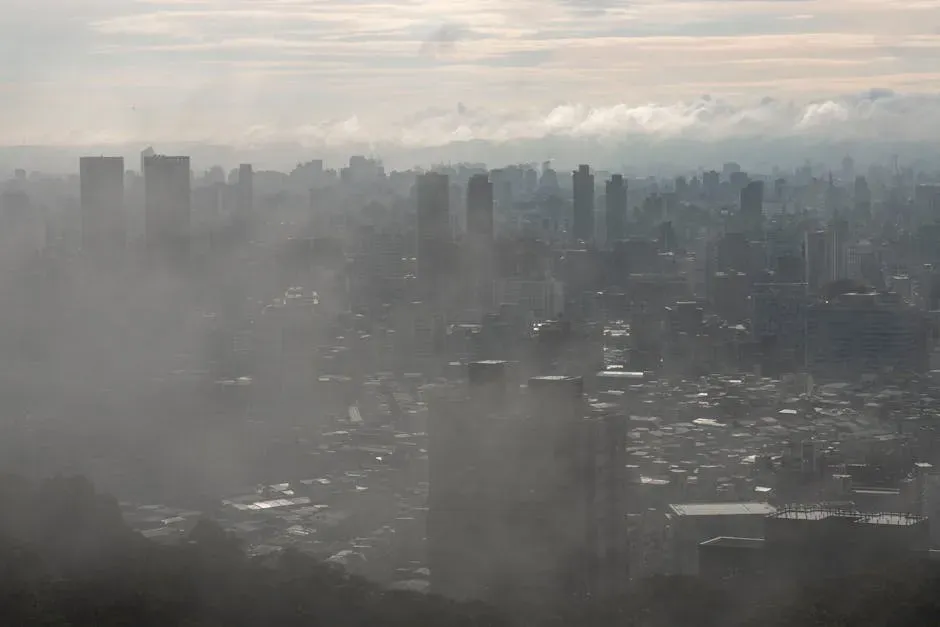
Certain pollutants in the air, such as particulate matter, sulfur dioxide, and nitrogen oxides, can enhance the colors of a sunset by scattering and refracting light in a way that intensifies red and orange hues. The composition of those particles has changed significantly over half a century, as the mix of industry, vehicle exhaust, and energy production has evolved in most parts of the world.
A classic case is burning fossil fuels, which releases sulfur dioxide gas into the air, which then turns into sulfuric acid aerosols. Most particles suspended above cities scatter radiation, preferentially removing the cooler violets and blues in the spectral palette and enhancing the red. The sunset still happens every evening, but what the light passes through on its way to your eye is not the same atmosphere it was navigating in 1975.
3. Cleaner Air in Some Regions Has Actually Muted Colors
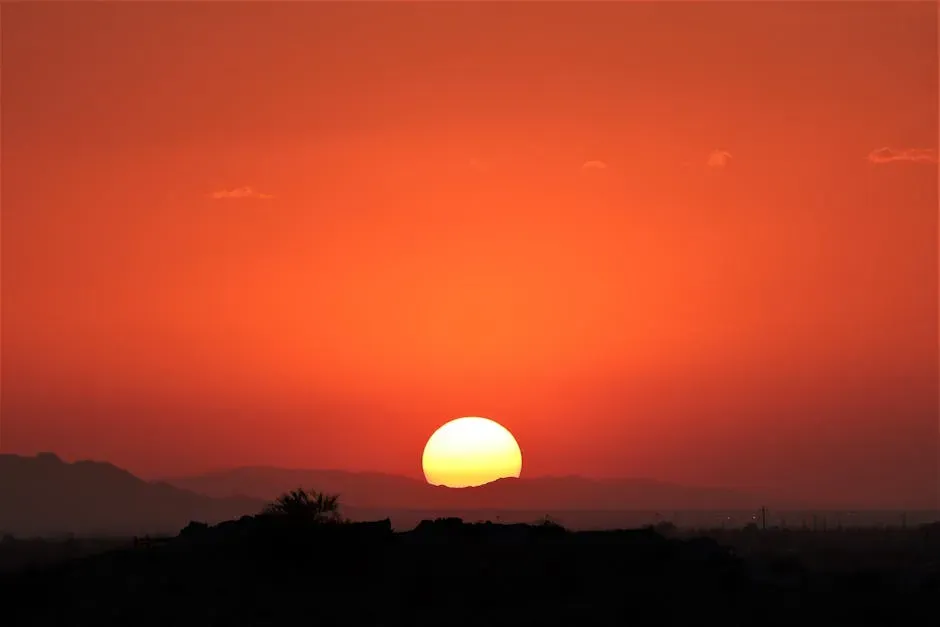
This is the counterintuitive twist that surprises most people. Aerosols of all kinds, when present in abundance in the lower troposphere as they often are over urban and continental regions, do not enhance sky colors. They subdue them. Relatively clean air in the lower levels is, in fact, the primary ingredient common to brightly colored sunrises and sunsets. So in places where air quality has genuinely improved since the 1970s, sunsets can actually appear less dramatic than they once did.
Since the 1980s, a decrease in air pollution has led to a partial reversal of the dimming trend, sometimes referred to as global brightening. Cleaner lower-atmosphere air means light scatters more selectively, which can produce subtler, purer hues rather than the muddy, saturated reds that heavy pollution can create in certain concentrations. The change is real, though it depends heavily on where you’re standing.
4. Volcanic Eruptions Have Periodically Rewired the Sky
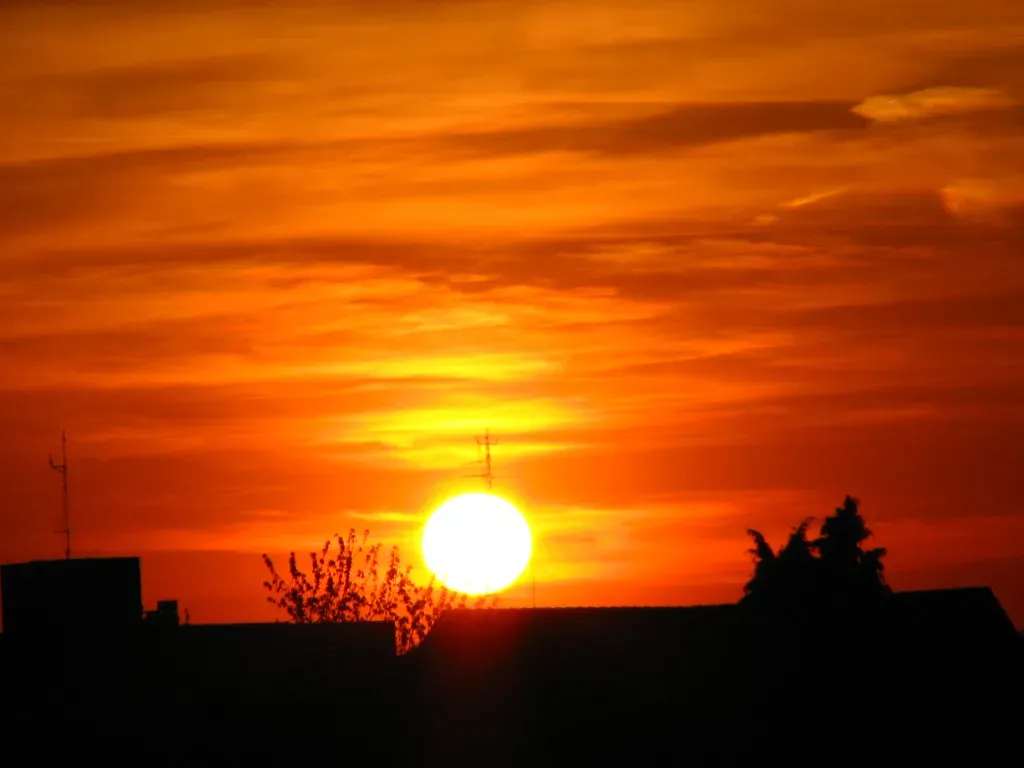
When a volcano erupts, it releases a tremendous amount of dust and gaseous sulfur dioxide into the stratosphere. This eruption can inject millions of tonnes of particles into the atmosphere, where they can remain aloft for years and spread across the globe. As these particles disperse, they create a stunning array of optical phenomena that enhance the beauty of sunsets and twilight skies.
Volcanic eruptions are well known to affect the colors of the twilight sky. In conditions of volcanically enhanced stratospheric aerosol loading, the primary sunset coloring is complemented by a secondary effect known as “afterglow,” lasting significantly longer than ordinary twilight colors. Major eruptions like Mount Pinatubo in 1991 temporarily transformed sunsets across the entire globe. Ruby red sunsets were also seen after the monstrous eruption of Mount Pinatubo in 1991. These periodic stratospheric injections mean that no two decades share exactly the same twilight baseline.
5. Shifting Cloud Cover and Weather Patterns Have Changed the Canvas
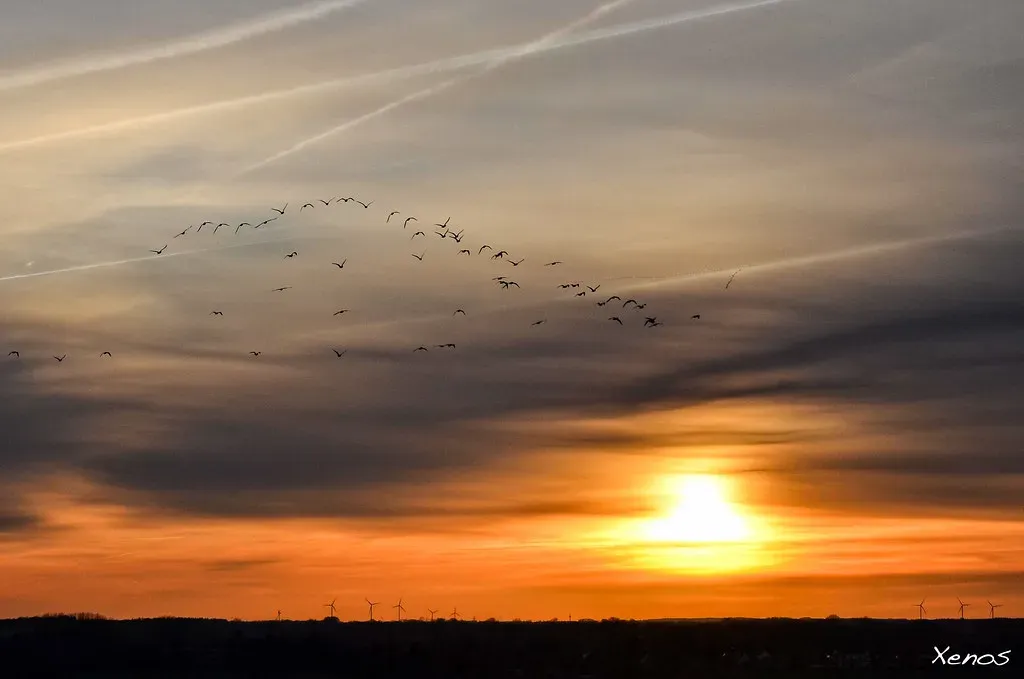
The most memorable sunsets tend to be those with at least a few clouds. Clouds catch the last red-orange rays of the setting sun like a theatre screen, and reflect this light to the ground. The types and altitudes of clouds that appear most regularly over populated regions have shifted as climate patterns reorganize, changing which kind of light show is available on any given evening.
To produce vivid sunset colors, a cloud must be high enough to intercept light that has not suffered attenuation by passing through the comparatively dirty boundary layer. This largely explains why spectacular shades of scarlet, orange, and red most often grace cirrus and altocumulus layers, but only rarely low clouds such as stratus or stratocumulus. As weather systems evolve with a warming climate, the distribution of cloud types at any given latitude is not what it was in the 1970s.
6. Light Pollution Has Dimmed the Full Twilight Experience
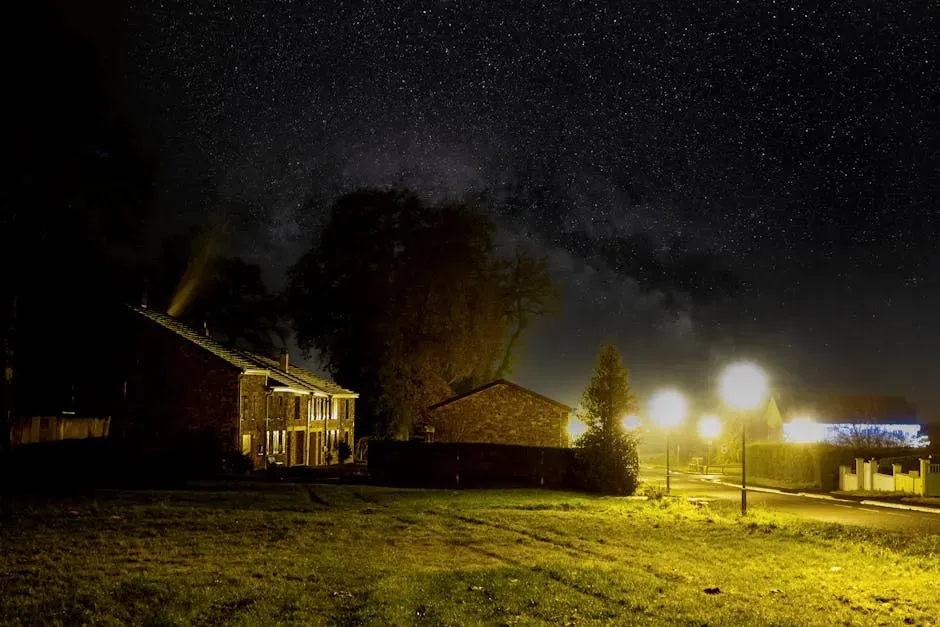
The sunset itself is one moment, but the full show extends into the twilight that follows. Light pollution can make the night sky appear brighter and wash out the natural colors of stars and celestial objects. Additionally, pollutants in the atmosphere can scatter specific wavelengths of light, leading to a changing color of the night sky from dark blue to brownish red. The deep violet and indigo afterglow that once followed a clear sunset in a rural area has been gradually swallowed by skyglow in densely populated regions.
Cities now generate enough upward-scattering light that the darker, more nuanced phases of twilight are compressed or invisible at street level. Someone standing in a major metropolitan area in 2026 simply sees less of the spectral progression that was visible to their grandparents in the same spot fifty years ago. The sunset begins the same way, but the long tail of the twilight has been shortened by the light of civilization.
7. The Particle Size and Composition of Atmospheric Aerosols Has Fundamentally Changed
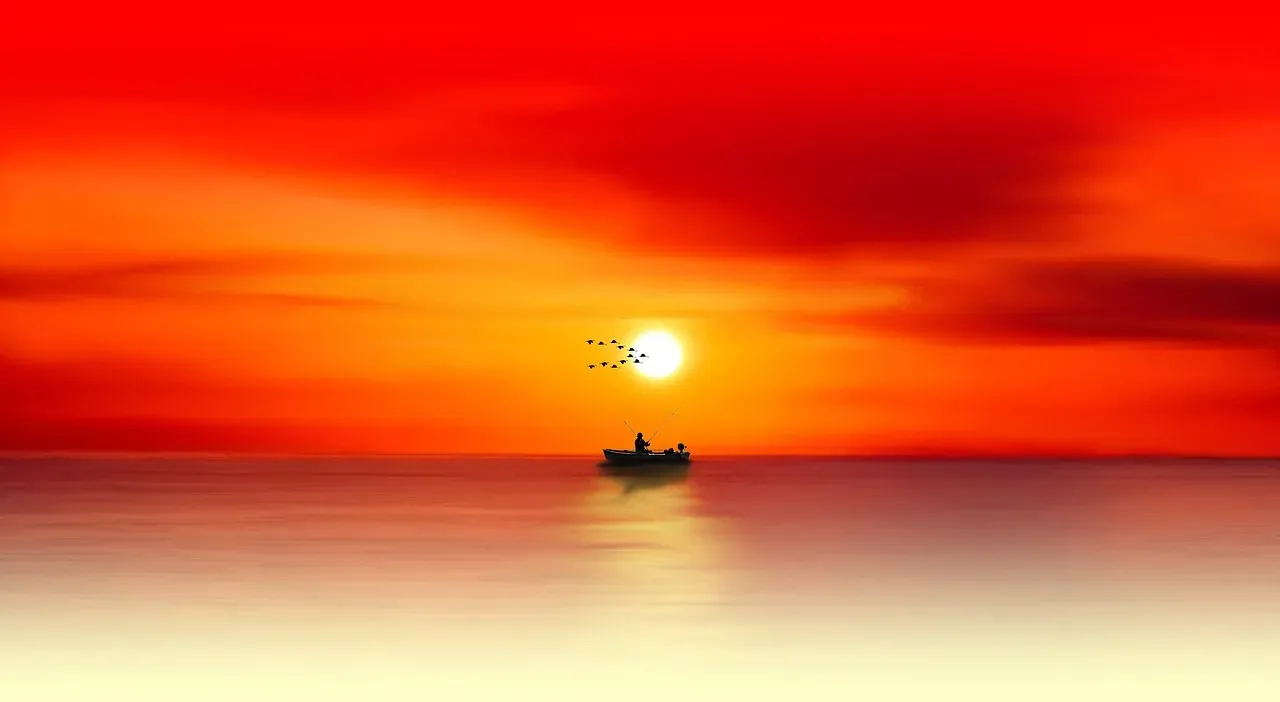
Whereas volcanic smog and forest-fire smog are composed of fairly uniform aerosols, man-made smog is composed of countless different molecules and different types of matter, with all of these aerosol particles varying in size. Size is the deciding factor in whether aerosols enhance a sunset’s colors or hinder them. The industrial aerosol profile of 2026 is chemically different from what was floating in the boundary layer during the 1970s, because the sources of those particles have changed.
Aerosols that are close in size or larger than the wavelengths of visible light tend to scatter all colors indiscriminately, increasing the overall brightness of the sky but dampening color contrast. Particles of any kind will, as a rule, make the sky brighter but at the expense of its purity of color. For instance, cities like Beijing and Delhi experience high levels of air pollution, and their sunsets often appear hazy and colorless due to excessive smog. In contrast, places with moderate levels of airborne particles often witness intensified sunset colors. The result is a global patchwork where no two regions experience quite the same kind of dusk.
What all seven of these forces share is that they’re invisible to the naked eye in the moment. You don’t see aerosol composition or cloud altitude changes when you’re watching the sky turn orange. You just notice, vaguely, that it looks a little different than you remembered, or that a photograph from decades ago seems to carry a different quality of light. The atmosphere has been quietly rearranging itself, and every evening it shows its work.
