

Weather records are supposed to be hard to break. Most of them are built on decades of careful observation, and the expectation has always been that an extraordinary event would stand for a generation. Over the past five years, that expectation has collapsed. Records once thought safe are being erased at a pace that surprises even veteran meteorologists.
Some of the events below are dramatic in the obvious sense. Others are strange in a quieter, more unsettling way – the kind of anomaly that looks almost unremarkable until you understand just how far outside the bounds of normal it sits. Here are nine of the most remarkable weather records set between 2022 and 2026.
The Hottest Day Earth Has Ever Recorded
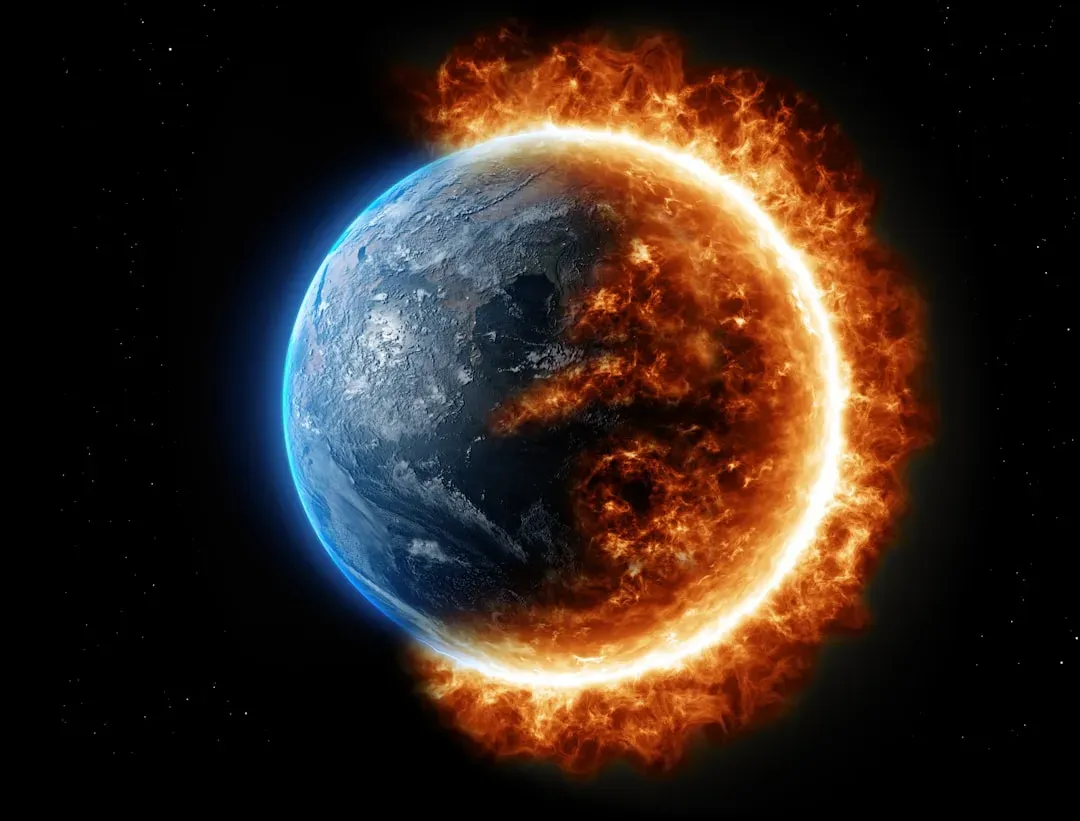
The warmest day on record for the entire planet occurred on July 22, 2024, when the highest global average temperature was recorded at 17.16°C. The previous record had been set just the day before, on July 21, 2024, at 17.09°C. Two consecutive all-time global heat records in back-to-back days was something climate scientists had not seen in the satellite era.
Extreme weather reached dangerous new heights in 2024, with record-breaking temperatures fueling unrelenting heatwaves, drought, wildfire, storms, and floods that killed thousands of people and forced millions from their homes. The July records were not flukes. They were the summit of a broader sustained warmth that had been building throughout the year.
Canada’s Wildfire Season Defied Every Known Scale
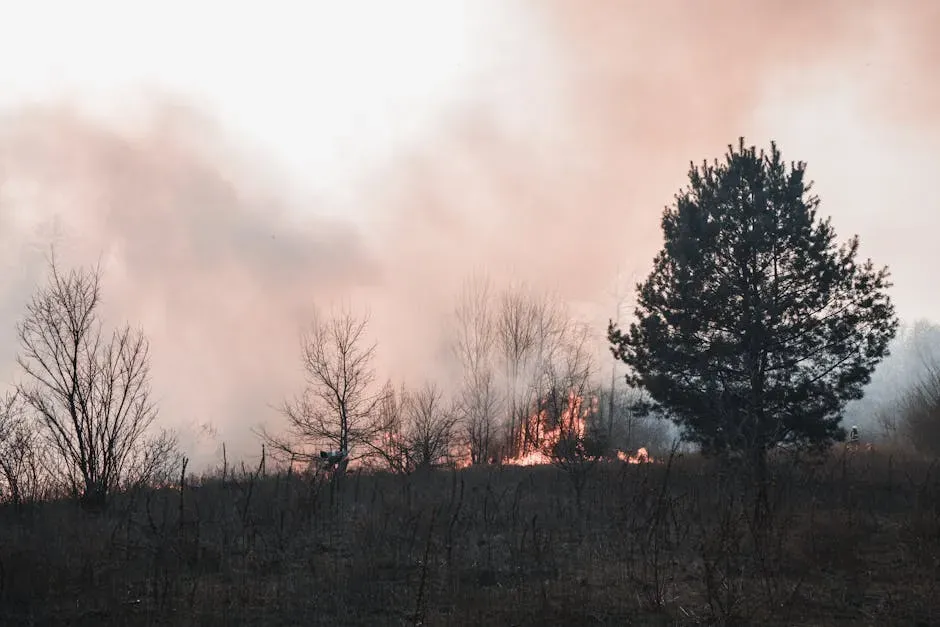
Canada’s 2023 wildfire season was the most destructive ever recorded. By the end of the year, more than 6,000 fires had torched a staggering 15 million hectares of land – an area larger than England and more than double the 1989 record. To put that in daily terms, during the peak of the season, an area roughly the size of a major city was burning every few hours.
The fires produced roughly 3 billion tons of carbon dioxide – nearly four times the carbon emissions of the global aviation sector in 2022, and 25% more than from all tropical primary forest loss combined in 2023. The mean May to October temperature over Canada in 2023 was 2.2°C warmer than the 1991 to 2020 average, which enabled sustained extreme fire weather conditions throughout the entire season.
Antarctic Sea Ice Hit a Record Low – by a Shocking Margin
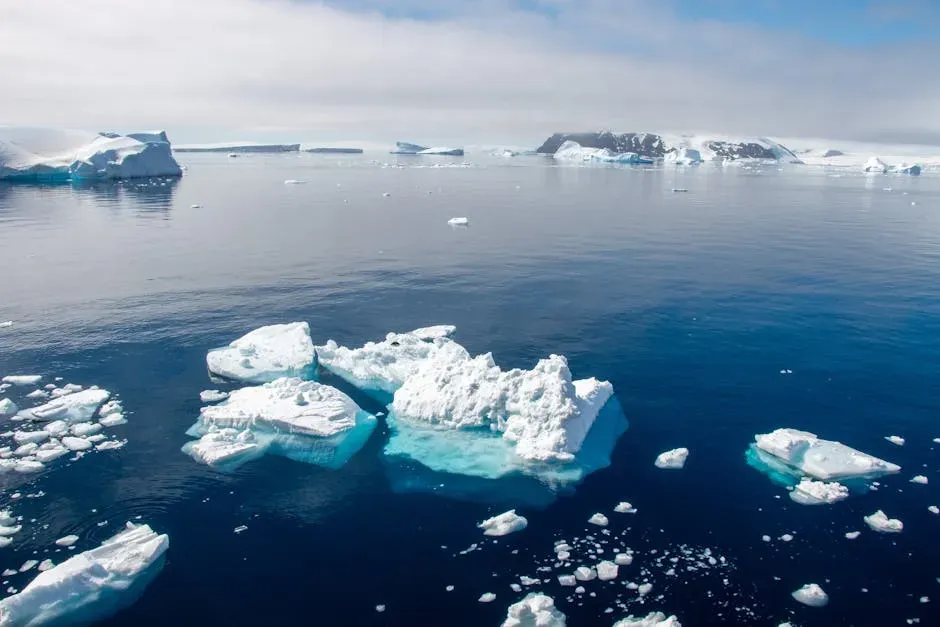
On February 19, 2023, a new minimum Antarctic sea ice extent of 1.77 million square kilometres was observed. In February 2023, Antarctic sea ice set a record minimum, and there have now been three record-breaking low sea ice summers in seven years. What made scientists especially uneasy was not just the number itself, but how far it fell below everything previously observed.
The 2023 record low was far outside the range of previous natural variability. The June sea ice extent anomaly reached 2.33 million square kilometres below average – twice as large as the previous June record. Unlike the Arctic, Antarctic sea ice had historically been more stable, which made the 2023 collapse all the more arresting to researchers.
Phoenix Endured Over a Month Above 43°C

In July 2023, the 1.6 million inhabitants of Phoenix, Arizona, endured an ordeal unprecedented since a drought in 1974, as temperatures exceeded 43.3°C for a full month. Asphalt on the roads heated to 66°C, and the temperature of human bodies outdoors rose to 41°C, requiring many people to be hospitalised. The city logged 31 consecutive days at or above that threshold, a streak with no modern parallel in recorded U.S. weather history.
The deadliest disaster of 2023 in the U.S. was the summer-long drought and heat wave focused across the southern tier of states, which was blamed for 247 deaths. Phoenix sat at the center of that broader regional crisis, and the city’s infrastructure – roads, emergency services, cooling centers – was visibly tested in ways officials had not planned for.
Beijing Received 140 Years’ Worth of a Single-Day Rainfall Record

On August 7, 2023, 744.8 millimetres of rain fell in Beijing – the highest level since weather records began in 1883. That is essentially an entire average year’s worth of rainfall for many mid-latitude cities, delivered in under 24 hours. The scale overwhelmed drainage systems across the city and surrounding region almost instantly.
According to Chinese authorities, the floods killed 33 people, including five rescue workers, and left 18 others missing. The storm sat stationary over the region for an unusually long period, a behavior that meteorologists increasingly associate with a weakening of the atmospheric jet stream and its ability to push weather systems forward.
The U.S. Set a New Record for Billion-Dollar Weather Disasters in a Single Year

Led by a record-costly swarm of severe weather episodes, the contiguous United States suffered 28 billion-dollar weather disasters in 2023 – the highest number in inflation-adjusted data going back to 1980, according to NOAA. The former record was 22, set in 2020. The sheer breadth of the list was striking: tornadoes, floods, fires, winter storms, and droughts all appeared on it within the same calendar year.
NOAA’s 1980 to 2023 annual inflation-adjusted average is 8.5 billion-dollar events, but over the five-year period from 2019 to 2023, the annual average more than doubled, to 20.4 events. That figure alone signals that 2023 was not simply an outlier year. It was the sharpest point of an upward curve that had been climbing for years.
The Gulf Coast Got Snow Records That Made Little Meteorological Sense

January 2025 began with an unusual snowstorm on the Gulf Coast, and new all-time total snowfall records were set at New Orleans with 8 inches, Mobile, Alabama with 7.5 inches, and Pensacola, Florida with 8.9 inches. The 13.4 inches at Grand Coteau, Louisiana also set a new state record, as did 9.8 inches of snow at Milton, Florida. These are cities where snow measuring in feet, rather than fractions of an inch, belongs firmly in the category of fiction.
A historic winter storm hit the Gulf Coast from January 20 to 22, with Louisiana and Florida breaking their largest single-day snowfall records, at 13.4 inches in Grand Coteau and 10 inches in Milton. The event forced officials to scramble for resources that simply do not exist in subtropical infrastructure planning. Snow plows, road salt, and cold-weather protocols are not standard equipment that far south.
The First EF5 Tornado in Over a Decade Touched Down in North Dakota
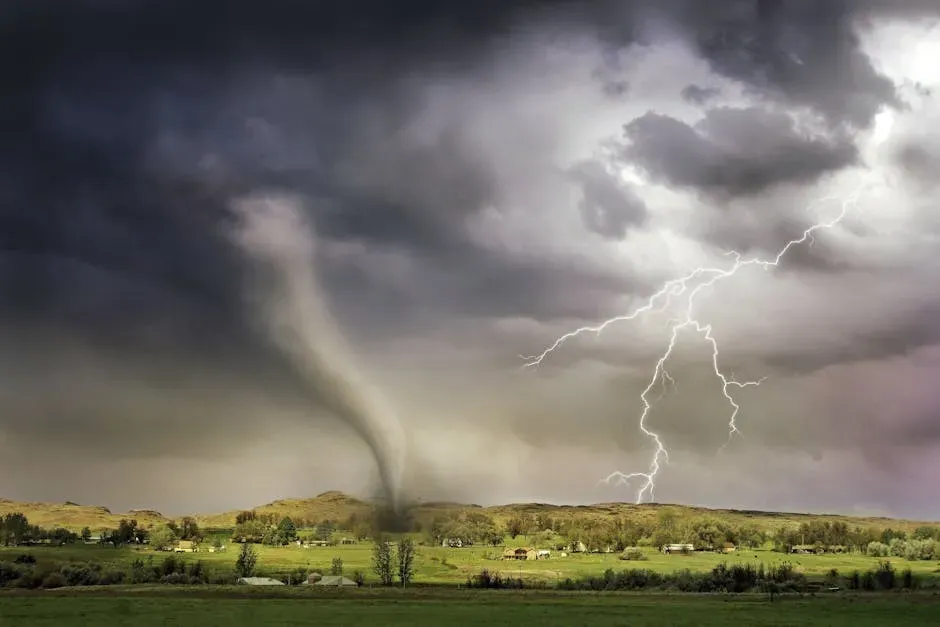
The first EF5 tornado in 12 years tore through Enderlin, North Dakota on June 20, 2025, with winds of 210 mph. It took until October 6 for the National Weather Service to confirm the tornado as an EF5, the highest rating possible on the Enhanced Fujita Scale. EF5 events are vanishingly rare. Their confirmation requires painstaking damage surveys across the affected area, which is part of why verification took months.
The EF5 tornado was the first in over twelve years worldwide. The wider tornado environment in 2025 was also notable. Almost every city east of the Rockies had its windiest March on record, with wind peaking on March 14 when extreme winds in the Central U.S. led to destructive wildfires, sun-blocking dust storms, and massive pileups, generating more than 1,500 reports of wind damage to the National Weather Service.
The Global Rate of Record-Breaking Heat Events Multiplied Several Times Over

All-time daily hot records on land were more than four times higher in 2016 to 2024 than expected without climate change, while daily maximum precipitation records were more than 40% higher than expected. In 2025 alone, 120 monthly temperature records were broken in more than 70 countries, and every country in Central Asia broke its annual temperature record.
Scientists from the World Weather Attribution network wrote in their annual report that extreme heat events have become almost ten times more likely since 2015. Around ten European countries were on the verge of breaking their annual temperature records in 2025, notably due to an exceptional summer. In Switzerland and several Balkan countries, summer temperatures ran 2°C to even 3°C above seasonal averages, while Spain, Portugal, and Britain all recorded their worst summer on record, with extreme heat fueling massive wildfires.

- 11 Winter Weather Mistakes People Keep Making - May 9, 2026
- Where the World’s Most Important Climate Discoveries of the 1970s Happened - May 8, 2026
- The 9 Strangest Weather Records Set in the Last 5 Years - May 8, 2026
