
Most of us learned with a simple diagram: an ocean, a cloud, a raindrop, and a river. It seemed tidy. It seemed complete. The problem is that this familiar picture, repeated across textbooks from elementary school through middle school, left out some surprisingly important details – and in a few cases, got things outright wrong.
These aren’t just academic quibbles. How we understand water shapes how we think about drought, drinking water, climate, and ecosystems. A closer look at what actually happens reveals a system far more interesting than the one most classrooms ever described.
1. Evaporation Only Happens Over Oceans
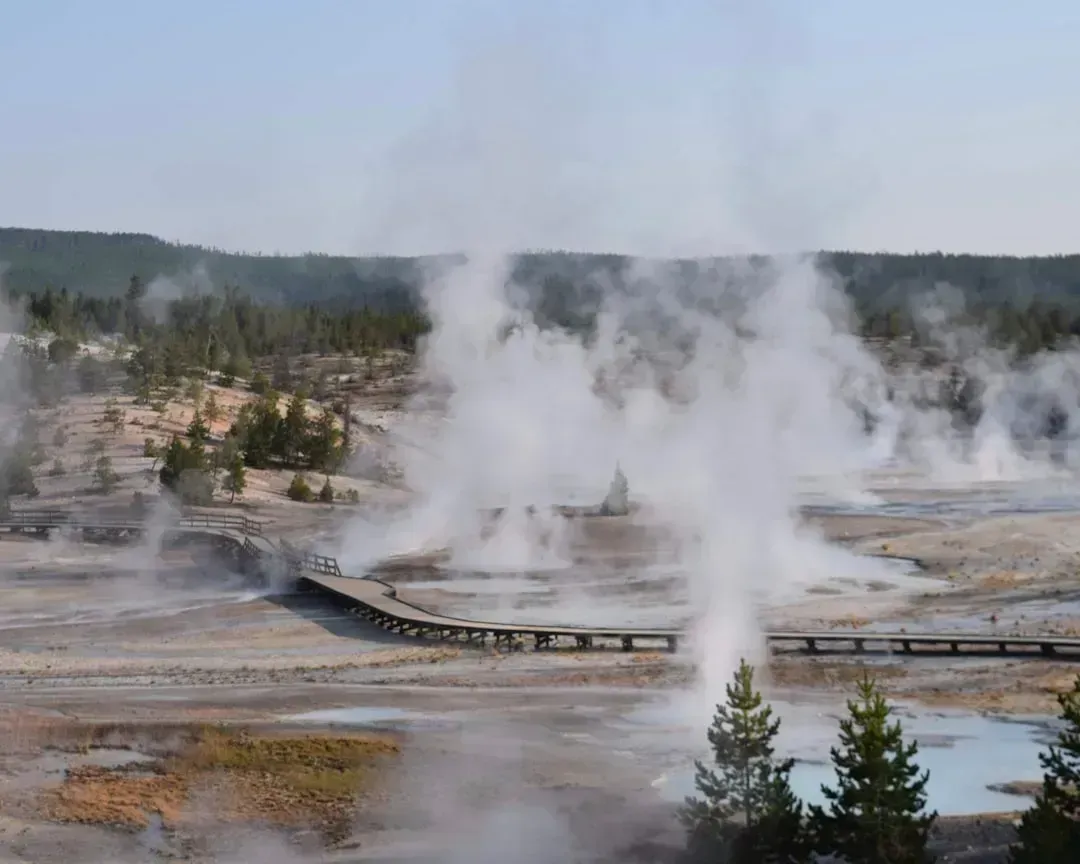
Diagrams of the water cycle in textbooks often show evaporation occurring over a large body of water, such as an ocean. The absence of other arrows indicating evaporation from living things, puddles, and the ground may lead to an incorrect conclusion about where evaporation occurs. This is one of the most persistent visual errors in science education, and it matters because it makes the water cycle feel geographically distant.
In reality, evaporation takes place from soil surfaces, puddles after rain, wet pavement, and even the surface of leaves. Many students believe that water evaporates only from bodies of water, perhaps due to common simplified visual models of the water cycle. Correcting this opens up a far richer picture of how water moves through local landscapes, not just across distant oceans.
2. Evaporated Water Simply Disappears
Young students often believe that when water evaporates, it ceases to exist, a belief that can persist into middle school years. This is more than a minor confusion. It reflects a deeper struggle with the idea that matter can be invisible yet still present, still measurable, still part of the system.
Before students understand that water is converted to an invisible form, they may initially believe that when water evaporates it ceases to exist, or that it changes location but remains a liquid, or that it is transformed into some other perceptible form (fog, steam, droplets, etc.). The truth is that water vapor is a real, physical substance occupying the air around us at all times. With special instruction, some students in fifth grade may be able to identify the air as the final location of evaporating water. For many students, difficulty understanding the existence of water vapor in the atmosphere persists into middle school years.
3. Plants Play No Role in Moving Water Into the Atmosphere
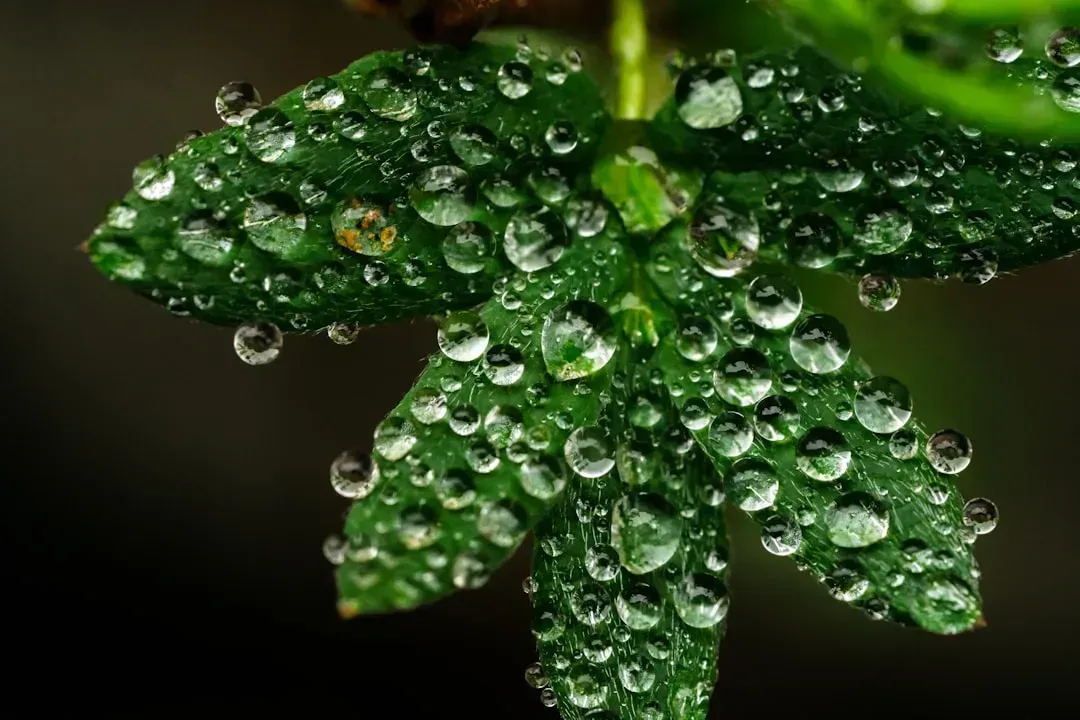
The classic school diagram rarely shows a plant doing much of anything except sitting under a rain cloud. Transpiration is difficult to observe with the naked eye because we can’t see the internal plant processes, nor can we see the water vapor being released from the leaves. As a result, transpiration is often forgotten when discussing the water cycle. Yet its contribution is substantial.
Approximately ten to fifteen percent of water vapor in our atmosphere comes from transpiration. The rest comes from evaporation, the process by which Earth’s surface water is lost to the atmosphere in the form of water vapor. To put a scale to that, an acre of corn gives off about 3,000 to 4,000 gallons of water each day, and a large oak tree can transpire 40,000 gallons per year. Forests, in particular, are active and powerful participants in the water cycle, not passive scenery.
4. Groundwater Is a Still, Underground Lake
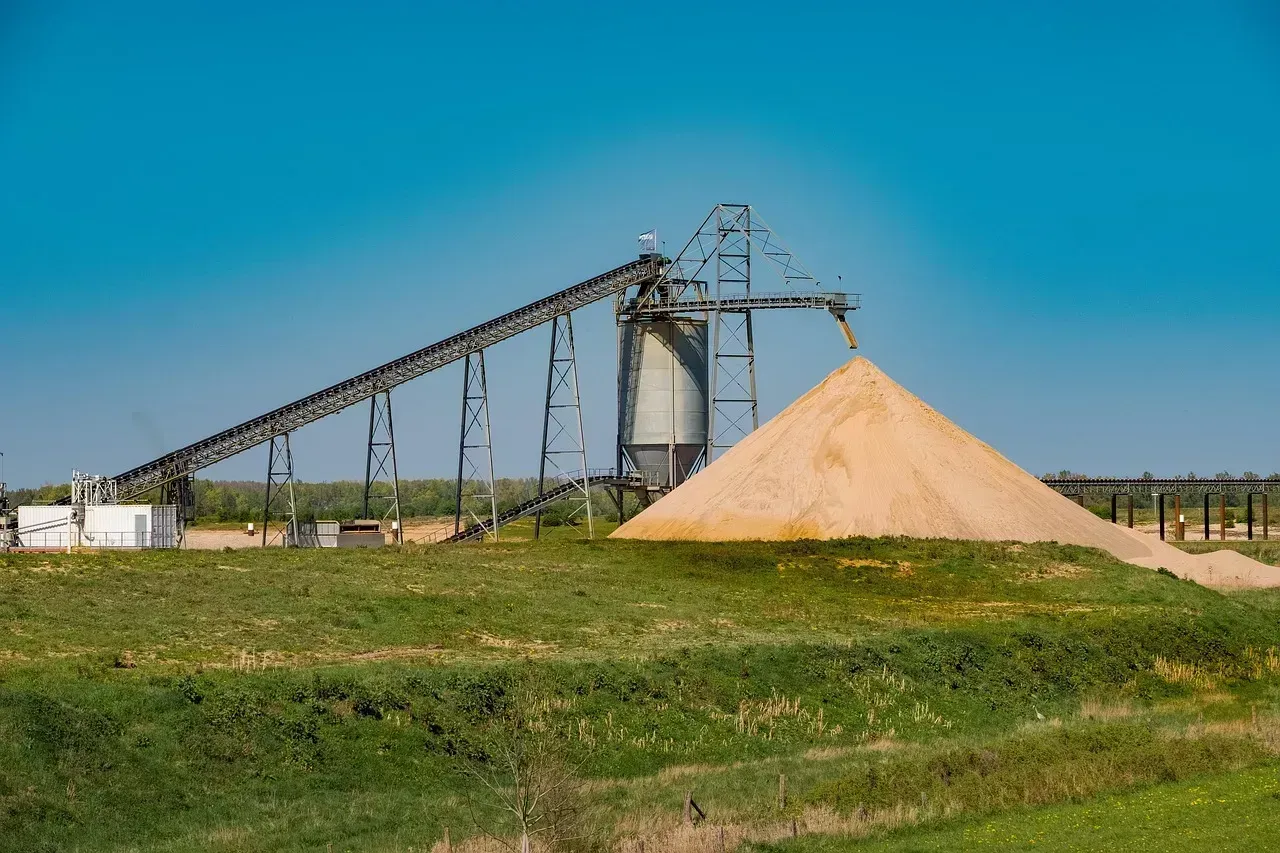
Most students in research studies held a perception of groundwater as static, subsurface lakes. The mental image tends to be a hidden reservoir sitting motionless beneath the earth, waiting to be tapped. A common misconception about aquifers is that they are underground rivers or lakes. While groundwater can seep into or out of aquifers due to their porous nature, it cannot move fast enough to flow like a river.
Water below your feet is moving all the time, but not like rivers flowing below ground. It’s more like water in a sponge. Gravity and pressure move water downward and sideways underground through spaces between rocks. Eventually it emerges back to the land surface, into rivers, and into the oceans to keep the water cycle going. The scale of this hidden system is staggering too. There is an immense amount of water in aquifers below the earth’s surface. In fact, there is over a thousand times more water in the ground than is in all the world’s rivers and lakes.
5. Clouds Are Vessels That Hold Liquid Water
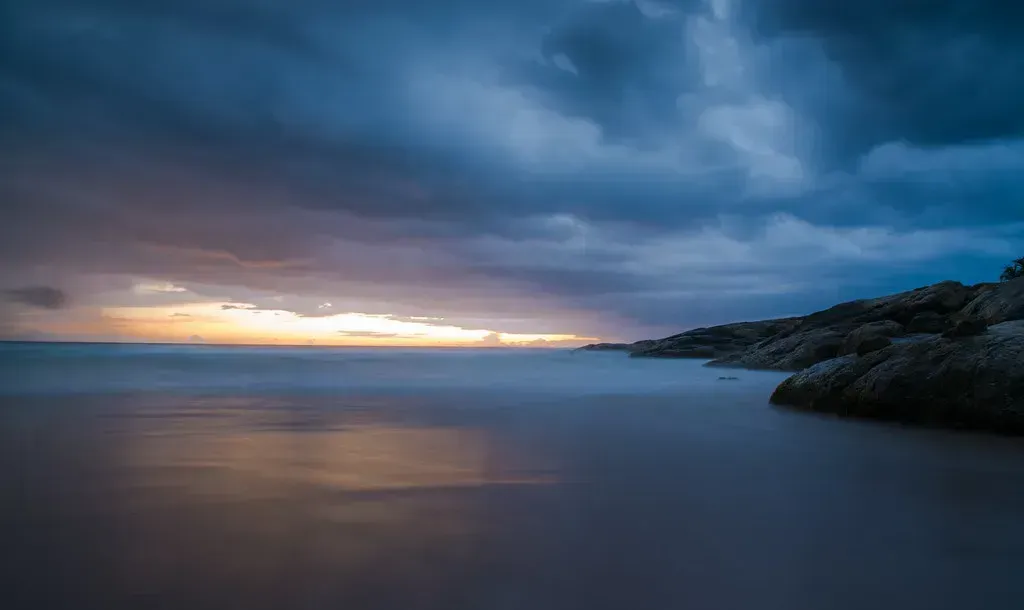
Clouds are like vessels that hold water – this erroneous belief is held by more than forty percent of students surveyed in grades six through eight, according to large-scale questionnaires published by the American Association for the Advancement of Science. The idea of a cloud as a kind of floating container is intuitive, but it misrepresents the physics of what clouds actually are.
Clouds are made up of enormous quantities of tiny water droplets or ice crystals suspended in air, not pockets of stored liquid waiting to fall. Students can understand rainfall in terms of gravity once they attribute weight to little drops of water, but the mechanism through which condensation occurs may not be understood until high school. The distinction matters because it changes how students understand precipitation itself. Rain doesn’t “spill” out of a full cloud. It forms when droplets collide, combine, and grow heavy enough that rising air can no longer support them.
6. The Water Cycle Has No Human Dimension
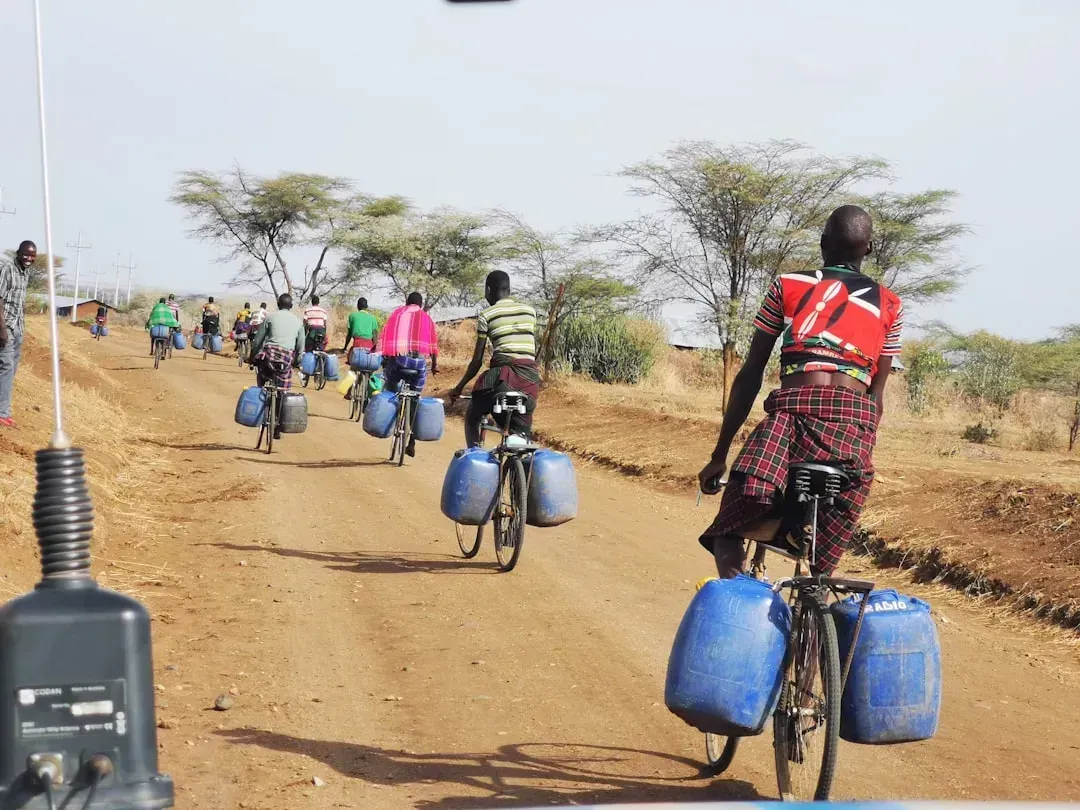
School diagrams have historically presented the water cycle as a pristine natural loop: ocean to cloud to rain to river, clean and untouched. Only about fifteen percent of water cycle diagrams include human interaction with water, although human freshwater appropriation amounts to about half of global river discharge, according to an analysis of 464 water cycle diagrams. That is a remarkable gap between what is taught and what is real.
Only two percent of the diagrams showed climate change or water pollution – two of the central causes of the global water crisis – which effectively conveys a false sense of water security. Teaching the water cycle without human influence isn’t just incomplete; it shapes how people think about water scarcity and policy well into adulthood. Understanding how water is recycled and redistributed from place to place is important for sustaining the health of our planet. Developing solutions to issues such as global warming, climate change, water usage, growing more food, and protecting wildlife is dependent upon this understanding.
The water cycle is genuinely one of the most consequential systems on Earth. The simplified version most of us were taught was a reasonable starting point for young learners, but it was always a sketch, not the full picture. As the science has become clearer, and as water stress has grown more urgent, the gap between what is taught and what is true has become harder to ignore. The good news is that the real version of the water cycle, with its sponge-like aquifers, transpiring forests, and deeply human footprint, is actually more fascinating than the textbook ever let on.

- Meteorologists Say These 9 Weather Signs Are Quietly Warning of Trouble - May 9, 2026
- 6 Things Schools Got Wrong About the Water Cycle - May 9, 2026
- 11 Winter Weather Mistakes People Keep Making - May 9, 2026
