
Weather data is only as valuable as the depth of its history. A single year of temperature readings tells you almost nothing. A century of daily observations, taken from the same spot, with the same methods, starts to reveal something genuinely profound about how a climate has shifted, what extremes look like, and what we might expect next.
The history of weather observations in the United States is older than the country itself, stretching from the early, rudimentary instruments employed by isolated clergymen in the 17th century to Jefferson’s ambitious vision of a national observing network. A handful of stations have managed to survive wars, funding cuts, institutional changes, and the march of technology without missing a beat. These are their stories.
1. Blue Hill Observatory, Milton, Massachusetts (1885 – Present)
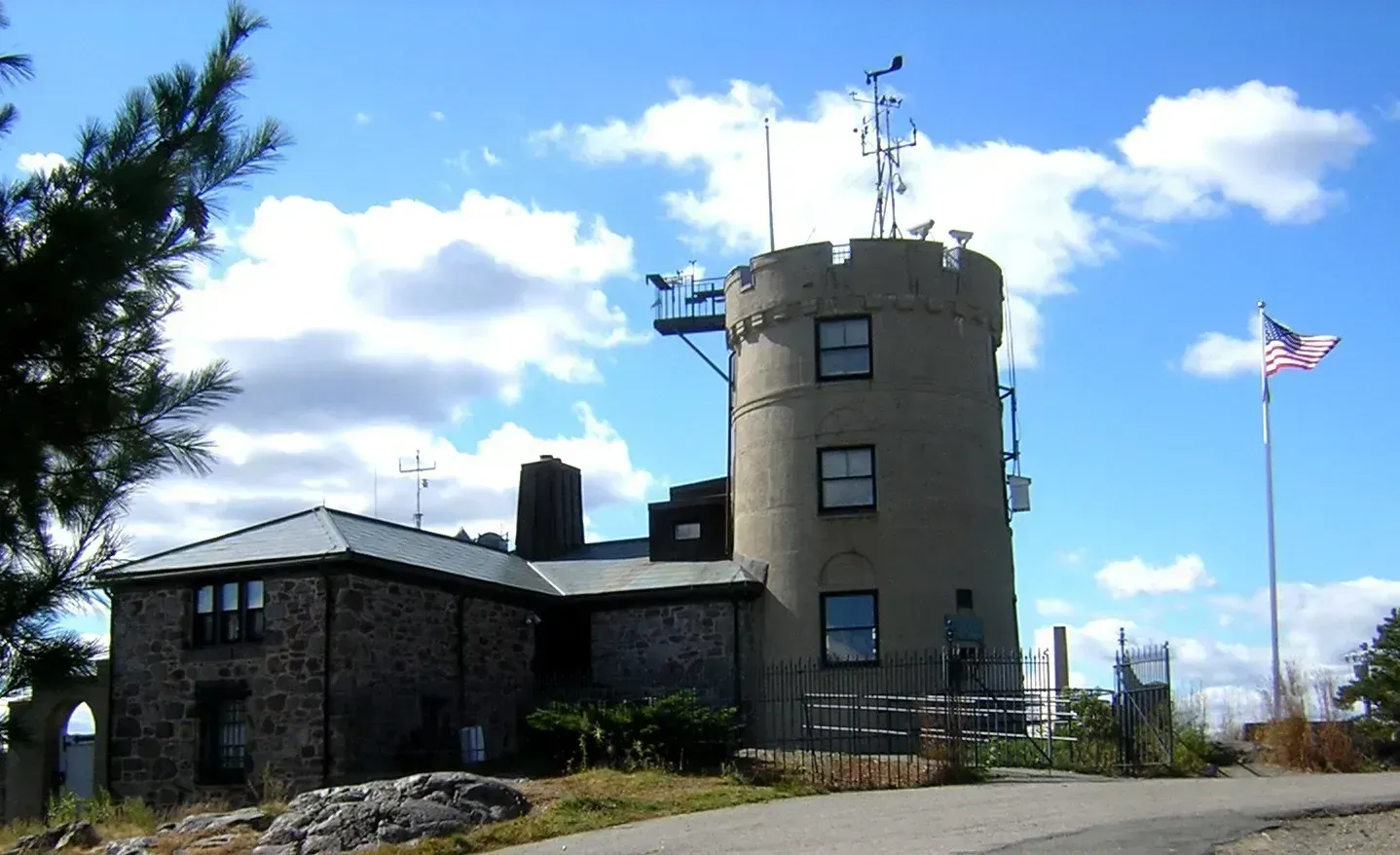
Located atop Great Blue Hill about 10 miles south of Boston, the Blue Hill Meteorological Observatory is home to the oldest continuous weather record in North America, and was the location of the earliest kite soundings of the atmosphere in North America in the 1890s, as well as the development of the radiosonde in the 1930s. Founded by Abbott Lawrence Rotch in 1884, the observatory took a leading role in the newly emerging science of meteorology and was the scene of many of the first scientific measurements of upper atmosphere weather conditions, using kites to carry weather instruments aloft.
The records clearly reflected the “global dimming” of the 1960s through the 1980s, when air pollution reduced the sunlight reaching the Earth, and data also showed that years with major volcanic eruptions had fewer clear days. NOAA designated the Blue Hill Observatory one of 26 International Benchmark stations within the United States, and the World Meteorological Organization designated it a Centennial Station in 2017.
2. Downtown Charleston, South Carolina (1738 – Present)
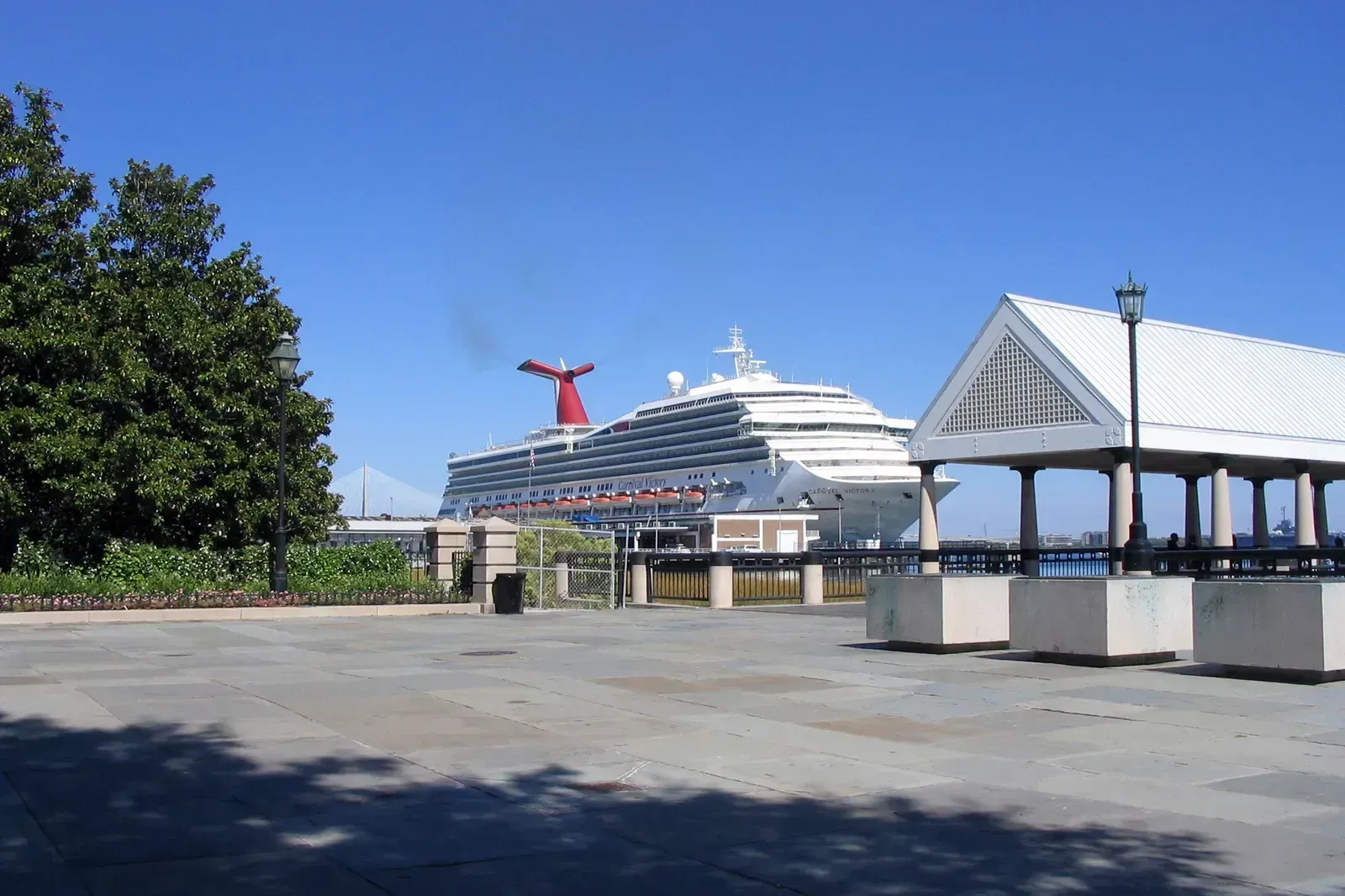
The observing station was identified as the second longest station record worldwide, with the first informal observations taken in 1738 by Dr. John Lining. The World Meteorological Organization recognized the Downtown Charleston climate site as a Centennial Observing Station in September 2020, and it is one of only eight stations in the country, and 234 in the world, to receive this designation.
This site has provided observations for many significant events, including the winter storm of February 1899, Hurricane Hugo in September 1989, and the October 2015 floods. Automated observations continue at the site today, which is located on the dock of the Charleston Branch Pilots’ Association on the south side of Waterfront Park. The station’s record stretches across nearly three centuries, making it one of the most remarkable climate archives anywhere on the planet.
3. Fairbanks Experiment Farm, Alaska (1904/1911 – Present)
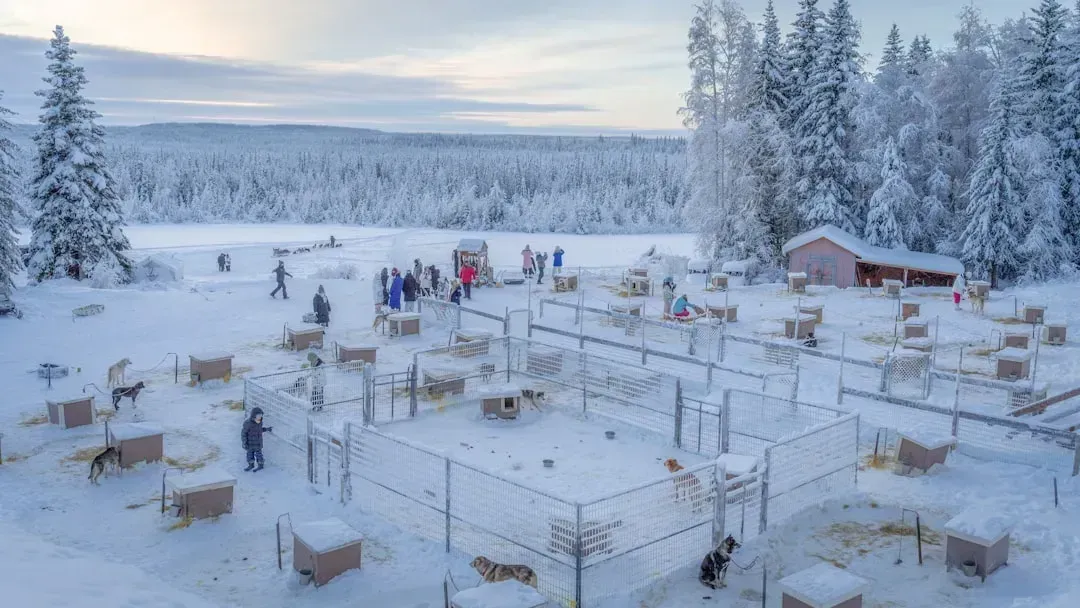
A small, fenced-in area at the Fairbanks Experiment Farm contains the longest continuously running weather observation station in Alaska, with the experiment farm beginning weather records on July 1, 1911, and keeping them ever since. The Fairbanks experiment farm took over weather duties from the Episcopal Church, which started taking observations in 1904, and the earliest records were signed by Episcopal priest Hudson Stuck.
Station managers have long noted that the places that haven’t moved much are so valuable when looking at climate records, and that the longtime observations are critical to understanding the changing environment. During the 1950s, the station moved for a couple of years to where the farm’s Georgeson Botanical Garden is now, but for most of its history it’s been within a few yards of its current location. That consistency is precisely what makes the record scientifically trustworthy.
4. Saint Johnsbury, Vermont (Pre-1900 – Present)
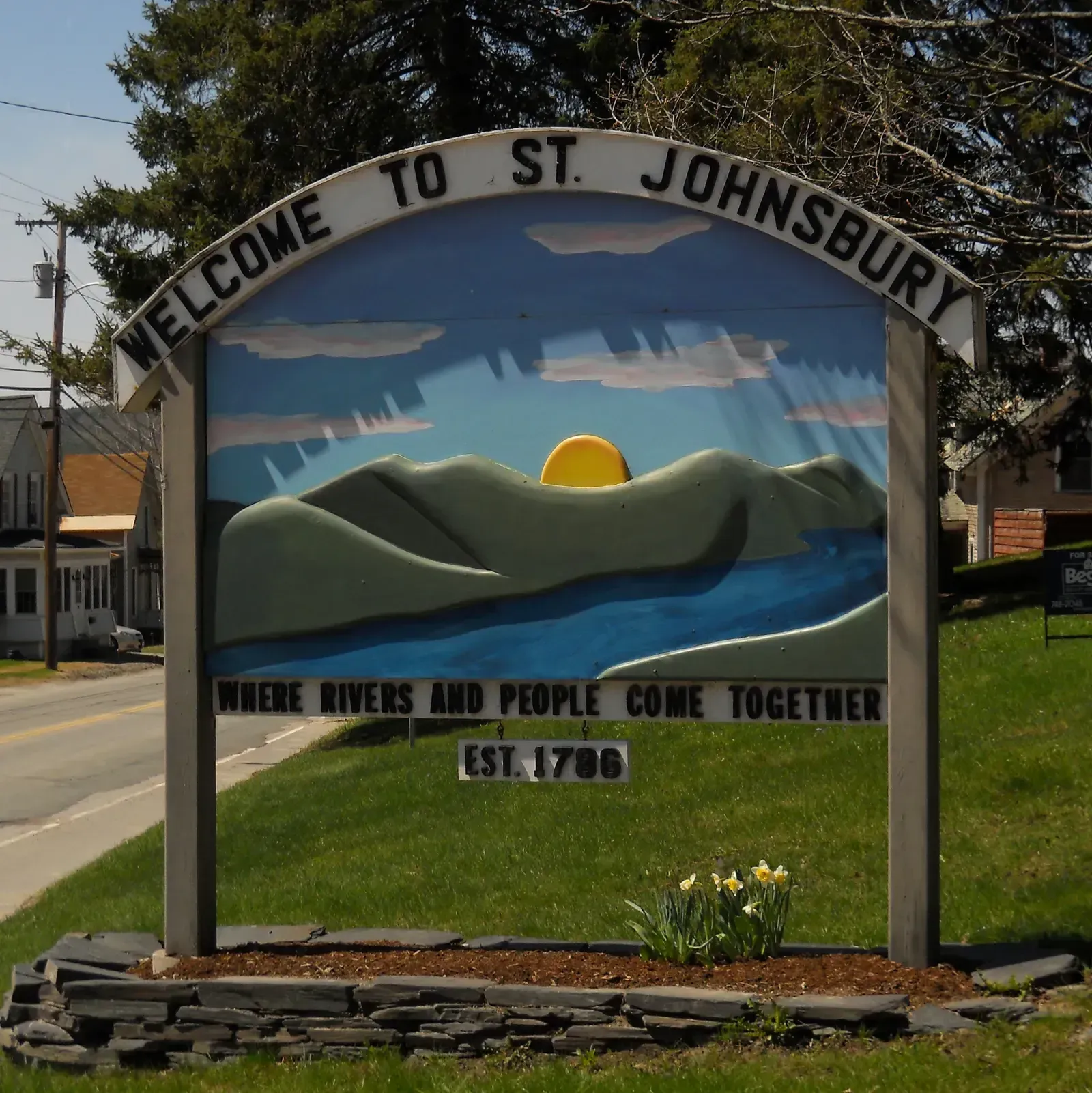
Saint Johnsbury, Vermont is one of the stations recognized by the World Meteorological Organization for long-term observing, alongside the Buffalo Bill Dam in Wyoming and Purdum, Nebraska. The Saint Johnsbury station is among the most notable cooperative weather stations in the northeastern United States, with records extending well back into the 19th century, capturing the full sweep of New England’s notoriously variable climate.
The data from Saint Johnsbury has documented everything from historic ice storm damage to the gradual warming of Vermont winters across modern decades. Long-term meteorological observations are crucial in serving the needs of current and future generations for long-term high quality climate records, and they are unique sources of past information about atmospheric, hydrologic, and marine parameters, which serve as references for climate variability and change assessments.
5. New Haven, Connecticut (1870s – Present)
New Haven’s weather record is one of the most detailed in New England, reaching back to the formal Signal Corps observation era in the early 1870s. The city’s location on Long Island Sound gives it a distinct coastal climate signature, with records capturing major nor’easters, coastal flooding events, and the seasonal extremes that define life in the Northeast. The highest temperature ever recorded in New Haven, Connecticut was 103°F, occurring on July 22, 2011, and the lowest recorded was minus 20°F on February 9, 1934.
That gap of more than 120 degrees between the extremes tells its own story about what New England can dish out. Cooperative Weather data of this kind are now used for a wide array of purposes including water and land management, recreation, environmental impact studies, litigation and insurance, energy production and use, engineering, architectural design and construction, and agriculture and farm management.
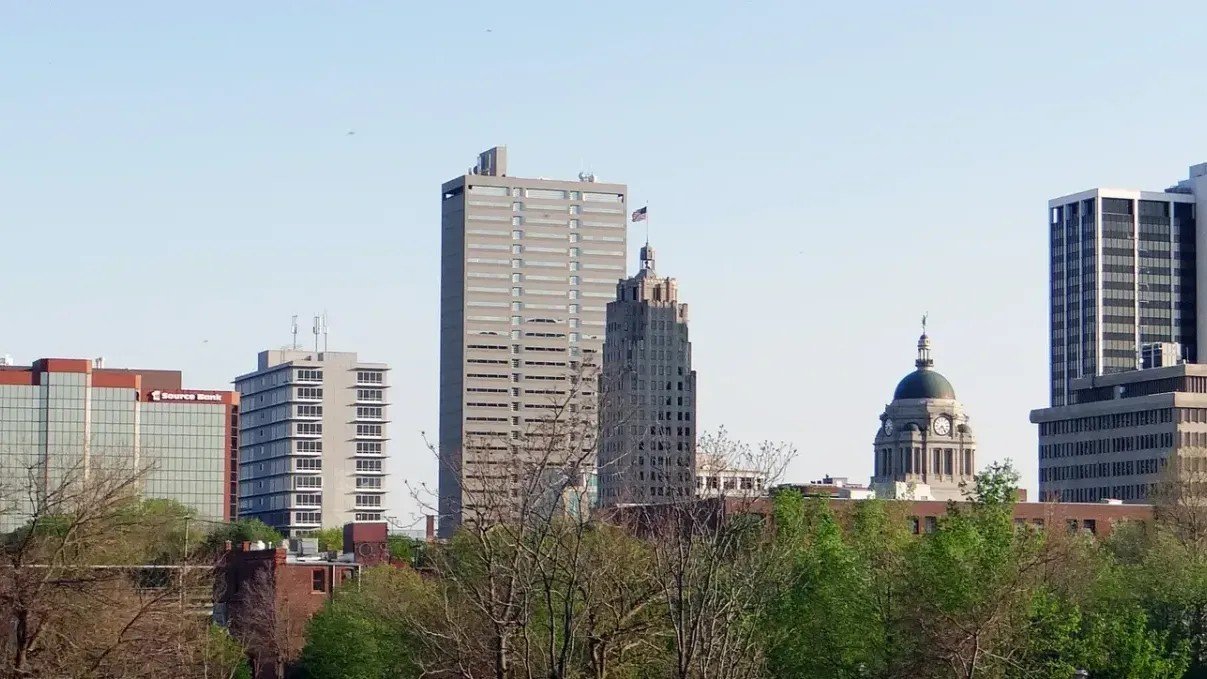
6. Fort Wayne, Indiana (1897 – Present)
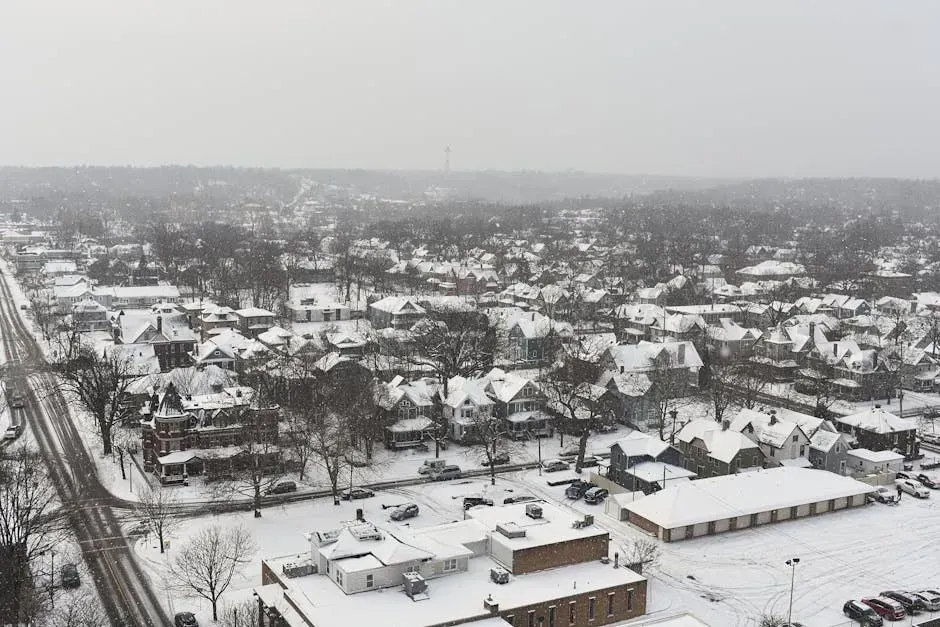
Fort Wayne, Indiana weather averages and records extend from 1897 through the present, based on data made available by NOAA. The station’s nearly 130-year record makes it one of the most comprehensive climate archives in the Midwest, capturing the seasonal extremes that define the Great Lakes weather corridor, from brutal Arctic outbreaks to late-season severe weather. The highest temperature ever recorded in Fort Wayne was 106°F on June 28, 2012, while the lowest was minus 24°F on January 12, 1918.
The Fort Wayne station also offers a window into how the surrounding region has changed over time. Temperature and precipitation records for Fort Wayne are unofficial for dates prior to May 1911, but the data going back to 1897 still represents one of the longer continuous urban climate records in the central United States. The station’s institutional history reflects the evolution of American meteorology itself, from a modest downtown office to a modern airport-based system.
7. Purdum, Nebraska (Pre-1920 – Present)
Purdum, Nebraska is among the WMO-honored stations alongside those at the Buffalo Bill Dam in Wyoming, Saint Johnsbury in Vermont, and the University of Alaska Fairbanks. Purdum sits in the Nebraska Sandhills, one of the largest stabilized dune systems in the Western Hemisphere, and its remote setting has actually worked in the station’s favor. With minimal surrounding development, the local climate signal has remained relatively uncontaminated by urban heat effects across its entire observational record.
The Sandhills region is critically important for Great Plains hydrology, and the Purdum record has helped researchers track long-term changes in precipitation patterns affecting the region’s fragile groundwater systems. Farmers, teachers, lawyers, doctors, and retirees are all among those who have contributed to cooperative observing programs like this one, and individual observers are usually long-time local residents of the area, which provides longevity and continuity of data.
8. Buffalo Bill Dam, Cody, Wyoming (Early 1900s – Present)
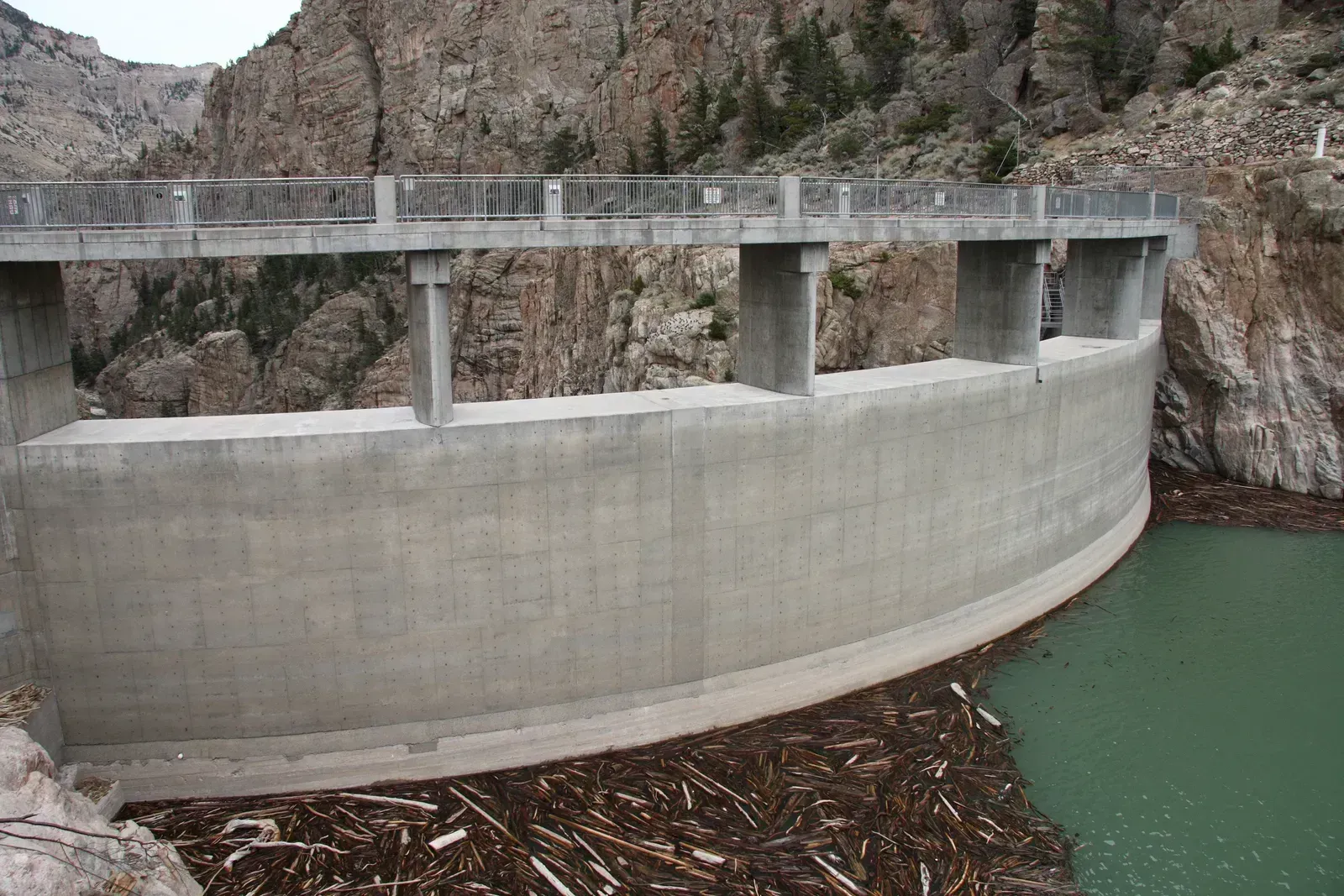
The station at the University of Alaska Fairbanks is one of four long-term observing stations in the United States that the World Meteorological Organization recognized, with the United Nations’ agency notifying the National Weather Service and the other stations to be recognized including the one at the Buffalo Bill Dam in Wyoming. Positioned near the eastern entrance to Yellowstone country, the Buffalo Bill Dam station occupies a narrow valley in the Absaroka Range, where mountain weather patterns compress into a microclimate unlike anything in the surrounding plains.
The station’s long record has been essential for managing water flow from the Shoshone River, one of Wyoming’s most important water sources. To highlight the importance of long-term records, the WMO has a mechanism to recognize centennial observing stations to promote sustainable observational standards and best practices that facilitate the generation of high-quality time series data. The Buffalo Bill Dam station is a quiet but essential part of that global mission, far from any major city, doing the unglamorous work of showing up every day.
Why Continuity Is Everything in Climate Science
Since recordings at long-running stations are obtained from the same site with virtually no environmental change, they provide an important index to climate change, and this information is of special importance in an age where so many weather records are flawed by environmental and procedural changes, and by repeated moves of the observing site over a number of years. A station that has moved, changed instruments without calibration, or altered its observation schedule effectively breaks the chain of comparison that makes long records valuable.
Stations could switch to modern technologies, but sticking with the old ways reduces variables that could affect the data, giving the long records a consistency that scientists love. Centennial Observing Stations provide quality-controlled, long-term meteorological observations that are not only vital for weather forecasting, but also for understanding the variability and change of Earth’s climate. In a field where a few degrees of difference can have enormous consequences, the patient, repetitive discipline of these stations is anything but ordinary.

