
Picking a place to live used to come down to jobs, schools, and cost of housing. Increasingly, though, a fourth factor is making its way onto the checklist: natural disaster risk. Billion-dollar disasters are becoming more frequent due to climate change, and in 2024 there was less than two weeks between such events, compared to nearly two months in 1981. That shift is hard to ignore when you’re deciding where to plant roots.
Natural disasters caused more than $25 billion in damage in 2024 alone, and a recent report found that nearly 44.8 percent of American homes are at risk of extreme weather exposure, including intense heat, wind, floods, and wildfires. Still, some corners of the country remain genuinely well-shielded from the worst of it. The places listed here have earned their low-risk reputations through geography, policy, and track record alike.
Columbus, Ohio: The Quiet Anchor of the Midwest
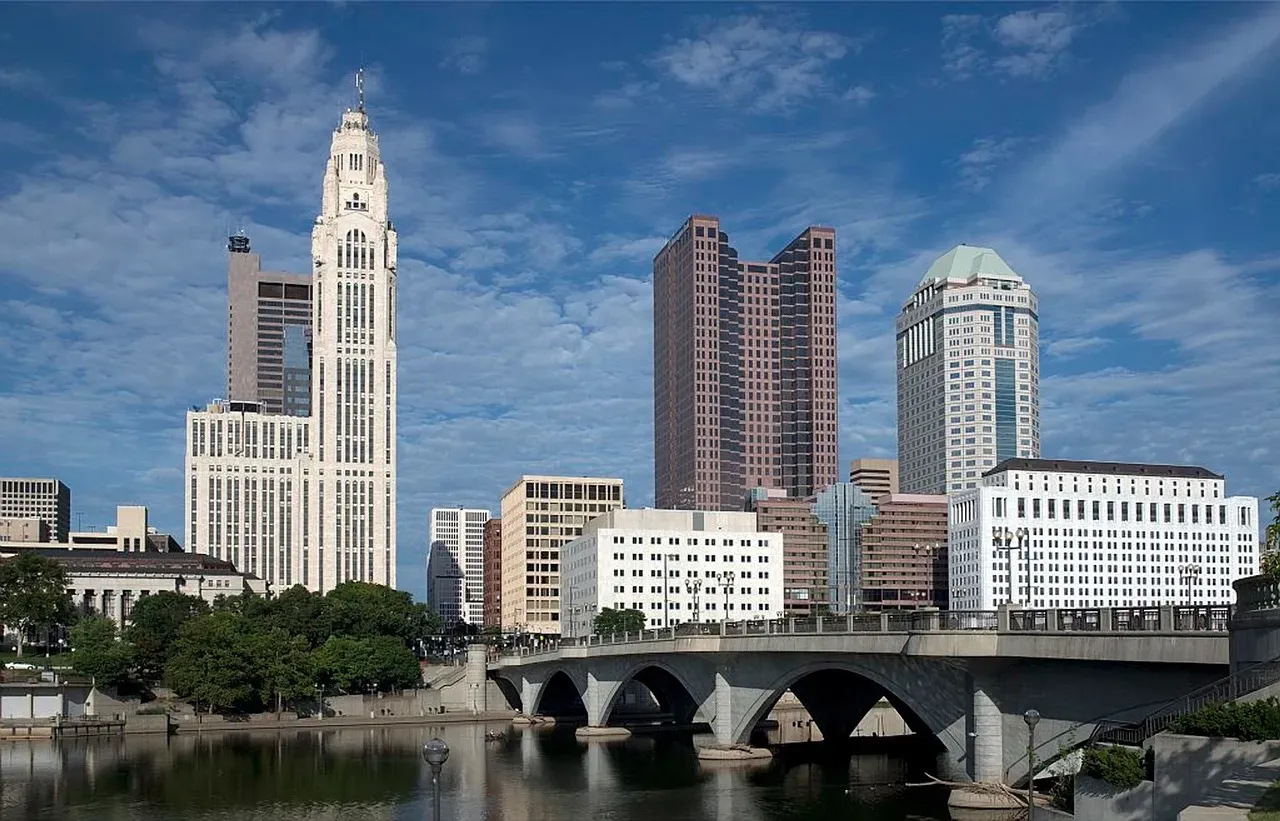
According to the 2024 Housing and Climate Risk report by Realtor.com, Ohio stands out as a dominant force in safety from natural disasters, with six of the top ten safest cities in the United States located in Ohio. Columbus sits near the center of that picture. Ohio has a relatively mild climate without the extreme heat, wind, flood, or wildfire risk seen in other parts of the country.
When viewing FEMA’s National Risk Index Counties visualization, Ohio has no counties in the “Relatively High” or “Very High” categories, with most counties falling in the “Relatively Low” and “Very Low” categories. The geography of Ohio is such that it is situated in a fertile nook in the Midwest, far enough from coasts and active faults to avoid most risk of hurricane damage or earthquakes. For a major metro area, that combination of low exposure across multiple hazard types is genuinely rare.
South Burlington, Vermont: Small City, Serious Credentials
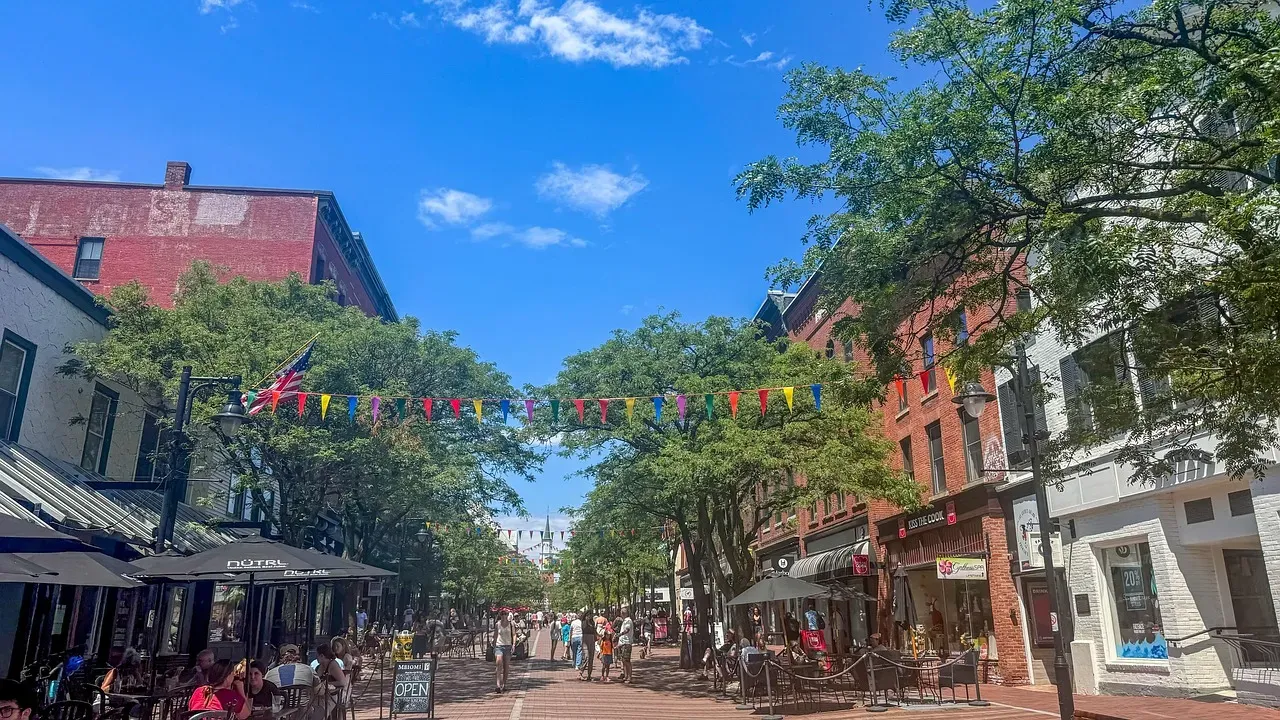
The city of South Burlington, Vermont, home to Vermont’s one major airport, Lake Champlain sunsets, and 20,000 residents, was deemed the Safest City in America by WalletHub in its 2024 Safest Cities in America list. Its natural disaster profile is a big part of that ranking. The city holds the 14th-lowest risk of flooding, 21st-lowest risk of tornadoes, and 31st-lowest risk of wildfires among the cities assessed.
Vermont is rated the best state for climate change thanks to a climate profile that largely avoids extremes, and since 1953 it has experienced only 45 federally declared natural disasters, earning it the rating of least vulnerable state for climate risk. Burlington was one of the first U.S. cities to run entirely on renewable electricity, and these proactive measures go hand in hand with lower homeowner insurance costs, which average around $1,263 in Vermont annually. The cost savings alone make it worth a closer look.
Pittsburgh, Pennsylvania: The Low-Risk Major City
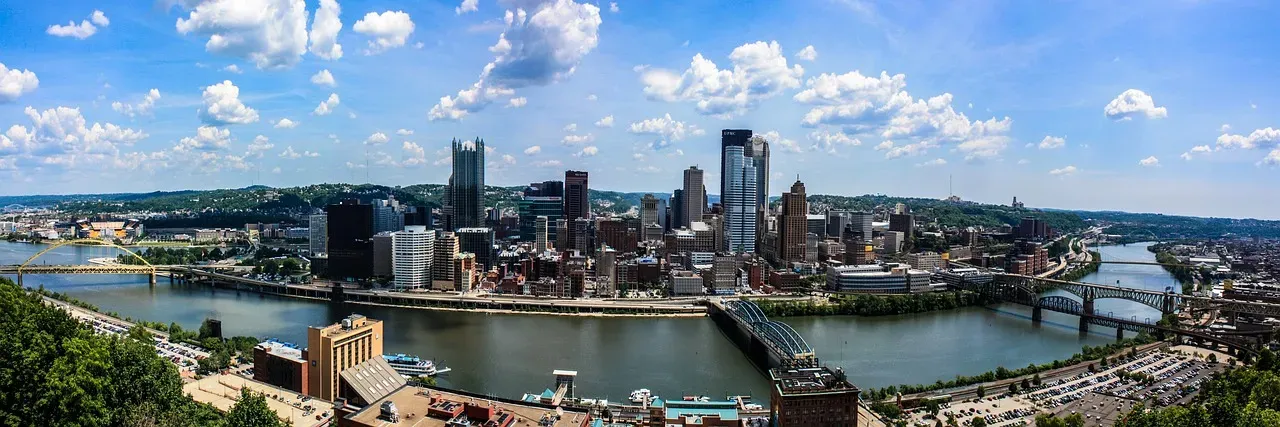
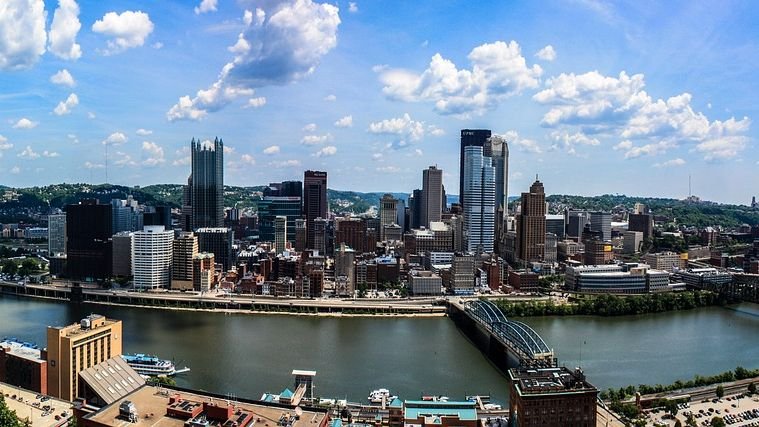
According to FEMA’s Risk Index, Pittsburgh is the lowest-risk major city in the country, with only very low and relatively low risk levels across its metro area. That’s a striking distinction for a city of its size and history. Pittsburgh’s three-river confluence has a history with flooding, but modern levees, pump stations, and green infrastructure projects have reduced typical impacts in developed districts, and its hilly topography lifts many residential blocks out of the lowest risk zones.
The city’s tree canopy remains one of the more extensive among large interior metros, and summers bring fewer extreme heat days than many East Coast peers at the same latitude. Transit options, bike lanes, and short trip distances reduce heat-trapping traffic on central corridors, while a diversified economy and strong hospital systems add another layer of resilience for families looking long term. Pittsburgh often flies under the radar in these conversations, which may be the point.
Syracuse, New York: Upstate’s Hidden Safe Zone
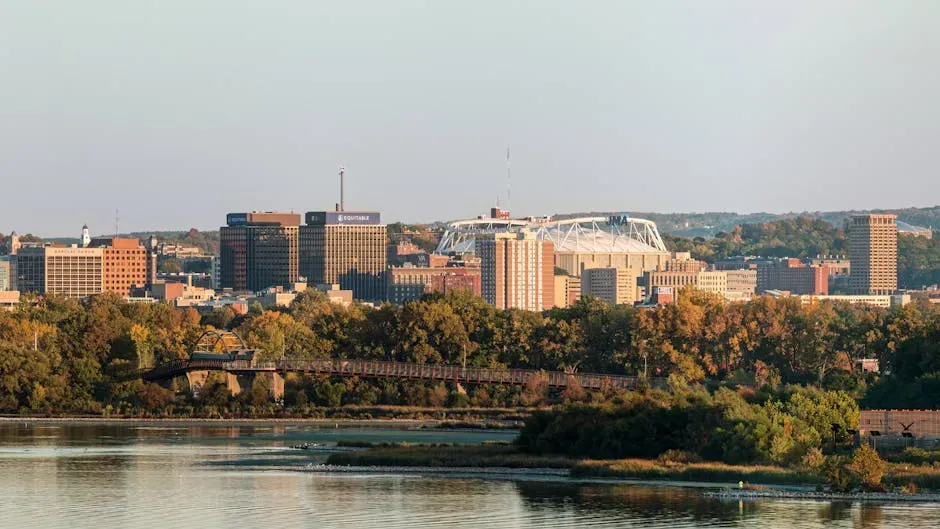
Syracuse ranks among the safest cities in the U.S. for avoiding natural disasters, as upstate New York rarely experiences disastrous tornadoes, hurricanes, earthquakes, or wildfires, and while the city may see heavy snowfall and blizzards, it has the necessary measures to manage snow and ice. Syracuse is located in a pocket of upstate New York that simply doesn’t see much in the way of natural disasters, with little flooding, no wildfires, no hurricanes, no earthquakes, and no tornadoes.
The Syracuse Regional Airport Authority won an aviation award in 2025 for effective snow and ice control after the airfield was closed for just three hours over an entire winter season despite 18 significant snowfall events, and in a nation plagued by natural hazards, Syracuse has managed to remain a low-risk zone. Beyond its safety from climate disasters, Syracuse’s affordable housing and top-tier schools make it stand out as a particularly livable city. Heavy winters are real, but manageable, and the trade-off in disaster risk is hard to argue with.
Casper, Wyoming: Mountain Town With Surprisingly Low Risk
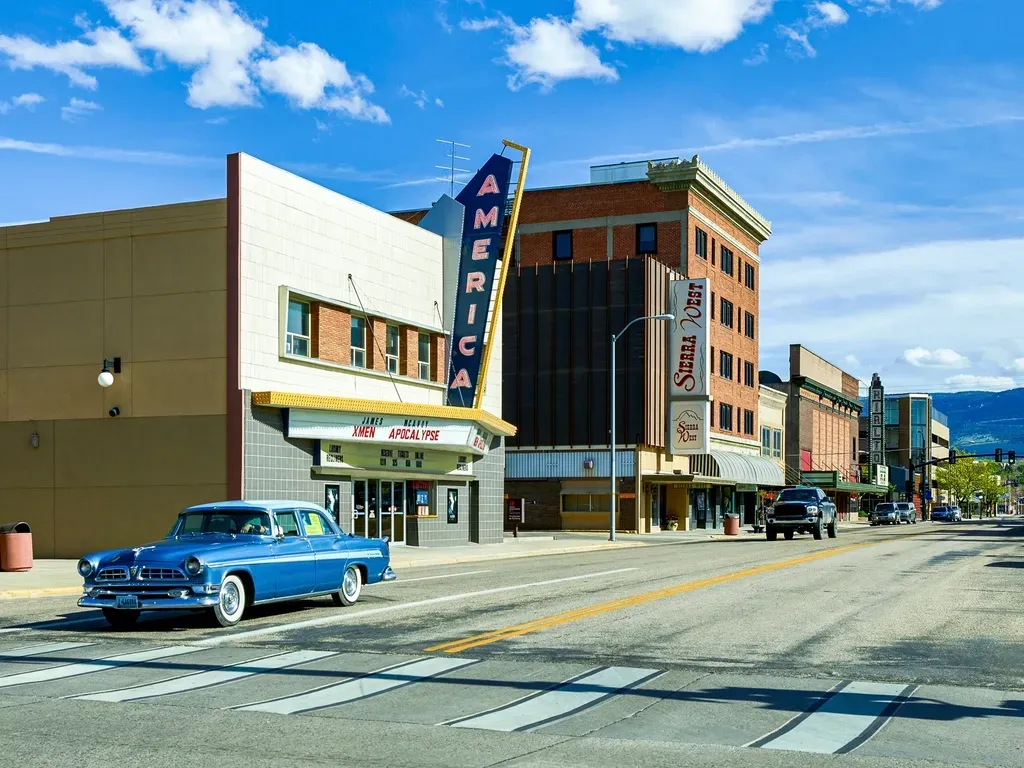
In addition to its ranking among cities with the lowest risk of natural disasters, Casper ranked as the second-safest city overall in the U.S., topped only by South Burlington, Vermont, in the overall ranking across all metrics. The numbers behind that placement are concrete. Casper has the sixth-lowest risk of hail, 20th-lowest risk of flooding, 24th-lowest risk of tornadoes, and 32nd-lowest risk of earthquakes among all assessed cities.
This outdoorsy mountain community on the North Platte River benefits from safe roads, and Casper is the second-safest city for walking alone at night and fourth-safest for walking alone during the day, according to studies by Numbeo. It’s a small city with a quiet lifestyle, wide-open terrain, and the kind of geological calm that larger metros rarely enjoy. For people who want space and low risk in the same package, Casper is hard to beat.
Cleveland, Ohio: Great Lakes Protection at Work
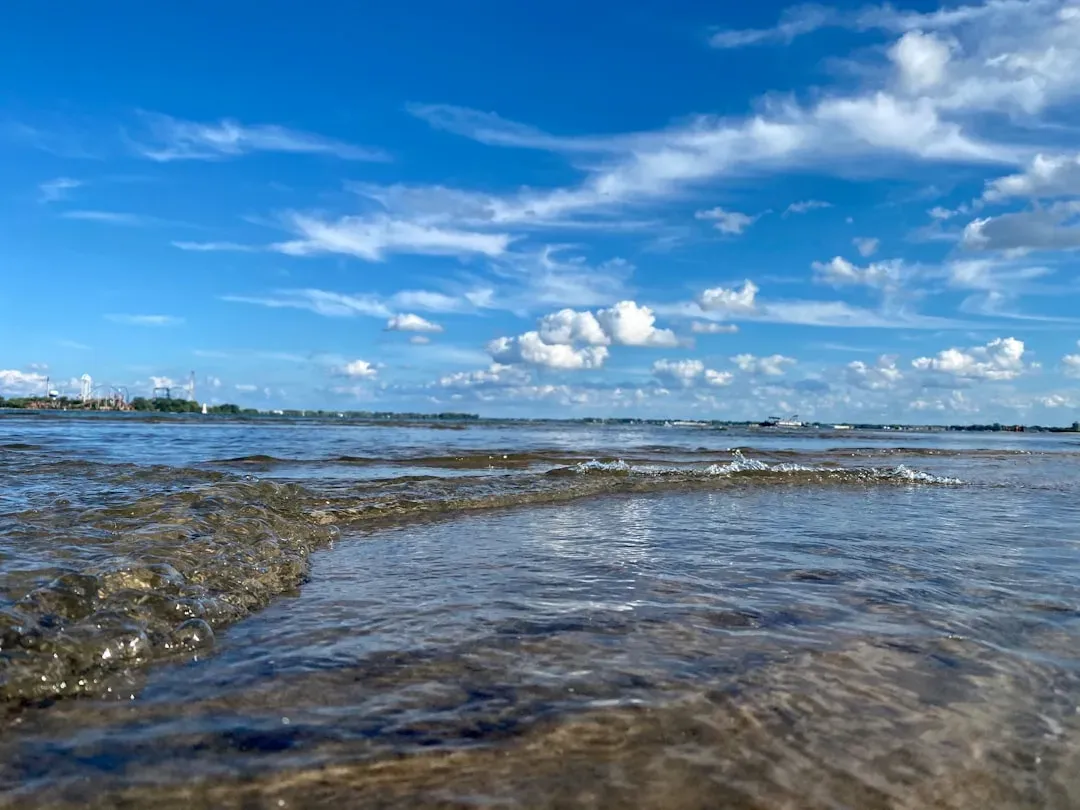
Nestled on the southern shore of Lake Erie, Cleveland, Ohio has very few natural disasters, with the state recording only 21 calamities from 2004 to 2024. That’s a remarkably thin disaster ledger for a metro area of its size. Besides a few storms that cause some wind and rain damage, Cleveland hasn’t seen any major natural disasters.
Among Ohio’s major cities including Akron, Cleveland, Columbus, Cincinnati, Dayton, and Toledo, roughly 82 to 91 percent of homes are in the lowest risk category for natural disasters. The Great Lakes region generally acts as a geographic buffer, moderating temperature extremes and sitting well away from hurricane paths, active fault lines, and wildfire corridors. Ohio has a relatively mild climate without the extreme heat, wind, flood, or wildfire risk seen in other parts of the country. Cleveland’s affordability adds an extra argument for relocation-minded households.
Madison, Wisconsin: Climate Smart and Inland Safe
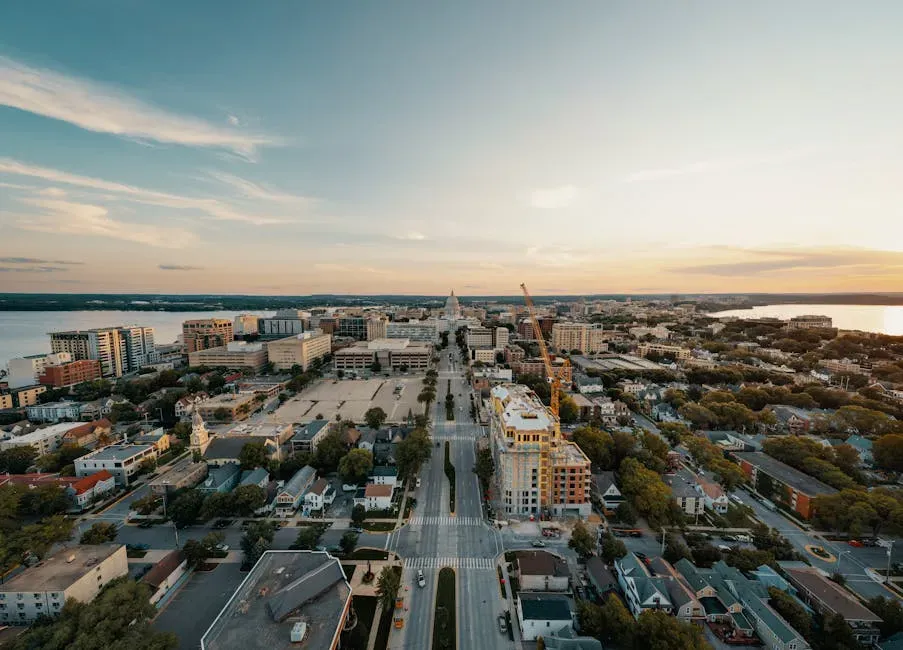
Wisconsin’s inland location protects it from many of the extreme climate events that plague other states. Madison, the state capital, benefits from that positioning in notable ways. Madison benefits from a chain of lakes and a balanced climate that produces fewer severe heat days than many Midwestern peers, and its neighborhoods are dotted with parks and trails, which keeps the heat index more comfortable on summer afternoons.
Madison’s city council voted unanimously to adopt its 2024 Sustainability Plan, which aims to cut climate pollution and improve residents’ well-being through 24 goals spanning quality housing, resilient infrastructure, renewable energy, and clean water. Milwaukee’s example shows how communities back Wisconsin’s climate policies by pursuing green infrastructure strategies to curb urban flood risk, and Wisconsin’s participation in FEMA’s Community Rating System has helped lower flood insurance costs for homeowners in designated areas. Madison carries that same institutional commitment forward.
Washington, D.C. Area: Low Risk in a High-Profile Location
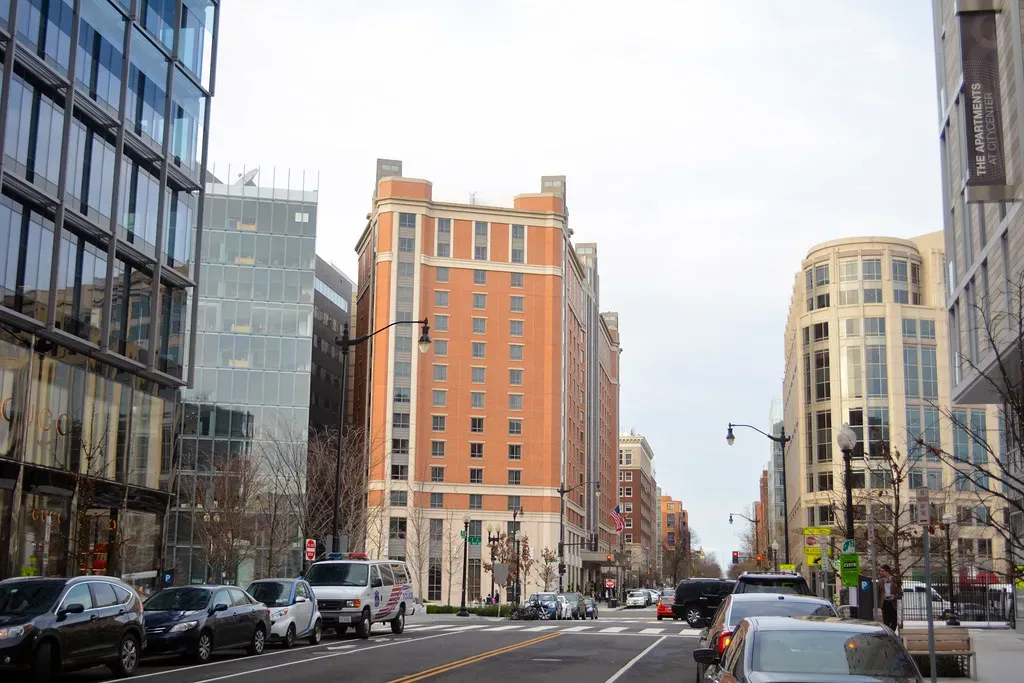
Downtown Washington, D.C. has an extremely low risk of flooding and wildfire, and the area’s average homeowners insurance premium is just under $1,400 per year. That low insurance cost is partly a direct reflection of the reduced hazard exposure in the region. Other low- and medium-risk regions of the United States for natural disasters include Northern Virginia and parts of Maryland, Delaware, and Washington, D.C.
Through FEMA’s Risk Index lens, much of the Northeast quadrant of the country is lower risk, with exceptions on the coast and in some of the mountains. The D.C. area sits comfortably within that safer zone, removed from Gulf Coast hurricane tracks and far from seismically active regions. FEMA’s Risk Map ranks every county and Census tract in the U.S. based on how likely a natural disaster is, how socially vulnerable the population is, and how resilient the community might be, factoring in a wide range of natural hazards including hurricanes, floods, drought, winter storms, extreme heat, earthquakes, and more. By most of those measures, the D.C. metro region holds up well.
No city is fully insulated from the unexpected. Even low-risk cities periodically experience devastating climate events, and it takes only a single unexpected wildfire, storm, or severe weather event to rewrite a city’s safety reputation, as Western North Carolina discovered after Hurricane Helene in 2024. The places on this list aren’t promises. They’re odds, and right now, the odds favor them considerably over most of the rest of the country.

