
For electric vehicle owners who’ve watched their estimated range plummet during winter months, the arrival of warmer weather feels like a genuine relief. As the thermometer climbs, many drivers notice their EV stretching further on a single charge – and that’s not just wishful thinking. There’s real science behind why mild and warm conditions unlock better battery performance, and understanding that science can help you get even more out of every kilowatt-hour.
That said, warmth is not a magic wand. Push temperatures into extreme territory and you’ll find a new set of efficiency challenges waiting. The sweet spot is real, and so are the practical strategies that let drivers take full advantage of it. Here’s what the data actually shows – and what you can do about it right now.
Why Warmer Weather Genuinely Boosts EV Range
Generally, EV batteries perform better in warm weather, largely due to the lower air density compared to cold air. Lower air density means less aerodynamic drag, which directly reduces the energy the motor must expend to push the vehicle forward. This is a physics benefit that no amount of software optimization can replicate in cold, dense winter air.
The most economical energy efficiency for EVs is achieved between roughly 22°C and 25°C (about 72°F to 77°F). Energy consumption increases as conditions deviate from this temperature range. That moderate window represents the sweet spot where battery chemistry functions smoothly, cabin climate demands are minimal, and the air outside offers the least resistance to forward motion.
The Cold Weather Penalty: Understanding What You’re Escaping
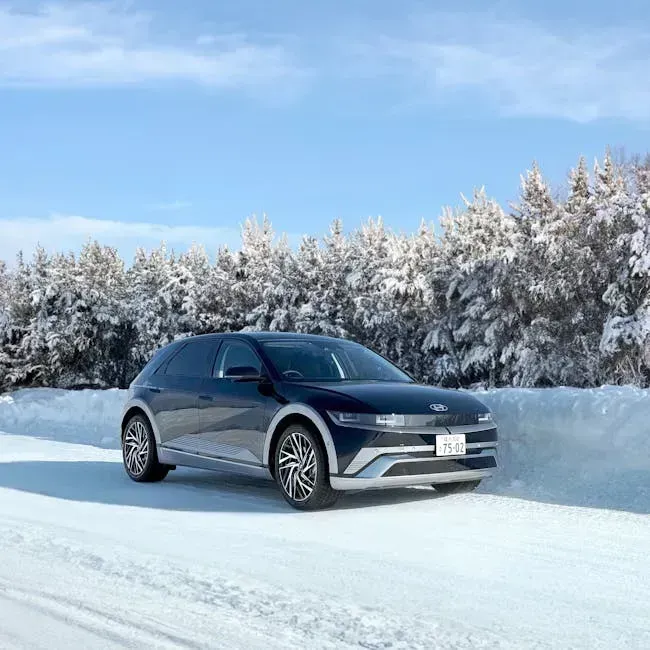
To appreciate what warm temperatures offer, it helps to understand what cold takes away. The chemical reactions that enable battery function slow significantly in low temperatures, reducing energy flow. At the same time, physical processes within the battery encounter increased resistance, which further diminishes its ability to deliver power efficiently. This is a fundamental electrochemical problem, not a manufacturing flaw.
AAA’s latest research found that hot temperatures reduced EV range by an average of 8.5%, while cold weather cut vehicles’ range by a significant 39%. That asymmetry is striking. Consumer Reports’ four-season testing of several EVs revealed that winter cold results in the shortest range, followed by mild temperatures – and it was on a typical summer day of sunny, humid weather in the mid-80s that they saw the longest range, despite using air conditioning.
The Best and Worst Places (and Times) to Drive an EV
Vaisala’s Xweather team analyzed over 14 billion data points to discover how weather and road conditions affect EV range across the contiguous U.S. over the course of a year, from March 2024 to February 2025. The findings were illuminating. The best time and place to drive an EV in that 12-month period was August 4, 2024, in New Mexico. With warm weather and little wind, the state’s average elevation of 4,700 feet caused lower drag from lower air density, which saw the average EV range soar to 18% above the median.
The worst range performance was seen in North Dakota on January 20, 2025, where extreme cold saw the median range drop 59%, a full 77% below New Mexico’s high point. By May, EV range rose above average across much of the country, with New Mexico, Arizona, and the Southeast seeing the best conditions, as warmer temperatures reduced air resistance and improved efficiency.
When Heat Becomes a Liability: The Extreme Summer Trap
Warmth is beneficial – up to a point. When temperatures soar too high, the battery performance benefits drop because drivers have to use power to cool down the battery and cabin. At 95°F with HVAC operation, battery EVs exhibited average reductions of 17% in both combined driving range and MPGe. So the advantage of warm weather can reverse itself when summer gets serious.
While cold can reduce performance temporarily, excessive heat can cause permanent degradation. Prolonged exposure to high temperatures – especially above 85°F (29°C) – accelerates the breakdown of battery chemistry and internal components. Many EV drivers notice a drop in range during summer not because of the battery itself, but because of additional energy use. Air conditioning, thermal systems, and higher tire pressure from heat all contribute to reduced efficiency.
Precondition Your EV While Plugged In
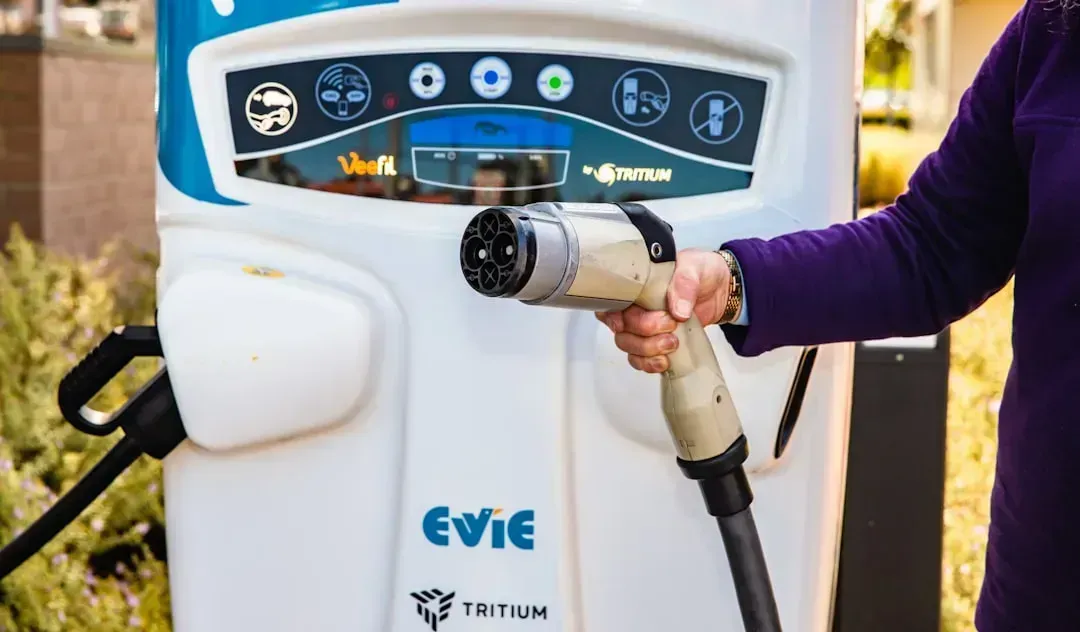
One of the highest-impact habits any EV driver can adopt – in any season – is preconditioning. Before you start, precondition your electric vehicle while it’s still plugged in, which tells your car to turn on the air conditioning before you start your drive, saving battery. Preconditioning can often be done remotely through your smartphone app or from the vehicle’s dash, and the benefit is that it helps the car reach a comfortable cabin temperature using power from the grid rather than draining the battery once on the road – which can save meaningful EV range, as climate control systems draw a lot of power.
When your vehicle is plugged in, the battery’s thermal management system can also keep the batteries cool, helping prolong battery life in the long-term. In summer specifically, this means you start every drive with a cooled cabin and a battery that isn’t already thermally stressed. Preconditioning the cabin while the vehicle is charging can substantially mitigate range reduction under extreme weather conditions by lowering the HVAC system’s transient energy demands once on the road.
Speed and Aerodynamic Drag: The Highway Factor
Warm weather reduces the air density working against your car, but it doesn’t cancel the physics of speed. Air resistance increases proportionally to the square of speed – if speed doubles, air resistance quadruples. This means your car has to work much harder against the wind with just small increases in speed. This effect is amplified on the highway, where there’s no regenerative braking to offset it.
Above about 60 to 65 mph, aerodynamic drag ramps up quickly. Running at 75 to 80 mph can easily cost 15 to 25% of your range compared with staying closer to the speed limit. If you’re trying to maximize range, hold a steady pace and consider dropping your cruise speed modestly on long highway stretches, since hard acceleration and repeated speed swings cost range.
Master Regenerative Braking, Especially in the City
Warm temperatures make a real difference to regenerative braking efficiency. Cold batteries limit how much energy a car can recapture during deceleration, but in mild conditions that constraint relaxes. Regenerative braking recovers some energy that would otherwise be lost as heat during braking, especially in stop-and-go driving, though the size of the benefit varies by route, speed, temperature, and vehicle.
Anticipating stops and avoiding hard braking helps recover more energy, adding extra miles to your drive due to the car’s ability to capture energy from slowing down back into the battery. Smooth acceleration alone can improve efficiency by roughly 10 to 15% in city driving. The combination of gentle acceleration and early, gradual deceleration turns city commuting into a surprisingly efficient activity.
Tire Pressure, Roof Racks, and the Little Things That Add Up
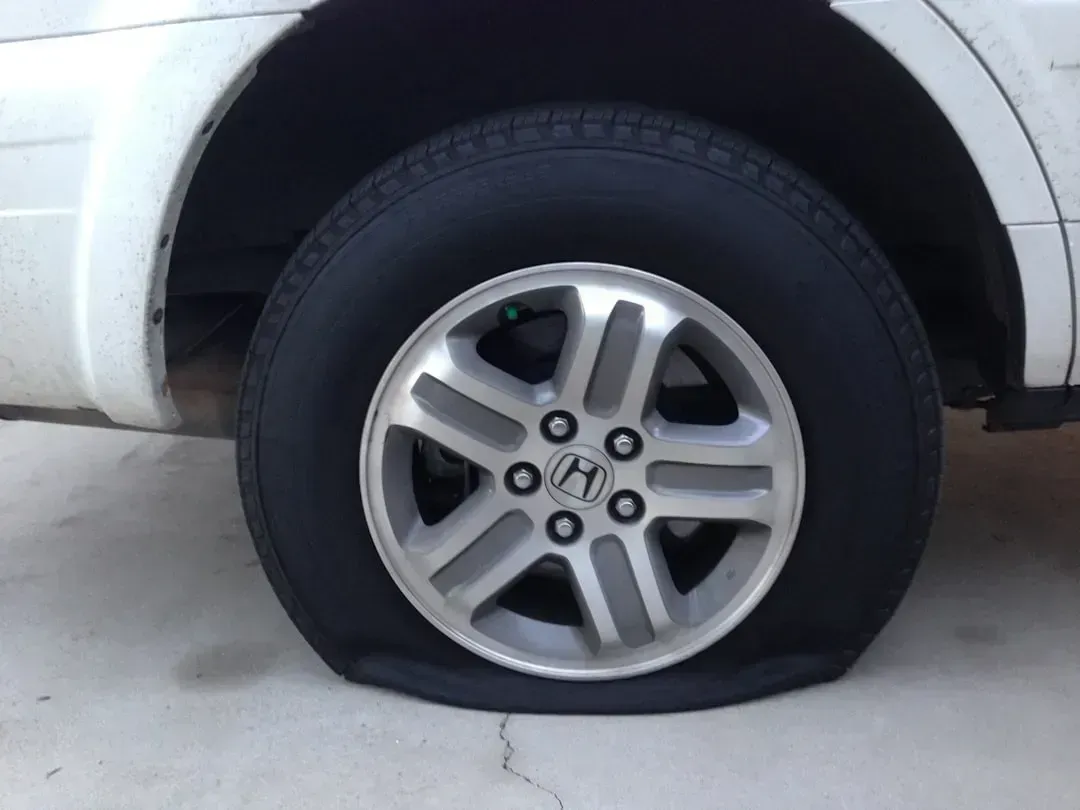
Beyond temperature and speed, a handful of often-overlooked factors can quietly chip away at range throughout the warmer months. Underinflated tires increase rolling resistance and reduce range, and proper tire pressure alone can improve range by up to 5% while also enhancing safety. Worth noting: tires can gain pressure in the heat and lose it as temperatures drop overnight, so checking them regularly is especially relevant during seasonal transitions.
Roof racks, cargo boxes, and heavy items all reduce efficiency, and aerodynamic drag from roof accessories can cut highway range by 10 to 20%. If you loaded up a roof box for a ski trip and haven’t taken it off yet, that’s a meaningful penalty you’re paying on every drive. Removing it for summer driving is one of the simplest free range improvements available.
Keep the Battery State of Charge in the Sweet Zone
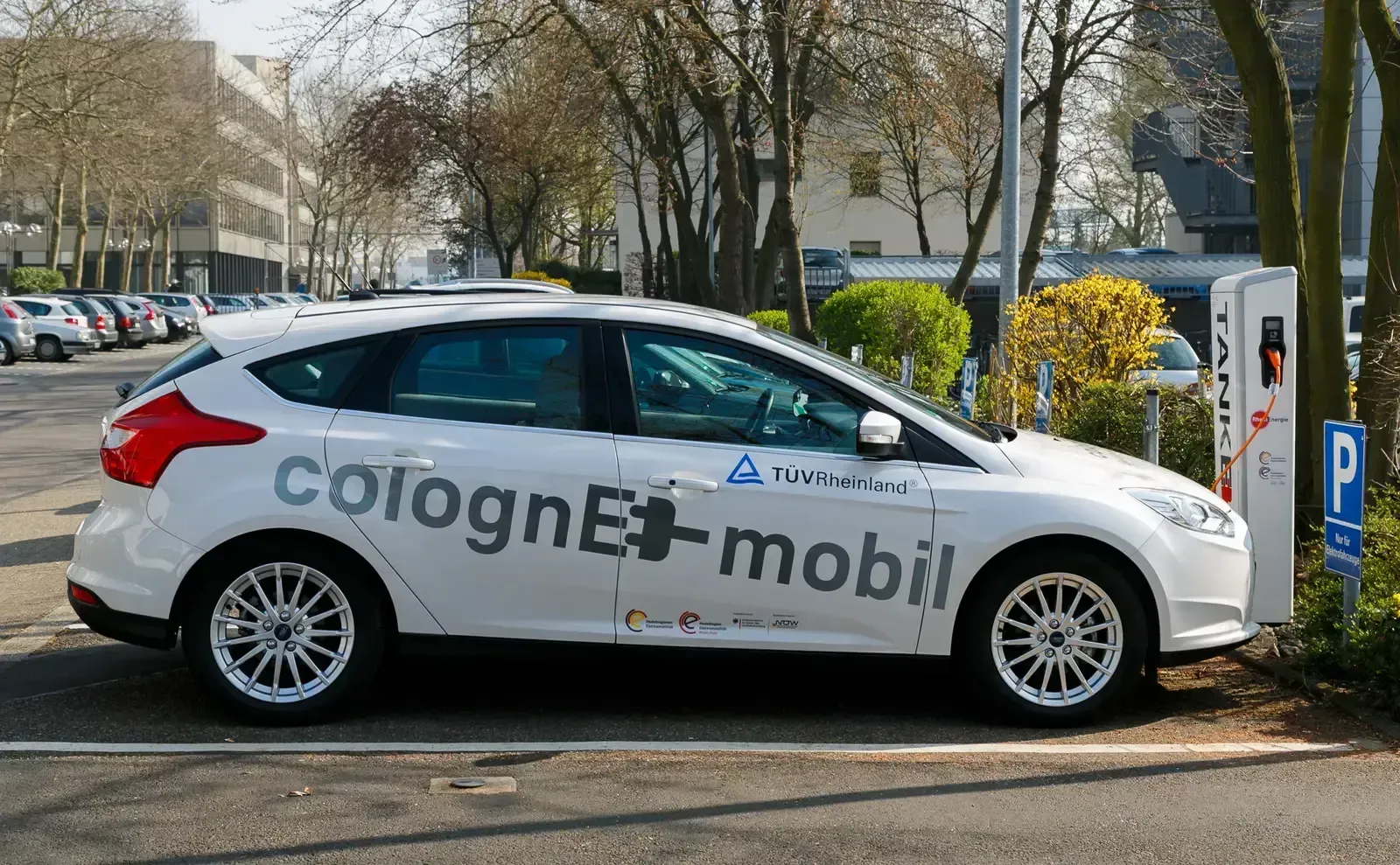
How and when you charge has a direct bearing on how far your EV travels, regardless of the season. Avoid letting the battery’s charge level get too low before recharging it, as the battery performs best between 20 and 80%, so wherever possible, try to keep the charge between those figures. Staying in that range also reduces long-term degradation, meaning your warm-weather range advantage continues to grow with vehicle age rather than erode.
Most EVs allow you to schedule charging during off-peak hours or when the battery can precondition for optimal temperature. A warm battery charges more efficiently and delivers better range. The U.S. Department of Energy reports the median EPA range for model year 2024 EVs reached 283 miles – a record high. With sensible charging habits and the natural advantages of warm weather combined, most drivers will find that real-world range gets impressively close to that figure.
Putting It All Together: A Season Worth Optimizing
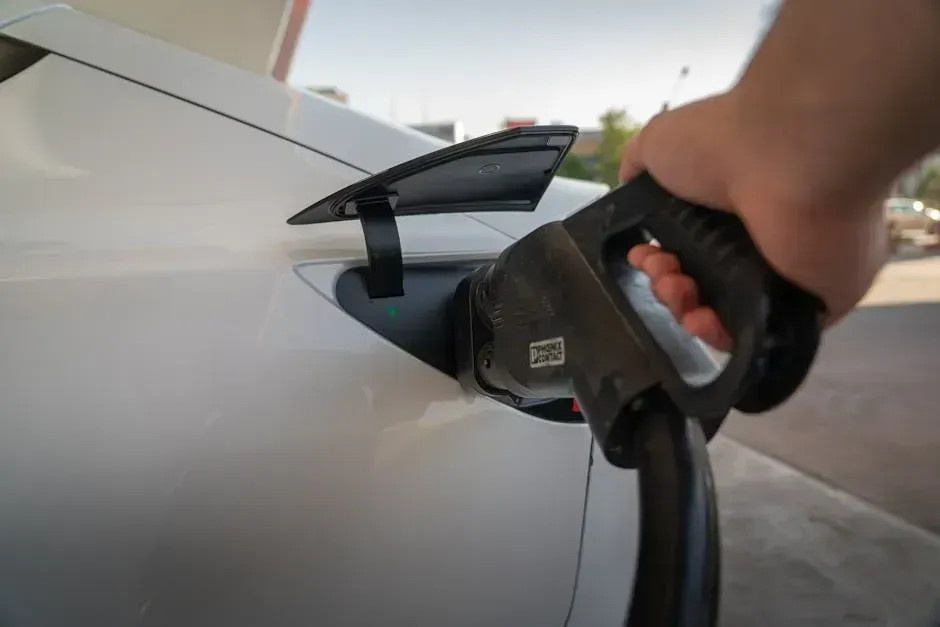
Warm weather does the heavy lifting that no driving technique can fully replicate in winter. Lower air density, a more chemically active battery, reduced heating demands, and more efficient regenerative braking all converge in mild conditions to push range well above what any cold-climate driver experiences. Two drivers in the same EV can see a 20 to 30% range difference simply due to acceleration style, speed choices, and how they manage accessories. That gap is entirely within the driver’s control.
The bottom line is that warmer months are the ideal time to build good EV habits, because the feedback loop is immediate and rewarding. Precondition before you leave, drive smoothly, manage your speed on the highway, check your tires, and remove unnecessary drag. If you only change two habits, make them these: keep your speed in check on the highway and manage your climate control thoughtfully – together, they account for the majority of real-world range swings for most drivers. Get those two right, and everything else is a bonus.

