
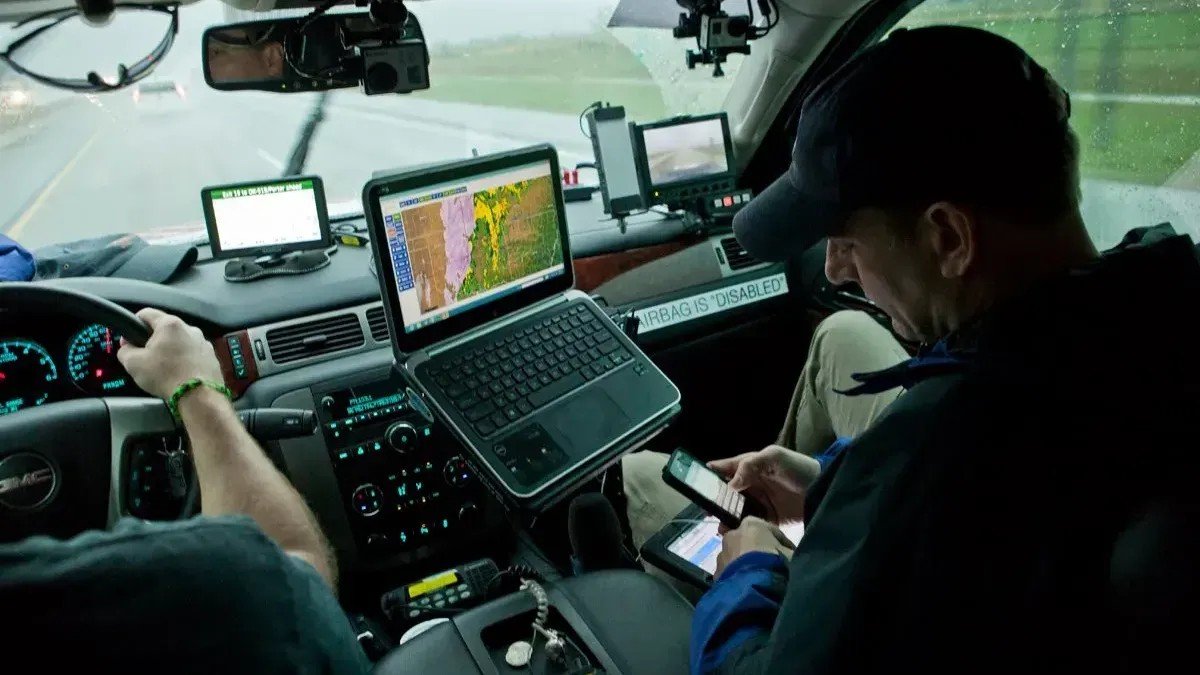

Storm chasing occupies a strange place in the professional world – part science, part spectacle, and notoriously difficult to turn into a stable income. Most people who do it are passionate hobbyists or academic researchers who chase between other commitments. The ones who actually make a living from it are a much smaller and more resourceful group.
What separates the highest-paid names in the field isn’t just bravery – it’s business sense. The top earners combine footage sales, media contracts, live streaming, tours, and television deals into something that actually pays the bills. Here’s a look at who they are and what they realistically earn.
Reed Timmer – The Television Face of Storm Chasing
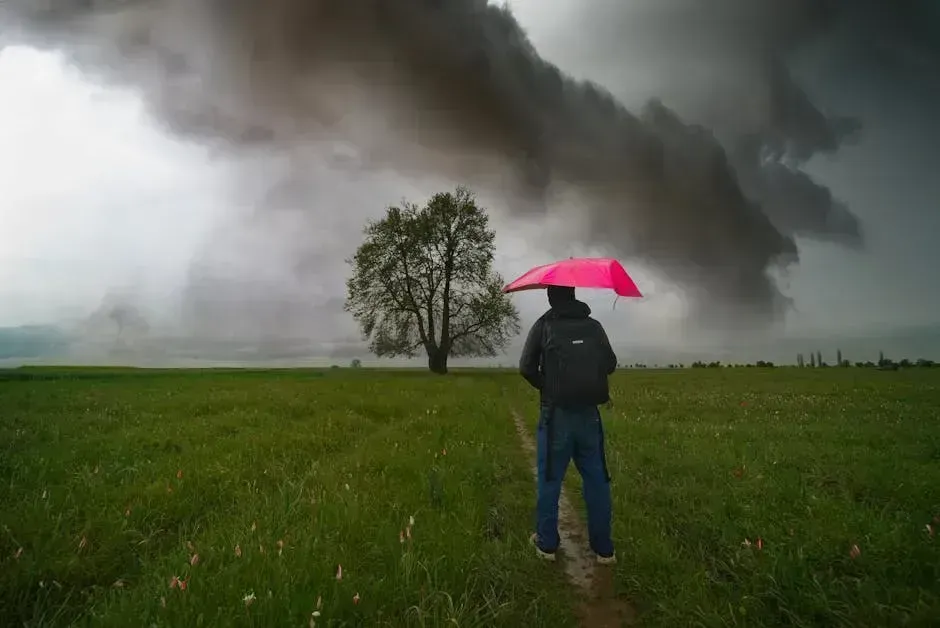
Reed Timmer is an American meteorologist and storm chaser who became the most recognizable name in the field largely because of television. He first gained national attention in 2008 as part of the team featured on the Discovery Channel’s show “Storm Chasers.” His PhD-level meteorological credentials gave him a legitimacy that most camera-first chasers simply can’t match.
He has an estimated net worth of between $1 million and $5 million, and earns an estimated annual salary of between $45,000 and $110,000. His income streams are genuinely diverse. Reed Timmer earns income primarily through his television appearances, storm chasing endeavors, public speaking, book sales, and social media presence. In 2025, Timmer also announced his “Dominate the Storm” tour, with shows in numerous states, adding another revenue layer to an already varied portfolio.
Warren Faidley – The Original Professional Storm Photographer
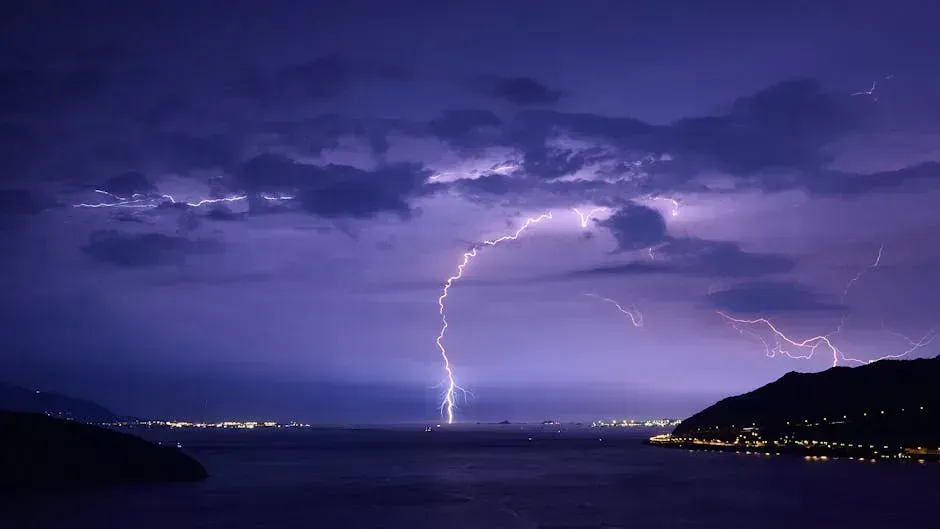
Warren Faidley, born May 11, 1957, is an American storm chaser who is credited as the world’s first full-time, professional storm photographer. His career didn’t start with a tornado, but with a photograph. His professional career was launched in October 1988 after he took a photograph of lightning hitting a light pole in an oil and gasoline tank farm in Tucson, Arizona. The image was published in Life Magazine, billing him as a “Storm Chaser.”
Warren and his images have appeared worldwide in National Geographic, The Weather Channel, the BBC, Discovery Channel, CNN, Fox News and many more. His photography has also been used for advertising and promotional work for Paul McCartney, Universal Pictures, Sheryl Crow, MTV, The NFL, NASCAR, Warner Bros., and thousands of books, editorial publications, television and social media outlets. That kind of licensing reach is precisely what allowed Faidley to build a sustainable income when it is nearly impossible to earn a living from storm chasing for most – he was widely cited as the only person known to have managed that feat successfully.
Mike Theiss – Hurricane Specialist and National Geographic Contributor
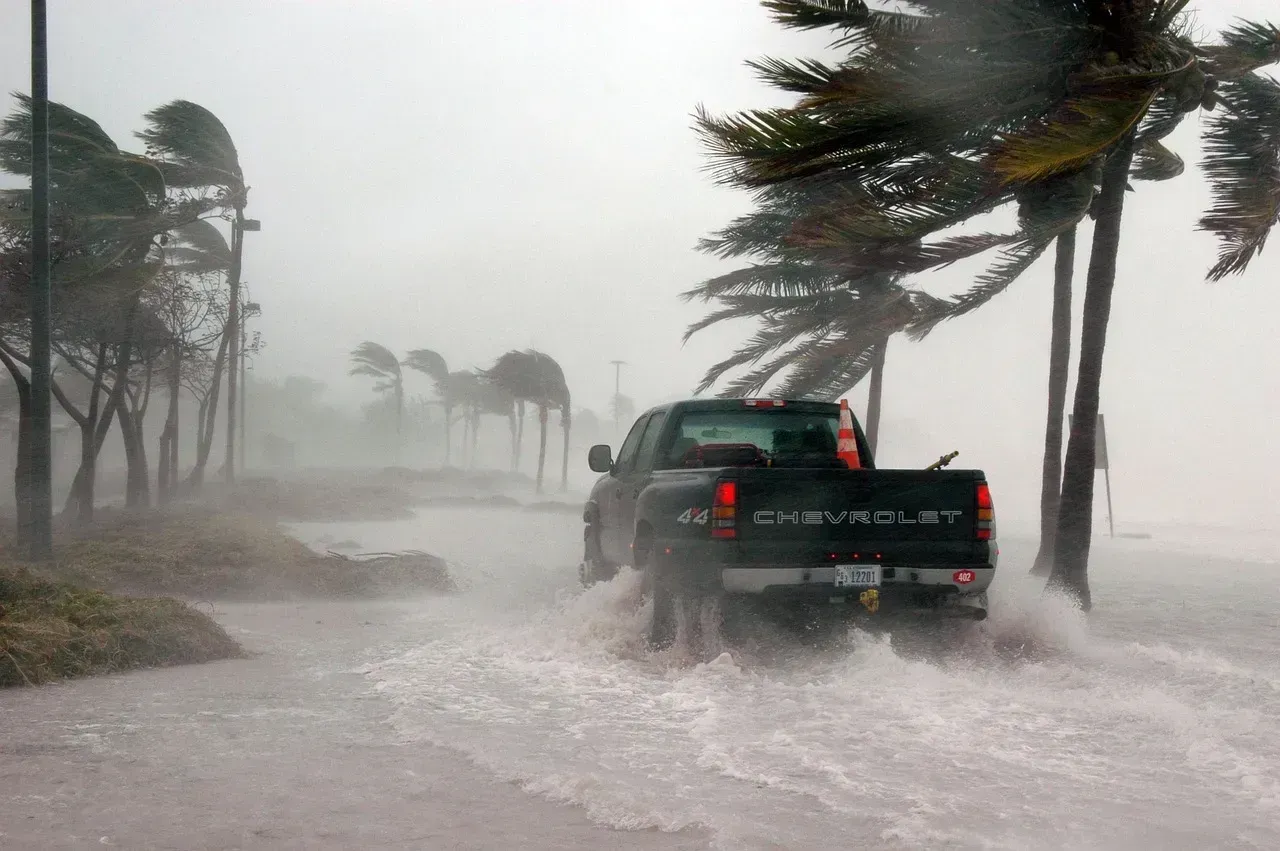
Mike Theiss carved out a niche that few others have matched – close-range hurricane documentation. His work has appeared in National Geographic and major network broadcasts, placing him firmly among the top earners in the field. In 2020, Timmer and Mike Theiss took part in the National Geographic television show Category 6, and a year later, in 2021, they both starred in Storm Rising, a documentary television series.
Theiss operates primarily as a photojournalist and documentary contributor, which means his income comes from licensing, broadcast fees, and magazine commissions rather than a single employer salary. Media partnerships pay $400 per clip for first-to-uplink national footage, with local networks offering $100 and remaining content selling at $50, which means consistent volume and exclusivity are what separate mid-tier earners from top-tier ones. Theiss has consistently secured the kind of high-value placements that push annual earnings well into six figures across a full season.
The Tour Operators – Storm Chasing Expedition Leaders
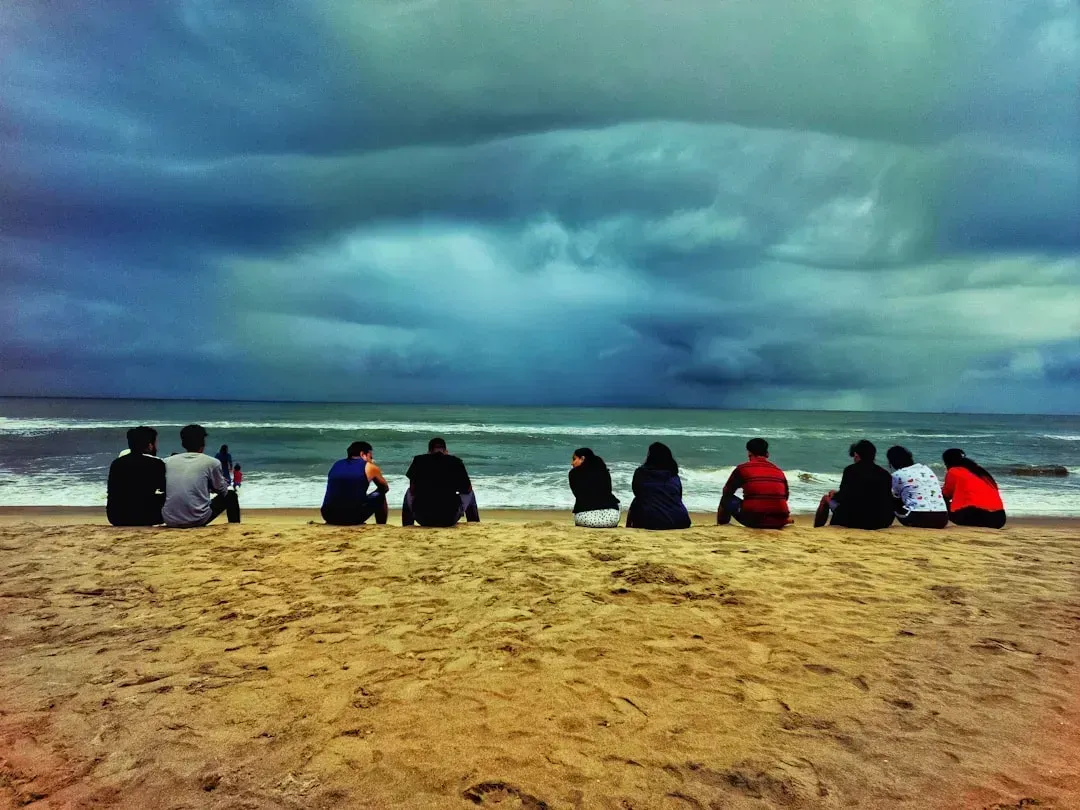
Some of the most reliably paid figures in storm chasing aren’t individual chasers chasing fame – they’re the operators running guided expeditions across Tornado Alley. There are reputable touring companies that offer others the chance to witness storms and tornadoes alongside storm chasing professionals, such as Storm Chasing Adventure Tours, Cloud 9 Tours, Silver Lining Tours and Tempest Tours. These aren’t side projects – they’re full commercial operations.
Guided storm chasing expeditions charge $2,200 to $3,500 per participant, with established operators earning approximately $70,000 annually from tours. That figure represents only the tour revenue. When you factor in footage sales and media partnerships on the side, successful operators can push considerably higher. People will typically pay $3,500 to tag along on a mission, which means a well-booked season with consistent groups can generate serious returns even before a single frame of footage is sold.
The Top-Tier Atmospheric Scientists Doubling as Chasers
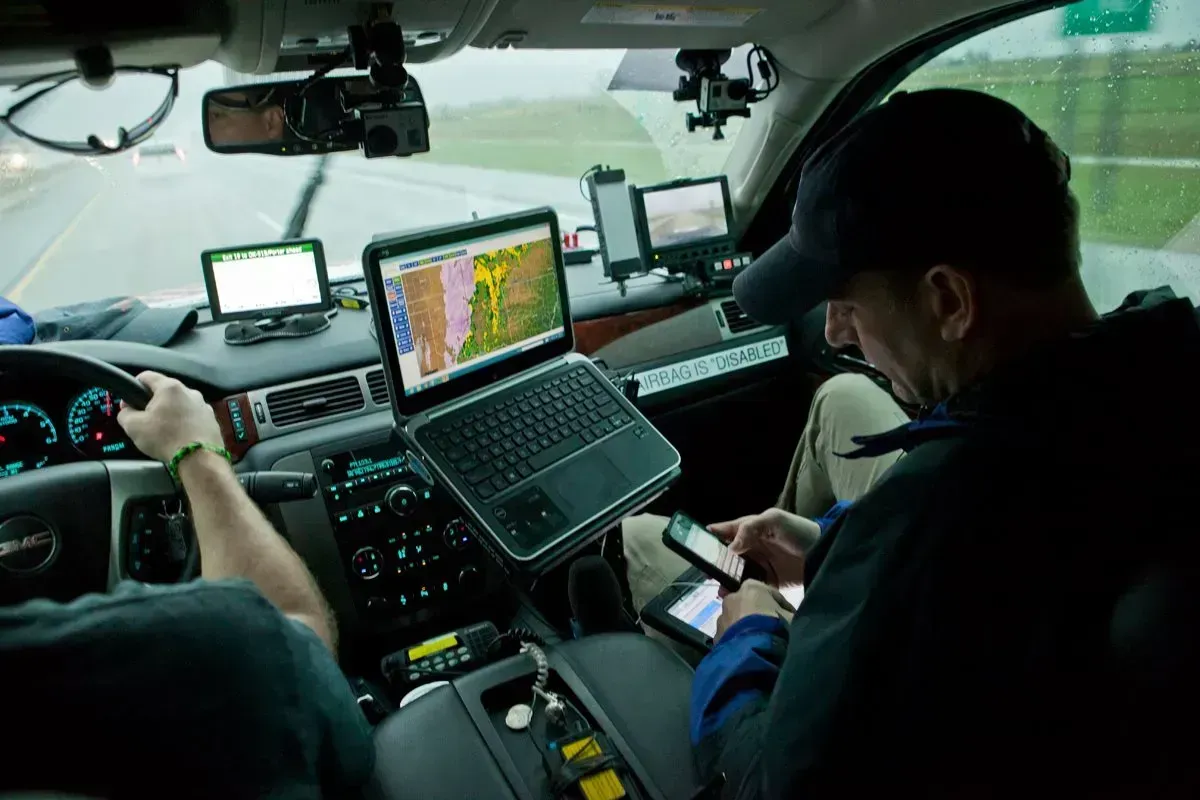
The highest formal salaries in storm chasing don’t actually come from footage or television – they come from research institutions and federal agencies. A senior level storm chaser with eight or more years of experience earns an average salary of $104,555, according to ERI SalaryExpert’s 2026 data. Those figures apply primarily to professionals working within institutional frameworks: federal research labs, university departments, and national weather services.
The general professional range spans $30,000 to $70,000, though atmospheric scientists – a broader category encompassing storm tracking – report median wages of $97,450 nationally. The chasers who operate in this tier effectively hold two careers simultaneously: a funded research role that provides the stable base, and field documentation work that generates supplementary income on top. Income diversification through footage sales, consulting, documentary work, and content creation maximizes earning potential for storm chasers at every level, but it’s most effective when combined with institutional backing.
What the Numbers Actually Mean After Expenses

Even the top earners in this field face a cost structure that quietly erodes the headline figures. These salary figures don’t account for substantial operational costs: you’re looking at $6,200 or more in vehicle expenses, $1,591 in fuel, and $5,000 or more in equipment per season. For freelance chasers without institutional support, those numbers are entirely out-of-pocket. Real-world data reveals net profits can plummet to just $2 per hour after factoring expenses.
Geographic location dramatically affects earning potential – storm chasers in San Jose, California earn $177,560 annually, more than double the national average, while positions in Green River, Wyoming offer $60,660. The gap between gross and net income is the defining financial reality of this profession. The highest-paid chasers aren’t just the most daring – they’re the ones who found a way to make the numbers work through multiple income streams, strong media relationships, and a clear-eyed understanding of what the work actually costs.
