
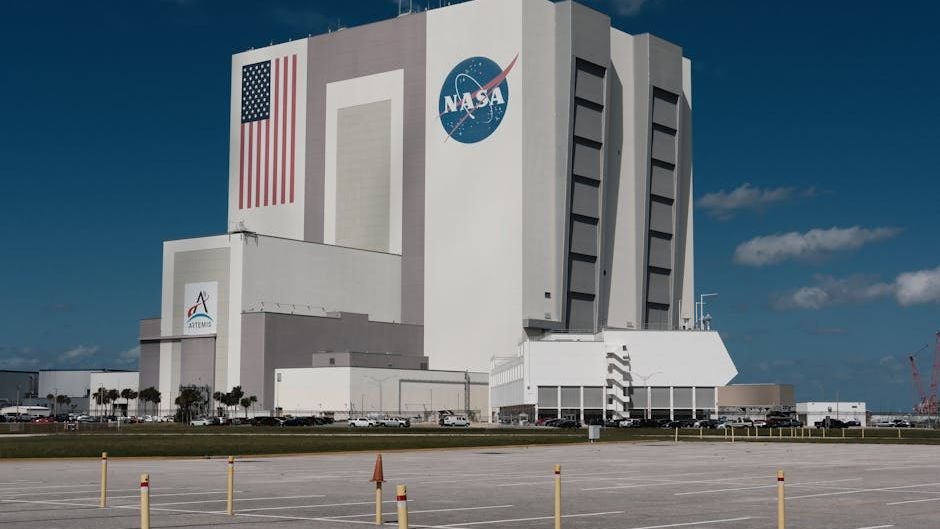

Space exploration used to feel like something happening very far away, in both distance and relevance. That’s changing fast. The pace of new missions, discoveries, and policy shifts between 2024 and 2026 has been genuinely remarkable, and keeping up now matters more than most people realize. The decisions being made today, about where to go, what to build, and who gets to go, will shape the next half-century of humanity’s relationship with the cosmos.
New data also tells us something interesting about what the public actually knows versus what it should know. Science literacy surveys consistently reveal gaps, and yet public support for exploration remains strong. That tension between enthusiasm and understanding is worth unpacking. Here’s what the latest missions, findings, and numbers can tell us about where we really stand.
What Most People Actually Know About Space – The Honest Picture
In national surveys, Americans correctly answer roughly six out of ten basic science knowledge questions on average, a number that has remained largely stable since the early 1990s. When it comes to space specifically, the picture gets a bit more uneven. In one university study, more than half of the sample self-reported having very little or no knowledge about NASA, while only about a third said they knew even something meaningful about the agency.
Research has shown that students with higher scientific literacy also tend to have more favorable attitudes toward human space exploration, suggesting that knowledge and support genuinely reinforce each other. How people perceive space exploration influences their own engagement with the subject, from educational and vocational choices through to how they respond to public funding strategies. The gap between passive enthusiasm and real understanding has practical consequences beyond the classroom.
Artemis II: The Mission That Just Rewrote the Record Books
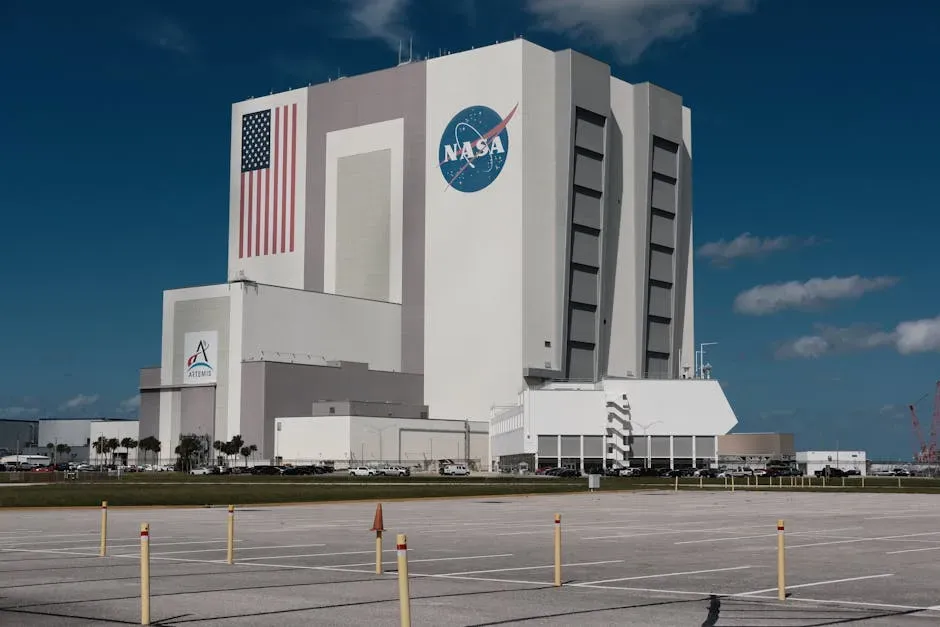
Artemis II, which flew from April 1 to 11, 2026, was a crewed flyby of the Moon and the first crewed flight beyond low Earth orbit since Apollo 17 in 1972. The mission made history on several counts: Victor Glover became the first person of color, Christina Koch the first woman, and Jeremy Hansen the first non-American to travel around the Moon.
The Orion spacecraft reached a maximum distance of 406,771 kilometers from Earth, setting a new record for human spaceflight. At its core, Artemis II was a systems validation mission, used to test the Orion spacecraft’s life support systems, navigation, communication links, and overall performance in deep space with a crew on board – conditions that simply cannot be fully replicated on Earth. The mission completed successfully and returned the crew safely to the Pacific Ocean.
The Road to the Moon’s Surface: What Comes Next
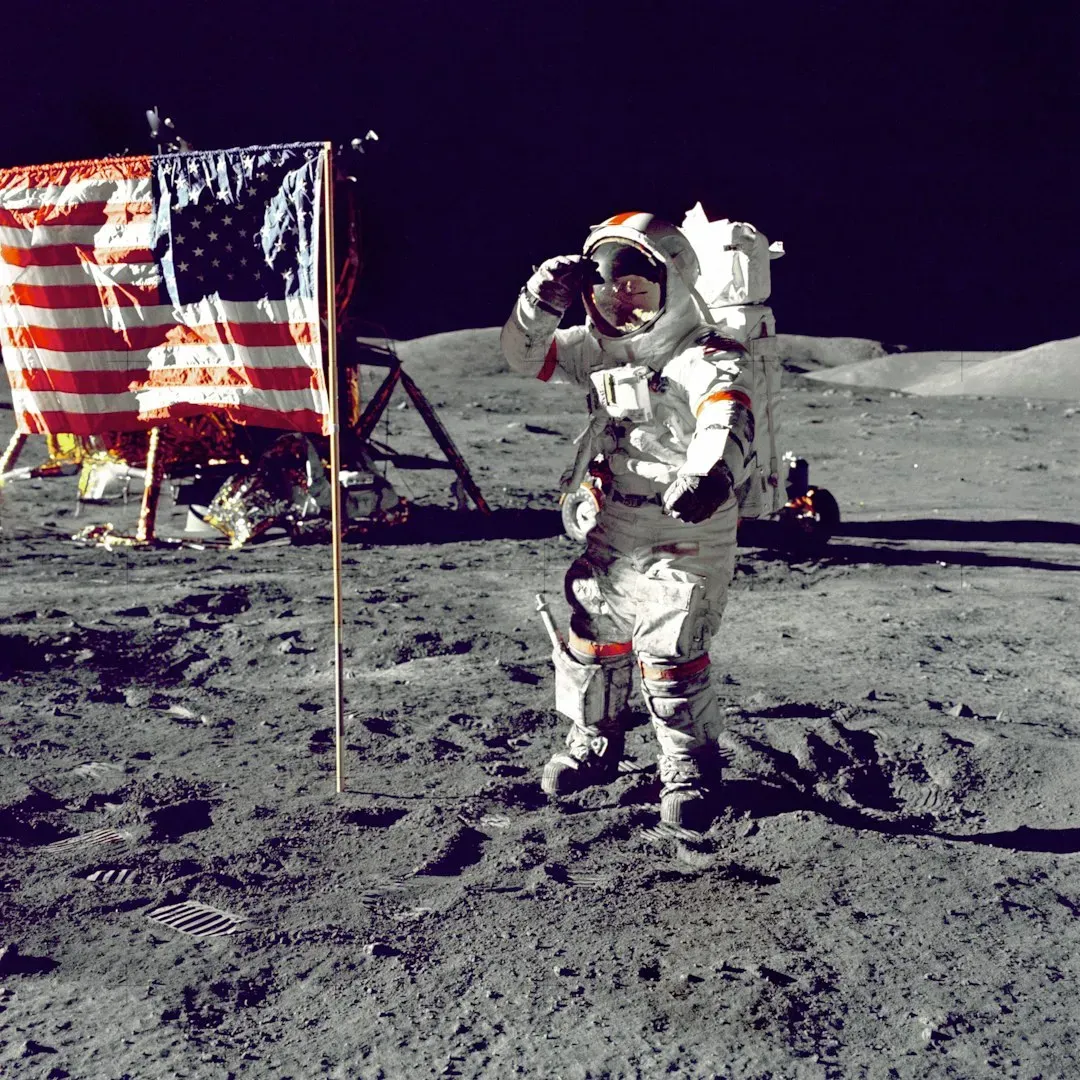
On February 27, 2026, NASA confirmed a revised plan for Artemis III to perform tests with one or both landers in Earth orbit, with Artemis IV now tentatively designated as the first crewed lunar landing mission, scheduled for 2028. That mission depends on a prior support flight to place a lunar lander into orbit, after which two astronauts would transfer to it, descend to the lunar surface, and conduct extravehicular activities there.
NASA plans to establish a sustained human presence on and around the Moon, particularly near the lunar south pole where water in the form of ice is believed to exist, viewing this as a stepping stone toward future human missions to Mars. In March 2026, NASA shelved plans for the Lunar Gateway, a small space station that would have orbited the Moon. The program’s architecture continues to evolve, but the direction toward sustained lunar exploration remains firm.
The International Space Station: 25 Years and Still Going
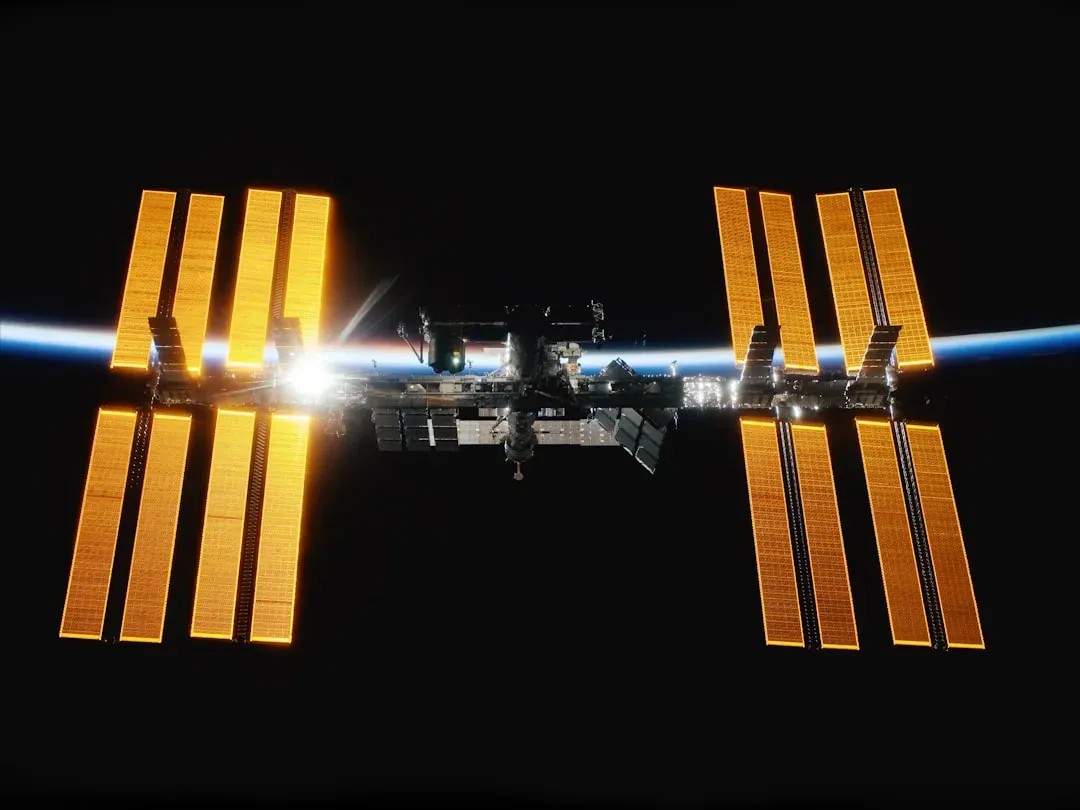
In November 2025, humanity reached 25 years of continuous human presence aboard the International Space Station, and since the first crew arrived in 2000, NASA and its partners have conducted more than 4,000 research investigations and technology demonstrations. In 2025 alone, more than 750 experiments supported exploration missions, improved life on Earth, and opened commercial opportunities in low Earth orbit.
For the first time in space station history, all eight docking ports of the orbiting laboratory were occupied simultaneously, with three crew spacecraft and five cargo resupply craft attached, including new vehicles from JAXA and Northrop Grumman, delivering astronauts, cargo, and scientific experiments from around the world. Three experiments that landed on the Moon during Firefly Aerospace’s Blue Ghost Mission-1 were enabled by earlier ISS research, helping improve space weather monitoring, test computer recovery from radiation damage, and advance lunar navigation systems.
What James Webb Is Teaching Us About the Universe
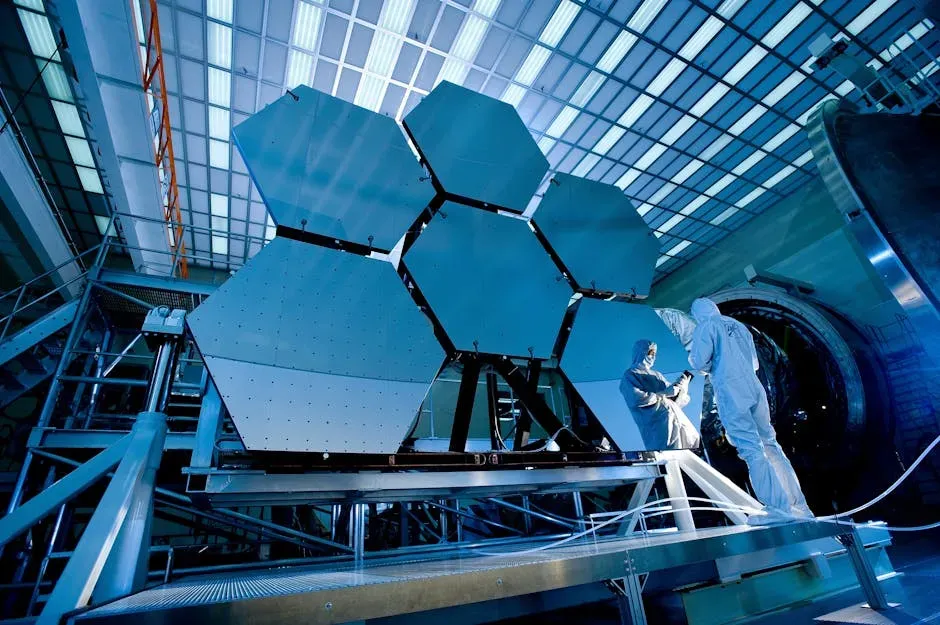
Four years into its science mission, the James Webb Space Telescope continues to overturn assumptions about the early universe, transform exoplanet science, and deliver images that permanently alter how humanity sees the cosmos, and by April 2026, its cumulative impact on astronomy has been extraordinary. Within its first year of observations, the telescope identified dozens of galaxy candidates at extreme redshifts, with spectroscopic follow-up confirming galaxies existing when the universe was only 300 to 400 million years old – and these are not faint smudges, but surprisingly bright, compact, and in some cases well-structured systems that exceed what standard galaxy formation models predicted possible at such early epochs.
Using JWST, astronomers captured the most dramatic view yet of a planet losing its atmosphere, watching the ultra-hot gas giant WASP-121b for an entire orbit, finding it wrapped in two colossal helium tails – one trailing behind like a comet, the other stretching ahead toward its star. Scientists have also discovered unexpected water-ice clouds on a distant, Jupiter-like exoplanet, directly imaging Epsilon Indi Ab and finding less ammonia than expected – likely hidden by thick, patchy clouds – revealing new layers of complexity in giant planets.
New Eyes on Exoplanets: How Many Worlds Are Out There
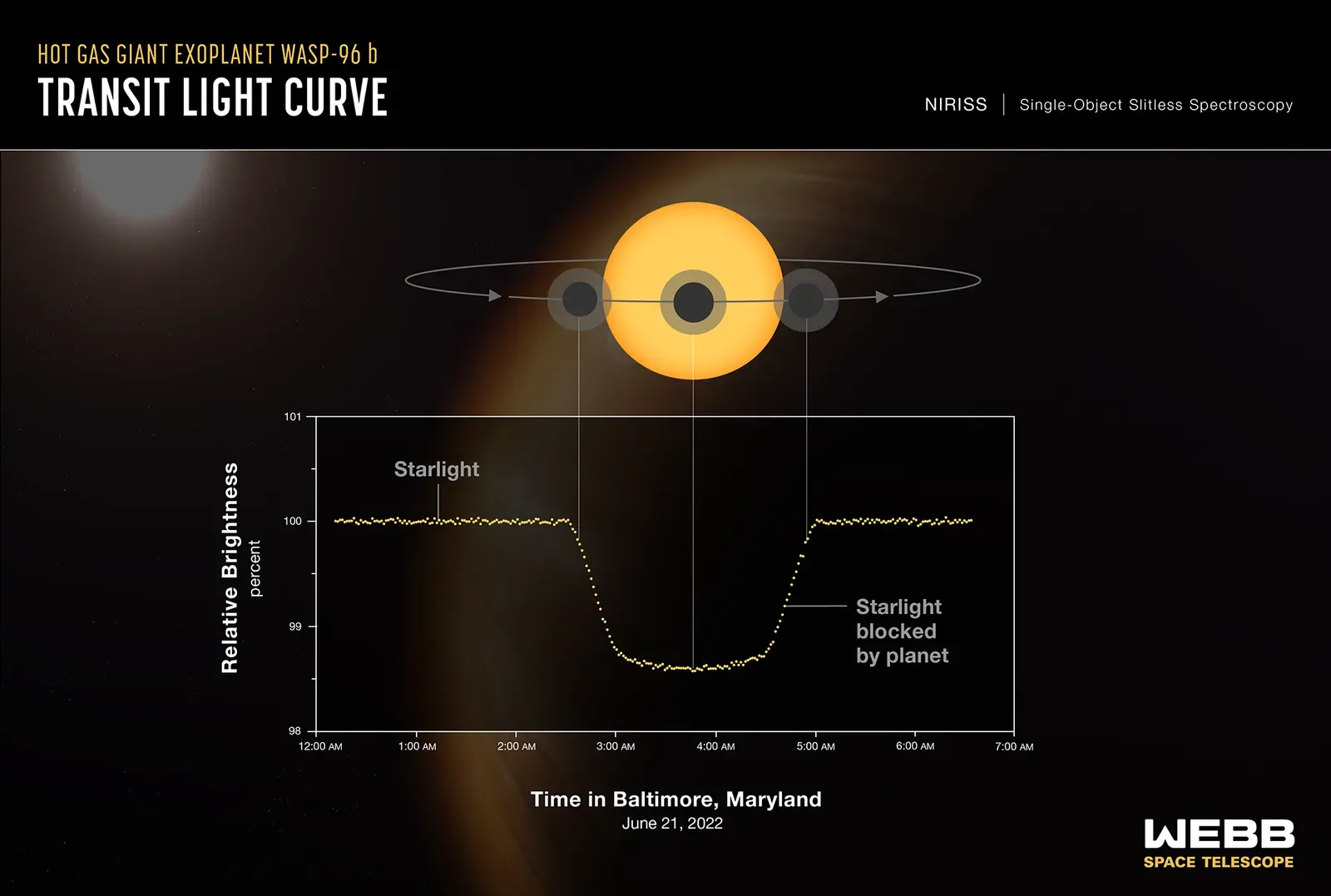
JWST has made exoplanet atmospheric characterization its most immediate public-facing achievement, and the telescope’s first released science result – a transmission spectrum of the hot Jupiter WASP-39b showing unambiguous carbon dioxide – marked the beginning of an era in which atmospheric composition of worlds orbiting other stars could be measured routinely. By 2025 to 2026, JWST accumulated transmission and emission spectra for dozens of exoplanets ranging from hot Jupiters to rocky super-Earths, with the TRAPPIST-1 system – a compact family of seven Earth-sized rocky planets orbiting a nearby red dwarf – serving as a focal point, particularly the three planets residing in its habitable zone.
For the first time, JWST also discovered an exoplanet by directly imaging it, a world with a mass roughly similar to Saturn orbiting inside the debris disk surrounding a young star named TWA 7. Previously, JWST had discovered more than a hundred planets mostly through the transit method, so direct imaging – capturing an actual photo of a star-orbiting exoplanet – represents a far more challenging technical milestone.
Mars in 2026: Robots, Organics, and AI Planning Routes
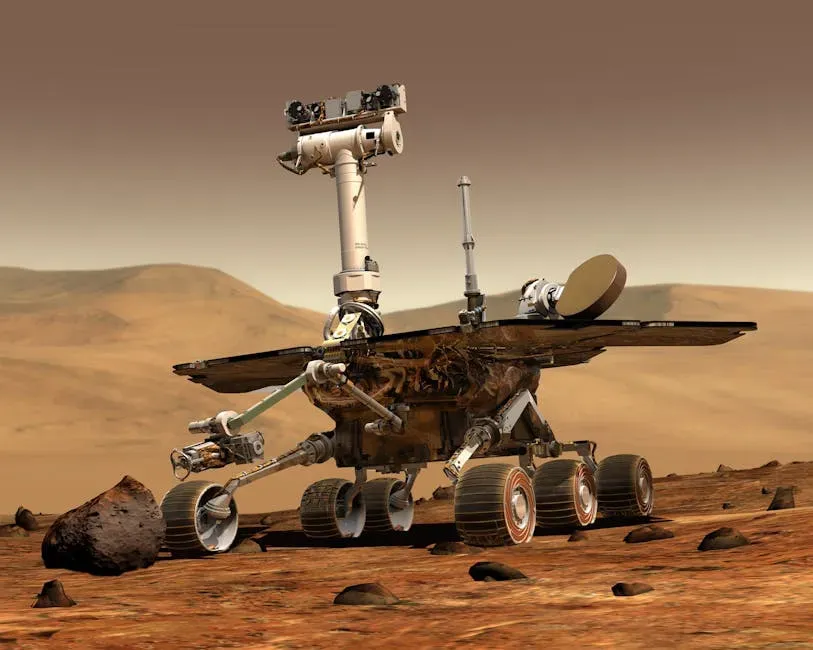
NASA’s Perseverance rover made history in early 2026 by driving across Mars using routes planned by artificial intelligence instead of human operators, with a vision-capable AI analyzing the same images and terrain data normally used by rover planners. Separately, researchers tested a semi-autonomous robot capable of moving from rock to rock and analyzing each without waiting for human instructions, completing missions up to three times faster than previous approaches.
NASA’s Curiosity rover detected a surprising variety of organic molecules on Mars in 2026, including compounds tied to the chemistry of life, with some of these molecules potentially being billions of years old and preserved in ancient rock. Research teams have also proposed using hidden lava tunnels on the Moon and Mars as future shelters for human explorers, offering natural protection from radiation and space debris. These findings collectively paint a planet that is far more chemically complex than it once appeared.
The Global Launch Surge and the Rise of Commercial Space
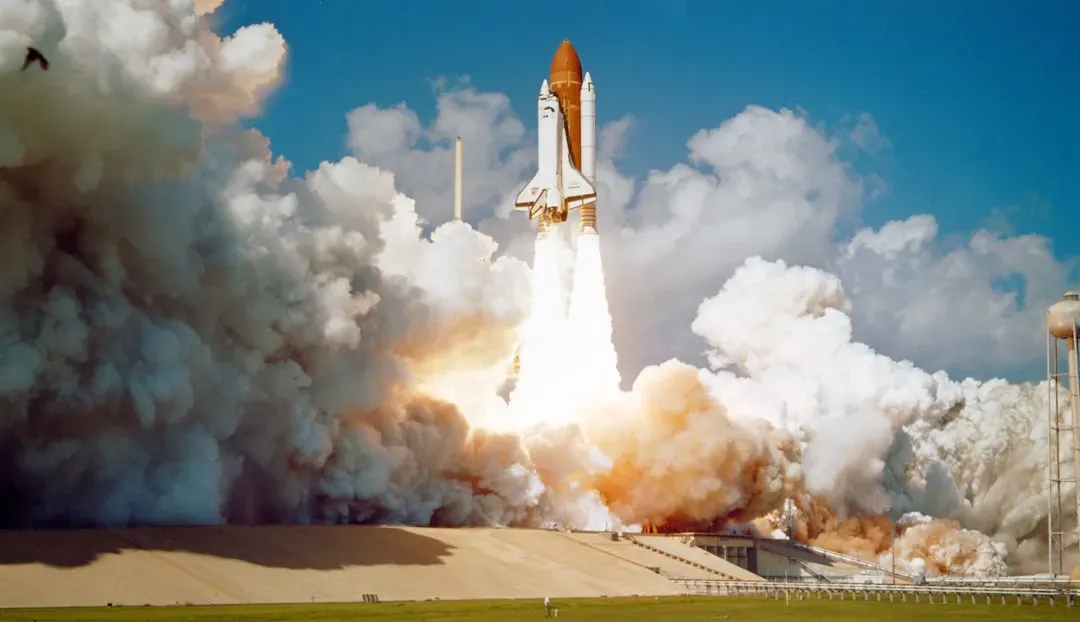
The year 2025 saw a record number of global orbital launches at 324 attempts, up roughly a quarter from 2024. In 2024 alone, the United States, China, Europe, and private companies all achieved missions that would have been headline-dominating events in any previous decade, while India and Japan pushed forward with their own ambitious programs.
In September 2024, the Polaris Dawn mission made history when commander Jared Isaacman and SpaceX engineer Sarah Gillis performed the first-ever commercial spacewalk, stepping outside a SpaceX Crew Dragon capsule at an altitude of roughly 460 miles above Earth. As private sector involvement accelerates through companies such as SpaceX, Blue Origin, and others, about two thirds of Americans still believe NASA should play a vital role in the exploration of space alongside commercial partners.
The Artemis Accords and the Geopolitics of Space
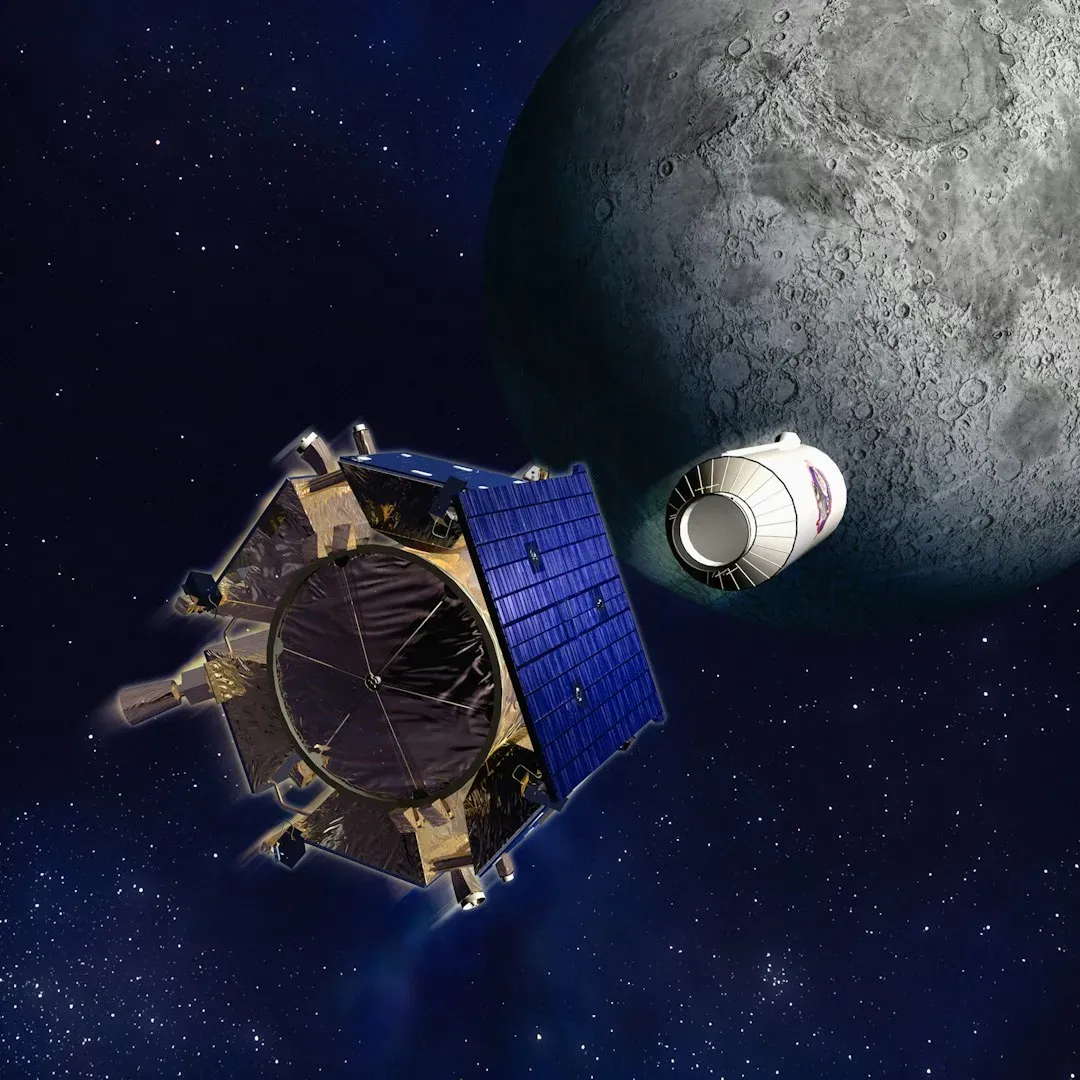
As of late April 2026, 63 countries have signed the Artemis Accords, including nations across Europe, Asia, South America, Africa, and Oceania, with the Accords establishing a framework for cooperation in the civil exploration and peaceful use of the Moon, Mars, and other astronomical objects. Artemis is unfolding within a wider geopolitical context as the United States works to maintain leadership in space exploration amid growing competition, particularly from China.
The Accords are explicitly grounded in the United Nations Outer Space Treaty of 1967, which all signatories are obliged to uphold. In a changing world of space exploration defined by intensifying private efforts and competition between a growing number of nations, Americans continue to see an essential role for the United States as a leader in space exploration. Who sets the norms for behavior beyond Earth is no longer a theoretical question. It’s being settled right now, treaty by treaty.
What’s Coming Next: New Telescopes, New Missions, New Questions
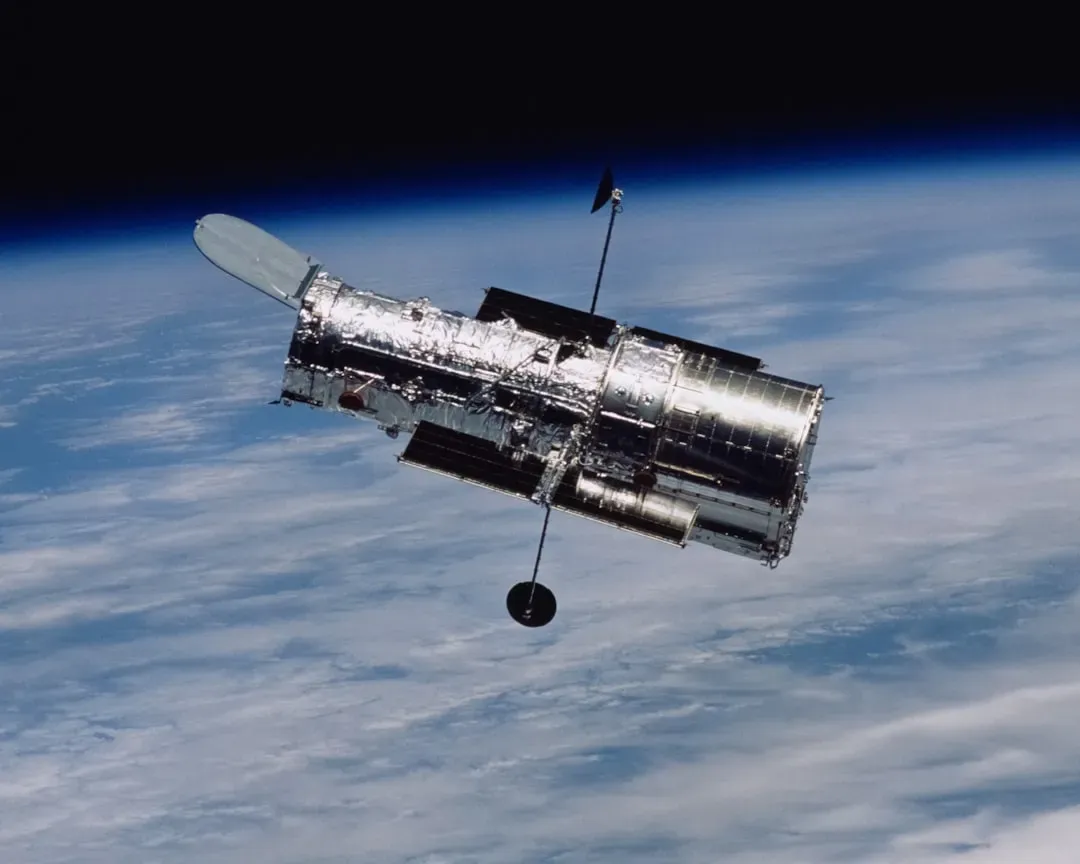
NASA completed its next flagship observatory, the Nancy Grace Roman Space Telescope, with final testing finished, and the telescope is expected to be ready to launch as early as fall of 2026, helping answer questions about dark energy and exoplanets. NASA’s SPHEREx space telescope is also creating the first full-sky map in 102 infrared colors, a survey with no precedent in astronomy.
In 2028, a car-sized, nuclear-powered octocopter called Dragonfly is planned to fly to Saturn’s moon Titan to search for the chemical building blocks of life. Scientists have also just completed the largest high-resolution 3D map of the universe ever created, mapping 47 million galaxies in a milestone aimed at unlocking the secrets of dark energy. These are not distant aspirations. They are active programs with hardware, crews, or data already in motion.
