


- Cotton Totes Carry a 20,000-Use Footprint – 6 Everyday Eco-Swaps Worse Than Plastic - November 16, 2026
- Ravens Cooperative-Hunting With Wild Wolves – 7 Surprising Animal Partnerships - November 16, 2026
- Car Mirrors Fogging on Clear Mornings – The Physics of Radiative Cooling - November 16, 2026
Most of us have a drawer somewhere, overstuffed with old phones, busted earbuds, and spent power tool batteries quietly waiting for a decision that never comes. It’s one of those small domestic problems that feels easy to ignore. But tossing a rechargeable battery in the trash is not the harmless shortcut it appears to be.
The chemistry inside those compact cells is genuinely hazardous, and the scale of the problem has grown far beyond what most people realize. From landfill contamination to warehouse fires, the consequences of careless battery disposal now touch communities, workers, and ecosystems in ways that are measurable and, in many cases, preventable.
What’s Actually Inside a Rechargeable Battery
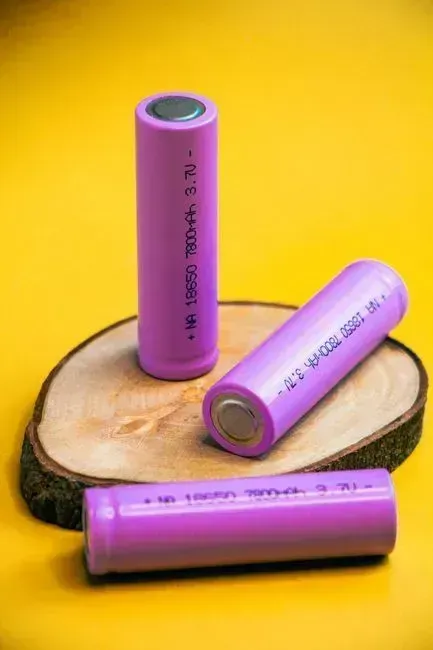
Rechargeable batteries, particularly lithium-ion and nickel-cadmium types, contain hazardous chemicals and are prone to overheating. These aren’t just minor irritants. The metals locked inside include cobalt, nickel, manganese, and lithium, all of which carry genuine toxicity risks when they escape their sealed casings.
Improper disposal of rechargeable batteries poses serious risks to ecosystems and human health due to the release of toxic metals. Research has demonstrated that according to U.S. federal regulations, defunct lithium-ion batteries are classified as hazardous due to their lead content. That hazardous classification isn’t bureaucratic caution. It reflects genuine risk to anyone who encounters these materials downstream.
The Landfill Problem Is Worse Than You Think

The growing use of electric vehicles has led to a sharp increase in battery waste, and a significant portion of this waste is not properly recycled but instead ends up incinerated, landfilled, or processed through informal channels. Such practices contribute to environmental degradation by releasing potentially toxic elements into the air, soil, and water.
Improperly disposed batteries contribute to environmental pollution. As they corrode, their chemicals leach into the soil and water, contaminating ecosystems. Lithium batteries in particular can be volatile and cause landfill fires, releasing harmful gases into the atmosphere. These are not theoretical concerns. Soil contamination from battery leachate has been documented across multiple studies, and the effects can persist for decades.
Fire Risk at Waste Facilities Has Reached Record Levels
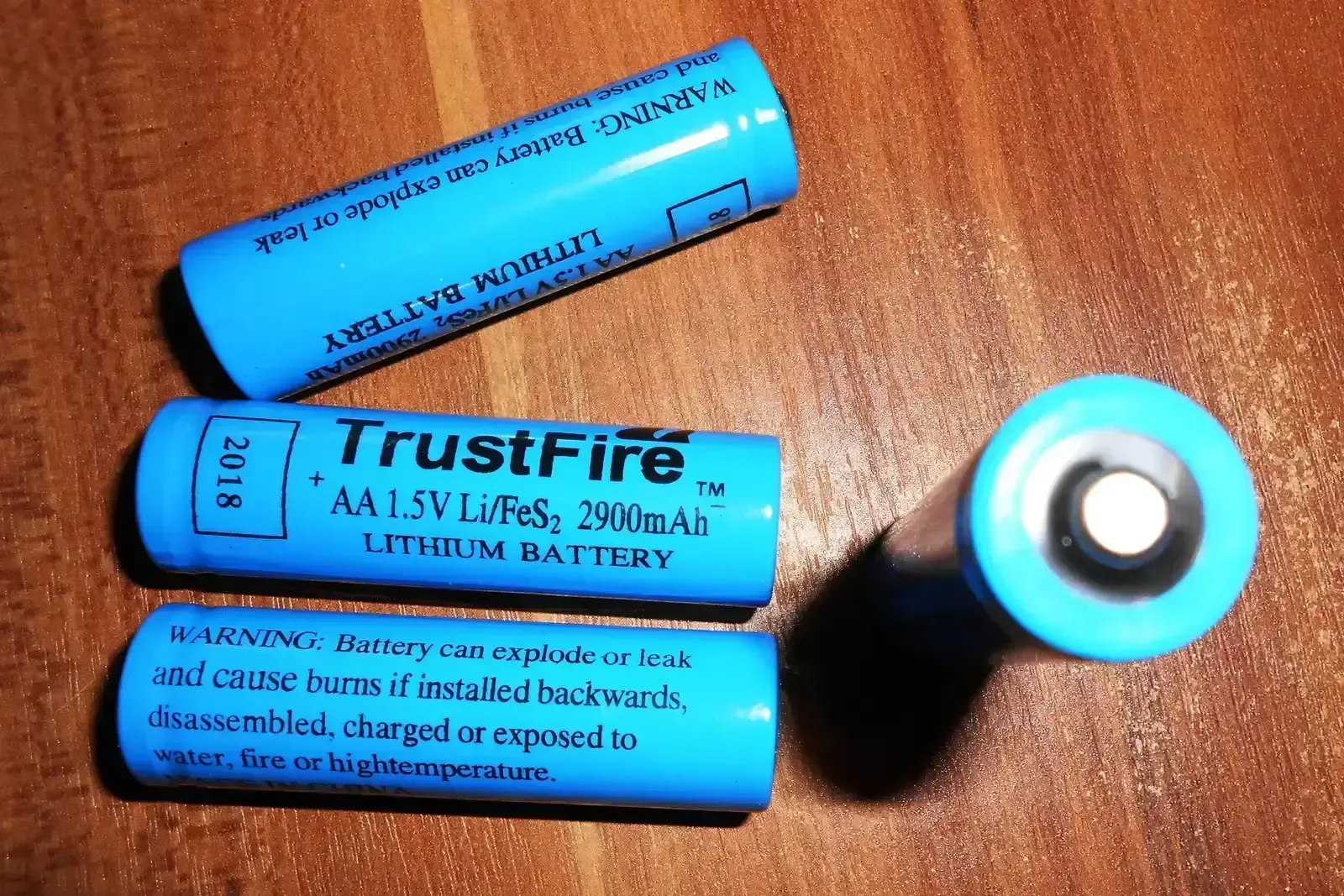
Recycling facility fire incidents hit a record high in 2025 in the US and Canada. The year finished with 448 publicly reported waste and recycling facility fires, which is more than the previous record of 430 fire incidents and nearly a quarter above the annual average. Lithium-ion batteries, particularly those embedded in everyday consumer products, have become the leading driver of this trend.
Lithium-ion batteries are often improperly dropped in curbside recycling carts, and during transportation to the facility or on the tip floor itself, they can get jostled or punctured to the point that they go into “thermal runaway.” According to UL Solutions incident data, recycling-related lithium-ion battery fires increased by 187% from 2020 to 2024, with nearly two-thirds of incidents attributed to inadequate deactivation. That is a staggering escalation in a very short window of time.
Your Old Phone or Vape Pen Is Part of the Problem
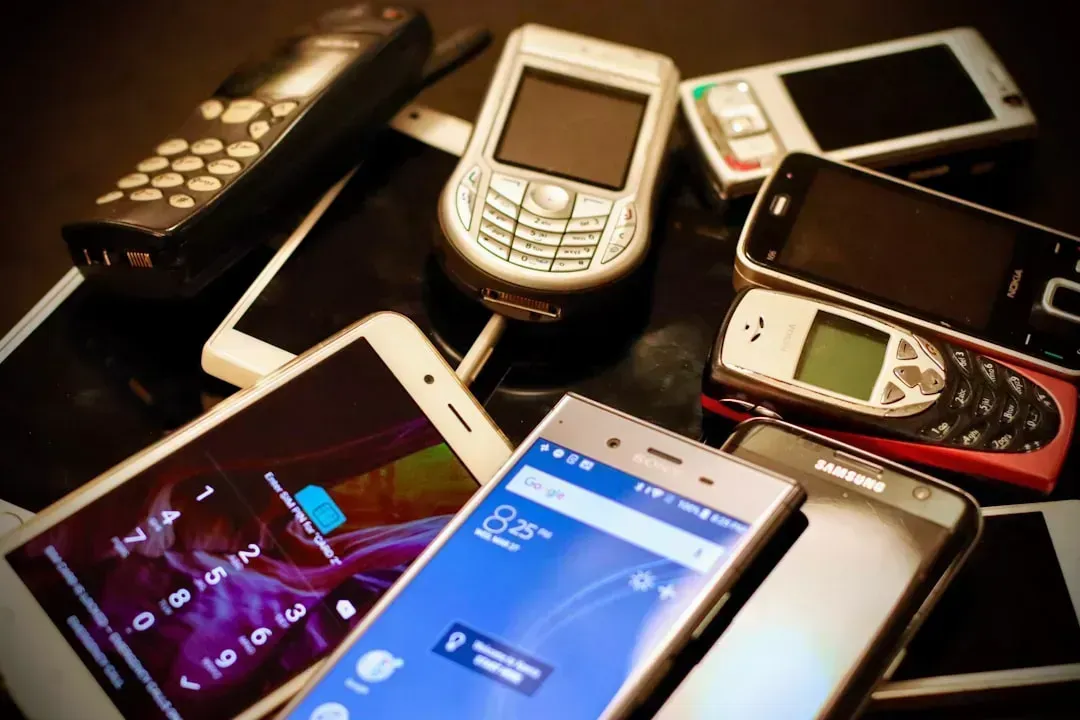
Smartphones, watches, tablets, earbuds, and other devices are often left in drawers or thrown away in the trash. Even electric scooters are a fire hazard when not disposed of correctly. All of these devices contain lithium-ion batteries, which are the number one fire hazard in the e-waste industry.
Publicly reported fire data shows incidents increasing about 26% from 2022 to 2025 compared with the average from 2016 to 2021, a pattern driven significantly by the rise of disposable vaping devices. Inside disposable vaping devices is a rechargeable lithium-ion cell, a component the EPA classifies as hazardous waste due to its potential for fire and explosion. Most people who discard a spent vape pen don’t think twice about what’s inside it.
The Regulations Are Catching Up, Fast
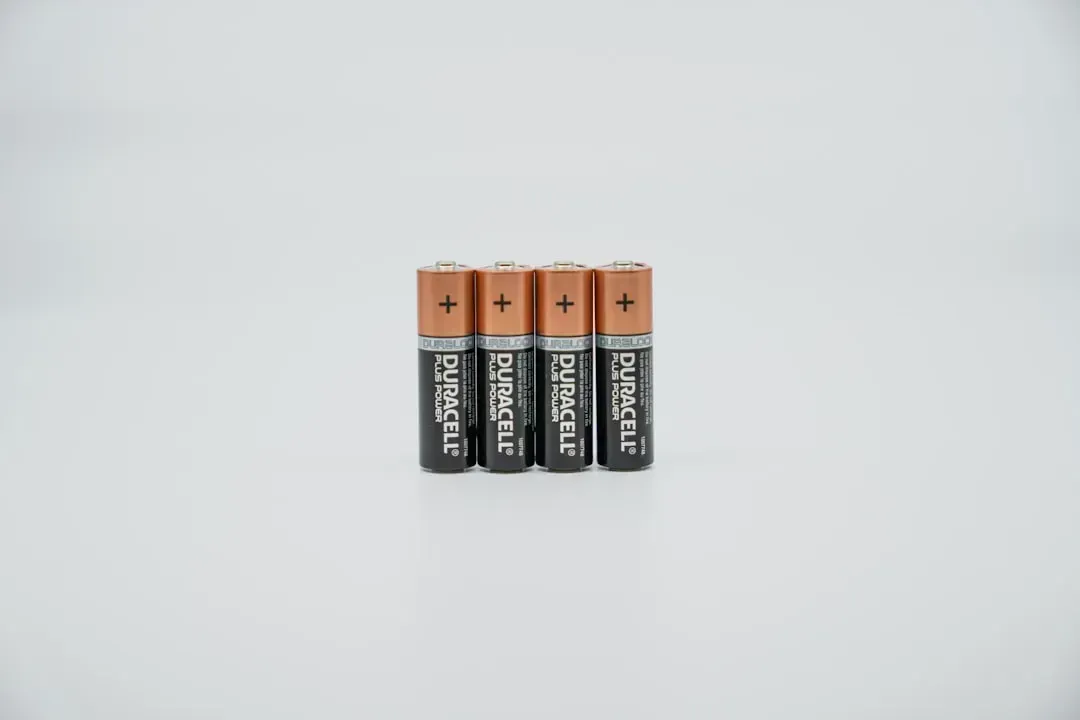
Starting July 1, 2025, rechargeable lithium-ion batteries became prohibited from disposal in New Hampshire’s landfills and incinerators. New Hampshire is not alone. States across the country have been tightening rules around battery disposal, and enforcement is gradually becoming more serious at both the household and business level.
Stricter regulations on battery disposal, extended producer responsibility frameworks, and manufacturer-led take-back programs are accelerating the development of recycling infrastructure. Researchers have noted that while states and the federal government have implemented policies to support end-of-life battery management, the US still lacks a comprehensive mechanism to ensure batteries will be collected and recycled. The regulatory picture is improving, but it remains uneven.
The Value Sitting in Your Dead Batteries
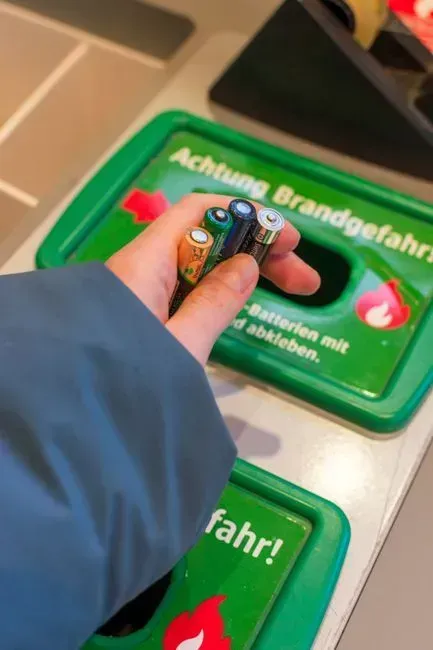
Lithium-ion battery recycling involves the collection, dismantling, and processing of end-of-life batteries to recover valuable materials such as lithium, cobalt, nickel, manganese, copper, and aluminum, which are reused in new battery production. These aren’t trace amounts. The concentrations of recoverable metals in spent batteries can rival those found in raw ore.
Extraction of metals from lithium-ion batteries through recycling reduces dependence on mining for raw materials. The increased availability of metals also contributes toward overall price reduction for lithium-ion batteries. Battery production requires the extraction of materials like lithium, cobalt, and nickel, leading to significant environmental and social impacts. Lithium extraction in regions like South America and East Asia uses large quantities of water and toxic chemicals, leading to environmental degradation. Recycling one battery is a small act with a surprisingly long supply chain behind it.
A Booming Industry Built on What You Throw Away
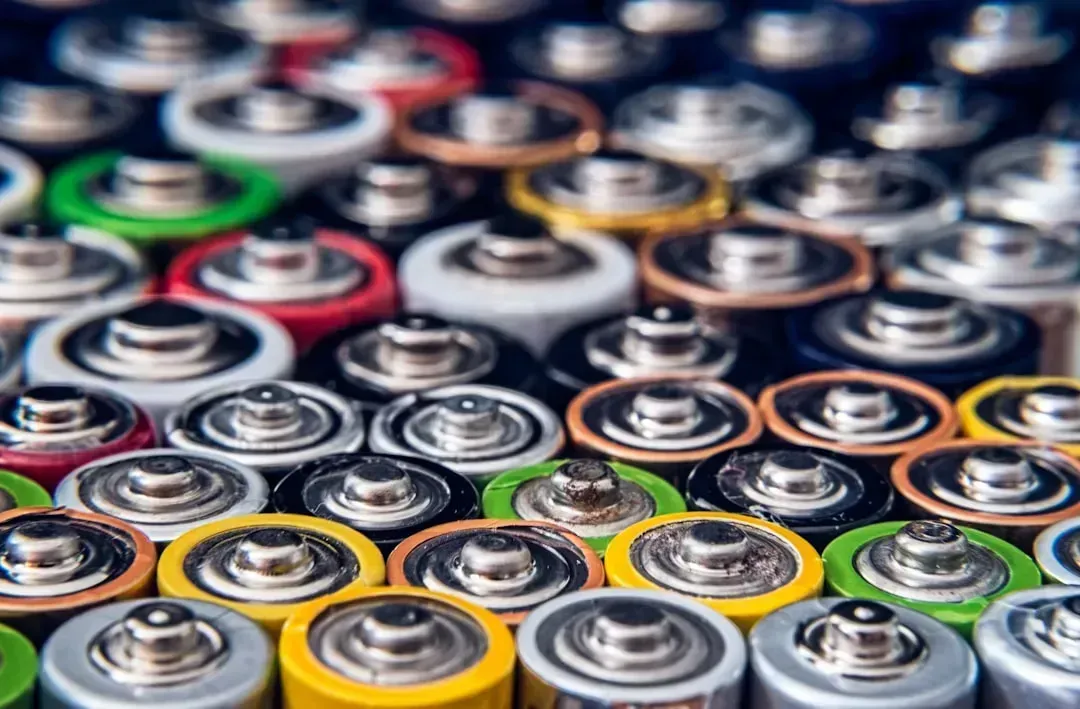
The global battery market is projected to grow from roughly 140 billion dollars in 2024 to over 670 billion dollars by 2034, with lithium-ion batteries dominating due to their high energy density. The sheer volume of batteries entering the world, and eventually reaching end of life, has made recycling one of the fastest-growing sectors in the materials industry.
In April 2025, Ecobat brought three lithium-ion battery recycling plants online within a year across Germany and the US. Meanwhile, in September 2024, Cylib began constructing Europe’s largest end-to-end lithium-ion battery recycling plant, aiming to process around 30,000 metric tons of end-of-life EV batteries annually. The infrastructure to handle this waste responsibly is being built. The weak link, consistently, is collection from consumers.
How to Dispose of a Rechargeable Battery the Right Way

After 30 years as the most trusted battery recycling program in the United States, Call2Recycle is now operating as The Battery Network, a nationwide system connecting every part of the battery lifecycle. Most people live within 10 miles of a participating location, and many are places you already shop. Convenience is rarely the barrier it once was.
Since 1999, The Home Depot has partnered with Call2Recycle to provide customers with a simple way to recycle used rechargeable batteries, and through this partnership has helped recycle more than 17 million pounds of rechargeable batteries, with over one million pounds collected in 2024 alone. Before drop-off, lithium and soft-sided batteries require additional preparation to prevent sparks and reduce fire risk. Taping the terminals or placing batteries in a sealed bag is usually all that’s needed before a drop-off.
The Hidden Cost to Workers and Communities
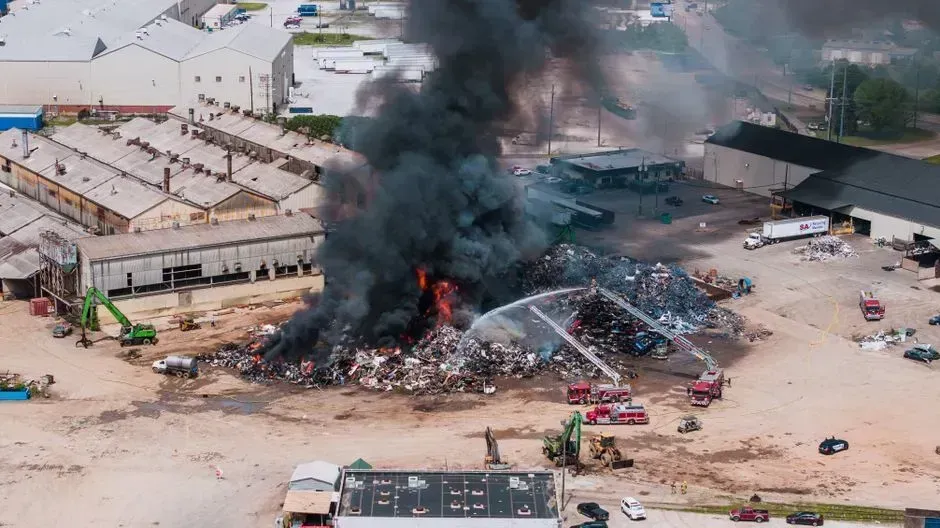
A study from the National Waste and Recycling Association found that the rate of catastrophic fire losses at recycling facilities has risen by 41% over the last five years. The association estimates that more than 5,000 fires occur annually at recycling facilities, and many are likely linked to lithium-ion batteries. Behind those numbers are real workers exposed to toxic smoke, structural damage, and dangerous conditions.
In July 2025, a fire at a Madrid battery recycling plant during high-temperature processing released toxic hydrogen fluoride gas, forcing the evacuation of 60,000 residents. Battery fires have moved from an occasional operational hazard to a defining insurance issue for recycling and waste facilities, as lithium-ion batteries proliferate in everything from disposable vapes to electric vehicles and grid-scale storage systems. The financial and human costs are now significant enough that insurers have started recalibrating how they assess risk at these facilities entirely.
What Proper Recycling Actually Achieves
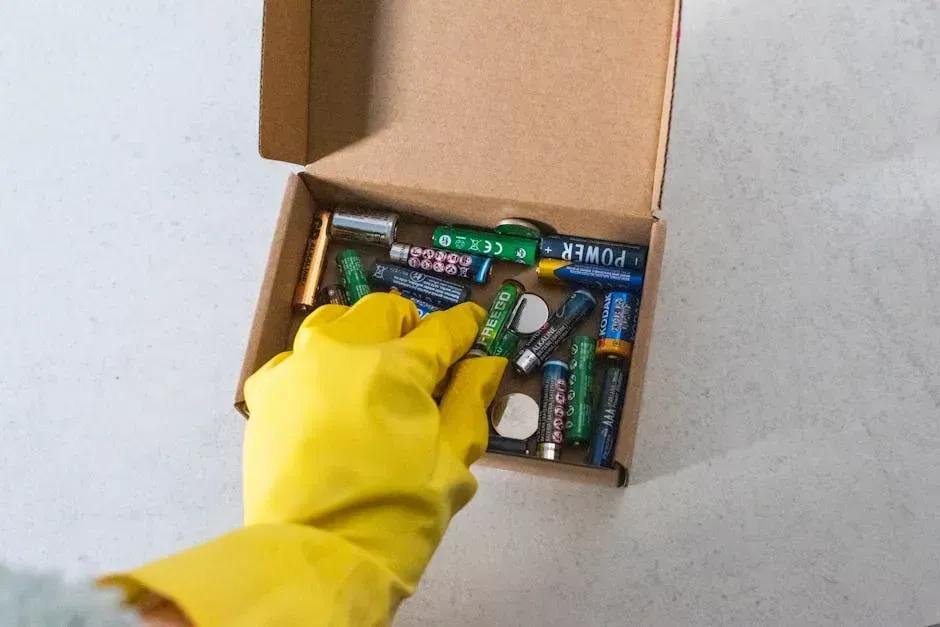
Recycling is essential for recovering critical materials and reducing dependency on primary mining, thereby benefiting the circular economy and environmental sustainability. When a spent lithium-ion battery enters a proper recycling stream, its components don’t disappear. They re-enter manufacturing, reducing the need to extract raw materials from the earth at great environmental cost.
In July 2024, Novocycle Technologies announced battery recycling breakthroughs, achieving a 99.9% graphite recovery rate, significantly higher than the industry’s typical 80% benchmark. Recycling technology is advancing rapidly, meaning more of what’s inside each battery can now be recovered and reused. Advanced recycling facilities have demonstrated the ability to recover over 95% of critical minerals from batteries. The case for proper disposal grows stronger with each improvement in processing technology.
