

- Paper Straws Ineligible for Curb Pick-Up – 6 Paper Swaps Sorting Facilities Can’t Process - November 16, 2026
- Cotton Totes Carry a 20,000-Use Footprint – 6 Everyday Eco-Swaps Worse Than Plastic - November 16, 2026
- Ravens Cooperative-Hunting With Wild Wolves – 7 Surprising Animal Partnerships - November 16, 2026
Few pairings in the wild get as much attention as the raven and the wolf. Ravens often turn up near wolf packs, and many people describe the two as hunting partners. The real picture is a bit more nuanced, and it shows how much animals can gain from reading each other’s behavior.
The raven and wolf story is only one example. Some partnerships are well documented in the lab and field, while others rest on careful observation of a few species. Here are seven of them, starting with the one in the title.
Ravens and Wolves in Yellowstone
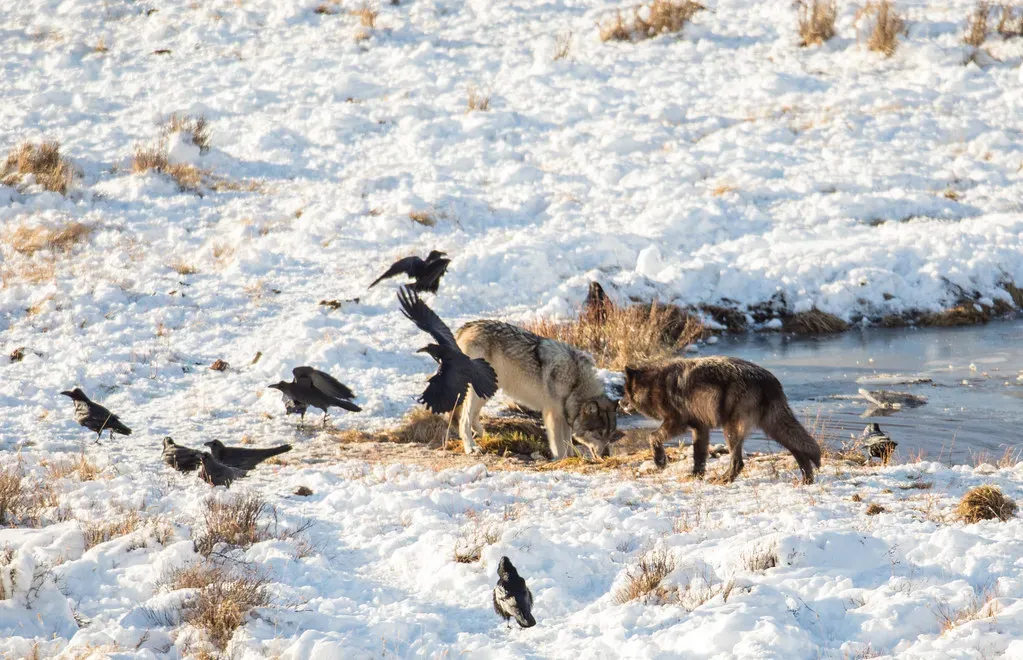
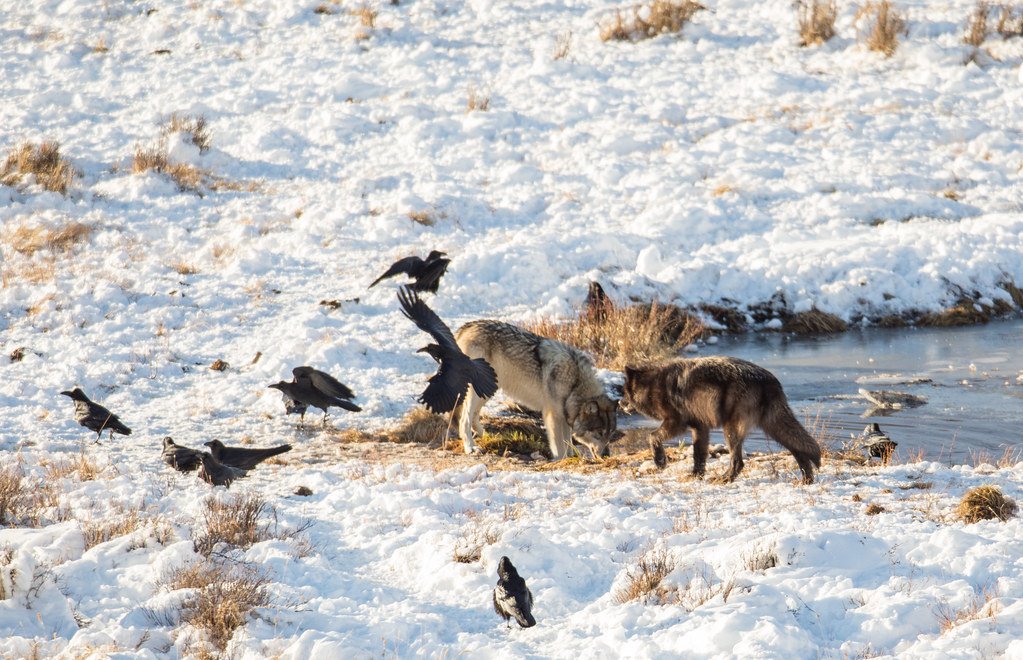
Ravens regularly gather around wolf kills, and researchers in Yellowstone National Park have documented this scavenging behavior. A wolf pack can leave a large carcass that a raven could never open alone. For the birds, following wolves is a dependable way to find food in winter.
Whether ravens actively help wolves hunt is less settled. Naturalists have long suggested that ravens may lead wolves to prey or alert them to carcasses. Much of that evidence is observational, so it’s safest to call this a strong association that likely benefits the ravens more than the wolves.
Honeyguides and Human Honey Hunters
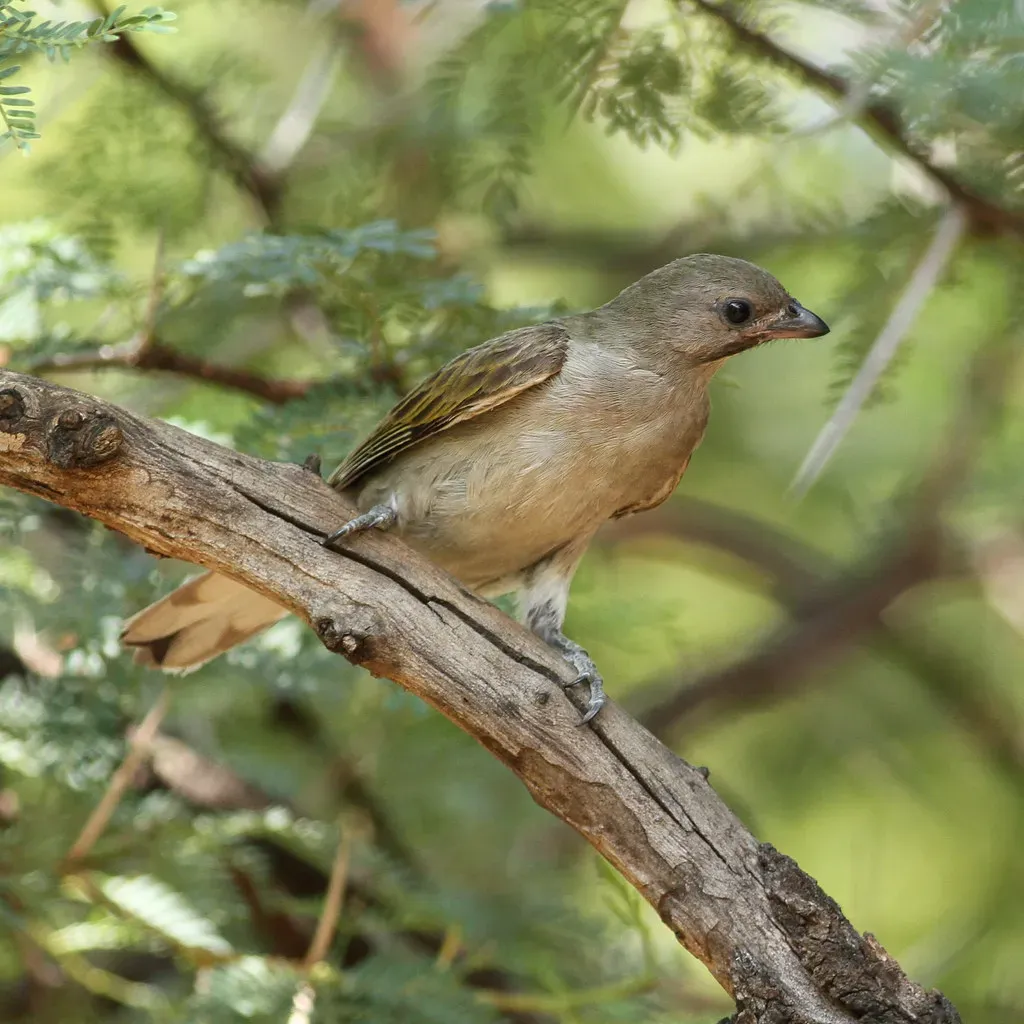
The greater honeyguide is a small African bird that leads people to wild bees’ nests. Humans open the hive and take the honey, and the bird feeds on the leftover wax and larvae. Research published in Science showed that the birds respond to specific calls used by honey hunters.
In northern Mozambique, a study of Yao honey hunters found that their traditional call made the birds far more willing to guide. It roughly doubled the chance of being led to a nest compared with other sounds. It’s a rare case of a wild animal and people communicating across species.
Groupers and Giant Moray Eels
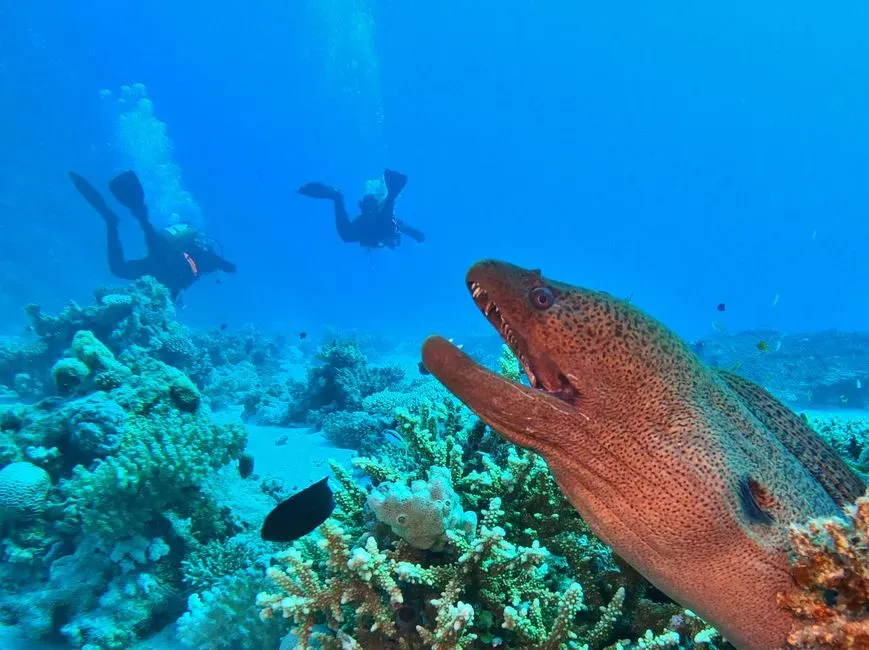
On coral reefs, a grouper sometimes swims to a moray eel’s crevice and shakes its head rapidly. The eel can follow it out to hunt together. A 2006 study in PLoS Biology reported this as an example of signaling between two different fish species.
The logic is simple. Open water favors the grouper, while the eel can slip into cracks where prey hide. Prey that flees one hunter may run straight into the other.
Coral Trout and Their Pointing Gestures
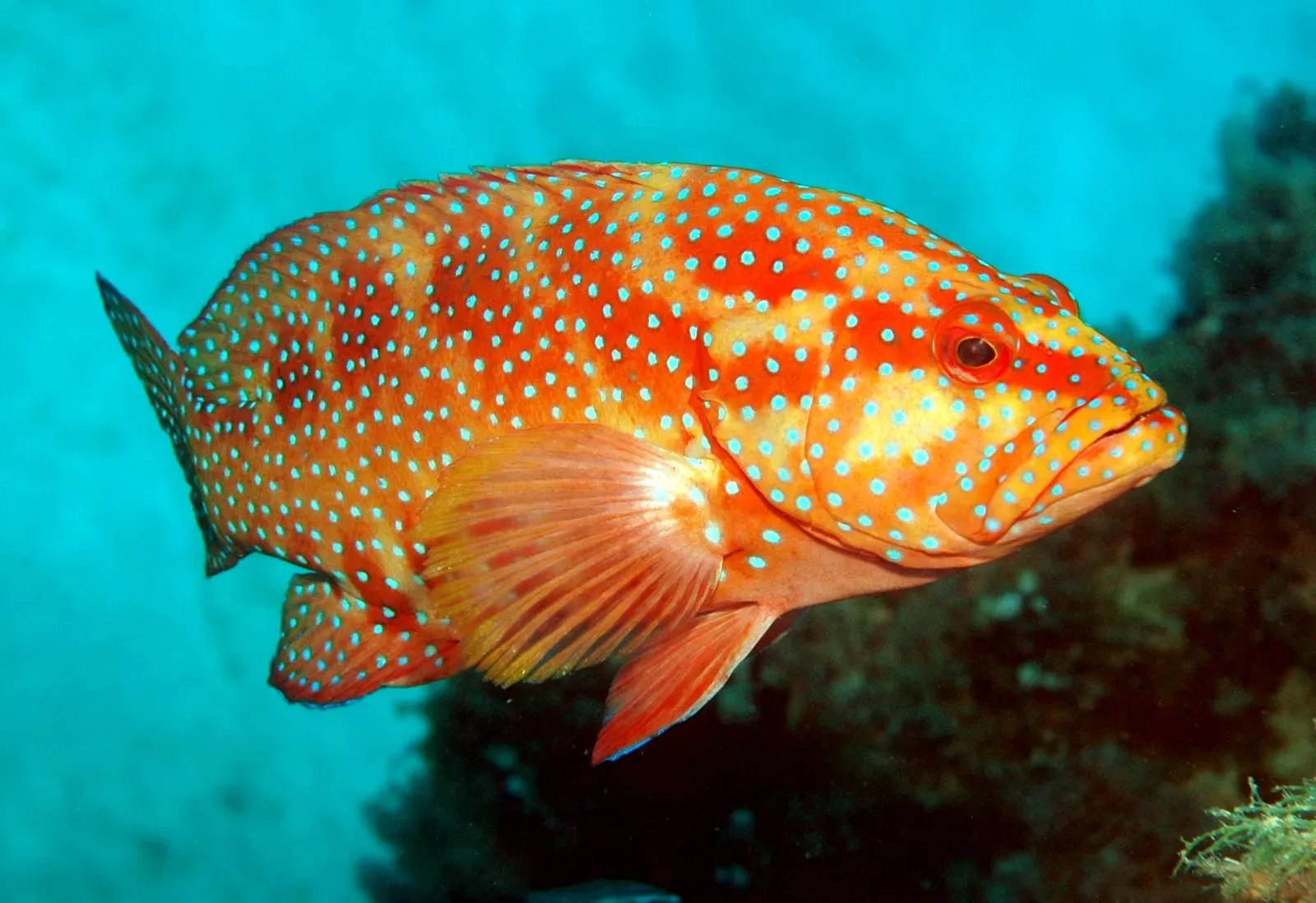
Researchers studying the roving coral grouper reported something even more striking in a 2013 paper in Nature Communications. When prey hides in a crevice, the grouper may stop, then perform a headstand over the spot. The posture seems to direct a partner toward the hidden fish.
The partner can be a giant moray eel or an octopus. Scientists considered this a form of referential gesture, something once thought to be rare outside primates. It is still a small body of work, but it has changed how people think about fish intelligence.
Badgers and Coyotes on the Prairie
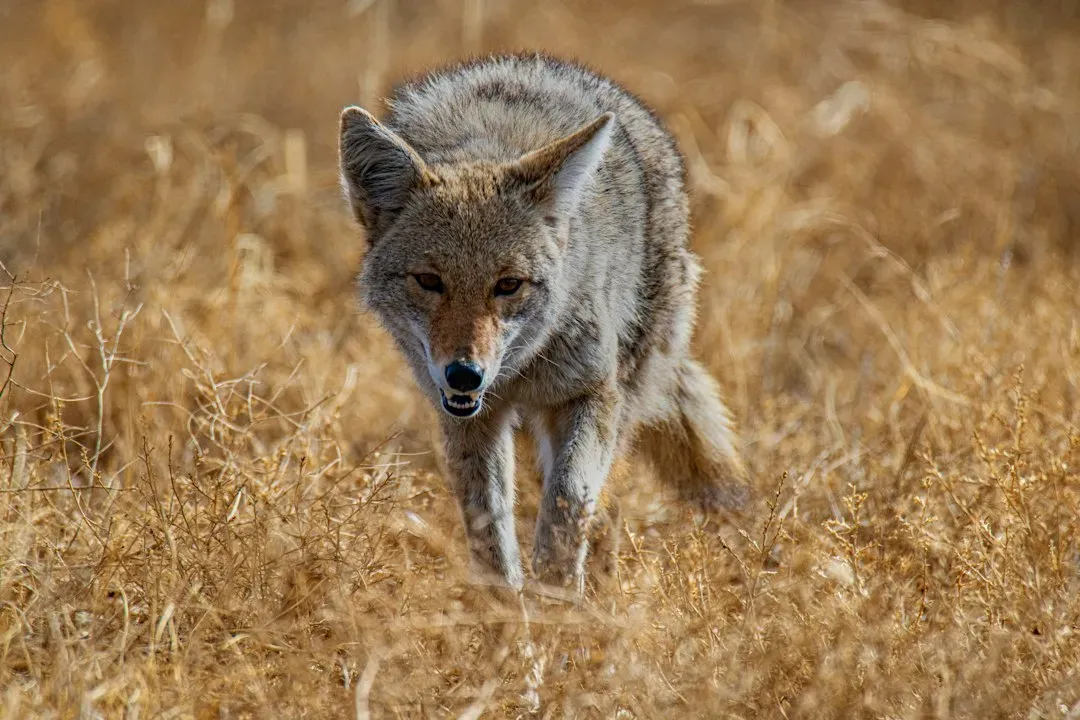
North American badgers and coyotes have been observed traveling and hunting together. A badger digs into burrows, and a coyote waits nearby to catch ground squirrels that bolt out. Field work in Wyoming in the early 1990s suggested that both animals did better in these teams than hunting alone.
The partnership isn’t a permanent friendship. The animals tend to separate after the hunt, and the benefit is mostly about prey that can escape one predator but not two. It’s a loose, practical arrangement.
Dolphins and Net Fishers in Brazil
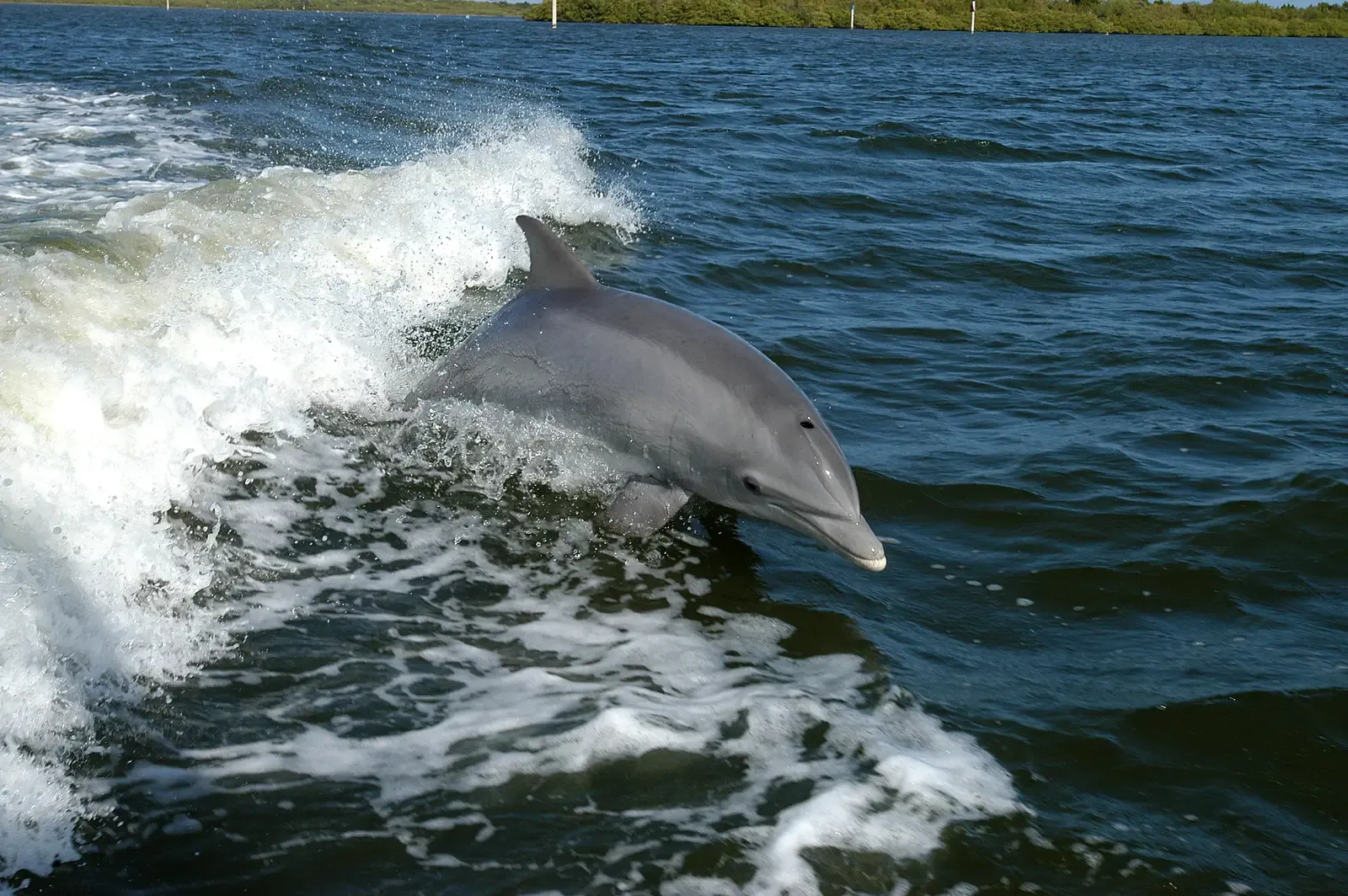
In Laguna, southern Brazil, wild bottlenose dolphins drive schools of mullet toward fishermen standing in shallow water. A sudden dive or a head slap by the dolphin signals when to cast the net. Both sides catch more fish than they might on their own.
A study in PNAS in 2023 found that dolphins taking part in this cooperation had better survival than those that didn’t. The tradition appears to be passed along within dolphin groups. It’s one of the best studied cases of wildlife and people working together.
Gobies and Snapping Shrimp
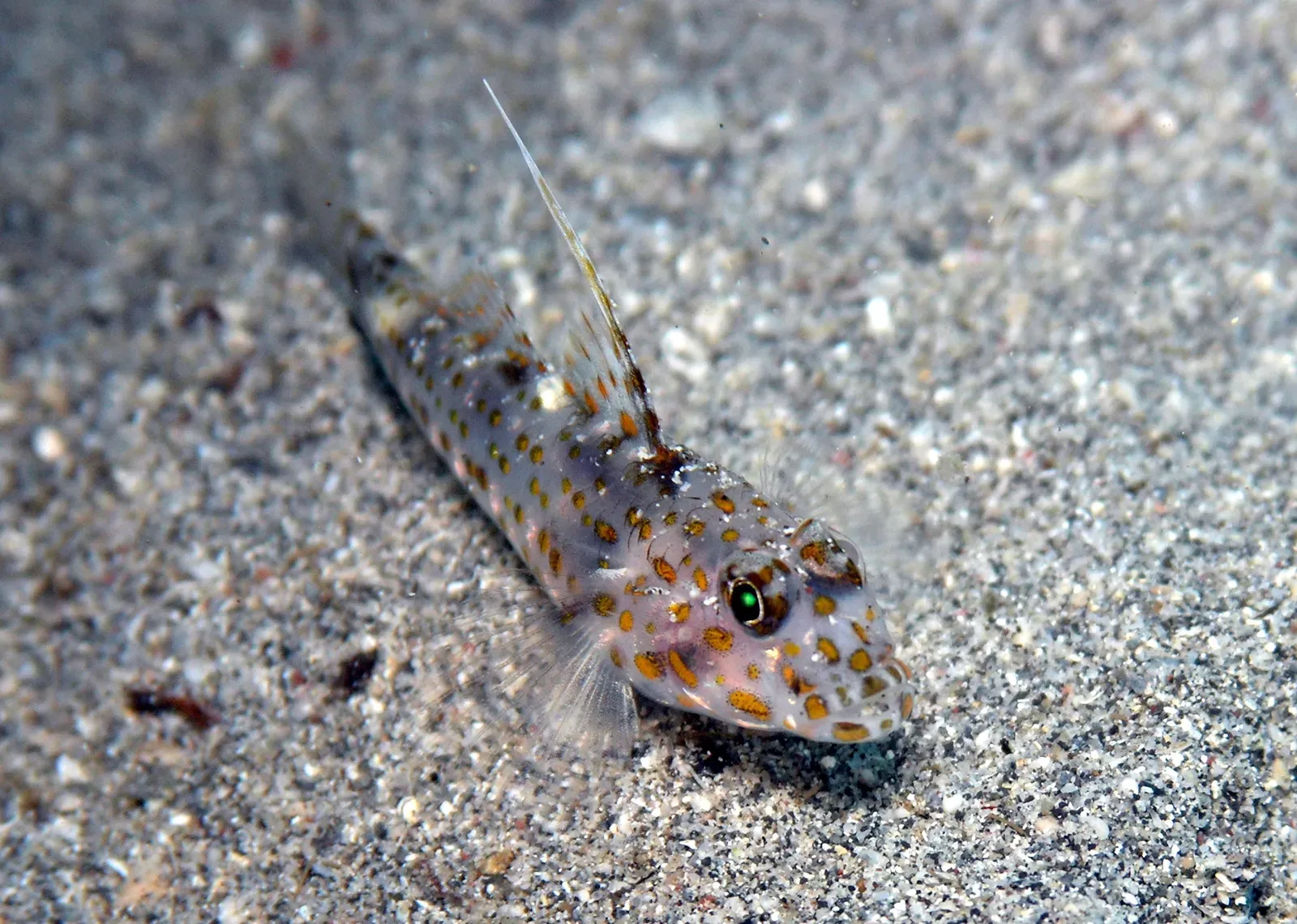
Some small reef fish live with burrowing shrimp. The shrimp has poor eyesight but digs and maintains a shelter, and the goby serves as a lookout. When the goby spots danger, it flicks its tail, and the shrimp retreats underground.
While the shrimp is outside, it keeps an antenna on the fish. This constant physical contact is how the pair stays coordinated. Few partnerships are tighter than this one.
What These Partnerships Share
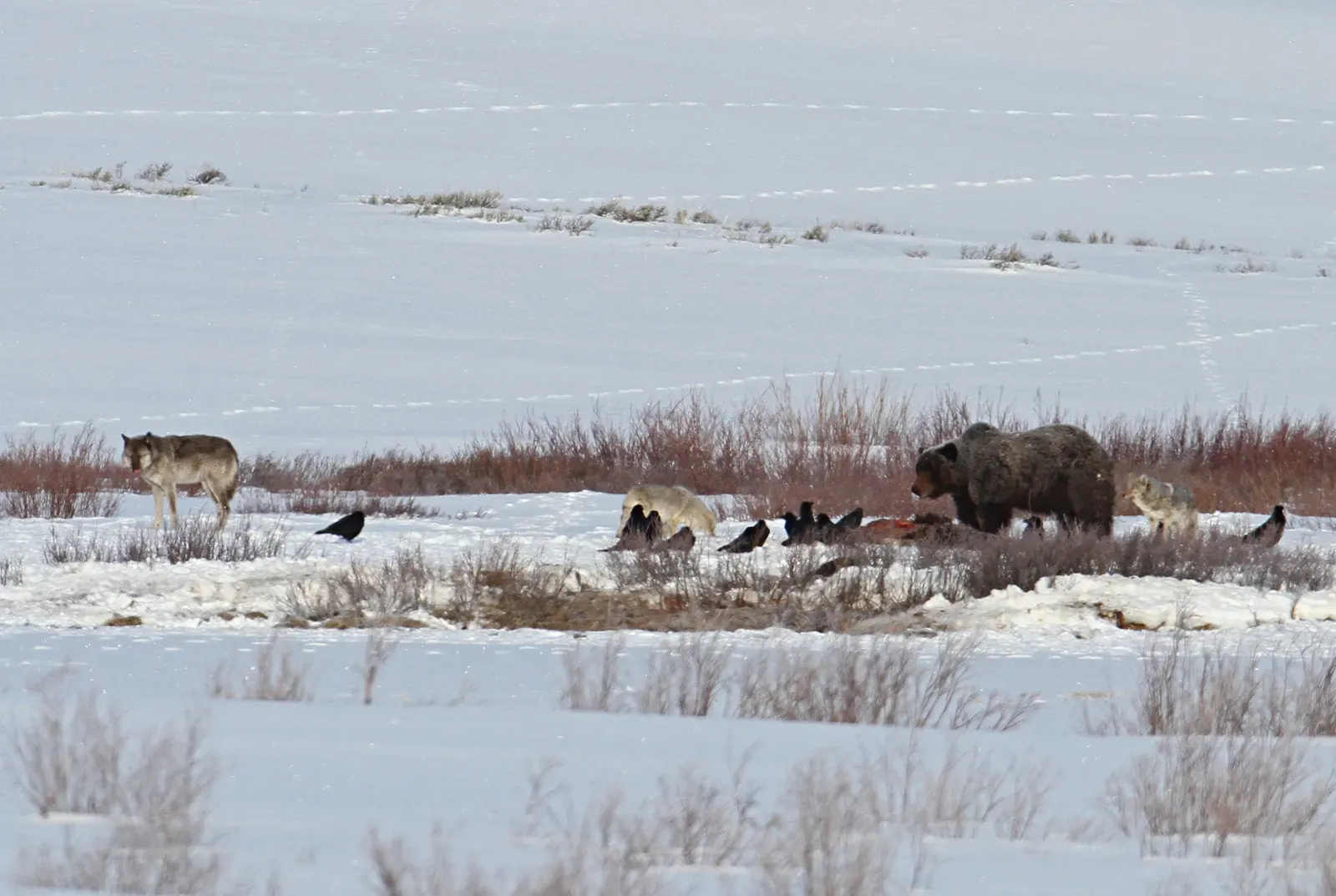
Each pairing works because the animals have complementary skills, from a wolf’s strength to a raven’s eyesight or a moray’s ability to enter tight spaces. Some partnerships are ancient and others are learned, but all depend on mutual benefit.
The raven and wolf link is the least proven as active cooperation, while honeyguides and dolphins are among the best verified. Together they show that teamwork across species is real, though the details vary a great deal.
