
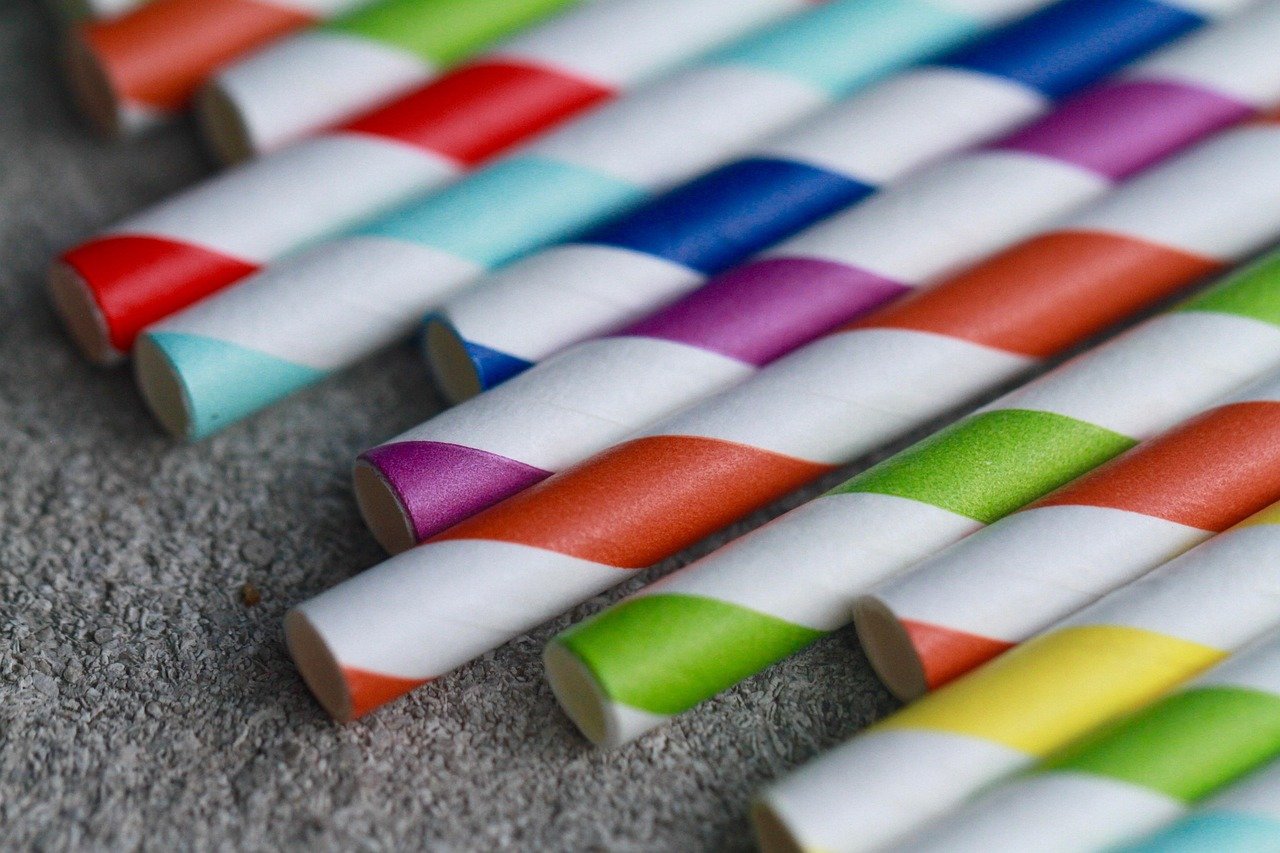

- Paper Straws Ineligible for Curb Pick-Up – 6 Paper Swaps Sorting Facilities Can’t Process - November 16, 2026
- Cotton Totes Carry a 20,000-Use Footprint – 6 Everyday Eco-Swaps Worse Than Plastic - November 16, 2026
- Ravens Cooperative-Hunting With Wild Wolves – 7 Surprising Animal Partnerships - November 16, 2026
Swapping a plastic straw for a paper one feels like a small, responsible choice. Then it’s time to toss it, and the blue bin looks like the obvious place. Many recycling programs don’t see it that way.
The problem isn’t that paper is a bad material. It’s that sorting equipment is built for certain shapes, sizes and levels of cleanliness. Here are six paper swaps that often get stuck at that stage, starting with the one in the headline.
Paper Straws
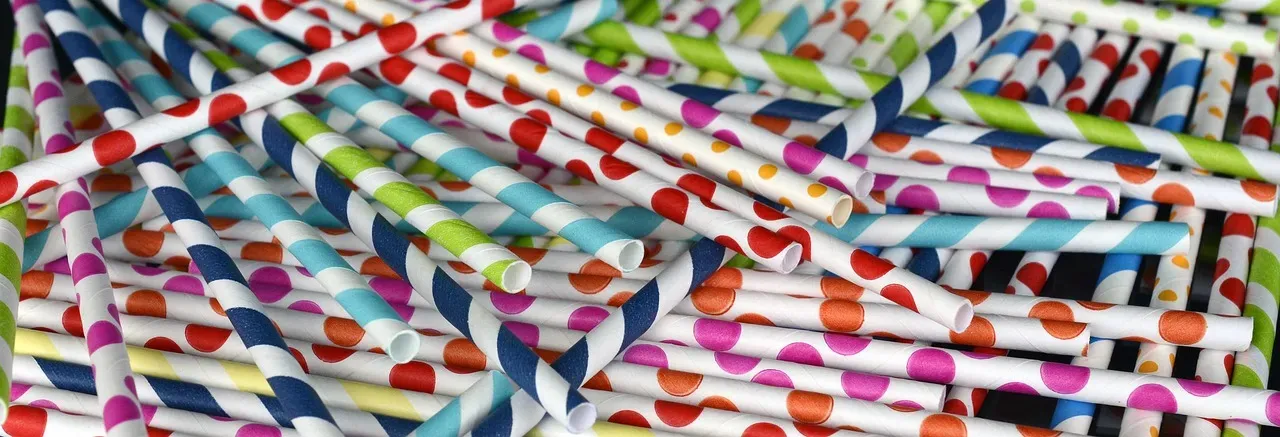
On paper, a straw is a recyclable item. In practice, they are rarely recycled, because their small size, food contamination and glues lead most facilities to filter them out and send them to a landfill. A used straw is also soaked with whatever drink it was in.
Size matters too. Small, lightweight items like paper straws fall through the screens along with other contaminants such as broken glass and food scraps. Some advocacy groups state it flatly: neither plastic nor paper straws are accepted by most recycling facilities.
Shredded Paper
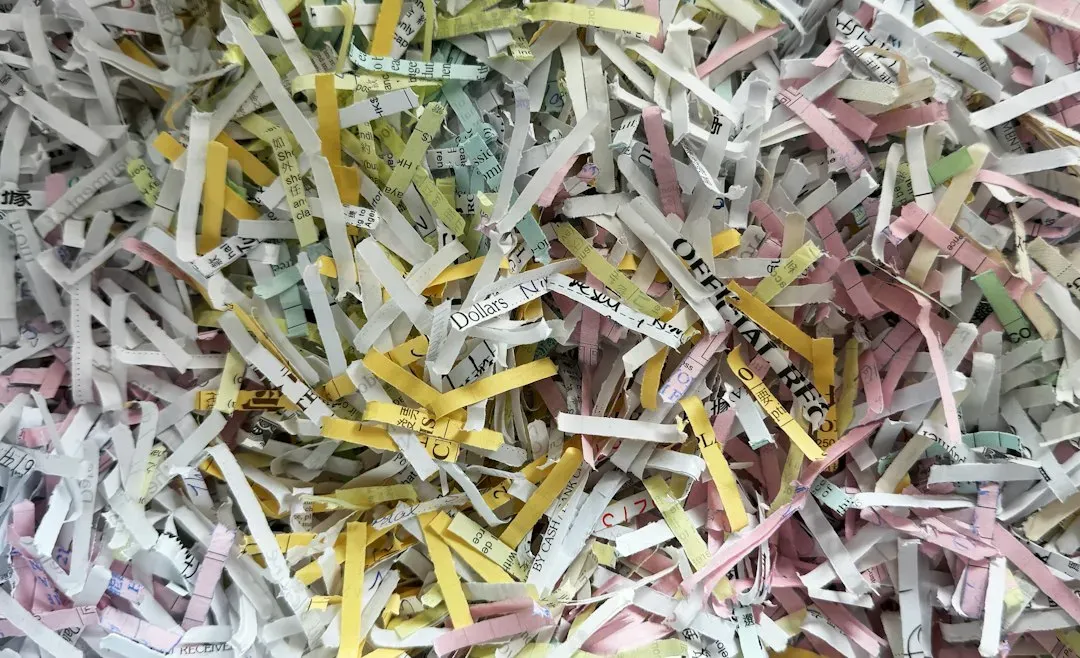
Office paper is one of the easiest things to recycle, so shredded paper seems like a safe bet. It isn’t, in many places. Shredded paper is not recyclable for many of the same reasons as straws, namely that the pieces are tiny and light.
Those loose strips can drift through sorting screens and mix with other material. Fibers in shreds are also cut short, which lowers their value for recyclers. Some programs do accept shreds if they’re sealed in a paper bag, so it’s worth checking your local guidance before assuming either way.
Food Soiled Paper Takeout Containers
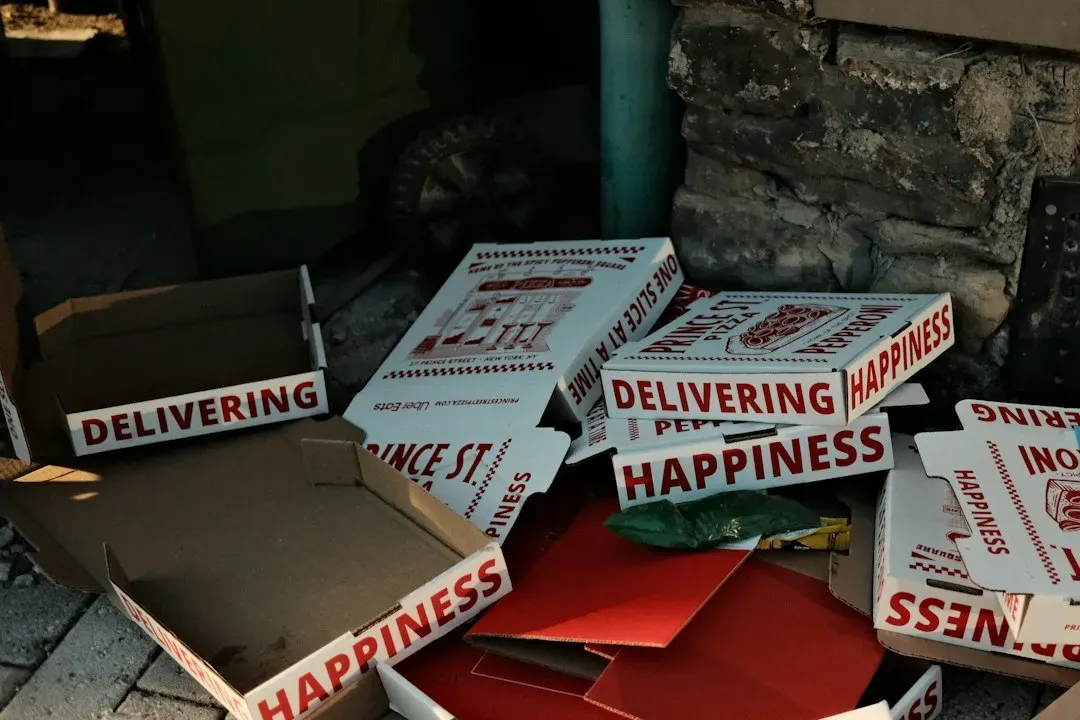
Paper boxes and cartons from a meal look like cardboard, but grease and leftover food change the equation. Many recycling facilities won’t take paper products that have been contaminated with food. Oil doesn’t separate from paper fibers during pulping the way ink does.
Pizza boxes show how much the rules vary. Many curbside programs now accept pizza boxes regardless of food residue, though you should check with your local facility. A clean lid may be fine in one city and a contaminant in the next.
Paper Cups With Plastic Linings
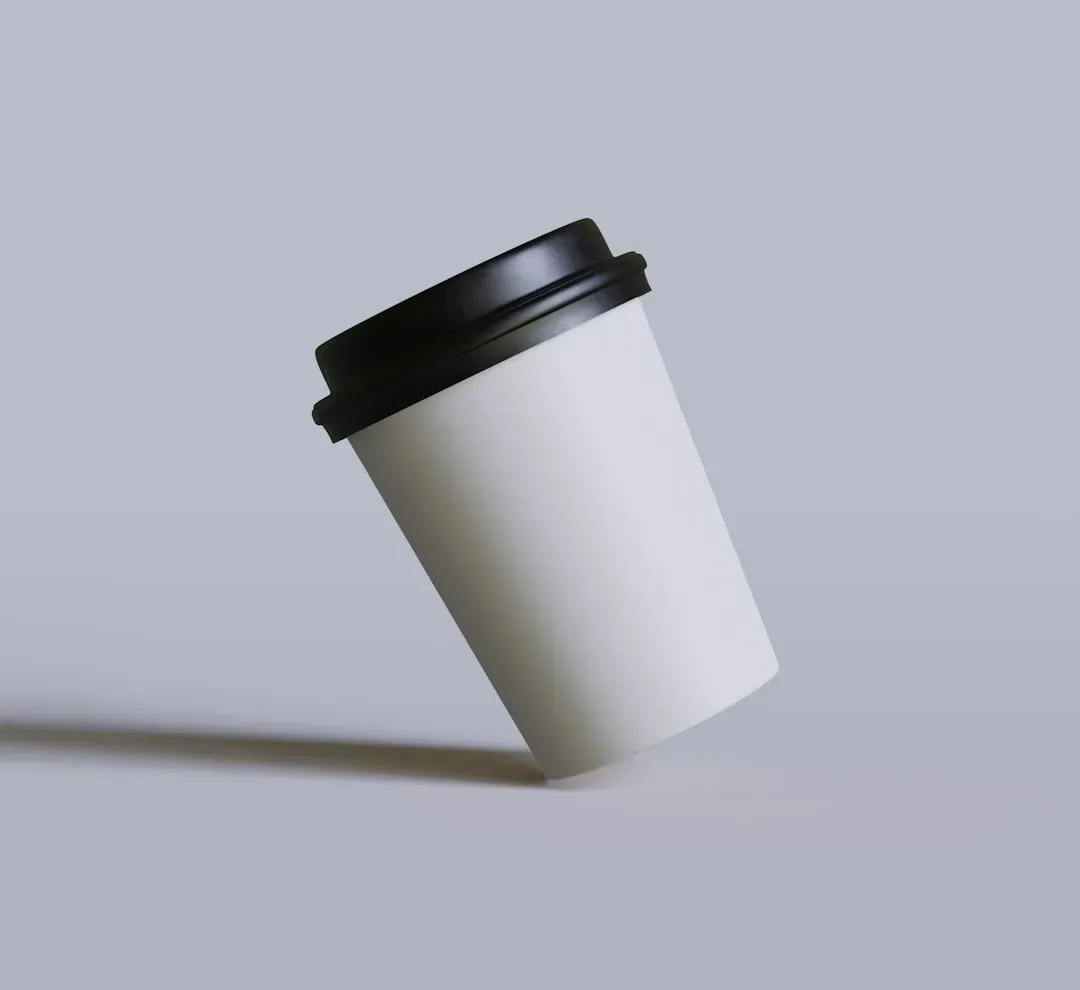
A paper coffee cup is a common stand in for foam or plastic. Most are lined with a thin plastic film so they hold liquid, and that lining is why many mills and sorting lines can’t handle them. This is general industry knowledge rather than a rule that applies everywhere, since a few regions have specialized processing.
Because acceptance depends so much on local equipment, the safest approach is to look up your own program’s list. If cups aren’t named as accepted, they’re usually treated as trash. Lids and sleeves often follow different rules than the cup itself.
Wet or Contaminated Paper Plates and Napkins
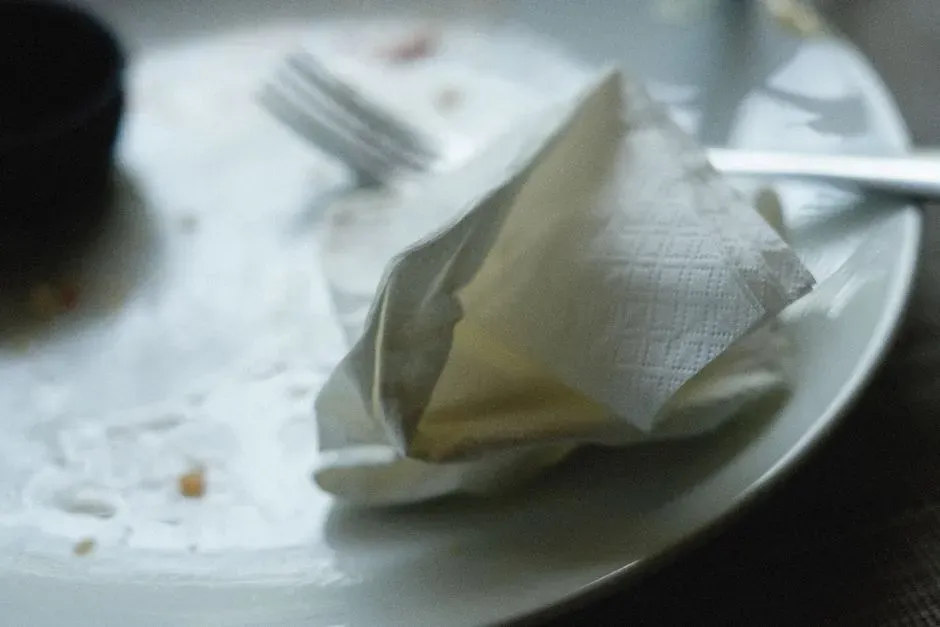
Paper plates and napkins are another easy swap for reusable dishes. Once they’ve touched food, they run into the same issue as takeout containers. Paper absorbs liquid, and in most cases it won’t be accepted for recycling.
Contamination affects more than the item itself. Non-recyclable items in the recycling stream can contaminate otherwise recyclable materials. That extra burden adds cost, which affects the economic viability of recycling programs.
Compostable Paper Products That Need Industrial Composting
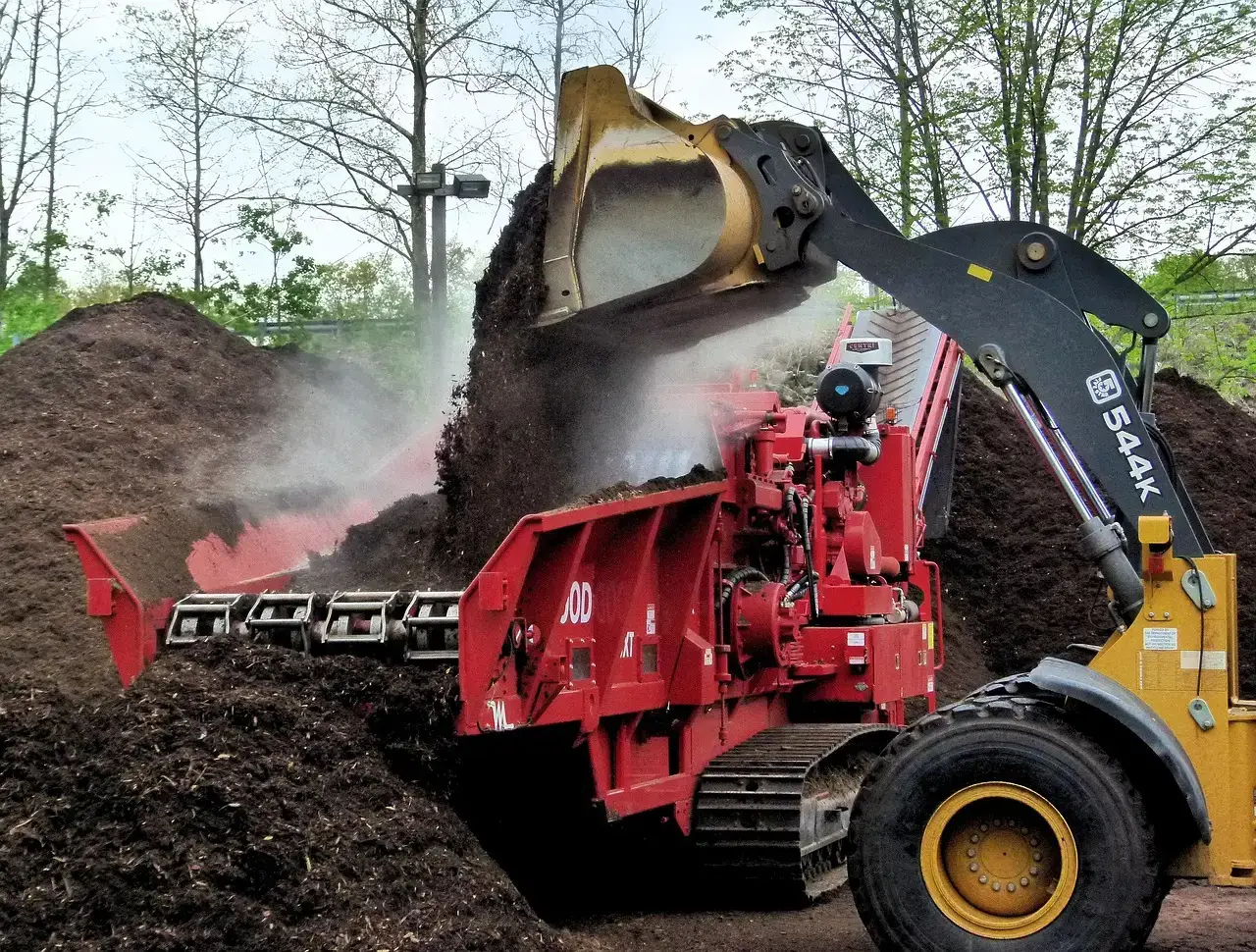
Some paper swaps are labeled compostable rather than recyclable, which sends them down a different path entirely. They don’t belong in the recycling bin, and they may not break down in a backyard pile either. Many compostable straws require industrial composting facilities to break down completely, which may not be available in all areas.
Disposal matters as much as the label. Some environmental groups note that buying compostable straws and then sending them to a landfill is not a solution. If a commercial composting service isn’t available where you live, the item likely ends up as ordinary trash.
Check Your Local Program Before You Toss
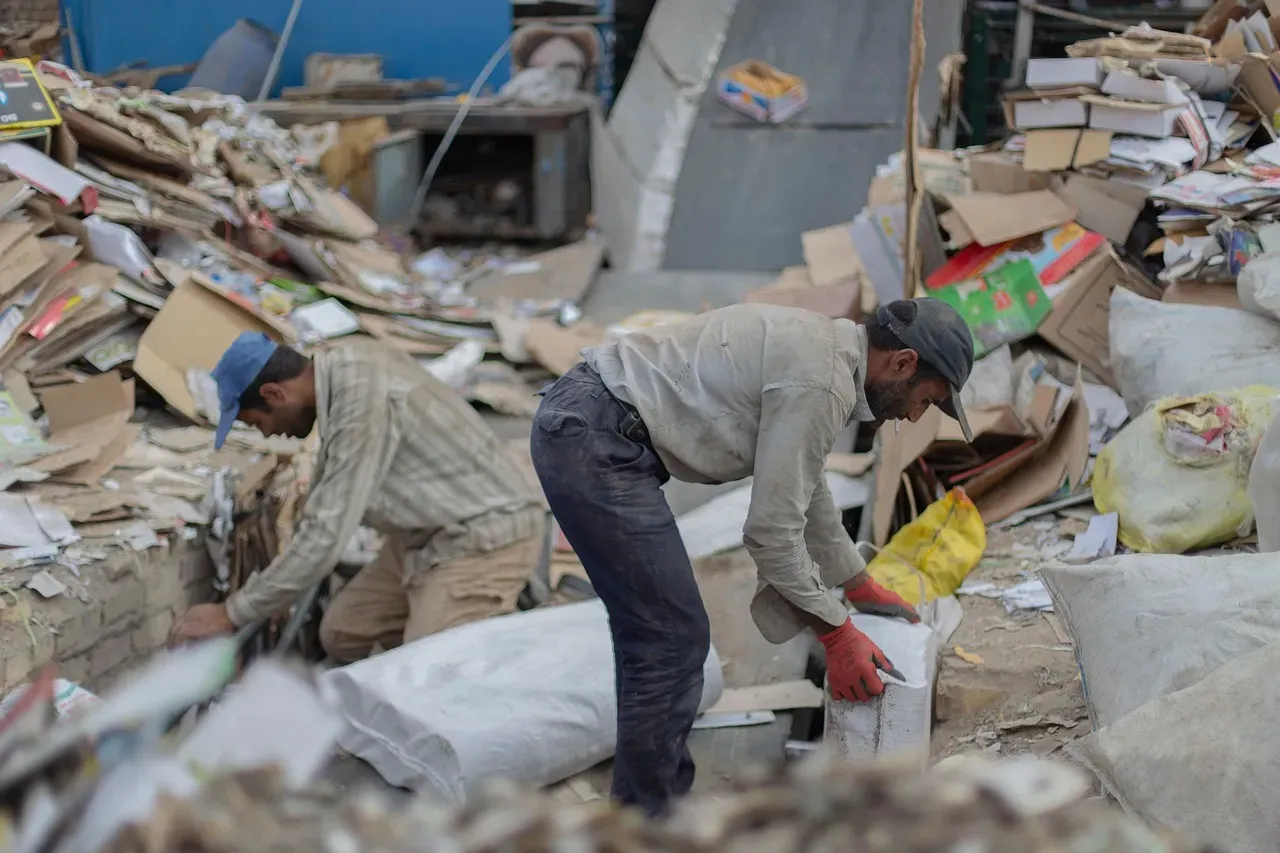
Recycling rules aren’t uniform. Programs differ by jurisdiction and accept different types of items, which can lead to confusion. Austin’s city guidance, for example, lists straws among items that must go in the trash.
Your city or hauler’s website is the most reliable reference. When an item isn’t listed as accepted, treating it as trash protects the bales of paper, cans and bottles that are accepted. Skipping the straw or using a reusable one avoids the question altogether.
